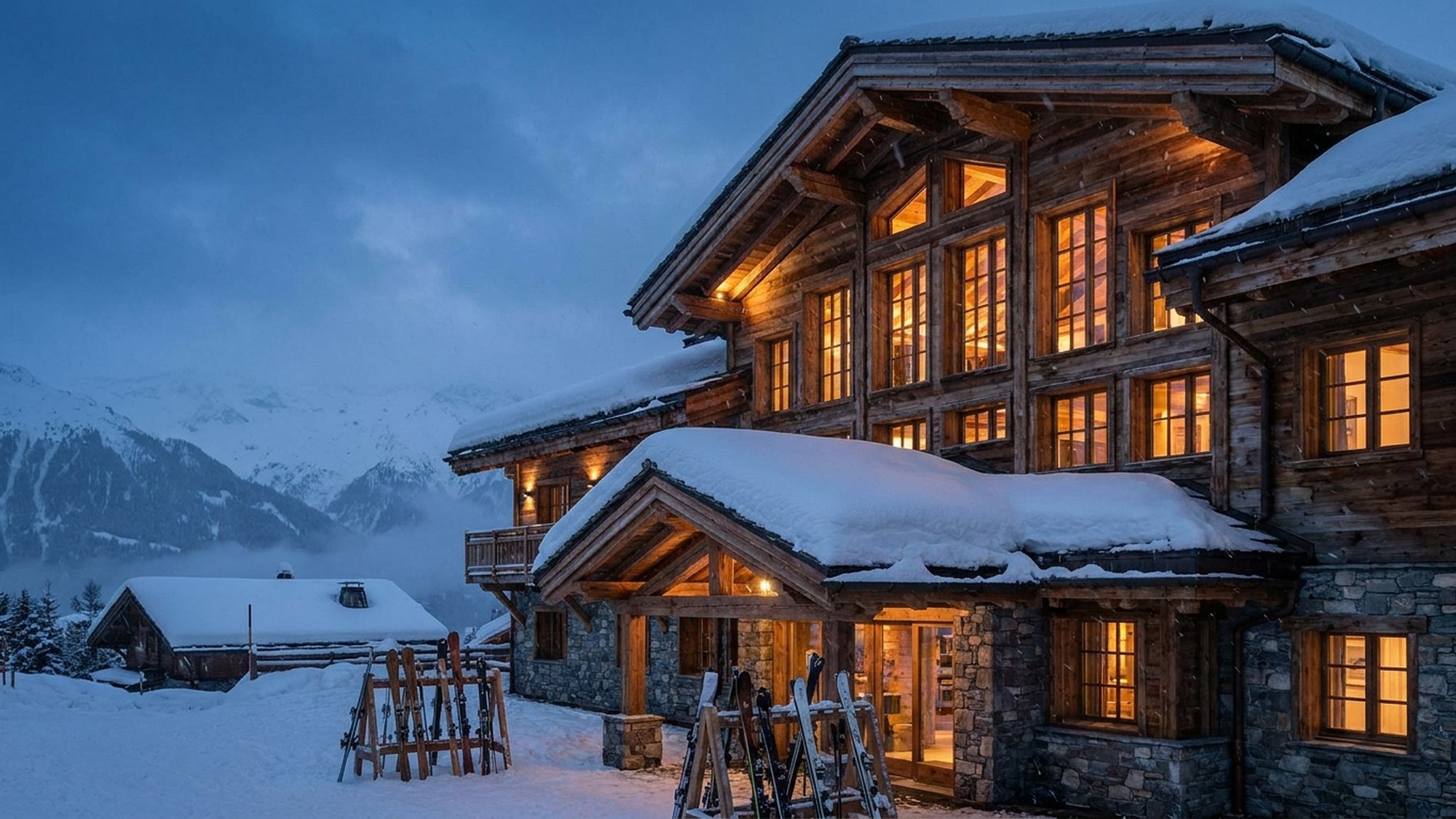
The crisp, rarefied air of Gstaad, Switzerland, is about to welcome a new entrant into its notoriously exclusive hospitality market. On 4 December 2026, Fouquet’s Gstaad will open its doors, marking the sixth property for the French luxury hotel brand and a significant acceleration of Groupe Barrière’s international expansion strategy. This isn’t merely another hotel opening; it is a calculated move into one of the world’s most discerning Alpine destinations, a resort where competition is not just fierce, but deeply entrenched in generations of discreet wealth and inherited taste.
Occupying a property previously operated by the Ultima Group, Fouquet’s Gstaad arrives with a clear intent: to offer an intimate, personalised experience rather than the sprawling grandeur of a conventional luxury resort. The property features 11 suites, six apartments, and a substantial private chalet, alongside an 800-square-metre spa and a pop-up Zuma Japanese restaurant. It’s a blend of traditional mountain architecture and contemporary interiors, designed to appeal to a clientele that values privacy, spacious accommodation, and bespoke service above all else.
This latest opening follows closely on the heels of Fouquet’s Mykonos, which debuted earlier this year, and signals a deliberate push by Barrière Collection to extend the Fouquet’s identity beyond its Parisian origins. The brand, which began as a legendary brasserie on the Champs-Élysées, is now staking its claim in a global network of established leisure destinations, each chosen for its existing high-net-worth clientele and its reputation for quality.
A Strategic Alpine Assertion
Gstaad is not a destination for the faint of heart, nor for any brand seeking a quick win. It is an Alpine resort synonymous with a particular strain of quiet, old-money luxury, where understatement often speaks louder than overt display. For Fouquet’s to choose Gstaad as its sixth outpost, and its second opening in less than a semester, underscores the strategic confidence of Groupe Barrière’s leadership. Grégory Rabuel, CEO of Groupe Barrière, describes the property as “a new expression of French hospitality,” positioning it directly against established titans like The Palace, The Alpina, and The Grand Bellevue, which have long defined Gstaad’s top tier.
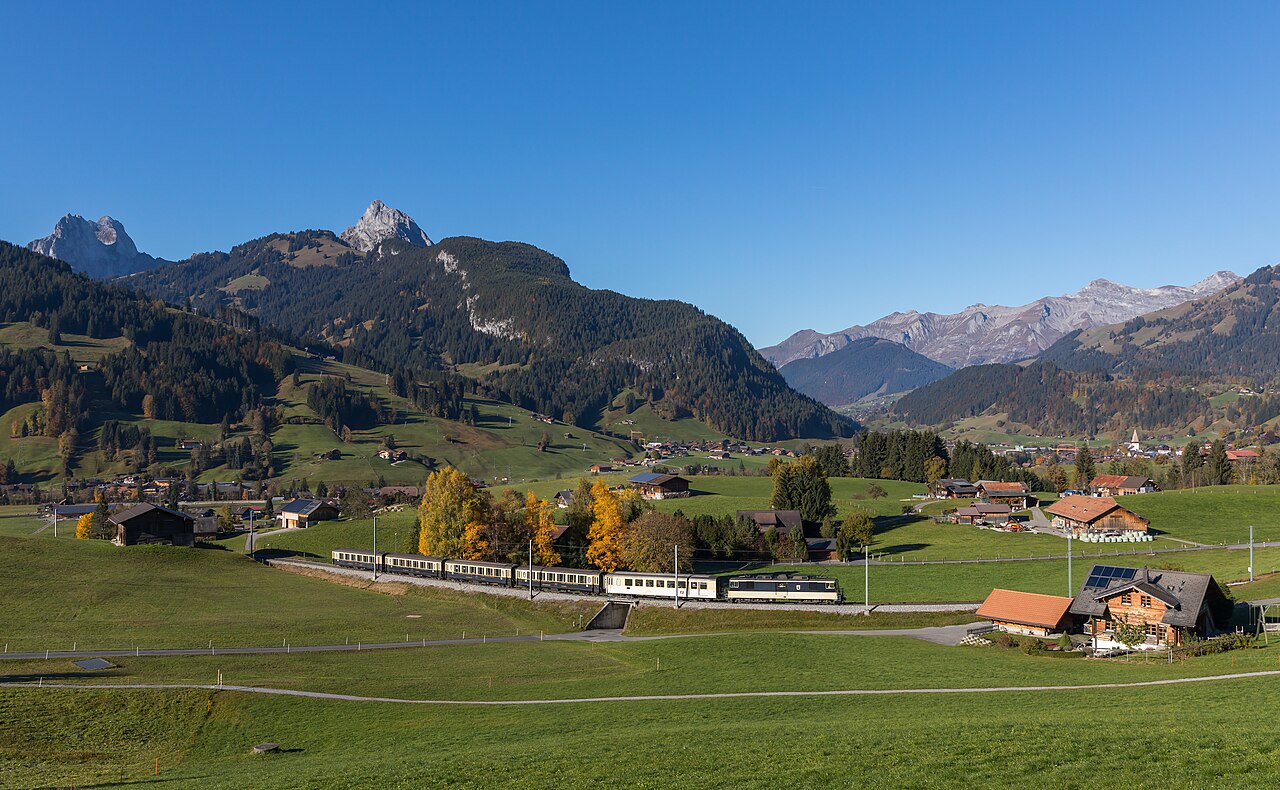
The property’s structure reflects this understanding of the Gstaad market. With just 33 bedrooms across its suites and apartments, the focus is squarely on intimacy. The suites and apartments range from 46 to 250 square metres, designed to accommodate couples, families, and groups seeking more expansive living spaces during their Alpine holidays. This scale is deliberately small, eschewing the mass-market appeal of larger resorts in favour of an environment where personalised service can truly flourish. It’s a choice that aligns perfectly with Gstaad’s reputation for attracting travellers who prefer private residences and smaller, more exclusive properties.
The partnership with Ultima Group for this property is also noteworthy. Rather than a ground-up development, Fouquet’s is taking over an existing, high-end site. This approach allows for a quicker market entry and leverages an established physical footprint, while infusing it with the distinct Fouquet’s identity and service philosophy. It’s a pragmatic strategy in a market where new builds are often fraught with planning complexities and astronomical costs, allowing Barrière to focus on delivering its brand promise within a proven structure.
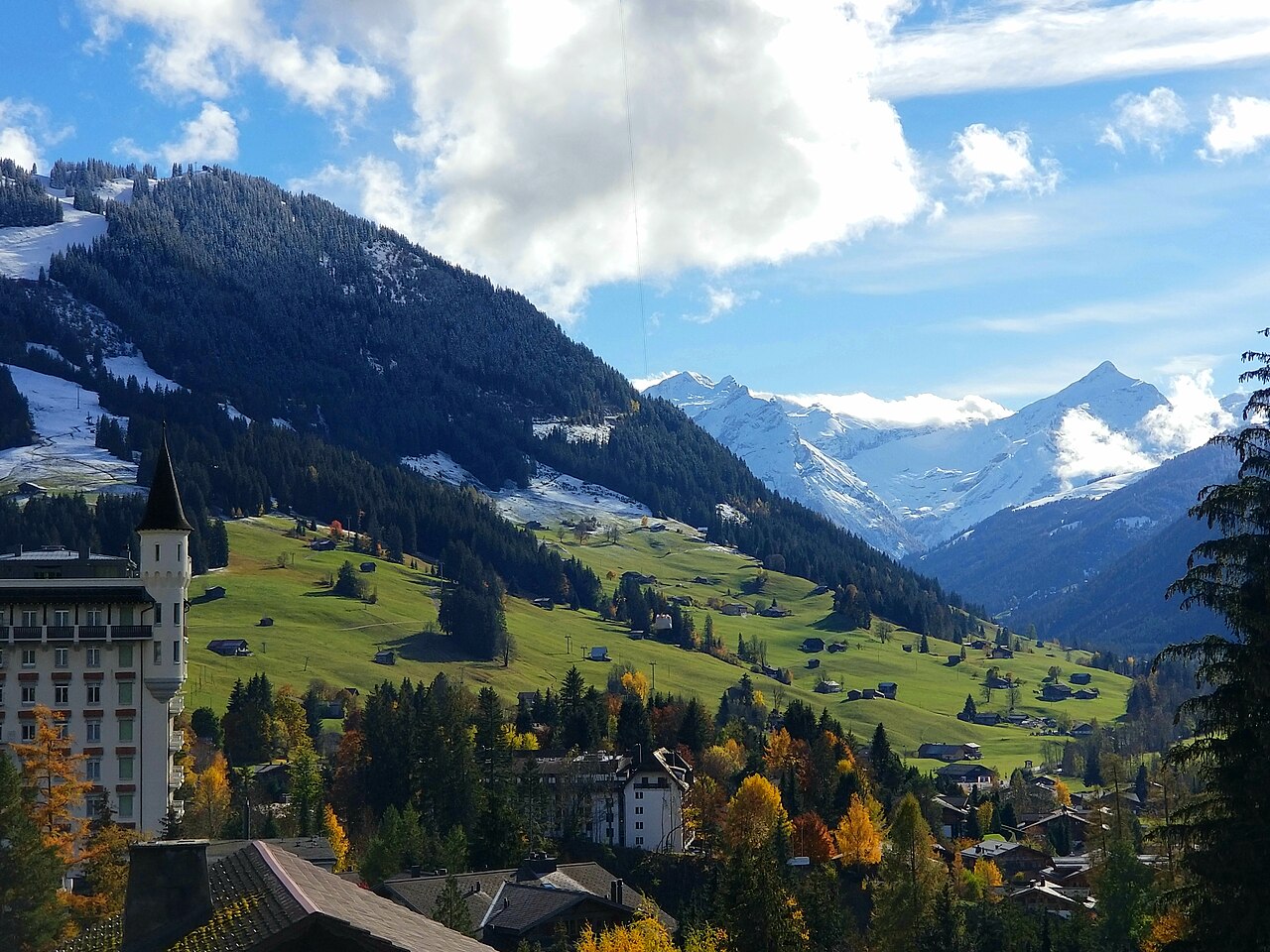
The Private Chalet: A New Benchmark
Perhaps the most distinctive offering at Fouquet’s Gstaad is its private chalet. Spanning approximately 1,500 square metres, this standalone residence is designed for families and larger groups who demand the utmost privacy without sacrificing access to hotel services. According to the hotel’s announcement, this chalet will feature eight bedrooms, a children’s dormitory, its own spa, a fitness room, a nightclub, and a cinema. This level of amenity within a private rental unit is a significant statement, pushing the boundaries of what a luxury chalet experience can offer.
The inclusion of a fully serviced chalet within the hotel’s ecosystem provides a compelling alternative to independent high-end vacation rentals, including those found on platforms like Airbnb Luxe or Vrbo Premier. While those platforms offer a vast array of private homes, they often lack the seamless integration of hotel services – daily housekeeping, concierge assistance, in-room dining, and direct access to wellness facilities and restaurants. Fouquet’s Gstaad’s chalet bridges this gap, offering the seclusion of a private residence with the convenience and reliability of a five-star hotel.
This offering speaks directly to the increasing demand for exclusive, private accommodations that offer more than just a place to sleep. It caters to the evolving preferences of affluent travellers who seek unique experiences and greater control over their environment, especially when travelling with extended family or a retinue. The chalet’s size and amenities position it as a serious contender for those seeking an unforgettable, fully catered Alpine escape, potentially drawing business away from standalone, unbranded chalets.
Wellness Redefined in the Alps
A luxury hotel in the Alps without a serious wellness component is simply incomplete. Fouquet’s Gstaad meets this expectation with an extensive spa spanning over 800 square metres. The facilities are comprehensive: a 15-metre indoor swimming pool, a sauna, a hammam, indoor and outdoor Jacuzzis, and even a unique snow shower for invigorating thermal contrasts. Five treatment rooms, including a double treatment suite, will offer personalised wellness treatments featuring skincare products from Augustinus Bader, a brand known for its scientific approach to skincare.
Beyond the traditional spa offerings, the property includes a Technogym-equipped fitness area, two Pilates Reformers, and a dedicated yoga studio. This robust suite of facilities caters to guests who maintain active lifestyles even on holiday, providing ample opportunities for relaxation and exercise. After a day on Gstaad’s renowned ski slopes or exploring the surrounding mountains, these spaces offer a vital sanctuary for rejuvenation. It’s a holistic approach to wellbeing that goes beyond mere pampering, integrating physical activity and recovery into the guest experience.
The emphasis on wellness also reflects a broader trend in luxury hospitality, where health and self-care are no longer ancillary services but core components of the travel experience. Travellers are increasingly seeking destinations and properties that support their wellbeing goals, offering state-of-the-art facilities and expert-led programmes. Fouquet’s Gstaad’s commitment to this aspect positions it competitively, appealing to a health-conscious demographic that views wellness as an essential part of their luxury lifestyle.
Zuma Pop-Up: A Culinary Statement
For its dining offering, Fouquet’s Gstaad is introducing a Zuma pop-up restaurant. Zuma, the contemporary Japanese izakaya, is an internationally recognised name, known for its vibrant atmosphere and high-quality cuisine. The restaurant will feature an open kitchen, serving a menu of sushi, sashimi, tartares, premium wagyu, and robata-grilled specialities. Guests will have the option to dine indoors, at the bar, or on a heated outdoor terrace, providing flexibility regardless of the Alpine weather.
The decision to feature a Zuma pop-up, rather than a permanent in-house concept, is a clever move. It brings a recognisable, globally acclaimed culinary brand to Gstaad, immediately elevating the hotel’s dining scene and drawing attention. The “pop-up format” adds a distinctive, temporary culinary element to the property’s inaugural winter season under the Fouquet’s brand, allowing for flexibility and perhaps testing the waters for future, more permanent collaborations. For Gstaad visitors, it provides another high-end dining option, injecting a contemporary Japanese flavour into a resort traditionally associated with Swiss and French Alpine fare.
Fouquet’s entry into Gstaad is not merely about planting a flag; it is a confident assertion of its capacity to deliver nuanced, high-touch hospitality in a market that tolerates nothing less.
This strategy of partnering with established, external restaurant brands is becoming increasingly common in luxury hospitality. It allows hotels to offer diverse, high-quality dining experiences without the full operational burden and risk of developing and marketing a new concept from scratch. For Fouquet’s Gstaad, Zuma’s arrival ensures a strong culinary draw from day one, appealing to an international clientele already familiar with the brand’s reputation.
The Barrière Collection’s Global Ambition
The opening of Fouquet’s Gstaad is a critical juncture in the broader narrative of Groupe Barrière’s internationalisation strategy. The company, which acquired the original Fouquet’s brasserie in 1998, began its hotel expansion with Fouquet’s Paris in 2006. The brand then remained relatively contained for over a decade before a clear acceleration began: Fouquet’s New York in Tribeca opened in 2022, followed by a significant repositioning in December 2025, when Les Neiges in Courchevel and Le Carl Gustaf in Saint-Barthélemy were rebranded as Fouquet’s properties.
The Mykonos opening on 27 June 2026, was the first property created under the brand since this strategic switch, making Gstaad’s December opening the second such launch within a mere five months. This rapid succession of openings, coupled with an announced project in Miami for 2030, clearly demonstrates Barrière Collection’s intent to establish Fouquet’s as a truly global luxury hotel brand. Grégory Rabuel articulates this vision, stating that this sixth property “marks a major new stage in Fouquet’s international development, settling into one of the most exclusive destinations in the world.”
This expansion is not indiscriminate; it is focused on “established international leisure destinations” and “closed-off resorts where the clientele already exists.” This targeted approach minimises market entry risk and ensures that each new Fouquet’s property is placed in an environment where its high-end offering will be appreciated and supported by a ready-made demographic. It’s a strategy of careful cultivation, leveraging the brand’s French hospitality heritage while adapting it to the unique character and demands of each location.
What it means for where you stay
For the luxury traveller, the opening of Fouquet’s Gstaad introduces a compelling new option in an already competitive market. If you are a fan of Fouquet’s existing properties in Paris or New York, or have been intrigued by their recent ventures in Courchevel or Mykonos, this Gstaad outpost promises a consistent brand experience with an Alpine twist. The focus on privacy, spacious accommodation, and personalised service makes it particularly appealing for those seeking an intimate escape rather than a large, bustling hotel. The private chalet, in particular, offers a significant draw for families or groups desiring the seclusion of a private residence with the comprehensive services of a five-star hotel. This could be a game-changer for extended stays or multi-generational trips.
The extensive wellness facilities, coupled with the Zuma pop-up, mean that guests have world-class amenities and dining options right at their fingertips, complementing Gstaad’s famed winter sports and high-end shopping scene. For those who value discreet luxury and a refined, yet contemporary, Alpine experience, Fouquet’s Gstaad is poised to deliver. It’s not a budget option, nor is it designed for those seeking a loud, overtly trendy scene. It is for the traveller who understands and appreciates the nuances of high-end hospitality in one of the world’s most exclusive destinations.
For owners and hosts in the luxury vacation rental market, particularly in high-end Alpine resorts, this opening is a signal of heightened competition and evolving guest expectations. The Fouquet’s chalet offering, with its integrated hotel services, sets a new benchmark for private accommodation. Standalone luxury chalets, whether on platforms like Airbnb or Vrbo or managed independently, will need to consider how they can differentiate themselves beyond mere space and amenities. The demand for seamless service, high-quality wellness provisions, and renowned dining experiences is growing, and properties that can integrate these elements, perhaps through partnerships or enhanced in-house offerings, will be better positioned to compete with established hotel brands entering the private rental space.
Sources
Rustourismnews.com — reported 25 October 2026. Read by the Amorielli news desk.
- Rustourismnews.com — Fouquet’s Announces Sixth Luxury Hotel in Gstaad, Switzerland.
- Hospitality ON — Barrière opens a sixth Fouquet’s in Gstaad - Anglais | Hospitality ON.
- igms.com - What Does Premier Host Mean on Vrbo and Is It Worth It?.
- alsharkiahmag.com - Fouquet’s Paris: A Front-Row Seat to the City of Light - Al Sharkiah Magazine Founded by Samira Khashoggi.
Checked by the Amorielli standards desk: 50 specifics checked, 47 traced to the source material and the sources added below, 3 general background, none removed.
Report an error in this story · Corrections policy and log

Pictures marked “Amorielli studio image” are illustrative scenes made for this story, not photographs of any property, company or person named. Pictures credited to a photographer are real photographs from Wikimedia Commons, used under the licence named beside each one; each caption says what the photograph shows. Details can change after publication; confirm specifics with the property or source. Like this? Get the newsletter.
Comments