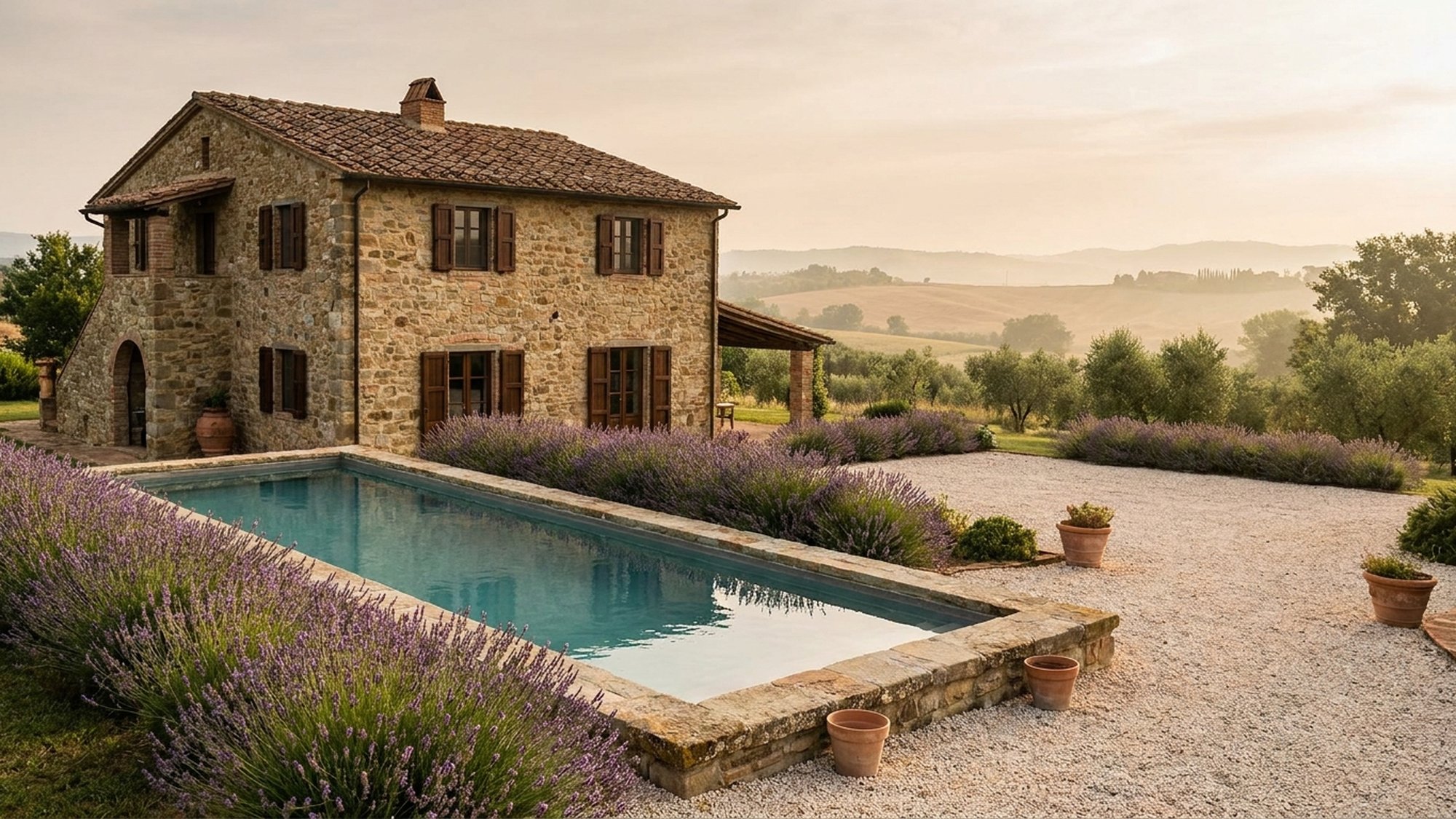
The search for the ideal family holiday rental is a specific kind of alchemy. It requires balancing disparate desires: a father’s yearning for a particular architectural style, a mother’s practical need for laundry facilities, and the collective craving for a refreshing pool. Add in a former design editor’s exacting standards for aesthetics, and the triangulation of demands can feel almost impossible. Yet, in the sun-drenched landscape of Puglia, Italy, one family found their precise convergence of needs in a 200-year-old trullo, a conical-roofed stone house native to the region, booked through Airbnb.
Their six-day September sojourn in Trullo Giulio, situated a quarter-hour drive from Martina Franca, illustrates a growing trend in luxury travel: the pursuit of authentic, historically rooted accommodations that nonetheless offer a surprising degree of comfort and access to local life. It is a balancing act, often with its own quirks, but one that increasingly defines the high-end vacation rental market, particularly in destinations celebrated for their unique heritage.
This particular trullo, described as an “airy four-bedroom,” presented itself as an “off-grid oasis,” a phrase that immediately invites both intrigue and a degree of scrutiny. How does a property balance the rustic charm of two centuries with the expectations of modern travellers? What compromises are implicitly accepted in the pursuit of genuine regional immersion, and what does it mean for the evolving definition of luxury in the world of independent stays?
A Distinctive Stay in the Itria Valley
The journey to Trullo Giulio began with a 90-minute drive from Bari, depositing the family into a profoundly rural corner of Puglia. The landscape, as described by the Condé Nast Traveler writer, was a tapestry of olive trees stretching as far as the eye could see, a vivid testament to the region’s agricultural heart. This sense of deep-seated tradition was underscored by their arrival, coordinated by their host, with a neighbour named Anna, whose “tiny red farm truck puttering down the road” served as the first, charming signal of local life.
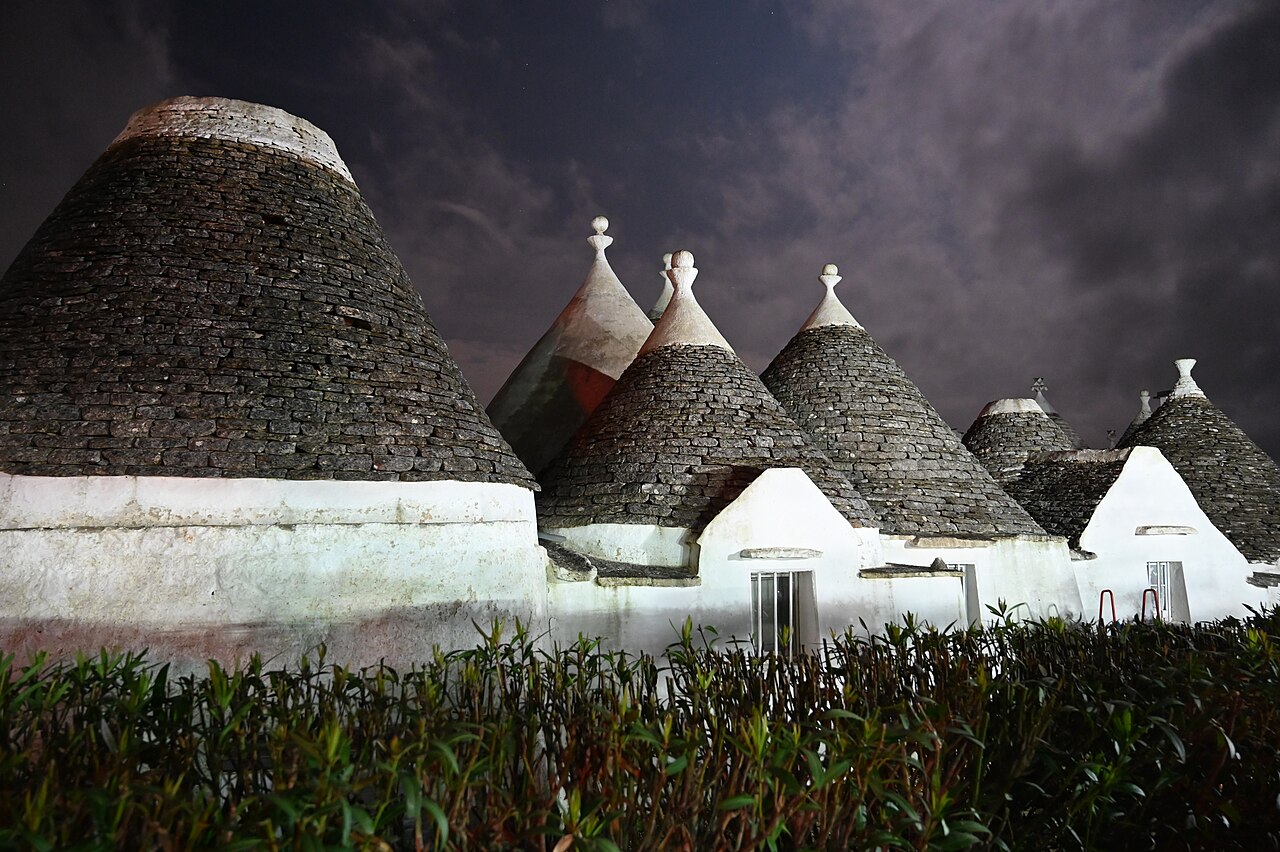
The trullo itself is an architectural marvel unique to Puglia’s Itria Valley. These dry-stone huts, with their distinctive conical roofs, are not merely picturesque; they are a UNESCO World Heritage site, embodying centuries of vernacular building traditions. Originally constructed without mortar, using local limestone, trulli were designed to be easily dismantled and rebuilt, often to evade property taxes in historical periods. Today, they represent a coveted form of accommodation, blending historical authenticity with a singular aesthetic appeal. Trullo Giulio, being 200 years old, carries this history in its very fabric.
The property’s layout reflects the traditional trullo cluster, often comprising a main dwelling and several outbuildings, adapted here for family use. The main trullo housed two beds and one bathroom, while two separate outbuildings contained two additional bedrooms, another bathroom, and the kitchen. This dispersed arrangement offers a degree of privacy, a valued commodity for multi-generational travel, while still fostering a communal experience around shared spaces.
Martina Franca, the town a short drive from the trullo, is a gem of Baroque architecture. Its historic centre, with narrow streets, whitewashed buildings, and elaborate balconies, offers a dignified counterpoint to the rustic charm of the trulli dotting its surrounding countryside. Often described as “much-slept-on” compared to its more bustling neighbours, Martina Franca presents an appealing quietude, allowing visitors to experience authentic Puglian life without the throngs of tourists. This proximity means that while the trullo offers seclusion, the amenities and cultural richness of a historic town are never far away, providing a crucial balance for a luxury rental experience.
Design and Disconnect: The Aesthetic and Its Quirks
The interior design of Trullo Giulio, as recounted by the former design editor, was a deliberate exercise in “whitewashed and blue-accented simplicity,” evoking a “Santorinian” aesthetic. This choice speaks to a broader contemporary trend in hospitality design: a clean, minimalist approach that highlights natural materials and local craftsmanship. The owners, it is reported, took considerable care to adorn the trullo with indigenous textiles and pottery, a nod to Puglia’s rich artisanal heritage, particularly referencing Grottaglie, the region’s renowned ceramic centre. This thoughtful curation allowed the original stone walls and vaulted ceilings to remain central to the aesthetic, preserving the trullo’s inherent character while offering a modern interpretation of its charm.
However, the journey into authenticity often comes with a few concessions, which the writer candidly labelled “quirks.” The bedrooms within the main trullo were, for instance, curtained off from the living room, suggesting an open-plan design where privacy, in the conventional sense, was somewhat fluid. While the bathroom reportedly had a door, this detail underscores a different approach to spatial arrangements than one might expect in a purpose-built modern luxury villa. More significantly, the advertised air conditioning units were confined solely to the outbuildings, leaving the main trullo to rely on its historic stone construction for temperature regulation—a system effective for keeping cool in summer, but perhaps less precise than contemporary climate control. These elements are not failings but rather characteristics of a building adapted from a different era, a trade-off for the unique experience it offers.
Perhaps the most salient “quirk,” and indeed a defining feature of its “off-grid” designation, was the near-total absence of Wi-Fi and cell service. In an age where constant connectivity is often viewed as a fundamental amenity, particularly for high-end travellers, this lack of digital tethering stands out. For some, it might be a deal-breaker; for others, it is precisely the point. The writer suggests this forced disconnect highlighted that “the true heart of the home was really the outdoor space,” implying a deliberate or accidental invitation to engage more deeply with the immediate surroundings and with one another.
The Heart of the Home: Outdoor Living in Puglia
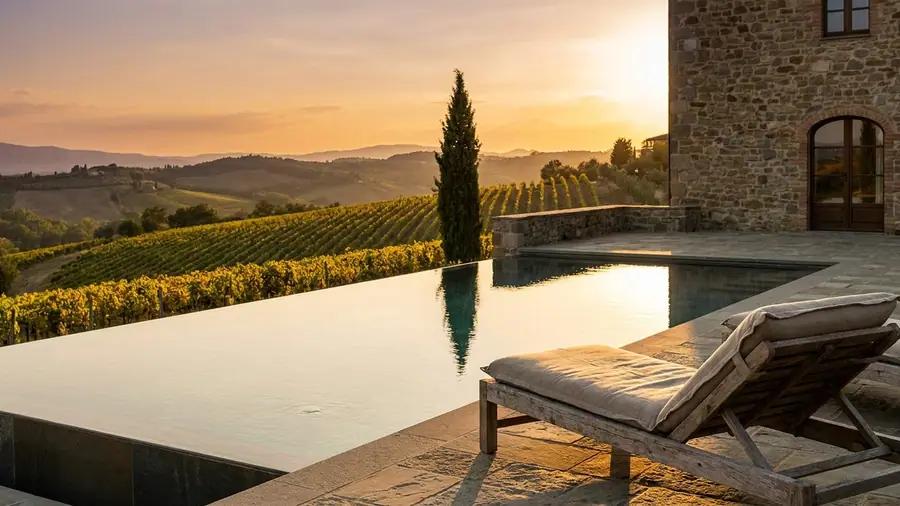
If the interior of Trullo Giulio presented a charming blend of history and minimalist design, its outdoor spaces were, without question, the property’s centrepiece. The Condé Nast Traveler writer emphatically described the pool as the “showstopper of the property hands down.” This saltwater pool, complete with a whirlpool and an infinity edge that offered uninterrupted views into the surrounding olive groves, epitomised the kind of immersive luxury that defines many high-end Puglian stays. It is a space designed not just for swimming, but for contemplation, for long afternoons spent under the Mediterranean sun, and for the simple pleasure of watching the light change across the ancient trees.
The ritual of arrival, too, was immediately channelled outdoors: “The first thing we did after our tour with Anna was take in the pool. As the sun was setting, we dunked our tired feet in the water while sipping the local rosé and snacks Anna had left for us.” This scene paints a picture of instant relaxation and an immediate embrace of the Puglian way of life, where the boundaries between indoors and outdoors blur, and leisure is often enjoyed al fresco.
Beyond the pool, the property offered a thoughtful array of outdoor amenities. An outdoor shower provided a quick rinse after a swim, while multiple lounging spaces, both shaded and sun-drenched, catered to different preferences for relaxation. However, it was the “massive dining table under a shaded pergola” that truly served as the gravitational centre of the family’s experience. This is where the majority of their time was spent when not in the pool, a testament to the Italian cultural emphasis on shared meals and convivial conversation. The pergola, offering respite from the intense Puglian sun, transformed dining into an event, a daily celebration of food, family, and the serene surroundings. It underscores a fundamental truth about luxury rentals in destinations like Puglia: the quality of the outdoor living experience can often outweigh, or at least equal, the importance of the interior spaces.
The true heart of a luxury rental in a region like Puglia often lies not within its historic walls, but in the expansive, sun-drenched outdoor spaces where life unfolds.
Beyond the Trullo: Exploring Puglia’s Charms
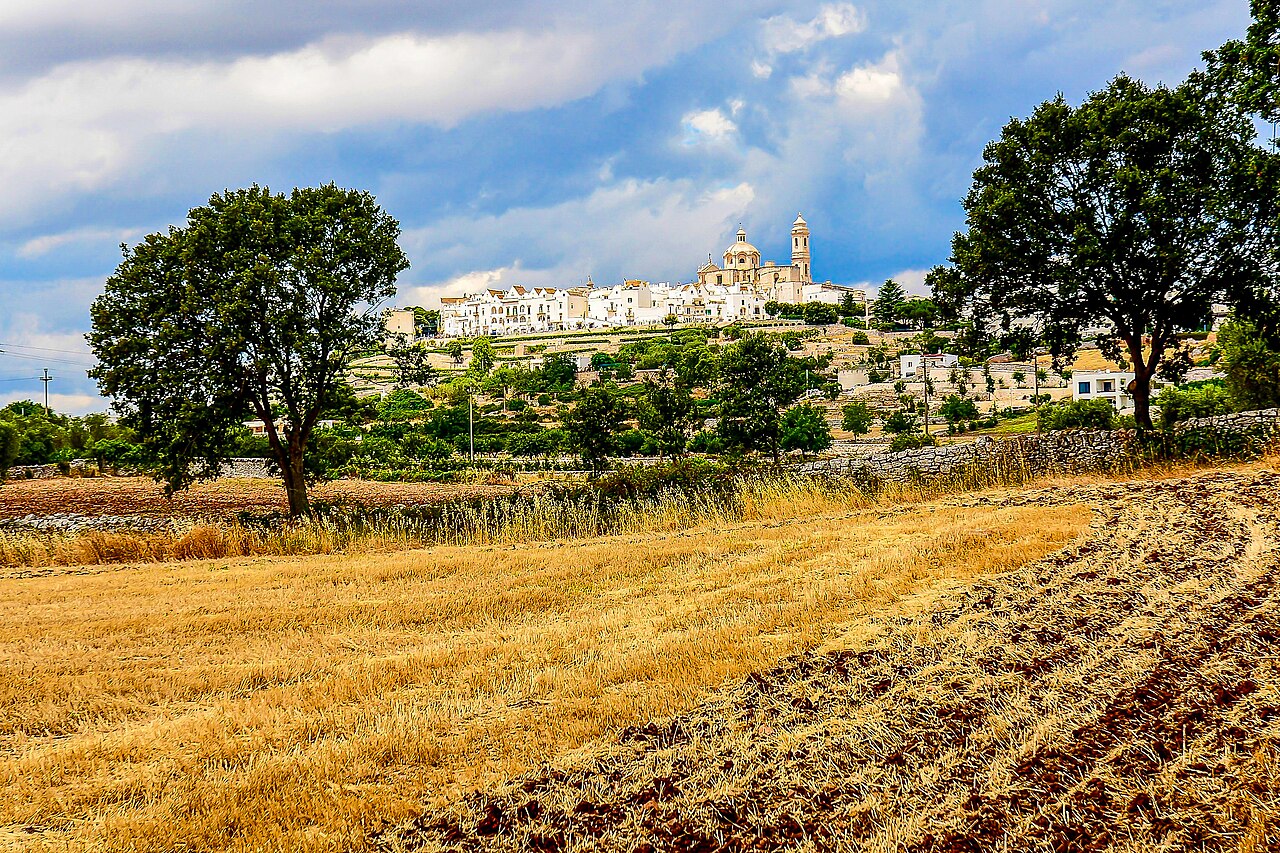
While Trullo Giulio offered a compelling reason to remain on-site, its location was also highlighted as a “convenient launchpad for exploring the region.” This dual appeal—seclusion married with accessibility—is a crucial factor for luxury travellers who seek both retreat and discovery. The Itria Valley and its surrounding areas are rich in cultural and natural attractions, making the trullo’s position a strategic one for a comprehensive Puglian experience.
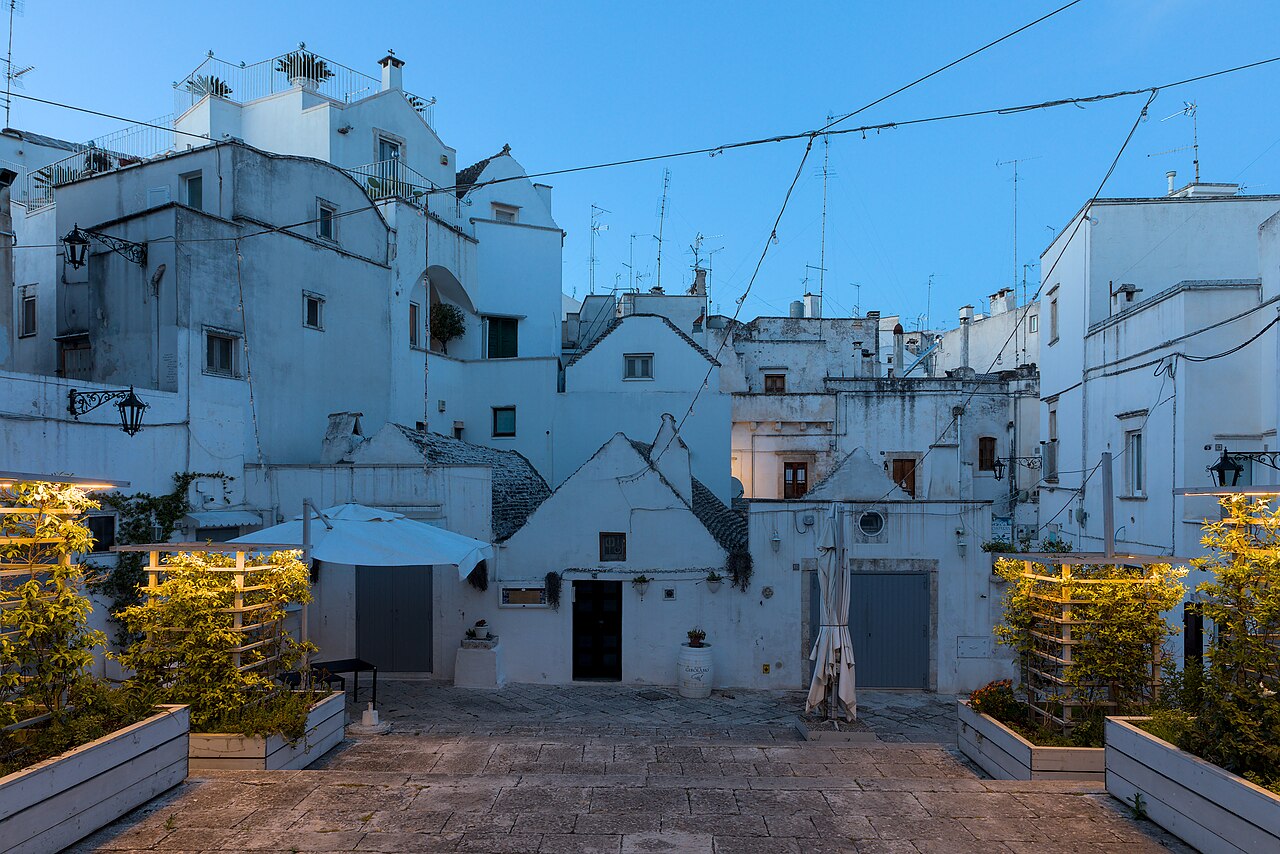
Martina Franca itself, as previously noted, provides a serene base for exploration. Beyond its quiet charm, the trullo was within an hour’s drive of several of Puglia’s most iconic towns. Alberobello, a UNESCO World Heritage site, is famous for its concentration of trulli, offering a chance to see these unique structures on a grand scale. Ostuni, the “White City,” perched atop a hill overlooking the Adriatic, presents a dazzling contrast with its whitewashed buildings and labyrinthine streets. Polignano a Mare, dramatically set on limestone cliffs overlooking the turquoise sea, is renowned for its breathtaking views and charming old town.
The coastal drive also reveals numerous smaller beach towns, offering opportunities for seaside relaxation and fresh seafood. The writer specifically recommended Ricciolandia for sea urchin enthusiasts, a culinary detail that speaks to the deep connection between regional cuisine and the travel experience. Food, indeed, played a central role in the family’s adventures. Within a mere five-minute drive of the trullo, a “delightfully well-stocked mini market” allowed for easy provisioning, while the local favourite, Sale e Pepe, provided “phenomenal pizza and grilled meats” on more than one occasion. These local discoveries, often found off the main tourist routes, enrich the sense of immersion and provide a taste of authentic Puglian life.
The Airbnb Experience: Beyond the Walls
The family’s Puglian adventure extended beyond the confines of Trullo Giulio itself, illustrating the evolving nature of the Airbnb platform, which now actively promotes immersive “Experiences” alongside accommodation. The final “nonnegotiable” for the family was to take a pasta-making class before leaving Italy, a desire they fulfilled through Airbnb. This decision led them to Cristiana and her mother at their beachside trullo in Cozze, a charming coastal locality.
The experience itself was described as a “sunny afternoon spent in the outdoor kitchen,” where the “humbling experience of making orecchiette by hand was enhanced by homemade limoncello and sparkling conversation.” This vivid description highlights several key elements of the modern luxury travel experience. Firstly, it underscores the appetite for hands-on, authentic cultural engagement. Travellers are increasingly seeking to do more than just observe; they want to participate, learn, and connect with local traditions and people. Secondly, it showcases the power of platforms like Airbnb to facilitate these connections, bridging the gap between visitors and local hosts who are willing to share their skills and homes. The class was not just about making pasta; it was about the warmth of human interaction, the taste of homemade limoncello, and the exchange of stories in a picturesque setting. It transformed a culinary lesson into a cherished family memory, fulfilling the deeper purpose of their trip.
The writer explicitly stated that No number of ancient churches, fun beach spots, or magical little towns could outweigh the best part of a family trip: The moments spent around the table. This sentiment resonates deeply with the core appeal of the trullo as a home base, and the pasta class as an extension of that philosophy. Both experiences were centred on gathering, sharing, and creating lasting memories through food and fellowship. It reinforces the idea that true luxury in travel often lies in these intangible, relational moments, rather than merely in opulent surroundings.
The Enduring Appeal of the Trullo Rental
The story of Trullo Giulio is a microcosm of a larger trend in the luxury vacation rental market: the enduring appeal of unique, historically significant properties. In a world increasingly saturated with standardised hotel offerings, the trullo stands out as a distinctive architectural statement, offering a profound sense of place and an immediate connection to local heritage. This desire for authenticity is a powerful driver for high-end travellers who seek experiences that transcend the ordinary, preferring the character of a 200-year-old stone house over the predictable comforts of a modern resort.
The allure of a trullo, specifically, lies in its aesthetic charm and its perceived link to a simpler, more rustic way of life. These properties offer not just accommodation, but a narrative—a chance to step back in time and inhabit a piece of history. For families, the spaciousness and privacy of a multi-room rental, often with expansive outdoor areas, provide an ideal setting for multi-generational travel, allowing for both togetherness and individual space. The ability to cook meals, do laundry, and live at one’s own pace replicates the comforts of home, but in an exotic and inspiring setting.
However, the restoration and adaptation of such historic structures for modern luxury living involve significant investment and a delicate touch. The balance between preserving original features and integrating contemporary amenities is crucial. The reported “Santorinian” decor of Trullo Giulio, with its whitewashed simplicity and local accents, demonstrates a successful approach to this challenge. It modernises the space without sacrificing its soul, creating an environment that feels both fresh and deeply rooted. The “quirks” too, such as the curtained bedrooms or the limited connectivity, are often understood by guests as part of the unique character of such a stay, provided the overall experience delivers on its promise of charm and comfort.
This market segment, where historical properties are transformed into high-end rentals, thrives on the promise of immersion. It allows guests to bypass the more generic tourist hubs and settle into a genuine local rhythm, supported by the convenience of a platform like Airbnb. For owners, these properties represent a significant asset, commanding premium rates due to their uniqueness and the growing demand for experiential travel. The challenge, however, lies in managing guest expectations, ensuring that the rustic charm does not translate into a lack of comfort, and that the “off-grid” promise is clearly communicated and embraced.
The Shifting Sands of Vacation Rentals: A Market Perspective
The story of Trullo Giulio also reflects the broader evolution of the luxury vacation rental market, a sector that has seen dramatic growth and transformation over the past decade. What began as a peer-to-peer sharing economy has matured into a sophisticated industry, with platforms like Airbnb and Vrbo increasingly professionalising their offerings to cater to a diverse range of travellers, including the high-end segment. This shift is characterised by a greater emphasis on unique properties, enhanced services, and curated experiences.
For owners of distinctive properties like trulli, the ability to list on global platforms provides unparalleled access to a vast market of potential guests. This has democratised access to unique accommodations, allowing individual property owners to compete with traditional hotels and resorts. The financial incentives are clear: a well-maintained, unique property in a desirable location can generate substantial rental income, often surpassing what could be achieved through long-term leases or less specialised booking channels.
However, the professionalisation of the market also brings challenges. Increased competition means that properties must stand out, not just in terms of aesthetics but also in terms of guest experience. High-quality photography, meticulous descriptions, and responsive communication are now table stakes. The role of local support, as exemplified by Anna coordinating the check-in for Trullo Giulio, becomes critical for ensuring smooth operations and a welcoming atmosphere. Furthermore, the regulatory landscape for short-term rentals is constantly evolving in many popular destinations, adding layers of complexity for owners and operators.
From the traveller's perspective, the growth of this market offers an unprecedented array of choices. Luxury now encompasses not just five-star hotels but also private villas, historic homes, and even glamping experiences, each promising a distinct narrative and level of immersion. The key for travellers is to navigate this abundance, understanding that “luxury” in a renovated trullo might mean a different set of amenities and expectations than in a beachfront hotel. It requires a discerning eye and an appreciation for the nuances of local culture and adapted living.
What it means for where you stay
For the traveller considering a unique stay like Trullo Giulio, the primary takeaway is the importance of managing expectations. An authentic, historic property will inherently come with a different set of features and perhaps a few “quirks” compared to a purpose-built modern villa. Embrace the charm of curtained bedrooms or limited connectivity as part of the experience, rather than viewing them as deficiencies. Focus on what these properties excel at: providing unparalleled character, a deep connection to local culture, and often, stunning outdoor living spaces that become the true heart of your holiday. Research not just the property, but its immediate surroundings and the kind of local support system it has in place. And critically, look for opportunities to engage with local life, whether through a cooking class, a market visit, or simply dining at neighbourhood favourites. These are the elements that transform a good stay into a truly memorable one.
For owners and hosts in the luxury rental market, the story of Trullo Giulio underscores the enduring value of authenticity and unique character. Investing in the sensitive restoration and thoughtful design of historic properties can yield significant returns, appealing to a segment of travellers actively seeking something beyond the ordinary. Clear communication about the property’s specific amenities and any inherent “quirks” is paramount to setting appropriate guest expectations. Leveraging local connections, whether for property management, guest check-ins, or offering curated local experiences, adds immense value and enhances the overall guest journey. In a crowded market, it is these distinctive properties, coupled with genuine hospitality and immersive opportunities, that continue to capture the imagination and loyalty of discerning travellers.
Sources
Condé Nast Traveler — reported 26 October 2026. Read by the Amorielli news desk.
- whc.unesco.org - The Trulli of Alberobello - UNESCO World Heritage Centre.
- pugliaparadise.com - Ostuni Travel Guide - Explore the Stunning White City.
Checked by the Amorielli standards desk: 37 specifics checked, 36 traced to the source material and the sources added below, 1 corrected to what a public source says, none removed.
Report an error in this story · Corrections policy and log

Pictures marked “Amorielli studio image” are illustrative scenes made for this story, not photographs of any property, company or person named. Pictures credited to a photographer are real photographs from Wikimedia Commons, used under the licence named beside each one; each caption says what the photograph shows. Details can change after publication; confirm specifics with the property or source. Like this? Get the newsletter.
Comments