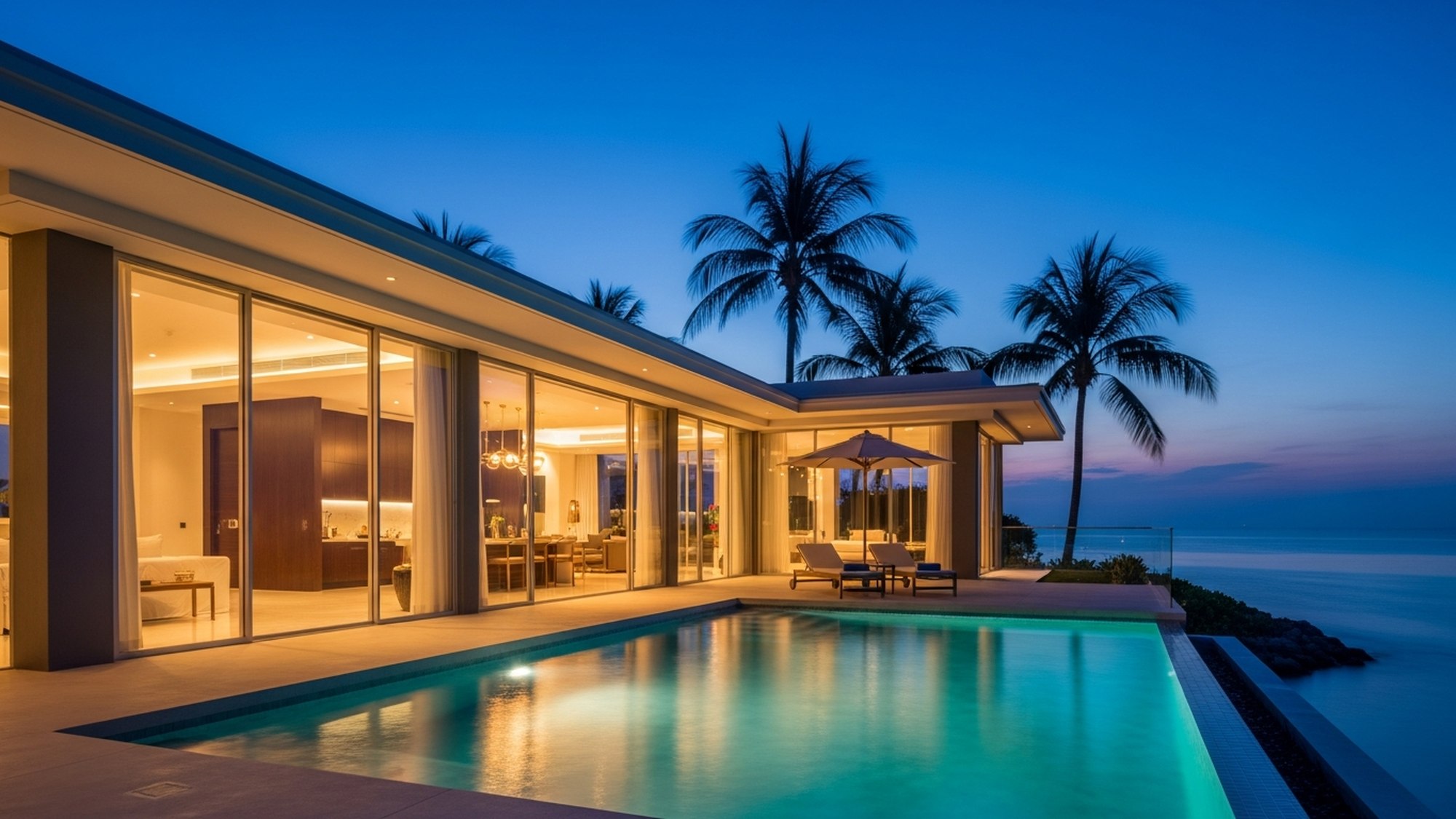
A new chapter for Raffles Hotels & Resorts is quietly unfolding on South Bayshore Drive in Miami’s Coconut Grove, a neighbourhood known for its mature tree canopy, historic estates, and prime waterfront. This autumn, sales are anticipated to launch for Raffles Residences Coconut Grove, a collection of 35 private homes that will mark a significant departure for the storied hospitality brand. It is Raffles’ first-ever standalone residential development, a pivot from its traditional model of integrating residences within a hotel property, as seen with its North American debut in Boston.
The project, a collaboration between developers Mast Capital and BH Group, and Accor’s Raffles brand, signifies a deepening investment in luxury hospitality-branded real estate. Situated at 2545 South Bayshore Drive, the residences are designed by Brandon Haw Architecture, a firm established by Brandon Haw after a distinguished 26-year tenure at Foster + Partners, where he directed the firm’s U.S. operations. The promise is a bespoke living experience, where the Raffles philosophy of hospitality, refined over more than a century, is delivered on a deeply personal level within a purely residential setting.
With prices starting from $4.5 million, and a limited offering of penthouses, these two- to 4.5-bedroom residences are clearly aimed at a discerning clientele. The development team, including sales director Matthew Chook and agents Lourdes Alatriste, Jennifer Goldstein, and Jorge Sanchez from Douglas Elliman Development Marketing, will be tasked with conveying the unique proposition of a Raffles home without an adjacent hotel. This move into a standalone residential format speaks volumes about the evolving landscape of ultra-luxury living and the enduring appeal of established hospitality brands in the competitive South Florida market.
Raffles’ Legacy Meets Miami Modern
Raffles Hotels & Resorts, a brand synonymous with heritage, elegance, and service, traces its origins back to Singapore in 1887. Its flagship hotel there remains an emblem of colonial grandeur and timeless luxury. Today, the brand operates 25 hotels globally, all under the umbrella of Accor Group. The move into branded residences is not entirely new for Raffles, but the Coconut Grove project represents a distinct evolution: a property dedicated entirely to private ownership, rather than a mixed-use hotel and residential scheme. This distinction is crucial, suggesting a deeper integration of the brand’s service ethos into the daily lives of homeowners, rather than merely providing hotel-adjacent amenities.
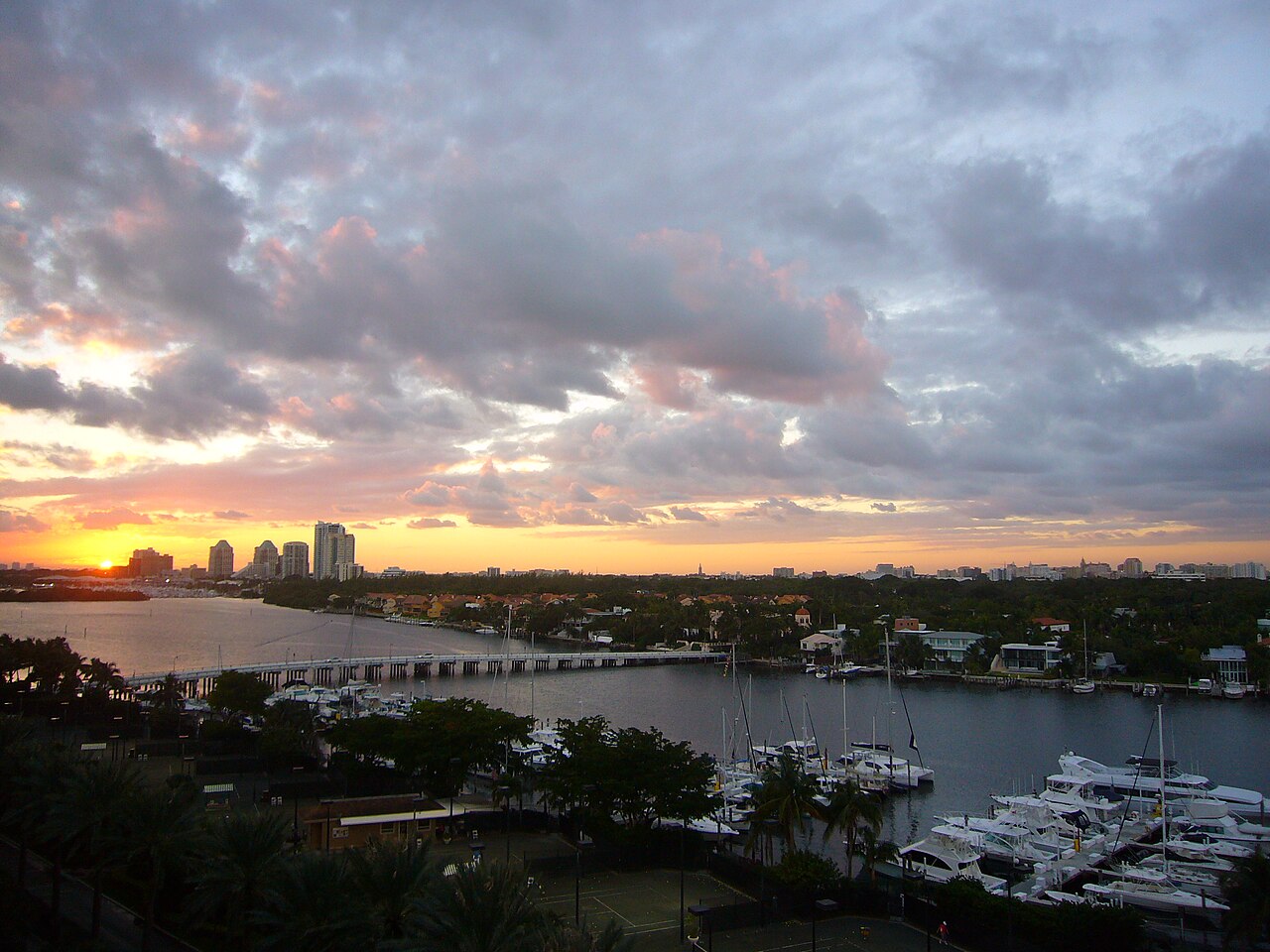
Isaac Toledano, Founder of BH Group, articulated this vision, stating that “At this scale, the Raffles philosophy of hospitality can be experienced on a deeply personal level.” The developers describe a service approach tailored to individual homeowners and their daily routines. This isn't merely about having a concierge; it is about extending the meticulous attention to detail and anticipatory service that defines a Raffles hotel stay into the fabric of residential life. For a brand built on the intangible qualities of bespoke service and a sense of place, translating this into a standalone residential offering presents both an opportunity and a challenge.
The design, led by Brandon Haw Architecture, is intended to complement this philosophy. Haw’s background at Foster + Partners, a firm celebrated for its high-tech yet human-centric modernism, suggests a sophisticated aesthetic for the Biscayne Bay address. The development is planned to offer views across the bay, over Coconut Grove residential areas, and towards the Miami skyline, capitalising on its strategic position at the intersection of Biscayne Bay and Coconut Grove’s natural tree canopy. This emphasis on views and integration with the natural surroundings aligns with the broader appeal of luxury living in South Florida, where the connection to water and greenery is paramount.
The Grove’s Unrelenting Luxury Boom
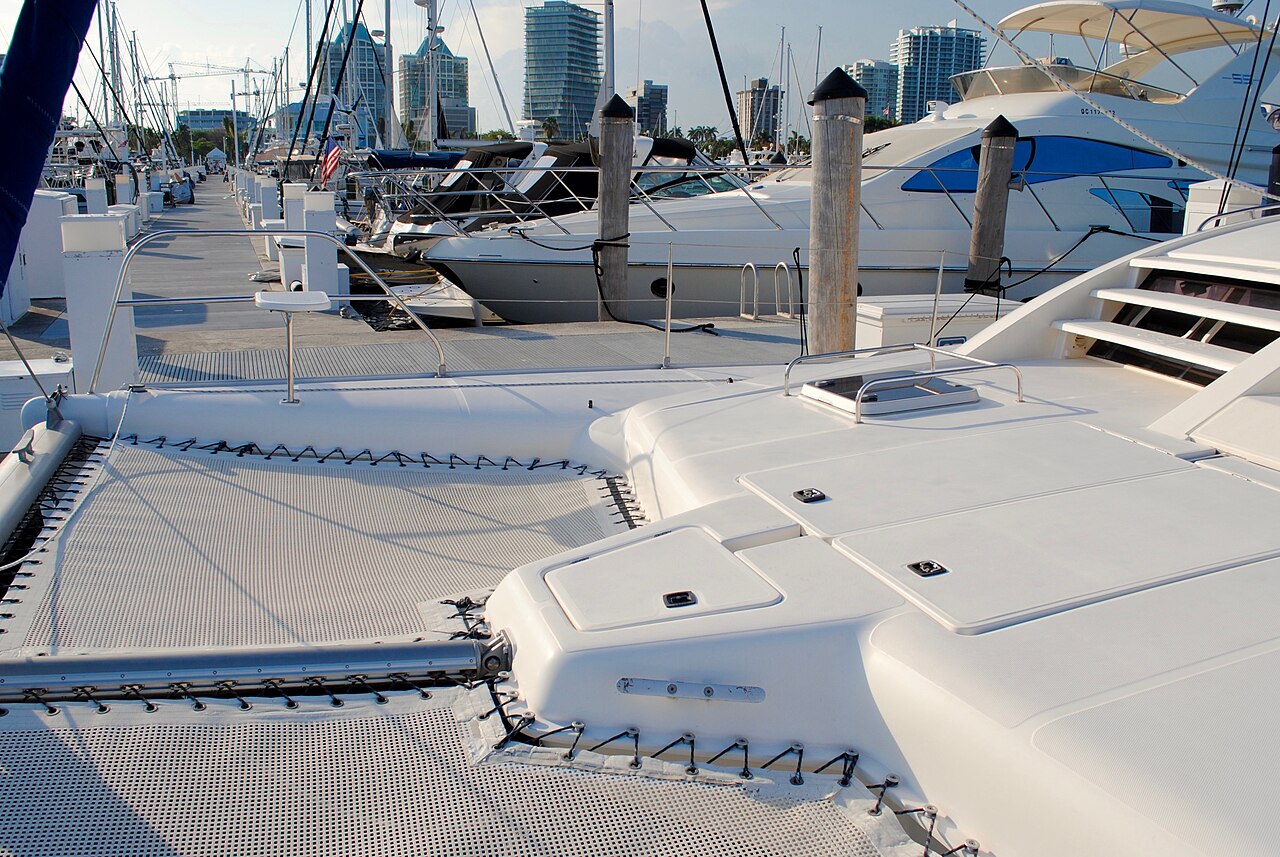
Coconut Grove holds a unique position within Miami. As the city’s oldest neighbourhood, it boasts a distinct character defined by its historic estates, tree-lined roads, and significant waterfront properties. This historical charm, combined with its bayfront location, has made it an increasingly sought-after address for the ultra-luxury market. Opportunities for new development in the area are notably limited, which naturally drives up the value and exclusivity of any new project. This scarcity is a key factor in the developers’ confidence in the Raffles Residences. Isaac Toledano of BH Group explicitly noted that the project will benefit from the “very, very limited supply” of luxury condominiums in Coconut Grove.
The neighbourhood has been at the centre of a wave of new projects over the past decade, including Mr. C Residences, Park Grove Residences by Terra and Related Group, and other developments that have reshaped its skyline. The demand is not merely local; it is driven by high-net-worth individuals from across the globe. The Real Deal reports that billionaires like hedge funder Ken Griffin and Google co-founder Larry Page have purchased homes in the bayfront neighbourhood, with Page alone spending nearly $200 million on properties within the last year. This influx of ultra-wealthy buyers underscores the Grove’s transformation into a prime destination for luxury real estate investment.
Camilo Miguel Jr., who leads the Coconut Grove-based development firm Mast Capital, believes Raffles is “reflective of what Coconut Grove is.” He described the brand as “symbolic of heritage, of legacy, history, elegance and service.” This alignment of brand identity with neighbourhood character is a critical element in the marketing of ultra-luxury properties. The developers are not just selling units; they are selling a lifestyle and an affiliation. The boutique building will focus on amenities, including a fitness centre, spa, restaurant, and speakeasy bars, aiming to appeal to buyers who are art and wine collectors. Miguel expressed his desire for residents to “feel like this is part of their collection,” further cementing the idea of these residences as curated assets rather than mere homes.
Developers and the Strategic Buyout
The partnership between Mast Capital and BH Group brings together two significant players in the South Florida development scene. Mast Capital, led by Camilo Miguel Jr., is based directly in Coconut Grove, giving the firm an intimate understanding of the local market dynamics and community nuances. BH Group, an Aventura-based firm led by Isaac and Liat Toledano, brings extensive experience in large-scale residential and commercial projects. Their combined expertise provides a formidable force behind the Raffles Residences Coconut Grove.
A crucial detail in the project’s genesis is the developers’ acquisition of the site. Mast Capital and BH Group paid $28 million to buy out the 39 owners of Bayshore Park, an older condominium building located at the same address. This complex process of acquiring every unit from individual owners, which they completed earlier this year, highlights the scarcity of prime development sites in Coconut Grove. Such buyouts are often lengthy and challenging, requiring significant capital and negotiation skill. The willingness to undertake such an endeavour underscores the perceived value and potential profitability of the location and the Raffles brand partnership.
The decision to pursue a brand like Raffles, with its deep roots in traditional luxury hospitality, was a deliberate one. Isaac Toledano noted, “When we did our due diligence and our homework, we were trying to bring a brand that really understands hospitality.” This speaks to a broader trend in South Florida, where developers increasingly prefer partnering with established hospitality brands. These partnerships offer a proven track record of service, a recognisable name that commands a premium, and often a built-in infrastructure for managing high-end amenities and services. The Raffles name, with its global recognition and association with refined living, provides a significant marketing advantage in a crowded luxury market.
The Branded Residence Phenomenon
The Raffles Residences Coconut Grove project is not an isolated incident but rather a potent example of a booming trend in South Florida: the branded condominium. The region is currently awash with luxury developments bearing the names of renowned hospitality groups, fashion houses, and even luxury carmakers. There are roughly 15,000 branded condos that are planned, under construction, or recently completed across South Florida. This proliferation reflects a strong market appetite for homes that offer not just square footage, but an entire lifestyle package, often accompanied by the promise of five-star service and exclusive amenities.
The appeal of branded residences for both developers and buyers is multifaceted. For developers, a strong brand affiliation can accelerate sales, command higher prices, and differentiate a project in a competitive market. It provides a shorthand for quality, design, and service, reducing perceived risk for buyers. For homeowners, the draw includes the prestige of the brand, access to hotel-level services (even in a standalone context), and often, a sense of community with like-minded individuals who value similar standards of living. The Accor Ownership Benefits Program, offered to Raffles Residences owners, exemplifies this, providing global VIP recognition, Elite membership in the ALL Accor loyalty program, and preferred rates across participating Accor hotels and resorts worldwide.
However, the sheer volume of branded projects in South Florida also raises questions about market saturation. The Real Deal notes that the “lack of untapped hospitality brands has led developers to work with unconventional names, such as luxury carmakers.” While Raffles is firmly within the luxury hospitality sphere, the proliferation of branded offerings means that even established names must work harder to distinguish themselves. The promise of a “boutique building” focused on amenities and tailored service is one way to carve out a niche, but the competition is fierce. Nearby, Fort Partners and Ugo Colombo’s CMC Group are building the Four Seasons Residences Coconut Grove, while David Martin’s Terra is developing The Well at 2855 Tigertail Avenue. These projects, among others, demonstrate the intense competition for the same pool of affluent buyers, all vying for prime bayfront locations and brand cachet.
A Lifestyle Curated for Collectors
The developers envision the Raffles Residences Coconut Grove as more than just homes; they are presented as part of a collection, appealing to buyers who value art, wine, and a certain aesthetic sensibility. This positioning speaks to a growing trend among the ultra-wealthy, where residences are seen as extensions of their personal brand and investment portfolio. The emphasis on views, particularly of Biscayne Bay and its sailboats, and the integration of amenities such as a fitness centre, spa, restaurant, and speakeasy bars, are all carefully selected to cater to this specific demographic. These are not merely functional spaces but experiential ones, designed to foster a particular lifestyle.
The specific architectural approach by Brandon Haw, whose firm was founded after 26 years at Foster + Partners, adds another layer of prestige. His pedigree suggests a design that is both modern and refined, likely focusing on clean lines, expansive glass, and a thoughtful integration of indoor and outdoor living spaces. The renderings, provided by DBOX/Raffles Residences Coconut Grove, will undoubtedly play a crucial role in conveying this vision to prospective buyers, showcasing how the architecture complements the natural beauty of the site and the promise of a sophisticated urban retreat.
The service model, supported by Accor One Living, is central to the proposition. Accor One Living is tasked with supporting the development, design, and operation of the community, ensuring that the Raffles standard is maintained across all aspects of residential life. This operational backing is critical for a standalone residential product, as it must deliver the high-touch service expected of a luxury brand without the direct operational efficiencies of an attached hotel. It implies a dedicated staff and a robust service infrastructure designed specifically for the unique needs of private homeowners.
The launch of Raffles Residences Coconut Grove as a standalone project is a bet on the enduring power of a luxury brand’s intangible equity, rather than the tangible presence of a hotel.
Accor’s Loyalty and the Global Network
A significant draw for owners of Raffles Residences Coconut Grove is the inclusion in the Accor Ownership Benefits Program. This programme extends beyond the immediate property, offering global VIP recognition, Elite membership in the ALL Accor loyalty programme, and preferred rates across Accor’s vast portfolio. With more than 45 brands and over 5,800 hotels and resorts worldwide, the ALL Accor programme provides a substantial network of benefits for property owners.
This network is a powerful incentive, offering a tangible return on investment beyond the property itself. For individuals who frequently travel and stay in luxury accommodations, the benefits of elite status and preferred rates across such a wide array of brands can be considerable. It essentially integrates the residential ownership experience into a broader global hospitality ecosystem, enhancing the overall value proposition. This strategic linkage to Accor’s wider network is a clever way to leverage the parent company’s scale and reach, providing an added layer of exclusivity and utility for Raffles homeowners.
What it means for where you stay
For the luxury traveller considering a stay in Miami, or for an owner looking to invest in the city’s dynamic real estate market, the Raffles Residences Coconut Grove project offers several key takeaways. For the traveller, this development, while purely residential, signals the continued ascent of Coconut Grove as a prime luxury destination. Even if one isn’t buying a unit, the presence of such high-calibre branded residences often elevates the overall profile of the neighbourhood, drawing in more sophisticated dining, retail, and cultural experiences. This means that a visit to Coconut Grove is likely to offer an increasingly refined and exclusive atmosphere, even if you are staying in a more traditional hotel or a high-end vacation rental nearby.
For potential homeowners and investors, the Raffles Residences represent a significant opportunity, but one that requires a nuanced understanding of the market. The starting price of $4.5 million places it firmly in the ultra-luxury segment, and the Raffles brand name certainly adds a layer of prestige and potential for strong rental yields, should the building allow for short-term lets. However, the “standalone” nature of the residences means that the daily experience will be distinctly different from a hotel-branded condo where hotel services are immediately accessible and often shared with guests. Prospective buyers should meticulously examine the service package, the operational structure provided by Accor One Living, and the true extent of the promised “tailored service” to ensure it aligns with their expectations for a luxury residential experience.
Furthermore, the Accor Ownership Benefits Program is a tangible perk for frequent travellers, adding considerable value for those who can leverage the global VIP recognition and preferred rates. This is a clear advantage over non-branded luxury properties. However, the broader context of Miami’s booming branded condo market demands caution. While Coconut Grove has limited supply, the sheer volume of new luxury developments across South Florida means that buyers must do their due diligence. Understand the competition, assess long-term market trends, and consider the real implications of a purely residential branded product. The Raffles Residences Coconut Grove is undoubtedly a statement, offering a unique blend of heritage luxury and modern living, but its success and true value will ultimately be defined by its ability to deliver on its ambitious promise of deeply personal hospitality in a home, not a hotel.
Sources
Markets of Tomorrow — reported 30 October 2026. Read by the Amorielli news desk.
- profilemiami.com — Raffles Coconut Grove: 35 Residences From $4.5 Million — PROFILEmiami South Florida Real Estate Development News.
- Hotel News Resource — Raffles Hotels & Resorts Announces Coconut Grove Residences.
- The Real Deal — Mast Capital, BH Plan Raffles-Branded Coconut Grove Condo.
The Amorielli standards desk read this piece against its sources: 69 points of fact examined; 68 found in the material; nothing taken out.
Something wrong in this piece? Tell the standards desk — How corrections work, and the log

Pictures marked “Amorielli studio image” are illustrative scenes made for this story, not photographs of any property, company or person named. Pictures credited to a photographer are real photographs from Wikimedia Commons, used under the licence named beside each one; each caption says what the photograph shows. Details can change after publication; confirm specifics with the property or source. Like this? Get the newsletter.

The conversation