On the banks of the Lancang River in Jinghong City, a vibrant tapestry of culture, commerce, and regional aspiration unfurled late last month. The Lancang-Mekong Treasures Carnival, a new addition to the long-running Culture and Art Festival of Countries in the Lancang-Mekong River Basin, brought together artisans, producers, and international guests in a display designed to foster connections and spotlight the unique offerings of southwest China’s Yunnan Province. Among the myriad attractions, a dedicated section for “rainforest stays” quietly signalled the region’s growing ambitions in a niche, high-end travel market.
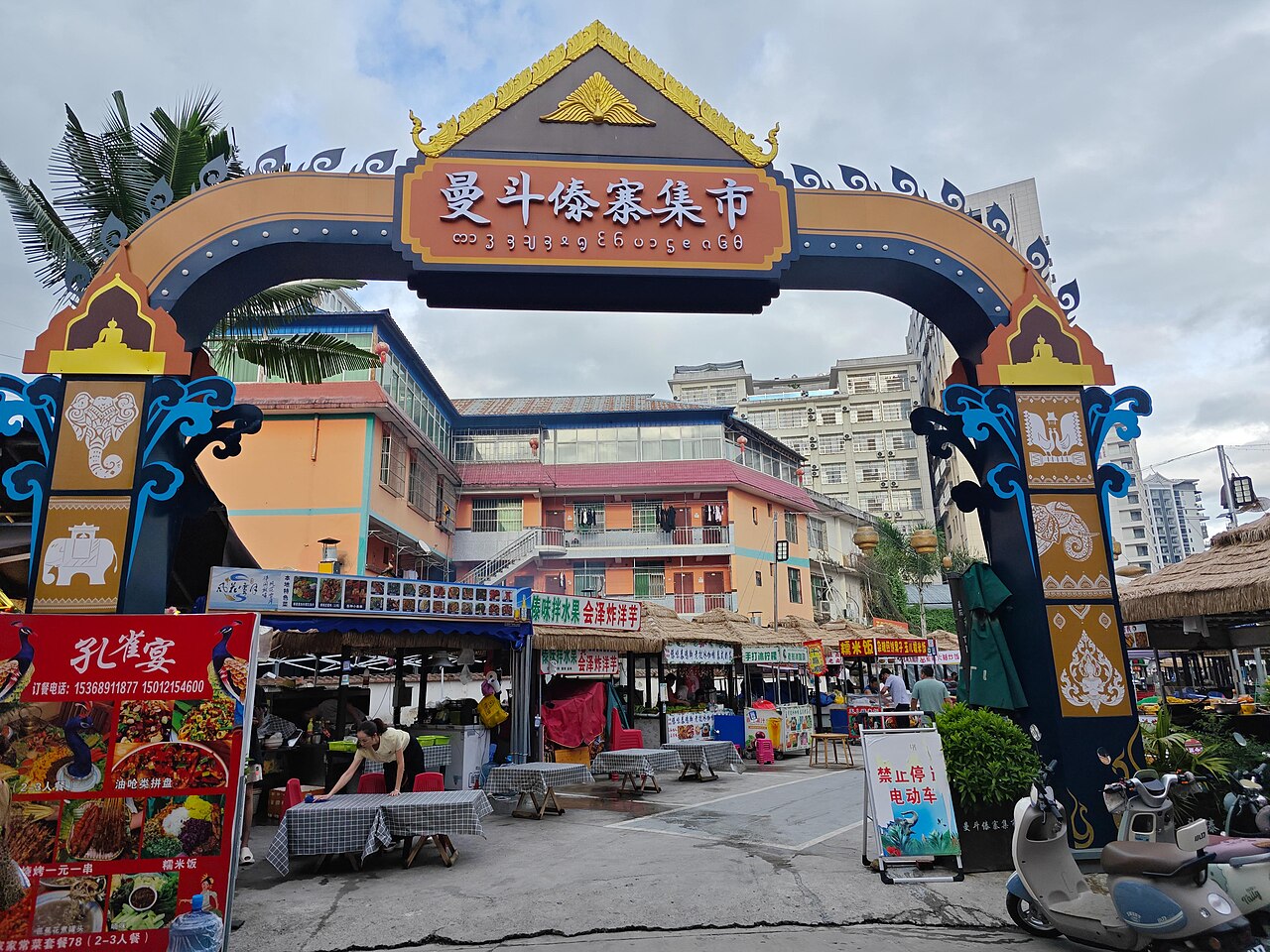
Kicking off on October 28, 2026, in Jinghong, the capital of Xishuangbanna Dai Autonomous Prefecture, the carnival’s theme was an inviting “encounter the Lancang-Mekong, encounter fine treasures.” It transformed a 1.2-kilometre stretch of the riverbank into a bustling marketplace and cultural showcase, featuring more than 100 booths. This event, as described by Xinhua Silk Road, served as a tangible manifestation of broader regional cooperation, aiming to bridge cultural divides through shared experiences and direct dialogue.
A River of Treasures and Connections
The carnival was structured to offer a comprehensive sensory experience, divided into six distinct sections: tea, beans, crafts, fruits, rainforest food, and rainforest stays. Each zone was conceived not just as a retail space, but as an immersive environment, complete with travel photography and cultural creative scenarios. This thoughtful arrangement underscored a dual purpose: industrial promotion alongside the celebration of intangible cultural heritage.
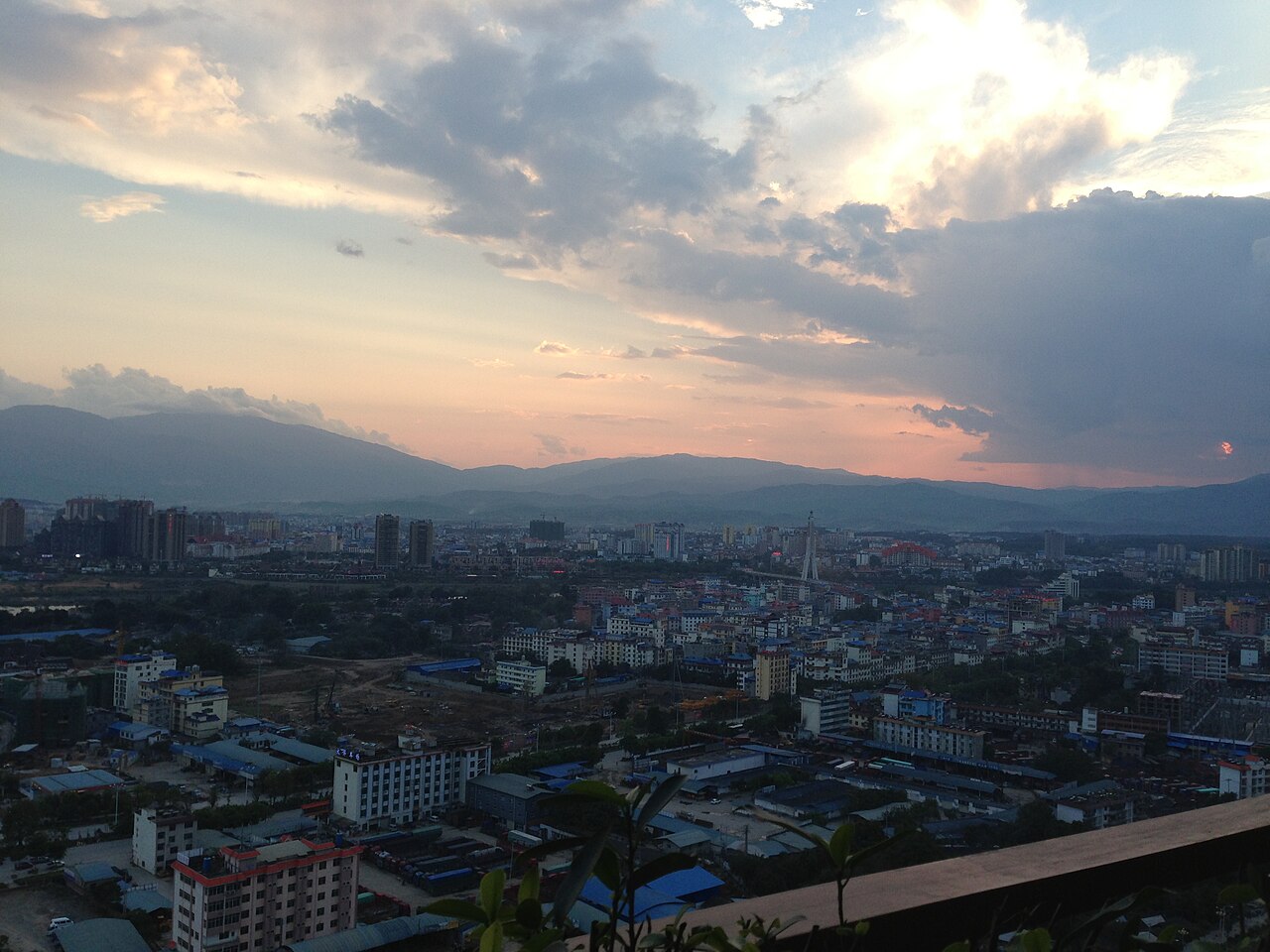
Visitors to the carnival could engage with a rich array of local specialties, delicacies, and handcrafted goods, not only from Xishuangbanna but also from other Lancang-Mekong countries. The event was a deliberate fusion of cultural performances, consumer benefit activities, and opportunities for genuine exchange. International guests, according to Xinhua Silk Road, sat down with local inheritors, engaging in direct discussions about craftsmanship and farm produce. These face-to-face dialogues, the report noted, embodied the Lancang-Mekong Cooperation vision of “extensive consultation, joint contribution and shared benefits,” moving it beyond mere policy documents into lived experience.
The broader festival, of which this carnival was a key supporting event, has a history spanning more than three decades, serving as a “vital bond connecting peoples across the basin.” The carnival itself was presented as an extension, a “bridge crossing language barriers,” leveraging the festival platform to further people-to-people exchanges. This emphasis on cultural diplomacy and regional integration is a hallmark of China’s engagement with its neighbours, and Xishuangbanna, with its unique geographical and cultural position, is clearly being positioned as a crucial node in this network.
Xishuangbanna’s Unique Allure
To understand the significance of the Lancang-Mekong Treasures Carnival, particularly its focus on “rainforest stays,” one must first grasp the distinct character of Xishuangbanna. Situated in the southernmost reaches of Yunnan Province, this autonomous prefecture is a land of striking contrasts to much of China. It is a region of lush tropical rainforests, rich biodiversity, and a vibrant cultural heritage, predominantly that of the Dai people.
Xishuangbanna’s climate is distinctly tropical, a stark difference from the temperate zones that characterise much of China. This environment supports a vast array of plant and animal life, making it a hotspot for ecological tourism. The Lancang River, known as the Mekong further downstream, flows through the heart of the region, providing a natural artery for both commerce and cultural exchange with Southeast Asian nations like Laos, Myanmar, Thailand, Cambodia, and Vietnam. This geographical position has historically made Xishuangbanna a melting pot of cultures, influencing its architecture, cuisine, and traditions.
The Dai people, with their Theravada Buddhist traditions, distinctive water festivals, and unique artistic expressions, lend Xishuangbanna a profound sense of cultural authenticity. Their villages, often nestled amidst banana plantations and tea fields, offer glimpses into a way of life deeply connected to the land. This blend of natural splendour and rich cultural fabric positions Xishuangbanna not just as another domestic tourist destination, but as a gateway to a truly immersive, exotic experience within China itself.
The Rise of Rainforest Stays
The inclusion of a dedicated “rainforest stays” section at the carnival is a particularly telling detail for Amorielli readers. It speaks to a growing trend in luxury travel: the desire for immersive, nature-centric experiences that go beyond mere sightseeing. These are not simply hotels in a green setting; they are properties designed to integrate guests deeply with their natural surroundings, often with an emphasis on sustainability, local culture, and bespoke adventure.
Globally, “rainforest stays” have evolved from rustic eco-lodges to architecturally sophisticated, design-forward retreats that offer all the comforts of high-end hospitality while minimising environmental impact. Think open-air villas, treehouse accommodations, and resorts built with locally sourced materials, offering activities like guided jungle treks, bird watching, and encounters with indigenous communities. The appeal lies in disconnecting from urban life and reconnecting with nature in a meaningful, often educational, way.
In China, the demand for such experiential travel has surged, particularly in the wake of global travel restrictions that redirected focus to domestic exploration. Travellers are increasingly seeking unique, off-the-beaten-path destinations that offer authentic cultural engagement and natural beauty. Xishuangbanna, with its genuine tropical rainforests and distinct cultural identity, is uniquely placed to capitalise on this demand. The “rainforest stays” on offer at the carnival, even if conceptual or nascent, point to an understanding that the market for high-end, ecologically sensitive accommodation is ripe for development in this region.
Lancang-Mekong: A Vision Beyond Borders
The name “Lancang-Mekong” itself is key to understanding the broader context of the carnival. The Lancang River, as it is known in China, becomes the Mekong River as it flows through Southeast Asia, connecting six countries: China, Myanmar, Laos, Thailand, Cambodia, and Vietnam. The Lancang-Mekong Cooperation (LMC) framework is a significant initiative aimed at fostering economic development, social progress, and regional stability among these nations.
Cultural festivals and events like the one in Jinghong are integral to this cooperation vision. They serve as powerful tools of soft diplomacy, promoting understanding and goodwill among peoples who share a common waterway. By bringing together international guests and local inheritors to discuss craftsmanship and farm produce, the carnival actively demonstrates the LMC’s stated principles of “extensive consultation, joint contribution and shared benefits.” It’s a practical application of policy, designed to build trust and create tangible economic opportunities through cultural exchange.
The festival, now in its 14th iteration and with a history stretching back over 30 years, has consistently aimed to be a “vital bond” connecting the peoples of the basin. The carnival, as an extension, explicitly represents a “bridge crossing language barriers.” This narrative is crucial for Xishuangbanna, as it positions the region not just as a provincial outpost, but as a vibrant hub at the heart of a significant regional initiative. The “waterborne link” of the Lancang River is thus transformed from a geographical feature into a metaphor for interconnectedness and shared prosperity, with tourism playing an increasingly important role.
The Economic Currents and Cultural Tides
Beyond the cultural exchange and diplomatic rhetoric, the carnival also served as a clear platform for industrial promotion and economic development. The sections dedicated to tea, beans, crafts, and fruits highlight the agricultural and artisanal backbone of the region. These are not merely local curiosities; they represent significant economic sectors for Xishuangbanna and the wider Lancang-Mekong basin.
Yunnan Province is renowned for its teas, particularly Pu’er, and the region’s unique climate supports a variety of specialty crops. By showcasing these products alongside “rainforest food,” the carnival creates a direct link between local produce, cultural heritage, and the burgeoning tourism industry. For luxury travellers, there is an increasing appetite for farm-to-table experiences, locally sourced ingredients, and authentic craft goods. The carnival provides a direct channel for these producers to reach a wider, potentially more affluent, market.
Moreover, the integration of “intangible cultural heritage shows” underscores a smart strategy: preserving and promoting traditional arts and crafts not just for their intrinsic value, but also as powerful tourist attractors. When international guests engage with local inheritors, as described by Xinhua Silk Road, they are not just buying a product; they are participating in a cultural story. This kind of experiential engagement is precisely what high-end travellers seek, adding depth and authenticity to their journeys and creating a compelling reason to choose a destination like Xishuangbanna for a luxury stay.
The carnival represents a strategic intent to position Xishuangbanna as more than just a domestic curiosity, packaging an entire ecosystem into an appealing proposition for a discerning global clientele.
From Local Crafts to Global Aspirations
The Lancang-Mekong Treasures Carnival, while rooted in local traditions, clearly has an eye towards broader aspirations. By presenting Xishuangbanna as a vibrant hub for cultural exchange and economic opportunity, it implicitly positions the region as a significant, emerging player in the global tourism landscape. This is not just about local consumption; it is about attracting international attention and investment.
The emphasis on “travel photography and cultural creative scenarios” within the booth setup suggests an awareness of modern marketing and the power of visual storytelling. In an era dominated by social media and visual content, creating shareable, aesthetically pleasing experiences is paramount for attracting a global audience. This indicates a forward-thinking approach to tourism development, understanding that the experience itself, and its representation, is as important as the product.
For high-end hospitality operators and investors, events like this carnival provide invaluable insights into emerging markets and unique assets. The demand for distinctive, culturally rich, and environmentally conscious properties is growing worldwide. Xishuangbanna offers a rare combination of tropical nature, diverse cultures, and a supportive governmental framework for regional development. The carnival, therefore, serves as a prospectus, showcasing the region’s potential to host luxury eco-lodges, wellness retreats, and culturally immersive experiences that stand apart from more established destinations.
What it means for where you stay
For the discerning traveller, Xishuangbanna is emerging as a compelling, yet still somewhat undiscovered, destination. If the “rainforest stays” showcased at the Lancang-Mekong Treasures Carnival develop into tangible luxury properties, this region could offer an unparalleled experience. Look for properties that genuinely integrate with the local environment and culture, offering more than just a comfortable bed. Seek out resorts that employ local staff, source ingredients from nearby farms, and provide authentic cultural interactions, such as workshops with artisans or guided treks led by indigenous community members. The promise here is not just a holiday, but an immersive journey into a unique corner of the world, steeped in tradition and natural beauty. This is a place for those who value authenticity and sustainability over generic luxury, who want to feel connected to the land and its people.
For owners and developers in the luxury hospitality sector, Xishuangbanna presents a fascinating opportunity. The region’s unique natural and cultural assets, coupled with governmental support for regional cooperation and tourism, create fertile ground for niche developments. The success of “rainforest stays” will hinge on a delicate balance: designing properties that offer exceptional comfort and service while adhering to stringent environmental standards and respecting local traditions. This means thoughtful architecture, sustainable practices, and deep engagement with the community. The market rewards properties that tell a genuine story and offer a truly unique sense of place. For those willing to invest in an authentic, responsible vision, Xishuangbanna could become a significant player in the global luxury eco-tourism landscape, offering experiences that are both memorable and meaningful.
Source
Xinhua Silk Road (via PR Newswire) — reported 30 October 2026. Read by the Amorielli news desk.
The Amorielli standards desk read this piece against its sources: 28 points of fact examined; 23 found in the material; 5 left as general background; nothing taken out.
Something wrong in this piece? Tell the standards desk — How corrections work, and the log

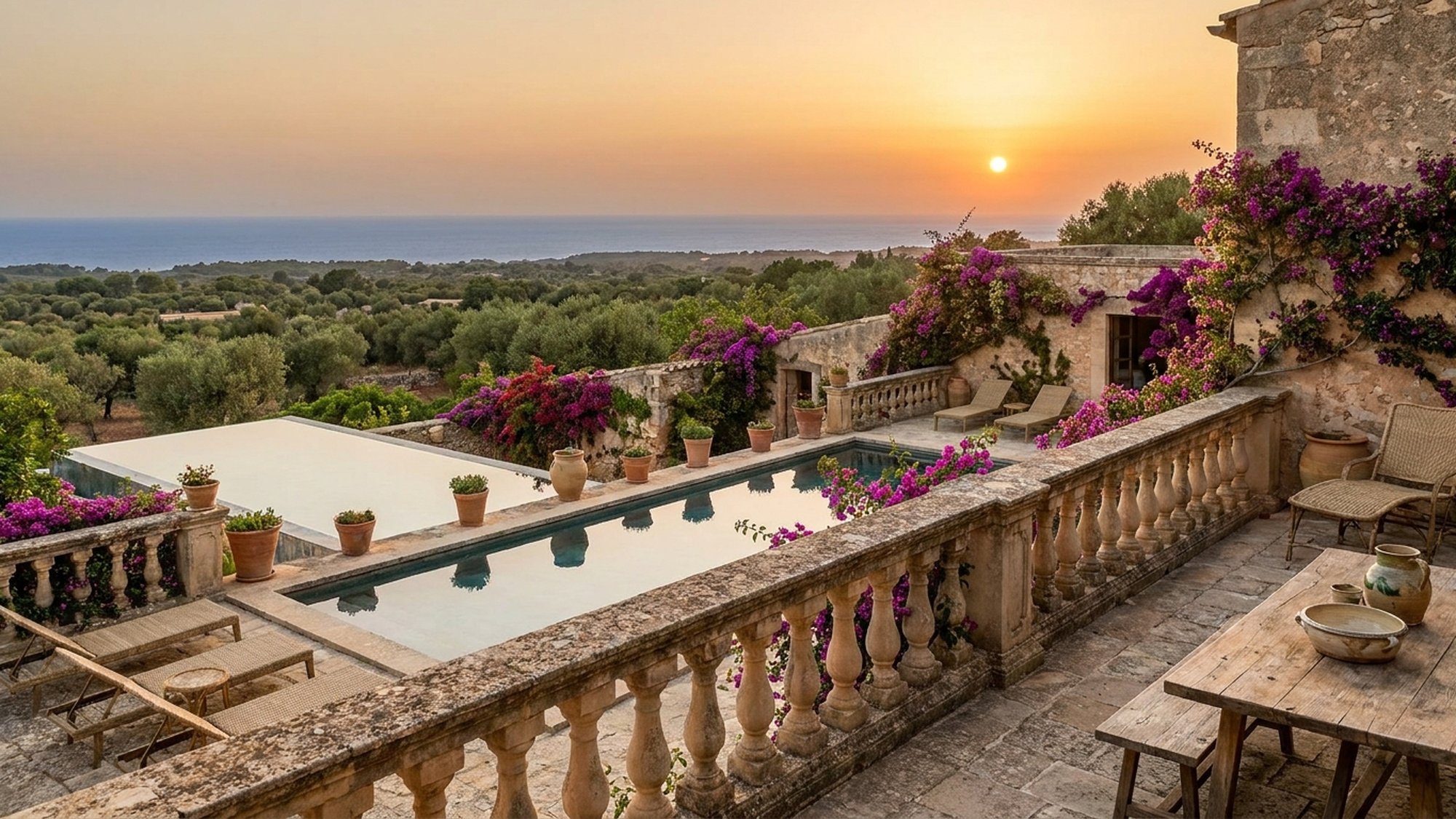
Pictures marked “Amorielli studio image” are illustrative scenes made for this story, not photographs of any property, company or person named. Pictures credited to a photographer are real photographs from Wikimedia Commons, used under the licence named beside each one; each caption says what the photograph shows. Details can change after publication; confirm specifics with the property or source. Like this? Get the newsletter.

The conversation