
Cape Town (ZA), Table Mountain, Blick auf City Bowl -- 2024 -… · Dietmar Rabich · CC BY-SA 4.0 · cropped
Cape Town: Beach, Bowl, or Vines
Deciding where to base yourself in Cape Town is the single choice that shapes your trip, offering distinct experiences from lively beaches to quiet vineyards.
The single decision that shapes a Cape Town trip is where to base yourself. The city is spread out, its character shifting from one suburb to the next, often defined by the mountain. Table Mountain, just over 1,000 meters above the city, is the constant, but the land around it offers distinct experiences. For those drawn to the sea, the Atlantic Seaboard is the clear choice. Camps Bay, under the Twelve Apostles ridge, offers a wide beach and a busy strip of restaurants and bars right across the sand. It’s a lively, social scene in high summer, though the afternoon wind, often the strong southeaster known as the Cape Doctor, can be a serious factor. Clifton, just north, provides quieter, more residential coves, while Bantry Bay is calmer still, focusing on views rather than crowds. This is where much of the villa and guest-house money goes, with many houses rented by the week, often with a pool and a view.
If walkability, restaurants, and immediate access to city life are higher priorities, the City Bowl is the answer. This natural amphitheater between Table Mountain and Table Bay places visitors closest to the museums, nightlife, and trailheads. Neighborhoods like Gardens and Tamboerskloof are residential and handsome, while the CBD is a busier, more mixed area. Here, you're a short drive from both the Atlantic Seaboard beaches and the V&A Waterfront, and one can walk to more places than anywhere else in the city. The Belmond Mount Nelson, up in Gardens, is the grand old hotel of the City Bowl, known for its gardens and its afternoon tea, offering a sense of history and calm within reach of the urban buzz.
For a quieter stay, trading the city for greenery and vineyards, Constantia and the Southern Suburbs offer a different pace. On the green side of the mountain, Constantia is defined by big trees and wine farms, closest to Kirstenbosch botanical garden and a short drive from the warmer False Bay beaches. Groot Constantia, the country’s oldest wine estate, anchors this region within the metro itself. This choice suits travelers who prefer space and vineyards to city nightlife, but it does mean you will want a car. While the City Bowl allows navigation by foot or ride-hailing services like Uber and Bolt, exploring Constantia, the Cape Peninsula, or the full Winelands around Stellenbosch and Franschhoek requires your own transport. South Africa drives on the left, and the main roads are good.
Cape Town’s high season runs from November through March, with December and January as the peak within the peak. This is when the city is busiest and most expensive, and popular restaurants and rentals fill up weeks out. If your heart is set on beach weather and sundowners on the sand, this is your window, but book well ahead. The autumn shoulder, roughly March into May, offers a quieter sweet spot: still warm, usually calmer than midsummer, with thinner crowds and softer prices. Whatever your pick, check how it handles power and water; the better places have quietly sorted this out.
From Vol. 2 · No. 02 · February 2026, The Southern-Summer Issue. The cover story is Cape Town Travel Guide. Details change; confirm specifics with the property before you travel.
More from the column
-
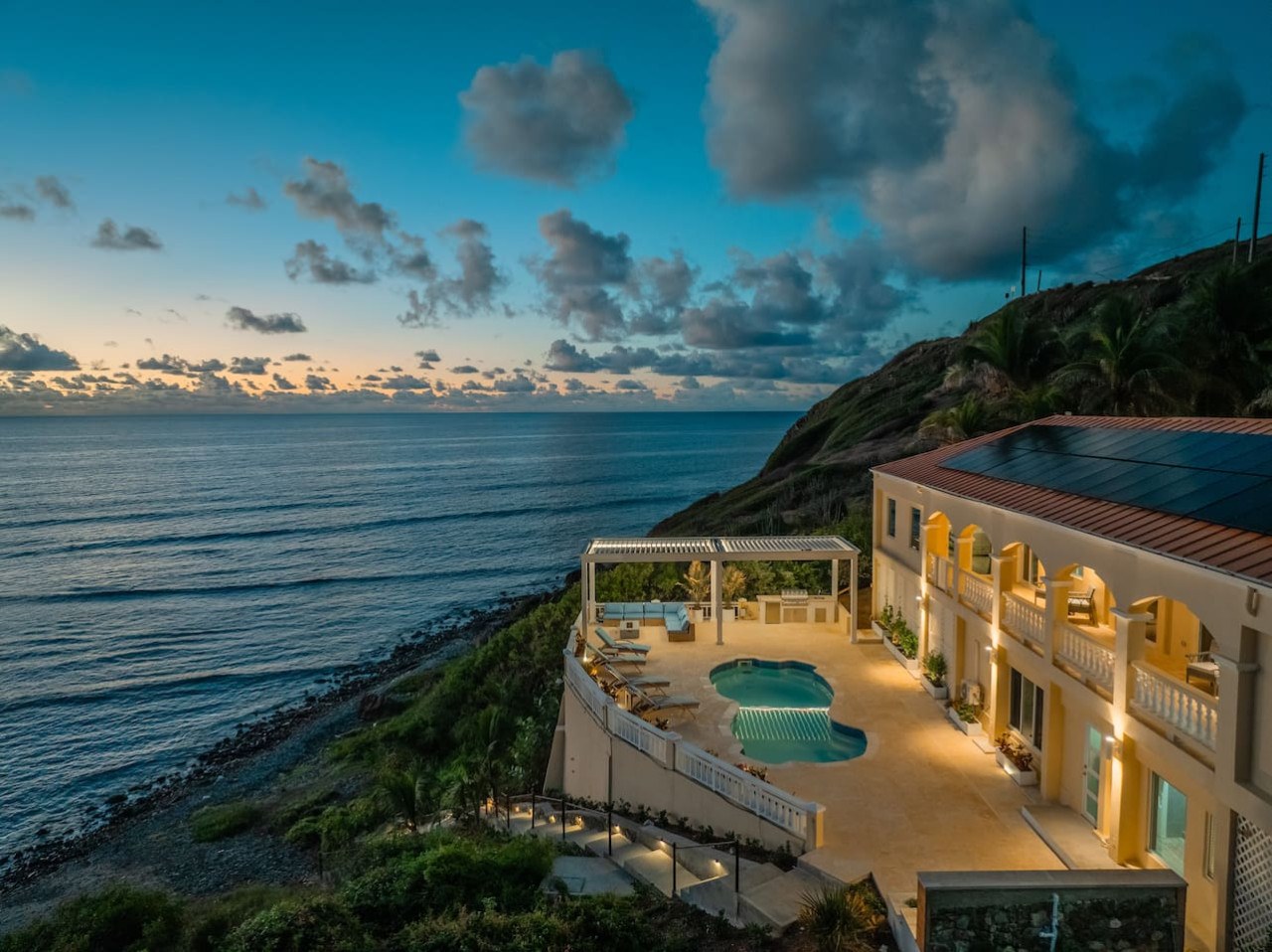 St. Croix · Vol. 2 · No. 10 · October 2026
St. Croix: Where To Sleep
On St. Croix, the place you stay shapes the days, whether it is a town, a condo resort, or a private villa.
St. Croix · Vol. 2 · No. 10 · October 2026
St. Croix: Where To Sleep
On St. Croix, the place you stay shapes the days, whether it is a town, a condo resort, or a private villa.
-
 Morro dois irmaos hike view 1 · Sereia apaixonada · CC BY-SA 4.0 · cropped
Rio de Janeiro · Vol. 2 · No. 09 · September 2026
Rio: On the Sand or a Street Back
Choosing a neighbourhood in Rio de Janeiro shapes the entire trip, dictating beach access, quiet, views, and price.
Morro dois irmaos hike view 1 · Sereia apaixonada · CC BY-SA 4.0 · cropped
Rio de Janeiro · Vol. 2 · No. 09 · September 2026
Rio: On the Sand or a Street Back
Choosing a neighbourhood in Rio de Janeiro shapes the entire trip, dictating beach access, quiet, views, and price.
-
 Ka'anapali Beach, Maui, Hawai'i · Rick Obst · CC BY 4.0 · cropped
Maui · Vol. 2 · No. 08 · August 2026
Maui Coasts: Where to Sleep
Deciding on South Maui or West Maui makes all the difference for a first trip, with options from value condos to full-service resorts.
Ka'anapali Beach, Maui, Hawai'i · Rick Obst · CC BY 4.0 · cropped
Maui · Vol. 2 · No. 08 · August 2026
Maui Coasts: Where to Sleep
Deciding on South Maui or West Maui makes all the difference for a first trip, with options from value condos to full-service resorts.
-
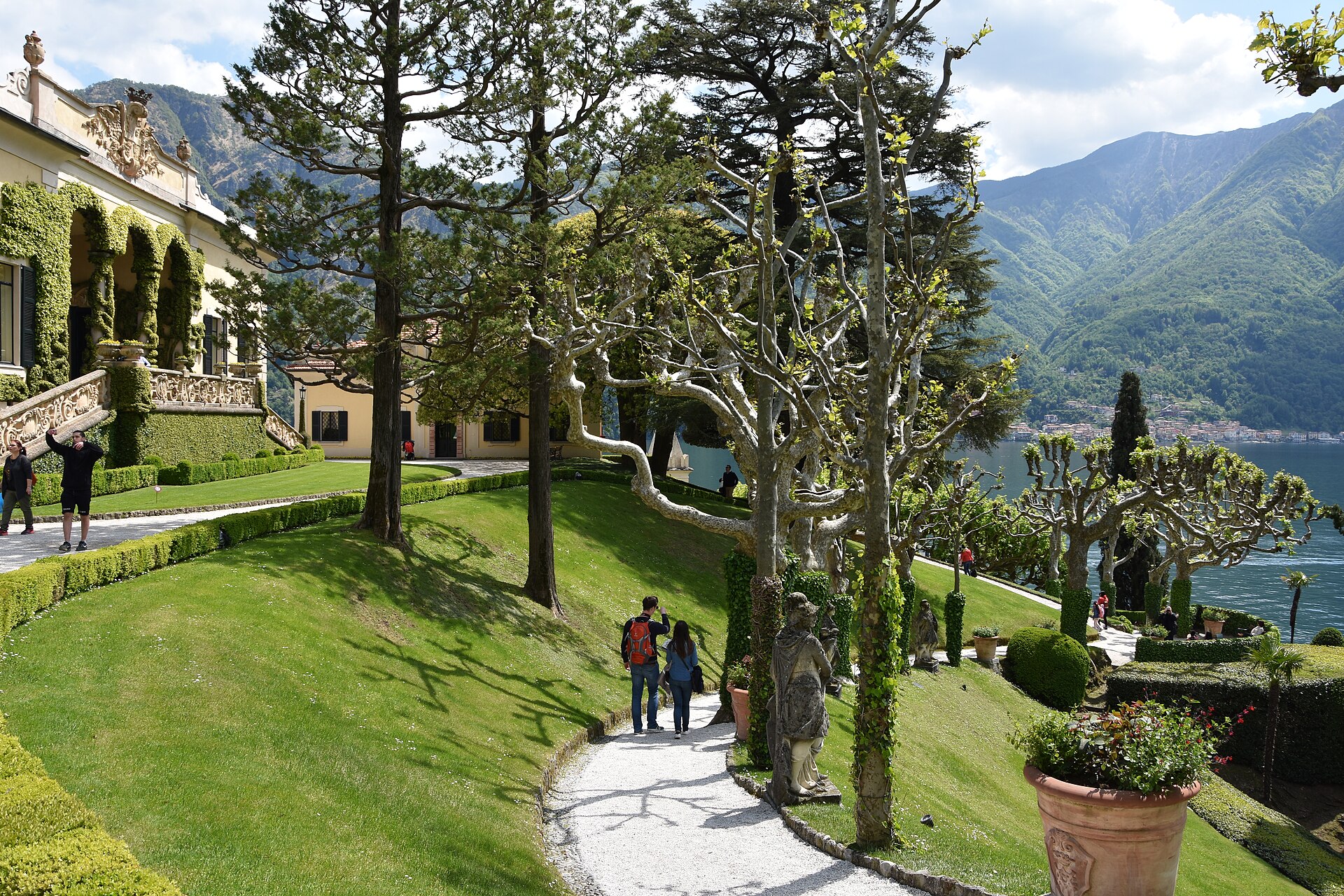 Lenno - Villa del Balbianello 0613 · Phyrexian · CC BY-SA 4.0 · cropped
Lake Como · Vol. 2 · No. 07 · July 2026
Lake Como: Which Town
The choice of your Lake Como base shapes your entire trip, from morning views to evening calm and how easily you move between villages.
Lenno - Villa del Balbianello 0613 · Phyrexian · CC BY-SA 4.0 · cropped
Lake Como · Vol. 2 · No. 07 · July 2026
Lake Como: Which Town
The choice of your Lake Como base shapes your entire trip, from morning views to evening calm and how easily you move between villages.
The columns, every month.
One considered letter when a new issue lands: the cover story, the four columns, and the month's news.
Comments