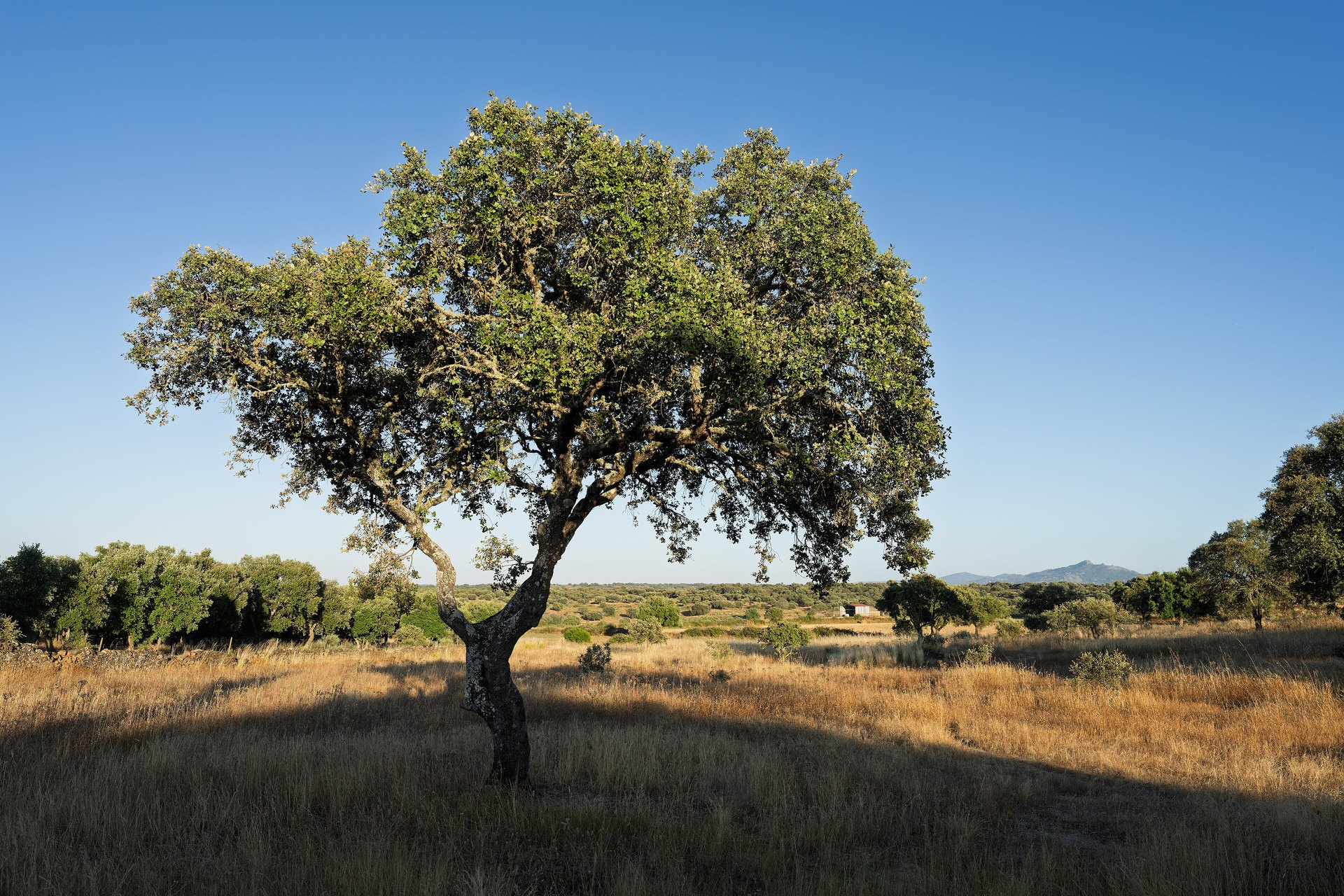
Cork oak tree (Quercus suber) next to Menir da Meada, Meada,… · Jules Verne Times Two · CC BY-SA 4.0 · cropped
Comporta: Cabana or Villa
On the low-built Alentejo coast, the choice between a thatched cabana and a private villa shapes the entire stay.
An hour or so south of Lisbon, past the last of the suburbs and across the Sado estuary, the road runs out into flat, bright country. This is Comporta, a stretch of the Alentejo coast that has, so far, mostly refused to look the part of a busy resort. There are no beach towers here, no line of high-rise hotels along the front. Instead, the coast has stayed low: whitewashed houses, thatched cabanas, and a handful of small hotels set back among the trees. This restraint is the core of its appeal and shapes the main decision for a visitor: whether to choose a cabana in the dunes or a villa in the pines. Strict building rules and the fact that a single family owned most of the land for generations kept development low. Even after the estate was broken up in 2014, the local architecture—the simple, timber-and-reed cabana—set a template that new money has largely copied. You will stay in one version of it, and eat lunch in another on the sand.
Comporta is not a single town but a scatter of villages, each with a distinct character. Comporta village is the historic core, set back from the beach around a church and the old rice-workers' houses. It is low and whitewashed, with a short main street of shops, a few restaurants, and the most concentrated sense of a real village. It suits those who want to walk to dinner and feel they are somewhere, not just parked near a beach. Carvalhal, a few kilometres south, is the easier, more spread-out option: houses scattered through the pines with beach access, a supermarket, and enough restaurants to keep a group fed for a week. Melides, about twenty minutes further south, is the quieter and increasingly design-minded neighbour, built around a lagoon and its own long beach. It has fewer services and a slower pulse.
The choice between a cabana near the sand and a villa among the pines cuts across all three villages. A cabana, or a small house near the water, puts one a short walk from the beach and its restaurants. It is the more romantic and exposed option, and often the more expensive for the space. A villa set back in the pines gives more room, privacy, and a garden, at the cost of a drive to everything. It comes down to whether one would rather hear the sea or the wind in the trees. Beyond private rentals, the hotel inventory is small. Sublime Comporta is the name most associated with the area's look — a country retreat and spa set inland among pine and cork near the hamlet of Muda, not on the beach. Quinta da Comporta faces the rice fields near Carvalhal, offering a wellness focus. There is also a small, personal hotel in Melides, with thirteen individually designed rooms, heavy on art and local craft, and a restaurant and garden. It sits firmly at the top of the market.
What one pays for accommodation here is driven less by star rating than by three things: how close one is to the sand, how much of the place is yours, and whether one is coming in high summer. Because there are no towers or all-inclusive resorts, supply is genuinely limited. May, the month this issue covers, is close to ideal: the rice paddies are filling and greening, daytime temperatures are comfortable in the low twenties Celsius, and rates sit well below their August peak. The coast is awake but not overrun; some beach places may not be fully running early in the month, and the Atlantic water in spring is bracing.
The practical takeaway on booking is straightforward: the good cabanas, villas, and hotel rooms are few. August in particular sells out months ahead. If fixed dates fall in summer, booking as early as possible is advised, with peak rates expected. If flexibility allows, moving to late spring or early autumn brings both lower prices and a calmer coast.
From Vol. 2 · No. 05 · May 2026, The Quiet-Coast Issue. The cover story is Where to Stay in Comporta. Details change; confirm specifics with the property before you travel.
More from the column
-
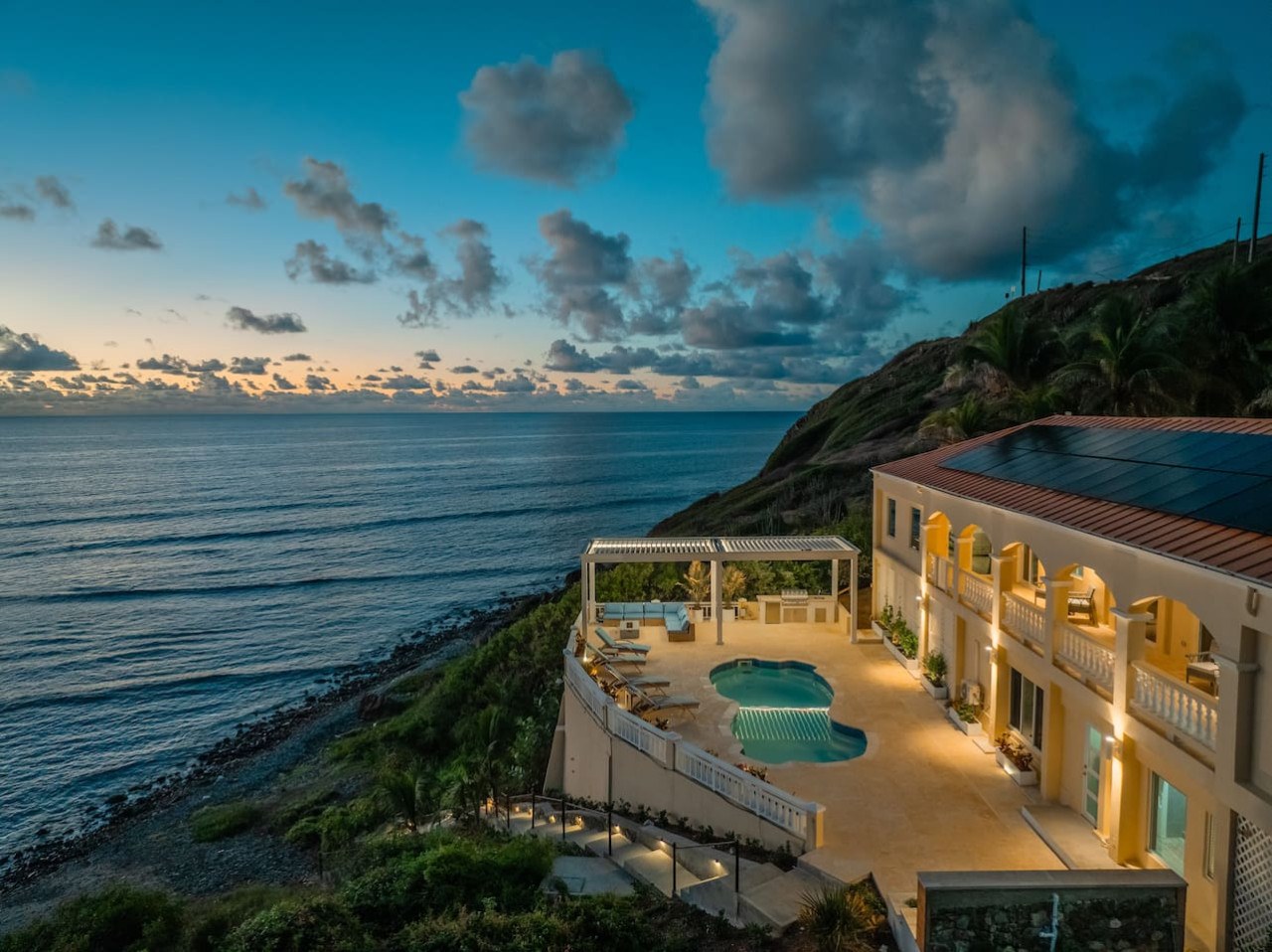 St. Croix · Vol. 2 · No. 10 · October 2026
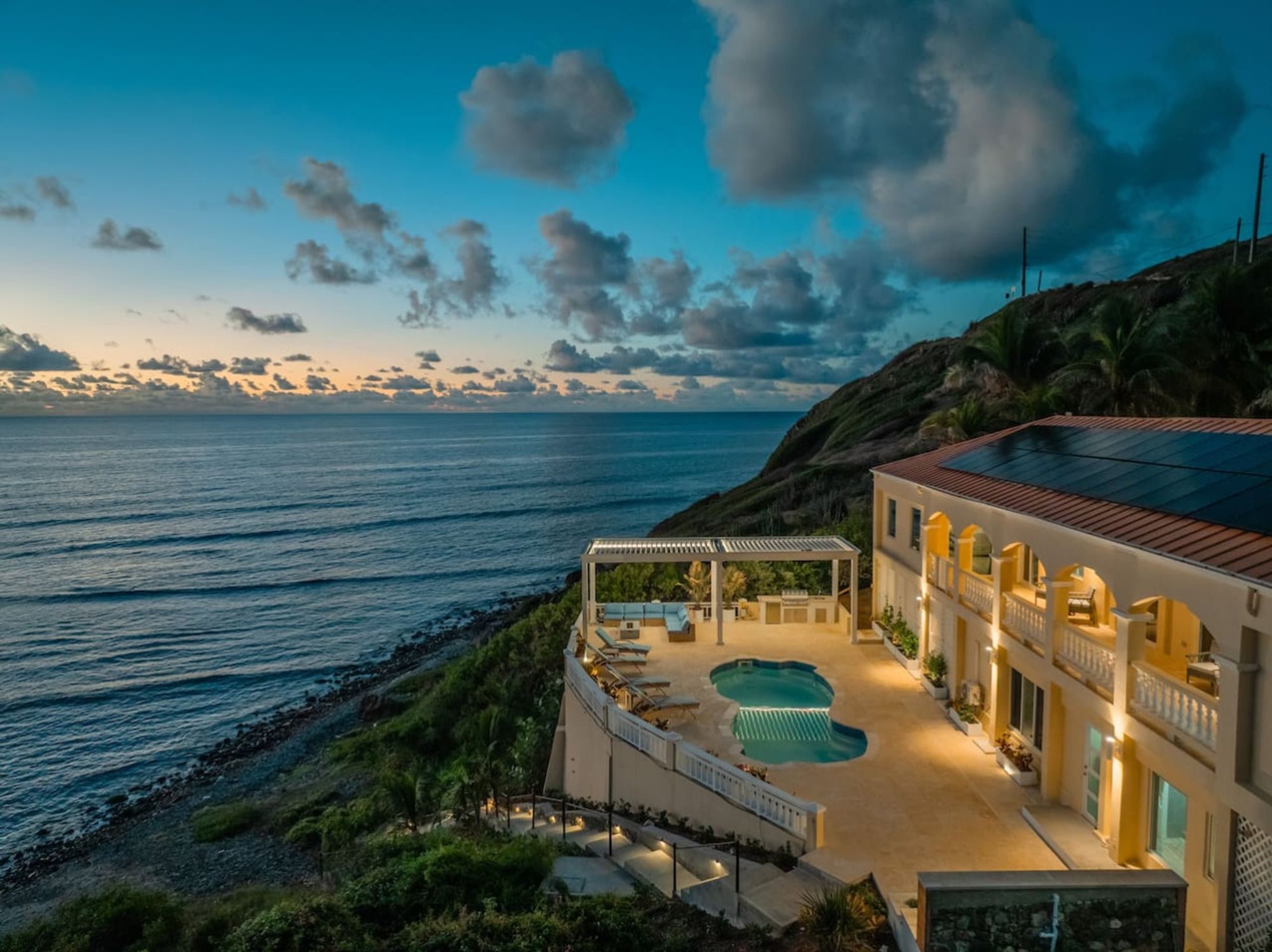
St. Croix: Where To Sleep
On St. Croix, the place you stay shapes the days, whether it is a town, a condo resort, or a private villa.
St. Croix · Vol. 2 · No. 10 · October 2026
St. Croix: Where To Sleep
On St. Croix, the place you stay shapes the days, whether it is a town, a condo resort, or a private villa.
-
 Morro dois irmaos hike view 1 · Sereia apaixonada · CC BY-SA 4.0 · cropped
Rio de Janeiro · Vol. 2 · No. 09 · September 2026
Rio: On the Sand or a Street Back
Choosing a neighbourhood in Rio de Janeiro shapes the entire trip, dictating beach access, quiet, views, and price.
Morro dois irmaos hike view 1 · Sereia apaixonada · CC BY-SA 4.0 · cropped
Rio de Janeiro · Vol. 2 · No. 09 · September 2026
Rio: On the Sand or a Street Back
Choosing a neighbourhood in Rio de Janeiro shapes the entire trip, dictating beach access, quiet, views, and price.
-
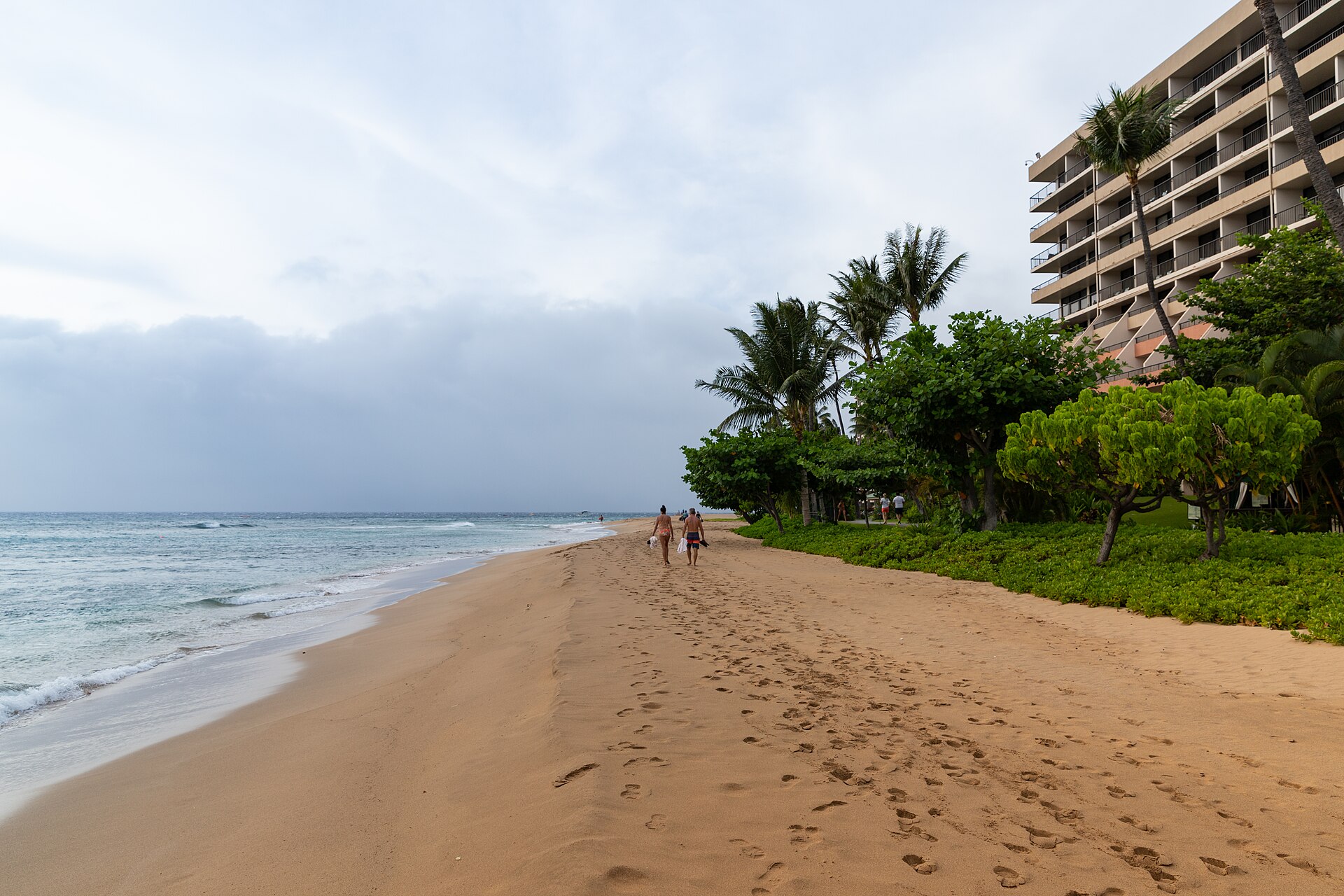 Ka'anapali Beach, Maui, Hawai'i · Rick Obst · CC BY 4.0 · cropped
Maui · Vol. 2 · No. 08 · August 2026
Maui Coasts: Where to Sleep
Deciding on South Maui or West Maui makes all the difference for a first trip, with options from value condos to full-service resorts.
Ka'anapali Beach, Maui, Hawai'i · Rick Obst · CC BY 4.0 · cropped
Maui · Vol. 2 · No. 08 · August 2026
Maui Coasts: Where to Sleep
Deciding on South Maui or West Maui makes all the difference for a first trip, with options from value condos to full-service resorts.
-
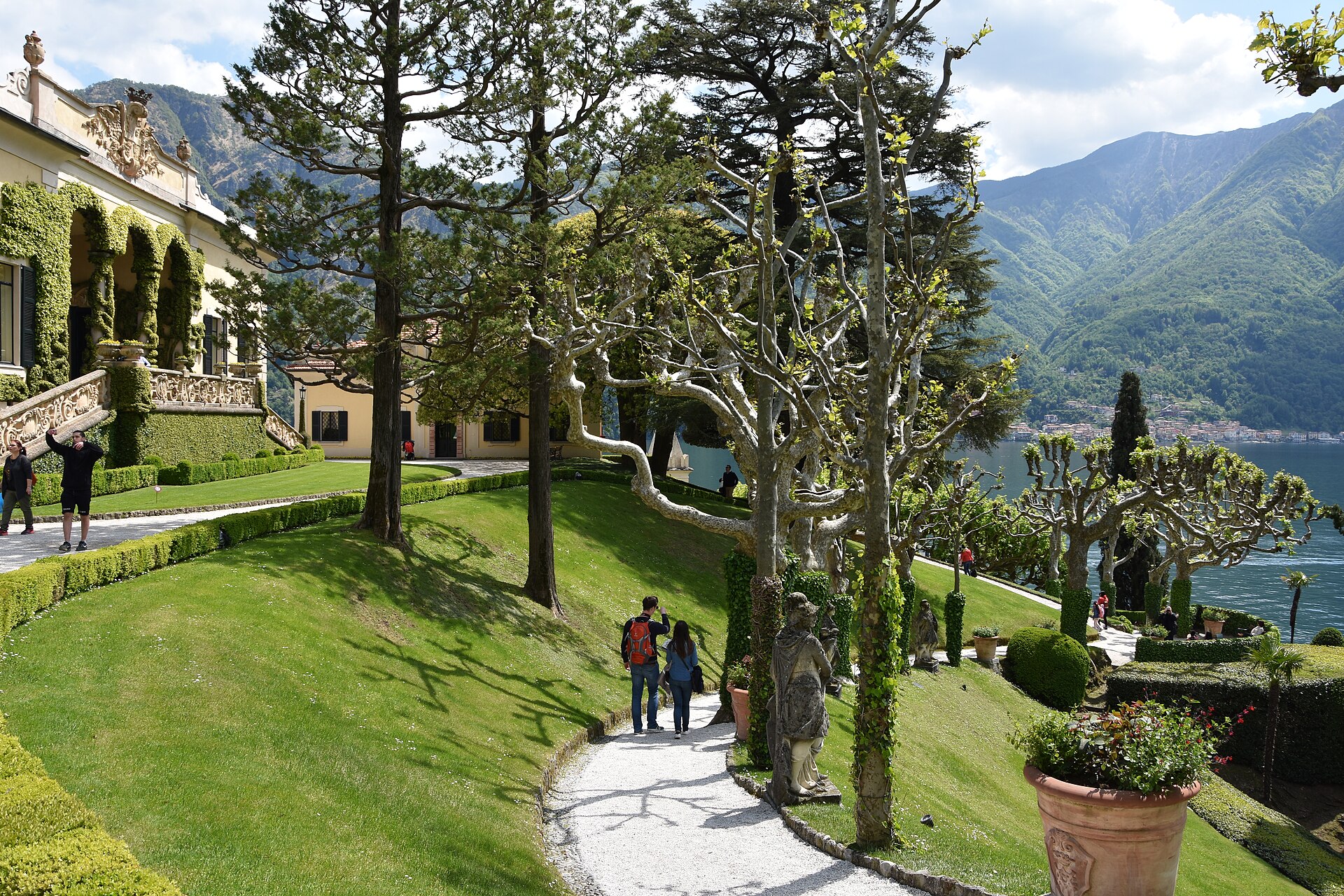 Lenno - Villa del Balbianello 0613 · Phyrexian · CC BY-SA 4.0 · cropped
Lake Como · Vol. 2 · No. 07 · July 2026
Lake Como: Which Town
The choice of your Lake Como base shapes your entire trip, from morning views to evening calm and how easily you move between villages.
Lenno - Villa del Balbianello 0613 · Phyrexian · CC BY-SA 4.0 · cropped
Lake Como · Vol. 2 · No. 07 · July 2026
Lake Como: Which Town
The choice of your Lake Como base shapes your entire trip, from morning views to evening calm and how easily you move between villages.
The columns, every month.
One considered letter when a new issue lands: the cover story, the four columns, and the month's news.
Comments