Aurora Nights Under Glass
Heated glass cabins in Lapland offer aurora views. Understand costs, why more than one night is sensible, and how lodge cabins often give better value.
The glass-roofed cabin has become the signature sleep in Finnish Lapland, a promise of warmth and a direct view of the aurora. Kakslauttanen Arctic Resort, near Saariselkä, popularised the small glass igloo that points at the sky. The appeal is clear: you lie in a warm bed under a heated glass dome and, if the conditions are right, watch the aurora move overhead without having to dress for the Arctic cold. The reality is these are compact and expensive, and the aurora appears only when conditions allow. A single night is a gamble; two or three nights is the realistic minimum if seeing the aurora is the main goal of the trip.
For this kind of night, Saariselkä is the base to pick. It is further north than Rovaniemi, where the polar night lasts weeks rather than days and the noon sky glows a deep cobalt before fading again. The town itself is small enough that artificial light is minimal, and it sits on the edge of Urho Kekkonen National Park, one of the largest tracts of empty land in the country. This means a genuinely dark sky, which is the first requirement for seeing the aurora. While Rovaniemi offers the airport, shops, and Santa Claus Village, its town glow works against a clear view of the sky.
What a night under glass actually costs is driven by this demand for darkness and the unique setup. Expect resort pricing rather than standard hotel rates, especially for January dates, which require booking months ahead. Beyond the original igloos, a wider and often better-value version of the same idea has spread: cabins and lodge rooms with one large glazed wall or a glass panel over the bed, usually with a private sauna. These are typically set outside the main town glow, often on their own patch of forest. If the glass cabin is the dream, compare these dedicated aurora resorts against the lodge cabins. The second category frequently buys more space and a darker sky for the money.
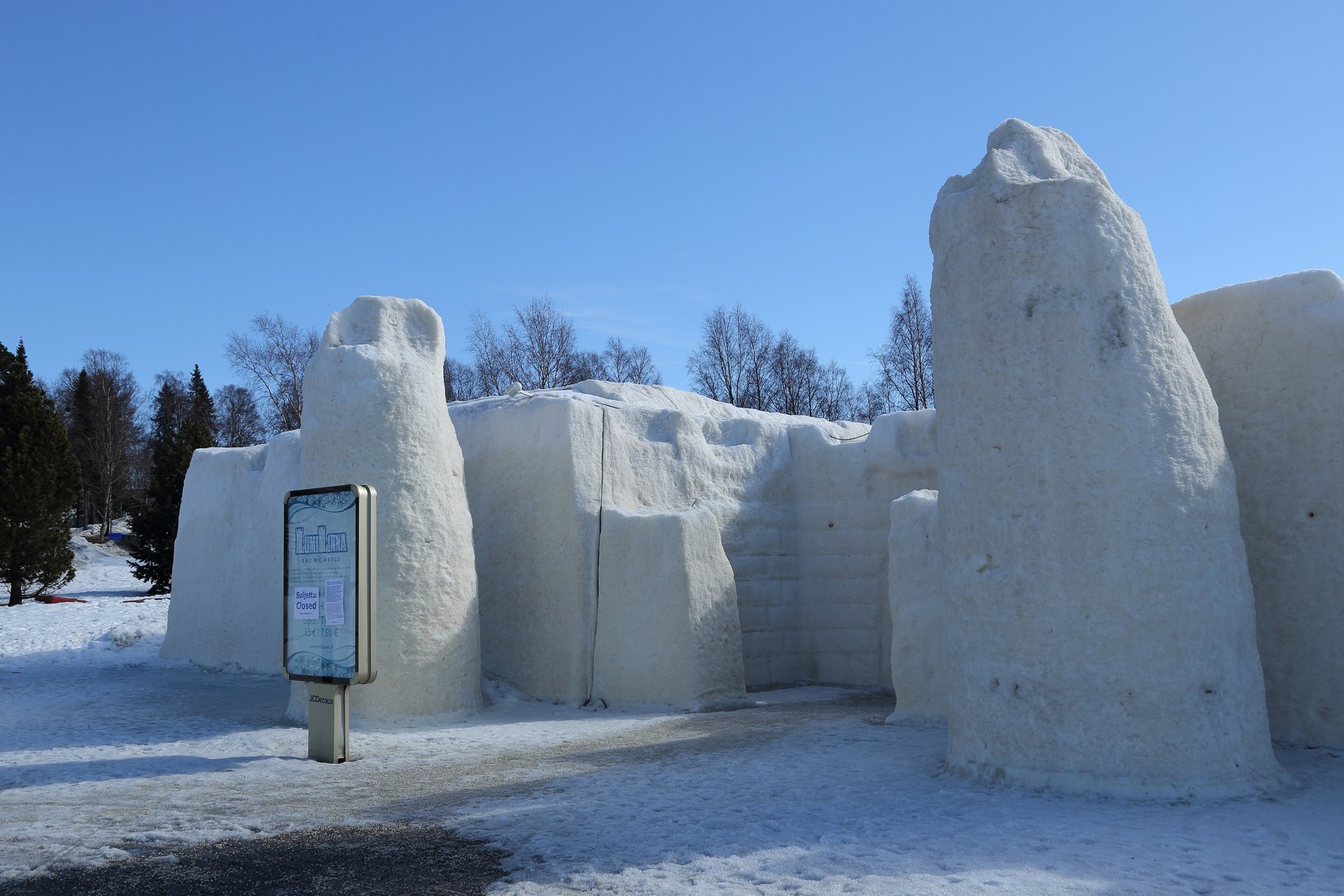
The aurora cannot be scheduled; it needs darkness, a clear sky, and solar activity. You can control the first by going in winter and getting away from town lights, but not the weather or the sun. Give yourself several nights, keep them flexible, and be willing to stay up late or set an alarm, as displays often come after midnight. Aurora forecast services are more useful than any brochure promise. For a concrete booking strategy, if the aurora is your priority, spend two or three nights in a glass cabin or aurora lodge near Saariselkä. Treat any night’s display as a bonus rather than a booking guarantee, and fill the short days with husky sledding, saunas, or a visit to the SnowCastle at Kemi. Book these cabins well in advance, especially for January, as they sell out.
From Vol. 0 · No. 01 · January 2024, The Northern Lights Issue. The cover story is Finnish Lapland. Details change; confirm specifics with the property before you travel.
More from the column
-
 St. Croix · Vol. 2 · No. 10 · October 2026
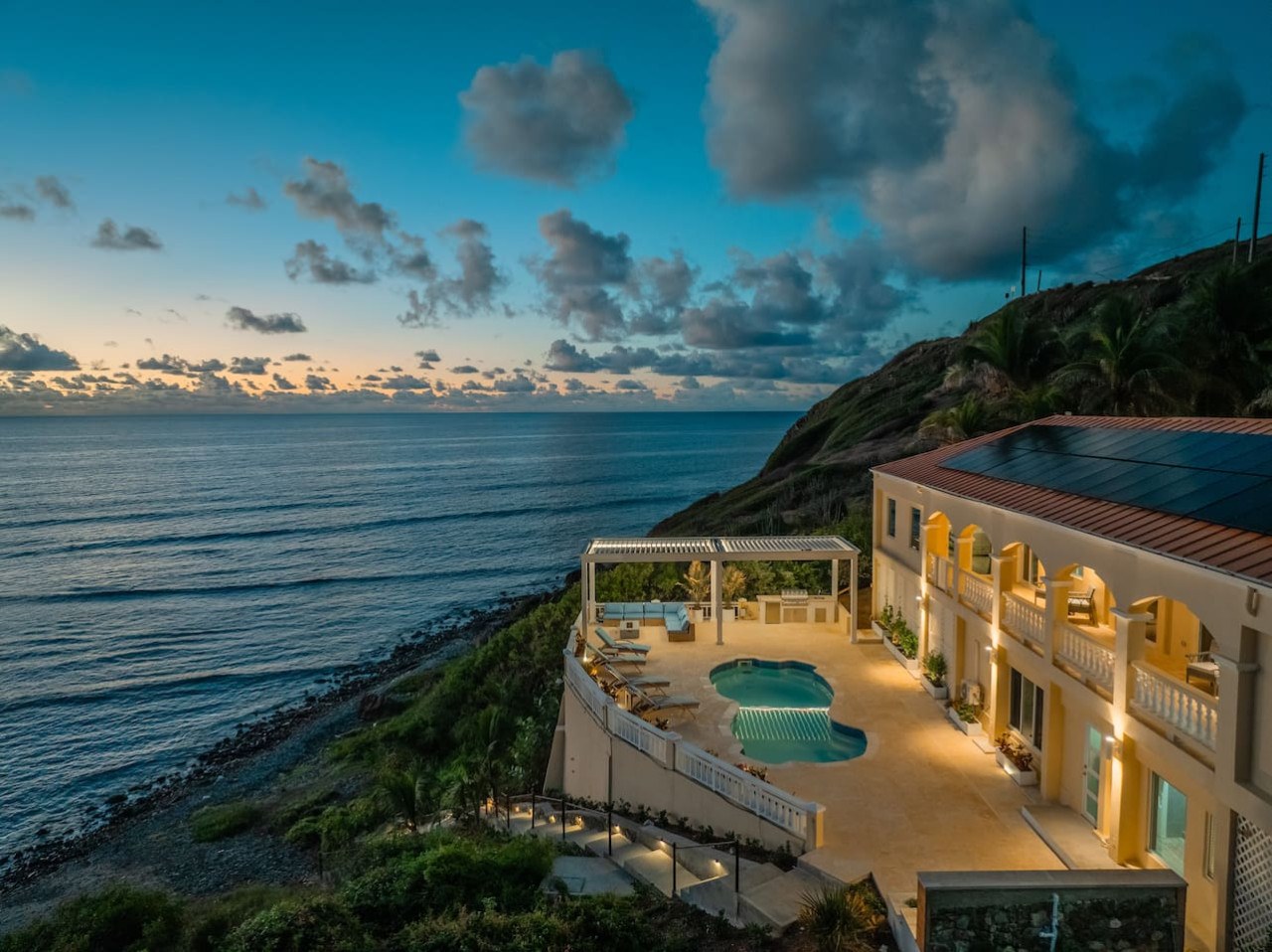
St. Croix: Where To Sleep
On St. Croix, the place you stay shapes the days, whether it is a town, a condo resort, or a private villa.
St. Croix · Vol. 2 · No. 10 · October 2026
St. Croix: Where To Sleep
On St. Croix, the place you stay shapes the days, whether it is a town, a condo resort, or a private villa.
-
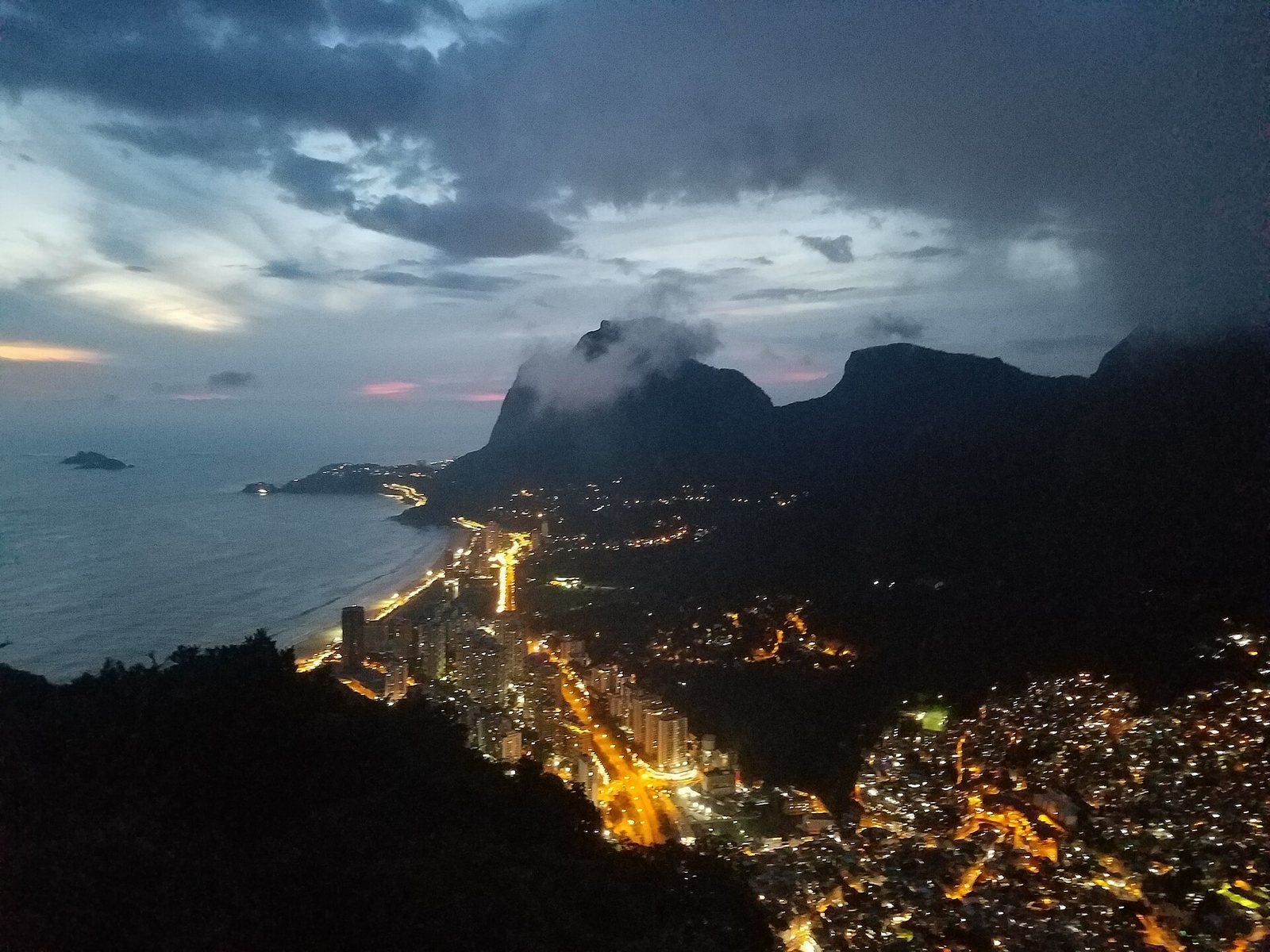 Morro dois irmaos hike view 1 · Sereia apaixonada · CC BY-SA 4.0 · cropped
Rio de Janeiro · Vol. 2 · No. 09 · September 2026
Rio: On the Sand or a Street Back
Choosing a neighbourhood in Rio de Janeiro shapes the entire trip, dictating beach access, quiet, views, and price.
Morro dois irmaos hike view 1 · Sereia apaixonada · CC BY-SA 4.0 · cropped
Rio de Janeiro · Vol. 2 · No. 09 · September 2026
Rio: On the Sand or a Street Back
Choosing a neighbourhood in Rio de Janeiro shapes the entire trip, dictating beach access, quiet, views, and price.
-
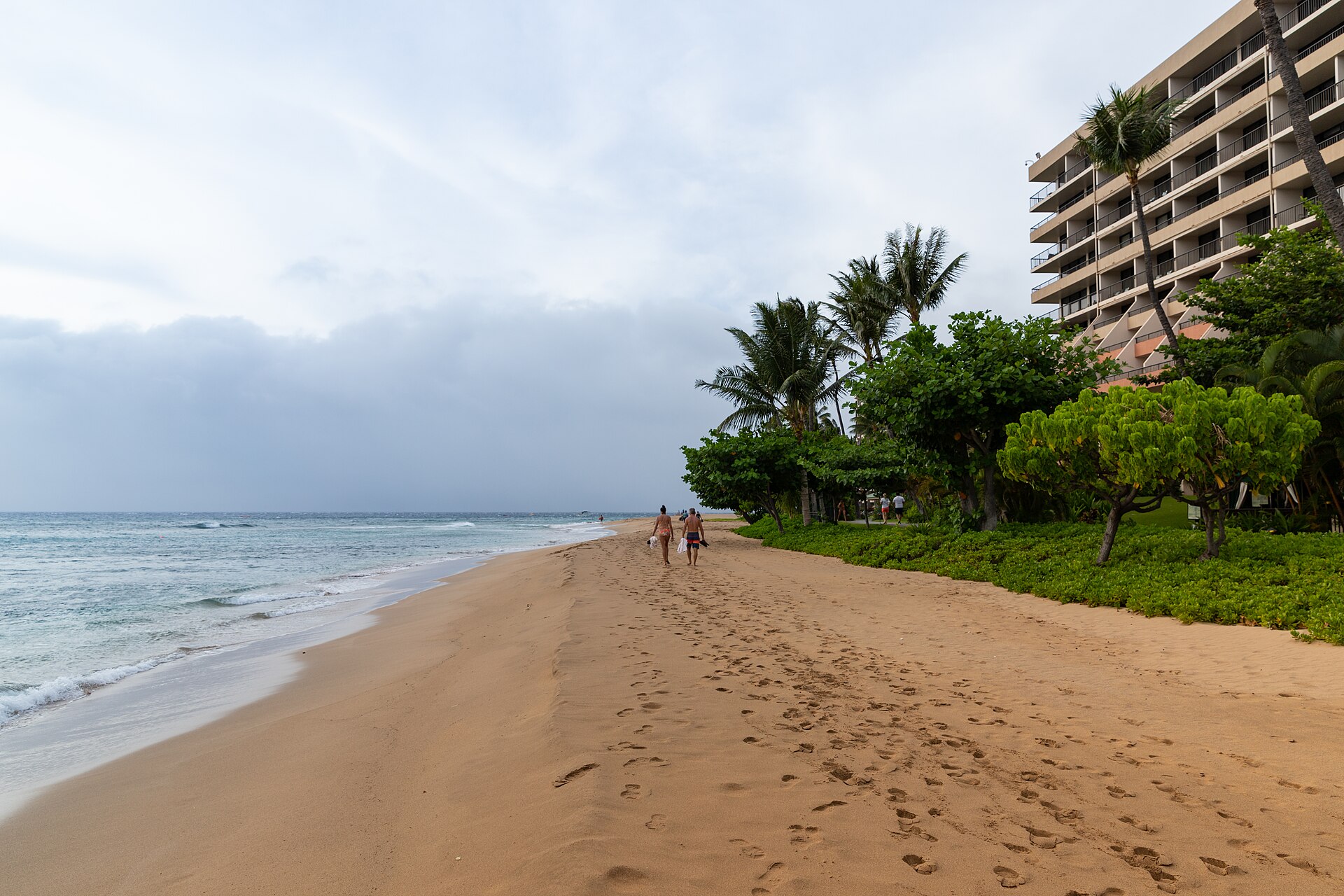 Ka'anapali Beach, Maui, Hawai'i · Rick Obst · CC BY 4.0 · cropped
Maui · Vol. 2 · No. 08 · August 2026
Maui Coasts: Where to Sleep
Deciding on South Maui or West Maui makes all the difference for a first trip, with options from value condos to full-service resorts.
Ka'anapali Beach, Maui, Hawai'i · Rick Obst · CC BY 4.0 · cropped
Maui · Vol. 2 · No. 08 · August 2026
Maui Coasts: Where to Sleep
Deciding on South Maui or West Maui makes all the difference for a first trip, with options from value condos to full-service resorts.
-
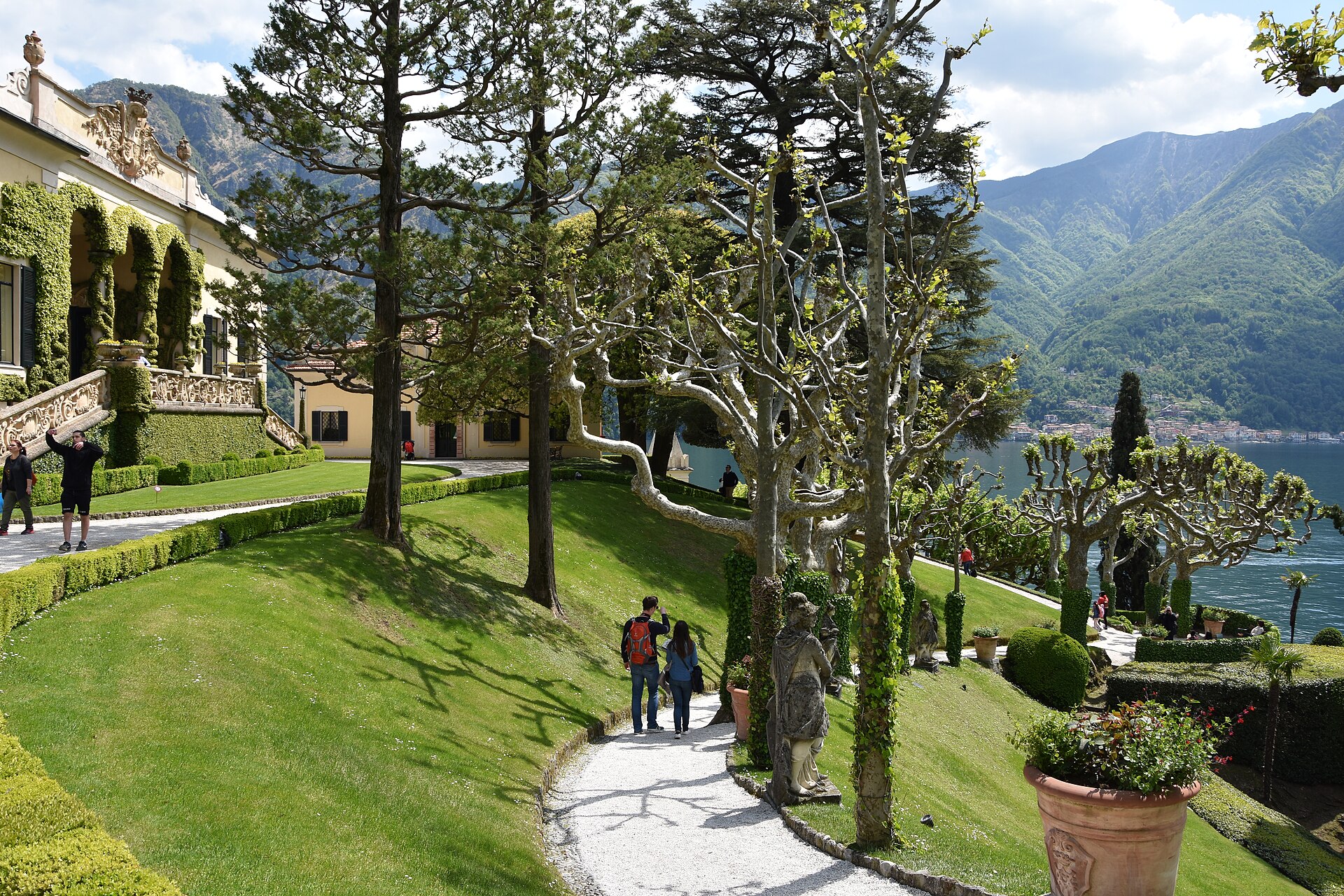 Lenno - Villa del Balbianello 0613 · Phyrexian · CC BY-SA 4.0 · cropped
Lake Como · Vol. 2 · No. 07 · July 2026
Lake Como: Which Town
The choice of your Lake Como base shapes your entire trip, from morning views to evening calm and how easily you move between villages.
Lenno - Villa del Balbianello 0613 · Phyrexian · CC BY-SA 4.0 · cropped
Lake Como · Vol. 2 · No. 07 · July 2026
Lake Como: Which Town
The choice of your Lake Como base shapes your entire trip, from morning views to evening calm and how easily you move between villages.
The columns, every month.
One considered letter when a new issue lands: the cover story, the four columns, and the month's news.
Comments