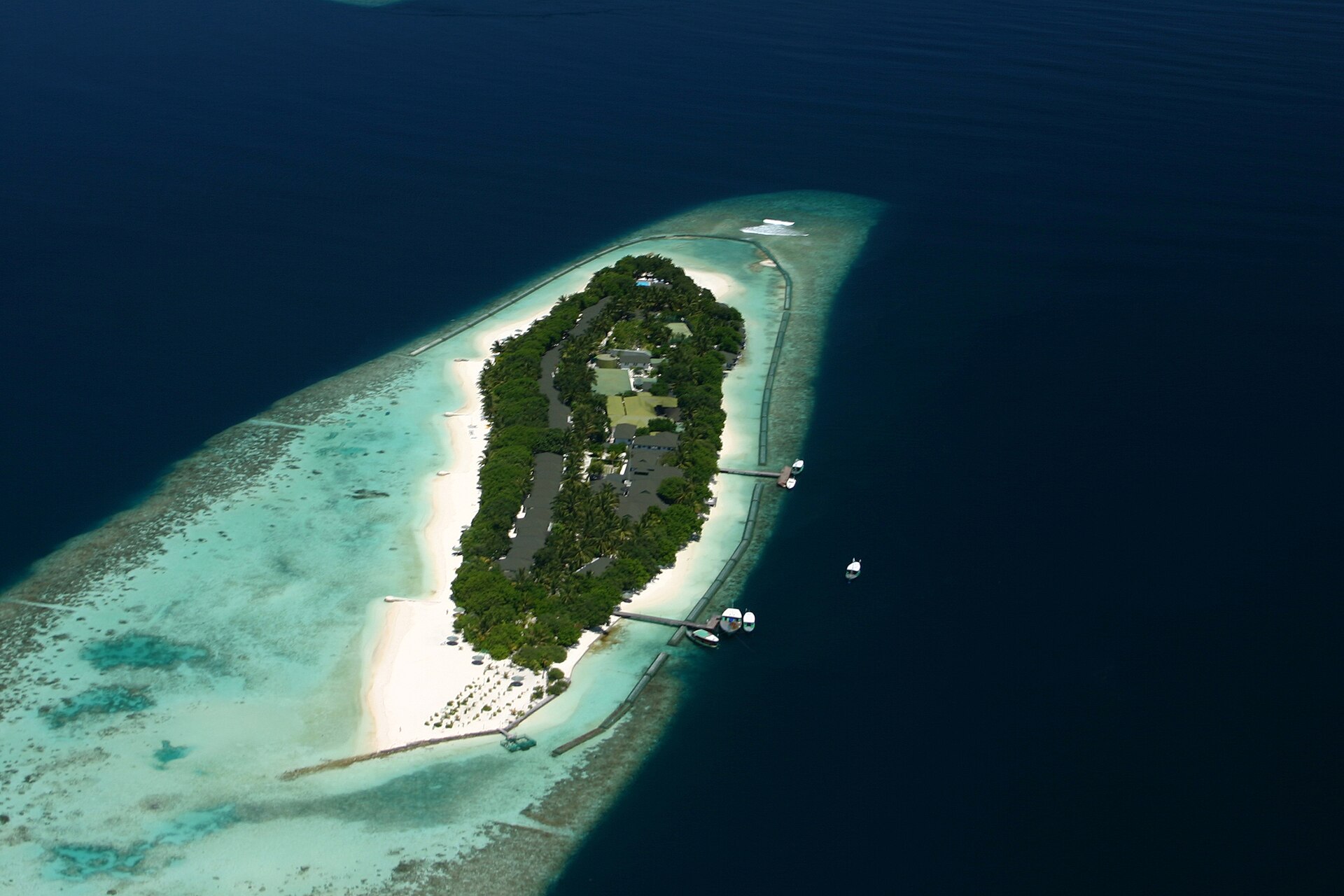
Aerial shot, Maldives · Dr. Ondřej Havelka (cestovatel) · CC BY-SA 4.0 · cropped
Overwater Or Beach Villa Choice
Deciding between an overwater villa and a beach villa in the Maldives shapes a stay more than many first-timers realise, affecting comfort and cost.
The decision between an overwater villa and a beach villa in the Maldives is more significant than it appears. The room on stilts over the lagoon, with its private deck and steps into the water, is the postcard image of the country. It is almost always the most expensive category at any resort, and its exposed position can make it hot, offering less shade than a room on the sand. A beach villa, by contrast, sits directly on the shore under palms, often just steps from the lagoon. These are usually larger, stay cooler, and work better for families. Many people book an overwater villa, enjoy the initial novelty, and then wish they’d either chosen a beach villa or split their stay between the two types. A common rule of thumb suggests that a beach villa at a better resort can offer a superior experience to an overwater villa at a weaker one, so do not fixate solely on the stilts.
Beyond the villa type, the board basis is a major lever on price, and it matters more here than at a city hotel. With the one-island-one-resort model, there is no walking out to a cheaper restaurant. Bed-and-breakfast leaves lunch and dinner to be bought daily on the island; half board adds dinner, and all-inclusive typically covers meals and a set list of drinks. On a remote island, opting for half board or all-inclusive can save real money, though drinks can still add up quickly. Always work out the true nightly cost with food and transfer included, rather than just the room rate. Transfers themselves are not a footnote. They can cost as much as a night in your room and often decide which resorts are even reachable.
The transfer type is a crucial detail. Islands close to Malé, such as those in North and South Malé Atolls, use speedboats that run at any hour. Mid-distance atolls like much of Ari and Baa are reached by seaplane, which offers scenic views but flies only in daylight. This means a late international arrival could require an unplanned night near the airport in Hulhumalé before your onward journey. Far northern and southern atolls typically use a domestic flight followed by a speedboat. The cost and timing implications of these transfers are substantial, so confirm the type and price when booking.
Another often-overlooked factor is the house reef. Some islands are ringed by healthy coral that allows for direct snorkelling from the beach, which is a huge part of the value for many visitors. Other resorts sit in sandy lagoons with little to see without a boat trip. If snorkelling matters, check that the island has a good, accessible house reef before you fall for the villa photographs alone. The resident whale sharks of South Ari Atoll are around all year, while Baa Atoll’s Hanifaru Bay is known for manta rays and whale sharks gathering mainly in the southwest monsoon, roughly May to November. For a different experience, a local island like Maafushi, in South Malé Atoll and about half an hour from the airport by speedboat, offers everyday life and cheaper diving, often combined with a resort stay.
From Vol. 1 · No. 11 · November 2025, The Water Issue. The cover story is Where to Stay in the Maldives. Details change; confirm specifics with the property before you travel.
More from the column
-
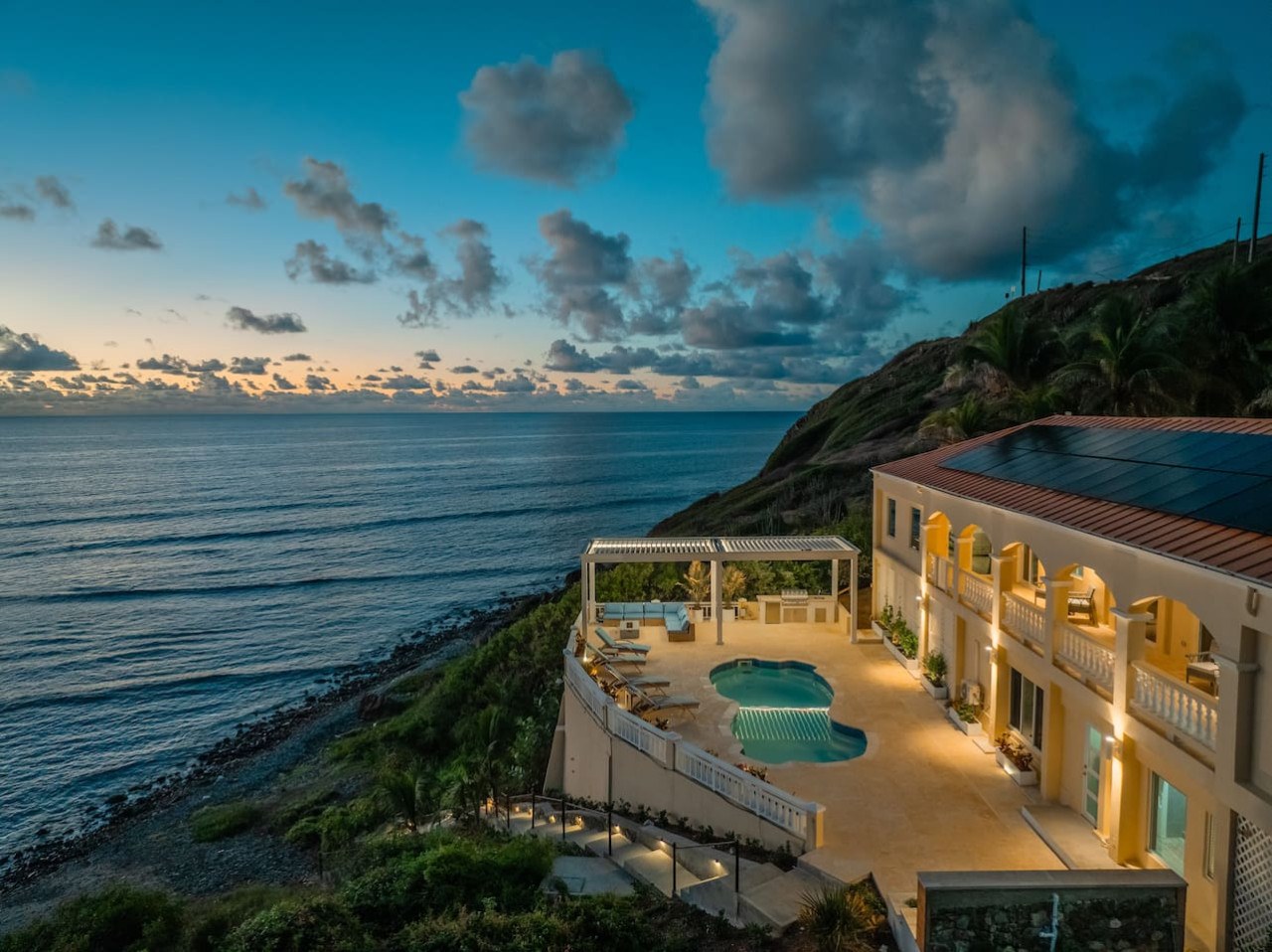 St. Croix · Vol. 2 · No. 10 · October 2026
St. Croix: Where To Sleep
On St. Croix, the place you stay shapes the days, whether it is a town, a condo resort, or a private villa.
St. Croix · Vol. 2 · No. 10 · October 2026
St. Croix: Where To Sleep
On St. Croix, the place you stay shapes the days, whether it is a town, a condo resort, or a private villa.
-
 Morro dois irmaos hike view 1 · Sereia apaixonada · CC BY-SA 4.0 · cropped
Rio de Janeiro · Vol. 2 · No. 09 · September 2026
Rio: On the Sand or a Street Back
Choosing a neighbourhood in Rio de Janeiro shapes the entire trip, dictating beach access, quiet, views, and price.
Morro dois irmaos hike view 1 · Sereia apaixonada · CC BY-SA 4.0 · cropped
Rio de Janeiro · Vol. 2 · No. 09 · September 2026
Rio: On the Sand or a Street Back
Choosing a neighbourhood in Rio de Janeiro shapes the entire trip, dictating beach access, quiet, views, and price.
-
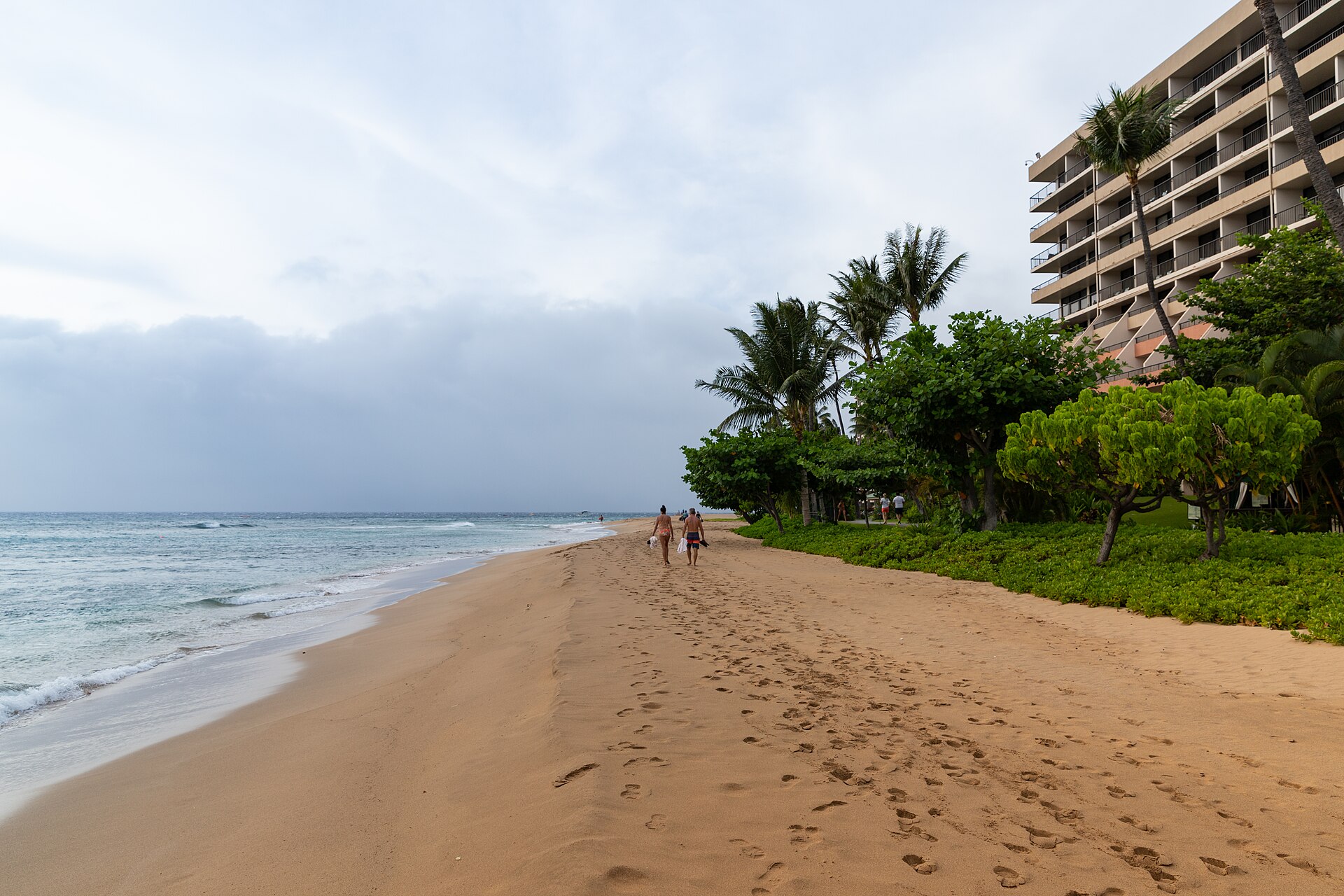 Ka'anapali Beach, Maui, Hawai'i · Rick Obst · CC BY 4.0 · cropped
Maui · Vol. 2 · No. 08 · August 2026
Maui Coasts: Where to Sleep
Deciding on South Maui or West Maui makes all the difference for a first trip, with options from value condos to full-service resorts.
Ka'anapali Beach, Maui, Hawai'i · Rick Obst · CC BY 4.0 · cropped
Maui · Vol. 2 · No. 08 · August 2026
Maui Coasts: Where to Sleep
Deciding on South Maui or West Maui makes all the difference for a first trip, with options from value condos to full-service resorts.
-
 Lenno - Villa del Balbianello 0613 · Phyrexian · CC BY-SA 4.0 · cropped
Lake Como · Vol. 2 · No. 07 · July 2026
Lake Como: Which Town
The choice of your Lake Como base shapes your entire trip, from morning views to evening calm and how easily you move between villages.
Lenno - Villa del Balbianello 0613 · Phyrexian · CC BY-SA 4.0 · cropped
Lake Como · Vol. 2 · No. 07 · July 2026
Lake Como: Which Town
The choice of your Lake Como base shapes your entire trip, from morning views to evening calm and how easily you move between villages.
The columns, every month.
One considered letter when a new issue lands: the cover story, the four columns, and the month's news.
Comments