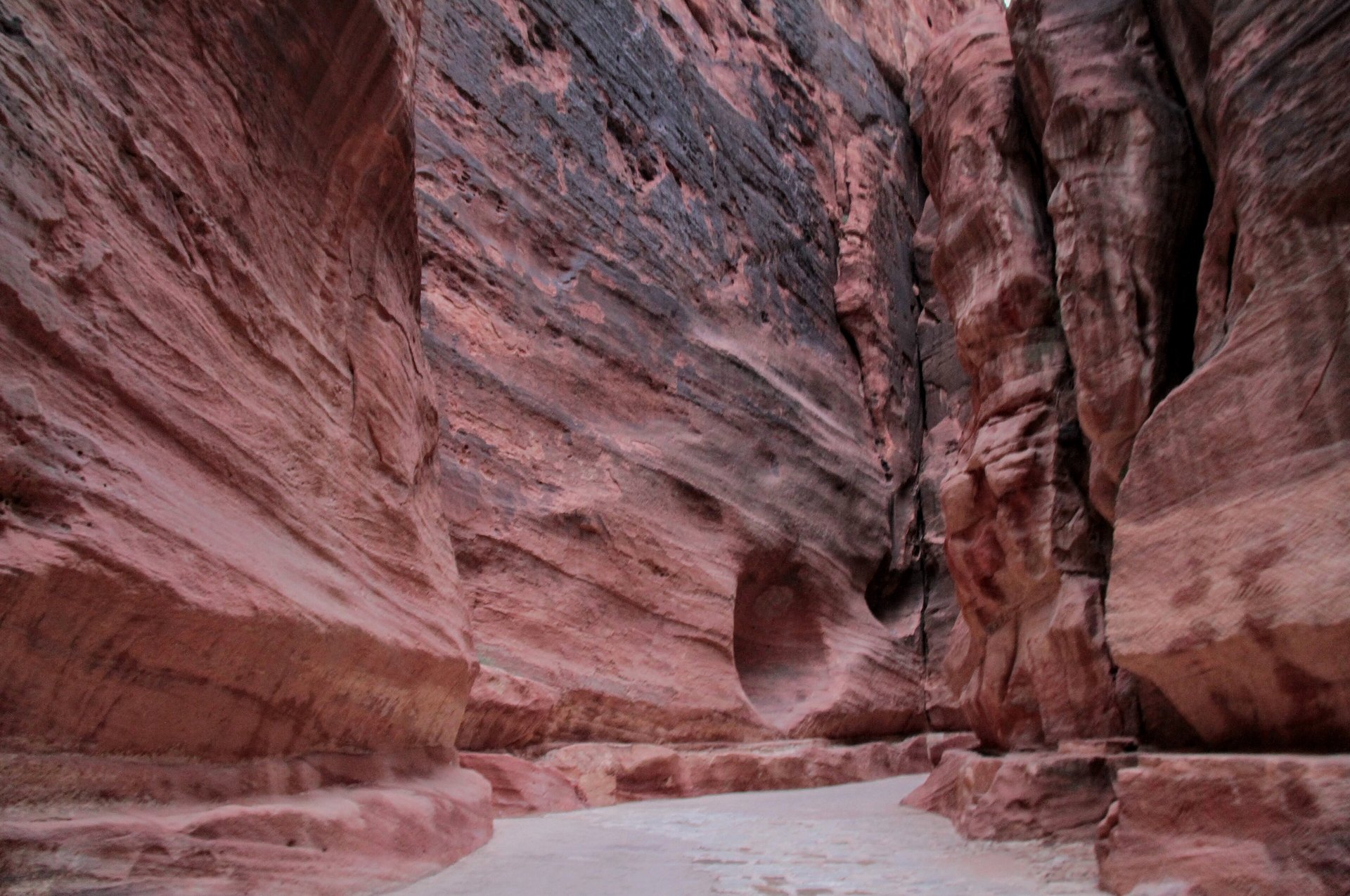
Canyon in Petra · Boris Debic · CC BY-SA 4.0 · cropped
Wadi Rum Domes Or Tents
Choosing where to sleep in Wadi Rum means deciding between air-conditioned pods and traditional tents, with the best nights depending on the camp’s hosts.
Wadi Rum offers two distinct ways to sleep under its dark skies, and the choice shapes the desert night. The traditional-style camps use goat-hair or canvas tents, with shared or basic private bathrooms. Dinner is often cooked in a zarb, the underground sand oven the Bedouin use for slow-roasting meat and vegetables, and the evening gathers around a fire. These camps feel closest to the desert’s quiet, and for many, they are the point of coming. They cost a fraction of the alternative and sit closer to the quiet.
The alternative is the domed “bubble” camps. These are transparent or semi-transparent pods, air-conditioned and en-suite, which gained prominence after Wadi Rum stood in for Mars in a well-known film. They offer a proper bed with stars overhead through a clear ceiling, without the cold or the trek to a shared bathroom. The appeal is clear for comfort with a view. However, these domes can trap heat and light in ways a tent does not, and a cluster of glowing pods is a long way from roughing it. They also cost several times what a traditional camp does.
Whichever style you choose, the quality of a stay depends more on the people running the camp than on the tent’s styling. The Bedouin community operates almost all of the camps and jeep tours inside the protected area. The best desert nights come down to the family behind the camp: the driver who knows where the light falls at sunset, the cook who does the zarb properly, the host who lets the evening unfold. Read recent guest accounts to gauge this.
Before booking, confirm exactly what is included. The jeep tour, dinner, breakfast, and the transfer from the village of Rum are the essentials to clarify. Be clear about whether the payment covers just a bed or the full experience of a night in the desert. One night in Wadi Rum is enough to feel it, allowing for a jeep tour that finishes at a high point for sunset and an evening under the stars.
While one night captures the essence, a second night allows a deeper immersion. It lets you take a longer route by jeep on the first day, perhaps adding a camel ride or a slow walk on the second, and turns the desert from a stop into a stay. This approach slows the whole visit down in a way that lets the scale and the quiet settle in. Spring, roughly March to May, and autumn, September to November, are the ideal windows. In March, days warm nicely and nights still want a jacket, and the landscape often shows enough winter rain to green the desert margins.
From Vol. 0 · No. 03 · March 2024, The Desert Issue. The cover story is Petra & Wadi Rum. Details change; confirm specifics with the property before you travel.
More from the column
-
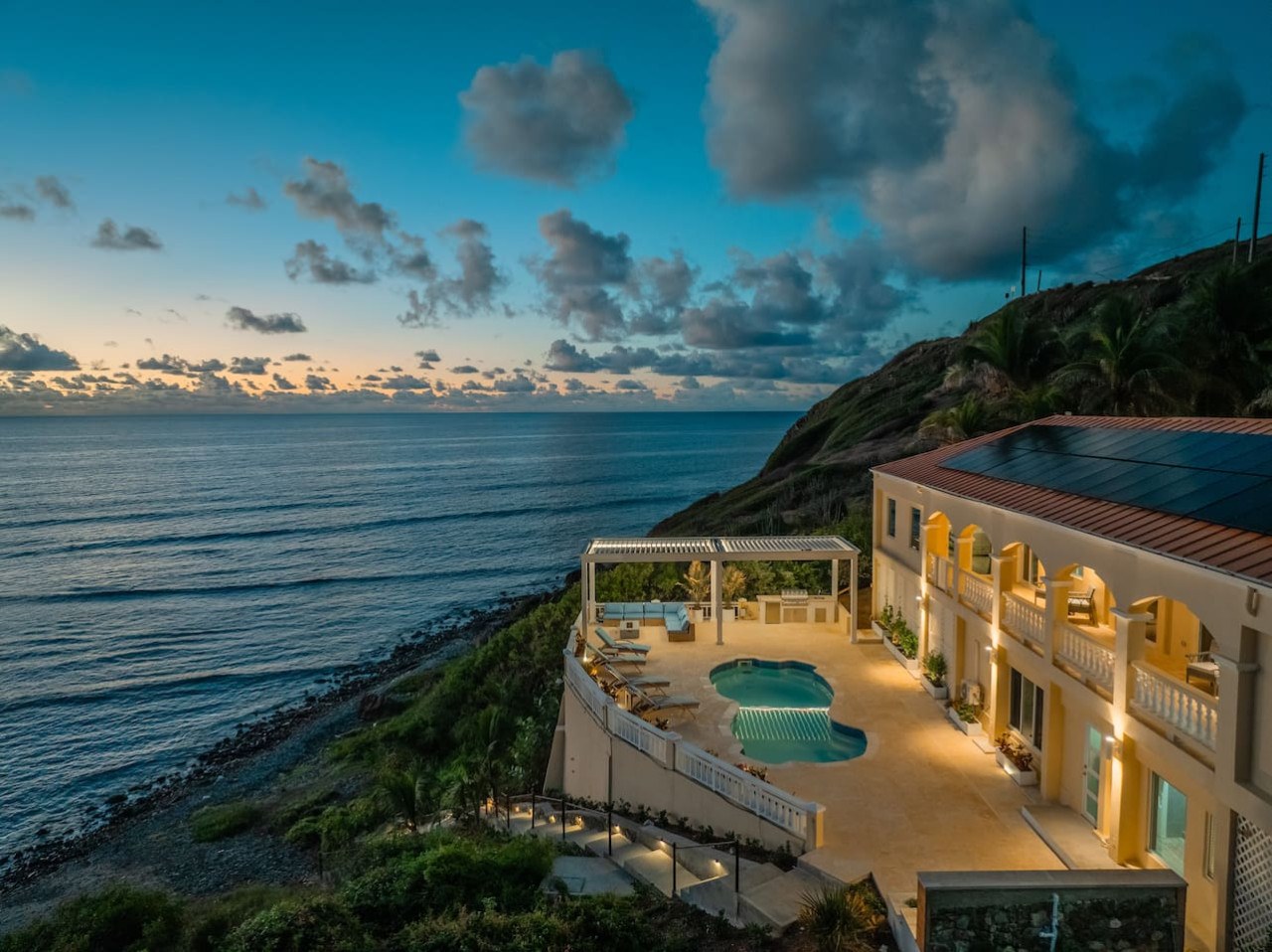 St. Croix · Vol. 2 · No. 10 · October 2026
St. Croix: Where To Sleep
On St. Croix, the place you stay shapes the days, whether it is a town, a condo resort, or a private villa.
St. Croix · Vol. 2 · No. 10 · October 2026
St. Croix: Where To Sleep
On St. Croix, the place you stay shapes the days, whether it is a town, a condo resort, or a private villa.
-
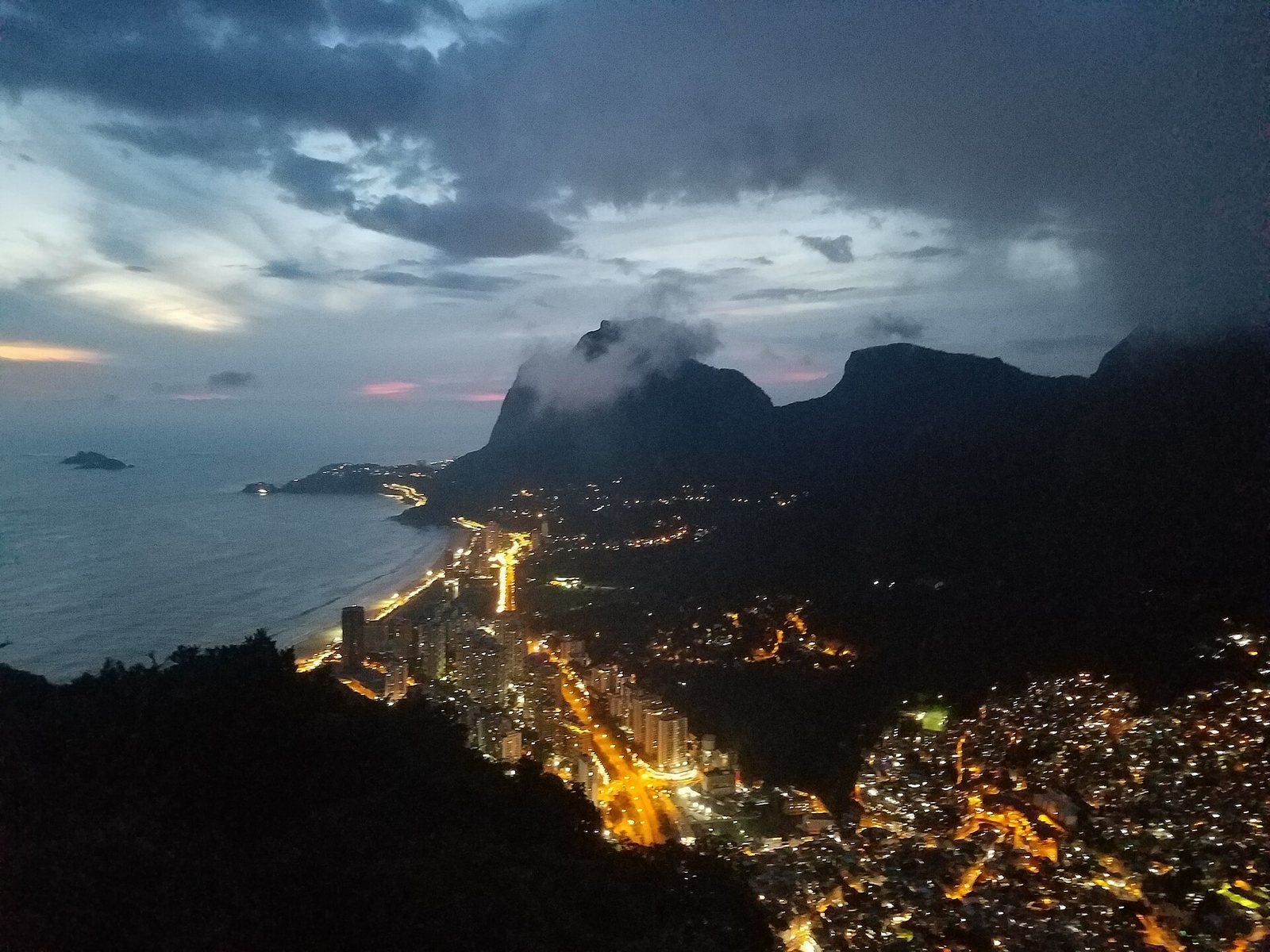 Morro dois irmaos hike view 1 · Sereia apaixonada · CC BY-SA 4.0 · cropped
Rio de Janeiro · Vol. 2 · No. 09 · September 2026
Rio: On the Sand or a Street Back
Choosing a neighbourhood in Rio de Janeiro shapes the entire trip, dictating beach access, quiet, views, and price.
Morro dois irmaos hike view 1 · Sereia apaixonada · CC BY-SA 4.0 · cropped
Rio de Janeiro · Vol. 2 · No. 09 · September 2026
Rio: On the Sand or a Street Back
Choosing a neighbourhood in Rio de Janeiro shapes the entire trip, dictating beach access, quiet, views, and price.
-
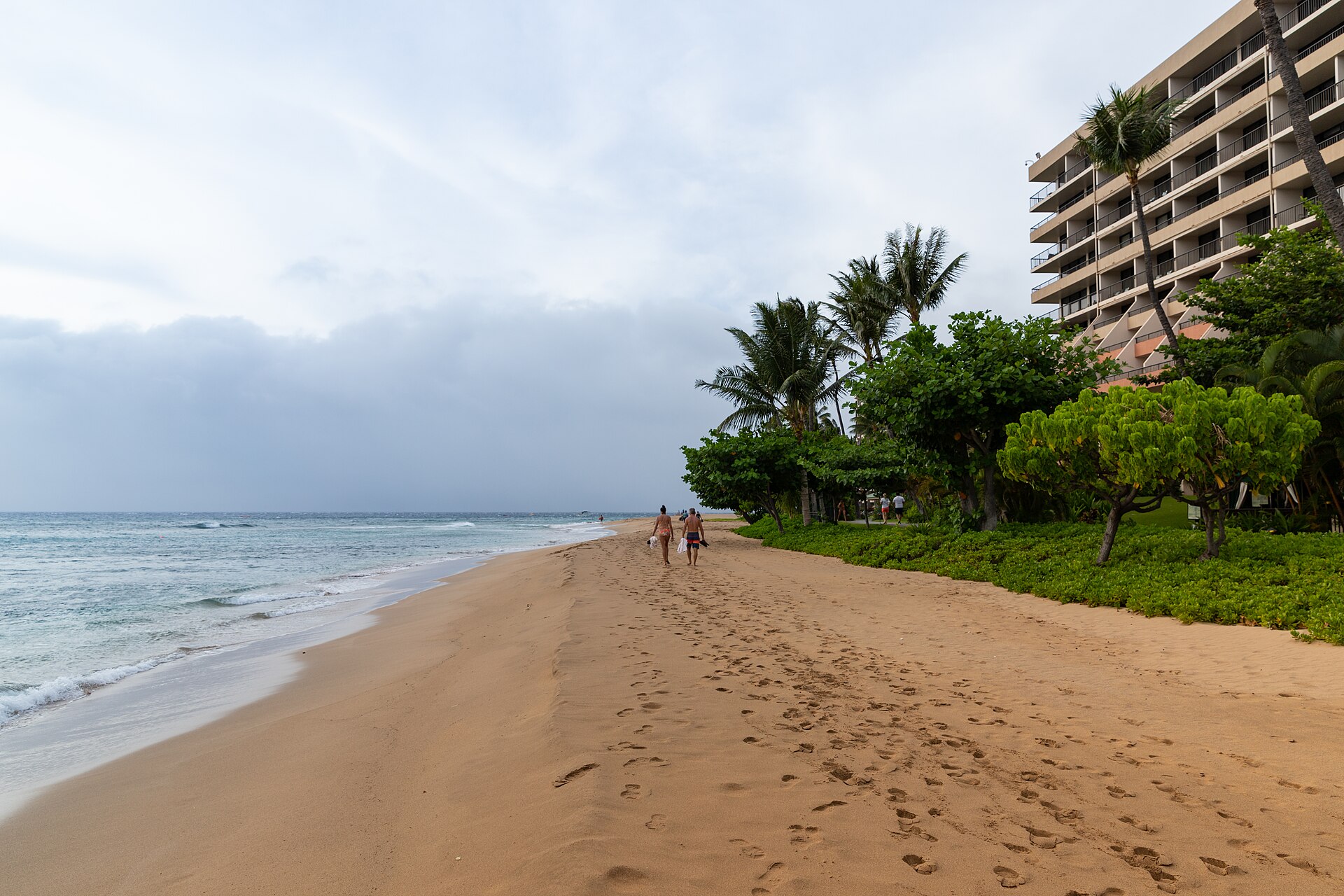 Ka'anapali Beach, Maui, Hawai'i · Rick Obst · CC BY 4.0 · cropped
Maui · Vol. 2 · No. 08 · August 2026
Maui Coasts: Where to Sleep
Deciding on South Maui or West Maui makes all the difference for a first trip, with options from value condos to full-service resorts.
Ka'anapali Beach, Maui, Hawai'i · Rick Obst · CC BY 4.0 · cropped
Maui · Vol. 2 · No. 08 · August 2026
Maui Coasts: Where to Sleep
Deciding on South Maui or West Maui makes all the difference for a first trip, with options from value condos to full-service resorts.
-
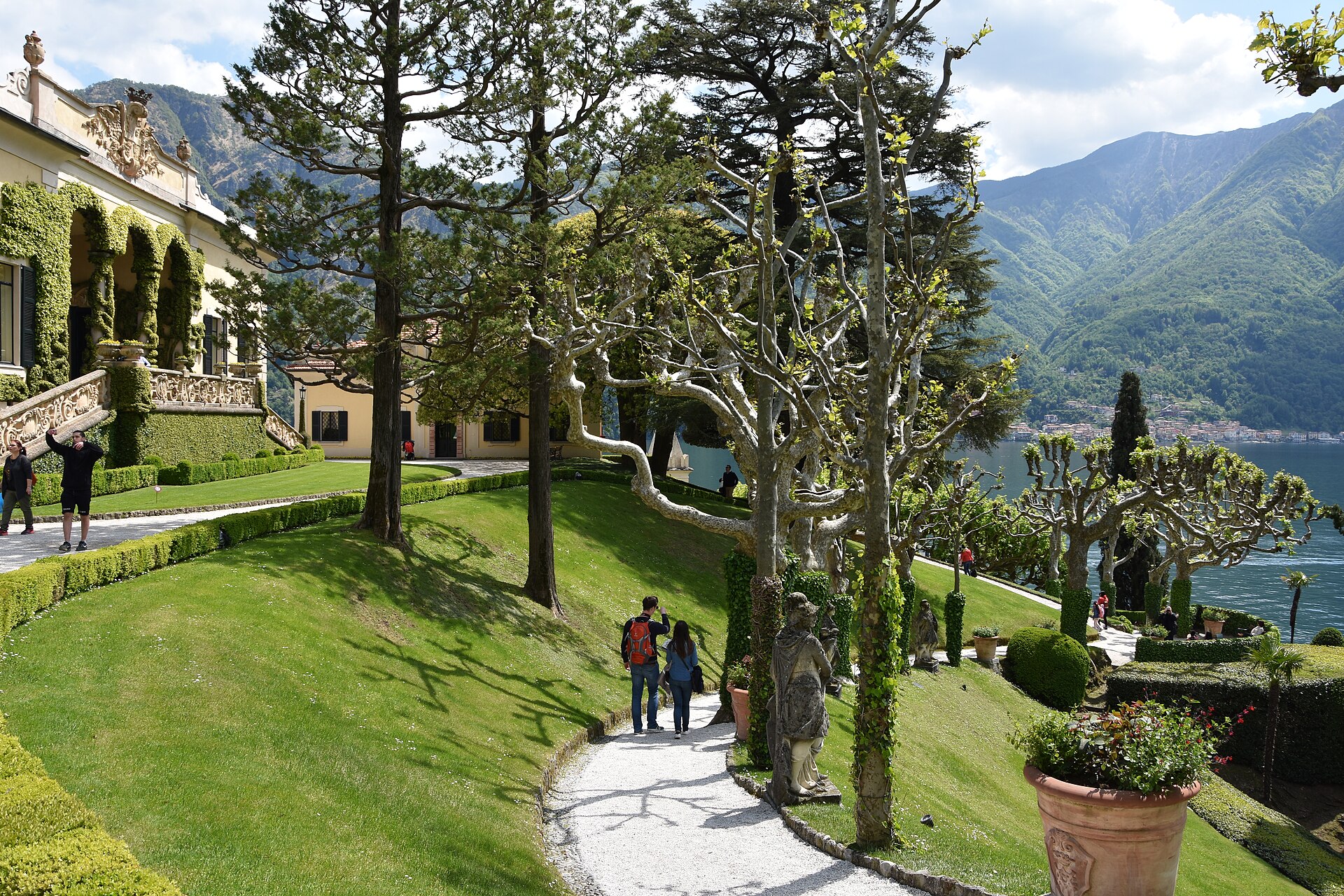 Lenno - Villa del Balbianello 0613 · Phyrexian · CC BY-SA 4.0 · cropped
Lake Como · Vol. 2 · No. 07 · July 2026
Lake Como: Which Town
The choice of your Lake Como base shapes your entire trip, from morning views to evening calm and how easily you move between villages.
Lenno - Villa del Balbianello 0613 · Phyrexian · CC BY-SA 4.0 · cropped
Lake Como · Vol. 2 · No. 07 · July 2026
Lake Como: Which Town
The choice of your Lake Como base shapes your entire trip, from morning views to evening calm and how easily you move between villages.
The columns, every month.
One considered letter when a new issue lands: the cover story, the four columns, and the month's news.
Comments