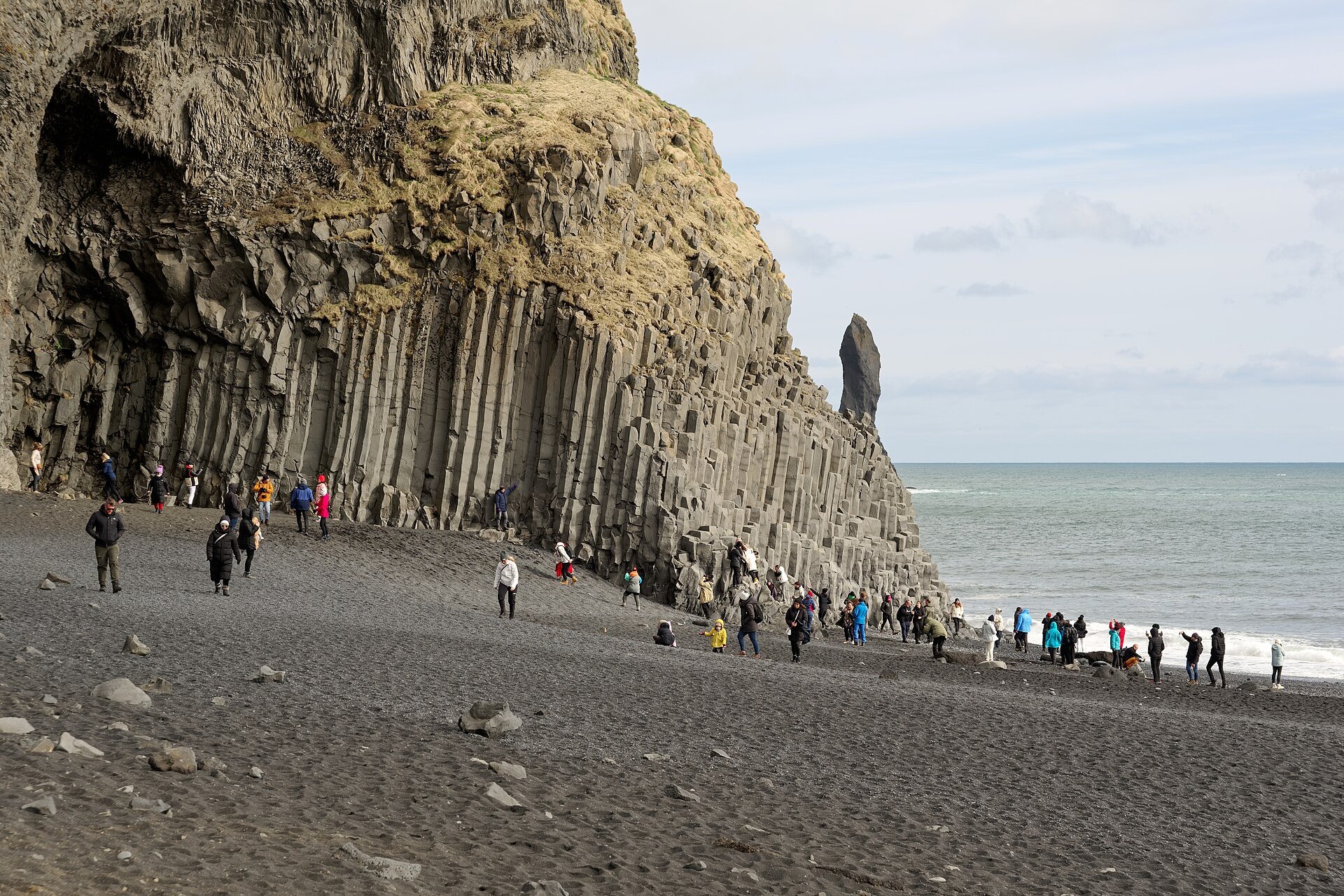
Reynisfjara, Iceland, 20230501 1639 4044 · Jakub Hałun · CC BY-SA 4.0 · cropped
Meals on the Ring Road
Eating well on Iceland’s main road means planning around long distances, high prices, and the rhythm of small-town kitchens.
Eating well on Iceland’s Ring Road is primarily a matter of geography. While the capital offers variety, the most distinctive meals often appear in the small fishing towns and agricultural valleys that punctuate the 1,320 kilometres of Route 1. This is where the local rhythm of meals takes hold, often surprising visitors with the quality of the cooking. Expect sweet langoustine around Höfn, lamb from the long agricultural valleys of the west, and the distinct flavour of rye bread baked slowly in geothermal heat, often served with rich skyr.
The geology that provides hot water for baking also means distances between places to eat can be considerable. Prices for food, like accommodation, are high, especially during June’s peak season. It is sensible to align dinner plans with overnight stops rather than attempting long drives after dark, even when the midnight sun offers extended daylight. Vík, the small village near Reynisfjara, is an obvious overnight for the mid-south, and Höfn, a fishing town, serves as a natural base for the glacier lagoon and its surrounding sights. These towns, though modest, offer the most reliable options for a sit-down meal after a day of driving. Booking ahead, even for casual restaurants in these smaller centres, is a sound practice during the busy summer season.
Beyond these main towns, the stretches of the east and far north can be sparsely populated, with fuel stations and food stops few and far between. Carrying supplies for these empty sections of the journey is not merely convenient; it is a practical necessity. Stocking up on snacks, drinks, and perhaps even ingredients for a simple picnic from a larger supermarket in a town before heading into the emptier zones will prevent hunger from dictating your schedule. Another option for dinner, often the most memorable, is a farm stay. Many working farms let rooms and offer dinner, putting guests out under the open sky rather than in a car park, providing both good value and a taste of local life.
The midnight sun means usable evening light extends for hours, allowing for flexibility in sightseeing, but not necessarily in finding an open kitchen. While you can reach a waterfall like Skógafoss at nine in the evening and find it near-empty, the local café or restaurant may well be closed. Therefore, planning ahead for meals, especially dinner, becomes as crucial as planning your route. Consider where you will actually be at day’s end, and make reservations. For the long drives, keep a cooler packed. This approach ensures a satisfying meal is waiting, rather than a disappointing search after a day on the road.
From Vol. 0 · No. 06 · June 2024, The Midnight-Sun Issue. The cover story is Iceland. Details change; confirm specifics with the property before you travel.
More from the column
-
 St. Croix · Vol. 2 · No. 10 · October 2026
Crucian Cooking, Johnnycakes and Chicken
On St. Croix, the local rhythm of meals features fried bread, savoury pâtés, and the island's celebrated spit-roast chicken.
St. Croix · Vol. 2 · No. 10 · October 2026
Crucian Cooking, Johnnycakes and Chicken
On St. Croix, the local rhythm of meals features fried bread, savoury pâtés, and the island's celebrated spit-roast chicken.
-
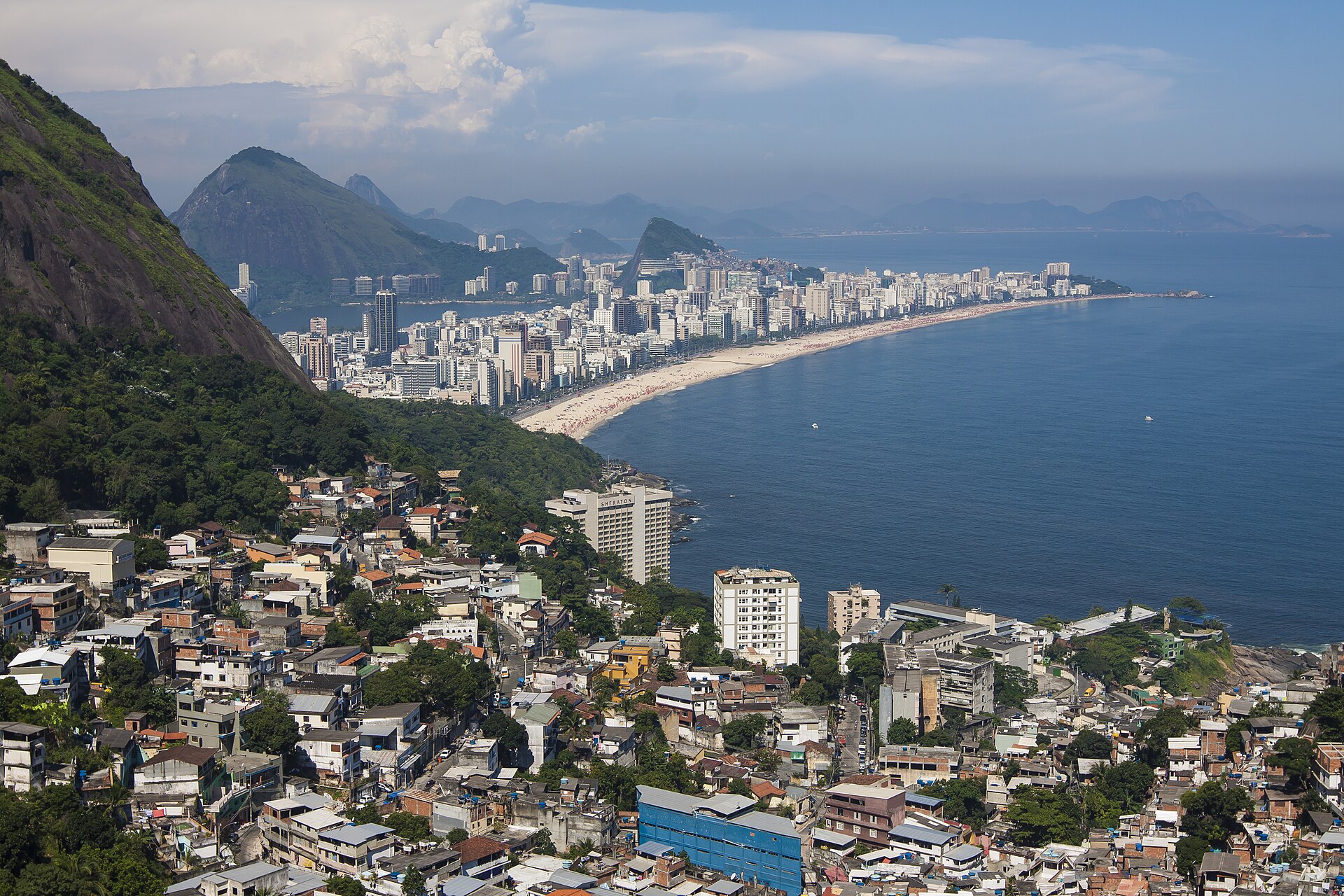 Rio de Janeiro · Vol. 2 · No. 09 · September 2026
Rio Eating: Boteco, Feijoada, Beach
Learn Rio's rhythm of meals, from corner bars and Saturday stews to beach vendors and late dinners in Botafogo.
Rio de Janeiro · Vol. 2 · No. 09 · September 2026
Rio Eating: Boteco, Feijoada, Beach
Learn Rio's rhythm of meals, from corner bars and Saturday stews to beach vendors and late dinners in Botafogo.
-
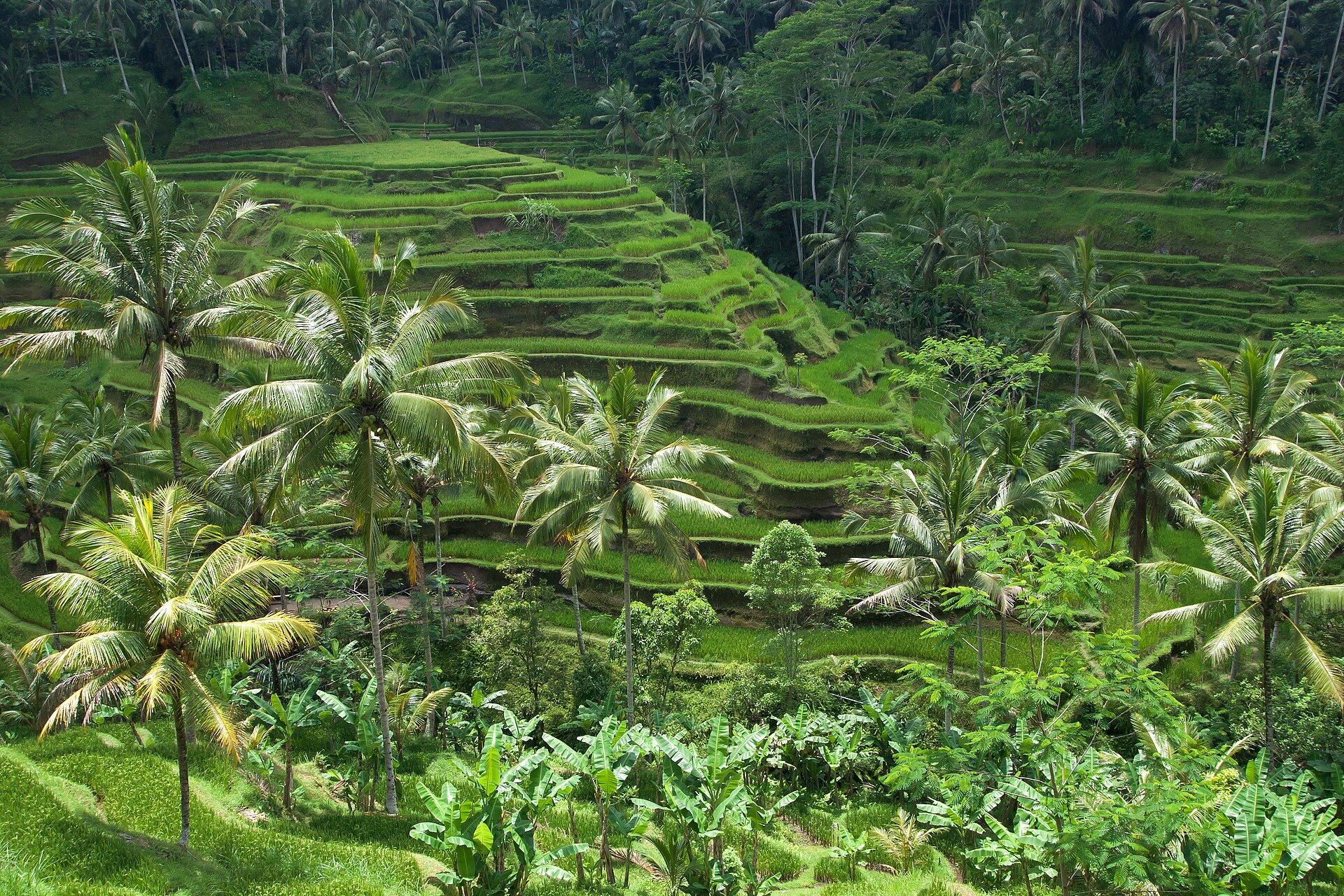 Rice terraces, Bali · Vyacheslav Argenberg · CC BY 4.0 · cropped
Bali · Vol. 2 · No. 06 · June 2026
Eating Bali: Warung to Cliff
Experience the island's diverse dining, from affordable family-run warungs to dramatic cliff-edge restaurants on the Bukit Peninsula.
Rice terraces, Bali · Vyacheslav Argenberg · CC BY 4.0 · cropped
Bali · Vol. 2 · No. 06 · June 2026
Eating Bali: Warung to Cliff
Experience the island's diverse dining, from affordable family-run warungs to dramatic cliff-edge restaurants on the Bukit Peninsula.
-
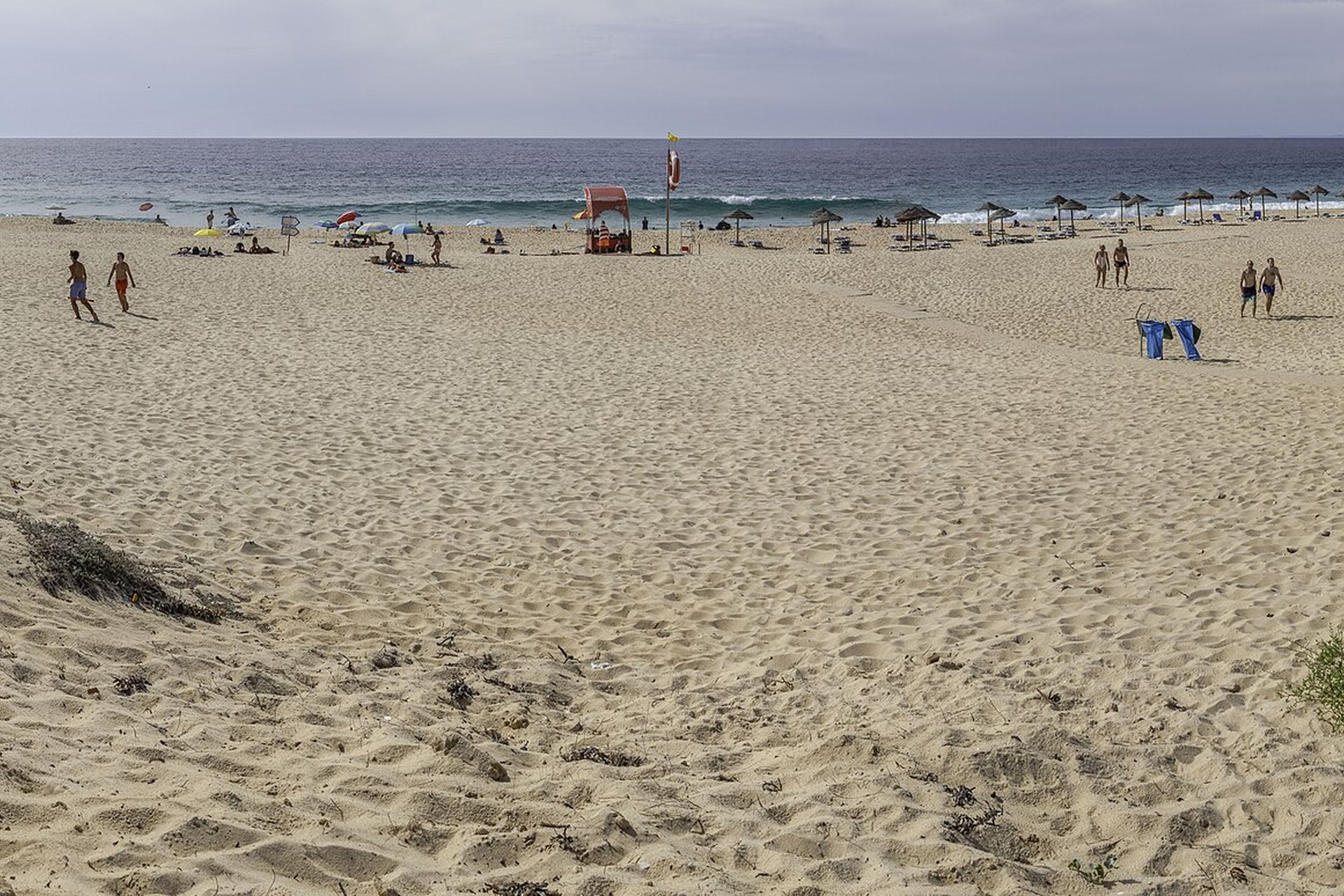 Playa de Comporta, Portugal, 2021-09-12, DD 15-26 PAN · Diego Delso · CC BY-SA 4.0 · cropped
Comporta · Vol. 2 · No. 05 · May 2026
Comporta Meals Shack and Pine
The Comporta coast offers two distinct dining experiences: barefoot beach lunches and quiet, lantern-lit dinners among the pines.
Playa de Comporta, Portugal, 2021-09-12, DD 15-26 PAN · Diego Delso · CC BY-SA 4.0 · cropped
Comporta · Vol. 2 · No. 05 · May 2026
Comporta Meals Shack and Pine
The Comporta coast offers two distinct dining experiences: barefoot beach lunches and quiet, lantern-lit dinners among the pines.

The columns, every month.
One considered letter when a new issue lands: the cover story, the four columns, and the month's news.
Comments