There are places that simply exist, and then there are places that are conjured, born from years of quiet observation and a singular, ambitious belief. Perlée, the new traditional-method sparkling wine estate opening this summer in Oregon’s Dundee Hills, presents itself as the latter. Founded by Tiffany and Grant Austin, it arrives not merely as a vineyard or a restaurant, but as an intimate concept designed to reframe how one experiences the Willamette Valley, proposing that the most resonant wine journeys commence long before the first pour.
Opening its doors on August 1, 2026, Perlée is the culmination of a vision rooted in the Austin family’s four-decade ownership of the land. This is no quick flip or speculative venture. It signals a deeper commitment, an evolution of stewardship that seeks to express the very essence of Oregon through the delicate, complex art of sparkling wine. In a region celebrated globally for its Pinot Noir, Perlée makes a bold statement: Oregon, with its unique terroir, is ready to produce world-class bubbles, and it will do so on its own terms, with an unwavering focus on authenticity and connection.
The ambition here is palpable, yet delivered with a studied restraint. Perlée is not chasing the ghost of Champagne; it aims to carve out a distinct identity, leveraging the volcanic Jory soils, cool climate, high-elevation vineyards, and long growing season that define the Dundee Hills. It is a nuanced proposition, one that marries the precision of traditional winemaking with an expansive, holistic approach to hospitality, where the landscape, the kitchen, and the cellar converge into a singular, intentional experience.
A Quiet Revolution in the Dundee Hills
Oregon’s Willamette Valley has, for decades, built its formidable reputation on the elegant shoulders of Pinot Noir. The region’s cool climate and diverse soils proved remarkably suited to the finicky grape, drawing comparisons to Burgundy and establishing it as a premier New World wine destination. Yet, as wine regions mature, so too do their ambitions. The shift towards traditional-method sparkling wine often marks a coming of age, a declaration of a region’s confidence in its terroir and its winemakers’ skill.
Perlée’s arrival is a significant marker in this evolution. While other Oregon producers have dabbled in sparkling wine, often as an intriguing sideline, Perlée commits wholly to it. This singular focus, according to Tiffany and Grant Austin, is not an act of imitation but one of interpretation. They state their intention is not to replicate Champagne, but to “express Oregon through sparkling wine.” This distinction is crucial. It speaks to a deep understanding of place, an insistence that the unique characteristics of the Dundee Hills — its geology, its climate, its flora — should be the primary voice in the glass.
The Dundee Hills AVA (American Viticultural Area) itself is a storied corner of the Willamette Valley. Its signature Jory soils, derived from ancient volcanic basalt, are celebrated for their excellent drainage and ability to impart distinct minerality to grapes. This, combined with the region’s elevation and maritime influence, creates an environment ripe for grapes that retain the acidity essential for compelling sparkling wine. For years, the conversation has centered on still wines. Perlée now opens a new chapter, inviting guests to consider the region’s potential through a different, effervescent lens.
The Austins’ venture represents a growing trend within established wine regions: the move beyond simple cellar doors to comprehensive, immersive hospitality. It is a recognition that the modern luxury traveler seeks more than just a tasting; they seek education, connection, and a story. Perlée aims to deliver this not just through its wine, but through every facet of the estate, from the winding approach through native forests to the carefully composed plates served in its intimate dining spaces.
The Slow Burn of a Vision
The story of Perlée is not one of sudden inspiration, but of a slow-burn vision, cultivated over decades. The Austin family, according to the estate, has owned the property for more than 40 years. This deep, generational connection to the land provides a foundational authenticity that cannot be manufactured. It suggests a long-term perspective, an understanding of the rhythms of nature and the patience required to cultivate something truly meaningful.
Tiffany and Grant Austin reportedly spent years traveling the globe, immersing themselves in celebrated wine and hospitality experiences. This period of observation and learning was not about collecting ideas to simply replicate, but about refining a shared belief: that truly memorable places are defined by authenticity, craftsmanship, an unmistakable sense of place, and, crucially, by “how they make people feel.” This human-centric approach is often the hallmark of truly exceptional hospitality, distinguishing it from mere luxury.
Their travels likely exposed them to estates in Champagne, Franciacorta, Tasmania, and California, where sparkling wine is produced with both reverence and innovation. Yet, the Austins returned to Oregon with the conviction that their home possessed “everything necessary to produce world-class, traditional-method sparkling wine.” This confidence, born from a deep knowledge of their own terroir, is what underpins Perlée’s unique proposition. It’s not about bringing a foreign concept home; it’s about revealing an inherent potential that has, perhaps, been overlooked.
This kind of owner-driven, deeply personal project is increasingly valued in the luxury travel sphere. Guests are often weary of corporate-mandated experiences, seeking instead the singular vision of individuals who have poured their passion, their history, and their aesthetic into a property. The Austins, with their long-standing connection to the land and their global perspective, are positioned to offer precisely this kind of bespoke, authentic engagement. Their journey from land ownership to global travel to a focused, intimate estate opening speaks volumes about the dedication required to birth a project of this scale and ambition.
At its core, Perlée offers a masterclass in the art of the intentional reveal, where every detail, from the winding drive to the ceramic plateware, conspires to deepen a guest’s connection to place.
Beyond the Vine: A Terroir of Thoughtful Design
The Perlée estate spans more than 70 acres, a considerable canvas upon which to paint a vision of integrated hospitality. The physical journey begins, as the estate describes it, through a “winding canopy of Douglas fir, native Oregon white oak, and bigleaf maple.” This approach is not merely practical; it is a deliberate act of decompression, a transition from the outside world into the unique ecosystem of Perlée. The reveal, as guests emerge onto hilltop vineyards, offers sweeping views that stretch from the Coast Range in the west to Mount Hood on the eastern horizon. This immersion in the landscape is central to the entire experience.
The commitment to the land extends far beyond the vineyard rows. The estate is described as being surrounded by native forest, pollinator habitat, chef’s gardens, beehives, and heritage poultry. This creates a miniature, self-sustaining ecosystem that not only provides aesthetic beauty but also directly feeds into the culinary program and reinforces the estate’s stated ethos of organic farming and a “deep respect for the land.” The presence of Caviar, the resident truffle-hunting Lagotto Romagnolo, adds a touch of whimsical charm and speaks to the broader culinary ambitions, hinting at foraged elements that might appear on the daily menu.
The vineyards themselves are organically farmed and dry-farmed, practices that speak to a profound commitment to environmental stewardship and the production of grapes that truly reflect their terroir. Organic farming eschews synthetic pesticides and fertilizers, fostering healthier soil and biodiversity. Dry farming, which relies solely on natural rainfall, encourages vines to develop deeper root systems, producing grapes with more concentrated flavors and a truer expression of the land’s character. These are not easy choices; they are labor-intensive and often yield lower quantities, but they are hallmarks of a quality-first philosophy.
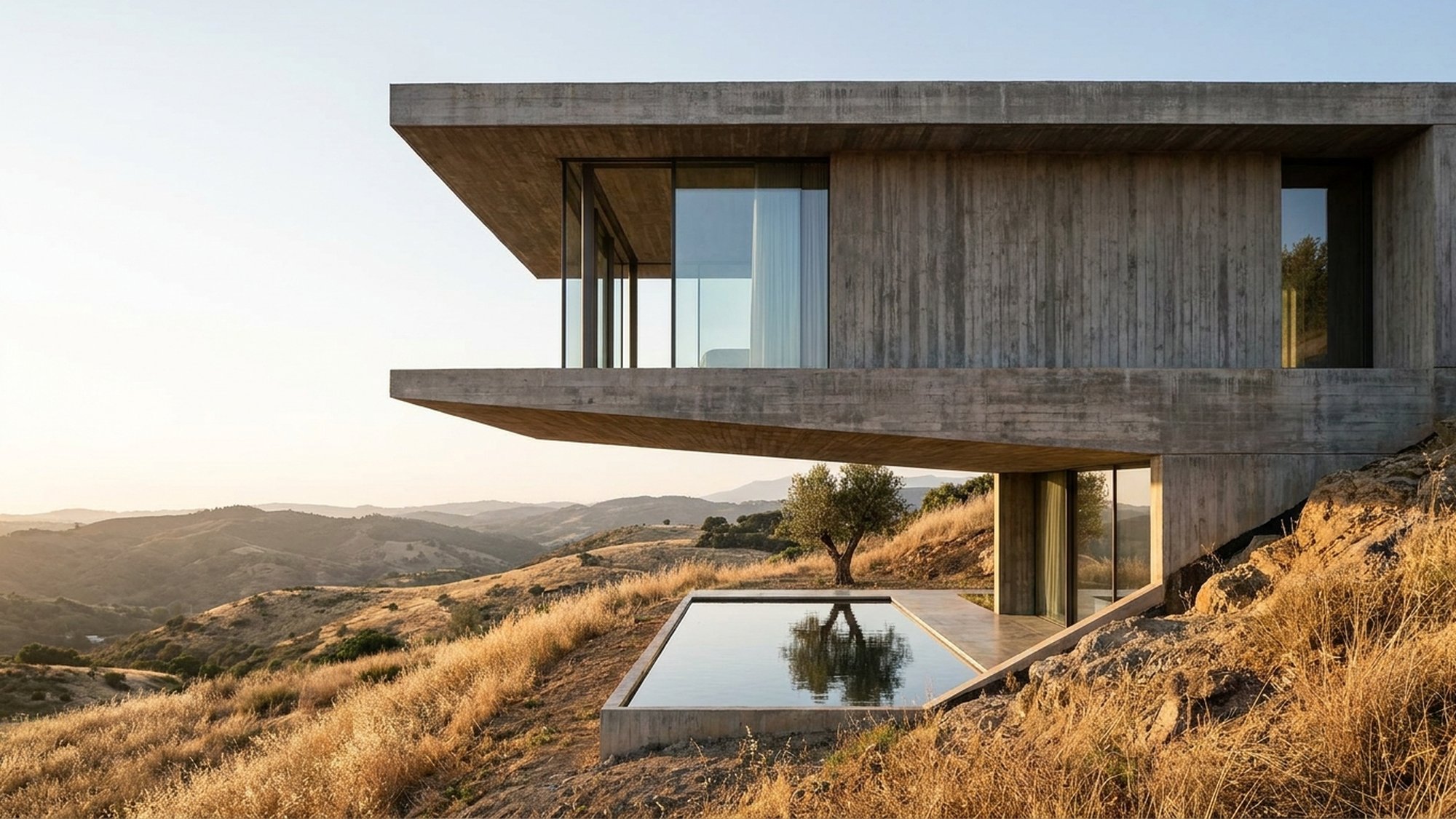
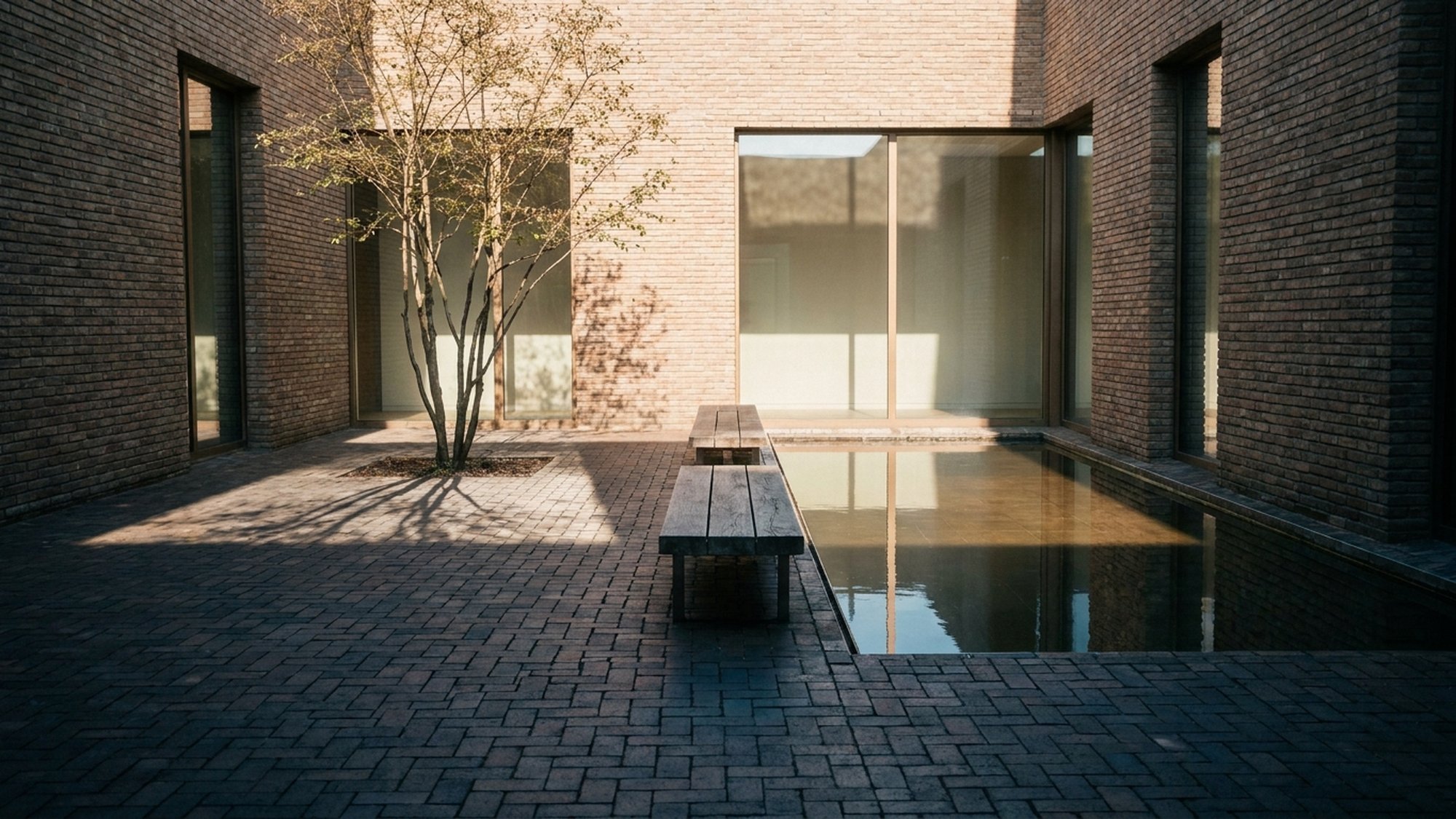
The architecture and interior design at Perlée are conceived as extensions of this natural environment. Expansive walls of glass are used to frame the vineyard and forest, blurring the lines between indoor and outdoor spaces. This approach ensures that the landscape remains a constant, active participant in the guest experience, even when seated indoors. Design details are equally thoughtful: hand-blown glass chandeliers, handcrafted furnishings, and ceramic plateware formed from the estate’s own soil. These elements are not merely decorative; they are tactile expressions of the place, designed to deepen a guest’s connection to the environment through artistry and materiality. Every detail, the company states, has been considered to achieve this goal.
The Culinary Alchemy of Chef Brian Barker
At the heart of Perlée’s hospitality offering is its culinary program, led by Chef Brian Barker. His pedigree is notable, having previously helmed the kitchen at Smyth, a three-Michelin-starred restaurant in Chicago. This is a significant appointment, signaling a serious commitment to gastronomic excellence. A chef of Barker’s caliber brings not only technical skill but also a profound understanding of ingredient sourcing, menu development, and the intricate dance between food and wine.
Barker’s approach to the menu is dictated by the seasons, evolving daily. This commitment to seasonality is not a mere trend; it is a philosophy that ensures ingredients are at their peak flavor and freshness. His pantry extends beyond the estate’s chef’s gardens, drawing from the surrounding forests — a nod to the region’s rich foraging traditions — and a network of Oregon producers. These producers are selected not just for their ingredients, but for their alignment with Perlée’s overarching philosophy of craftsmanship. This creates a cohesive narrative, where every element on the plate tells a story of local bounty and dedicated artistry.
The stated goal is for every course to be “thoughtfully composed so that food and wine elevate one another in equal measure.” This is the holy grail of fine dining, particularly in a wine estate setting. It requires a chef and a sommelier (or in this case, the proprietors) to work in precise harmony, understanding how textures, flavors, and aromas in both the dish and the glass can complement, contrast, and ultimately enhance each other. It moves beyond simple pairing to a more integrated, symbiotic relationship, where the sum is greater than its parts.
In a region increasingly dotted with excellent wineries, the integration of a truly high-caliber culinary program sets Perlée apart. Many wineries offer food, from casual charcuterie to more formal meals, but few aim for the kind of daily evolving, Michelin-level ambition that Barker brings. This positions Perlée not just as a wine destination, but as a significant gastronomic draw in its own right, appealing to a sophisticated clientele for whom exceptional food is as important as exceptional wine.
The Intimate Calculus of Exclusivity
The operational model at Perlée is built around intimacy and exclusivity. Guests may choose between two distinct, reservation-only experiences, both strictly limited to just twelve guests at a time. This deliberate constraint is a powerful statement in an industry often driven by volume. It ensures a highly personal and unhurried engagement, fostering the “conversation, discovery and connection” that the founders hope for.
The Salon Experience, priced at $250, serves as an introduction to Perlée. It features eight thoughtfully crafted courses, anchored by the Perlée Limited Edition Blanc de Blancs. This experience is designed to provide a focused immersion into the estate’s philosophy, showcasing the inaugural sparkling wine alongside a curated culinary journey. It’s an opportunity to understand the foundational elements of Perlée’s vision without committing to the full breadth of its offerings.
For those seeking a deeper dive, the Full Experience, at $400, promises an expanded journey. This option includes a “curated progression of distinguished wines from Oregon and around the world,” presented alongside Chef Barker’s ever-evolving tasting menu. The inclusion of global wines is particularly interesting; it places Perlée’s own expressions within a broader, international context, inviting comparisons and conversations that elevate the entire experience. It’s a confident move, suggesting that Perlée’s wines can stand shoulder-to-shoulder with the world’s best, and that the goal is not insular appreciation but informed discernment.
The inaugural Limited Edition Blanc de Blancs itself is priced at $150. Crafted using the traditional method from Chardonnay grown in Oregon’s Willamette Valley, it marks the beginning of Perlée’s long-term commitment to sparkling wine. Significantly, this wine will be available exclusively through the estate, with purchases possible only in person during a visit or by phone. This further reinforces the exclusivity, making the wine an integral part of the Perlée experience rather than a standalone retail product. It encourages engagement with the estate itself, transforming a purchase into a memory.
This pricing and access strategy is clearly aimed at a specific demographic: affluent travelers who value unique, high-touch experiences and are willing to pay a premium for them. It’s a model that prioritizes quality over quantity, depth over breadth. In an era where many luxury brands are striving for wider accessibility, Perlée takes a decidedly different path, betting that true luxury lies in scarcity and the profound connection forged through a meticulously crafted, intimate encounter.
Oregon’s Sparkling Future: A Bet on Place
The Austins’ commitment to traditional-method sparkling wine from Oregon is more than a business venture; it is a bold declaration about the region’s potential. The statement that “Perlée seeks to express Oregon through sparkling wine” is central to their identity. This isn’t about replicating Champagne’s specific flavor profile, but about allowing Oregon’s unique geological and climatic attributes to shine through the effervescence.
The source mentions several key elements that contribute to this distinct expression: the volcanic Jory soils, the cool climate, high-elevation vineyards, and a long growing season. Each of these plays a critical role in shaping the character of the grapes. Jory soils, renowned in the Dundee Hills, impart minerality and structure. A cool climate ensures grapes retain essential acidity, crucial for the freshness and longevity of sparkling wine. High-elevation vineyards often experience greater diurnal temperature shifts, which can enhance aromatic complexity. And a long growing season allows grapes to ripen slowly and fully, developing nuanced flavors while maintaining that vital acidity.
The choice of Chardonnay for the inaugural Limited Edition Blanc de Blancs is a classic one for traditional-method sparkling wine, providing a familiar benchmark while allowing the nuances of the Oregon terroir to emerge. The company states that every wine poured at Perlée is selected with intention, initially from “trusted vineyard partners who share the same uncompromising commitment to quality,” with the eventual goal of using grapes from Perlée’s own estate vineyards as they mature. This phased approach demonstrates a long-term vision and a commitment to quality control even before their own vines are fully productive.
This dedication to expressing place through sparkling wine aligns with a broader movement in the wine world towards wines of origin, where the specific characteristics of a vineyard and region are celebrated above all else. It challenges the historical dominance of Champagne and other Old World regions, asserting that exceptional sparkling wine can indeed come from unexpected corners of the globe, provided the terroir is right and the craftsmanship is present. Perlée is placing a significant bet on Oregon’s ability to stand tall in this global conversation, not as an imitator, but as an innovator with its own distinct voice.
The Shifting Sands of Luxury Travel
Perlée’s opening arrives at a fascinating juncture in the luxury travel landscape. The pandemic, followed by a period of reassessment for many travelers, has accelerated a shift towards more meaningful, authentic, and often secluded experiences. The days of ostentatious, impersonal luxury are waning, replaced by a demand for genuine connection, bespoke service, and a deeper understanding of local culture and environment.
The focus on “authenticity, craftsmanship, an unmistakable sense of place,” and critically, “how they make people feel,” articulated by Tiffany and Grant Austin, directly taps into this evolving sentiment. Travelers are increasingly seeking out properties that offer more than just amenities; they desire narratives, education, and opportunities for personal growth. Perlée, with its emphasis on organically farmed vineyards, chef’s gardens, native species, and a culinary program deeply rooted in local ingredients, is perfectly positioned to meet this demand for experiential luxury.
The limited capacity of just twelve guests per experience is another key differentiator. In an age of overtourism and crowded attractions, the promise of intimacy and unhurried interaction is a powerful draw for high-net-worth individuals. It speaks to a desire for privacy, personalized attention, and the ability to engage with a place on a deeper level, away from the madding crowds. This model is often seen in exclusive, private retreats or high-end safari lodges, and its application to a wine estate signals a new benchmark for luxury in the Willamette Valley.
Furthermore, the integration of hospitality, wine production, and a high-caliber culinary program under one roof reflects a broader trend towards holistic travel experiences. Guests no longer want to simply visit a winery, then go to a separate restaurant, and then stay at a different hotel. They seek seamless, integrated offerings where every component reinforces the overarching theme. Perlée offers this convergence, creating a singular destination where the story of the land, the wine, and the food are interwoven into a cohesive, memorable whole.
This approach also resonates with the growing interest in sustainable and responsible travel. The emphasis on organic farming, native species, and local sourcing aligns with a conscious traveler’s values, offering a sense of purpose beyond mere indulgence. Perlée is not just selling wine and food; it is selling a philosophy, an ethos that resonates deeply with the contemporary luxury consumer.
What it means for where you stay
For the discerning traveler, Perlée presents a compelling, if exclusive, new option in the Willamette Valley. If your idea of luxury involves intimate encounters, meticulous craftsmanship, and a deep dive into local terroir through both wine and cuisine, then Perlée should be high on your list. This is not a place for a casual drop-in tasting; it demands a planned, intentional visit. The limited guest numbers mean reservations will be critical, and the price point suggests a commitment to a truly premium experience. Expect personalized service, an educational journey into Oregon’s sparkling wine potential, and a culinary experience that rivals some of the country’s best restaurants. It’s for those who seek to truly connect with a place, rather than simply pass through it.
For owners and hosts in the luxury rental and hospitality market, Perlée offers several potent lessons. Firstly, the power of a clear, singular vision. The Austins’ unwavering focus on traditional-method sparkling wine as an expression of Oregon provides a strong, differentiating narrative. Secondly, the value of deep roots and authentic storytelling. Four decades of family ownership lends an undeniable gravitas and credibility. Thirdly, the potency of exclusivity. Limiting guest numbers and offering high-touch, reservation-only experiences creates an aura of desirability and allows for unparalleled service. Finally, the importance of integration. Perlée masterfully weaves together wine, food, design, and landscape into a cohesive, immersive experience. In a crowded market, differentiation comes from delivering not just a product, but a profound, memorable story that can only be told in one place, by one set of hands.
Source
PR Newswire — reported 30 July 2026. Read by the Amorielli news desk.