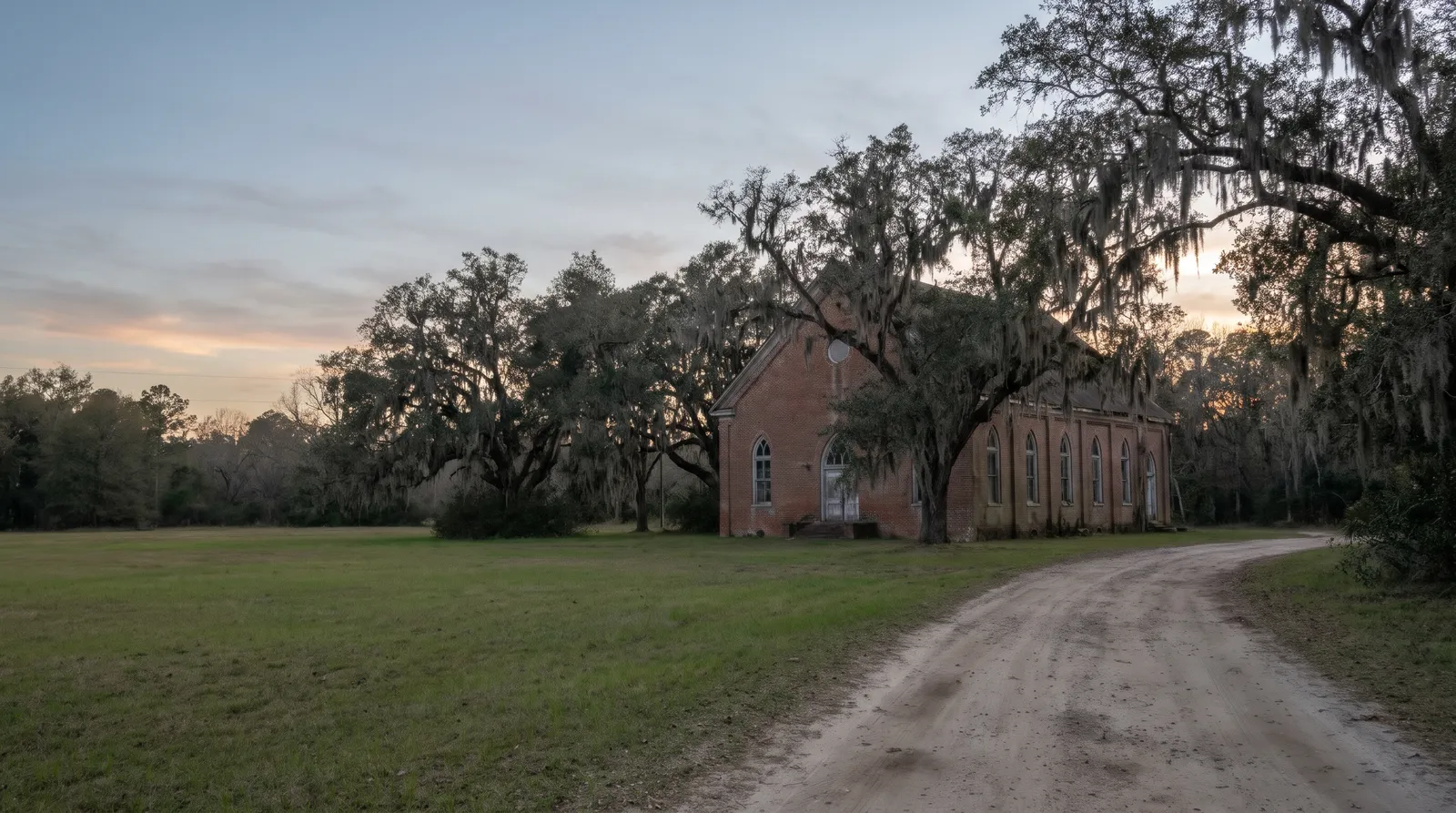

Opening image A historic building in a tranquil South Carolina landscape. Amorielli studio image
South Carolina, a state steeped in pivotal American history, is embarking on a significant journey to illuminate previously overlooked narratives from the Revolutionary War. The WeGOJA Foundation, an organisation dedicated to the documentation and promotion of African American heritage sites across South Carolina, has initiated a project called CadenceSC. This ambitious undertaking aims to develop an interactive digital guide, meticulously mapping the contributions of Black South Carolinians during the conflict that forged the United States.
The initiative, supported by a $60,000 grant from the South Carolina American Revolution Sestercentennial Commission (SC250), represents more than just a historical cataloguing effort; it is a profound step towards enriching the understanding of a complex past and, by extension, enhancing the experiential landscape for visitors to the region. As destinations worldwide increasingly compete for the attention of discerning travellers, the depth and authenticity of a place’s story become as compelling as its amenities. This project, while focused on history, is poised to reshape how South Carolina is experienced, offering a richer, more nuanced engagement with its foundational narrative.
Unearthing Overlooked Histories
For generations, the popular narrative of the American Revolution has often centred on a familiar cast of characters and a well-trodden sequence of battles. Yet, beneath this surface lies a myriad of untold stories, particularly those of Black South Carolinians whose roles were complex, varied, and pivotal. According to Dawn Dawson-House, executive director of the WeGOJA Foundation, these contributions have long been underrepresented in mainstream historical accounts. The CadenceSC project seeks to correct this imbalance, bringing to light the experiences of individuals who, despite their enslaved status or precarious freedom, actively participated in the fight for American independence.
The historical context of South Carolina during the Revolution is particularly intricate. The colony was a hotbed of both Patriot and Loyalist sentiment, and the conflict often pitted neighbour against neighbour. Within this fraught environment, Black individuals found themselves navigating a perilous landscape, making choices that were often dictated by circumstance and the promise of freedom, however elusive. The project will highlight that Black South Carolinians served on both the Patriot and Loyalist sides, a crucial detail that underscores the multifaceted nature of their involvement and the profound dilemmas they faced. This nuanced perspective challenges simplistic interpretations of loyalty and liberation, offering a more complete and, arguably, more human picture of the era.
Understanding these overlooked contributions is not merely an academic exercise; it is essential for a comprehensive grasp of South Carolina’s history and, indeed, the broader American story. The institution of slavery was deeply entrenched in the colony, and its relationship to the fight for independence created a paradox that continues to resonate. By exploring the roles of Black South Carolinians, CadenceSC aims to provide a fuller, more honest portrayal of this complicated period, acknowledging the agency and resilience of those whose voices have been historically muted. This effort to uncover and preserve such narratives is a vital act of cultural stewardship, ensuring that future generations can connect with a past that is both challenging and inspiring.
The CadenceSC Vision
The core of the CadenceSC project is the creation of an interactive digital guide, envisioned as a dynamic online heritage travel resource. The ambition is to transform how both residents and tourists engage with South Carolina’s Revolutionary War history. Imagine traversing the state, phone in hand, and being able to access the stories and significance behind historic sites directly connected to Black South Carolinians. This is the vision articulated by the WeGOJA Foundation.

The project’s initial phase involves extensive research to identify key people and places that shaped Black participation in the American Revolution. This includes a diverse array of locations: battlefields where critical engagements took place, cemeteries holding the remains of those who lived through the era, churches that served as community hubs, plantations where enslaved people toiled and resisted, and historic homes that witnessed the daily lives of individuals across the social spectrum. The foundation’s researchers hope to uncover new details and connections, piecing together a mosaic of experiences that will enrich the historical record.
The long-term goal for CadenceSC is to evolve into a fully interactive digital platform. This resource will not only provide detailed historical information about these identified locations but will also integrate modern functionality such as GPS directions, allowing visitors to explore them in person with ease. This blend of historical depth and practical accessibility is designed to create an immersive and educational travel experience. By making these stories tangible and locatable, the project seeks to bridge the gap between abstract history and lived environments, inviting users to walk in the footsteps of those who came before them and connect with the past on a profoundly personal level.
Funding the First Steps
The launch of CadenceSC has been made possible through a foundational grant that underscores the importance of this historical recovery. The WeGOJA Foundation received $60,000 from the South Carolina American Revolution Sestercentennial Commission (SC250) to support the initial phase of the project. This funding is critical for commencing the extensive research required to accurately identify and document the people and places central to Black South Carolinians’ involvement in the Revolutionary War.
The first phase of this meticulous research is anticipated to reach completion by February 2027. This timeline reflects the rigorous nature of historical inquiry, involving archival work, genealogical research, and on-site investigations to ensure accuracy and comprehensiveness. However, the development of the full, interactive online travel guide, complete with all its intended features and functionalities, will depend on securing additional funding. This is a common reality for ambitious heritage projects, which often require sustained financial support to bring their visions to fruition. The initial grant acts as a catalyst, proving the concept and building momentum for future investment.
The reliance on further funding highlights both the scale of the CadenceSC project and the ongoing challenge of preserving and promoting marginalized histories. While the initial investment from SC250 is a significant endorsement, the long-term sustainability and ultimate success of the digital guide will hinge on continued philanthropic support, grants, and perhaps even public-private partnerships. Such projects often serve as economic drivers for heritage tourism, making them attractive propositions for entities looking to invest in cultural infrastructure and regional development.
WeGOJA’s Broader Mission
The CadenceSC project is not an isolated endeavour but rather an integral part of the WeGOJA Foundation’s expansive and ongoing mission. The organisation is deeply committed to the broader objective of protecting African American heritage sites across South Carolina and ensuring that their stories are not only preserved but also made accessible to a wider audience. This commitment extends beyond digital guides to tangible efforts in communities across the state.
The foundation has a track record of working collaboratively with local communities to pursue historical markers, ensuring that significant sites are formally recognised and commemorated. These markers serve as permanent educational tools, offering passers-by a glimpse into the rich history embedded in the landscape. Furthermore, WeGOJA assists communities in seeking recognition on the National Register of Historic Places, a prestigious designation that provides a level of protection and acknowledges the national importance of these sites. These efforts collectively contribute to a robust framework for heritage preservation, safeguarding the physical locations where history unfolded.
Dawn Dawson-House underscores that projects like CadenceSC are instrumental in achieving these larger goals. By uncovering and mapping overlooked historical locations, the digital guide can draw attention to sites that might otherwise remain unrecognised or fall into disrepair. This increased visibility can galvanise local preservation efforts, encourage community engagement, and introduce new opportunities for heritage tourism. Ultimately, the foundation’s work is about fostering a deeper connection to South Carolina’s Black history, encouraging future generations to explore, learn from, and cherish their shared past.
Heritage Tourism’s New Frontier
The advent of CadenceSC represents a compelling development in the realm of heritage tourism, particularly as it pertains to luxury travel. While it may not directly involve the opening of a new five-star hotel or an exclusive private villa, the project’s impact on the destination’s cultural fabric is profound, and its ripple effects will undoubtedly touch the high-end hospitality market. Heritage tourism, broadly defined, involves travelling to experience the places, artefacts, and activities that authentically represent the stories and people of the past and present. For years, this has meant visits to grand estates, battlefields, and museums. However, the definition is expanding, driven by a desire for more authentic, inclusive, and deeply engaging experiences.
The luxury traveller of today is increasingly sophisticated, looking beyond superficial comforts and traditional sightseeing. They seek immersion, education, and a genuine connection with the places they visit. A project like CadenceSC caters precisely to this evolving demand. It offers a structured yet flexible way to delve into a specific, often complex, aspect of history that provides far more than a casual overview. It transforms a passive visit into an active exploration, allowing individuals to curate their own historical journey through real-world locations. This level of personalised, in-depth engagement is becoming a hallmark of true luxury travel, distinguishing it from conventional tourism.
Moreover, by shedding light on previously marginalised narratives, CadenceSC positions South Carolina as a destination committed to a truthful and comprehensive historical account. This commitment to authenticity resonates strongly with travellers who value social responsibility and a deeper understanding of global cultures. It elevates the destination beyond its scenic beauty or recreational offerings, adding a layer of intellectual and emotional richness that is often sought by those who can afford to travel extensively and thoughtfully. This type of cultural infrastructure is, in essence, an investment in the destination’s soul, making it more attractive to those who appreciate depth over mere display.
The Shifting Sands of Destination Appeal
The appeal of any travel destination is dynamic, constantly shaped by cultural trends, economic shifts, and the evolving expectations of visitors. For South Carolina, a state with a profound and often challenging history, projects like CadenceSC are instrumental in recalibrating its image and broadening its appeal. Historically, the state has been celebrated for its charming coastal cities, its golf courses, and its natural beauty. While these attractions remain significant, there is a growing recognition that a deeper engagement with its historical complexities offers a more robust and sustainable tourism proposition.
Modern travellers, particularly those who seek out luxury experiences, are increasingly drawn to places that offer authenticity and a sense of genuine discovery. They are not merely looking to be entertained; they are looking to be enlightened, to understand, and to connect. A digital guide that uncovers the hidden histories of a place provides exactly that. It allows visitors to move beyond the superficial, to engage with the layered narratives that have shaped the region. This shift reflects a broader societal trend towards confronting and integrating all aspects of history, rather than selectively highlighting only the comfortable or celebratory elements.
By embracing and promoting these less-told stories, South Carolina signals a maturity in its approach to cultural tourism. It demonstrates a commitment to historical accuracy and inclusivity, which can significantly enhance its reputation as a destination. This kind of nuanced storytelling can attract a demographic of travellers who are socially conscious, intellectually curious, and willing to invest in experiences that offer genuine learning and personal growth. The ability to explore specific battlefields, churches, or homes with a narrative that has been meticulously researched and presented through a digital guide provides a tangible, navigable path to understanding, adding immeasurable value to a visit.
For a high-end guest, the ability to engage with a complex, untold history adds a depth to their stay that no infinity pool or private chef can replicate.
Beyond the Brochure: What Wealthy Travelers Seek
The landscape of luxury travel has undergone a significant transformation over the past decade. The era of simply showcasing extravagant amenities or pristine landscapes is gradually giving way to a focus on experiences that resonate on a deeper, more personal level. Wealthy travellers, having often experienced the pinnacle of material comfort, are now seeking something more elusive: authenticity, intellectual stimulation, and a profound connection to the places they visit. This shift is where initiatives like CadenceSC find their unexpected but powerful synergy with the luxury market.
A stay in a beautifully appointed hotel or a high-end rental property in South Carolina, when coupled with the opportunity to explore its Revolutionary War history through the lens of CadenceSC, offers an enriched experience that transcends the typical vacation. It provides an intellectual engagement, an opportunity for learning and reflection that elevates the entire trip. These travellers are often well-read and globally aware, possessing a keen interest in historical context and social narratives. For them, the ability to delve into the complicated relationship between slavery and the fight for American independence, as explored by the guide, is not just a diversion but a meaningful pursuit.
The interactive nature of the digital guide also appeals to a demographic that values autonomy and personalisation. Instead of being led on a generic tour, visitors can choose their own pace, focus on sites that pique their specific interest, and absorb information in a way that suits their learning style. This sense of agency in their exploration is itself a form of luxury, offering freedom from rigid itineraries and crowded group excursions. It allows for moments of quiet contemplation at significant sites, fostering a more intimate and impactful connection with the past. In a world saturated with information, a well-curated, accessible guide to a specific, vital history becomes an invaluable tool for the discerning explorer.
Implications for Accommodations and Investment
While CadenceSC is a heritage project, its potential implications for South Carolina’s luxury accommodation and investment landscape are substantial, albeit indirect. Any initiative that significantly enhances a destination’s appeal and offers new reasons to visit inevitably influences the demand for lodging and related services. By providing a compelling reason for extended stays and repeat visits, especially from a demographic seeking deeper cultural engagement, the project could subtly reshape the luxury hospitality market in specific regions of the state.
Consider, for instance, the areas around identified battlefields, historic homes, or plantation sites that are part of the CadenceSC guide. As interest in these locations grows, there could be an increased demand for boutique hotels, upscale bed and breakfasts, or high-end vacation rentals in their vicinity. Travellers interested in immersing themselves in this history might prefer accommodations that offer a sense of place, perhaps historic properties themselves that have been meticulously restored and offer modern comforts. This could spur investment in heritage property development and restoration, aligning with the broader trend of adaptive reuse in luxury real estate.
Furthermore, the availability of such a rich historical resource could encourage longer stays. Instead of a quick weekend trip, visitors might plan a week or more to thoroughly explore the various sites outlined in the guide. Longer stays translate to increased revenue for local businesses, including luxury hotels, fine dining establishments, and specialty retailers. For owners of high-end vacation rentals, being able to market their properties as ideal bases for exploring South Carolina’s Revolutionary War history through CadenceSC could become a distinct competitive advantage, attracting a niche but affluent clientele. This project, therefore, serves as a form of cultural infrastructure that silently strengthens the economic underpinnings of the state’s tourism sector.
What it means for where you stay
For the luxury traveller considering South Carolina, the development of CadenceSC represents a compelling new dimension to their visit. This isn’t merely about adding another attraction; it’s about providing a framework for a profoundly enriching experience. When planning a stay, consider how this digital guide can shape your itinerary. Instead of limiting your focus to the well-trodden paths of Charleston or the resort areas, think about incorporating a deeper dive into the state’s interior, exploring the battlefields, churches, and historic homes that shaped the Revolution. Look for accommodations that offer easy access to these historical corridors, perhaps boutique hotels in smaller towns or well-appointed vacation rentals that allow for self-guided exploration.
This project offers an opportunity to move beyond a passive observation of history to an active engagement with it. It allows for a personalised journey, where you can tailor your historical interests to the specific sites mapped by CadenceSC. For those who value authenticity and a nuanced understanding of a destination, this guide will be an invaluable tool. It transforms a trip into an educational expedition, providing context and meaning that elevate the entire travel experience. It’s an invitation to connect with South Carolina’s past on a level that few other resources can offer.
For owners and hosts in South Carolina’s luxury accommodation market, CadenceSC presents an an opportunity to enhance your offering and appeal to a more discerning guest. Consider how you can integrate knowledge of this project into your guest services. Providing information about CadenceSC, perhaps even suggesting tailored itineraries based on its content, can significantly differentiate your property. Marketing your luxury rental or hotel as a gateway to exploring the state’s rich, newly illuminated Revolutionary War history could attract guests seeking meaningful, experiential travel. This is not just about providing a place to stay; it’s about offering a deeper connection to the destination itself, fostering a sense of discovery that can lead to longer stays, repeat visits, and valuable word-of-mouth recommendations.
Sources
Hospitality Net — reported 9 November 2026. Read by the Amorielli news desk.
- WIS TV — How did Black South Carolinians shape the Revolutionary War? A new digital guide is tracing their steps.
The Amorielli standards desk read this piece against its sources: 11 points of fact examined; 11 found in the material; nothing taken out.



The conversation