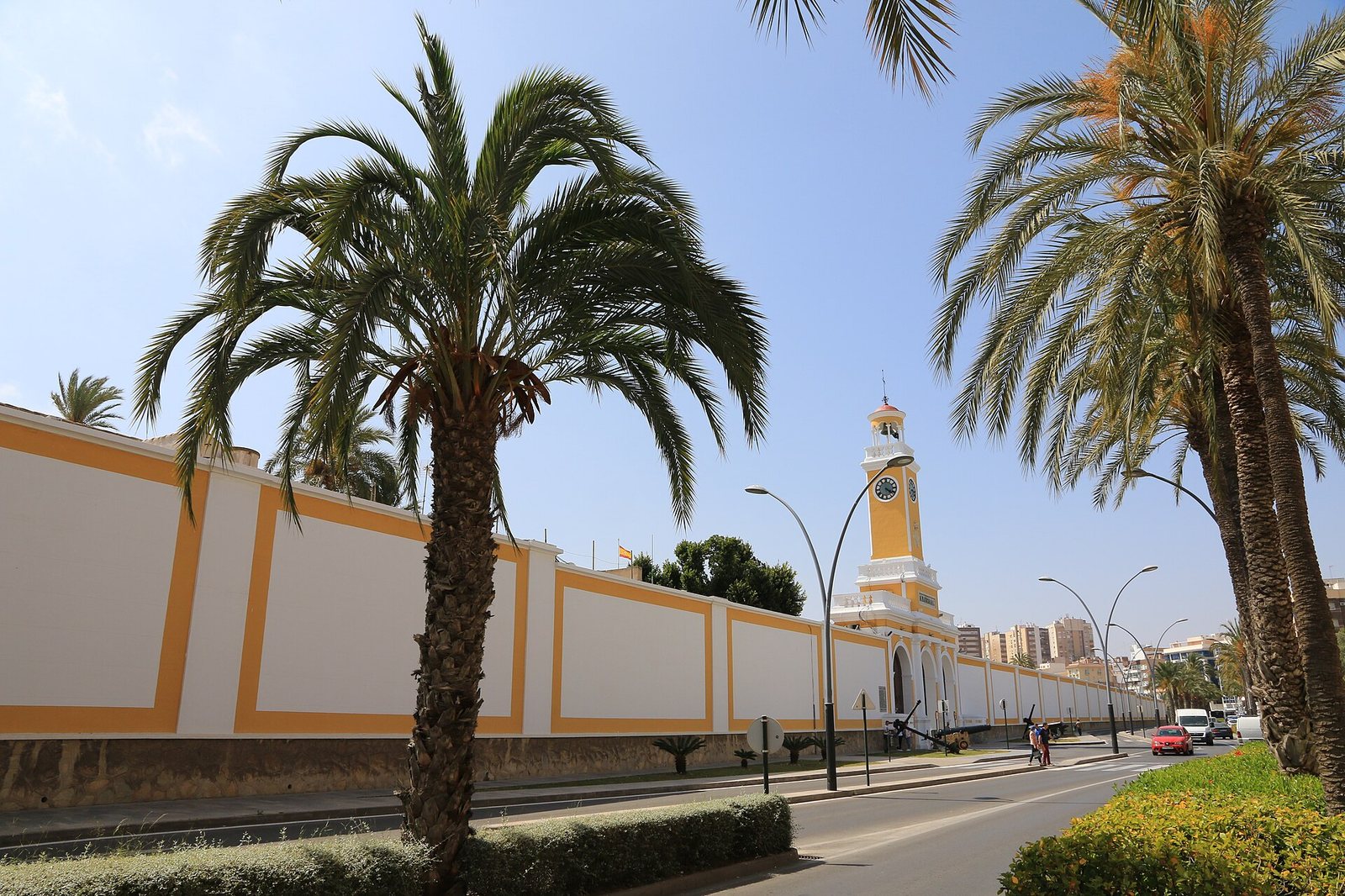
Arsenal Gate of Cartagena in Spain 2016 a · Øyvind Holmstad · CC BY-SA 4.0 · cropped
Cartagena Arrival: Getting There and Around
Rafael Núñez airport sits minutes from Cartagena's old town, making it possible to walk the walls the morning you land. This column covers flights, local transport, and essential ground rules.
Landing at Cartagena’s Rafael Núñez International Airport places you in the Crespo neighbourhood, unusually close to the city’s historic core. The drive into the old town is a short one, often under fifteen minutes outside of heavy traffic, a real convenience that means you can land and be walking the Spanish ramparts the same morning. Most international visitors will connect through Bogotá, from which the flight is a little over an hour, and Colombia’s domestic network is competitive enough that booking ahead can secure modest fares between major cities.
Before assuming a connection, however, it is worth checking for direct international routes. Cartagena has a handful of them, including from some United States cities, which can save a transit through the capital. Once in town, the old town and the Getsemaní barrio are best explored entirely on foot; the streets are too narrow and too interesting for anything else. For travel beyond that core — to the airport, Bocagrande, the Castillo San Felipe, or the boat docks — taxis or a ride-hailing app are the practical choice.
Cartagena’s taxis have historically not run on meters, so agreeing the fare before you get in is a necessary ground rule. Alternatively, use an app that fixes the price in advance. Rides within the city generally do not cost much, and the airport run in particular should be inexpensive. Another useful habit is to carry small bills, as change for larger notes is a recurring nuisance. These simple measures make getting around the city much easier.
The dry season, from December to April, offers reliable sun, lower humidity, and calmer seas, with February sitting comfortably in the middle of that window. However, the heat in Cartagena is a constant year-round, with daytimes in the low thirties Celsius. Treat the midday sun seriously, as heatstroke ruins more holidays here than anything else. Keep hydrated, and plan around the heat rather than against it. The pleasant hours are early morning and the last hour before dark; the middle of the day belongs to a pool, a long lunch, or a shuttered room. Locals structure their day this way, and following their lead is the most effective way to enjoy the city.
From Vol. 0 · No. 02 · February 2024, The Walled City Issue. The cover story is Cartagena. Details change; confirm specifics with the property before you travel.
More from the column
-
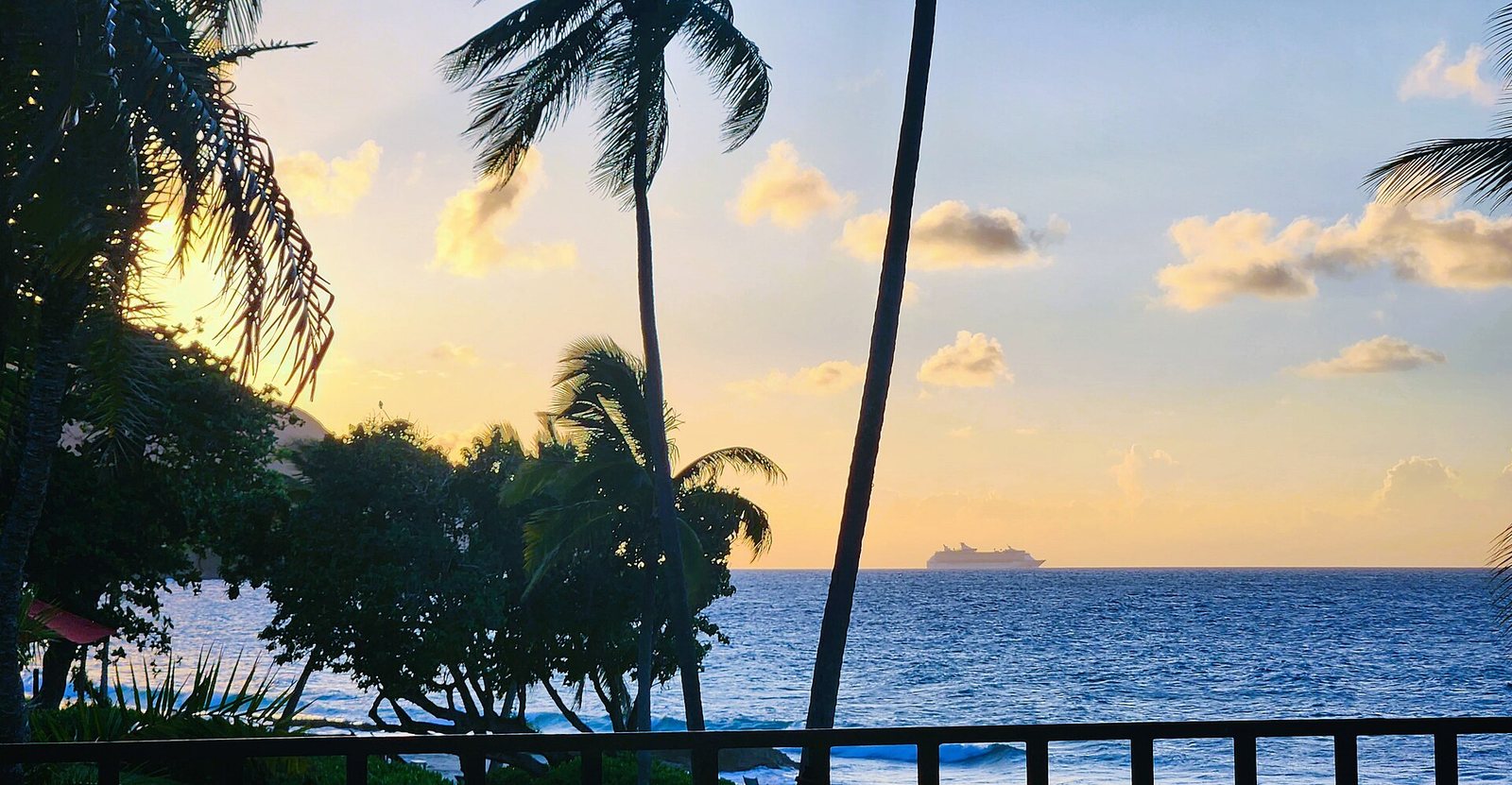 CruiseDeparts20230926 175523 · CaptJayRuffins · CC BY-SA 4.0 · cropped
St. Croix · Vol. 2 · No. 10 · October 2026
St. Croix Arrivals and Roads
Getting to St. Croix is simple for U.S. citizens, but navigating the island requires a rental car and an understanding of its unique driving rules.
CruiseDeparts20230926 175523 · CaptJayRuffins · CC BY-SA 4.0 · cropped
St. Croix · Vol. 2 · No. 10 · October 2026
St. Croix Arrivals and Roads
Getting to St. Croix is simple for U.S. citizens, but navigating the island requires a rental car and an understanding of its unique driving rules.
-
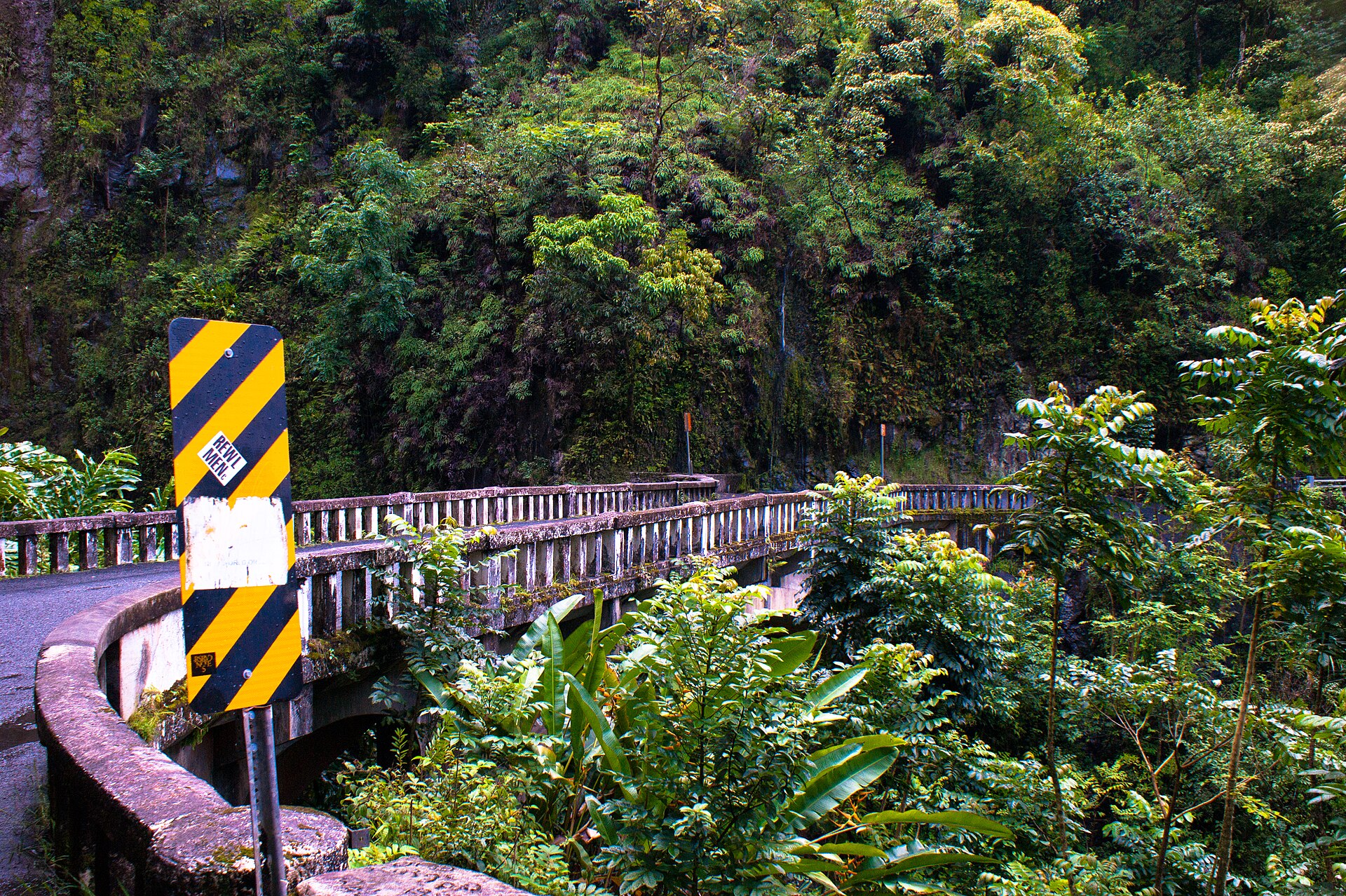 Bridge on Hana Highway · Jonathanking · CC BY-SA 3.0 · cropped
Maui · Vol. 2 · No. 08 · August 2026
Maui: Kahului, Then a Car
Arriving on Maui means a flight to Kahului, followed by an essential rental car for getting around the island.
Bridge on Hana Highway · Jonathanking · CC BY-SA 3.0 · cropped
Maui · Vol. 2 · No. 08 · August 2026
Maui: Kahului, Then a Car
Arriving on Maui means a flight to Kahului, followed by an essential rental car for getting around the island.
-
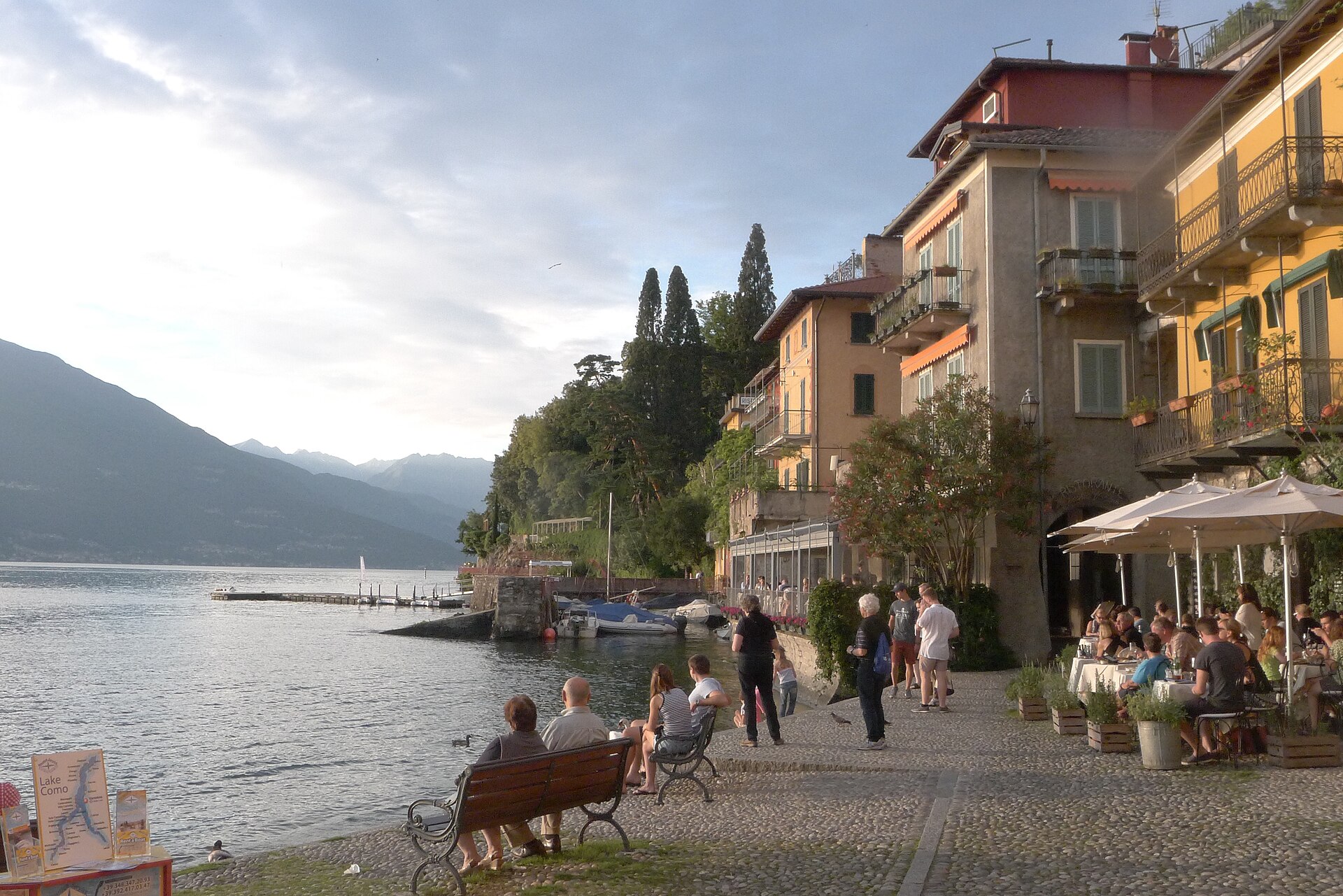 Varenna Italy, waterfront at sunset · Jmatazzoni · CC BY-SA 4.0 · cropped
Lake Como · Vol. 2 · No. 07 · July 2026
Getting Around Lake Como by Boat
Forget the narrow roads; basing in the mid-lake and using the frequent car and passenger ferries turns travel into pleasure.
Varenna Italy, waterfront at sunset · Jmatazzoni · CC BY-SA 4.0 · cropped
Lake Como · Vol. 2 · No. 07 · July 2026
Getting Around Lake Como by Boat
Forget the narrow roads; basing in the mid-lake and using the frequent car and passenger ferries turns travel into pleasure.
-
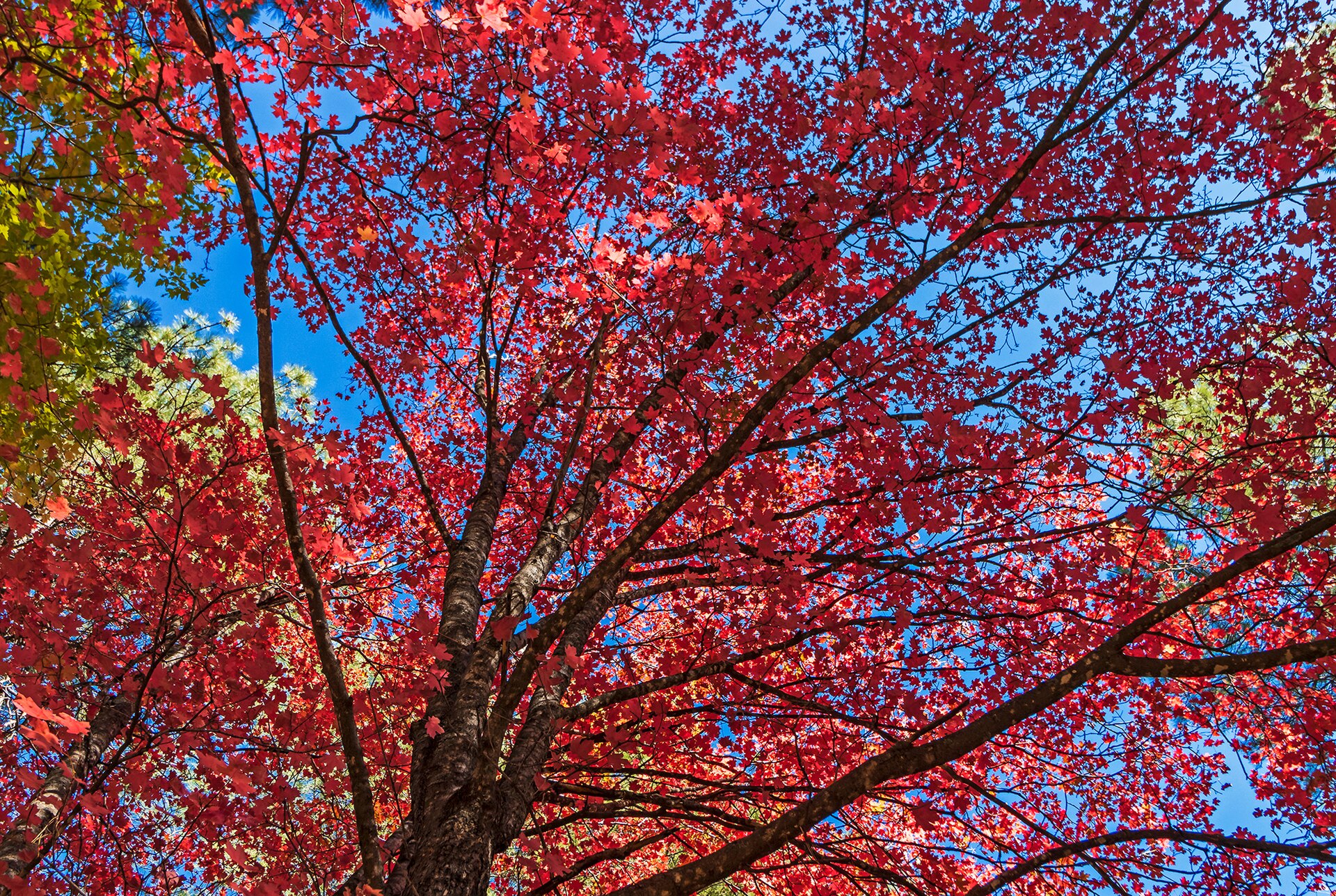 Vibrant Fall Colors In Oak Creek Canyon · Ray Redstone · CC BY-SA 4.0 · cropped
Sedona · Vol. 2 · No. 04 · April 2026
Phoenix, Car, Shuttle to Sedona
Most visitors fly into Phoenix Sky Harbor, rent a car, and then navigate Sedona's trailheads with a mix of driving and the free city shuttle.
Vibrant Fall Colors In Oak Creek Canyon · Ray Redstone · CC BY-SA 4.0 · cropped
Sedona · Vol. 2 · No. 04 · April 2026
Phoenix, Car, Shuttle to Sedona
Most visitors fly into Phoenix Sky Harbor, rent a car, and then navigate Sedona's trailheads with a mix of driving and the free city shuttle.
The columns, every month.
One considered letter when a new issue lands: the cover story, the four columns, and the month's news.
Comments