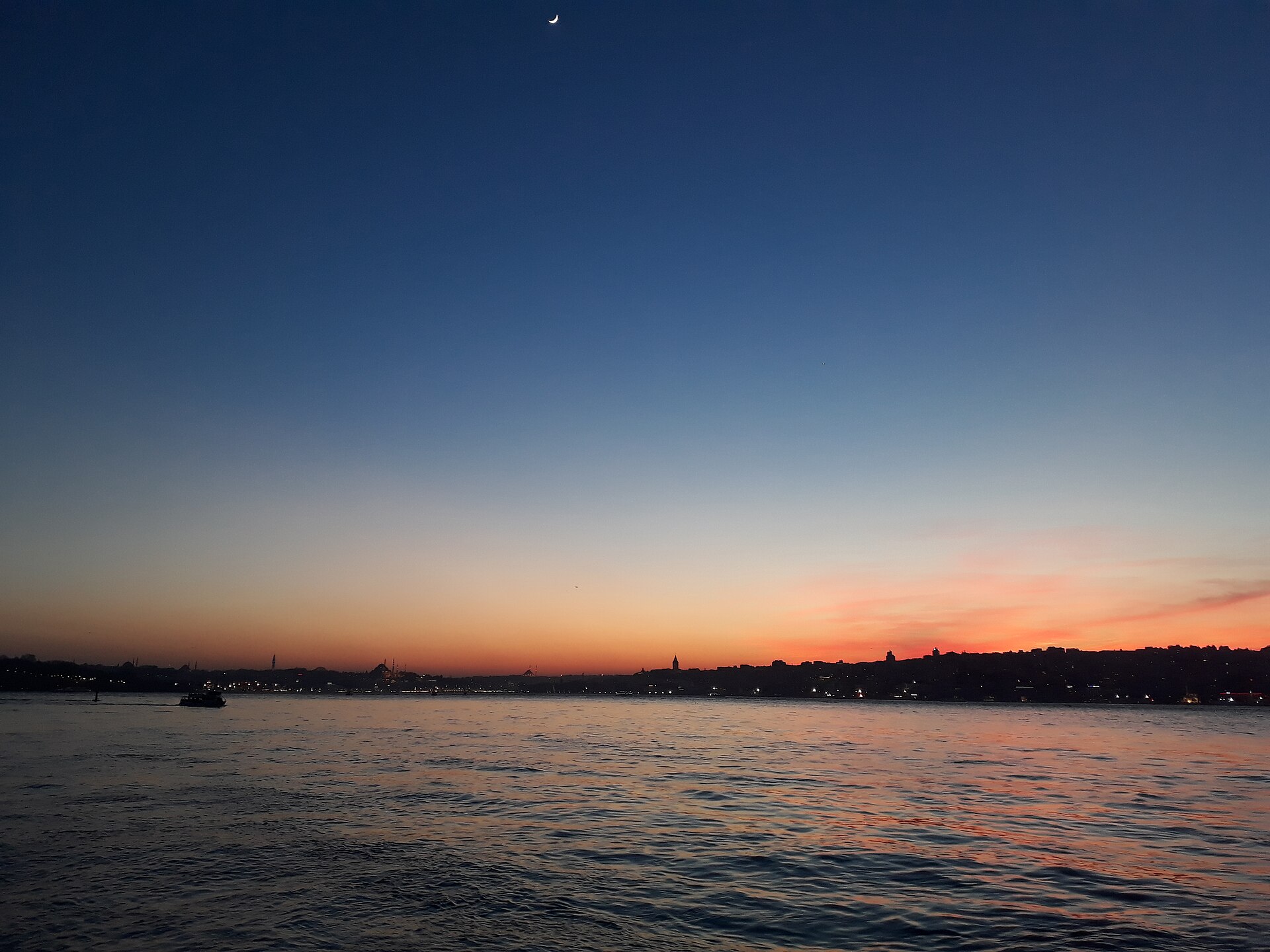
Istanbul City skyline at Sunset · Husain007 · CC BY-SA 4.0 · cropped
Istanbul Airport Transfers and Transport
Navigating Istanbul from the airport requires knowing the best transport options to avoid traffic and save time.
Istanbul Airport, known as IST, sits well to the north-west on the European side, around forty-five kilometres from the historic core. That distance means your first decision upon arrival — how to get into the city — can easily cost a morning. Making the wrong choice of transfer can mean hours in traffic, but there are three sensible ways to make the journey from the airport, each with its own trade-offs, and knowing them ahead saves time and frustration.
The Havaist coaches run to Taksim and other central points, and they are the cheapest option. They offer a direct service, but the city’s traffic is genuinely bad, and you remain subject to it. A taxi is the most direct way to your door. Taxis are plentiful and cheap by European standards, but the fare into the centre is substantial, and traffic can make the journey slow. Insist the meter is running, or use a ride-hailing app that shows the fare, to avoid any arguments.
The M11 metro line, opened in recent years, now connects Istanbul Airport to the city. This is the most reliable way to avoid the traffic, particularly if you are arriving during rush hour, when trying to cross the city by road is the one routing mistake to avoid. The metro journey will involve a change or two to reach the old city, but the predictability of rail often beats the uncertainty of the road. This holds true for moving between continents later in your trip: the Marmaray rail line, for instance, crosses under the Bosphorus and is the fastest way between the European and Asian shores when the ferries are not running your way.
Once inside the city, the public transport network is better than first-time visitors expect, and a single card runs all of it. Buy an Istanbulkart from a machine at any airport, metro, or ferry stop, and load it with credit. The card is cheaper than buying single tickets for each journey, and it saves fumbling for fares at every gate. It works on the ferries, the trams, the metro, the funiculars, and the buses, making it essential for efficient travel.
For sightseeing, the T1 tram runs through Sultanahmet, across the Galata Bridge to Karaköy and on to Kabataş, stitching the old city to the waterfront. The ferries themselves — the commuter boats between Eminönü, Karaköy, Kabataş, Kadıköy and Üsküdar — are both transport and sightseeing, costing a fraction of a tour. Use the Istanbulkart for all of these. If you need to move between continents in the morning or the early evening, take the Marmaray or a ferry and leave the bridges to the traffic.
From Vol. 0 · No. 09 · September 2024, The Bosphorus Issue. The cover story is Istanbul. Details change; confirm specifics with the property before you travel.
More from the column
-
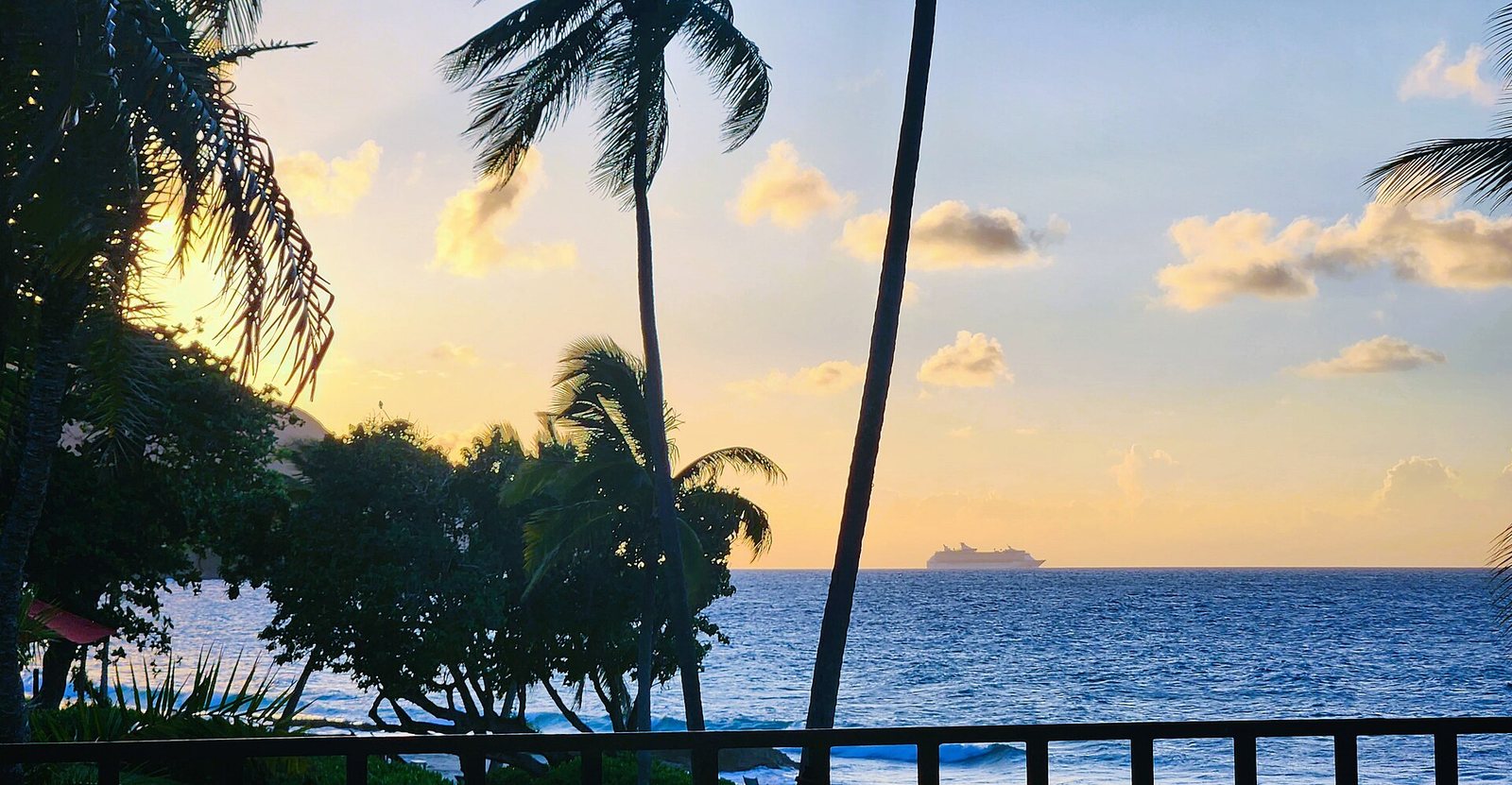 CruiseDeparts20230926 175523 · CaptJayRuffins · CC BY-SA 4.0 · cropped
St. Croix · Vol. 2 · No. 10 · October 2026
St. Croix Arrivals and Roads
Getting to St. Croix is simple for U.S. citizens, but navigating the island requires a rental car and an understanding of its unique driving rules.
CruiseDeparts20230926 175523 · CaptJayRuffins · CC BY-SA 4.0 · cropped
St. Croix · Vol. 2 · No. 10 · October 2026
St. Croix Arrivals and Roads
Getting to St. Croix is simple for U.S. citizens, but navigating the island requires a rental car and an understanding of its unique driving rules.
-
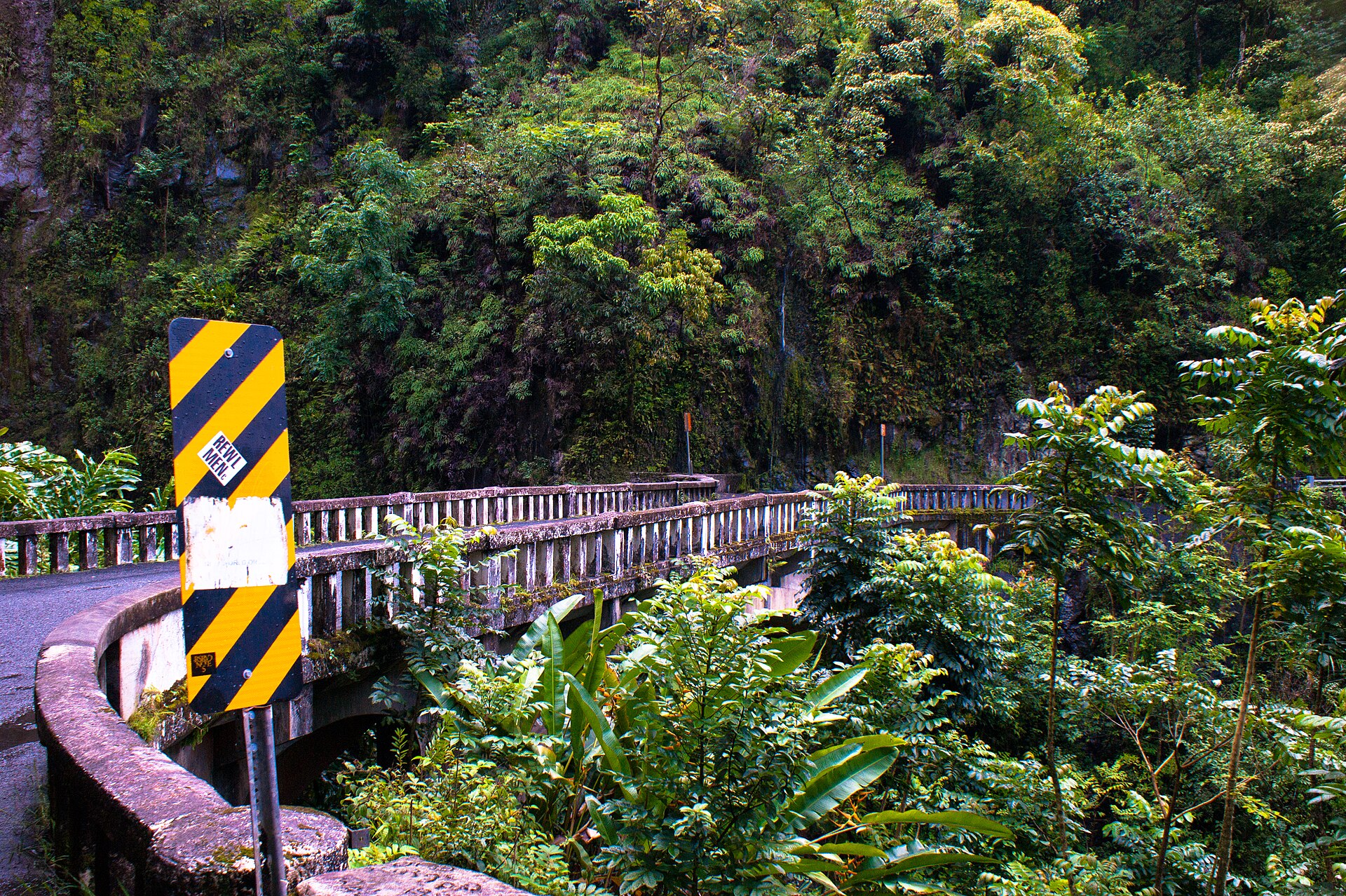 Bridge on Hana Highway · Jonathanking · CC BY-SA 3.0 · cropped
Maui · Vol. 2 · No. 08 · August 2026
Maui: Kahului, Then a Car
Arriving on Maui means a flight to Kahului, followed by an essential rental car for getting around the island.
Bridge on Hana Highway · Jonathanking · CC BY-SA 3.0 · cropped
Maui · Vol. 2 · No. 08 · August 2026
Maui: Kahului, Then a Car
Arriving on Maui means a flight to Kahului, followed by an essential rental car for getting around the island.
-
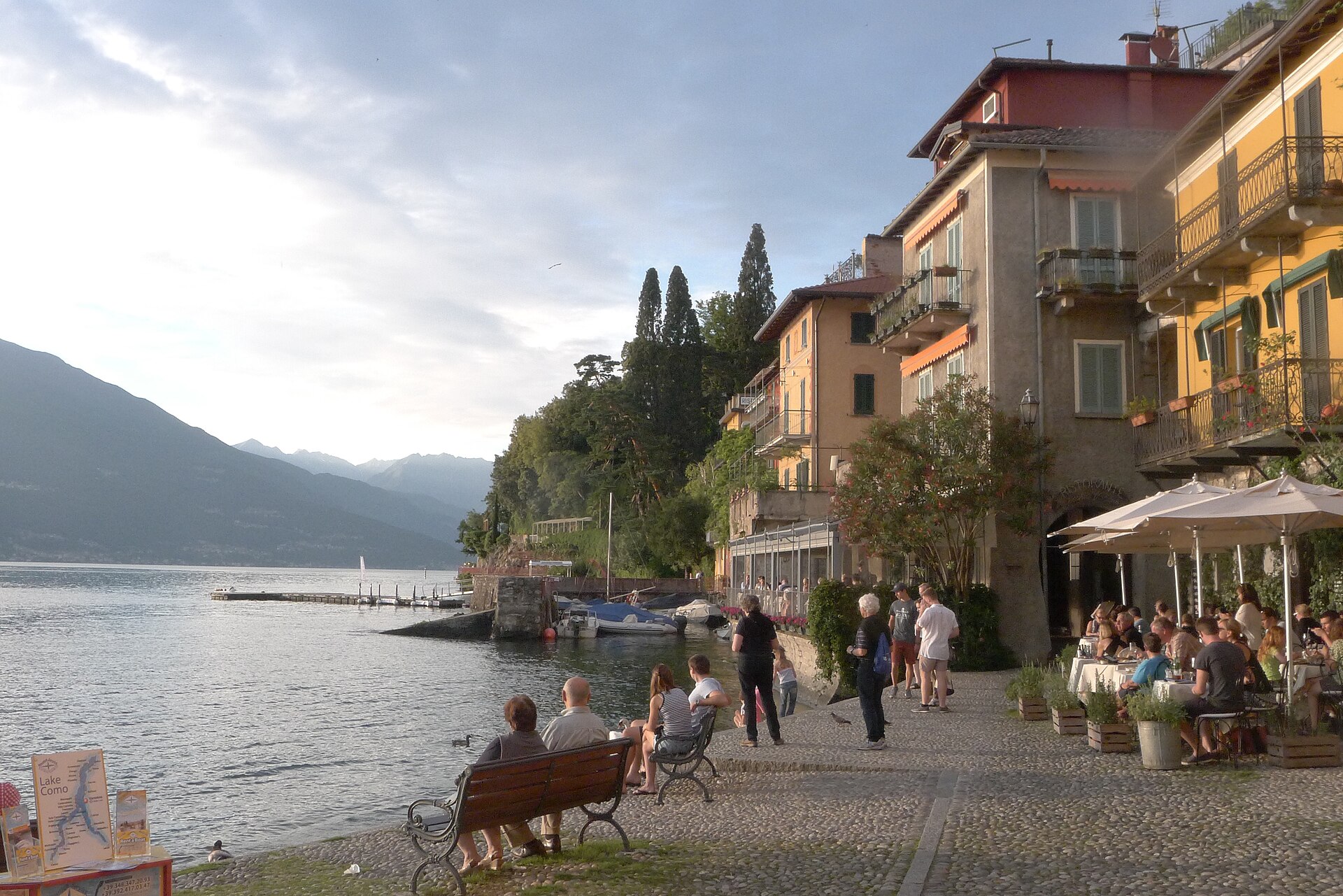 Varenna Italy, waterfront at sunset · Jmatazzoni · CC BY-SA 4.0 · cropped
Lake Como · Vol. 2 · No. 07 · July 2026
Getting Around Lake Como by Boat
Forget the narrow roads; basing in the mid-lake and using the frequent car and passenger ferries turns travel into pleasure.
Varenna Italy, waterfront at sunset · Jmatazzoni · CC BY-SA 4.0 · cropped
Lake Como · Vol. 2 · No. 07 · July 2026
Getting Around Lake Como by Boat
Forget the narrow roads; basing in the mid-lake and using the frequent car and passenger ferries turns travel into pleasure.
-
 Vibrant Fall Colors In Oak Creek Canyon · Ray Redstone · CC BY-SA 4.0 · cropped
Sedona · Vol. 2 · No. 04 · April 2026
Phoenix, Car, Shuttle to Sedona
Most visitors fly into Phoenix Sky Harbor, rent a car, and then navigate Sedona's trailheads with a mix of driving and the free city shuttle.
Vibrant Fall Colors In Oak Creek Canyon · Ray Redstone · CC BY-SA 4.0 · cropped
Sedona · Vol. 2 · No. 04 · April 2026
Phoenix, Car, Shuttle to Sedona
Most visitors fly into Phoenix Sky Harbor, rent a car, and then navigate Sedona's trailheads with a mix of driving and the free city shuttle.
The columns, every month.
One considered letter when a new issue lands: the cover story, the four columns, and the month's news.
Comments