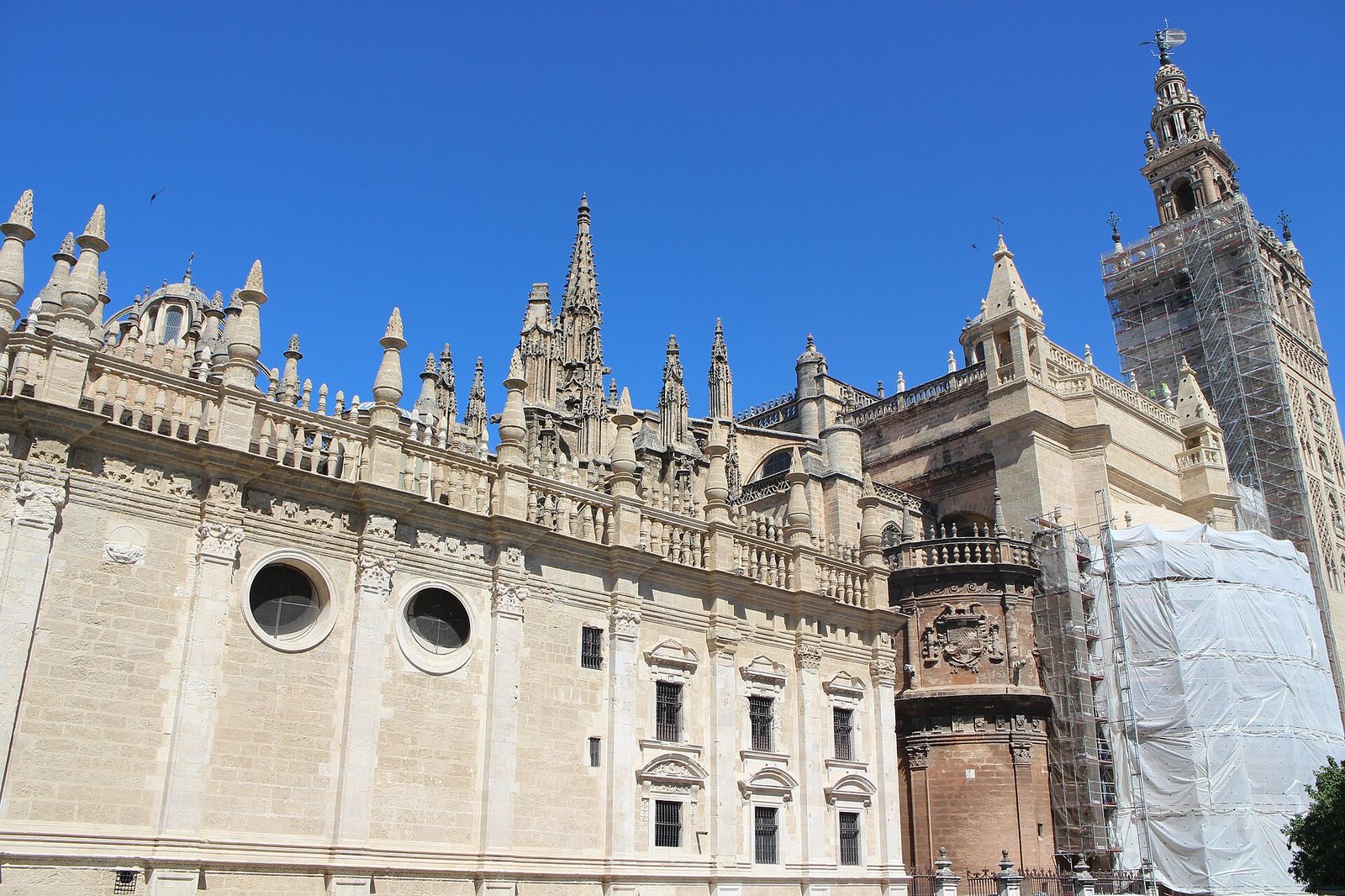
Exterior of the Cathedral of Seville 20180719 · Suicasmo · CC BY-SA 4.0 · cropped
Córdoba by Fast Train
A quick journey from Seville reveals a city of unique historical weight, making a day trip by rail a worthwhile proposition.
A forty-five minute train ride from Seville’s Santa Justa station delivers you to Córdoba, a city that earns the fare for a single reason: its great mosque-cathedral, the Mezquita. This is the day trip that makes sense. It is close enough to leave after breakfast and be back for dinner, transforming a week in Seville into something more expansive. Spain’s high-speed AVE network makes the journey efficient, connecting city centre to city centre, which often beats flying for anyone already in Spain once airport time at both ends is accounted for. The train journey itself is a straightforward passage across the Andalusian landscape, a comfortable transition between two distinct urban experiences.
For anyone combining Seville with other Andalusian cities, building the trip around the train makes practical sense. Parking in central Seville is a chore, and the same holds true for other historic centres in the region. The high-speed line avoids that entirely, delivering passengers directly into the heart of the city, often within walking distance of the main attractions. To make the most of the day, book your train tickets ahead of time, particularly if travelling during April, when the region sees increased visitors. The same applies to entry to the Mezquita; timed tickets purchased in advance are the only sensible approach to avoid long queues, especially in a busy month. This preparation ensures time is spent seeing the city, not waiting.
The Mezquita is the primary draw, a building that tells a layered history. It began as a mosque, later incorporated a cathedral at its centre, and its sheer scale and intricate detail are absorbing. The experience of walking through its forest of columns, then into the Christian nave, is a study in architectural evolution and cultural fusion. Beyond the Mezquita, Córdoba’s old quarter offers a network of narrow streets and courtyards, many adorned with potted plants. It is a place for walking, for seeing the details of a different city without the pressure of a longer stay, a quiet counterpoint to Seville’s grander avenues.
The value of this detour lies in its ease and its distinct character. Seville is a city of orange blossom and grand monuments, but Córdoba offers a different historical weight, a different feel. It is a chance to experience another major Andalusian city without relocating or committing a full two days. The journey is short, the destination is singular, and the return to Seville for dinner feels like a well-managed day. It adds another dimension to a trip focused on Seville, without demanding too much time or effort, and offers a glimpse into another facet of Spain’s south.
From Vol. 0 · No. 04 · April 2024, The Orange-Blossom Issue. The cover story is Seville. Details change; confirm specifics with the property before you travel.
More from the column
-
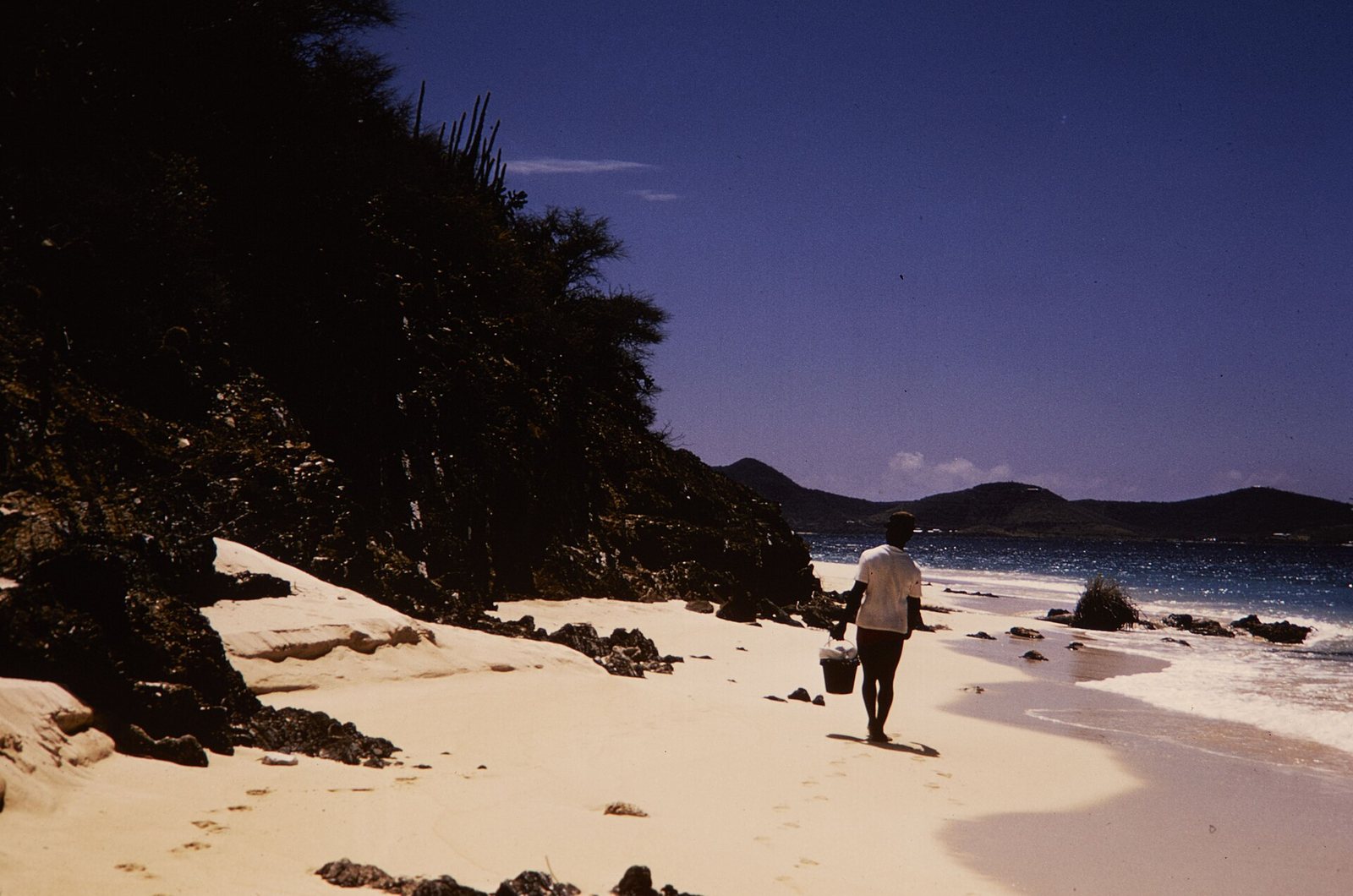 St. Croix · Vol. 2 · No. 10 · October 2026
Buck Island: St. Croix’s Reef Monument
A boat trip to Buck Island Reef National Monument offers an underwater snorkel trail and a stop at Turtle Beach.
St. Croix · Vol. 2 · No. 10 · October 2026
Buck Island: St. Croix’s Reef Monument
A boat trip to Buck Island Reef National Monument offers an underwater snorkel trail and a stop at Turtle Beach.
-
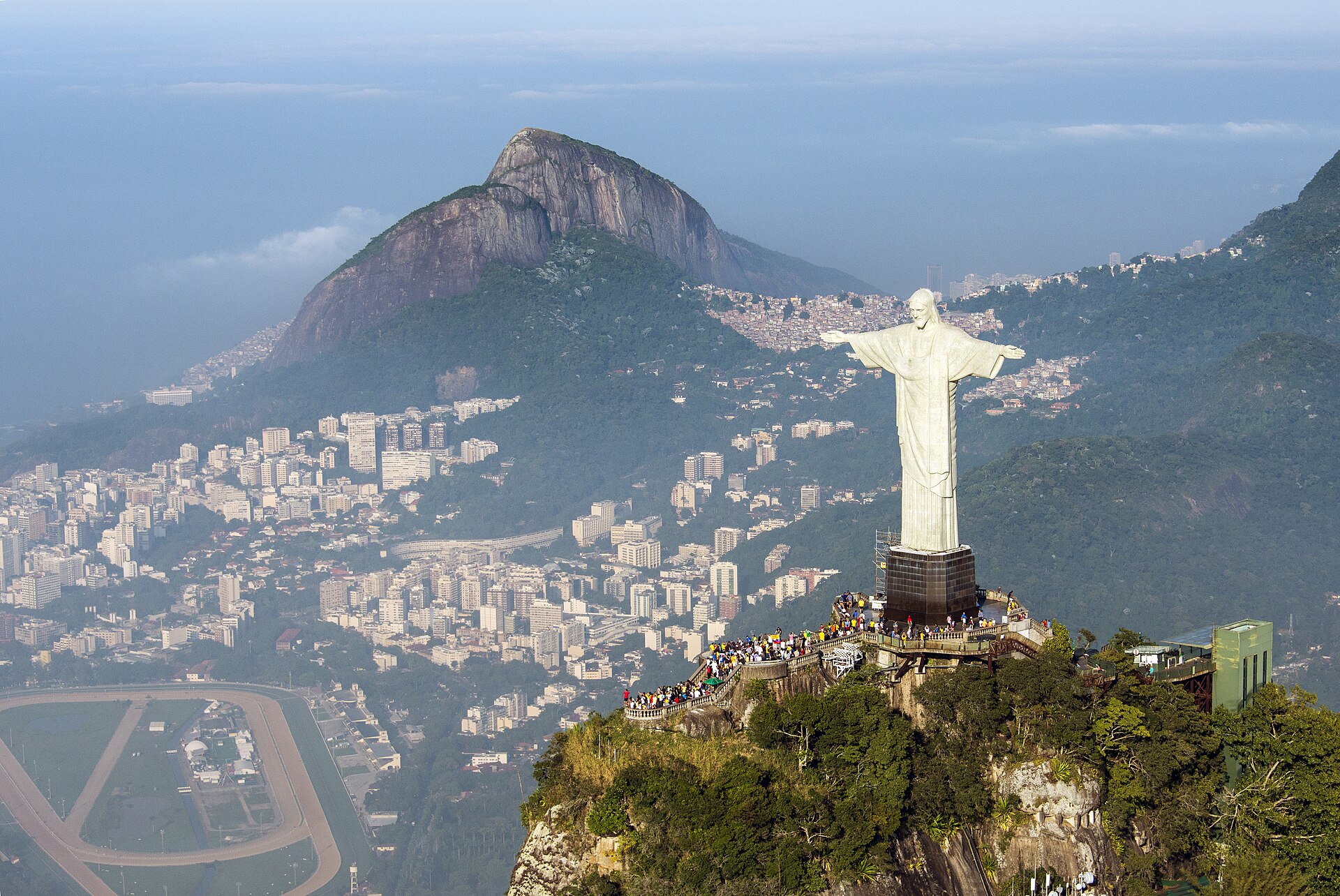 1 cristor redentor 2014 · Chensiyuan · CC BY-SA 4.0 · cropped
Rio de Janeiro · Vol. 2 · No. 09 · September 2026
Rio's Clear-Day Ascents
Plan two essential Rio climbs around the weather for views of the city and coast.
1 cristor redentor 2014 · Chensiyuan · CC BY-SA 4.0 · cropped
Rio de Janeiro · Vol. 2 · No. 09 · September 2026
Rio's Clear-Day Ascents
Plan two essential Rio climbs around the weather for views of the city and coast.
-
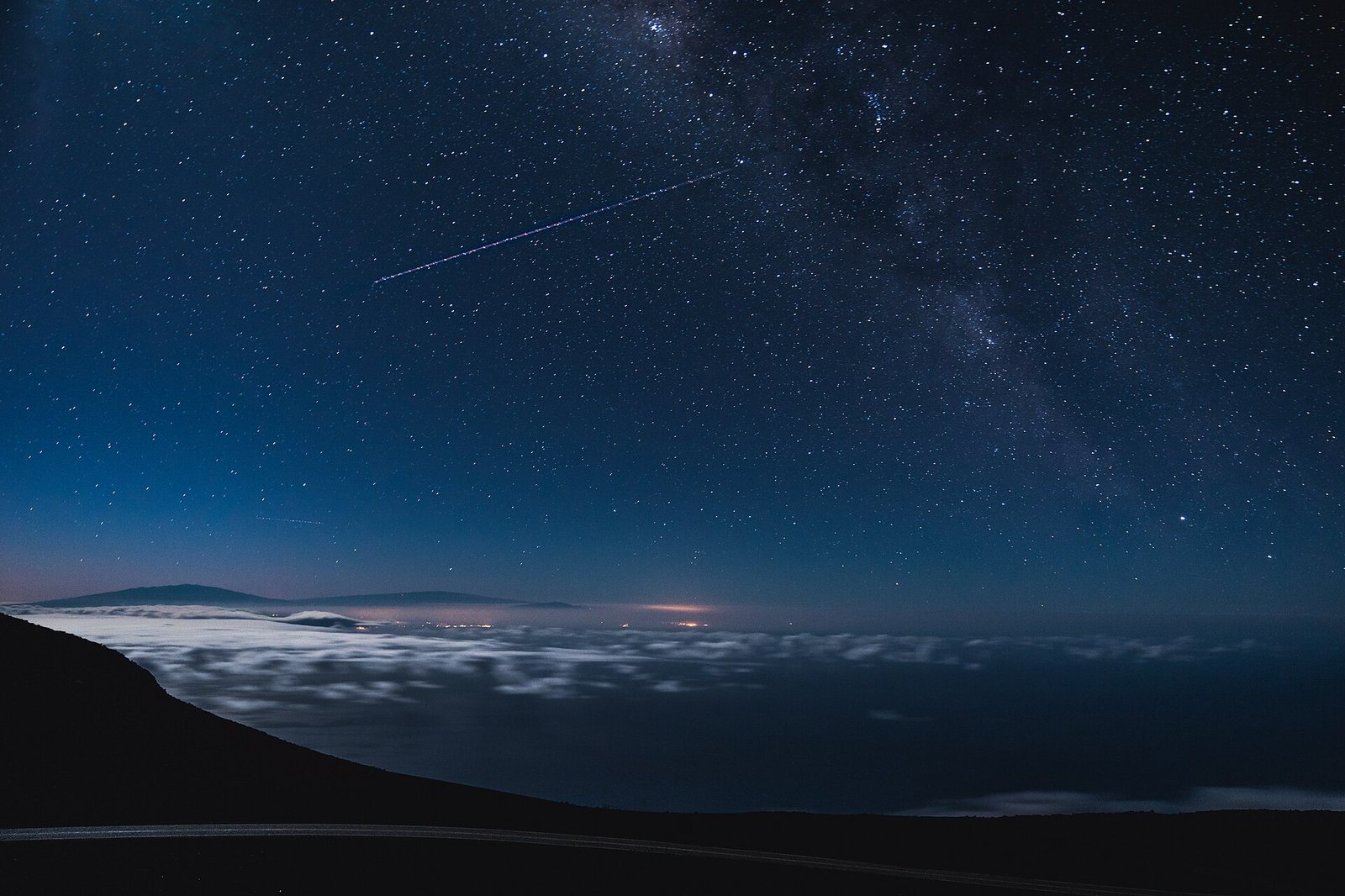 Maui · Vol. 2 · No. 08 · August 2026
Maui's Two Big Drives
Maui's two signature drives, Haleakalā's summit and the Road to Hāna, are full days out, each requiring early starts and a full tank.
Maui · Vol. 2 · No. 08 · August 2026
Maui's Two Big Drives
Maui's two signature drives, Haleakalā's summit and the Road to Hāna, are full days out, each requiring early starts and a full tank.
-
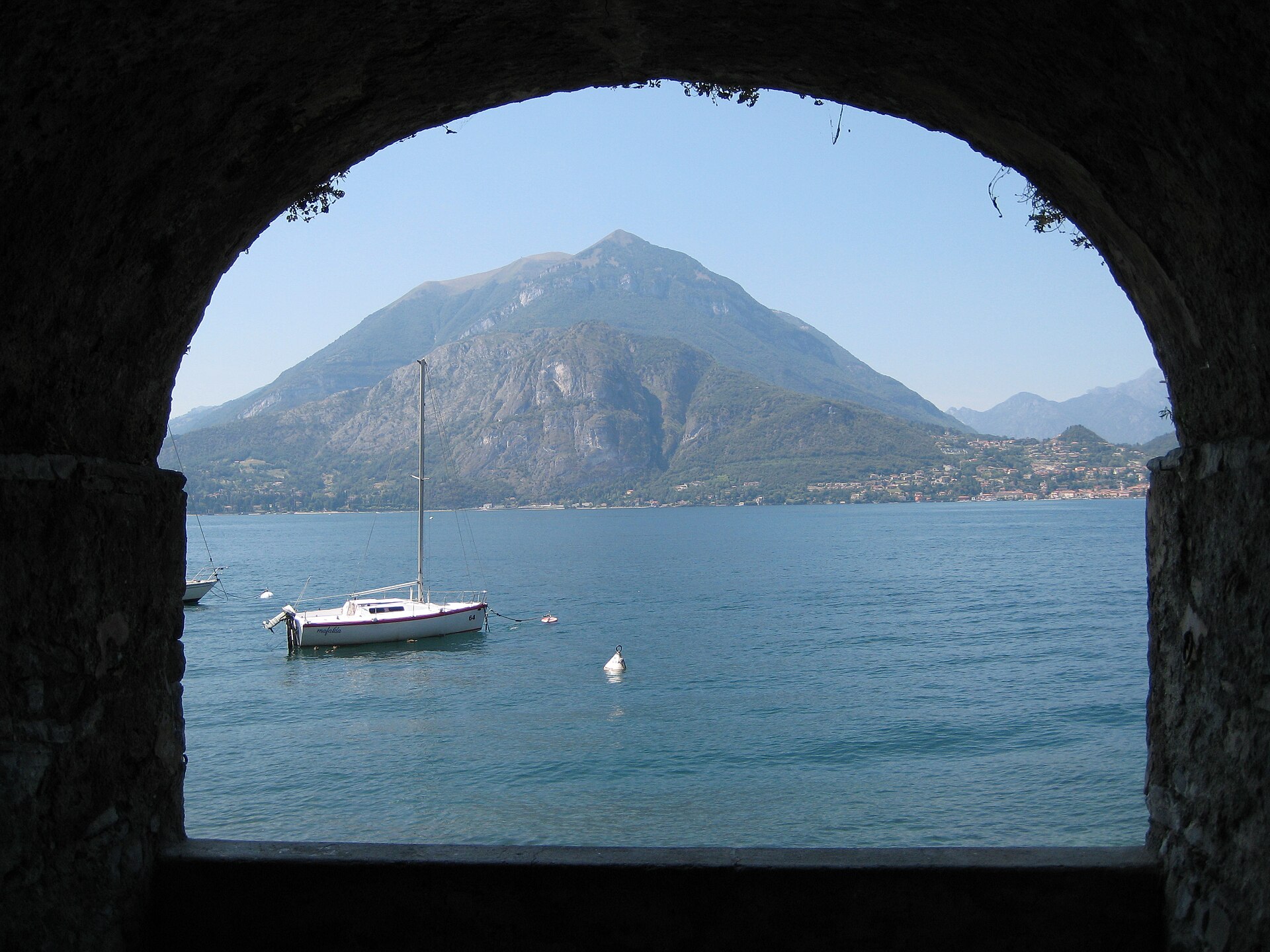 Lake Como from Varenna 01 · Aconcagua · CC BY-SA 3.0 · cropped
Lake Como · Vol. 2 · No. 07 · July 2026
Western Shore Gardens
Leaving your base for a boat day to Villa del Balbianello and Villa Carlotta reveals the cultivated beauty of Lake Como's western shore.
Lake Como from Varenna 01 · Aconcagua · CC BY-SA 3.0 · cropped
Lake Como · Vol. 2 · No. 07 · July 2026
Western Shore Gardens
Leaving your base for a boat day to Villa del Balbianello and Villa Carlotta reveals the cultivated beauty of Lake Como's western shore.
The columns, every month.
One considered letter when a new issue lands: the cover story, the four columns, and the month's news.
Comments