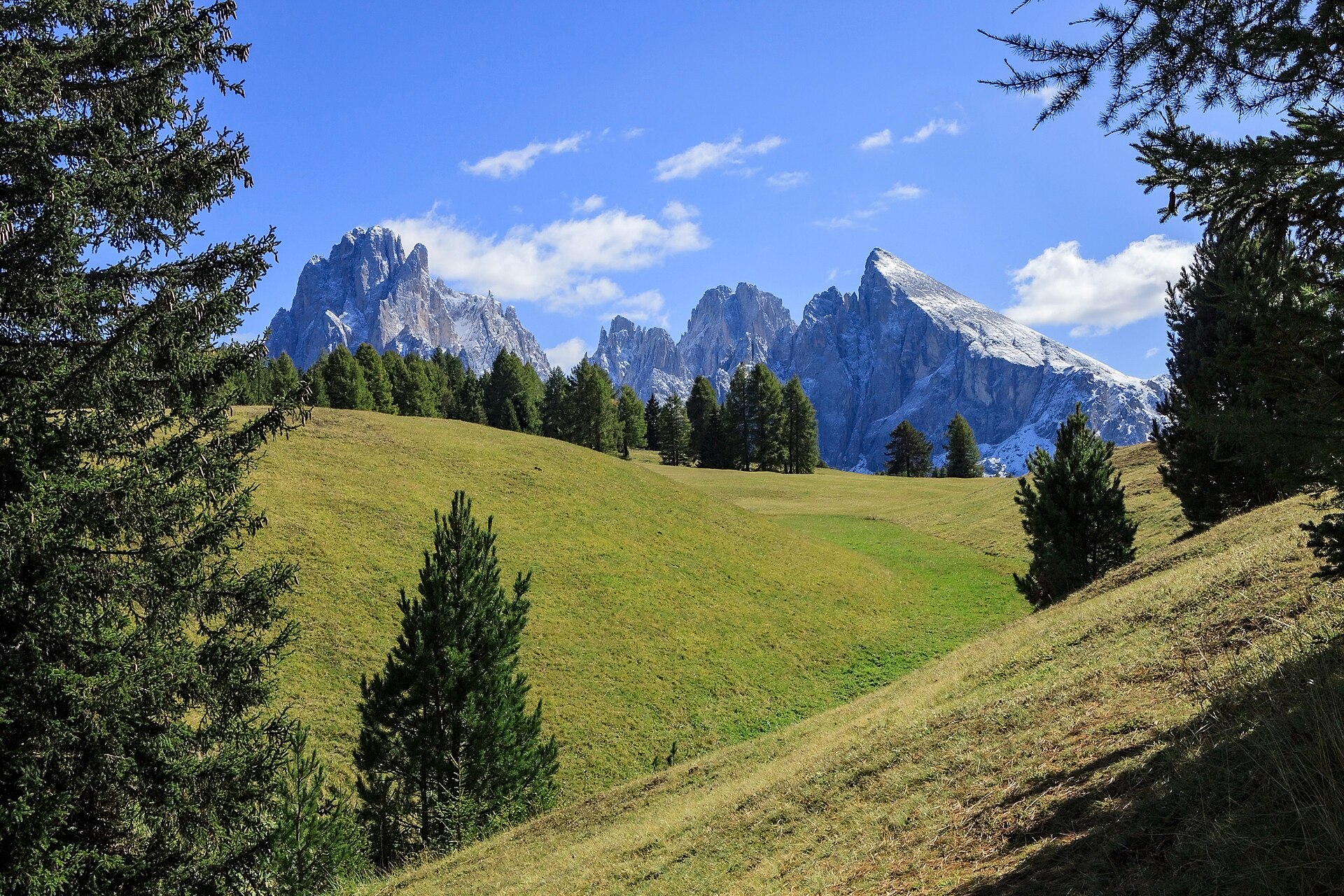
Seiser Alm 04 · H. Zell · CC BY-SA 3.0 · cropped
Four Kinds of Dolomite Bed
Choosing where to sleep in the Dolomites means understanding four distinct hotel types, each suited to a different trip and budget.
A week in the Dolomites begins with a decision about where to sleep, and the mountains do not run to a single kind of hotel. Matching the room to the trip you actually want is the difference between a good week and an expensive one. Broadly there are four sorts of bed, and it helps to know which is which before booking. The first is the alpine wellness hotel, the four- and five-star houses that fill the northern valleys. These are family-run more often than not, built and rebuilt over generations. Their proposition is half board and a large spa: a pool, saunas, a treatment list, and a dining room that expects guests back each evening. They are comfortable and, in August, extremely booked. If this is the trip one wants, reserve months ahead, and read the board terms carefully, because many of these hotels sell the week rather than the night in peak season and quietly expect guests to eat in.
The second is the town hotel, most obviously in Cortina, where the grand old houses trade on address and history. They put guests a short walk from restaurants and shops rather than from a trailhead. One pays for the location and the name. It is the right choice for a town evening and a lift or a short drive to the mountains in the morning, and the wrong one if days are all going to start at a cable-car station in the next valley. The third, and the one that travels well on a smaller budget, is the working farm. South Tyrol runs a well-known farm-stay scheme, Roter Hahn (the Red Rooster), which certifies rooms and apartments on genuine mountain farms. Guests get a simple, spotless room, often a kitchen, sometimes the farm’s own speck, eggs and juice, and a fraction of the hotel price. It suits a family or anyone planning to be out all day and back only to sleep.
The fourth kind of bed is the rifugio, the mountain hut, which is a category of its own. These are the feature that makes the Dolomites feel like a country of their own. Beds are often in shared dormitories; guests bring a sleeping-bag liner, cash for the extras, and earplugs. Half board, a bed with dinner and breakfast, is the norm and in summer costs, as a rough guide, in the region of sixty to ninety euros a person. Sleeping in one is the single experience I would urge on any first-time visitor with the legs for it. Even a night in a hut reached by a cable car and a short walk changes the trip completely, offering the mountain in the hours the mass of day visitors is not.
For valley nights, my advice is to spend on position, not on marble. Choose the valley first and the hotel second; in the Dolomites the address on the map decides a whole week, and the thread count decides almost nothing. A modest room in the right village, from which one can walk or ride to the high ground before breakfast, will give far more of the Dolomites than a plush suite an hour’s drive from where one actually wants to be at eight in the morning. For rifugi, book well ahead for July and August, because the good huts on the popular routes fill months in advance. Telephone or email the hut directly; a booking is a promise the guardian relies on, and a no-show in the mountains is a real discourtesy.
From Vol. 0 · No. 08 · August 2024, The Mountain-Summer Issue. The cover story is The Dolomites. Details change; confirm specifics with the property before you travel.
More from the column
-
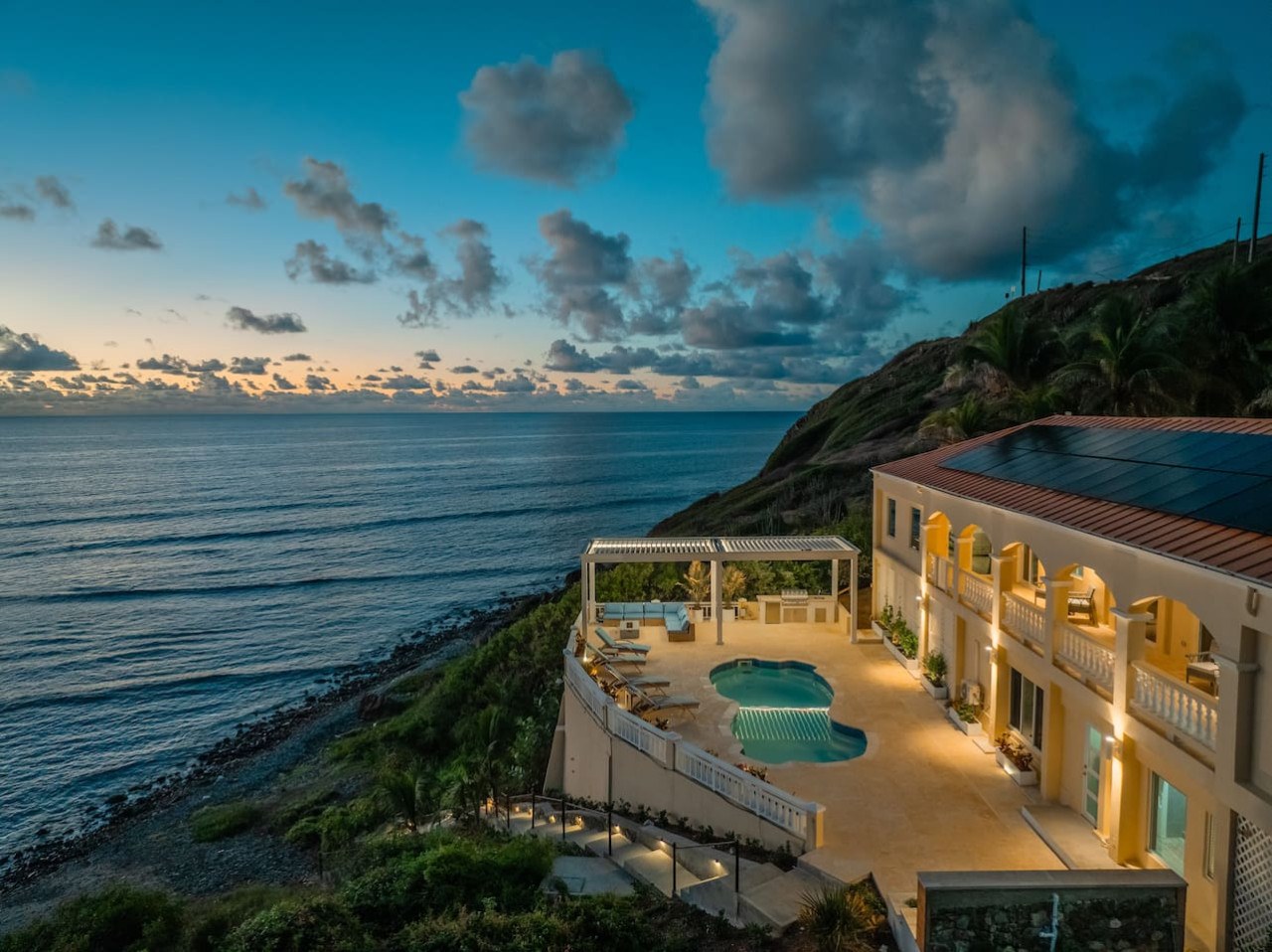 St. Croix · Vol. 2 · No. 10 · October 2026
St. Croix: Where To Sleep
On St. Croix, the place you stay shapes the days, whether it is a town, a condo resort, or a private villa.
St. Croix · Vol. 2 · No. 10 · October 2026
St. Croix: Where To Sleep
On St. Croix, the place you stay shapes the days, whether it is a town, a condo resort, or a private villa.
-
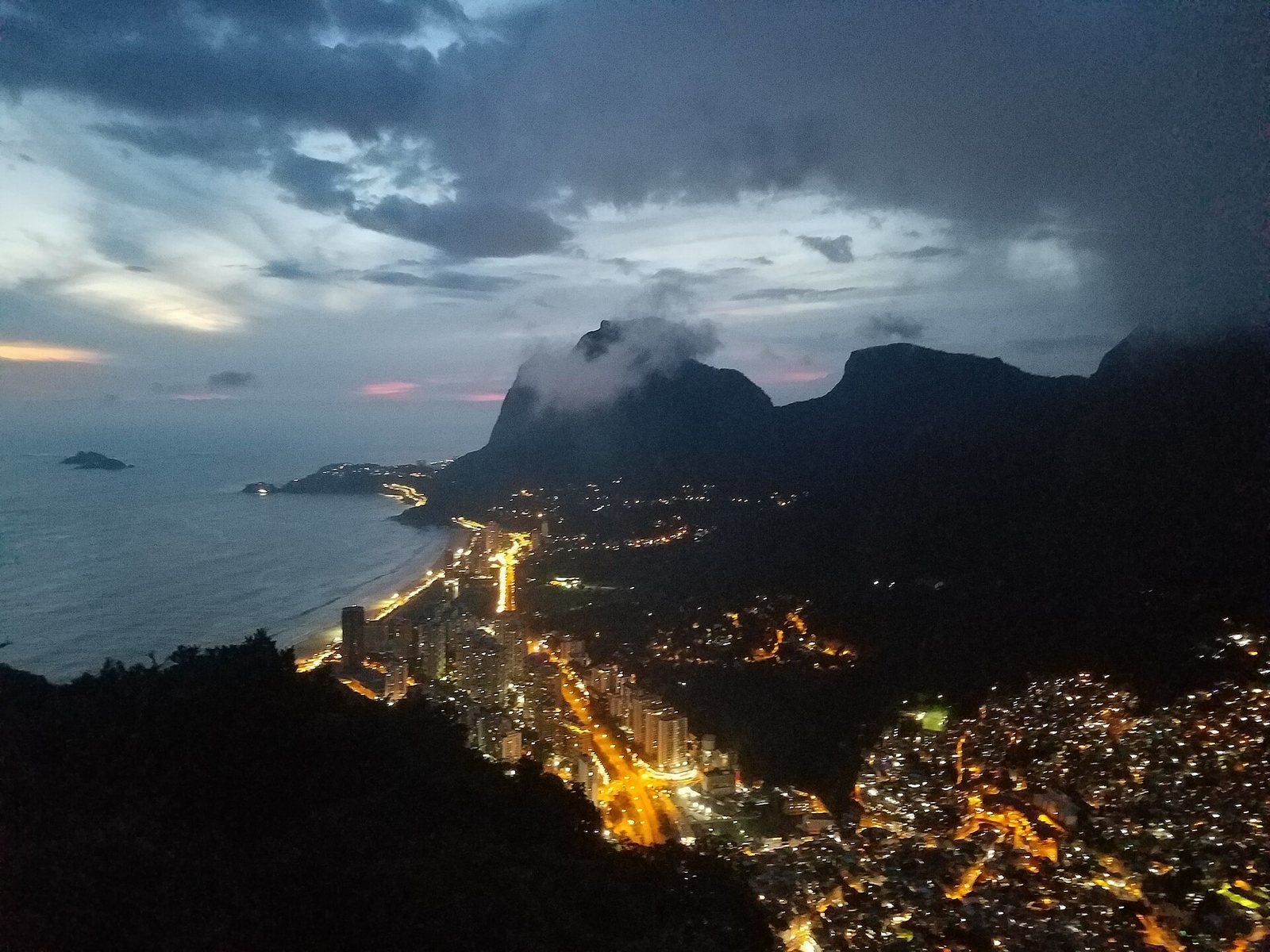 Morro dois irmaos hike view 1 · Sereia apaixonada · CC BY-SA 4.0 · cropped
Rio de Janeiro · Vol. 2 · No. 09 · September 2026
Rio: On the Sand or a Street Back
Choosing a neighbourhood in Rio de Janeiro shapes the entire trip, dictating beach access, quiet, views, and price.
Morro dois irmaos hike view 1 · Sereia apaixonada · CC BY-SA 4.0 · cropped
Rio de Janeiro · Vol. 2 · No. 09 · September 2026
Rio: On the Sand or a Street Back
Choosing a neighbourhood in Rio de Janeiro shapes the entire trip, dictating beach access, quiet, views, and price.
-
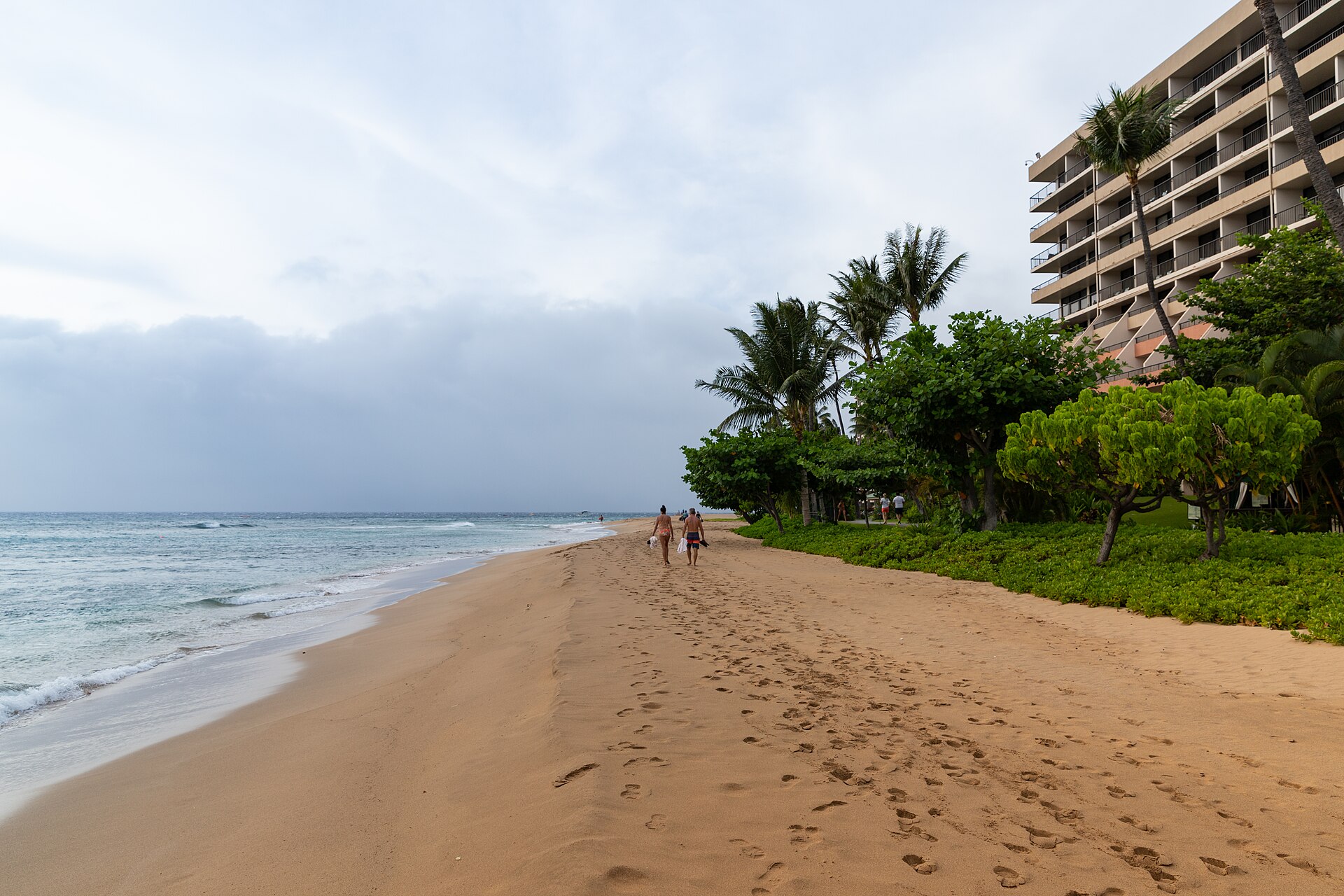 Ka'anapali Beach, Maui, Hawai'i · Rick Obst · CC BY 4.0 · cropped
Maui · Vol. 2 · No. 08 · August 2026
Maui Coasts: Where to Sleep
Deciding on South Maui or West Maui makes all the difference for a first trip, with options from value condos to full-service resorts.
Ka'anapali Beach, Maui, Hawai'i · Rick Obst · CC BY 4.0 · cropped
Maui · Vol. 2 · No. 08 · August 2026
Maui Coasts: Where to Sleep
Deciding on South Maui or West Maui makes all the difference for a first trip, with options from value condos to full-service resorts.
-
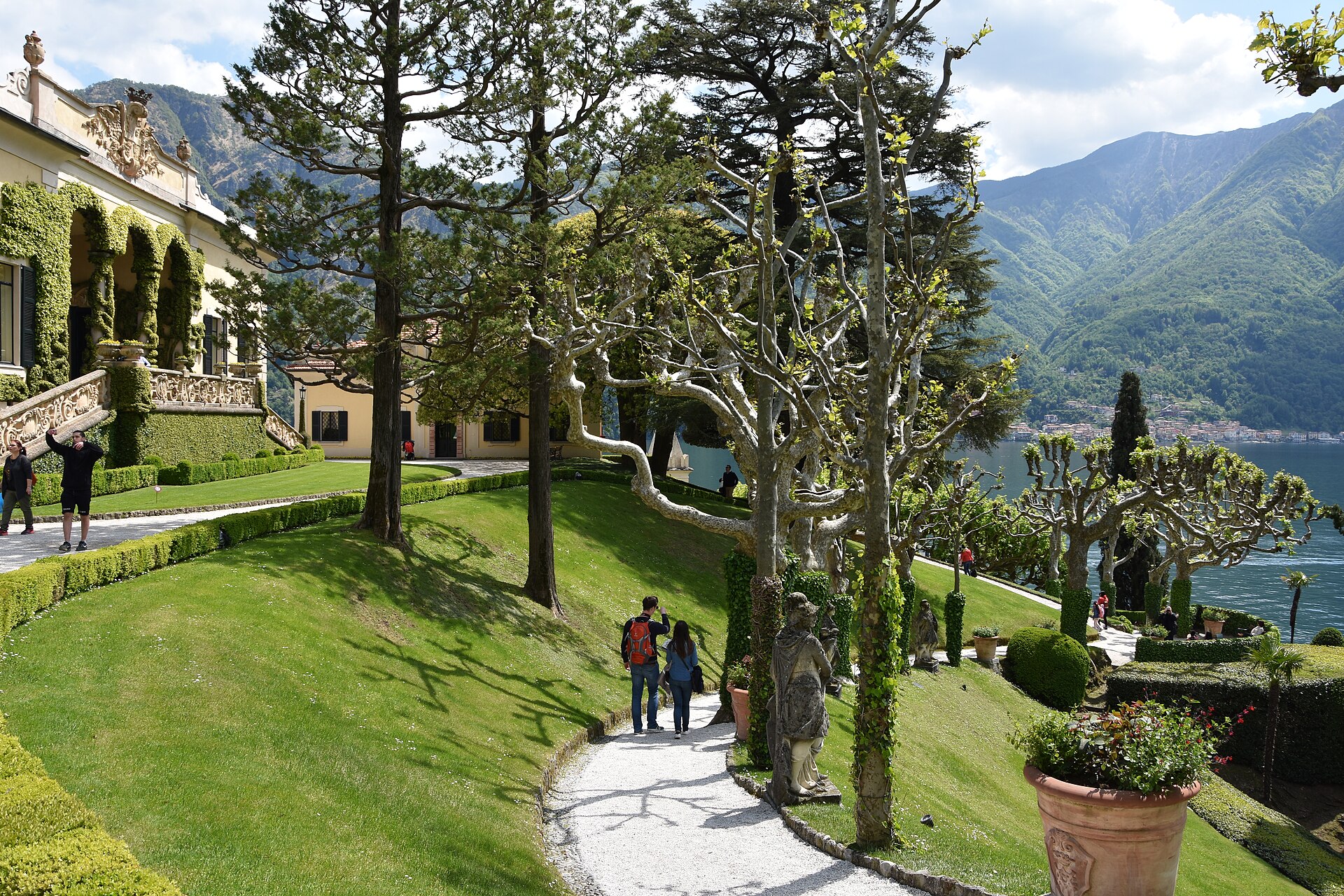 Lenno - Villa del Balbianello 0613 · Phyrexian · CC BY-SA 4.0 · cropped
Lake Como · Vol. 2 · No. 07 · July 2026
Lake Como: Which Town
The choice of your Lake Como base shapes your entire trip, from morning views to evening calm and how easily you move between villages.
Lenno - Villa del Balbianello 0613 · Phyrexian · CC BY-SA 4.0 · cropped
Lake Como · Vol. 2 · No. 07 · July 2026
Lake Como: Which Town
The choice of your Lake Como base shapes your entire trip, from morning views to evening calm and how easily you move between villages.
The columns, every month.
One considered letter when a new issue lands: the cover story, the four columns, and the month's news.
Comments