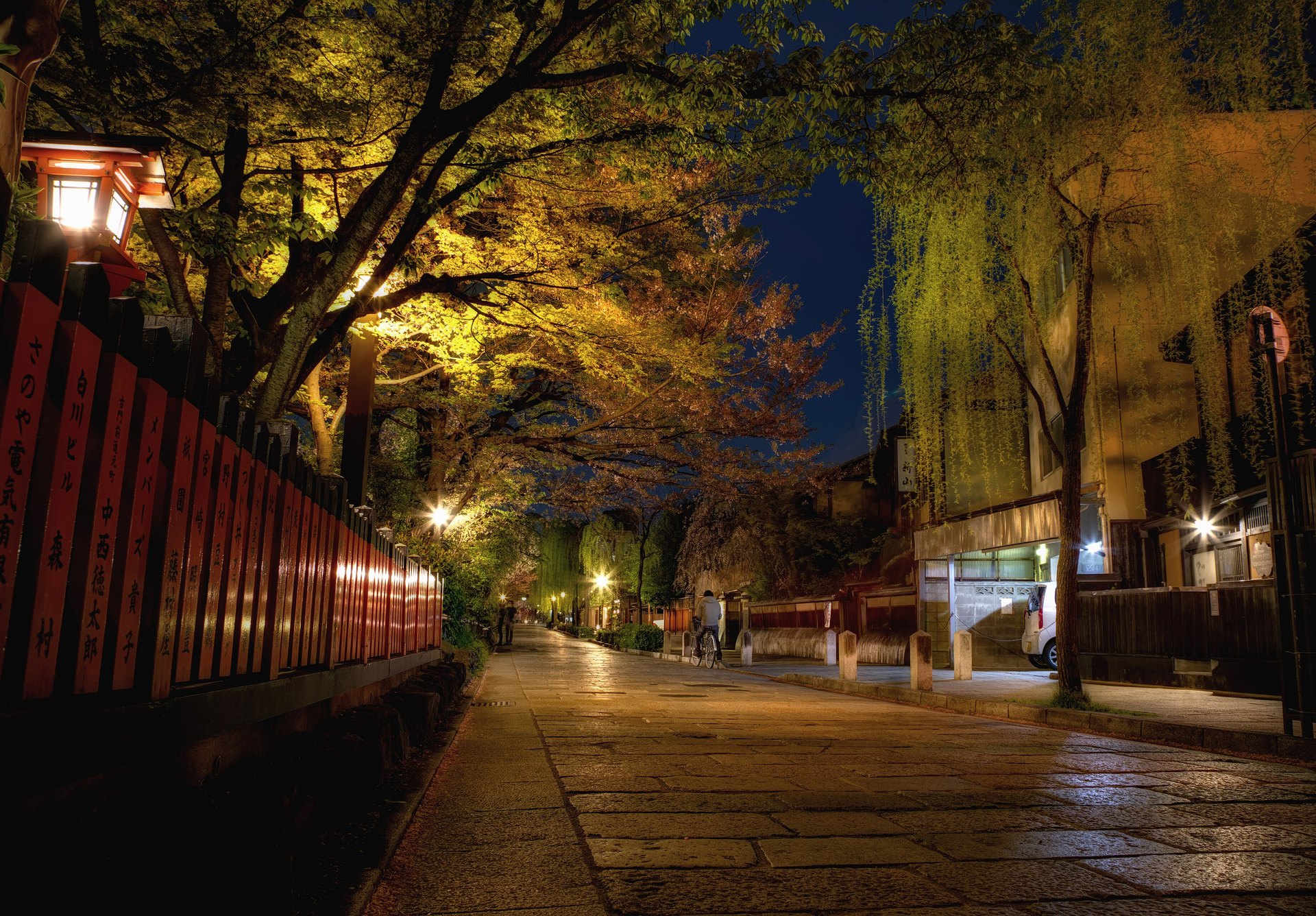
Kyoto: Ryokan or Hotel Choice
Choosing between Kyoto's traditional inns and modern hotels means weighing an immersive experience against practical comfort and convenience.
Kyoto asks for a decision beyond a standard hotel booking. The city, Japan's capital for over a thousand years, moves at a pace that rewards planning, and nowhere is this clearer than in choosing where to sleep. A ryokan, the traditional Japanese inn, offers an experience that goes well beyond a simple bed. The room rate typically includes a multi-course kaiseki dinner and breakfast, often served privately. You will sleep on a futon laid out over tatami mats and wear a cotton yukata robe around the building. Places like Hiiragiya, founded in 1818, or Tawaraya, running for close to three centuries, are institutions, known for their kaiseki. Gion Hatanaka is a common pick for a first ryokan night in the geisha district. These are expensive and book out far ahead; treat a night in one as the centerpiece of a trip, not a default.
A ryokan runs on customs that are easy to respect once understood. Shoes come off at the entrance, and separate slippers are for the toilet. Meals are events at set times, with staff laying out your futon during dinner. The communal bath or onsen has rules: wash completely at shower stations first, no soap in the water, no swimsuits. Tattoos can be an issue, so ask ahead. Tipping is not part of Japanese hospitality; a sincere thank-you is the right currency. If this sounds like a lot, or if the idea of fixed meal times and shared baths feels restrictive, a good hotel in the right district may serve better.
Modern hotels, including international and Japanese names, have arrived in force, mostly downtown and near Kyoto Station. The Ritz-Carlton Kyoto sits on the Kamo River, the Ace Hotel Kyoto occupies a converted 1920s telephone-exchange building, and Aman Kyoto hides in a forest in the northern hills. These deliver reliable comfort and English-speaking front desks. The choice of district matters, too. Higashiyama and Gion offer postcard Kyoto with preserved wooden townhouses and temples on foot, though it is hilly and quiet at night. Downtown, around Kawaramachi and Karasuma, is the practical all-rounder for restaurants, bars, and subway access. Kyoto Station suits those arriving with heavy luggage or making day trips. Arashiyama offers river-and-mountain scenery but is far from the centre.
Kyoto rewards planning, especially for accommodation. The city is at its most beautiful and most crowded during cherry blossom season, from late March through mid-April, and again for fall color from mid-November into early December. The best ryokan sell out months ahead for these periods. Even in quieter shoulder weeks like May or October, booking early is sensible. If a full ryokan stay feels like too much commitment, consider a split stay: one night in a traditional inn to experience its unique rhythm, followed by several nights in a modern hotel for ease. This allows for both the cultural immersion and the practical comfort. For the celebrated inns and for blossom and fall dates, book early.
From Vol. 1 · No. 04 · April 2025, The Blossom Issue. The cover story is Where to Stay in Kyoto. Details change; confirm specifics with the property before you travel.
More from the column
-
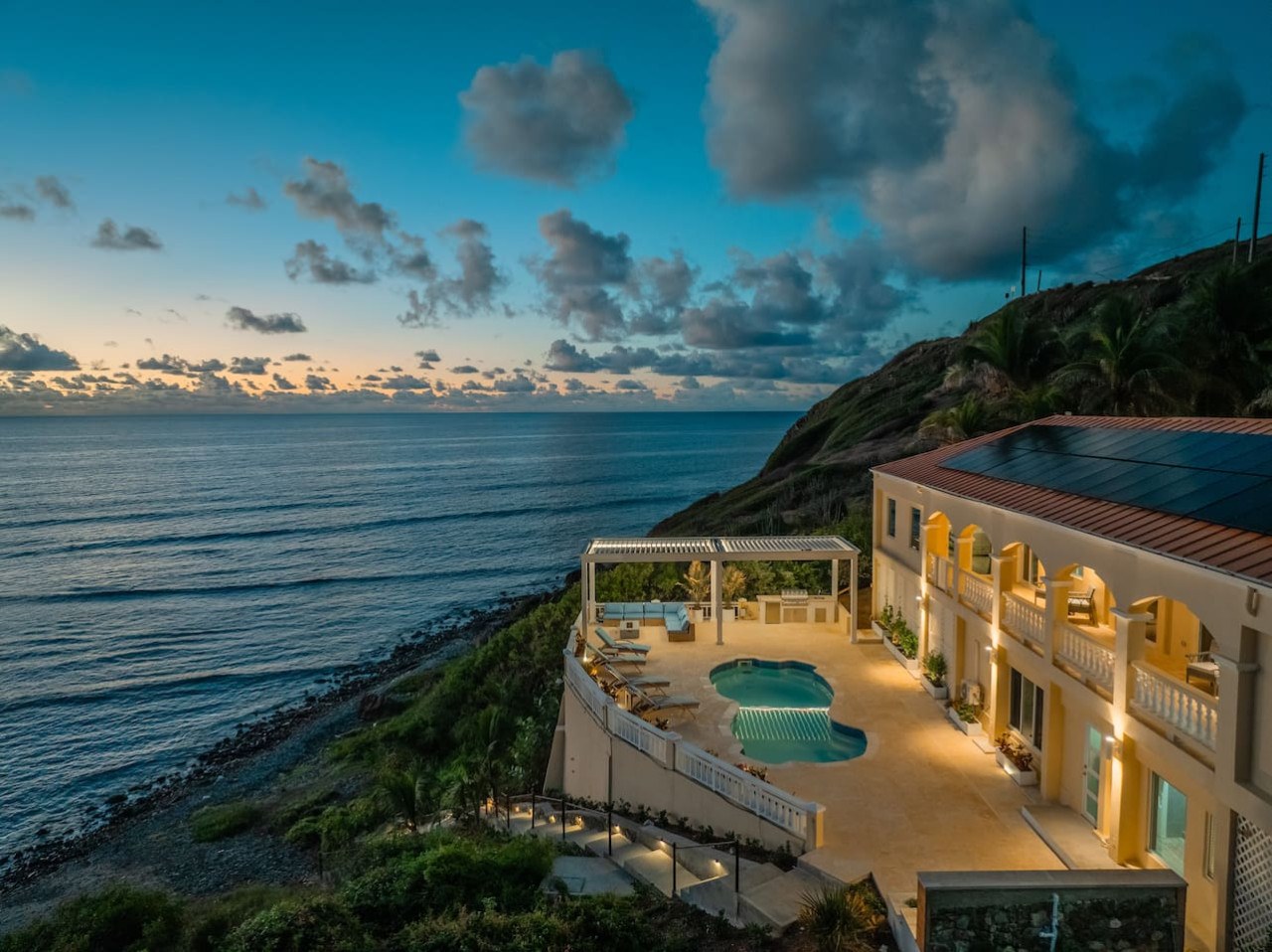 St. Croix · Vol. 2 · No. 10 · October 2026
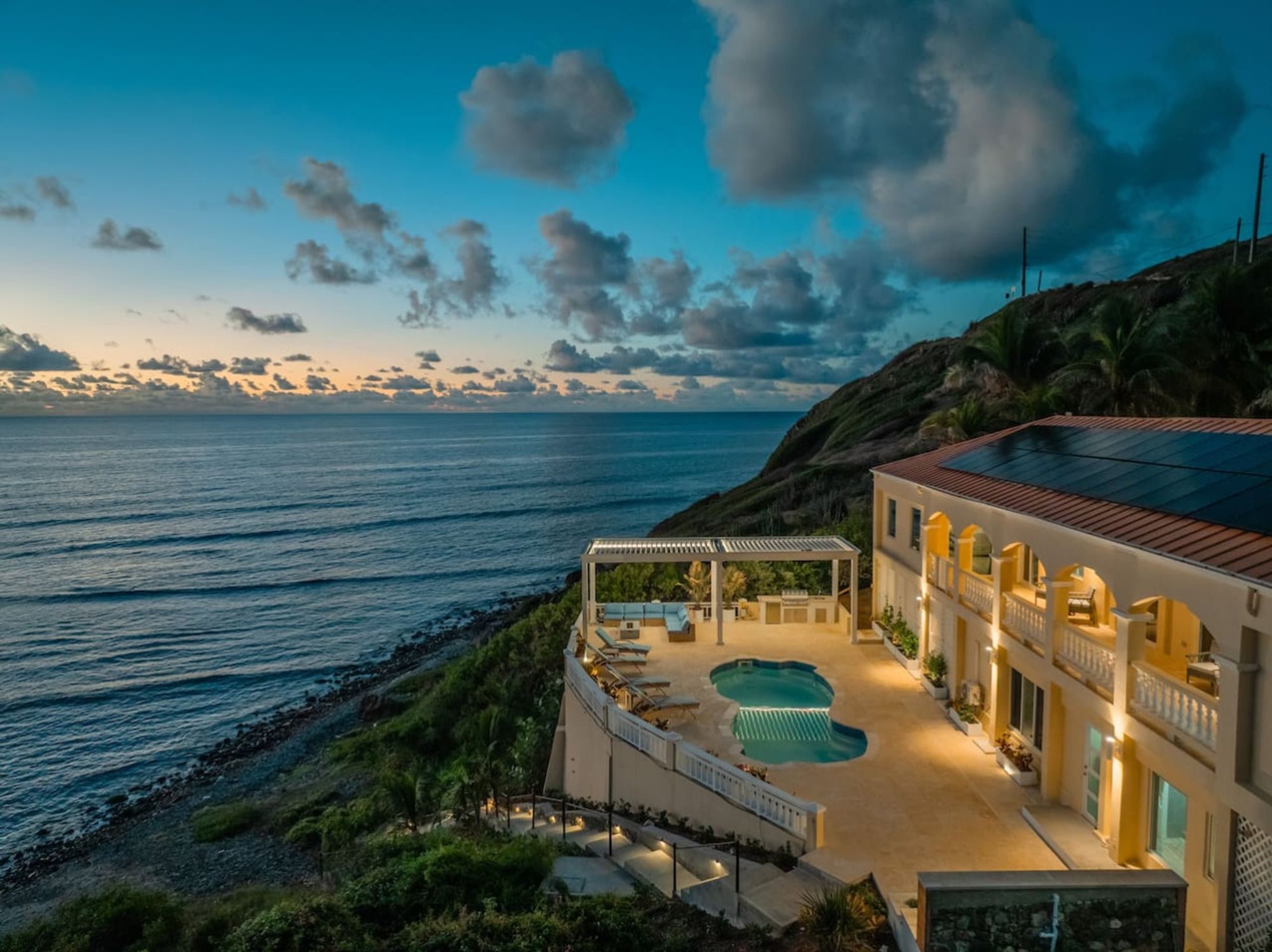
St. Croix: Where To Sleep
On St. Croix, the place you stay shapes the days, whether it is a town, a condo resort, or a private villa.
St. Croix · Vol. 2 · No. 10 · October 2026
St. Croix: Where To Sleep
On St. Croix, the place you stay shapes the days, whether it is a town, a condo resort, or a private villa.
-
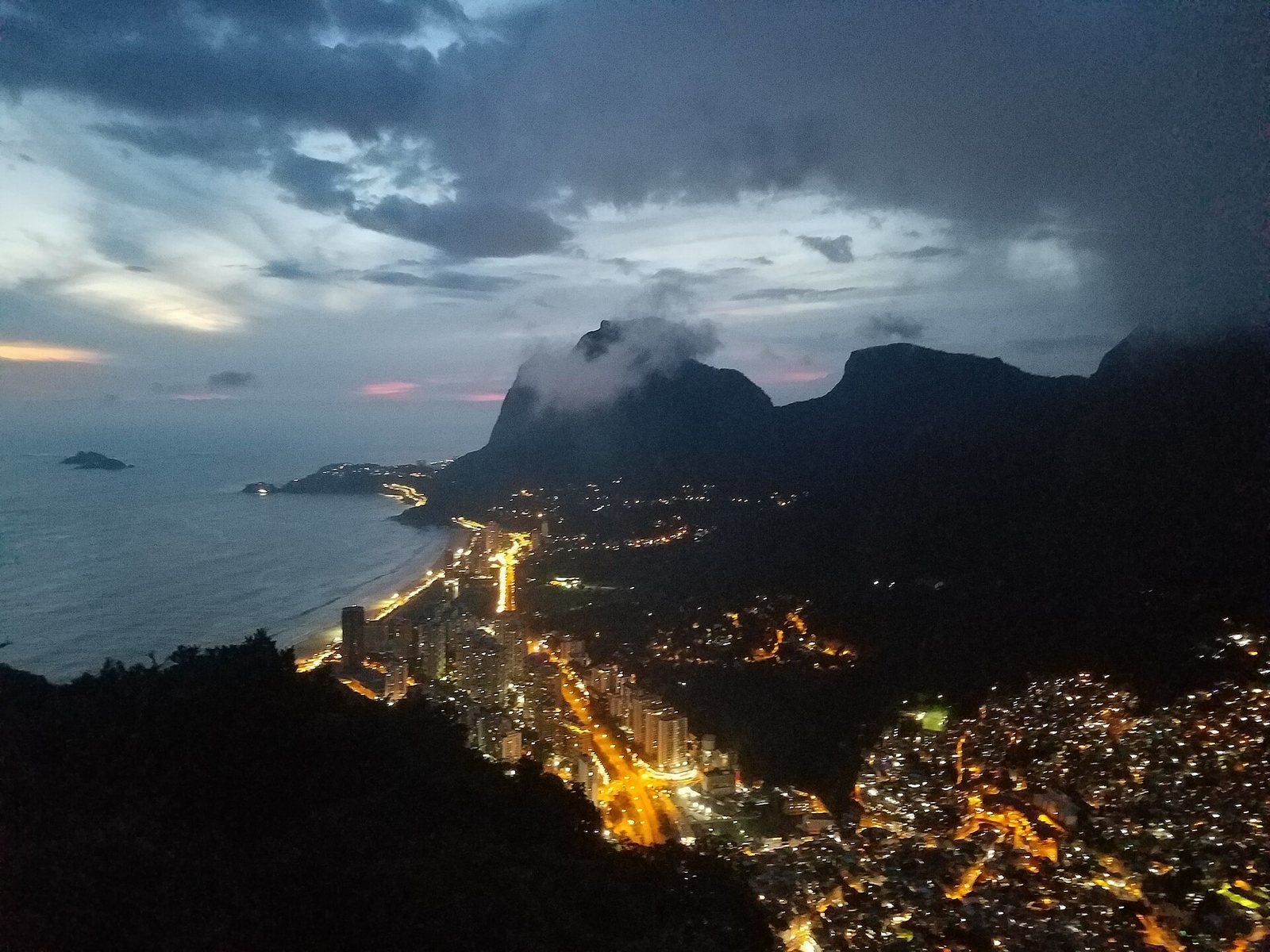 Morro dois irmaos hike view 1 · Sereia apaixonada · CC BY-SA 4.0 · cropped
Rio de Janeiro · Vol. 2 · No. 09 · September 2026
Rio: On the Sand or a Street Back
Choosing a neighbourhood in Rio de Janeiro shapes the entire trip, dictating beach access, quiet, views, and price.
Morro dois irmaos hike view 1 · Sereia apaixonada · CC BY-SA 4.0 · cropped
Rio de Janeiro · Vol. 2 · No. 09 · September 2026
Rio: On the Sand or a Street Back
Choosing a neighbourhood in Rio de Janeiro shapes the entire trip, dictating beach access, quiet, views, and price.
-
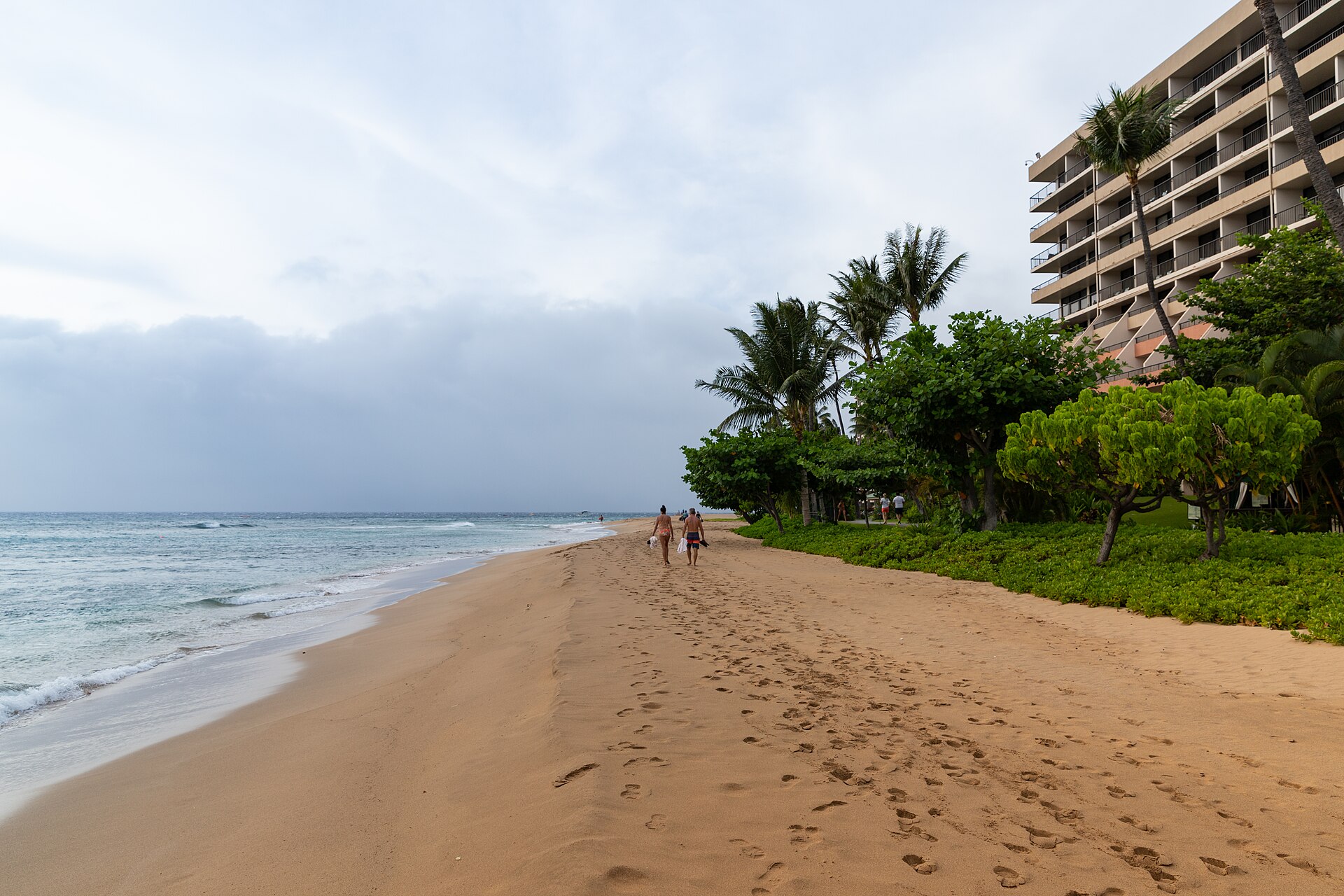 Ka'anapali Beach, Maui, Hawai'i · Rick Obst · CC BY 4.0 · cropped
Maui · Vol. 2 · No. 08 · August 2026
Maui Coasts: Where to Sleep
Deciding on South Maui or West Maui makes all the difference for a first trip, with options from value condos to full-service resorts.
Ka'anapali Beach, Maui, Hawai'i · Rick Obst · CC BY 4.0 · cropped
Maui · Vol. 2 · No. 08 · August 2026
Maui Coasts: Where to Sleep
Deciding on South Maui or West Maui makes all the difference for a first trip, with options from value condos to full-service resorts.
-
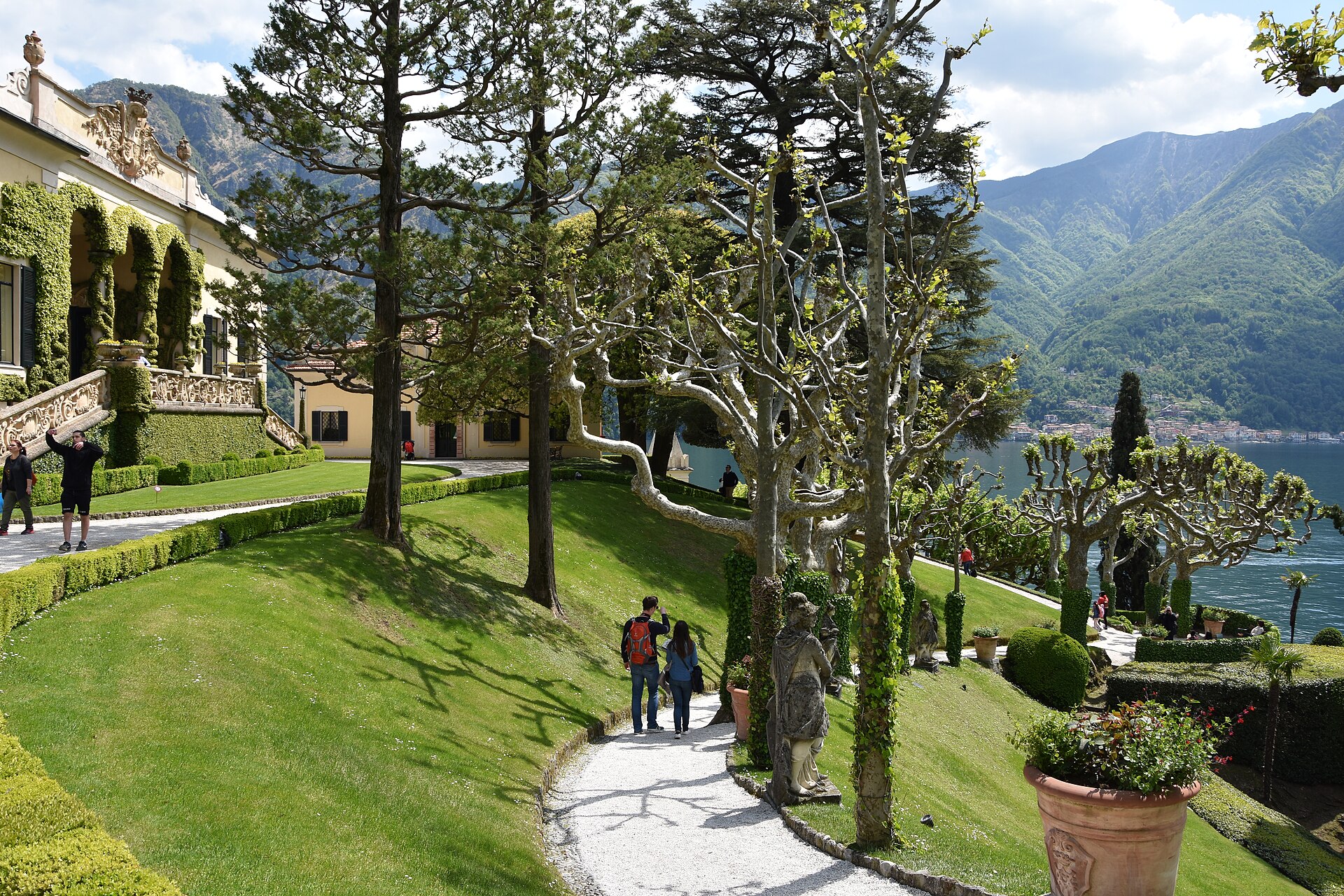 Lenno - Villa del Balbianello 0613 · Phyrexian · CC BY-SA 4.0 · cropped
Lake Como · Vol. 2 · No. 07 · July 2026
Lake Como: Which Town
The choice of your Lake Como base shapes your entire trip, from morning views to evening calm and how easily you move between villages.
Lenno - Villa del Balbianello 0613 · Phyrexian · CC BY-SA 4.0 · cropped
Lake Como · Vol. 2 · No. 07 · July 2026
Lake Como: Which Town
The choice of your Lake Como base shapes your entire trip, from morning views to evening calm and how easily you move between villages.
The columns, every month.
One considered letter when a new issue lands: the cover story, the four columns, and the month's news.
Comments