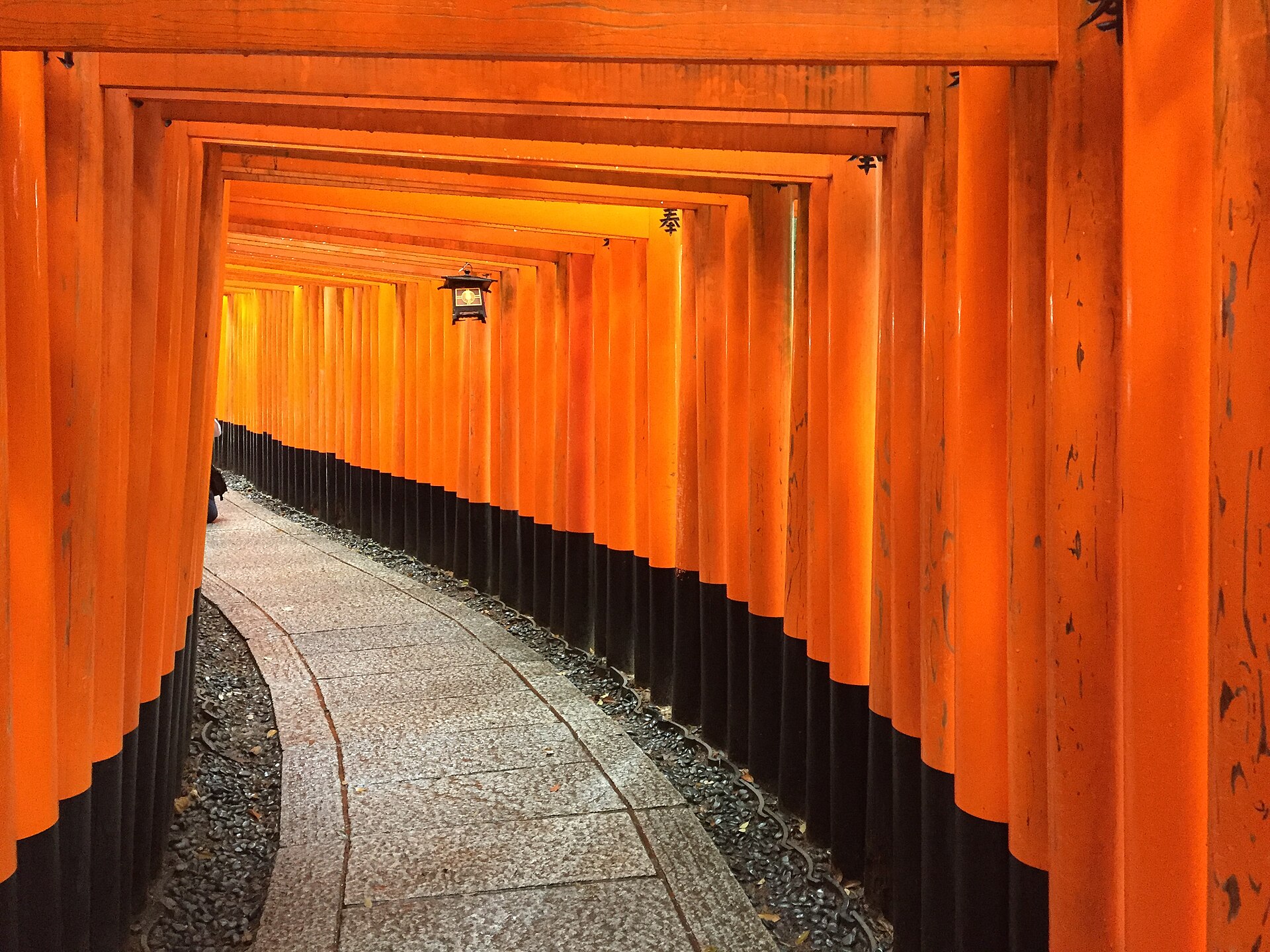
2018 Senbon Torii path · PLBechly · CC BY-SA 4.0 · cropped
Kyoto Kaiseki: Planning Counter Meals
Kyoto’s seasonal tasting menus are worth building a day around, but the best small counters book out weeks ahead; decide early or aim for lunch.
Kyoto’s formal high cuisine, kaiseki, is a long procession of small, seasonal courses. This is a meal worth building a day around, and for many, it is the centrepiece of a trip. The experience often happens at a counter, where diners watch chefs assemble dishes. This intimacy and attention means the best rooms book out far ahead, sometimes weeks, especially for dinner. Planning for these meals requires a decision early in the trip’s organisation, or a willingness to adjust expectations.
The most celebrated kaiseki rooms are often found in traditional inns. Hiiragiya, founded in 1818, and Tawaraya, which has run for close to three centuries, are two storied examples known for kaiseki served privately in your room. While these offer a distinct experience, many other establishments focus solely on the meal. If securing a specific counter for dinner proves difficult, consider a lunch reservation. Many top kitchens offer a condensed version of their evening menu at a more accessible price point and with greater availability. This allows for a taste of the formal cuisine without the pressure of a months-ahead booking.
Kyoto’s food is quieter and more seasonal than Osaka’s, reflecting a city that does not reveal itself to people in a hurry. The rhythm of meals here rewards planning, much like visiting the temples at dawn. Beyond formal kaiseki, the city offers other culinary experiences. Obanzai, the home-style cooking of Kyoto, is served at counters along Pontocho and the side streets of Gion. Nishiki Market, downtown between Teramachi and Karasuma, offers a different kind of graze. Its hundred and twenty stalls sell pickles, sweets, tofu, and skewers. The local courtesy there is to eat what you buy at or beside the stall, rather than walking and eating through the crowd.
Booking ahead is a hard rule for anything truly sought after in Kyoto, and this applies particularly to kaiseki. The best small places are not walk-in. If your visit coincides with cherry blossom season, from late March through mid-April, or fall colour, from mid-November into early December, competition for reservations will be at its peak. The city is at its most beautiful and its most crowded at once during these times. A hotel or ryokan can often book a kaiseki room for you, which can be a valuable service. Remember to tell the inn about any allergies or dietary limits when you book, not upon arrival.
From Vol. 1 · No. 04 · April 2025, The Blossom Issue. The cover story is Where to Stay in Kyoto. Details change; confirm specifics with the property before you travel.
More from the column
-
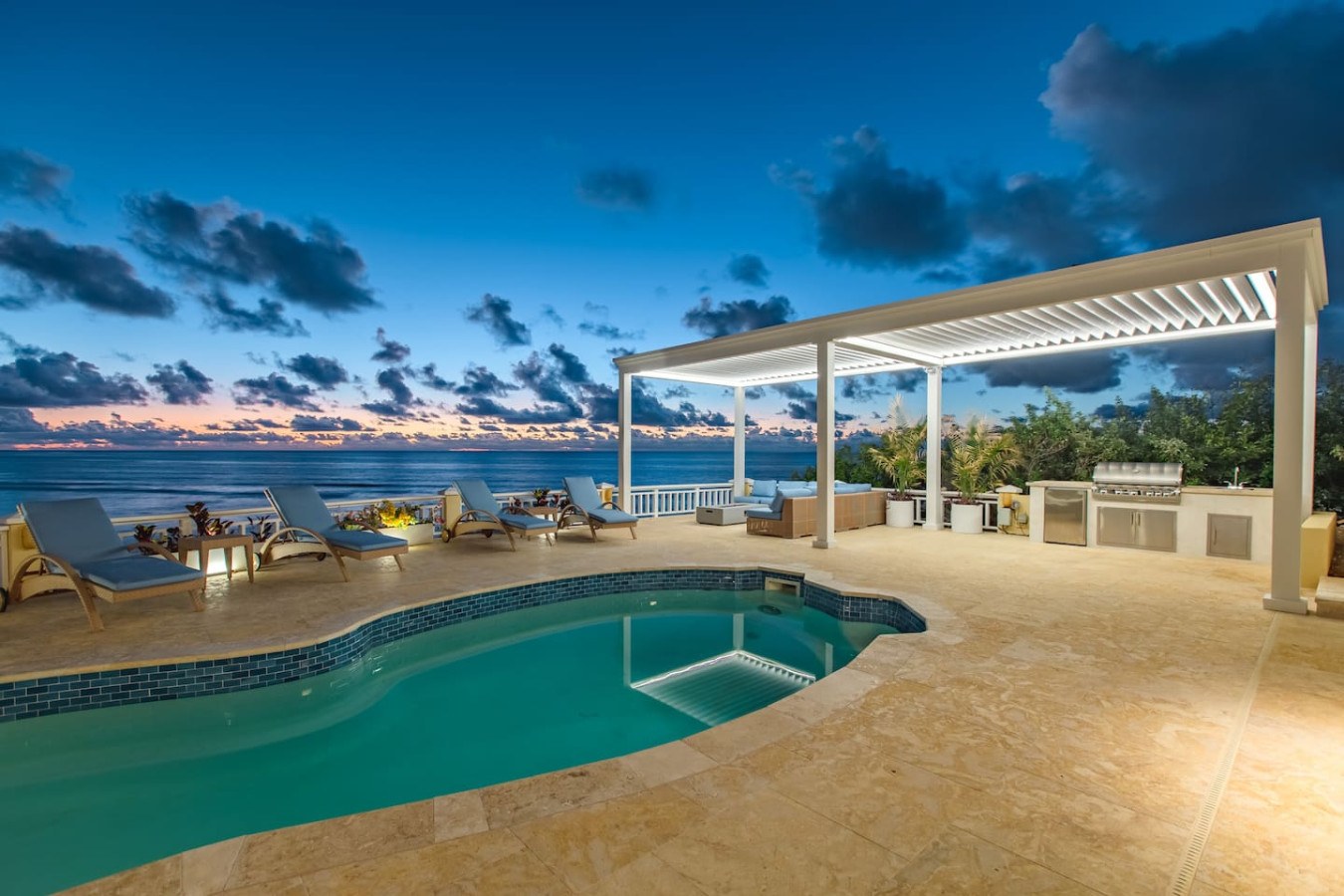 St. Croix · Vol. 2 · No. 10 · October 2026
Crucian Cooking, Johnnycakes and Chicken
On St. Croix, the local rhythm of meals features fried bread, savoury pâtés, and the island's celebrated spit-roast chicken.
St. Croix · Vol. 2 · No. 10 · October 2026
Crucian Cooking, Johnnycakes and Chicken
On St. Croix, the local rhythm of meals features fried bread, savoury pâtés, and the island's celebrated spit-roast chicken.
-
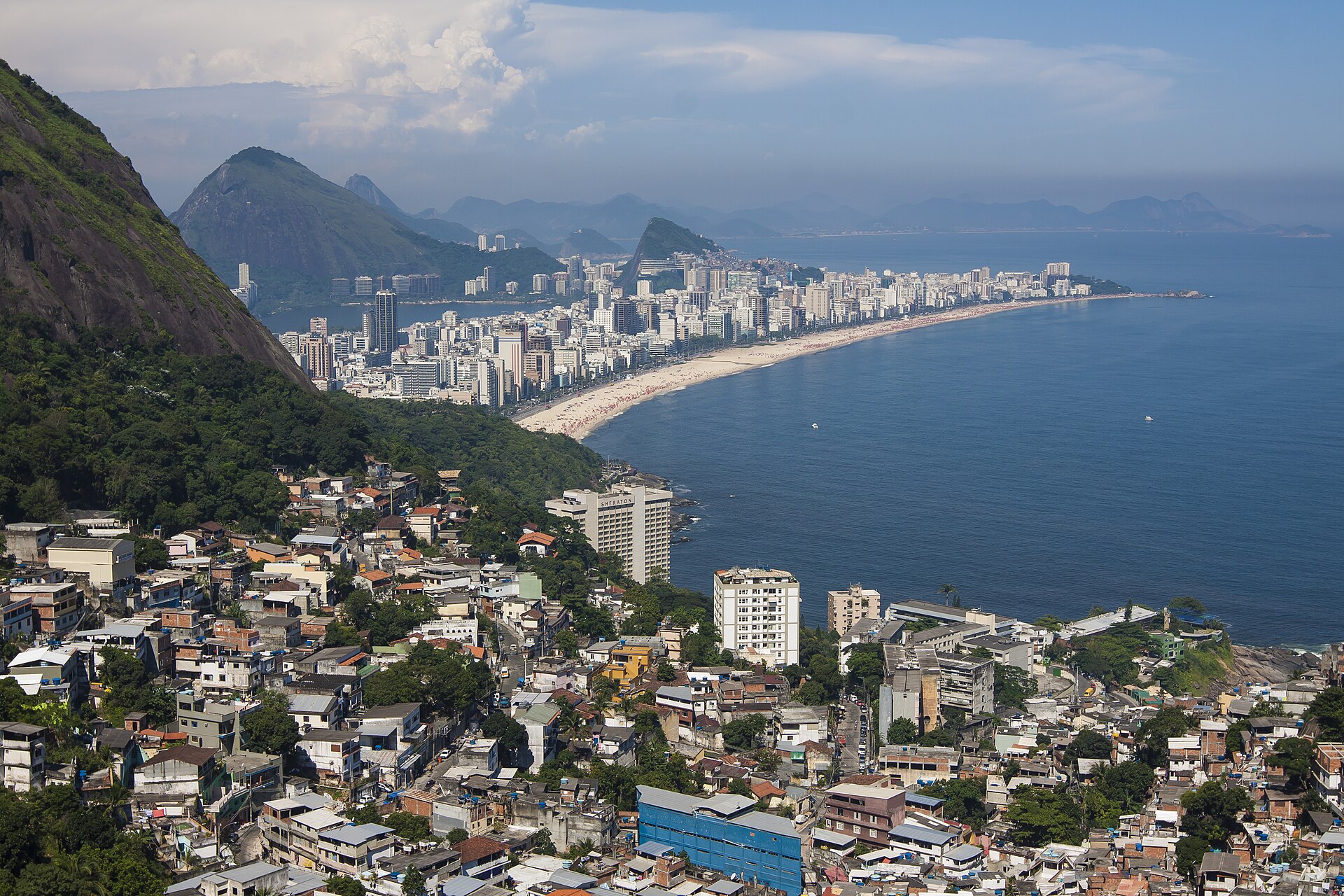 Rio de Janeiro · Vol. 2 · No. 09 · September 2026
Rio Eating: Boteco, Feijoada, Beach
Learn Rio's rhythm of meals, from corner bars and Saturday stews to beach vendors and late dinners in Botafogo.
Rio de Janeiro · Vol. 2 · No. 09 · September 2026
Rio Eating: Boteco, Feijoada, Beach
Learn Rio's rhythm of meals, from corner bars and Saturday stews to beach vendors and late dinners in Botafogo.
-
 Rice terraces, Bali · Vyacheslav Argenberg · CC BY 4.0 · cropped
Bali · Vol. 2 · No. 06 · June 2026
Eating Bali: Warung to Cliff
Experience the island's diverse dining, from affordable family-run warungs to dramatic cliff-edge restaurants on the Bukit Peninsula.
Rice terraces, Bali · Vyacheslav Argenberg · CC BY 4.0 · cropped
Bali · Vol. 2 · No. 06 · June 2026
Eating Bali: Warung to Cliff
Experience the island's diverse dining, from affordable family-run warungs to dramatic cliff-edge restaurants on the Bukit Peninsula.
-
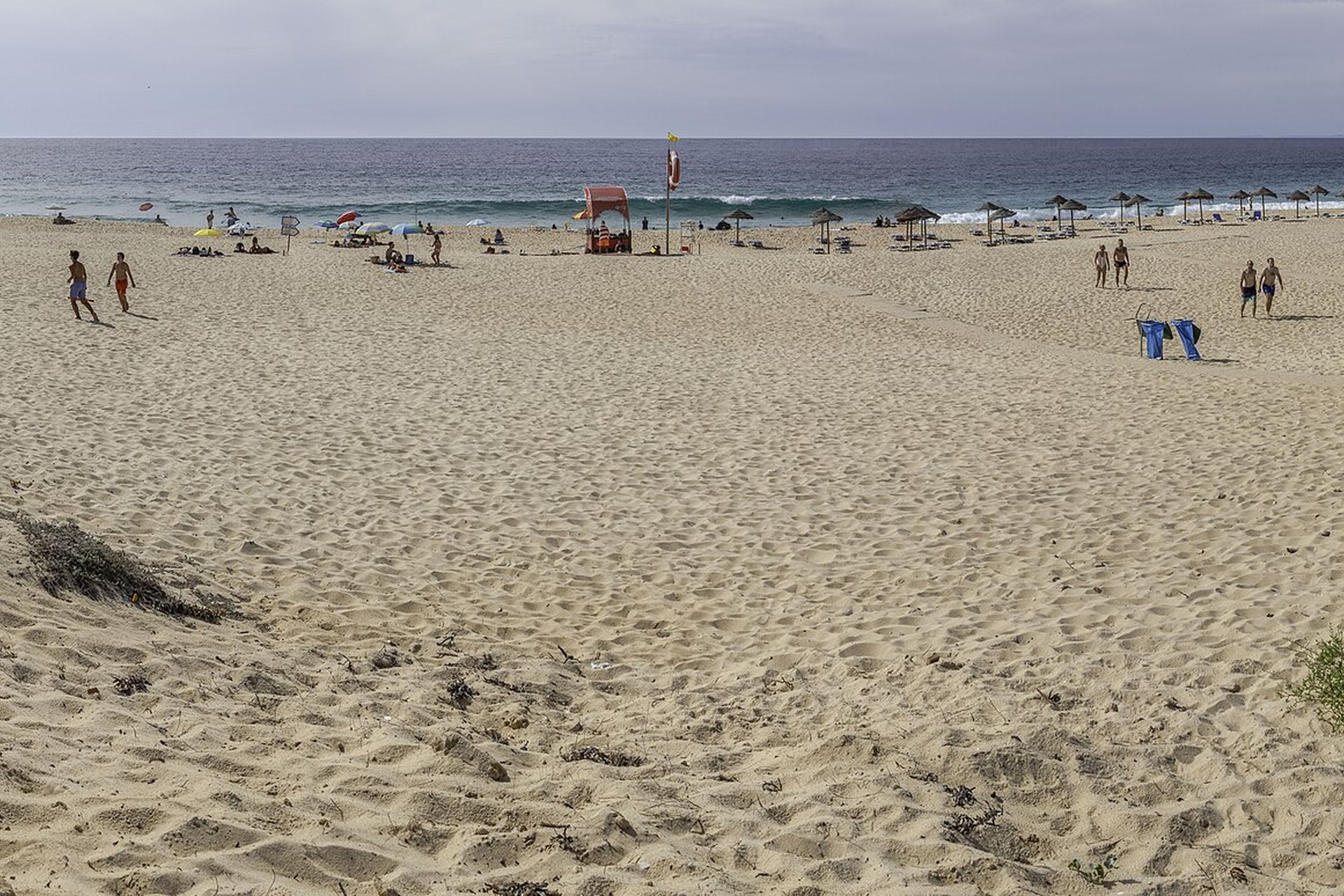 Playa de Comporta, Portugal, 2021-09-12, DD 15-26 PAN · Diego Delso · CC BY-SA 4.0 · cropped
Comporta · Vol. 2 · No. 05 · May 2026
Comporta Meals Shack and Pine
The Comporta coast offers two distinct dining experiences: barefoot beach lunches and quiet, lantern-lit dinners among the pines.
Playa de Comporta, Portugal, 2021-09-12, DD 15-26 PAN · Diego Delso · CC BY-SA 4.0 · cropped
Comporta · Vol. 2 · No. 05 · May 2026
Comporta Meals Shack and Pine
The Comporta coast offers two distinct dining experiences: barefoot beach lunches and quiet, lantern-lit dinners among the pines.

The columns, every month.
One considered letter when a new issue lands: the cover story, the four columns, and the month's news.
Comments