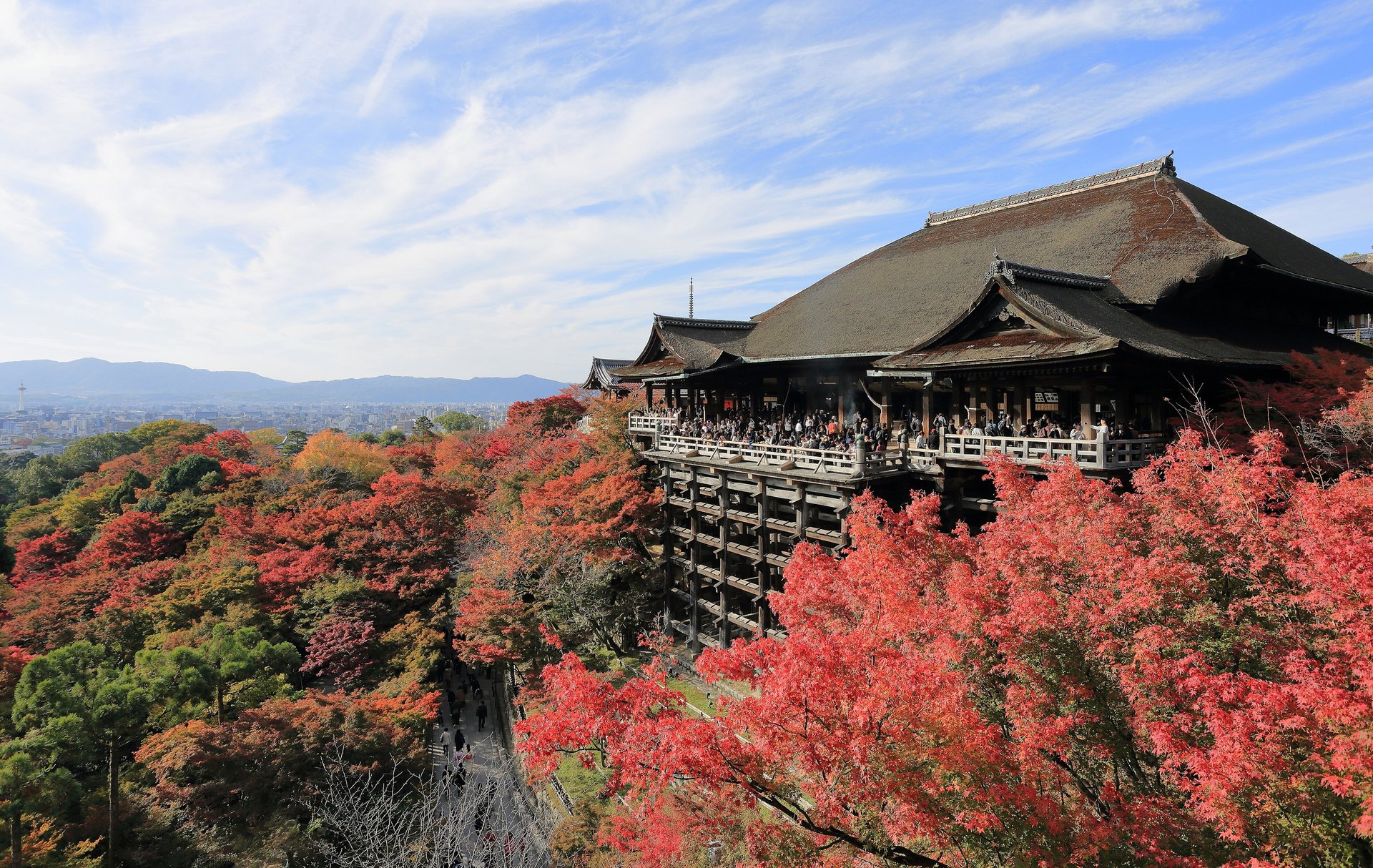
Kiyomizu-dera, Kyoto, November 2016 -01 · Martin Falbisoner · CC BY-SA 4.0 · cropped
North to Ohara
When the city's temples fill with visitors, Ohara's moss gardens and hillsides offer quiet a short journey from Kyoto's centre.
The first week of April in Kyoto often means the city is completely full. The cherry blossoms draw visitors from across the world, and the famous temples, from Kiyomizu-dera to Fushimi Inari Taisha, become shoulder to shoulder with people early in the day. This is the Kyoto many come to see, vibrant and grand, but it can also be a demanding experience. To find a different kind of calm, a day trip north offers a useful change of pace. Ohara, a village about half an hour from the city, provides a quiet counterpoint to the busy centre, a place where the day slows down.
Ohara is known for its moss gardens and hillsides, a landscape of green and muted tones that feels distinct from the urban sprawl. The village still features thatched farmhouses, preserving a character that speaks of an older Japan. This is not a place of grand, gilded pavilions or dramatic torii gates, the kind that define so much of central Kyoto's appeal. Instead, it offers a day of gentler beauty and open space, a chance to slow down and simply be. The quiet here is the point; it is the kind of place where the sound of the wind through the trees or the distant call of a bird is the most notable event, rather than the murmur of a crowd.
Getting to Ohara is straightforward, despite its removed feel. The journey from central Kyoto takes approximately thirty minutes, making it an easy half-day or full-day excursion. While specific routes and bus numbers are best confirmed locally, the city's comprehensive bus network is the workhorse for reaching nearly every temple and outlying area. An IC card like ICOCA or Suica makes tapping on and off buses and trains easy, removing the need for cash fares on transit. As with any popular spot in Kyoto, aiming for an early start, perhaps departing before nine in the morning, is wise. This maximises the quieter hours in Ohara itself, allowing for a more reflective experience before any midday visitors arrive.
Once there, the day in Ohara unfolds at a different rhythm. Instead of rushing between famous landmarks, the focus shifts to unhurried walks through the gardens and along the rural paths. There is space to simply sit and observe, perhaps with a cup of local tea. Seek out a simple lunch at one of the local spots, which often serve regional specialities. This is a day for observation rather than collection, for experiencing the atmosphere and allowing the landscape to work its subtle effect. Returning to Kyoto in the late afternoon, you will find the city's energy again, but with the memory of a day spent in relative peace, a valuable contrast to the April crowds and a reminder of Kyoto's varied character.
From Vol. 1 · No. 04 · April 2025, The Blossom Issue. The cover story is Where to Stay in Kyoto. Details change; confirm specifics with the property before you travel.
More from the column
-
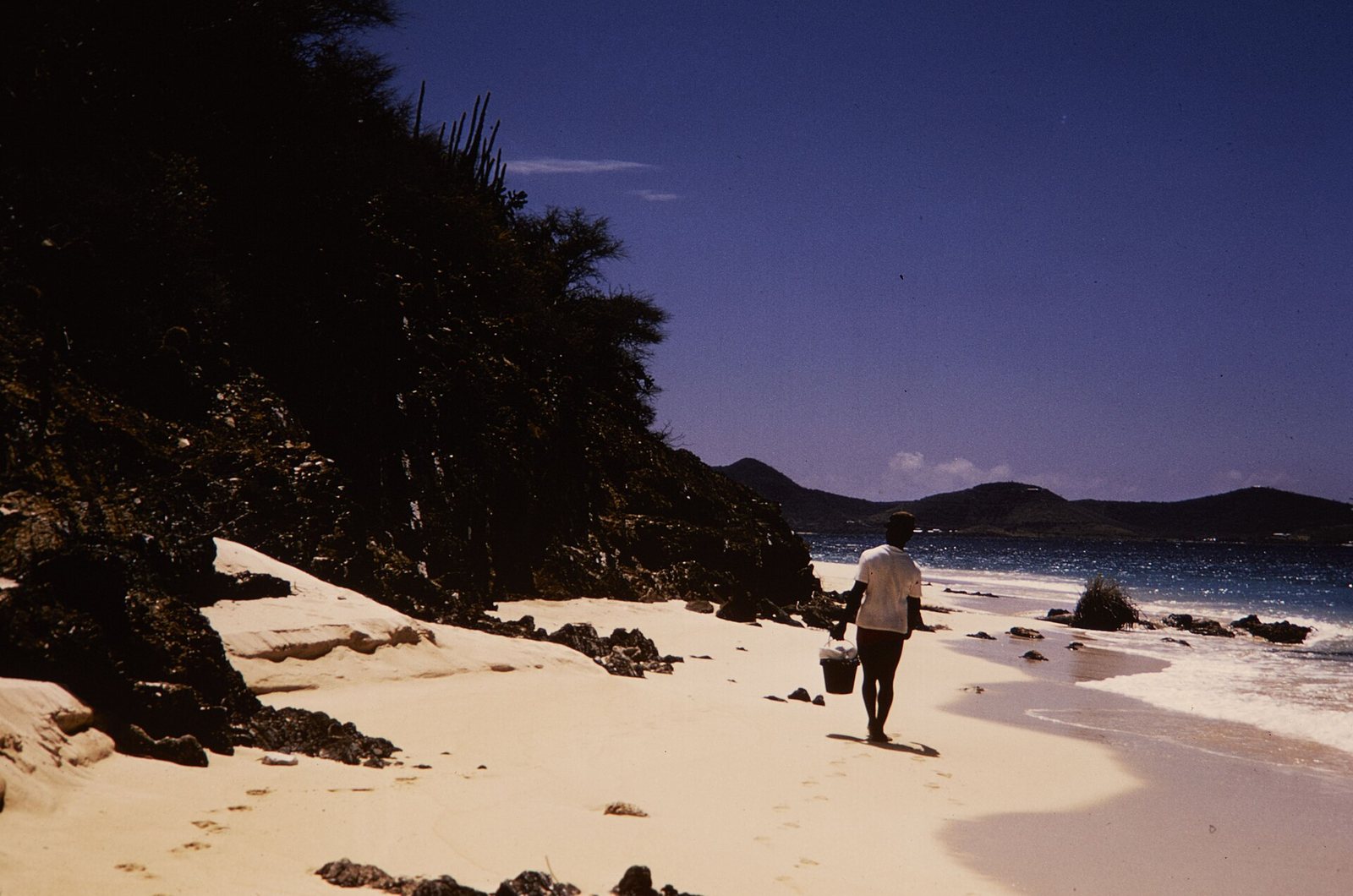 St. Croix · Vol. 2 · No. 10 · October 2026
Buck Island: St. Croix’s Reef Monument
A boat trip to Buck Island Reef National Monument offers an underwater snorkel trail and a stop at Turtle Beach.
St. Croix · Vol. 2 · No. 10 · October 2026
Buck Island: St. Croix’s Reef Monument
A boat trip to Buck Island Reef National Monument offers an underwater snorkel trail and a stop at Turtle Beach.
-
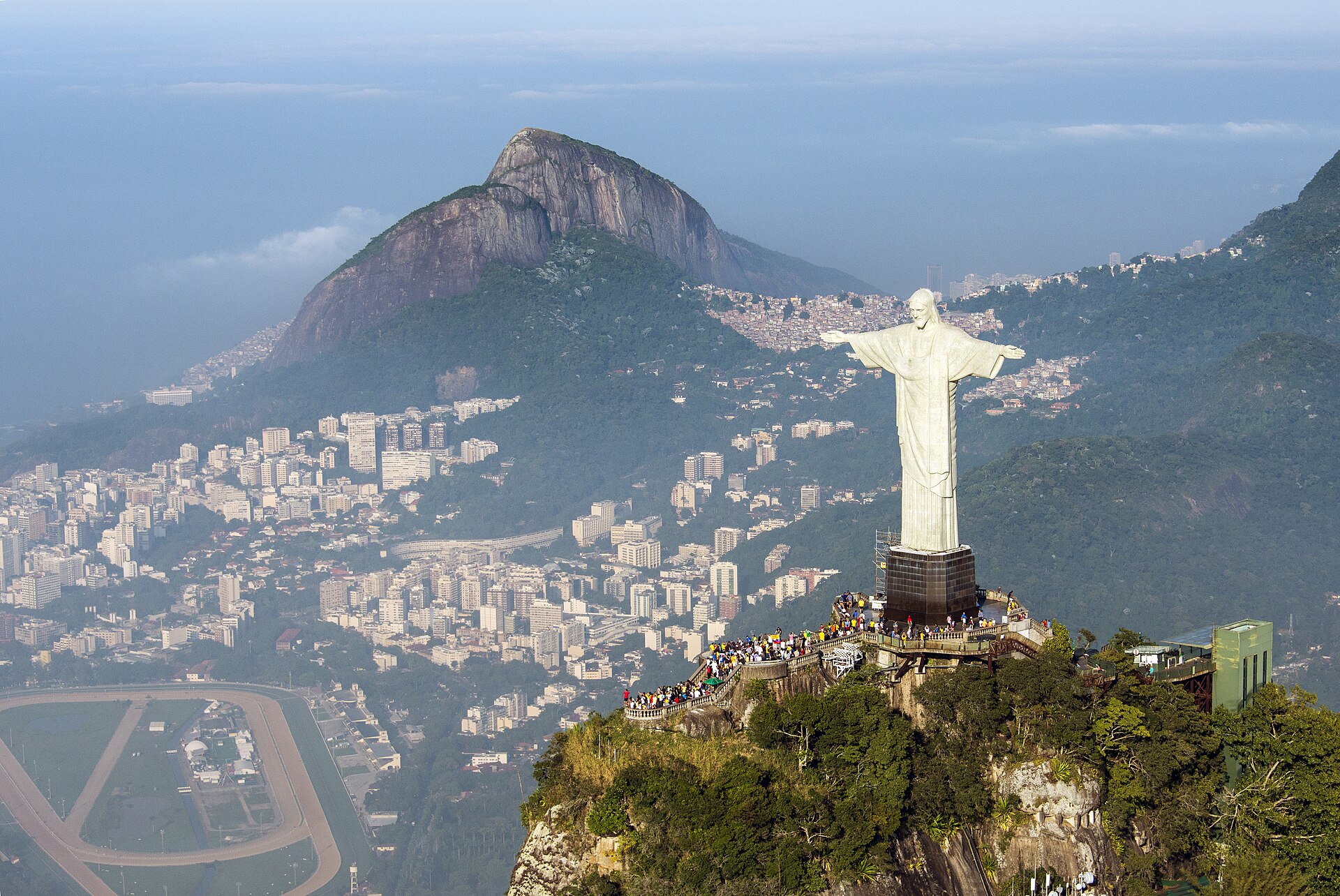 1 cristor redentor 2014 · Chensiyuan · CC BY-SA 4.0 · cropped
Rio de Janeiro · Vol. 2 · No. 09 · September 2026
Rio's Clear-Day Ascents
Plan two essential Rio climbs around the weather for views of the city and coast.
1 cristor redentor 2014 · Chensiyuan · CC BY-SA 4.0 · cropped
Rio de Janeiro · Vol. 2 · No. 09 · September 2026
Rio's Clear-Day Ascents
Plan two essential Rio climbs around the weather for views of the city and coast.
-
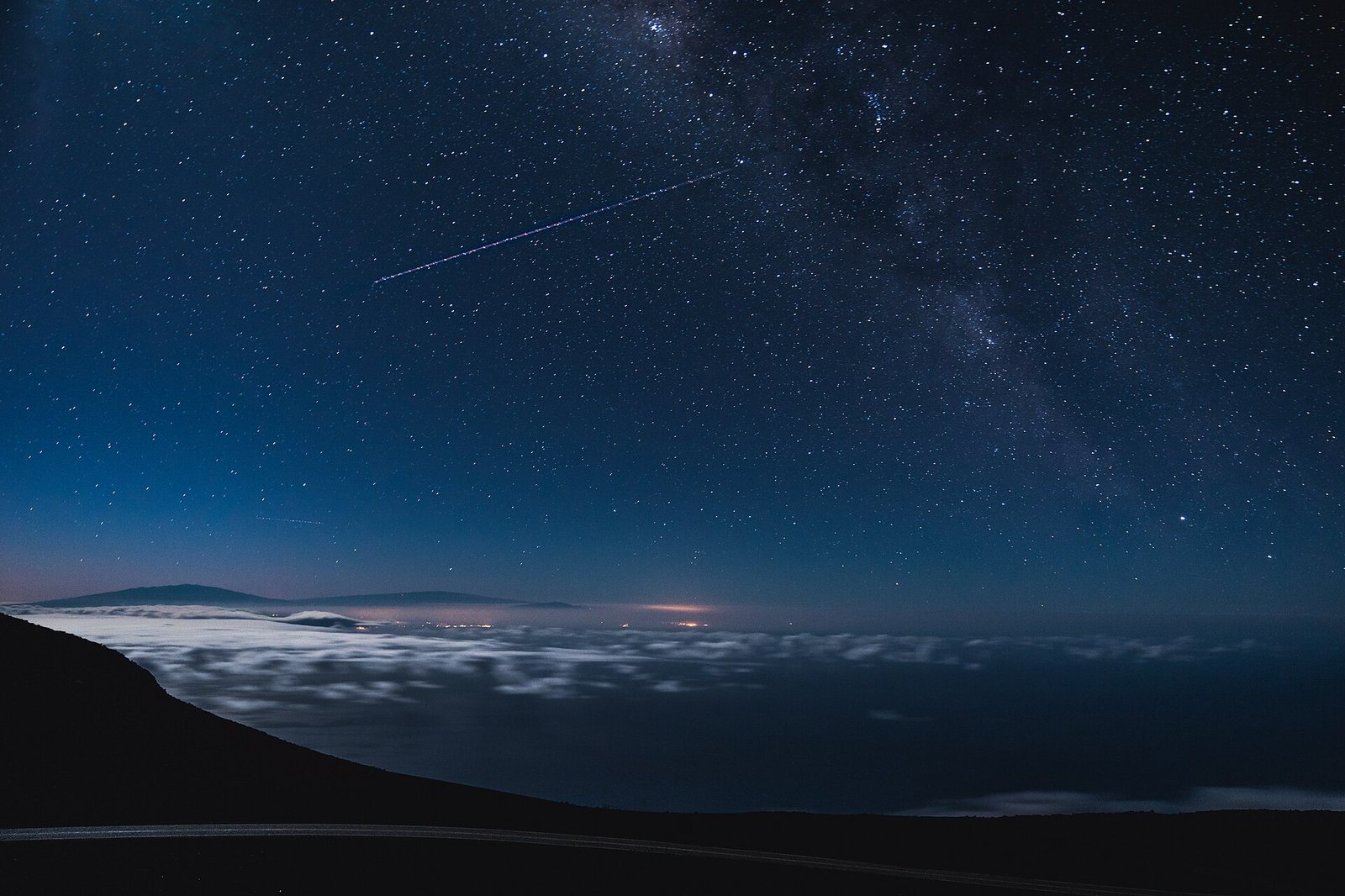 Maui · Vol. 2 · No. 08 · August 2026
Maui's Two Big Drives
Maui's two signature drives, Haleakalā's summit and the Road to Hāna, are full days out, each requiring early starts and a full tank.
Maui · Vol. 2 · No. 08 · August 2026
Maui's Two Big Drives
Maui's two signature drives, Haleakalā's summit and the Road to Hāna, are full days out, each requiring early starts and a full tank.
-
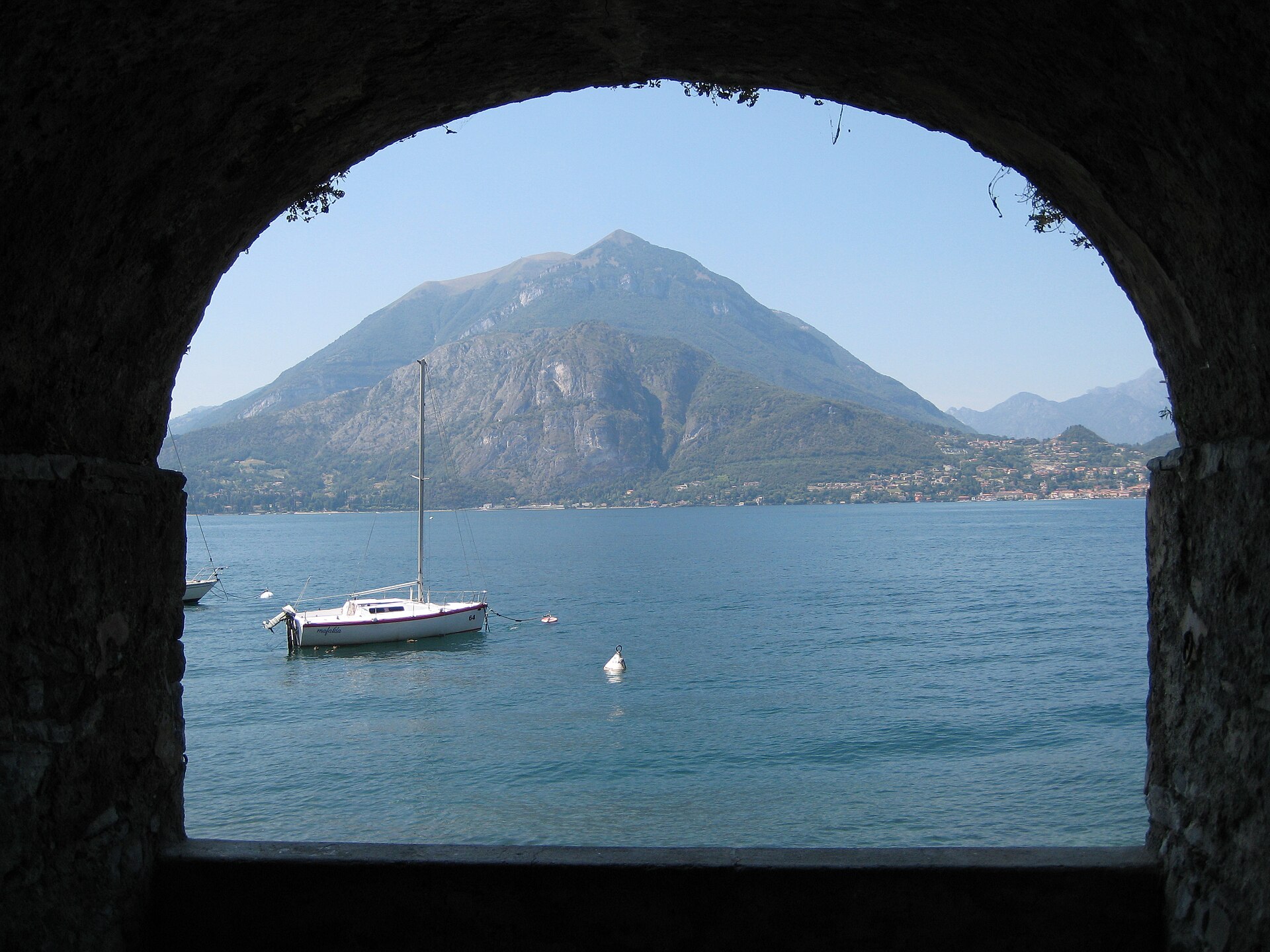 Lake Como from Varenna 01 · Aconcagua · CC BY-SA 3.0 · cropped
Lake Como · Vol. 2 · No. 07 · July 2026
Western Shore Gardens
Leaving your base for a boat day to Villa del Balbianello and Villa Carlotta reveals the cultivated beauty of Lake Como's western shore.
Lake Como from Varenna 01 · Aconcagua · CC BY-SA 3.0 · cropped
Lake Como · Vol. 2 · No. 07 · July 2026
Western Shore Gardens
Leaving your base for a boat day to Villa del Balbianello and Villa Carlotta reveals the cultivated beauty of Lake Como's western shore.
The columns, every month.
One considered letter when a new issue lands: the cover story, the four columns, and the month's news.
Comments