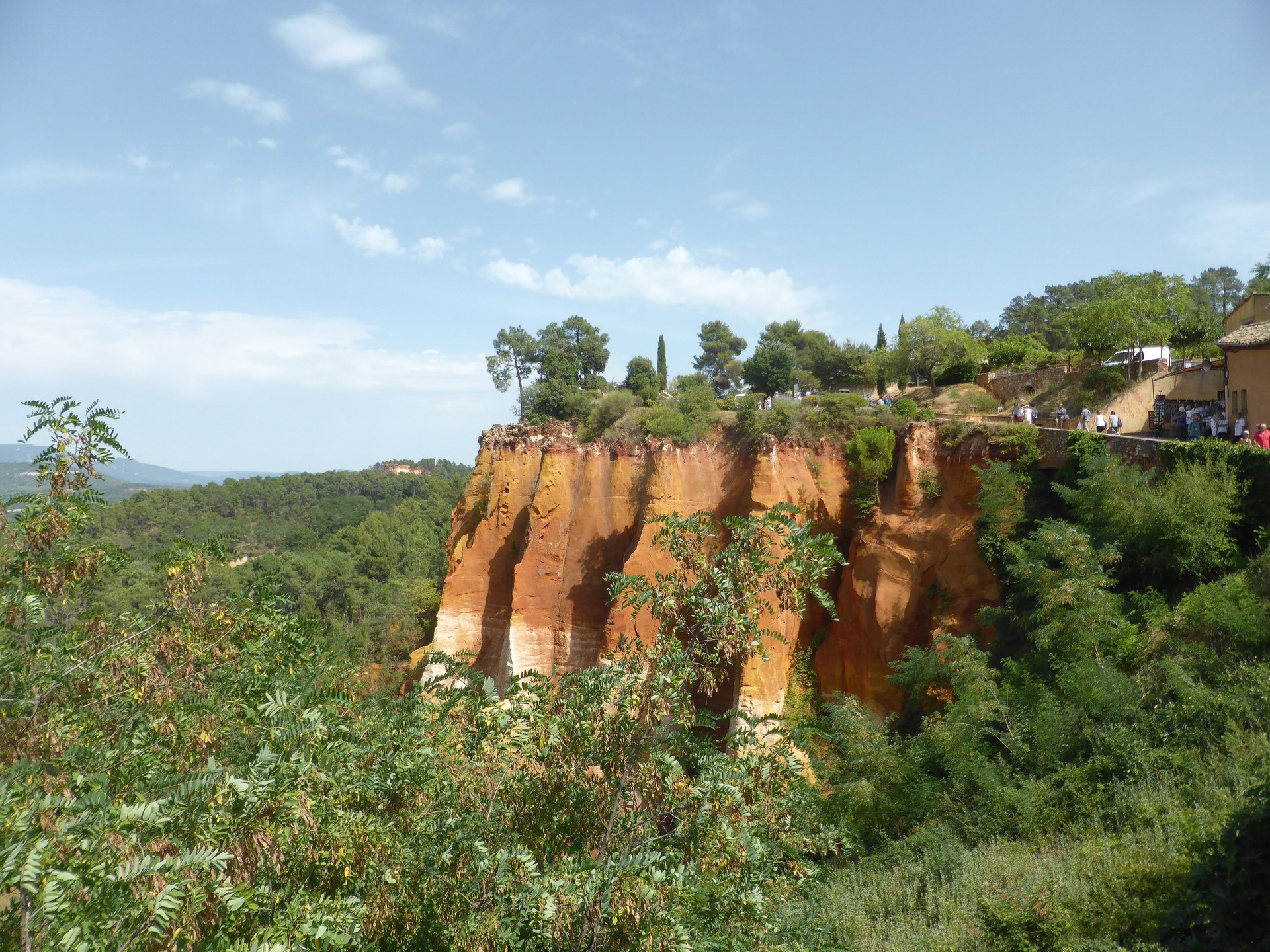
Roussillon sentier ocres1 · Jacques Le Letty · CC BY-SA 4.0 · cropped
Your Mas in Provence
A restored farmhouse with a pool and a view is the classic Provence stay, offering independence and a base for exploring the Luberon.
A restored farmhouse with a pool and a view of vines or the Luberon is the quintessential Provence stay. This particular kind of lodging, known as a mas, offers quiet and space, making it a classic choice for those seeking to immerse themselves in the region. Many have been converted into rentals or small hotels, often thick-walled stone buildings with courtyards and cypress trees. Choosing a mas means embracing a little self-sufficiency. You will want a kitchen for preparing meals with market finds, and crucially, you will want a car. This independence is the point: a mas turns a holiday into the experience of living somewhere for a while, providing a base for exploring the Luberon hill villages and the wider countryside.
The Luberon itself is a range of low mountains and a protected regional park, home to villages like Bonnieux, Ménerbes, and Gordes. From a base in a mas near one of these, one can reach Avignon, Arles, or the wine country around Châteauneuf-du-Pape on manageable day drives. Provence rewards people who pick one base and drive out from it; the distances are short and the roads are pretty. This approach lets one enjoy slow mornings, perhaps coffee in a village square, before setting off to explore the ochre cliffs of Roussillon or the Cistercian Abbaye de Sénanque, which usually flowers around late June into July. A mas provides the calm return after a day of driving between these distinct places.
Practicalities for a mas stay differ from a city hotel. Air conditioning is not a given in old stone buildings, so confirm it if coming in summer, when July and August routinely reach the mid-30s Celsius. The best places, especially in and around the famous villages, book months ahead for June through August. As for the car, village lanes are narrow, and historic centers are often closed to vehicles, meaning parking is usually outside the walls. Request an automatic transmission early if one does not drive stick, because manuals are the default here. The shoulder season of May and June offers warm days, working markets, and thinner crowds, allowing for a more relaxed pace before the peak heat and busiest period.
Days from a mas will often revolve around the local markets. L'Isle-sur-la-Sorgue, a canal town, holds its large market on Sundays, with a smaller one on Thursdays, and is also known for its antiques. Arles runs a substantial market on Wednesday and Saturday mornings. One can gather a wedge of local goat cheese, some fresh produce, and a bottle of rosé for an afternoon by the pool. Beyond the markets, drive south to the Camargue, a flat delta known for its pink flamingos and white horses, for a completely different landscape. Or head to the Alpilles for the dramatic clifftop village of Les Baux-de-Provence and the Roman site of Glanum near Saint-Rémy-de-Provence.
When ready to book a mas, confirm the exact distance to the nearest village. Some rentals offer deep quiet, but a short drive to bread and wine makes for an easier daily rhythm. This single detail can shape an entire stay, determining how much one feels truly part of a village’s life versus simply observing it from afar.
From Vol. 1 · No. 05 · May 2025, The Spring Issue. The cover story is Where to Stay in Provence. Details change; confirm specifics with the property before you travel.
More from the column
-
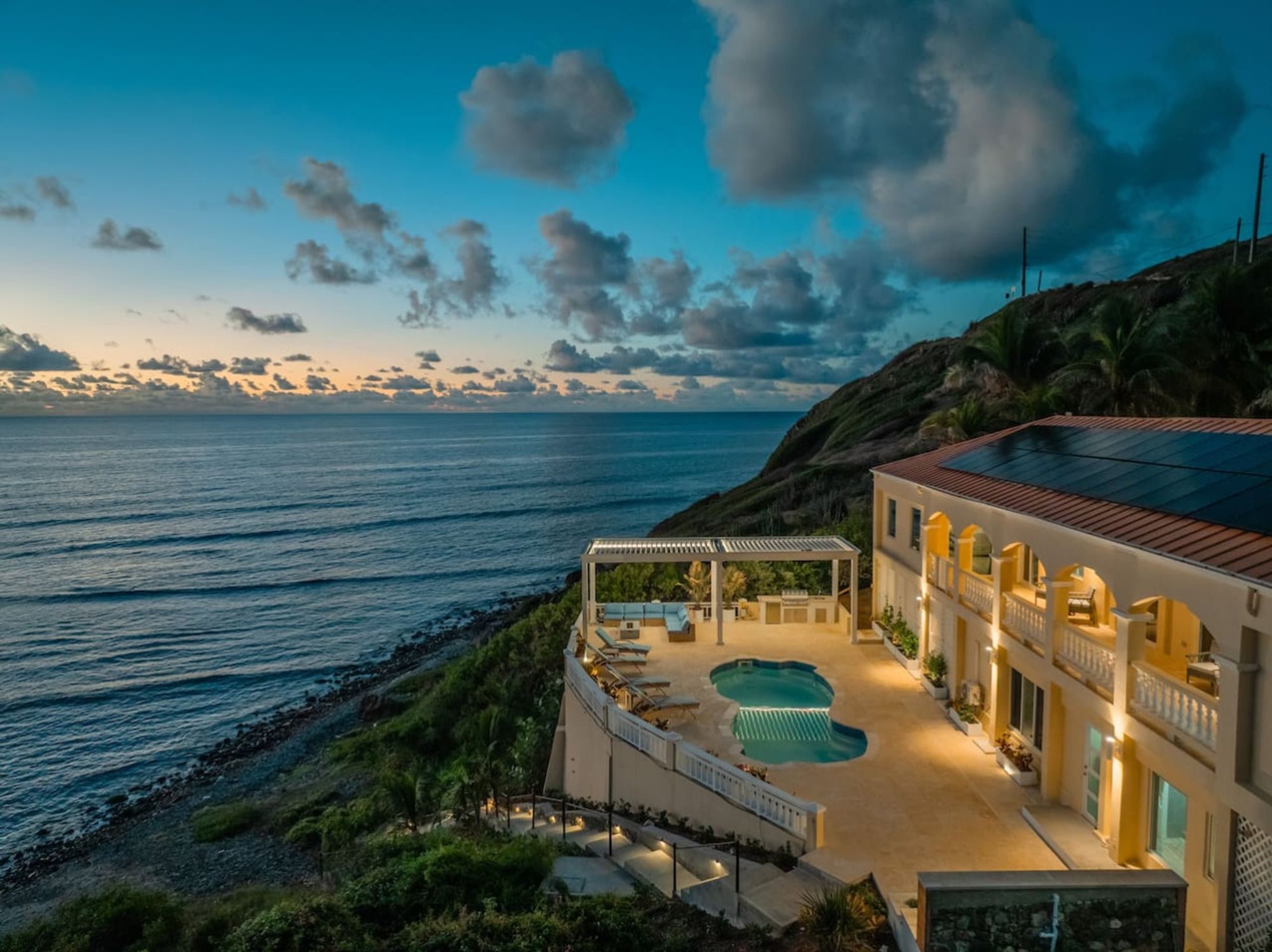
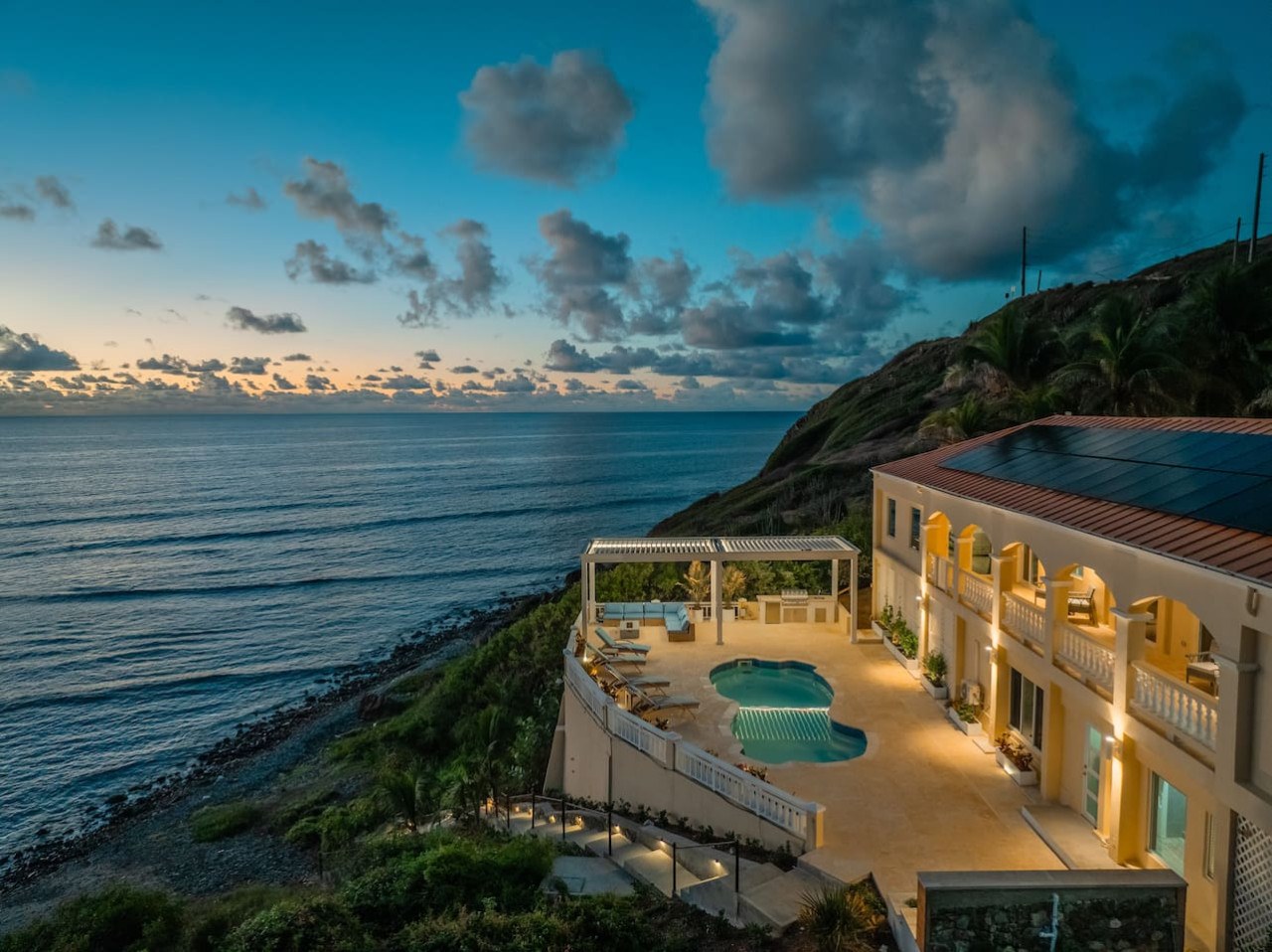 St. Croix · Vol. 2 · No. 10 · October 2026
St. Croix: Where To Sleep
On St. Croix, the place you stay shapes the days, whether it is a town, a condo resort, or a private villa.
St. Croix · Vol. 2 · No. 10 · October 2026
St. Croix: Where To Sleep
On St. Croix, the place you stay shapes the days, whether it is a town, a condo resort, or a private villa.
-
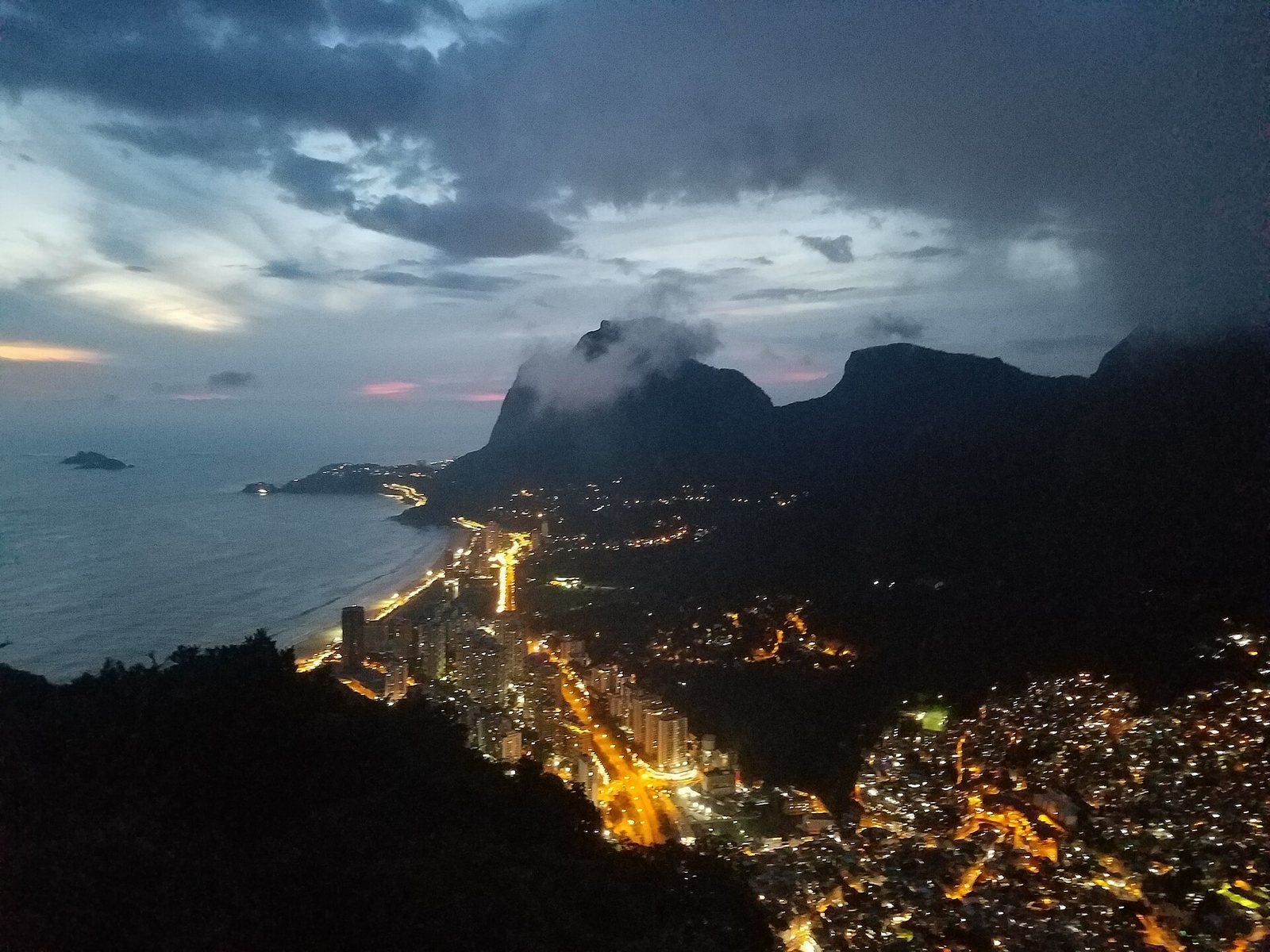 Morro dois irmaos hike view 1 · Sereia apaixonada · CC BY-SA 4.0 · cropped
Rio de Janeiro · Vol. 2 · No. 09 · September 2026
Rio: On the Sand or a Street Back
Choosing a neighbourhood in Rio de Janeiro shapes the entire trip, dictating beach access, quiet, views, and price.
Morro dois irmaos hike view 1 · Sereia apaixonada · CC BY-SA 4.0 · cropped
Rio de Janeiro · Vol. 2 · No. 09 · September 2026
Rio: On the Sand or a Street Back
Choosing a neighbourhood in Rio de Janeiro shapes the entire trip, dictating beach access, quiet, views, and price.
-
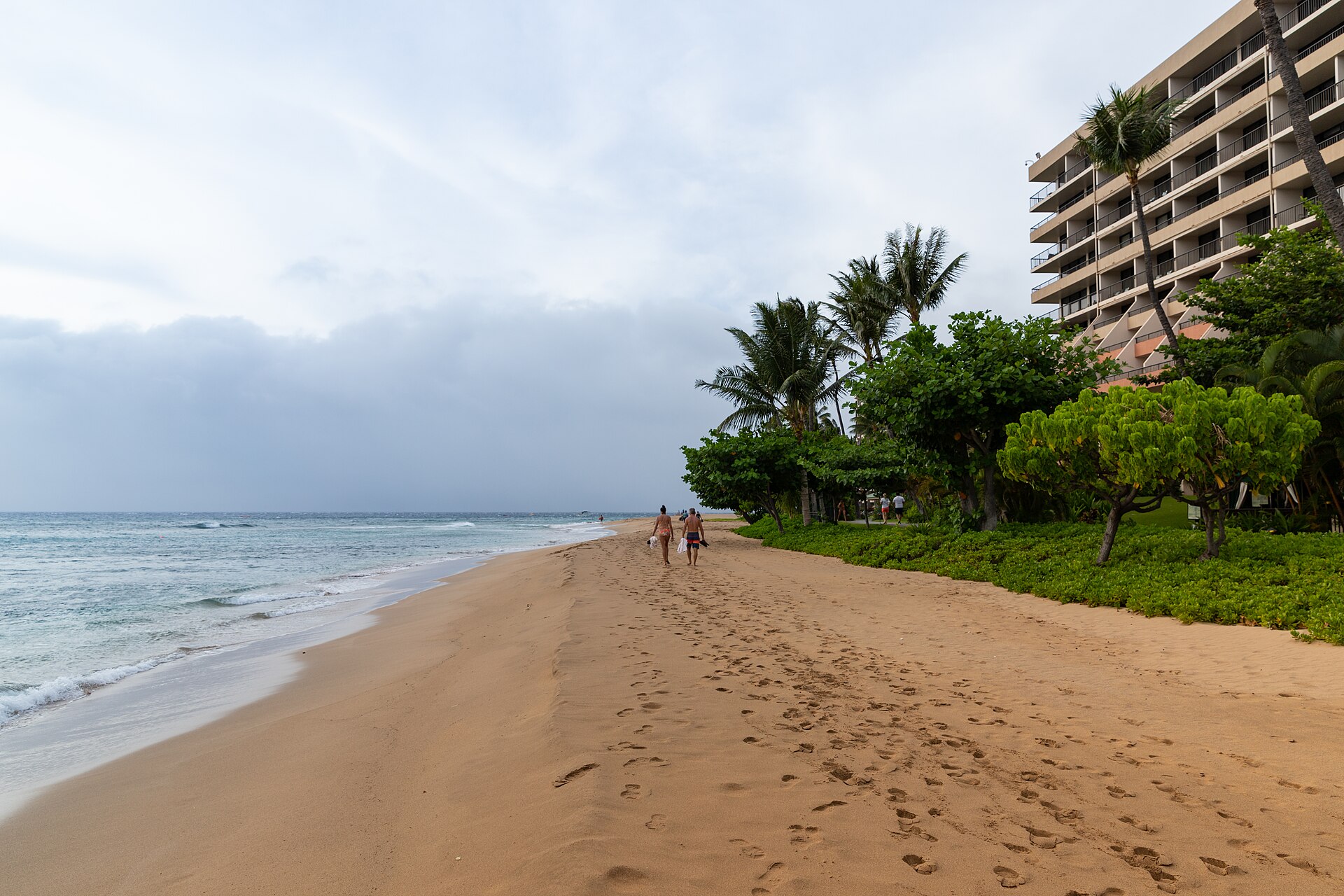 Ka'anapali Beach, Maui, Hawai'i · Rick Obst · CC BY 4.0 · cropped
Maui · Vol. 2 · No. 08 · August 2026
Maui Coasts: Where to Sleep
Deciding on South Maui or West Maui makes all the difference for a first trip, with options from value condos to full-service resorts.
Ka'anapali Beach, Maui, Hawai'i · Rick Obst · CC BY 4.0 · cropped
Maui · Vol. 2 · No. 08 · August 2026
Maui Coasts: Where to Sleep
Deciding on South Maui or West Maui makes all the difference for a first trip, with options from value condos to full-service resorts.
-
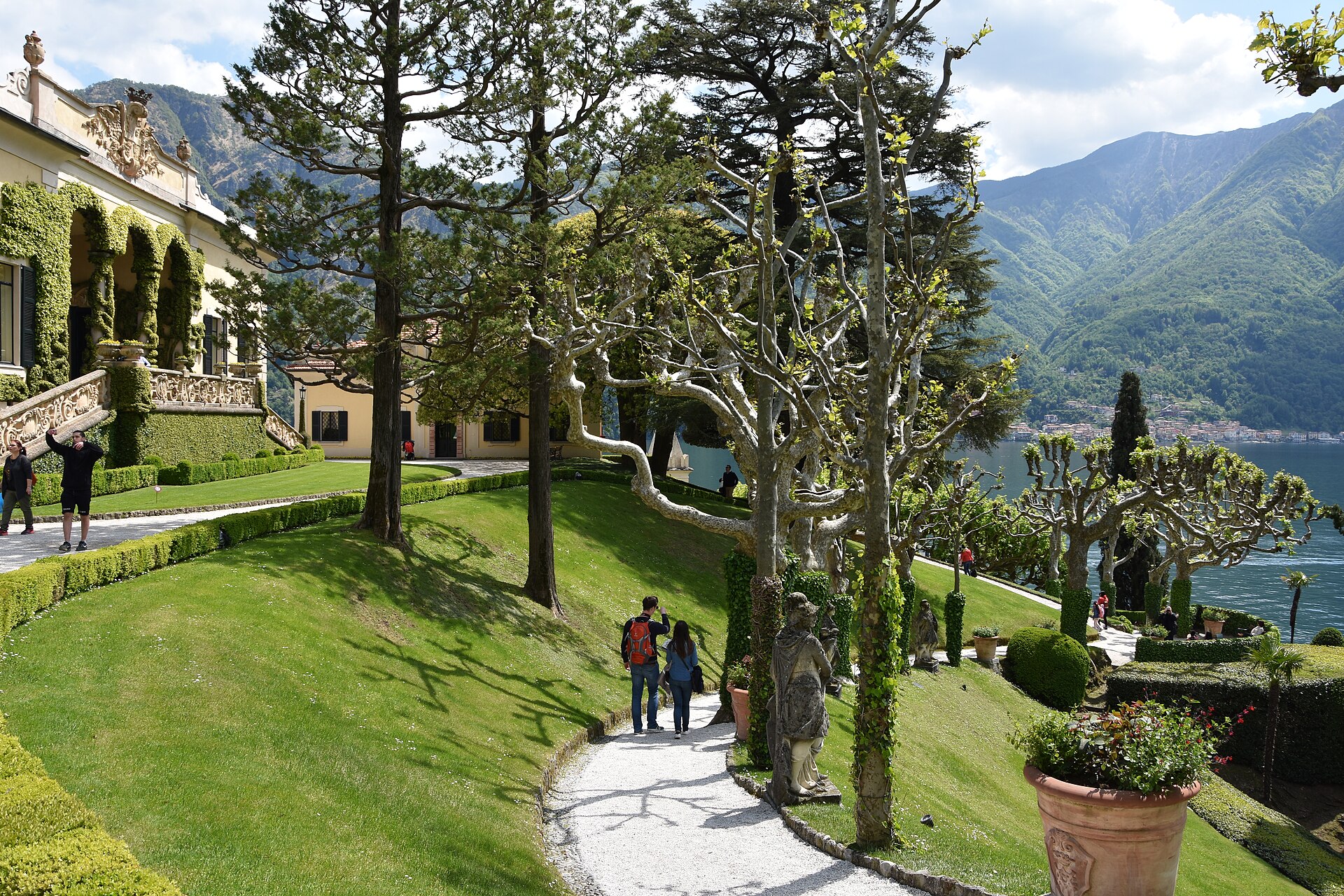 Lenno - Villa del Balbianello 0613 · Phyrexian · CC BY-SA 4.0 · cropped
Lake Como · Vol. 2 · No. 07 · July 2026
Lake Como: Which Town
The choice of your Lake Como base shapes your entire trip, from morning views to evening calm and how easily you move between villages.
Lenno - Villa del Balbianello 0613 · Phyrexian · CC BY-SA 4.0 · cropped
Lake Como · Vol. 2 · No. 07 · July 2026
Lake Como: Which Town
The choice of your Lake Como base shapes your entire trip, from morning views to evening calm and how easily you move between villages.
The columns, every month.
One considered letter when a new issue lands: the cover story, the four columns, and the month's news.
Comments