
Lavender fileds in Valensole · Nuno Alves · CC BY-SA 4.0 · cropped
Provence Markets and the Table
Plan a trip around morning markets for a true taste of Provence, where a wedge of cheese and a bottle of rosé make the day.
The rhythm of Provence is set by its markets. A morning spent browsing stalls, gathering cheese and olives, then finding a quiet spot for a long lunch with a bottle of rosé, often proves a more memorable day than any monument. This way of moving through the region asks for a certain approach: pick one base, drive out from it, and let the week unfold around the local market schedule. L’Isle-sur-la-Sorgue, a canal town known as the Venice of Provence, holds its large market on Sundays, with a smaller one on Thursdays. It is also one of France’s significant antiques centres, with hundreds of dealers and a substantial Sunday brocante.
Arles offers a large market on Wednesday and Saturday mornings, a good anchor if you are basing in that historic city, known for its Roman amphitheatre and its ties to Van Gogh. Smaller villages each keep their own day, so checking with your host or a local office is sensible advice. The stalls will offer olive oil, garlic, tomatoes, and goat cheese, the building blocks of a simple, satisfying meal. This approach to eating and living fits well with a stay in a mas, the traditional Provençal farmhouse, or a village house in places like Bonnieux or Ménerbes. These rentals encourage a degree of self-sufficiency, making market visits a practical necessity and a daily pleasure.
From a base in a Luberon village such as Bonnieux, you can reach Avignon, Arles, and the wine country around Châteauneuf-du-Pape on manageable day drives. The Luberon itself offers a string of hilltop villages built from pale limestone. Gordes, with its houses stacked up a rock face, is a familiar image, while Roussillon is notable for its red and gold ochre cliffs. Ménerbes remains quieter, strung along a ridge. These are places for morning walks and afternoon drives, with lunch often sourced from the morning’s market. Provence is known for its pale pink rosé, particularly in summer, a natural accompaniment to market finds. Order it cold, pair it with local produce, and let the day develop.
May offers warm days, active markets, and fewer crowds than the peak summer months. While the Valensole plateau’s lavender generally colours up from late June, the countryside in May is green and inviting. Remember that a car is essential for exploring the villages, the lavender plateaus, and the wineries, as public transport between small villages is thin. Rental desks are available at Avignon TGV station and Marseille Provence Airport. Booking stays early is prudent for any popular period, especially in and around the well-known villages. The best places fill months ahead. Approach the region with a sense of its rhythm, and let the market guide your days.
From Vol. 1 · No. 05 · May 2025, The Spring Issue. The cover story is Where to Stay in Provence. Details change; confirm specifics with the property before you travel.
More from the column
-
 St. Croix · Vol. 2 · No. 10 · October 2026
Crucian Cooking, Johnnycakes and Chicken
On St. Croix, the local rhythm of meals features fried bread, savoury pâtés, and the island's celebrated spit-roast chicken.
St. Croix · Vol. 2 · No. 10 · October 2026
Crucian Cooking, Johnnycakes and Chicken
On St. Croix, the local rhythm of meals features fried bread, savoury pâtés, and the island's celebrated spit-roast chicken.
-
 Rio de Janeiro · Vol. 2 · No. 09 · September 2026
Rio Eating: Boteco, Feijoada, Beach
Learn Rio's rhythm of meals, from corner bars and Saturday stews to beach vendors and late dinners in Botafogo.
Rio de Janeiro · Vol. 2 · No. 09 · September 2026
Rio Eating: Boteco, Feijoada, Beach
Learn Rio's rhythm of meals, from corner bars and Saturday stews to beach vendors and late dinners in Botafogo.
-
 Rice terraces, Bali · Vyacheslav Argenberg · CC BY 4.0 · cropped
Bali · Vol. 2 · No. 06 · June 2026
Eating Bali: Warung to Cliff
Experience the island's diverse dining, from affordable family-run warungs to dramatic cliff-edge restaurants on the Bukit Peninsula.
Rice terraces, Bali · Vyacheslav Argenberg · CC BY 4.0 · cropped
Bali · Vol. 2 · No. 06 · June 2026
Eating Bali: Warung to Cliff
Experience the island's diverse dining, from affordable family-run warungs to dramatic cliff-edge restaurants on the Bukit Peninsula.
-
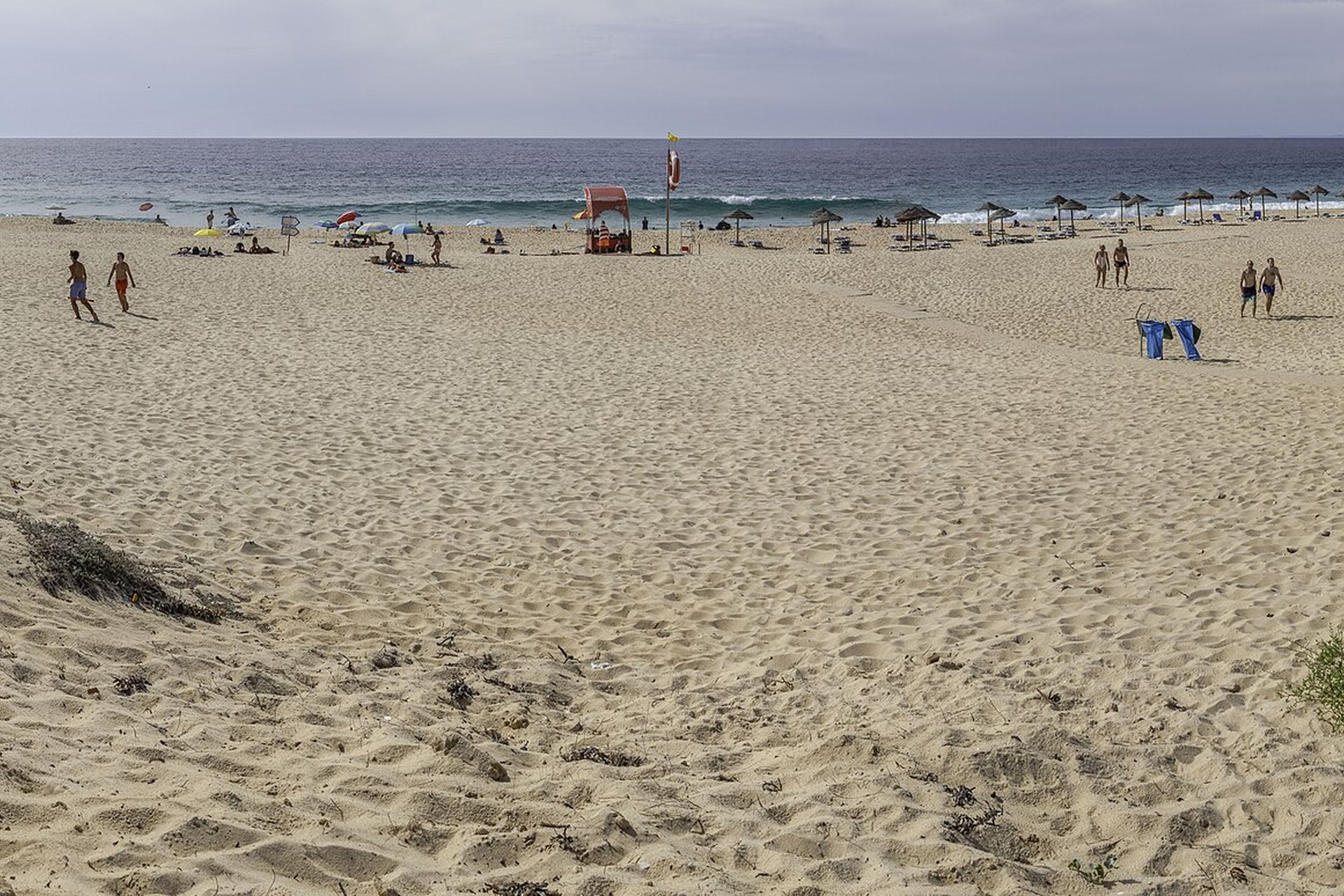 Playa de Comporta, Portugal, 2021-09-12, DD 15-26 PAN · Diego Delso · CC BY-SA 4.0 · cropped
Comporta · Vol. 2 · No. 05 · May 2026
Comporta Meals Shack and Pine
The Comporta coast offers two distinct dining experiences: barefoot beach lunches and quiet, lantern-lit dinners among the pines.
Playa de Comporta, Portugal, 2021-09-12, DD 15-26 PAN · Diego Delso · CC BY-SA 4.0 · cropped
Comporta · Vol. 2 · No. 05 · May 2026
Comporta Meals Shack and Pine
The Comporta coast offers two distinct dining experiences: barefoot beach lunches and quiet, lantern-lit dinners among the pines.
The columns, every month.
One considered letter when a new issue lands: the cover story, the four columns, and the month's news.
Comments