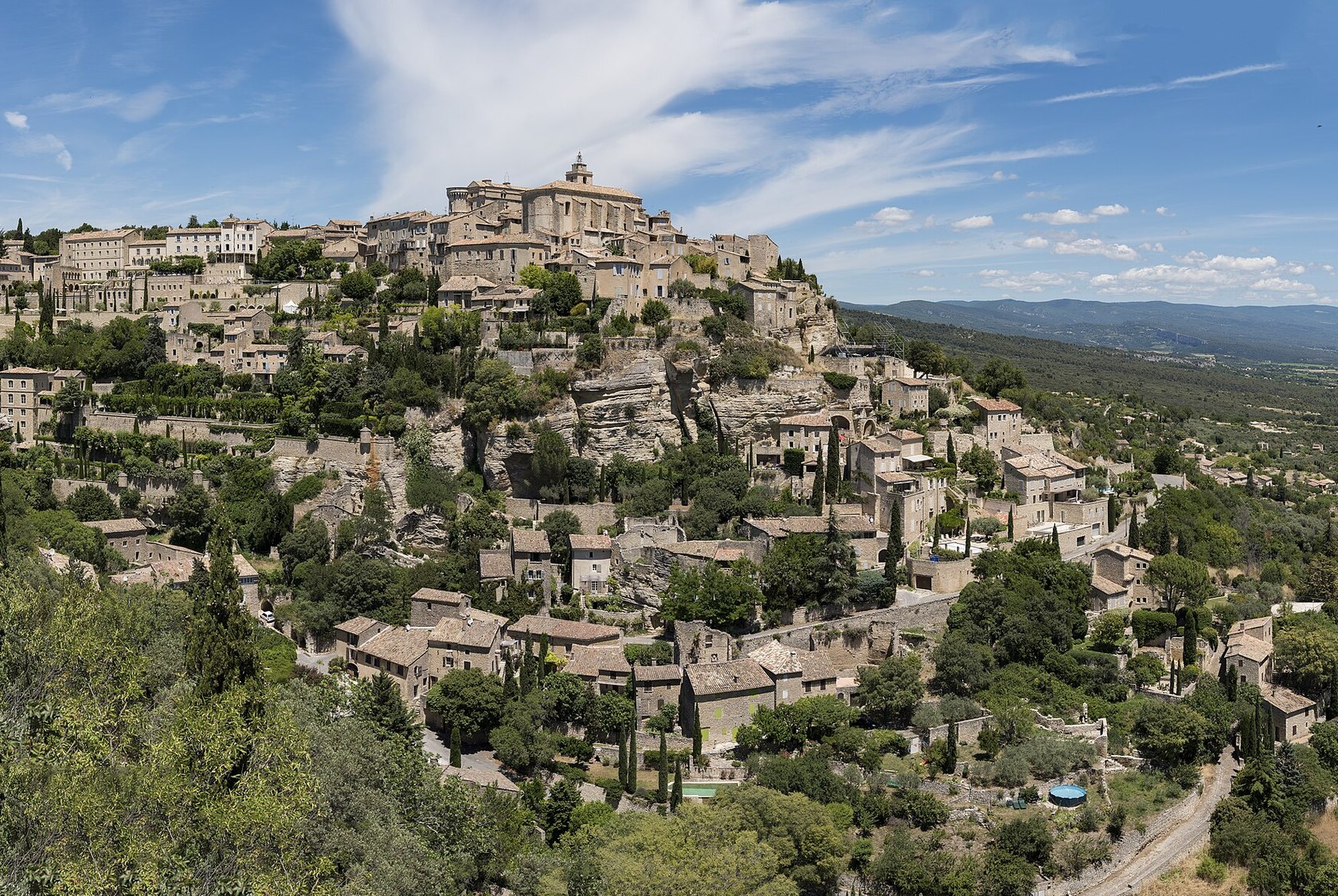
1 gordes pano 2016 · Chensiyuan · CC BY-SA 4.0 · cropped
Luberon Villages and Camargue Marshes
String together the perched villages of the Luberon one day, then run south to the flat Camargue and its horses and flamingos another.
The Luberon rewards a particular kind of day: slow mornings, coffee in a square, then a drive to the next hill town. These villages, built from pale limestone and perched on hilltops, string together into one good day of driving and stopping. Gordes is the postcard, its houses stacked up a rock face, and the view from the road below is the one most people picture. It draws crowds, so go early or late. Nearby, the Abbaye de Sénanque, with its lavender rows out front, usually flowers around late June into July. Roussillon is built on ochre; the cliffs and many of the houses run red, orange, and gold, and one can walk the Sentier des Ocres, a short marked trail through the old pigment quarries. Just wear shoes you do not mind staining.
Ménerbes offers a quieter appeal, strung along a ridge, a corner where Peter Mayle found his setting. Bonnieux climbs a hillside in terraces, providing long views across to Lacoste, and has enough restaurants and rentals to make a comfortable base. Lacoste itself is tiny and steep, crowned by the ruined castle once owned by the Marquis de Sade. You do not need to see all of them. Pick two or three a day, go early or late to dodge the tour buses, and leave the middle of the day for a long lunch or the pool. The whole point of the Luberon is the driving between towns, and this requires a car, as public transport between small villages is thin.
For a sharp contrast, point the car south from the Luberon toward Arles, the gateway to the Camargue. This is a different Provence entirely. South of Arles, the Rhône fans out into a wide, flat delta of marsh, lagoon, salt pan, and rice field. It is known for three things: pink flamingos, white horses, and black bulls, the last two worked by local herdsmen called gardians. The Parc Ornithologique du Pont de Gau, near Saintes-Maries-de-la-Mer, is the reliable place to see flamingos up close from boardwalks. One can also ride horses across the marsh or cycle the sea-dike, or take a jeep tour of a working ranch.
Arles itself, a city of Roman history and art, provides a useful base or a stop on the way. Its amphitheater and theater are still standing and still in use, nearly two thousand years on. Van Gogh spent about 14 months here, painting furiously. The Camargue feels like nowhere else in France, a distinct landscape that expands the idea of what Provence holds. The distances are short between these worlds, making it possible to string together such different days from a single base, whether that is a village house in Bonnieux or a city apartment in Arles. Provence rewards people who pick one spot and stay put, then drive out from it.
From Vol. 1 · No. 05 · May 2025, The Spring Issue. The cover story is Where to Stay in Provence. Details change; confirm specifics with the property before you travel.
More from the column
-
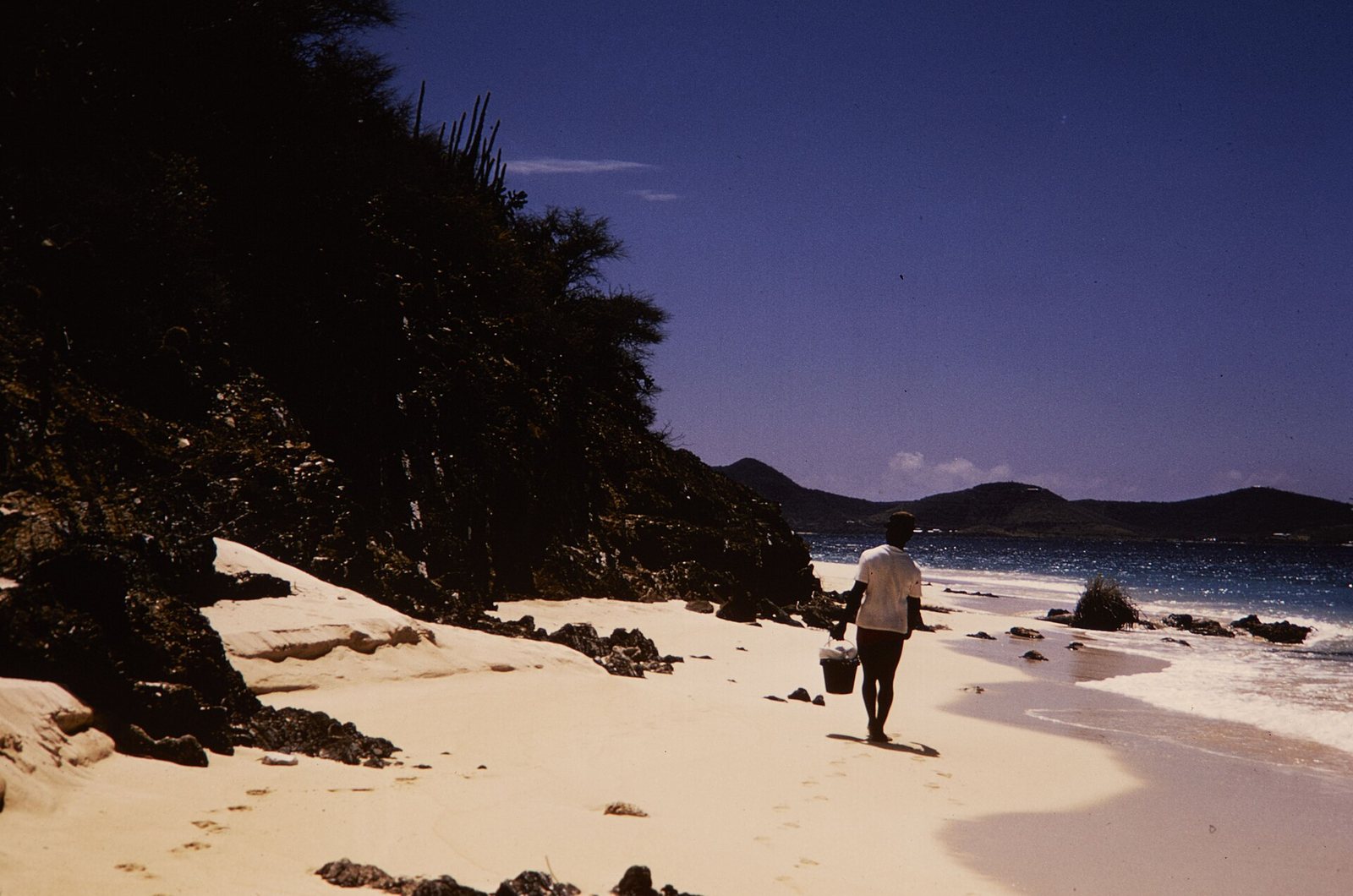 St. Croix · Vol. 2 · No. 10 · October 2026
Buck Island: St. Croix’s Reef Monument
A boat trip to Buck Island Reef National Monument offers an underwater snorkel trail and a stop at Turtle Beach.
St. Croix · Vol. 2 · No. 10 · October 2026
Buck Island: St. Croix’s Reef Monument
A boat trip to Buck Island Reef National Monument offers an underwater snorkel trail and a stop at Turtle Beach.
-
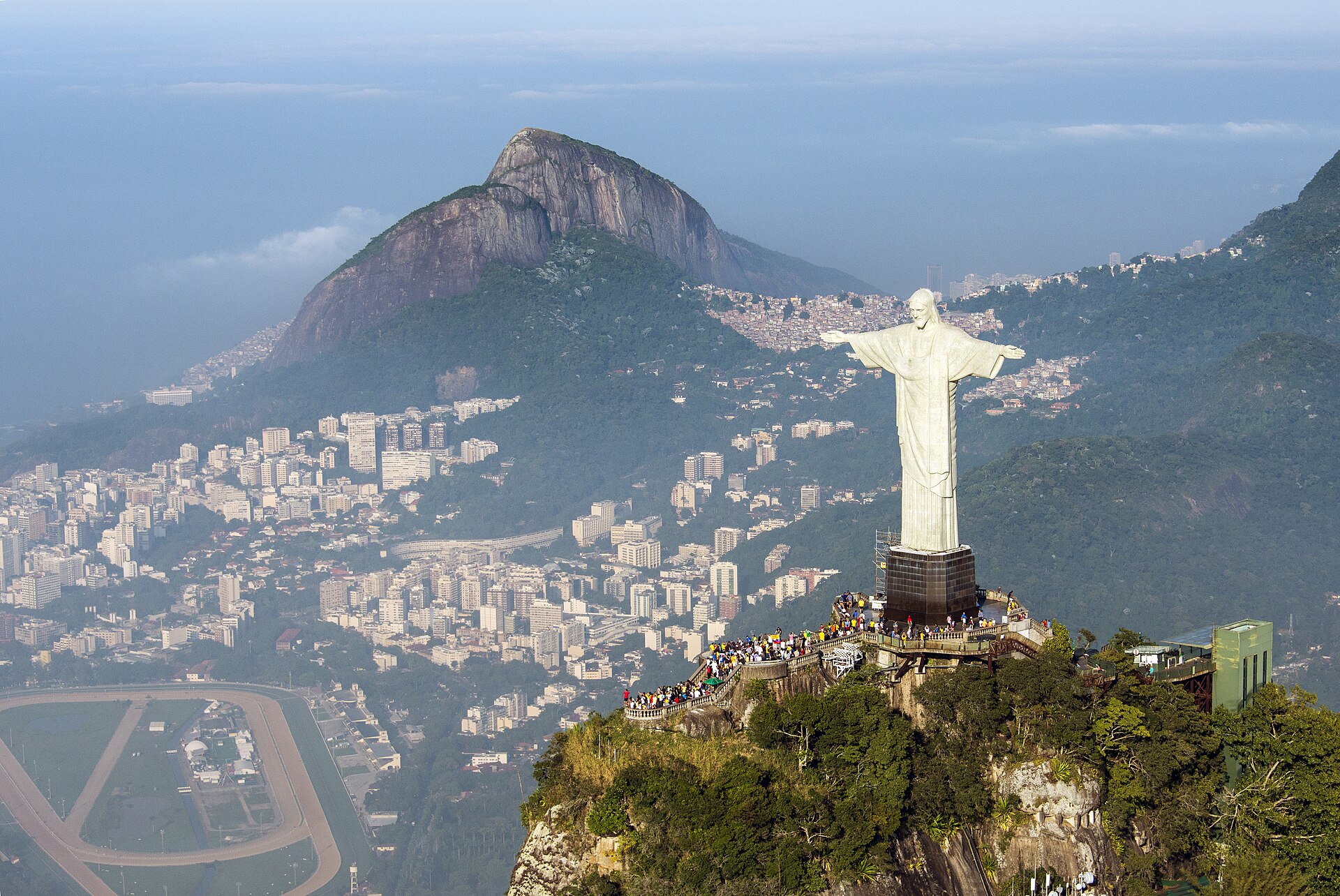 1 cristor redentor 2014 · Chensiyuan · CC BY-SA 4.0 · cropped
Rio de Janeiro · Vol. 2 · No. 09 · September 2026
Rio's Clear-Day Ascents
Plan two essential Rio climbs around the weather for views of the city and coast.
1 cristor redentor 2014 · Chensiyuan · CC BY-SA 4.0 · cropped
Rio de Janeiro · Vol. 2 · No. 09 · September 2026
Rio's Clear-Day Ascents
Plan two essential Rio climbs around the weather for views of the city and coast.
-
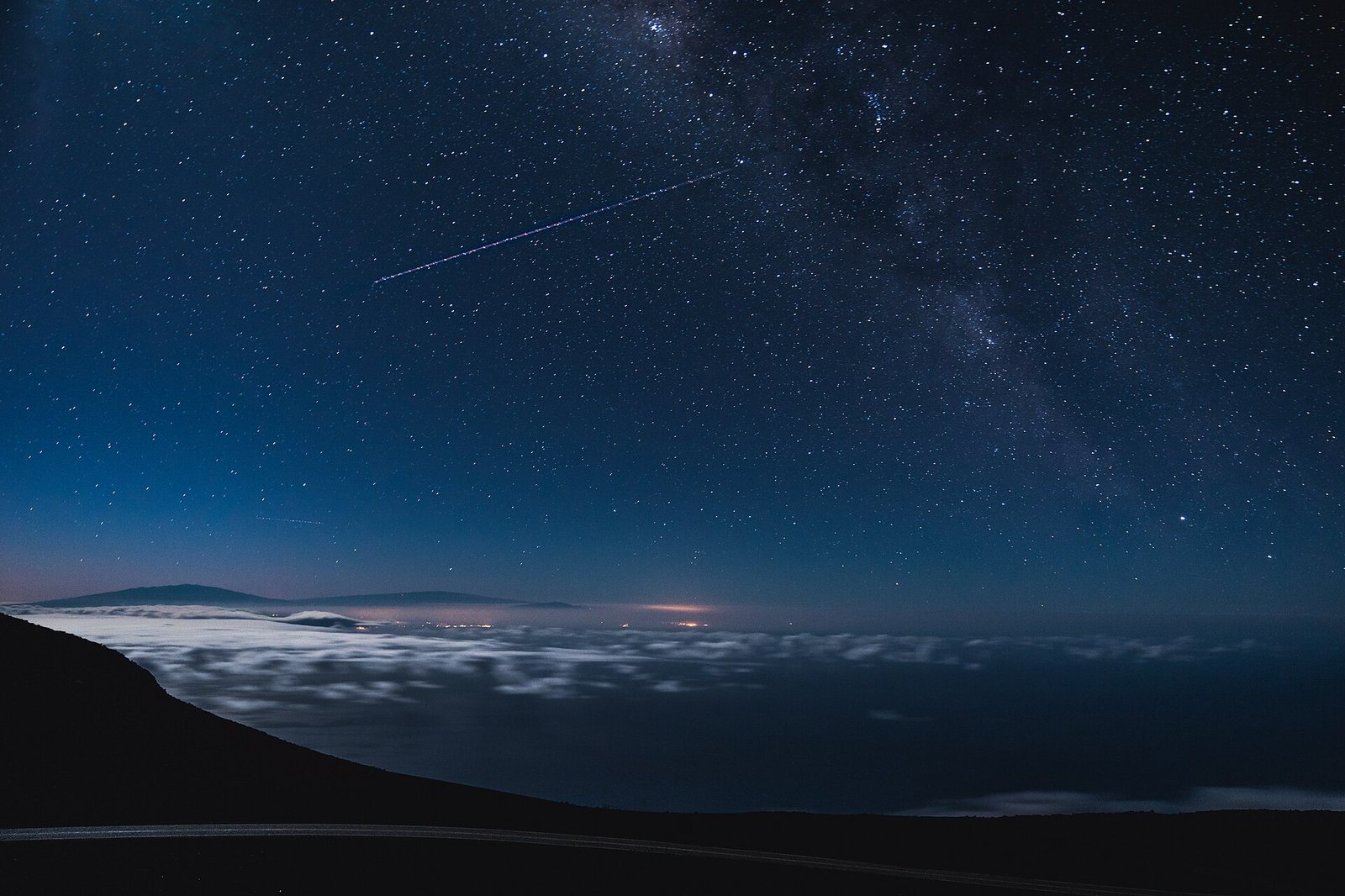 Maui · Vol. 2 · No. 08 · August 2026
Maui's Two Big Drives
Maui's two signature drives, Haleakalā's summit and the Road to Hāna, are full days out, each requiring early starts and a full tank.
Maui · Vol. 2 · No. 08 · August 2026
Maui's Two Big Drives
Maui's two signature drives, Haleakalā's summit and the Road to Hāna, are full days out, each requiring early starts and a full tank.
-
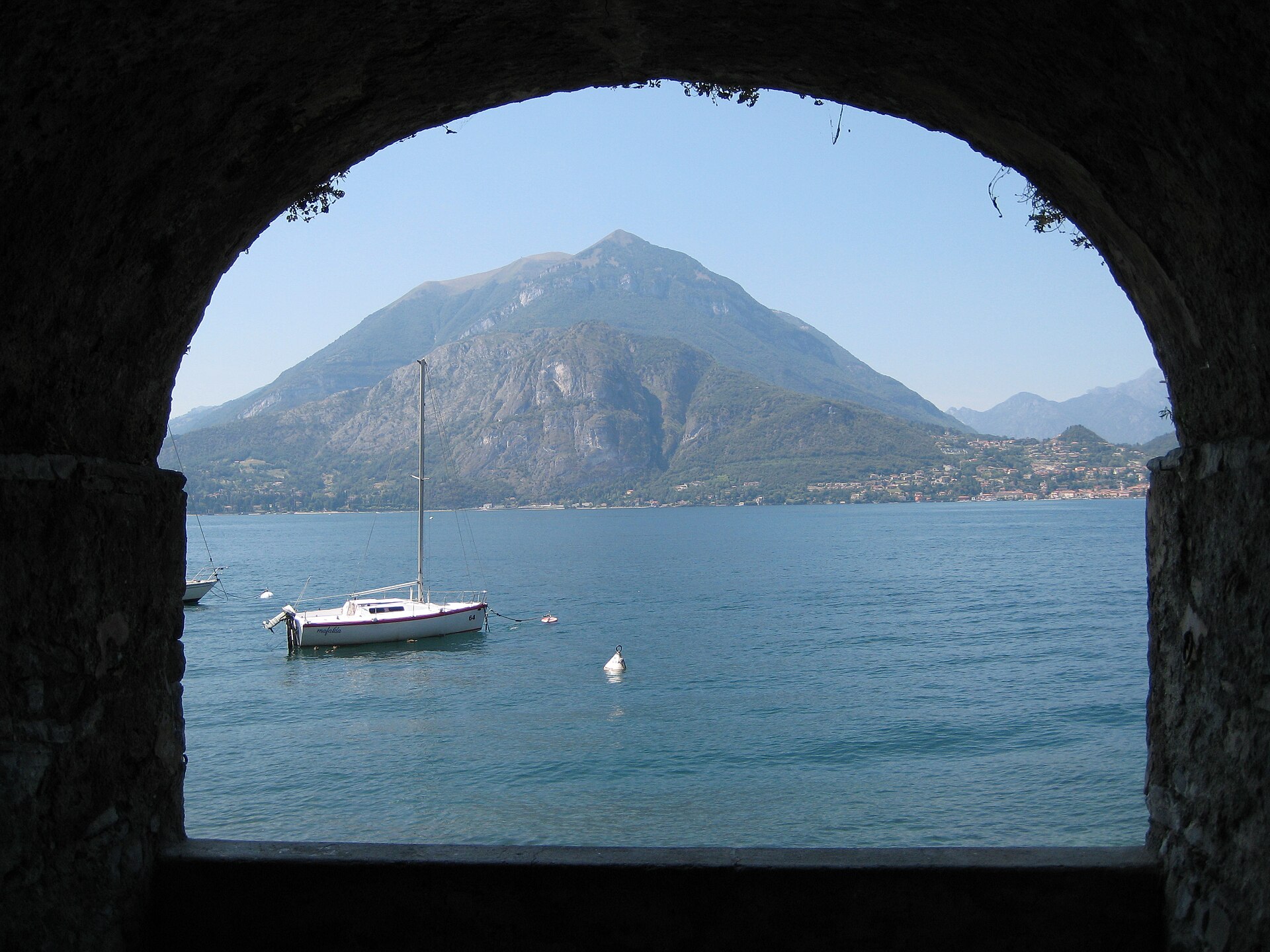 Lake Como from Varenna 01 · Aconcagua · CC BY-SA 3.0 · cropped
Lake Como · Vol. 2 · No. 07 · July 2026
Western Shore Gardens
Leaving your base for a boat day to Villa del Balbianello and Villa Carlotta reveals the cultivated beauty of Lake Como's western shore.
Lake Como from Varenna 01 · Aconcagua · CC BY-SA 3.0 · cropped
Lake Como · Vol. 2 · No. 07 · July 2026
Western Shore Gardens
Leaving your base for a boat day to Villa del Balbianello and Villa Carlotta reveals the cultivated beauty of Lake Como's western shore.
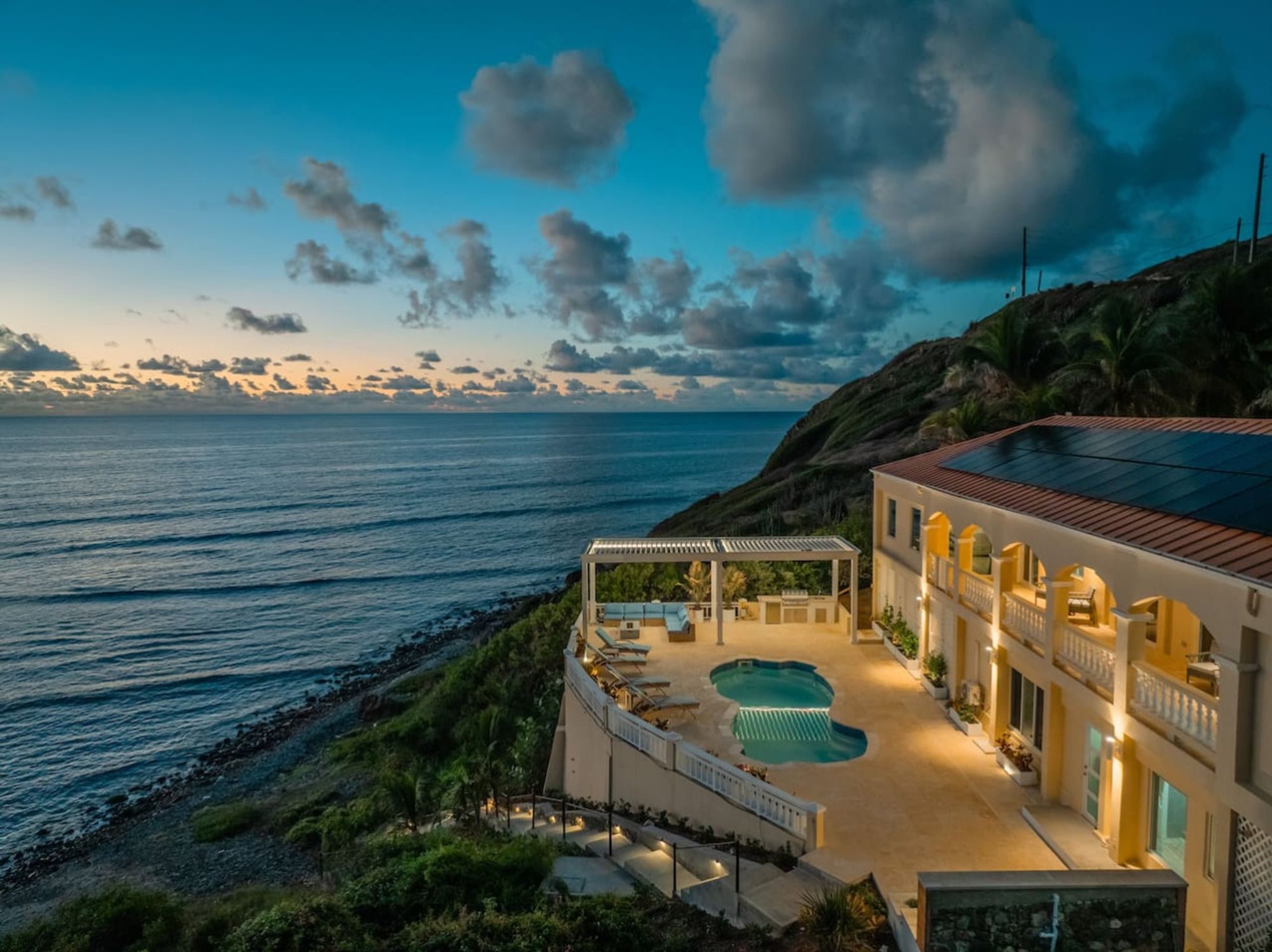
The columns, every month.
One considered letter when a new issue lands: the cover story, the four columns, and the month's news.
Comments