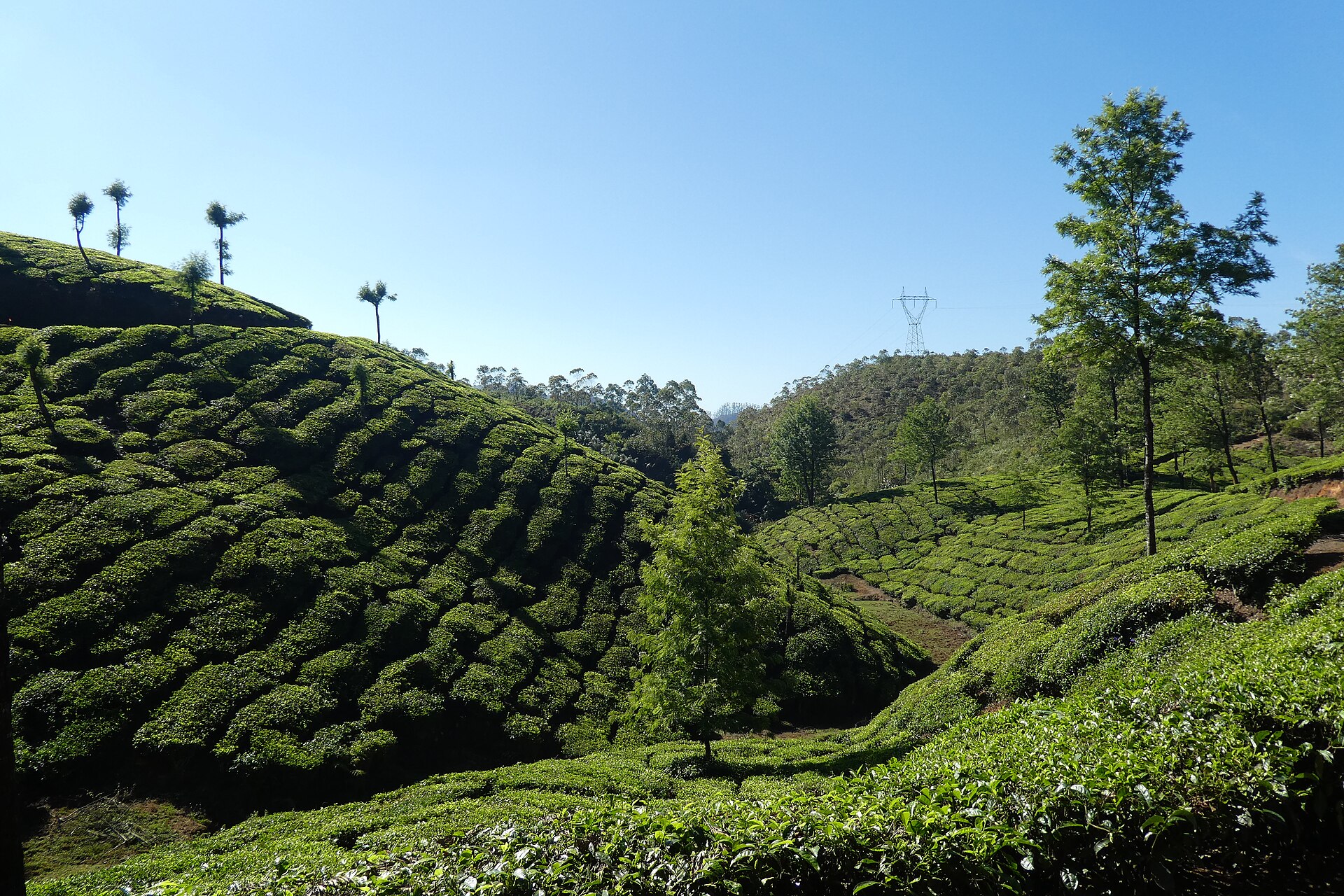
Munnar Tea Plantation and Trees · Kondephy · CC BY-SA 4.0 · cropped
The Pearl-Spot Fish
Karimeen pollichathu is the dish to seek in Kerala’s backwaters, where meals follow the rhythm of the water and the coast eats distinctly.
The backwaters of Kuttanad hold a specific flavour, distinct from the rest of India. Here, the dish to order is karimeen pollichathu, the pearl-spot fish baked in a banana leaf. It is a simple preparation, the fish coated in a spiced masala and then wrapped, allowing the flavours to steam and meld. This is the staple of the water, a direct outcome of Kerala’s coastal geography and its long history of trade. Unlike the north, rice forms the base of almost every meal, appearing as grains, as the batter for lacy fermented appams, or as flour for steamed puttu and the string-hoppers known as idiyappam. Coconut is equally central, grated into dishes, pressed for milk, or used as oil in almost every kitchen.
Because the state is coastal and only lightly vegetarian by Indian standards, fish and seafood are the heart of the cooking. The karimeen is a local speciality, but the backwaters also offer duck dishes, particularly in Kuttanad. One of the genuine pleasures of a visit to Alleppey is a lunch at a simple riverside toddy shop. These are licensed country-liquor taverns, serving fiercely spiced food alongside the fermented palm sap called toddy. The food is cheap and robust, often better than what a hotel dining room might offer. To find a good one, ask a local driver for a recommendation; they will know the places where the cooking is at its best.
The rhythm of eating shifts as one moves along the coast. In Kochi and further north along the Malabar coast, the cooking incorporates biryani and the pastry-and-egg snacks of Thalassery. These regional variations reflect the Christian and Muslim traditions that trade brought to these shores over centuries. On a temple festival day, look out for the sadhya, a vegetarian feast of many small dishes served on a banana leaf and eaten traditionally with the right hand. It is a communal experience, showcasing the breadth of the local produce and the skill of the cooks.
Kerala’s food offers remarkable value. It is possible to eat very well here for very little money. The street food and the humble toddy shop often deliver the most authentic and memorable meals. Do not overlook these simpler establishments in favour of more formal settings. Seek out the local specialities, particularly the karimeen in its banana leaf, and experience how the water shapes the plate.
From Vol. 0 · No. 11 · November 2024, The Backwaters Issue. The cover story is Kerala. Details change; confirm specifics with the property before you travel.
More from the column
-
 St. Croix · Vol. 2 · No. 10 · October 2026
Crucian Cooking, Johnnycakes and Chicken
On St. Croix, the local rhythm of meals features fried bread, savoury pâtés, and the island's celebrated spit-roast chicken.
St. Croix · Vol. 2 · No. 10 · October 2026
Crucian Cooking, Johnnycakes and Chicken
On St. Croix, the local rhythm of meals features fried bread, savoury pâtés, and the island's celebrated spit-roast chicken.
-
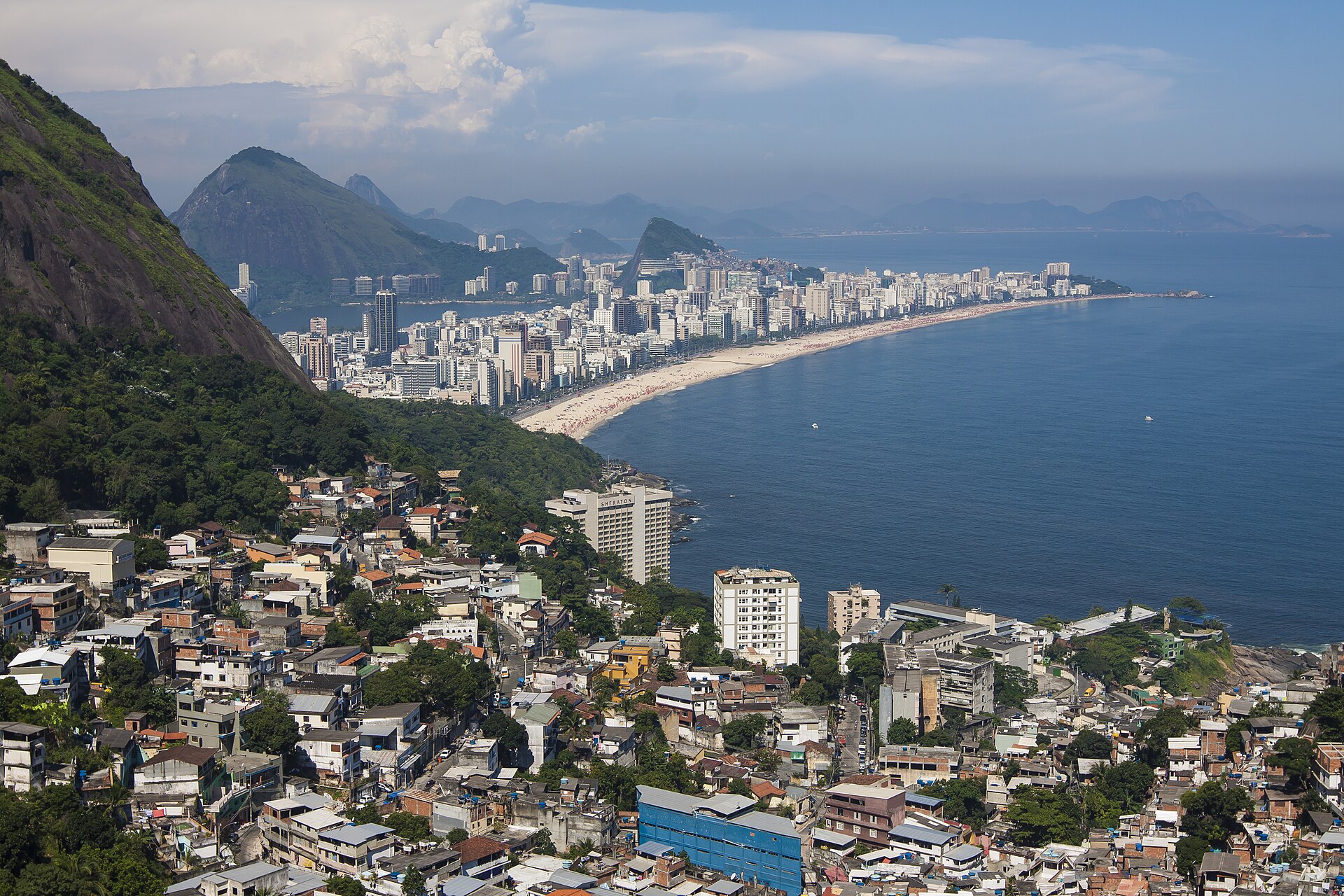 Rio de Janeiro · Vol. 2 · No. 09 · September 2026
Rio Eating: Boteco, Feijoada, Beach
Learn Rio's rhythm of meals, from corner bars and Saturday stews to beach vendors and late dinners in Botafogo.
Rio de Janeiro · Vol. 2 · No. 09 · September 2026
Rio Eating: Boteco, Feijoada, Beach
Learn Rio's rhythm of meals, from corner bars and Saturday stews to beach vendors and late dinners in Botafogo.
-
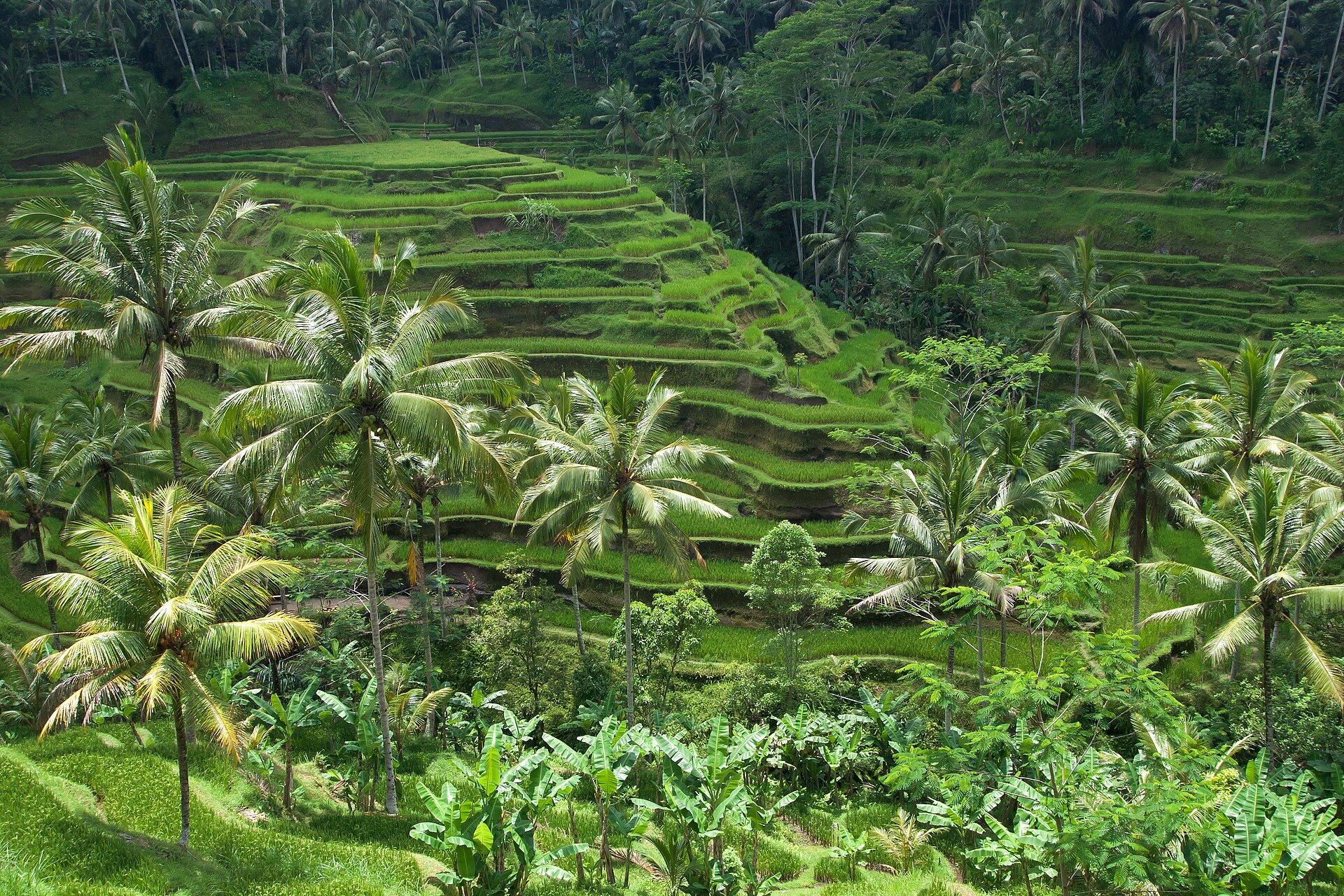 Rice terraces, Bali · Vyacheslav Argenberg · CC BY 4.0 · cropped
Bali · Vol. 2 · No. 06 · June 2026
Eating Bali: Warung to Cliff
Experience the island's diverse dining, from affordable family-run warungs to dramatic cliff-edge restaurants on the Bukit Peninsula.
Rice terraces, Bali · Vyacheslav Argenberg · CC BY 4.0 · cropped
Bali · Vol. 2 · No. 06 · June 2026
Eating Bali: Warung to Cliff
Experience the island's diverse dining, from affordable family-run warungs to dramatic cliff-edge restaurants on the Bukit Peninsula.
-
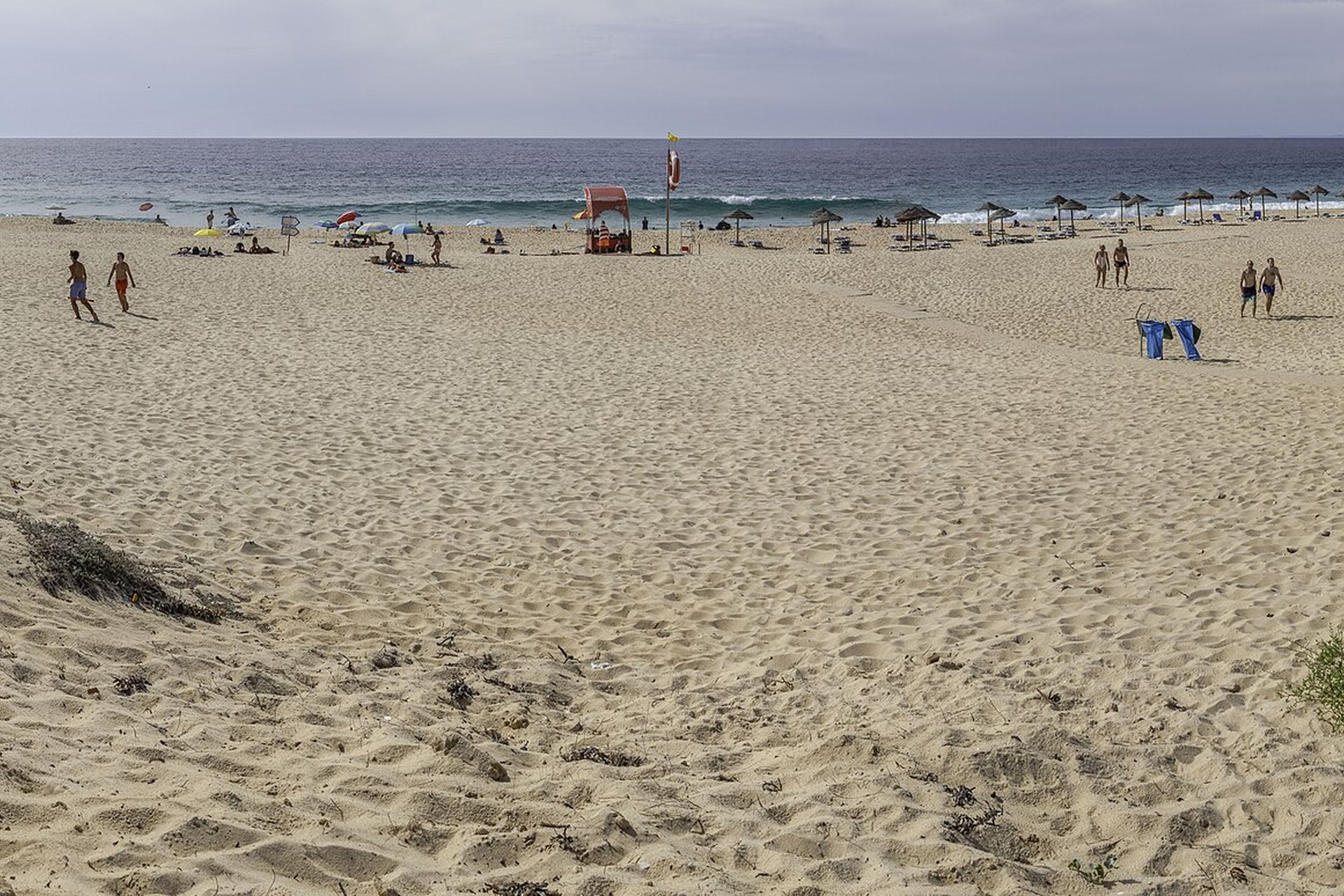 Playa de Comporta, Portugal, 2021-09-12, DD 15-26 PAN · Diego Delso · CC BY-SA 4.0 · cropped
Comporta · Vol. 2 · No. 05 · May 2026
Comporta Meals Shack and Pine
The Comporta coast offers two distinct dining experiences: barefoot beach lunches and quiet, lantern-lit dinners among the pines.
Playa de Comporta, Portugal, 2021-09-12, DD 15-26 PAN · Diego Delso · CC BY-SA 4.0 · cropped
Comporta · Vol. 2 · No. 05 · May 2026
Comporta Meals Shack and Pine
The Comporta coast offers two distinct dining experiences: barefoot beach lunches and quiet, lantern-lit dinners among the pines.

The columns, every month.
One considered letter when a new issue lands: the cover story, the four columns, and the month's news.
Comments