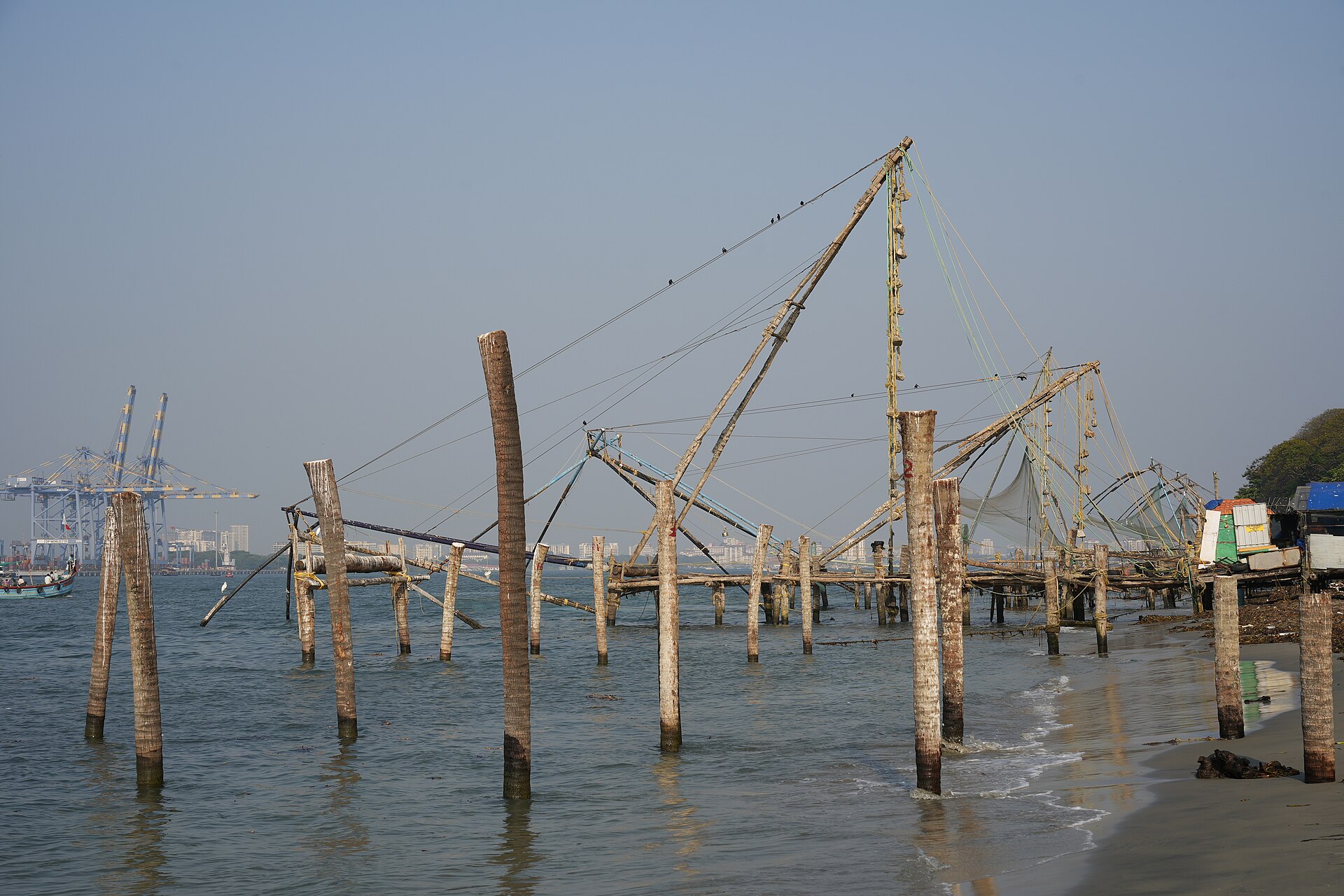
Chinese Fishing Nets - 3 · Ingo Mehling · CC BY-SA 4.0 · cropped
Up to the Tea Hills of Munnar
The four-hour climb from the coast to Munnar is the trip's second act, offering tea estates, planting history, and unique wildlife away from the busy town.
The drive up from the coast to Munnar is a steady four-hour climb, a transition from the humid plains of the backwaters into the cooler air of the high Western Ghats. This is the trip’s second act, a landscape of clipped green slopes and mountain air, a deliberate change of pace from the flatlands. Munnar itself is a busy market town, but the point of the journey is to sleep among the tea estates, not in the traffic of the town.
The tea itself is the defining sight here: whole slopes clipped to a smooth green surface, planted by British companies in the nineteenth century and still worked today. A small tea museum in Munnar explains this estate history and the making of the leaf. The land rises in three broad bands across Kerala, from the sea and backwaters, through a green midland of rubber, coconut, rice, and spice gardens, and then sharply into these high Ghats, where the road climbs into tea and cardamom country around Munnar. This is where the monsoon, which fills the backwaters, drenches the mountains first, creating the conditions for the tea.
Base yourself outside Munnar town rather than in it. Munnar itself is a scruffy market town with real traffic; the tea estates and the good stays are strung along the roads above and around it, often twenty minutes out. The equivalent of Fort Kochi’s heritage guesthouses up here is a planter’s bungalow or an estate stay, where one sleeps among the tea itself. These range from simple homestays to a few grand old bungalows, and the view is the point.
Above the town, Eravikulam National Park protects the Nilgiri tahr, a stocky mountain goat, and contains Anamudi, which at about 2,695 metres is the highest peak in South India. The park is also where the Neelakurinji flowers bloom. They appear in mass only about once every twelve years, turning the slopes blue when they do. This is a rare event, a phenomenon to plan a trip around, not a yearly occurrence.
November, the month of this issue, sits in the good green gap just after the heavy south-west monsoon. The heavy rain has usually eased, the reservoirs and paddies are full, and the Ghats are at their greenest. The crowds and the highest prices of the December-to-February peak have not yet arrived. Days are cooler in the hills, though you should still expect the odd downpour. Book hill stays ahead regardless. The road from Kochi up to Munnar is around four hours for something like a hundred and thirty kilometres, and the roads are winding, wet, and busy, so reckon on the distances being slow.
From Vol. 0 · No. 11 · November 2024, The Backwaters Issue. The cover story is Kerala. Details change; confirm specifics with the property before you travel.
More from the column
-
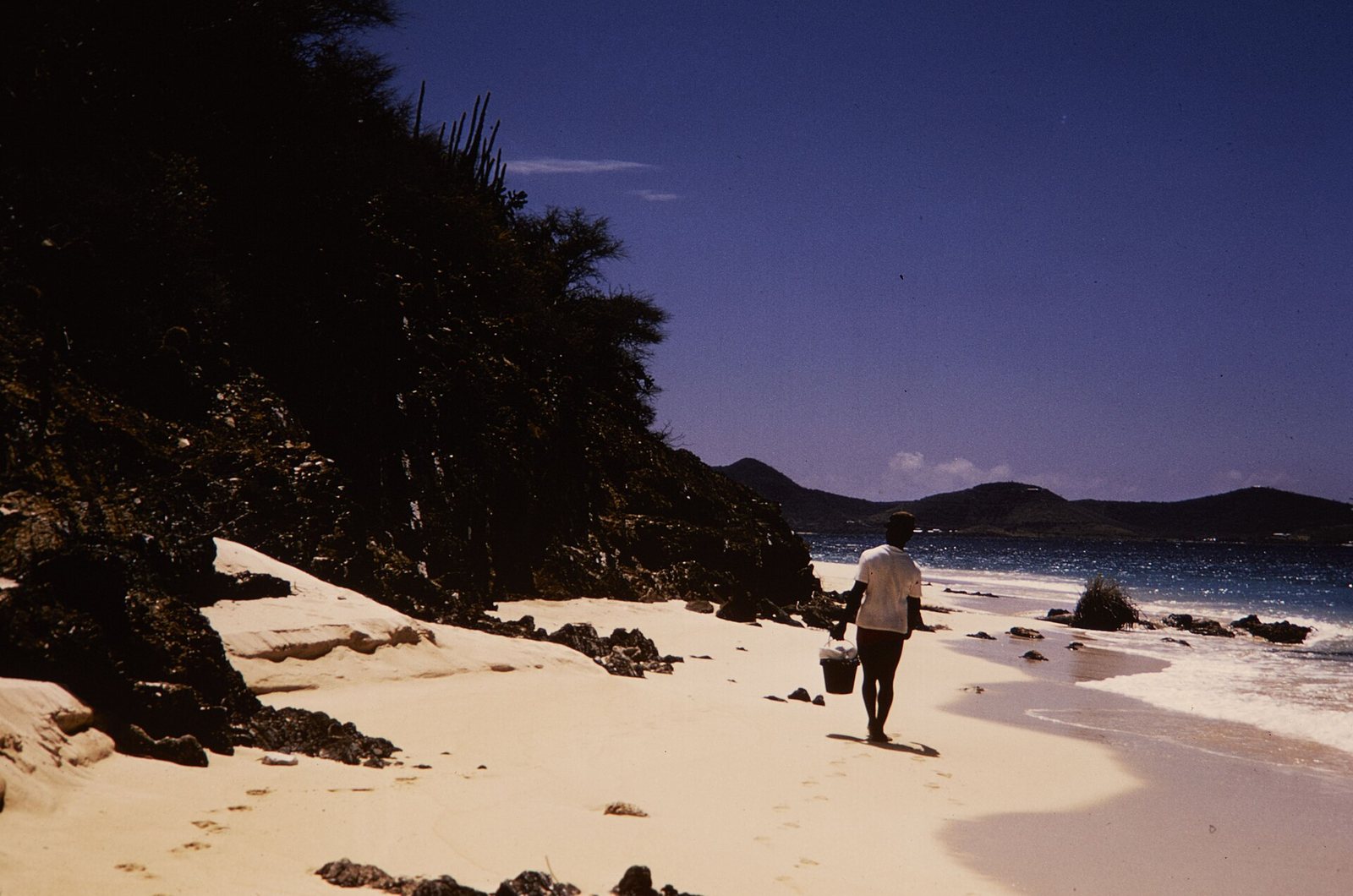 St. Croix · Vol. 2 · No. 10 · October 2026
Buck Island: St. Croix’s Reef Monument
A boat trip to Buck Island Reef National Monument offers an underwater snorkel trail and a stop at Turtle Beach.
St. Croix · Vol. 2 · No. 10 · October 2026
Buck Island: St. Croix’s Reef Monument
A boat trip to Buck Island Reef National Monument offers an underwater snorkel trail and a stop at Turtle Beach.
-
 1 cristor redentor 2014 · Chensiyuan · CC BY-SA 4.0 · cropped
Rio de Janeiro · Vol. 2 · No. 09 · September 2026
Rio's Clear-Day Ascents
Plan two essential Rio climbs around the weather for views of the city and coast.
1 cristor redentor 2014 · Chensiyuan · CC BY-SA 4.0 · cropped
Rio de Janeiro · Vol. 2 · No. 09 · September 2026
Rio's Clear-Day Ascents
Plan two essential Rio climbs around the weather for views of the city and coast.
-
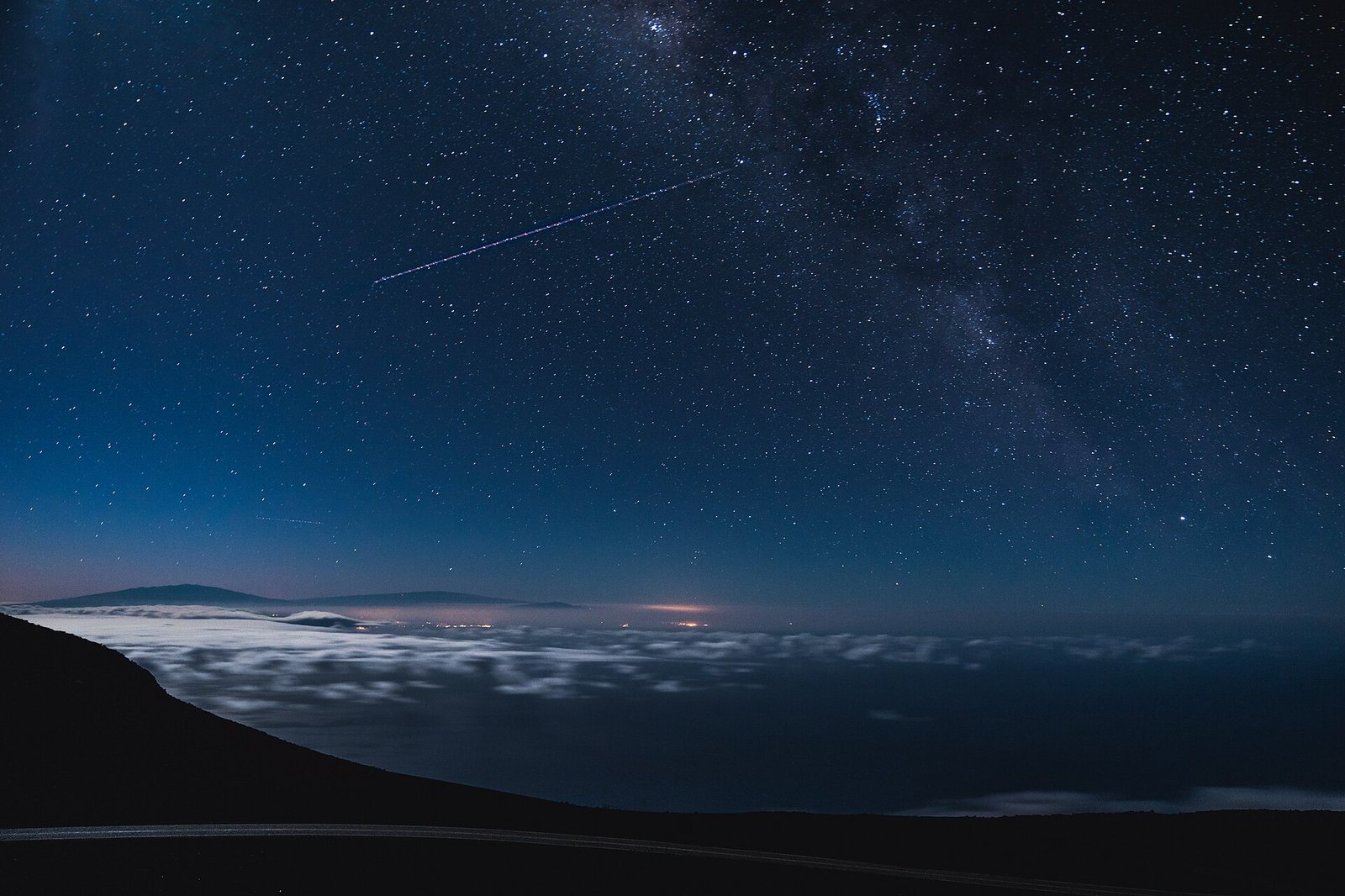 Maui · Vol. 2 · No. 08 · August 2026
Maui's Two Big Drives
Maui's two signature drives, Haleakalā's summit and the Road to Hāna, are full days out, each requiring early starts and a full tank.
Maui · Vol. 2 · No. 08 · August 2026
Maui's Two Big Drives
Maui's two signature drives, Haleakalā's summit and the Road to Hāna, are full days out, each requiring early starts and a full tank.
-
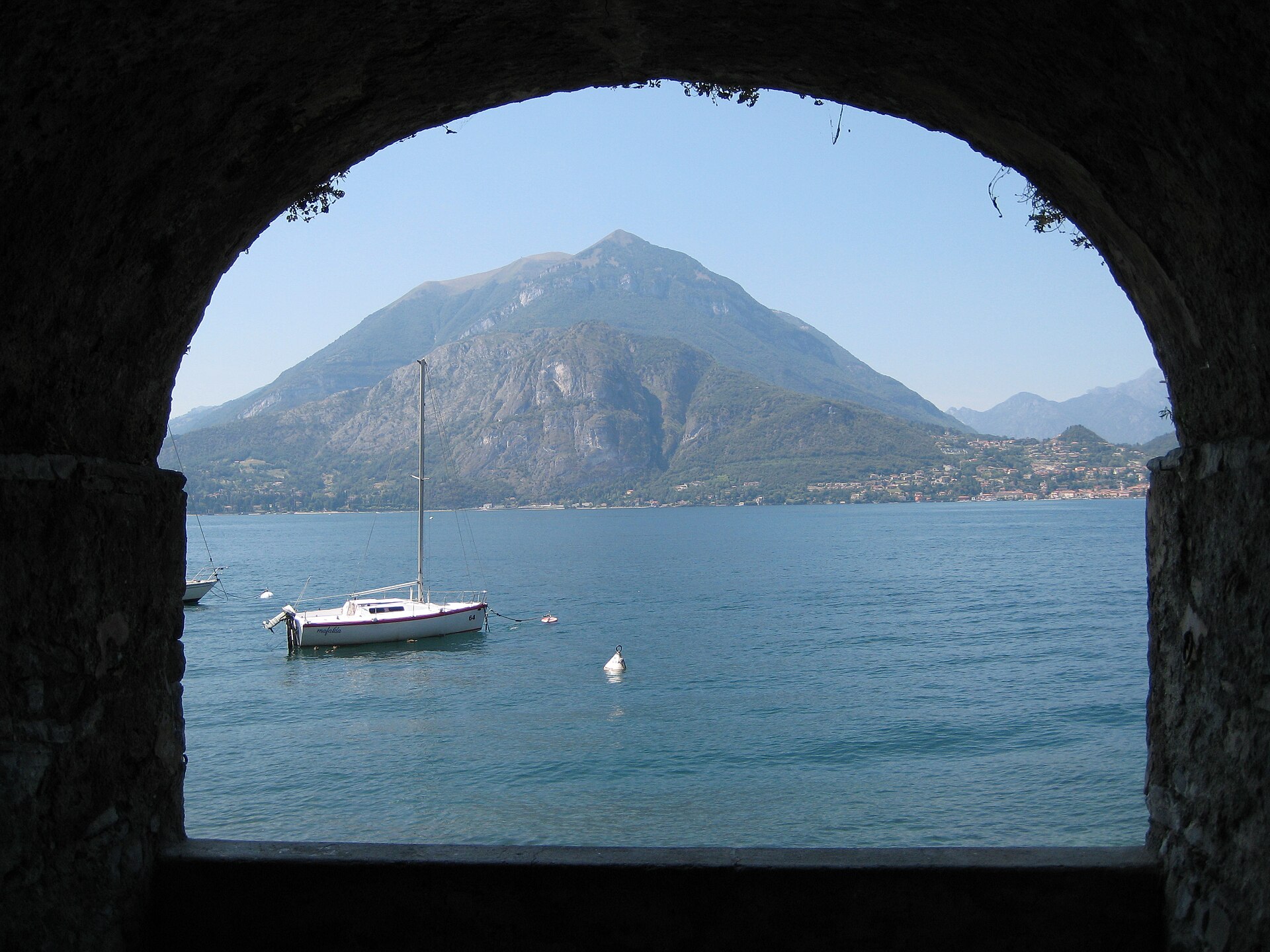 Lake Como from Varenna 01 · Aconcagua · CC BY-SA 3.0 · cropped
Lake Como · Vol. 2 · No. 07 · July 2026
Western Shore Gardens
Leaving your base for a boat day to Villa del Balbianello and Villa Carlotta reveals the cultivated beauty of Lake Como's western shore.
Lake Como from Varenna 01 · Aconcagua · CC BY-SA 3.0 · cropped
Lake Como · Vol. 2 · No. 07 · July 2026
Western Shore Gardens
Leaving your base for a boat day to Villa del Balbianello and Villa Carlotta reveals the cultivated beauty of Lake Como's western shore.
The columns, every month.
One considered letter when a new issue lands: the cover story, the four columns, and the month's news.
Comments