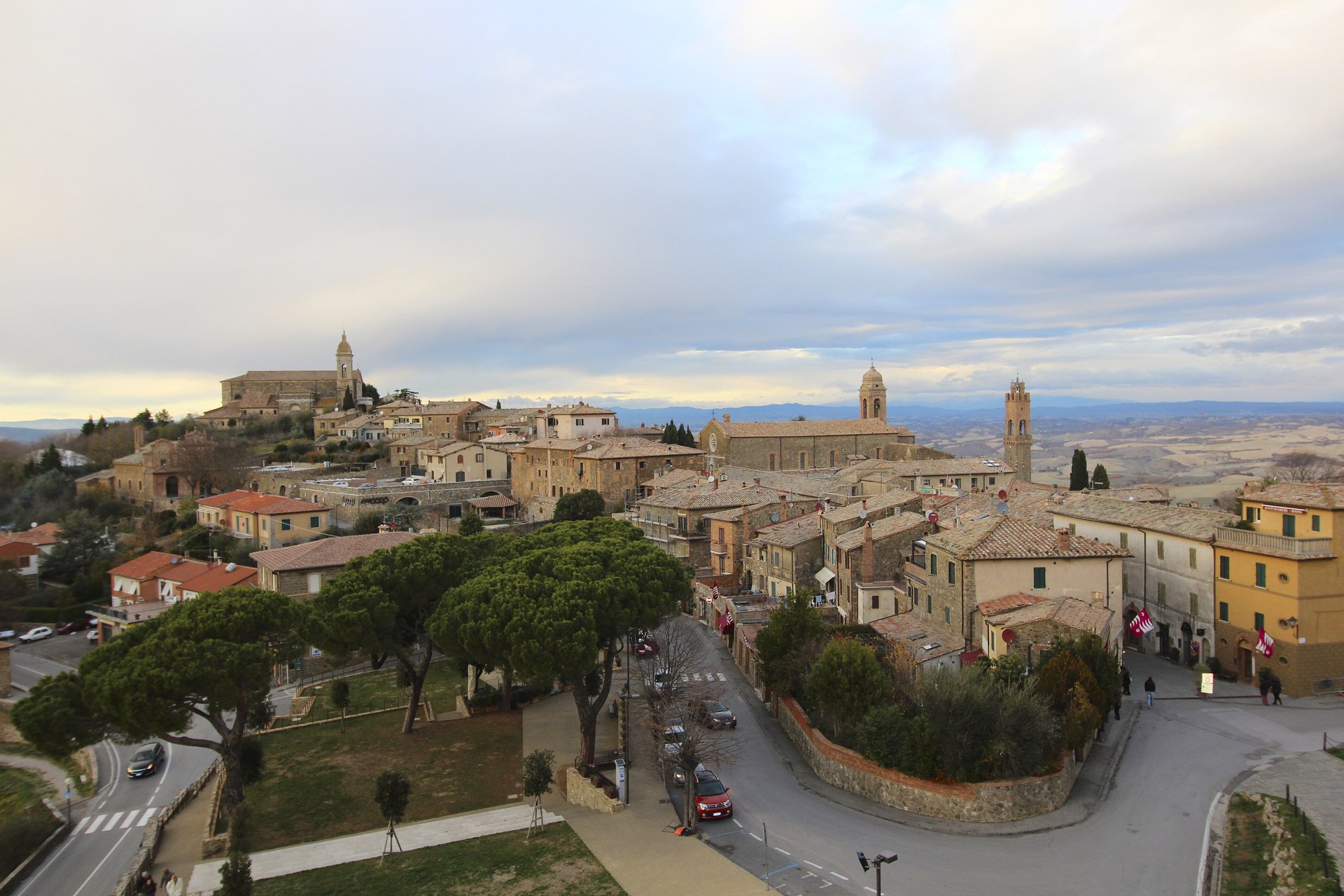
MontalcinoViewFromCastle1 · LigaDue · CC BY-SA 4.0 · cropped
Tuscan Harvest Table
September and October bring the grape and olive harvest to Tuscany, filling tables with new wine and oil.
The Tuscan countryside takes on a different rhythm in September and October. This is the harvest, the vendemmia, when the hills between Florence and Siena, and south into the Val d'Orcia, are busiest. It is the best time for eating here, as the grape harvest gives way to the olive, and tables lengthen across estates and farmhouses. The new season's ingredients define the plate, from newly pressed oil to richer game.
The cooking is plain on purpose: good ingredients, few of them. Expect thick ribollita and bean soups, pici, a hand-rolled fat spaghetti of the south, and wild boar ragu. Pecorino cheese from Pienza appears in every stage. In Chianti, the bistecca alla fiorentina, a large rare T-bone, is a specialty, and Panzano is known for its butchers. Brunello di Montalcino, Vino Nobile di Montepulciano, and Chianti Classico are the local reds, each built on Sangiovese, defining the character of their zones.
Dining often happens on the estates themselves. Many country estates and working farms rent rooms and serve meals, with food and wine largely from the property. Borgo Santo Pietro, near Chiusdino, is a country-house hotel on a working farm, growing much of what its restaurants serve. Villa Lena, near Palaia, pairs an organic farm with an artist residency. The agriturismo, a legally defined farm stay, is where breakfast brings the farm’s own eggs and oil. Tastings at cantinas, such as those making Brunello around Montalcino or Chianti Classico between Florence and Siena, are a core part of the experience, but they usually require an appointment. Book ahead for both tables and tastings.
A car is essential for navigating the Tuscan countryside, though roads are slow and winding. Plan for time lost behind a tractor. Remember that almost every historic town centre, including Montalcino, Pienza, and Montepulciano, is a Zona a Traffico Limitato, closed to non-resident cars. Park outside the walls and walk in. Pienza offers Renaissance streets and pecorino. Montalcino, under its 14th-century fortress, is the home of Brunello. Montepulciano provides views and Vino Nobile. The olive harvest follows the grapes, roughly late October into November, when estates press their new oil, cloudy, green, and sharp. Many sell it straight from the mill.
From Vol. 1 · No. 09 · September 2025, The Harvest Issue. The cover story is Where to Stay in Tuscany. Details change; confirm specifics with the property before you travel.
More from the column
-
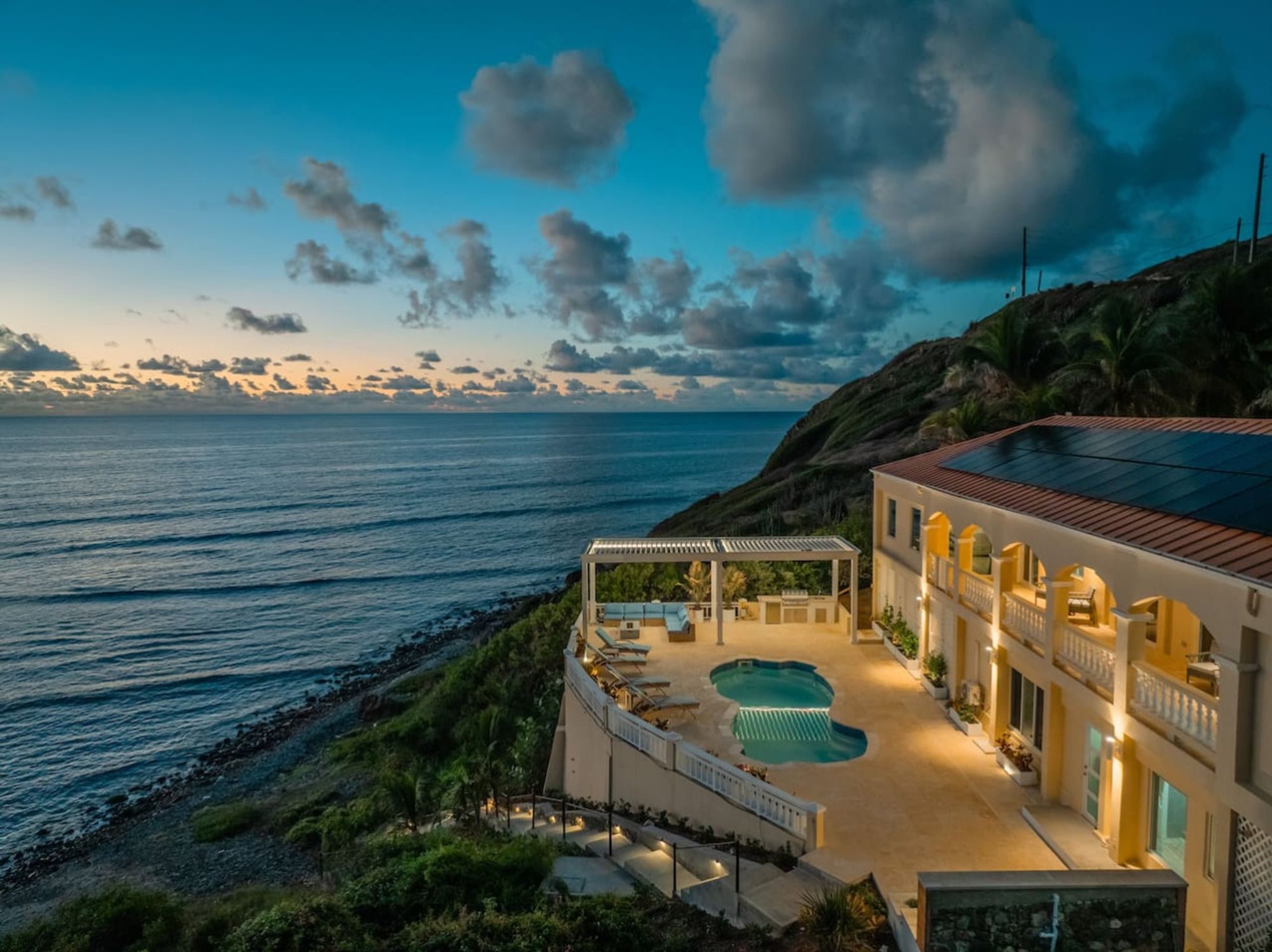
 St. Croix · Vol. 2 · No. 10 · October 2026
Crucian Cooking, Johnnycakes and Chicken
On St. Croix, the local rhythm of meals features fried bread, savoury pâtés, and the island's celebrated spit-roast chicken.
St. Croix · Vol. 2 · No. 10 · October 2026
Crucian Cooking, Johnnycakes and Chicken
On St. Croix, the local rhythm of meals features fried bread, savoury pâtés, and the island's celebrated spit-roast chicken.
-
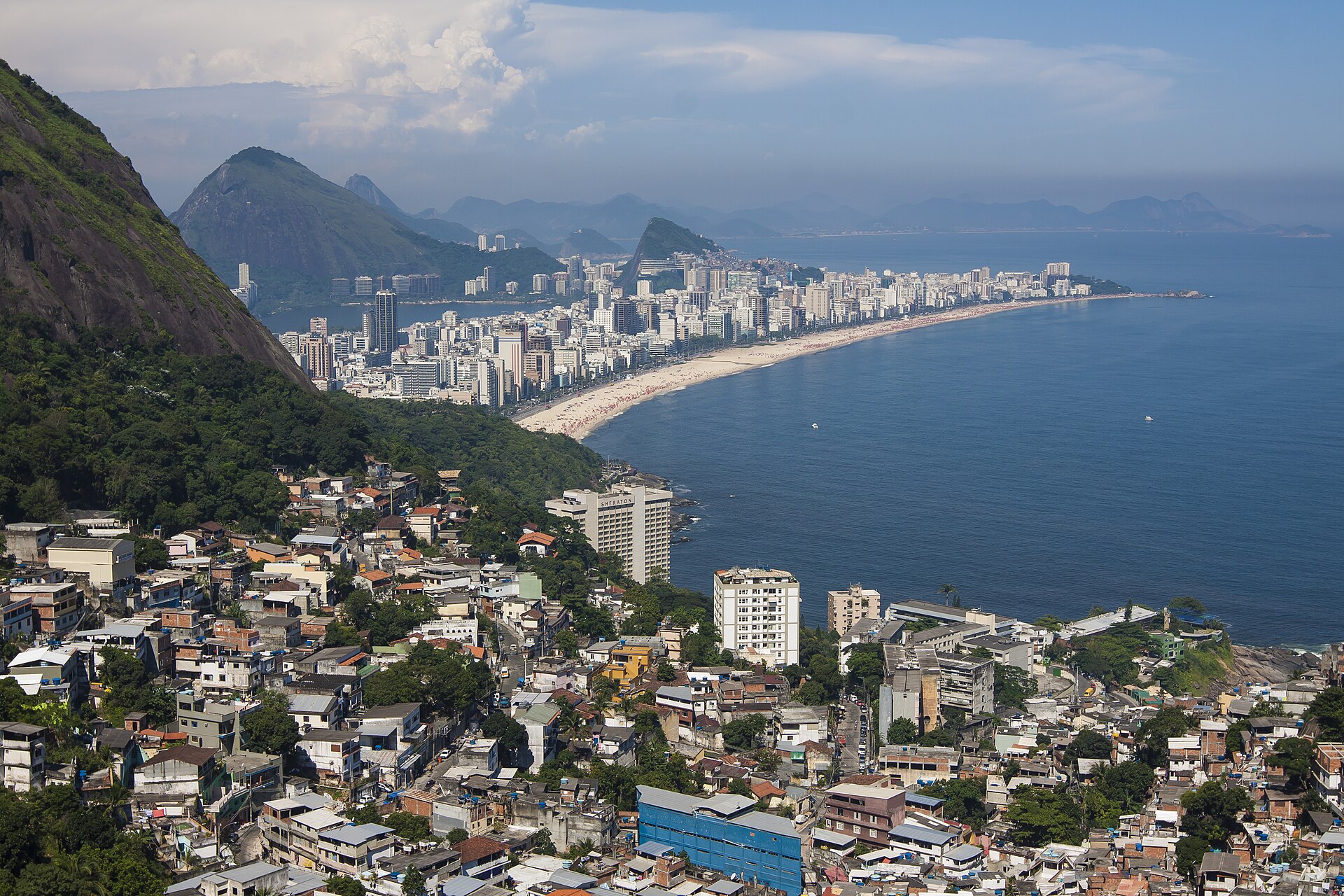 Rio de Janeiro · Vol. 2 · No. 09 · September 2026
Rio Eating: Boteco, Feijoada, Beach
Learn Rio's rhythm of meals, from corner bars and Saturday stews to beach vendors and late dinners in Botafogo.
Rio de Janeiro · Vol. 2 · No. 09 · September 2026
Rio Eating: Boteco, Feijoada, Beach
Learn Rio's rhythm of meals, from corner bars and Saturday stews to beach vendors and late dinners in Botafogo.
-
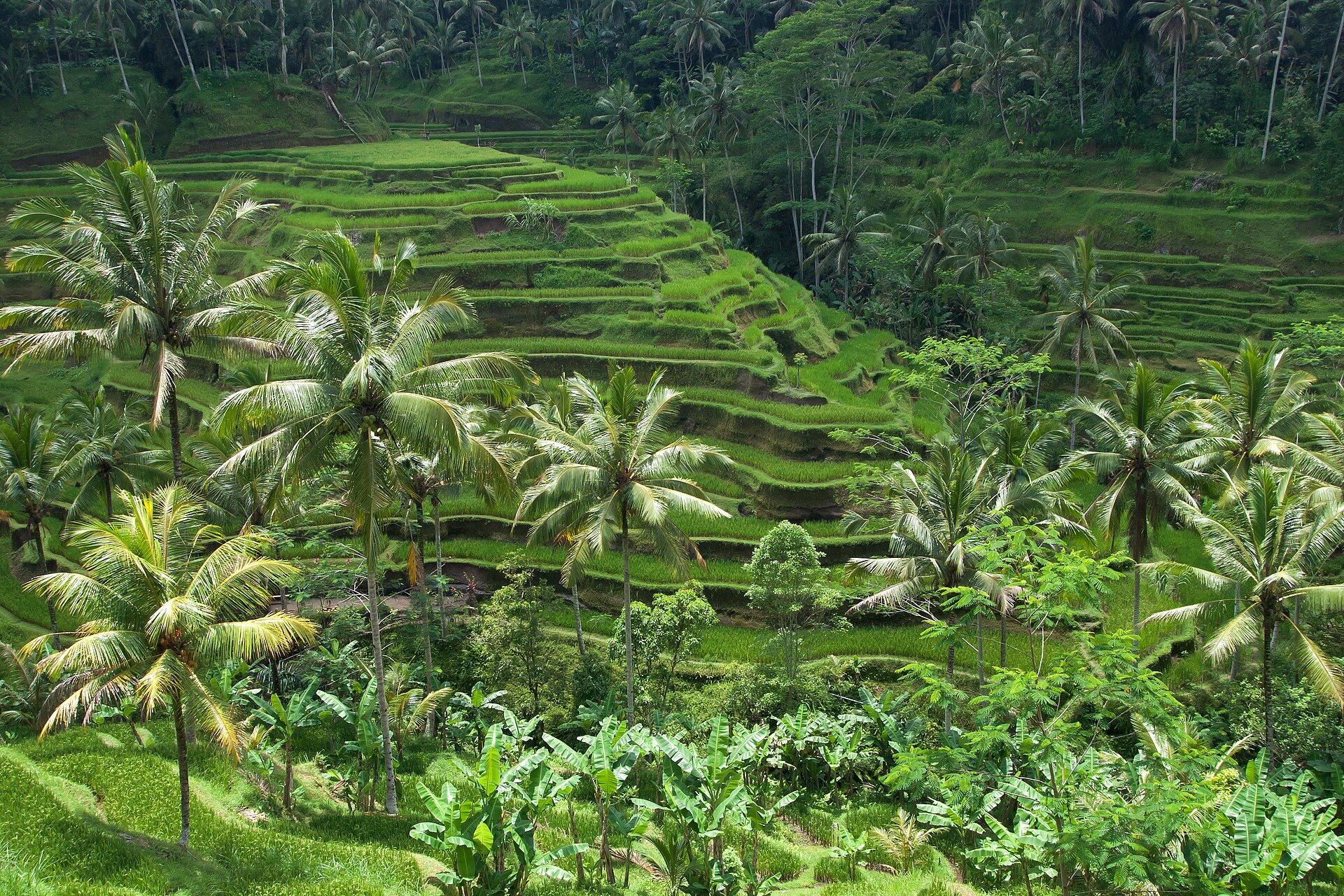 Rice terraces, Bali · Vyacheslav Argenberg · CC BY 4.0 · cropped
Bali · Vol. 2 · No. 06 · June 2026
Eating Bali: Warung to Cliff
Experience the island's diverse dining, from affordable family-run warungs to dramatic cliff-edge restaurants on the Bukit Peninsula.
Rice terraces, Bali · Vyacheslav Argenberg · CC BY 4.0 · cropped
Bali · Vol. 2 · No. 06 · June 2026
Eating Bali: Warung to Cliff
Experience the island's diverse dining, from affordable family-run warungs to dramatic cliff-edge restaurants on the Bukit Peninsula.
-
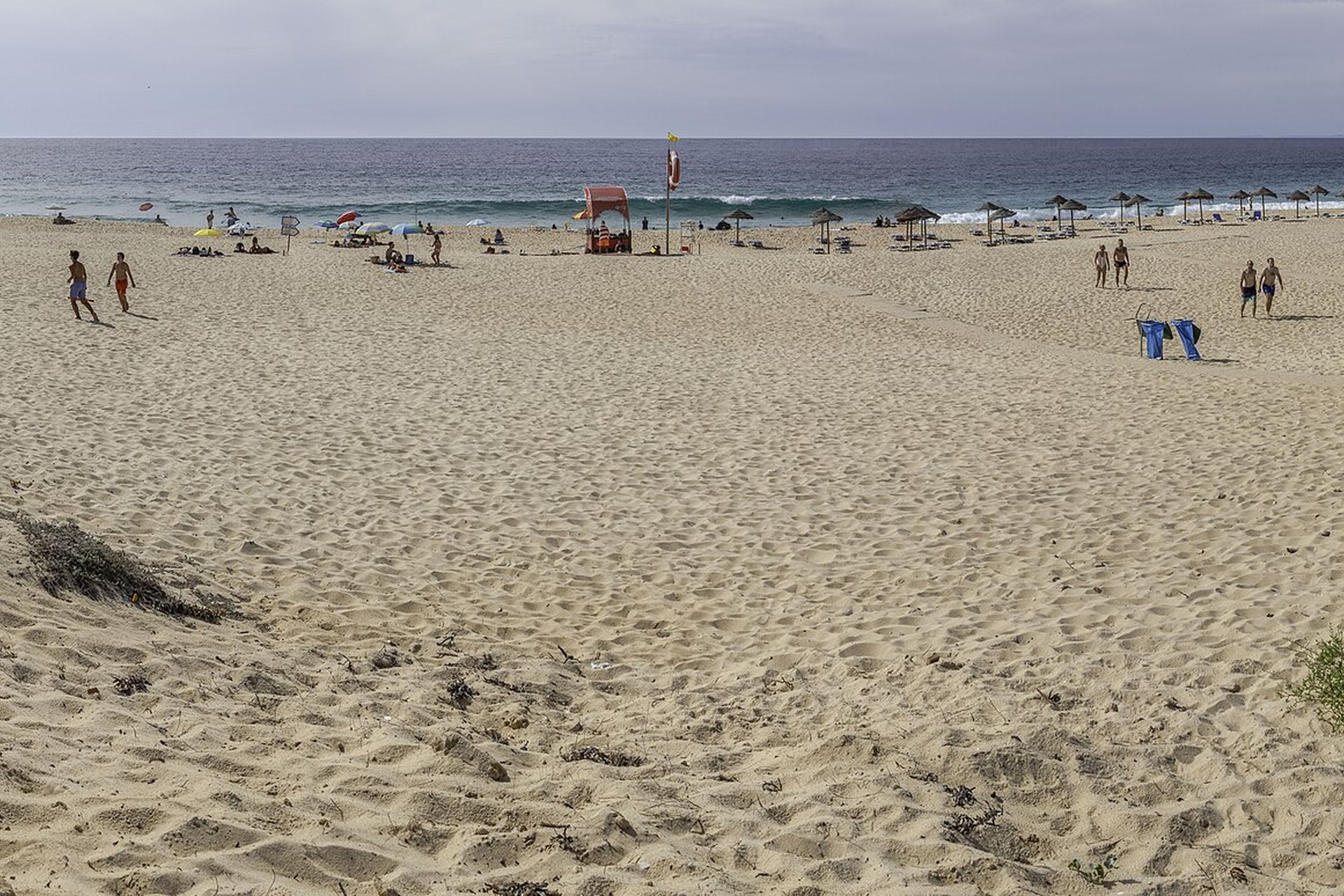 Playa de Comporta, Portugal, 2021-09-12, DD 15-26 PAN · Diego Delso · CC BY-SA 4.0 · cropped
Comporta · Vol. 2 · No. 05 · May 2026
Comporta Meals Shack and Pine
The Comporta coast offers two distinct dining experiences: barefoot beach lunches and quiet, lantern-lit dinners among the pines.
Playa de Comporta, Portugal, 2021-09-12, DD 15-26 PAN · Diego Delso · CC BY-SA 4.0 · cropped
Comporta · Vol. 2 · No. 05 · May 2026
Comporta Meals Shack and Pine
The Comporta coast offers two distinct dining experiences: barefoot beach lunches and quiet, lantern-lit dinners among the pines.
The columns, every month.
One considered letter when a new issue lands: the cover story, the four columns, and the month's news.
Comments