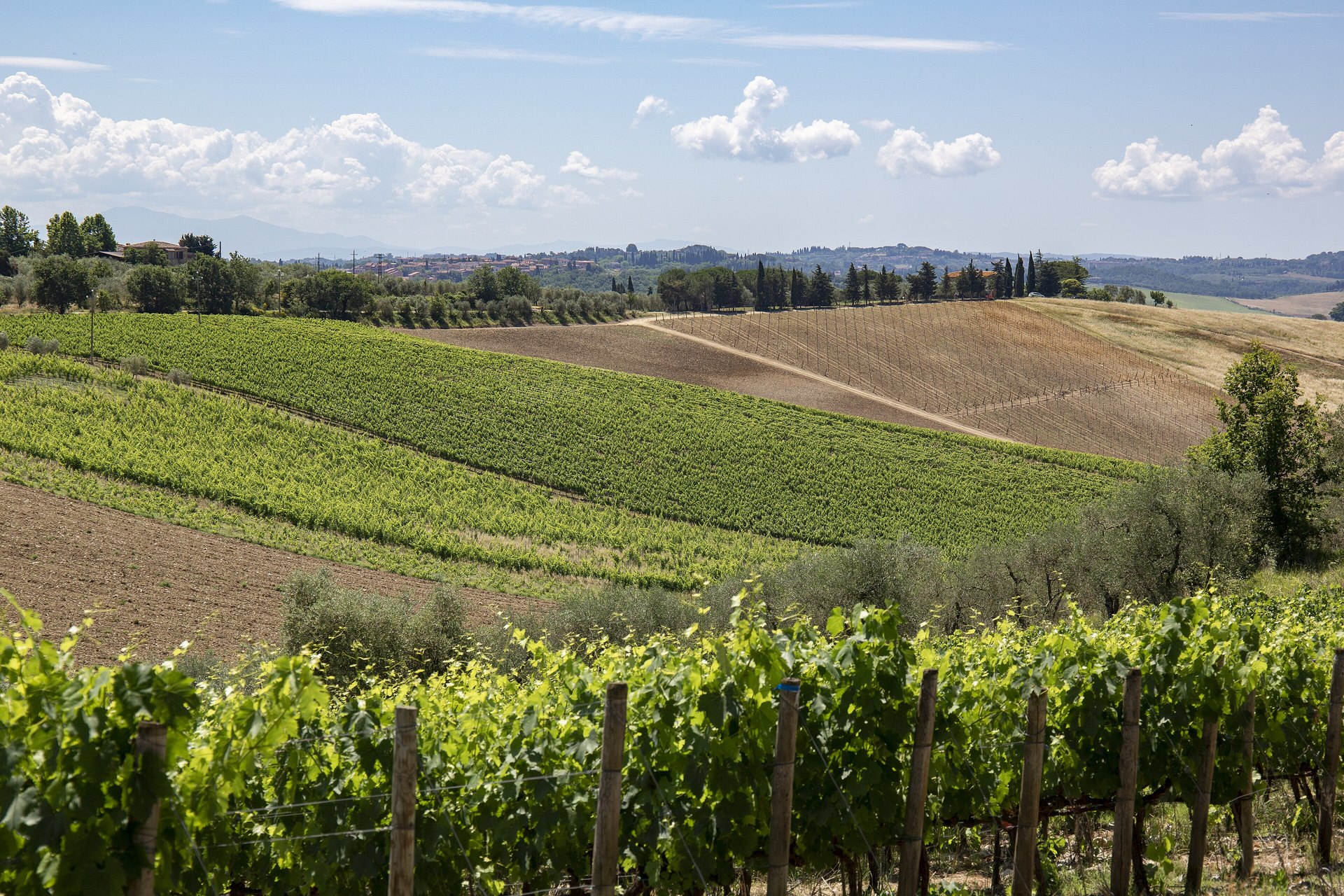
Chianti4 · Alicebrinis · CC BY-SA 4.0 · cropped
Val d'Orcia Hilltowns Drive
The Val d'Orcia offers a string of fortified towns along its ridges, perfect for a day's exploration by car.
Montalcino, a hill town under its 14th-century fortress, is a natural starting point for a day spent exploring the Val d'Orcia's ridge roads. This wide, open valley south of Siena is the view most people carry of rural Tuscany: farmed hills, lone cypresses, and Renaissance towns perched on high ground. It has been a UNESCO World Heritage cultural landscape since 2004, and the cypresses that line its roads and settlements are part of why. The region is best seen by car, allowing stops when a view opens up or a cantina beckons. The towns here are fortified, compact, and designed to be walked, not driven into, so parking outside the walls and exploring on foot is the accepted method.
From Montalcino, with its renown for Brunello, the region's most serious red wine, the roads wind eastward. The distances are short but slow, as the pretty two-lane routes bend around every hill. This is the time to embrace the pace and let the landscape unfold. The grape harvest, the vendemmia, runs from late August through October, with Montalcino often peaking later in the month. This season fills the towns with a particular character, and the light runs long and gold over the fields.
Continuing along the ridge, the next stop is Pienza, a small Renaissance town rebuilt in the 15th century by Pope Pius II as a model city. It is known for its pecorino di Pienza, the sheep's-milk cheese, which is worth seeking out. Pienza is small enough to see in a couple of hours, its streets offering views across the valley. It provides a contrast to the medieval feel of Montalcino, with its planned Renaissance layout.
Further east, Montepulciano anchors the far end of this route. It is known for Vino Nobile di Montepulciano, a Sangiovese-based red that was among Italy's first wines to earn the top DOCG rank. The town’s main street climbs to a handsome square, offering long views over the surrounding hills. Like the other hilltowns, it is a place for walking; remember that almost every historic town centre, including Montepulciano, is a Zona a Traffico Limitato, closed to non-resident cars and watched by cameras. Park in the lots outside the walls and walk in.
This string of towns — Montalcino, Pienza, Montepulciano — offers a full day beyond the base. It is a day of fortified towns, specific wines, and distinct local cheeses, all set against the backdrop of a protected landscape. The driving is part of the experience, a slow journey through the autumn light. Book ahead if you plan to visit a cantina; many estates receive visitors by appointment, not as a walk-in, and your hotel can usually set up two or three visits.
From Vol. 1 · No. 09 · September 2025, The Harvest Issue. The cover story is Where to Stay in Tuscany. Details change; confirm specifics with the property before you travel.
More from the column
-
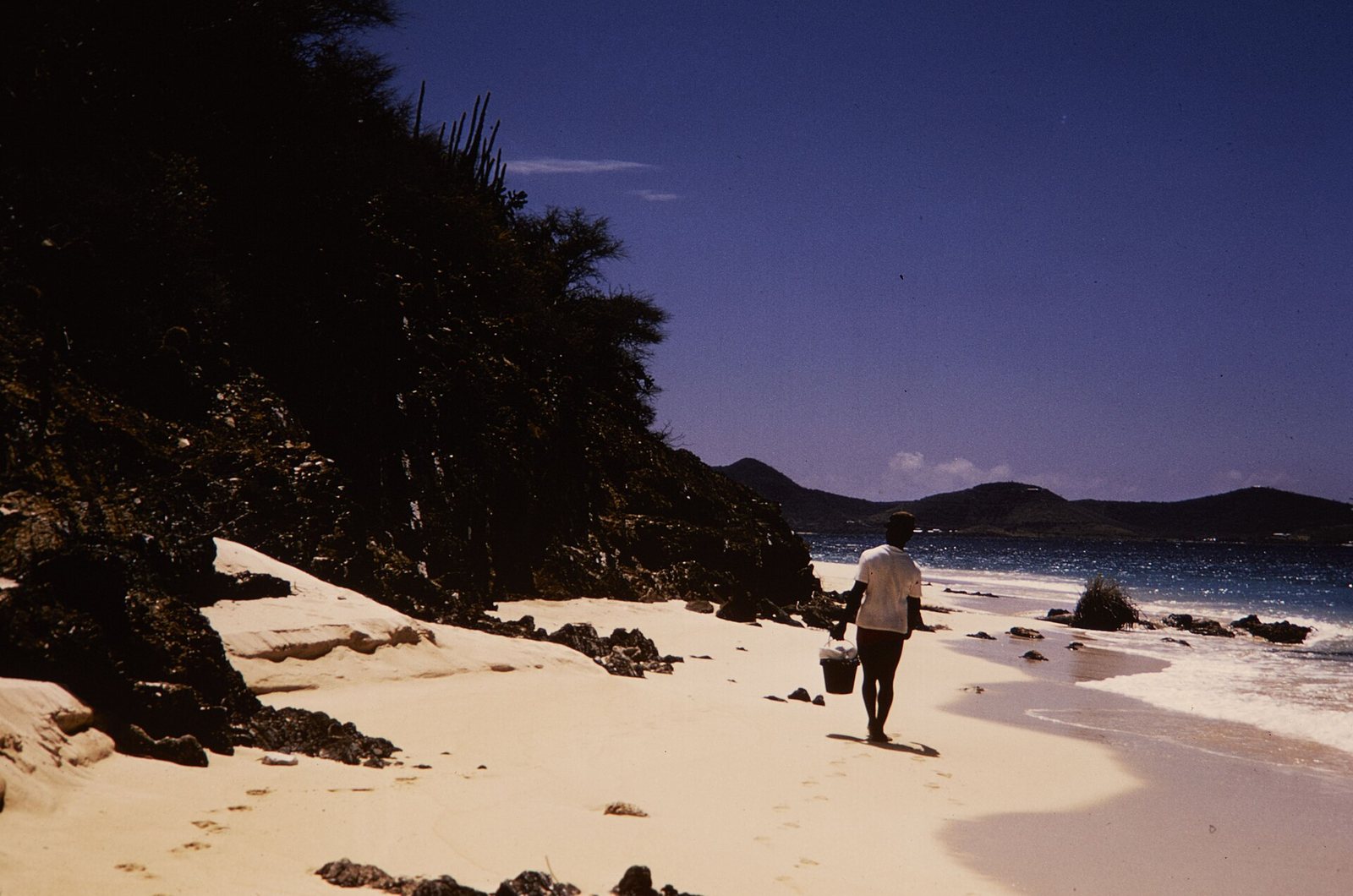 St. Croix · Vol. 2 · No. 10 · October 2026
Buck Island: St. Croix’s Reef Monument
A boat trip to Buck Island Reef National Monument offers an underwater snorkel trail and a stop at Turtle Beach.
St. Croix · Vol. 2 · No. 10 · October 2026
Buck Island: St. Croix’s Reef Monument
A boat trip to Buck Island Reef National Monument offers an underwater snorkel trail and a stop at Turtle Beach.
-
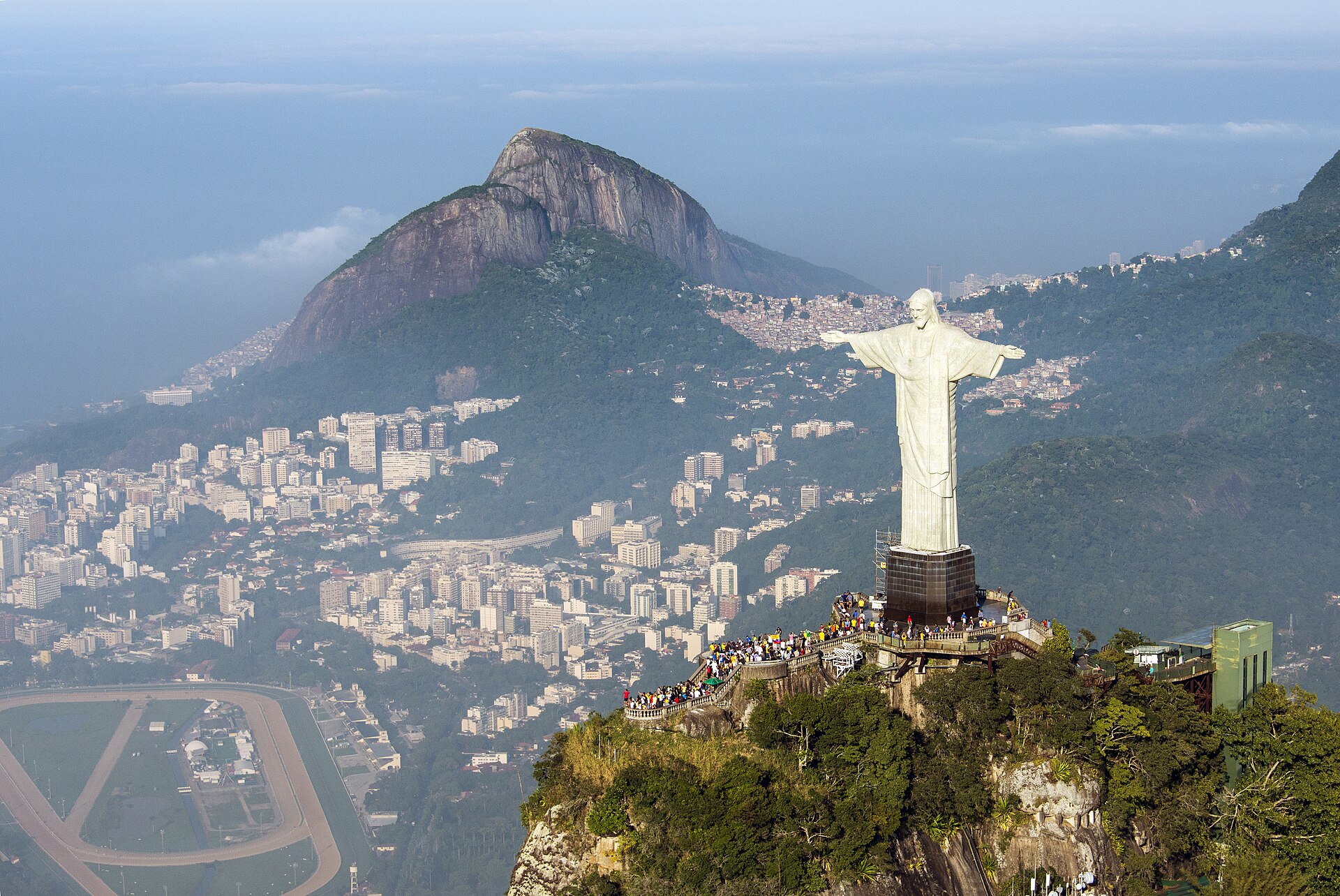 1 cristor redentor 2014 · Chensiyuan · CC BY-SA 4.0 · cropped
Rio de Janeiro · Vol. 2 · No. 09 · September 2026
Rio's Clear-Day Ascents
Plan two essential Rio climbs around the weather for views of the city and coast.
1 cristor redentor 2014 · Chensiyuan · CC BY-SA 4.0 · cropped
Rio de Janeiro · Vol. 2 · No. 09 · September 2026
Rio's Clear-Day Ascents
Plan two essential Rio climbs around the weather for views of the city and coast.
-
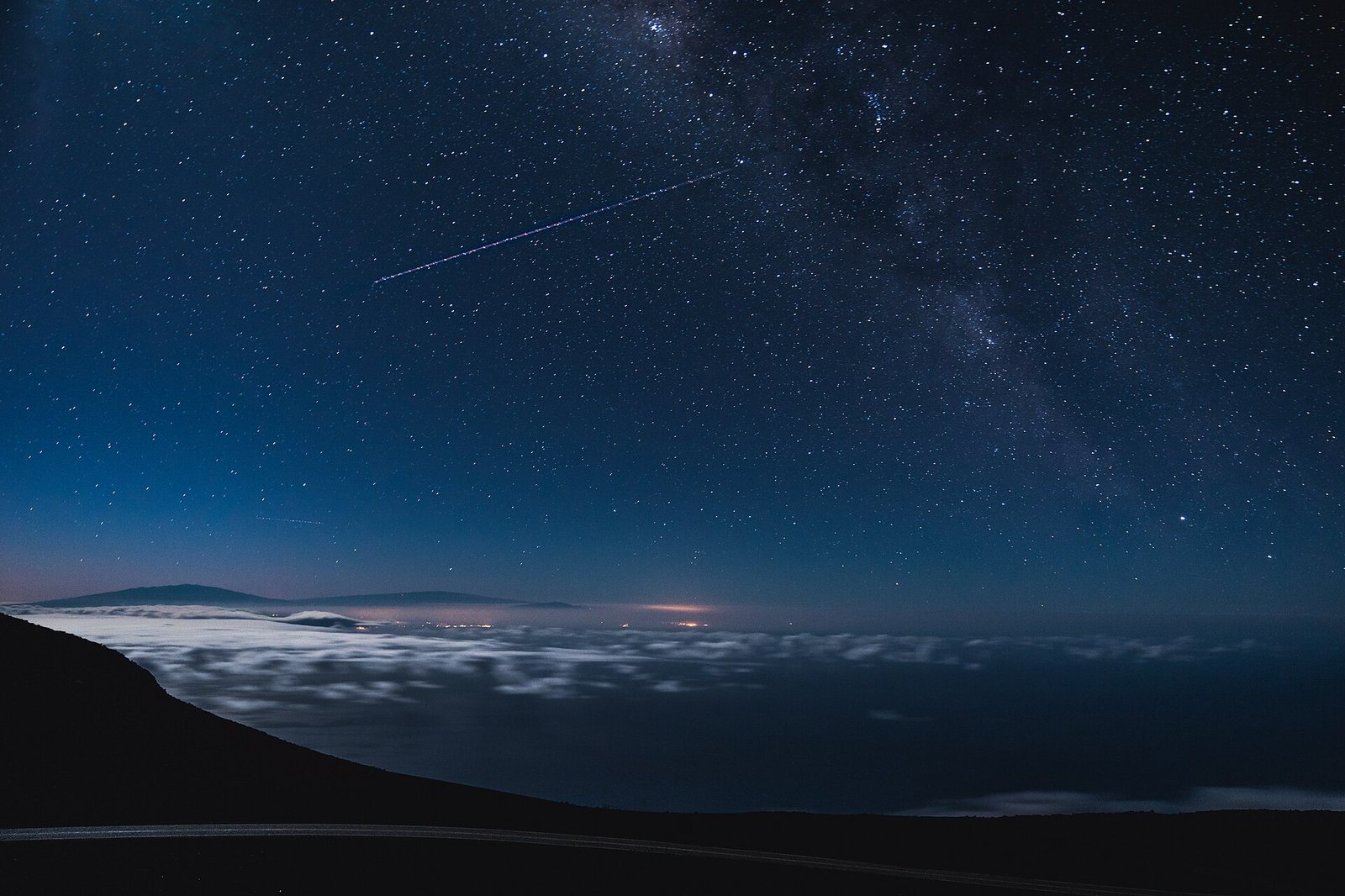 Maui · Vol. 2 · No. 08 · August 2026
Maui's Two Big Drives
Maui's two signature drives, Haleakalā's summit and the Road to Hāna, are full days out, each requiring early starts and a full tank.
Maui · Vol. 2 · No. 08 · August 2026
Maui's Two Big Drives
Maui's two signature drives, Haleakalā's summit and the Road to Hāna, are full days out, each requiring early starts and a full tank.
-
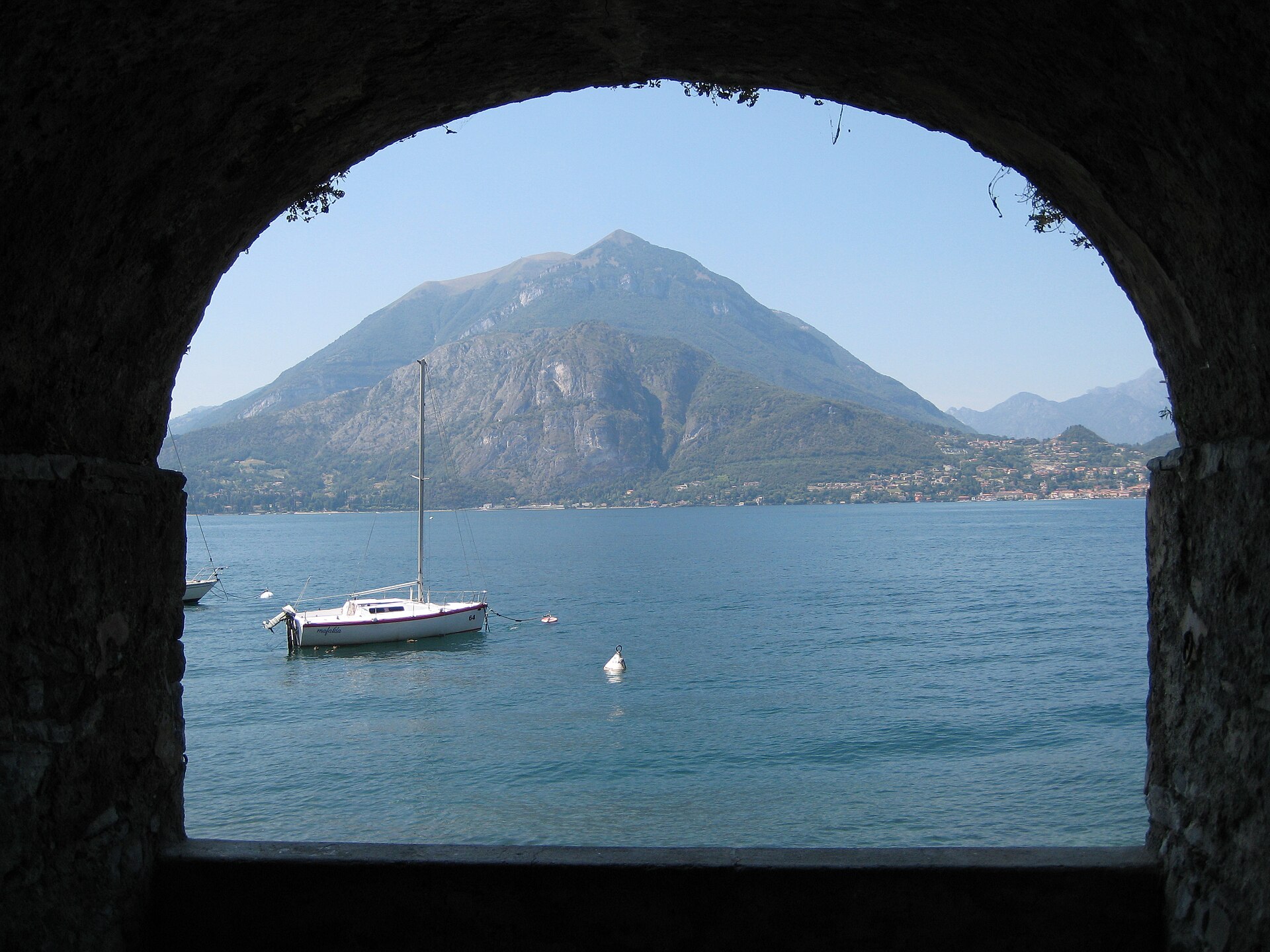 Lake Como from Varenna 01 · Aconcagua · CC BY-SA 3.0 · cropped
Lake Como · Vol. 2 · No. 07 · July 2026
Western Shore Gardens
Leaving your base for a boat day to Villa del Balbianello and Villa Carlotta reveals the cultivated beauty of Lake Como's western shore.
Lake Como from Varenna 01 · Aconcagua · CC BY-SA 3.0 · cropped
Lake Como · Vol. 2 · No. 07 · July 2026
Western Shore Gardens
Leaving your base for a boat day to Villa del Balbianello and Villa Carlotta reveals the cultivated beauty of Lake Como's western shore.
The columns, every month.
One considered letter when a new issue lands: the cover story, the four columns, and the month's news.
Comments