The short version
- Sleep
- A crib or play yard that meets CPSC standards, with its own mattress and a fitted sheet only
- High chair
- Made on or after June 19, 2019, with straps that work
- Stairs
- Gates that screw to the wall at the top of every staircase
- Furniture
- TVs, dressers and bookcases anchored to the wall
- Hot water
- The water heater at 120°F (49°C)
- The pool
- A four-sided fence, alarms on the doors and an adult watching
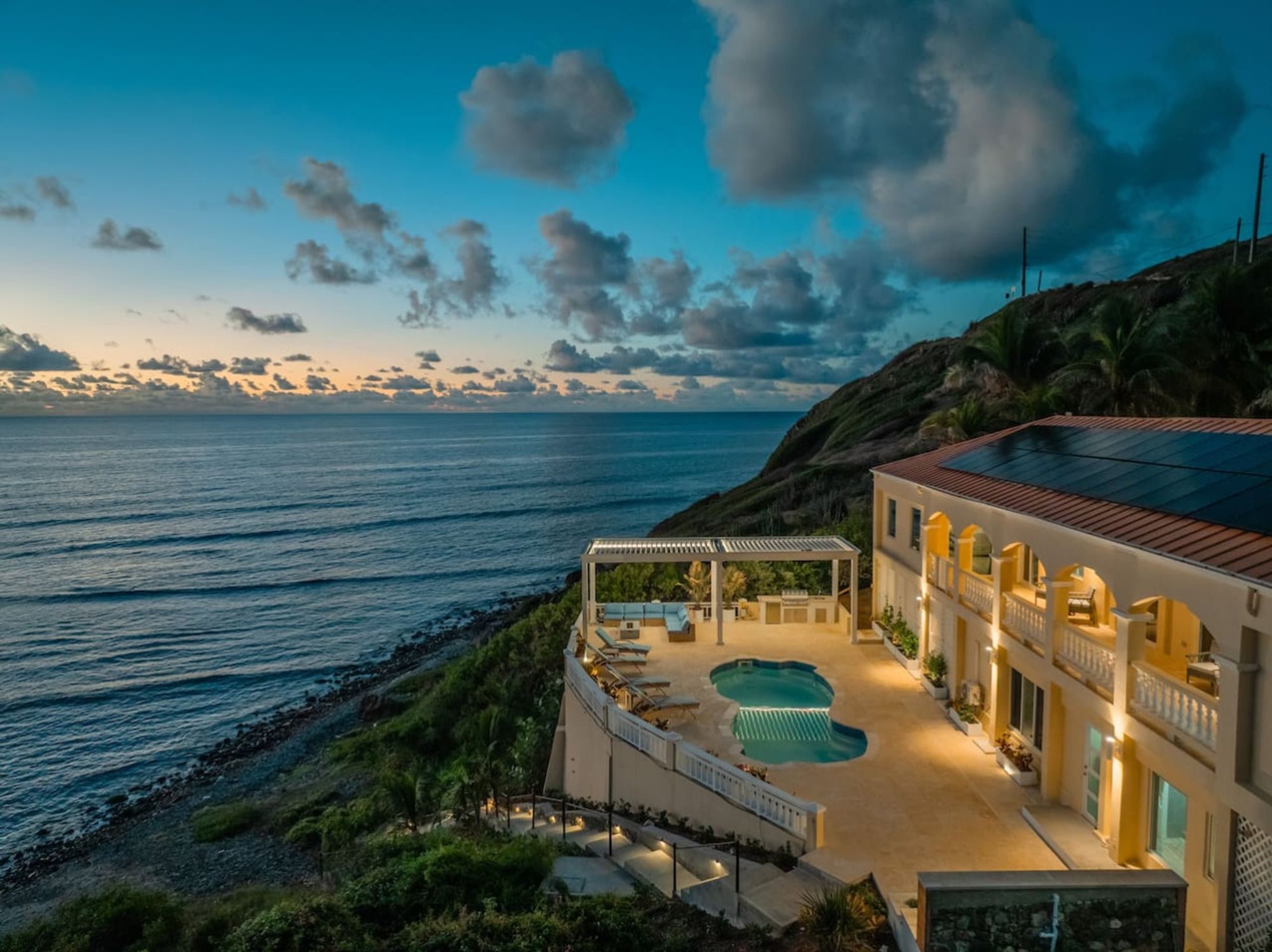
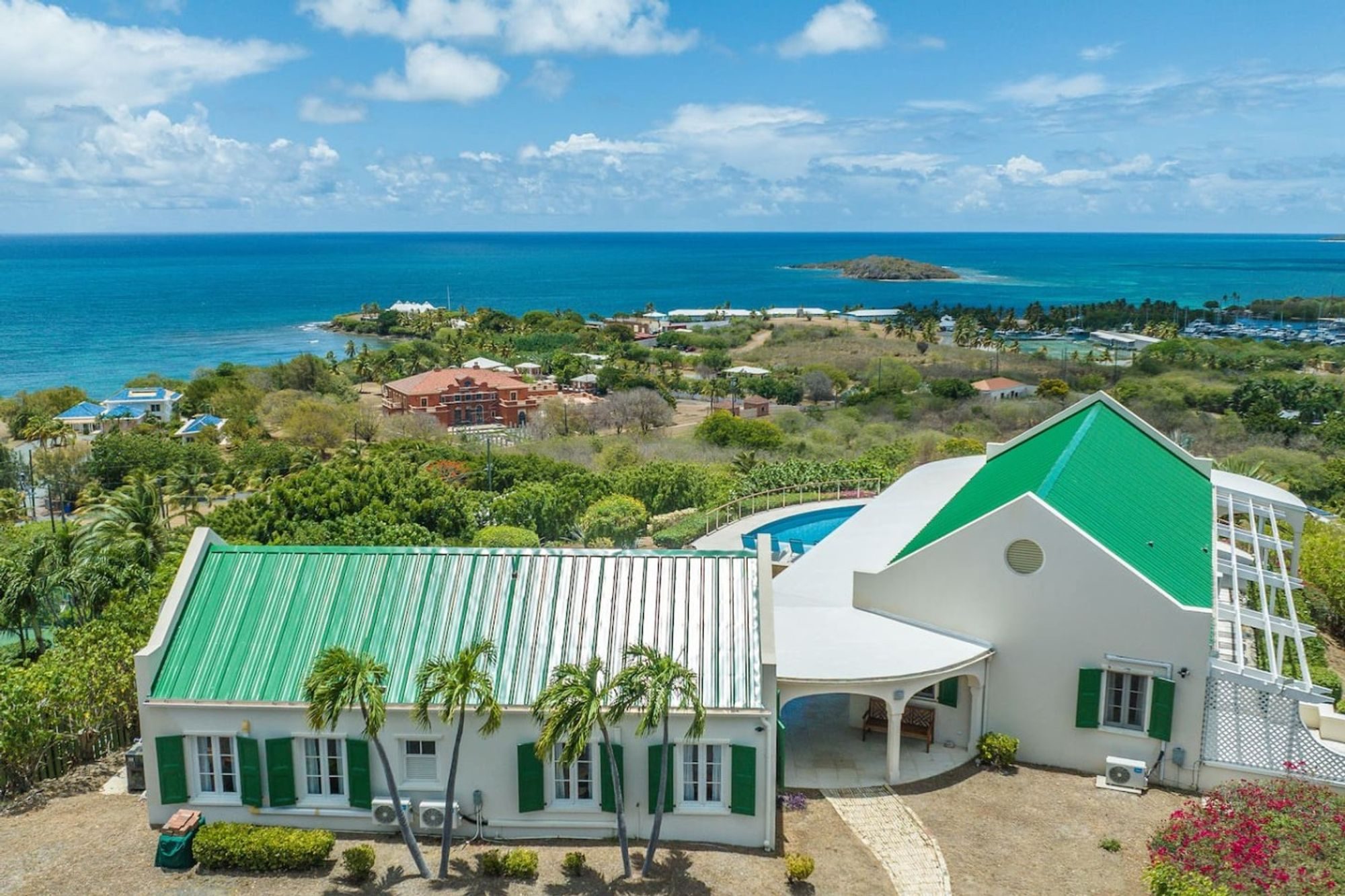
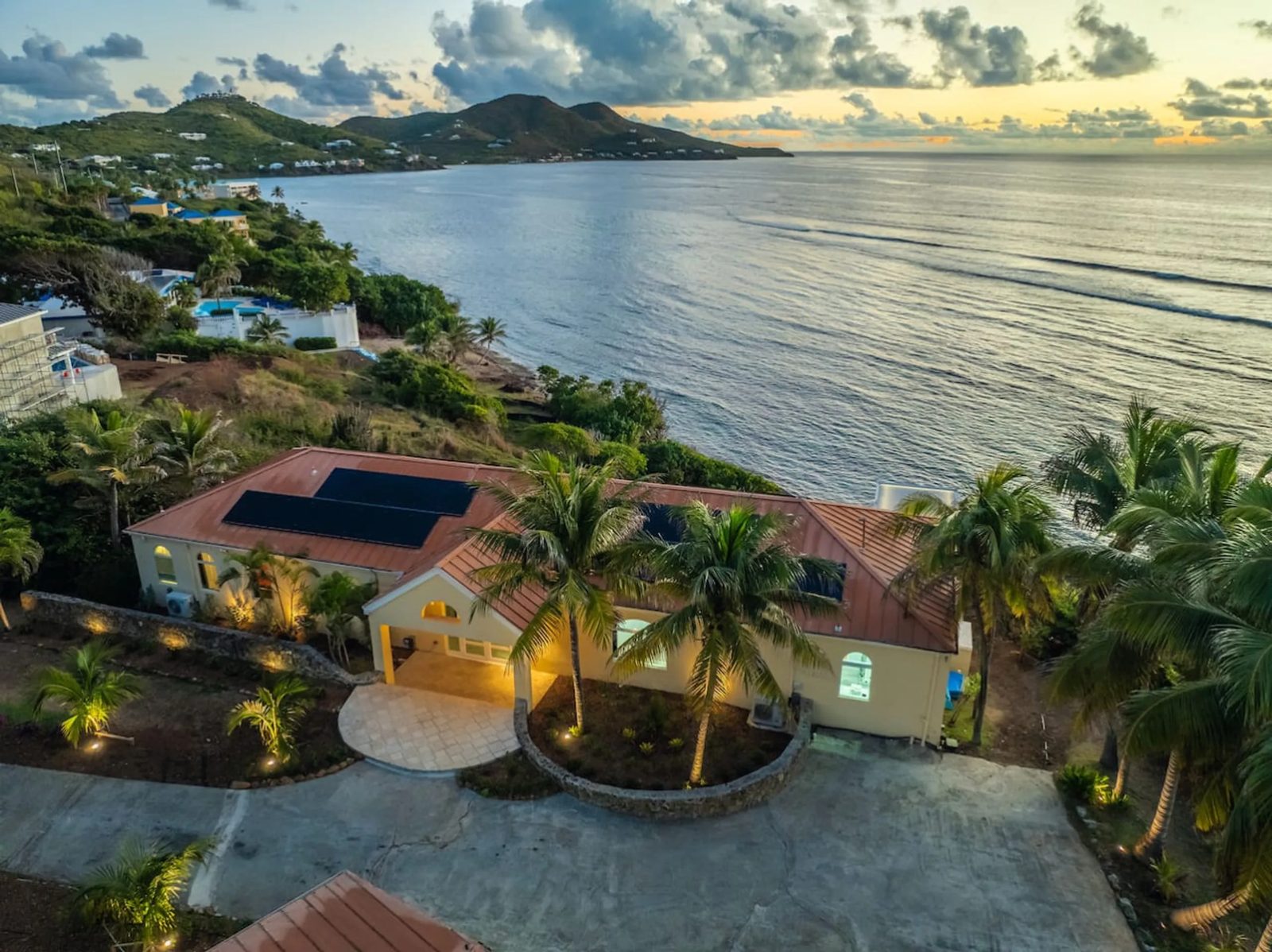
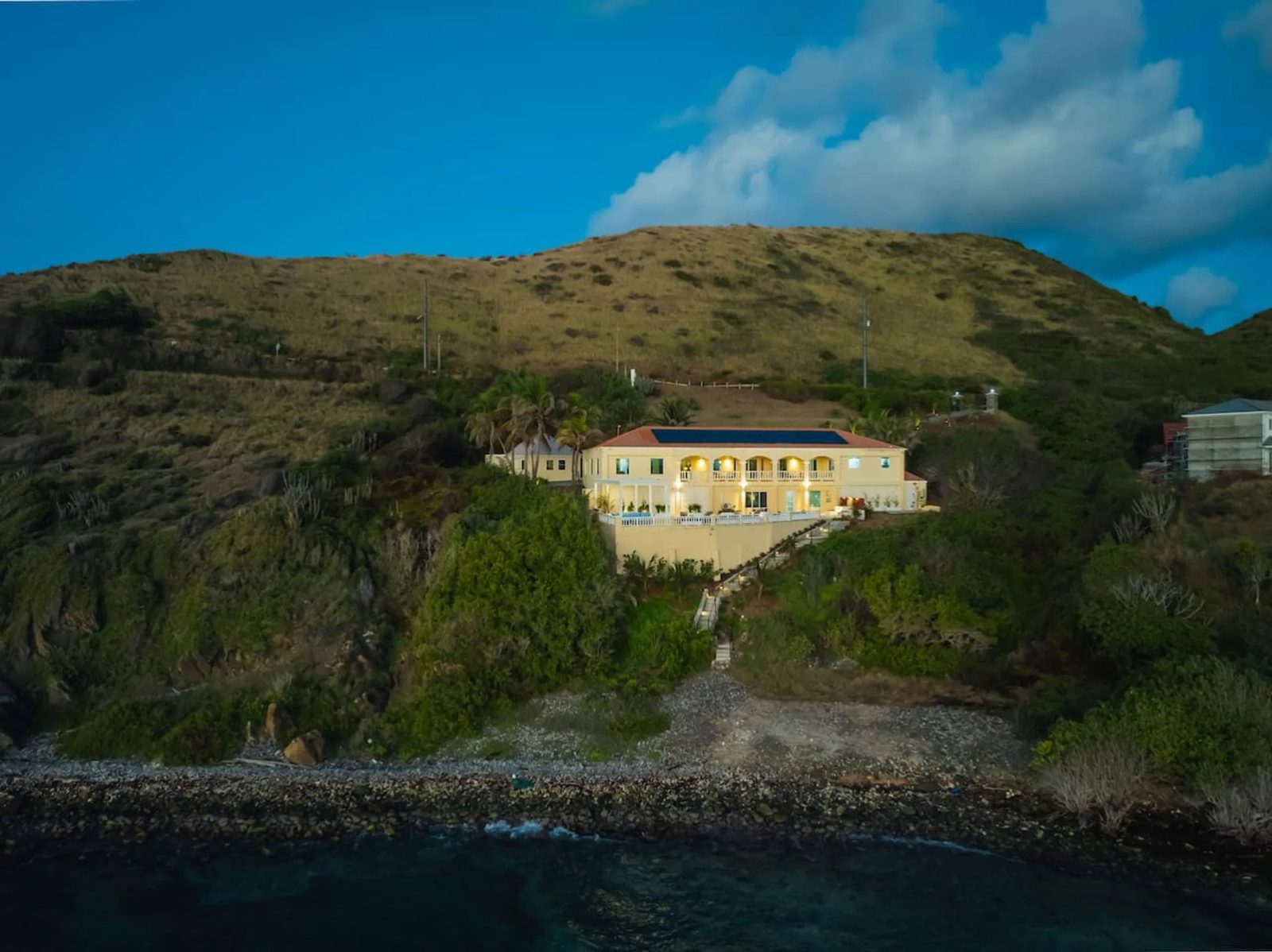
A family with a baby or a toddler arrives with luggage, a car seat and three questions: where will the baby sleep, is there a gate on the stairs, and how far is the pool from the back door. The houses that suit families have answered all three in writing before the booking. The Cerulean, a five-bedroom villa on St. Croix that sleeps twelve, lists a high chair, a travel crib and stair gates among its amenities, and its own website describes the slopes and steps of the property for anyone who needs to know.
This guide covers what to have ready and what to tell families, from the cot to the pool. The safety points come from the CPSC, the U.S. federal agency for consumer product safety, from the Centers for Disease Control and Prevention (CDC) and from the American Academy of Pediatrics (AAP). The examples come from houses in Amorielli’s Collection.
Where the baby sleeps
The AAP counts around 3,500 babies in the United States who die suddenly and unexpectedly in their sleep each year, and its advice, like CPSC’s, is short. A baby sleeps on its back, for naps and at night, on a firm, flat surface, in a crib, bassinet, portable crib or play yard that meets CPSC’s safety standards. Nothing goes in with the baby but a fitted sheet: no pillows, quilts, blankets, bumpers or toys. CPSC calls it “Bare is Best.” Any surface that inclines more than 10 degrees is not safe for sleep.
For an owner, that becomes four habits. Keep the travel cot’s own mattress and nothing more: CPSC advises against supplemental mattresses in play yards because they can leave a gap that traps a baby, and the AAP lists mattress toppers among the soft bedding to keep out. Keep the instructions and every piece of hardware with the cot, because the AAP’s advice is not to use a crib that has no instructions, is missing hardware or is broken. Check CPSC’s recall list before you buy, and again for an older cot. And keep two fitted sheets made for that mattress, so that one is always clean.
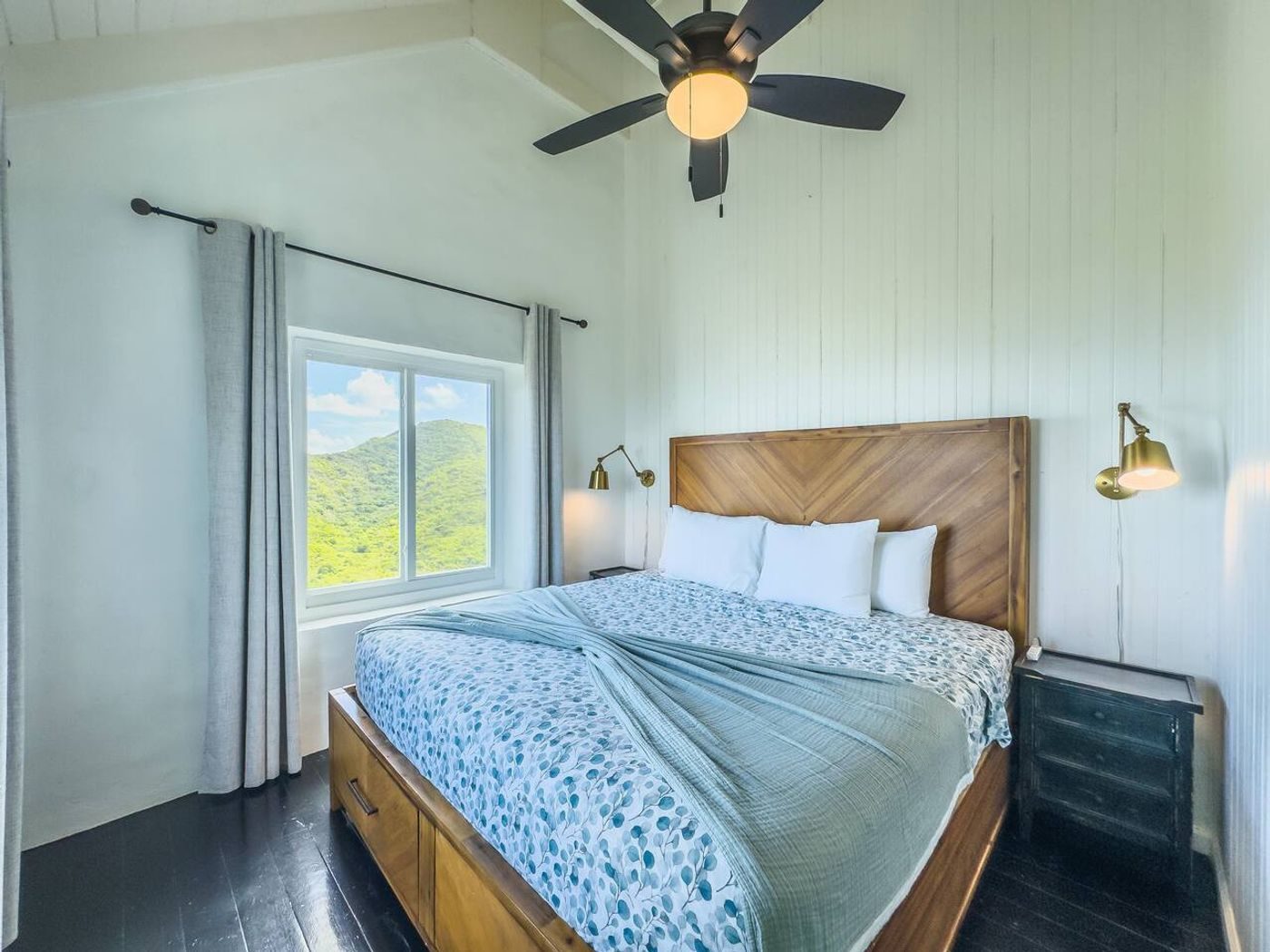
Then think about where the cot will go. The AAP recommends that a baby shares the parents’ room, though never their bed, for at least the first six months, so measure the floor beside the bed in the main bedrooms and make sure a cot fits there. Keep it away from windows. CPSC warns that children have strangled on the cords of blinds and curtains, and that it can happen “in mere moments, even with an adult nearby”; where young children stay, it advises cordless window coverings, and otherwise moving cots, beds and furniture away from the cords. The Cerulean lists a Pack-n-play travel crib, and its owners provide a high chair on request.
High chairs and gates
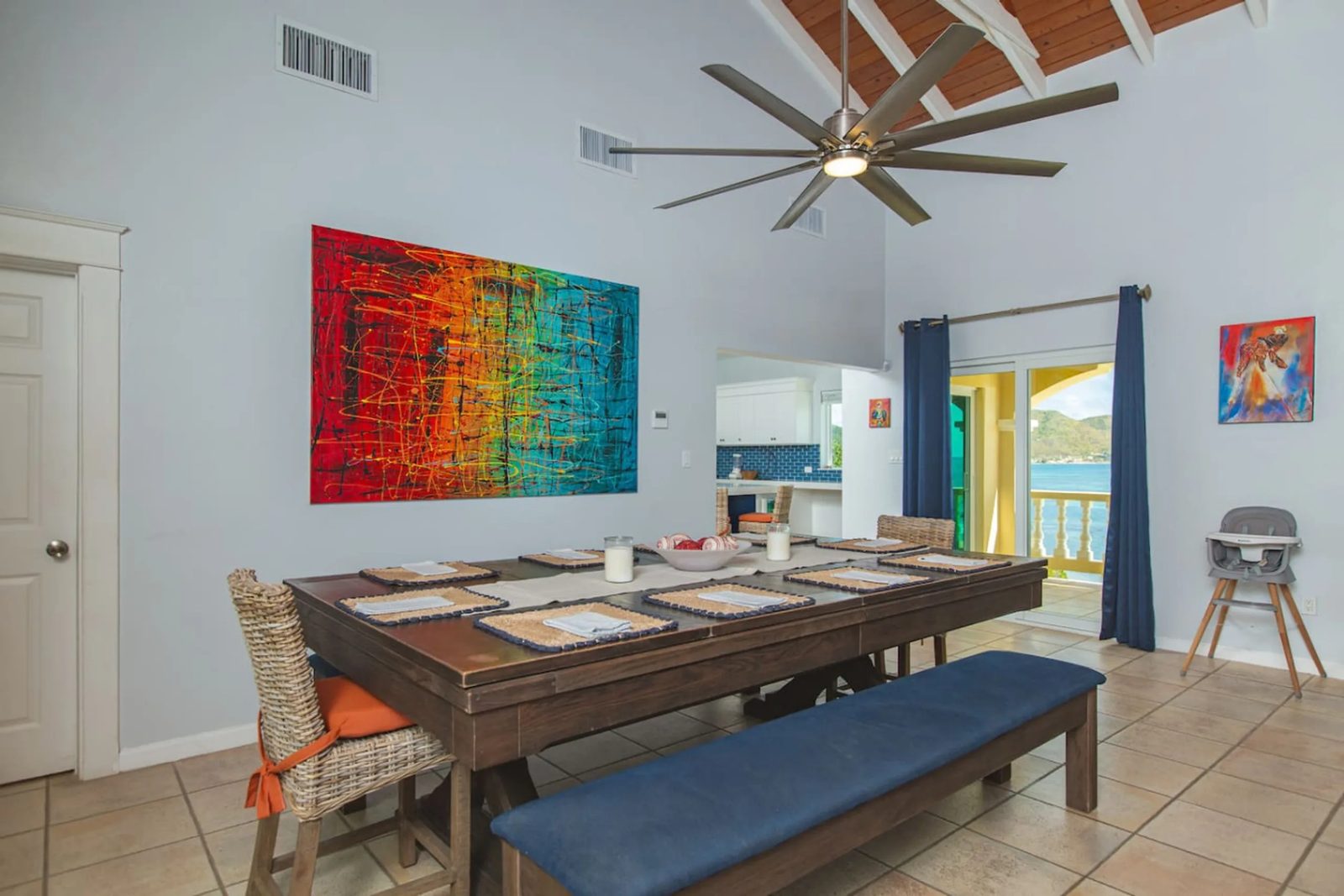
Buy a high chair made under the current standard. CPSC’s federal standard applies to high chairs made or imported on or after June 19, 2019, and the manufacture date is printed on a label on the chair. Its advice to parents doubles as a checklist between stays: the safety straps should work and adjust to fit a child snugly, because the tray is not a restraint; children should not climb into the chair or stand on it; and an adult should stay near. CPSC’s 2019 announcement put high chair-related injuries at an estimated 18,500 over a two-year period.
Stairs need gates that are fixed in place, and CPSC’s rule is clear: at the top of a staircase, use only a gate that screws to the wall. Pet gates should never stand in for a child gate, and old gates with V-shaped openings large enough to trap a child’s head should be replaced. A gate protects only when it is latched, and CPSC reminds parents that no device is completely childproof, so tell families where the gates are and show them how each one opens. The Cerulean lists stair gates among its amenities.
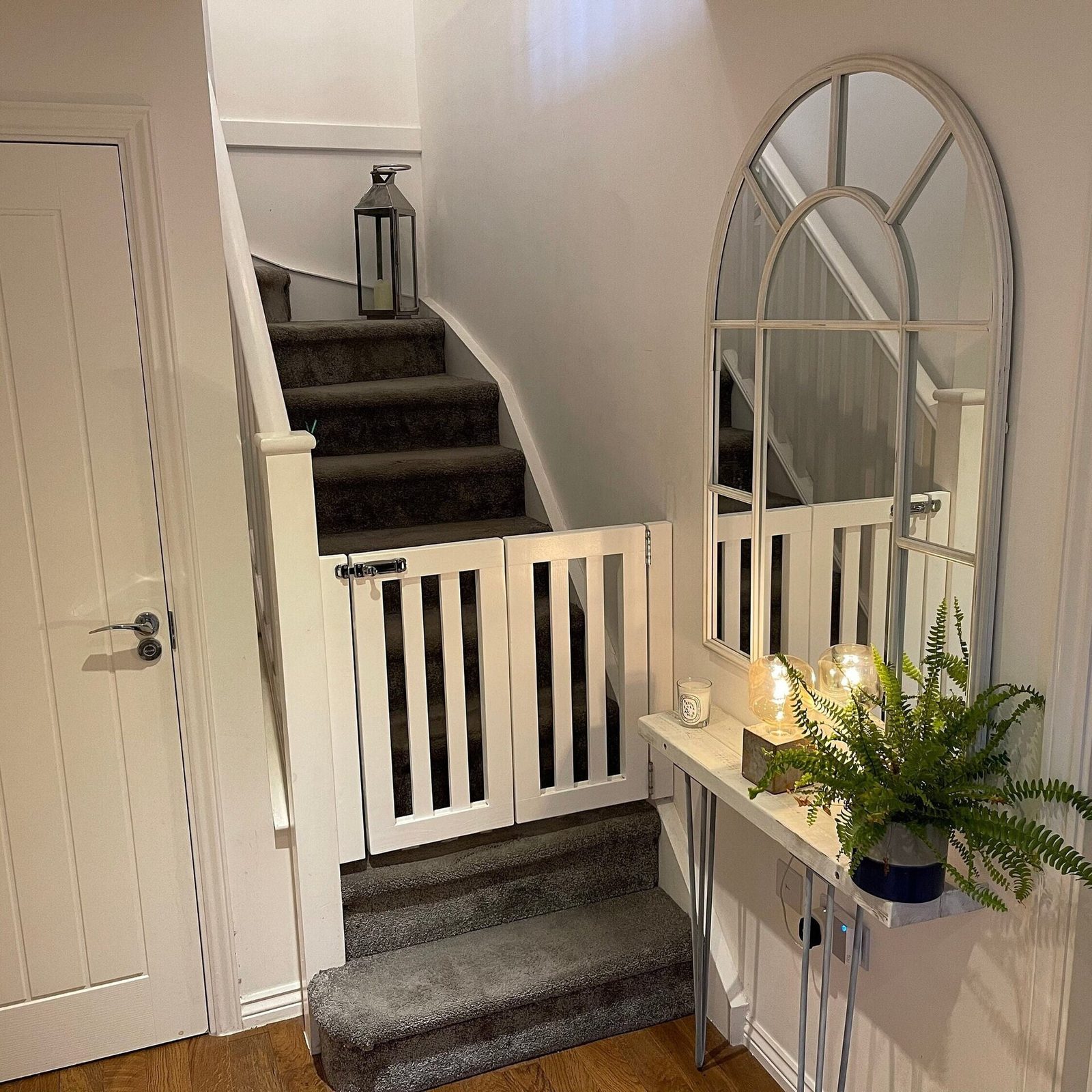
Stair gate · Penguinpappa · CC BY-SA 4.0 · cropped
Furniture, windows and small things
A holiday house is full of furniture a toddler has never seen, and CPSC addresses rentals directly: it asks people to anchor TVs and heavy furniture “whether you’re hosting, watching at a friend’s house, or at a vacation rental.” Dressers, bookcases and televisions should be fixed to the wall with an anchoring kit, which needs only a drill, a screwdriver and a stud finder to fit. Where a TV cannot be anchored, it should stand on a sturdy, low base, pushed back, with its cables out of reach, and toys and remotes should not sit on high shelves that invite climbing. CPSC estimates that U.S. emergency departments treated an average of 17,800 tip-over injuries a year from 2020 to 2022, and that 44 percent of those hurt were under 18.
Windows need two kinds of attention. Screens do not stop a child falling, CPSC warns. It advises window guards or safety netting, with window openings limited to four inches (about ten centimetres), while at least one window in each room stays easy to open as an escape in a fire. And blind cords should be cordless or cut as short as possible.
The smallest hazard in the house may be in the remote control. CPSC warns that a swallowed button or coin battery can burn through a child’s throat in as little as two hours, and asks that remotes and other devices whose battery compartments lack a screw closure be kept away from children. Check every remote, key fob, kitchen scale and flameless candle in the house. Put cleaners, laundry detergent and medicines behind safety latches, and write the U.S. poison control number, 1-800-222-1222, in the house manual. CPSC also asks for smoke alarms on every level, inside each bedroom and outside the sleeping areas, with carbon monoxide alarms outside the bedrooms; The Cerulean lists both.
The pool
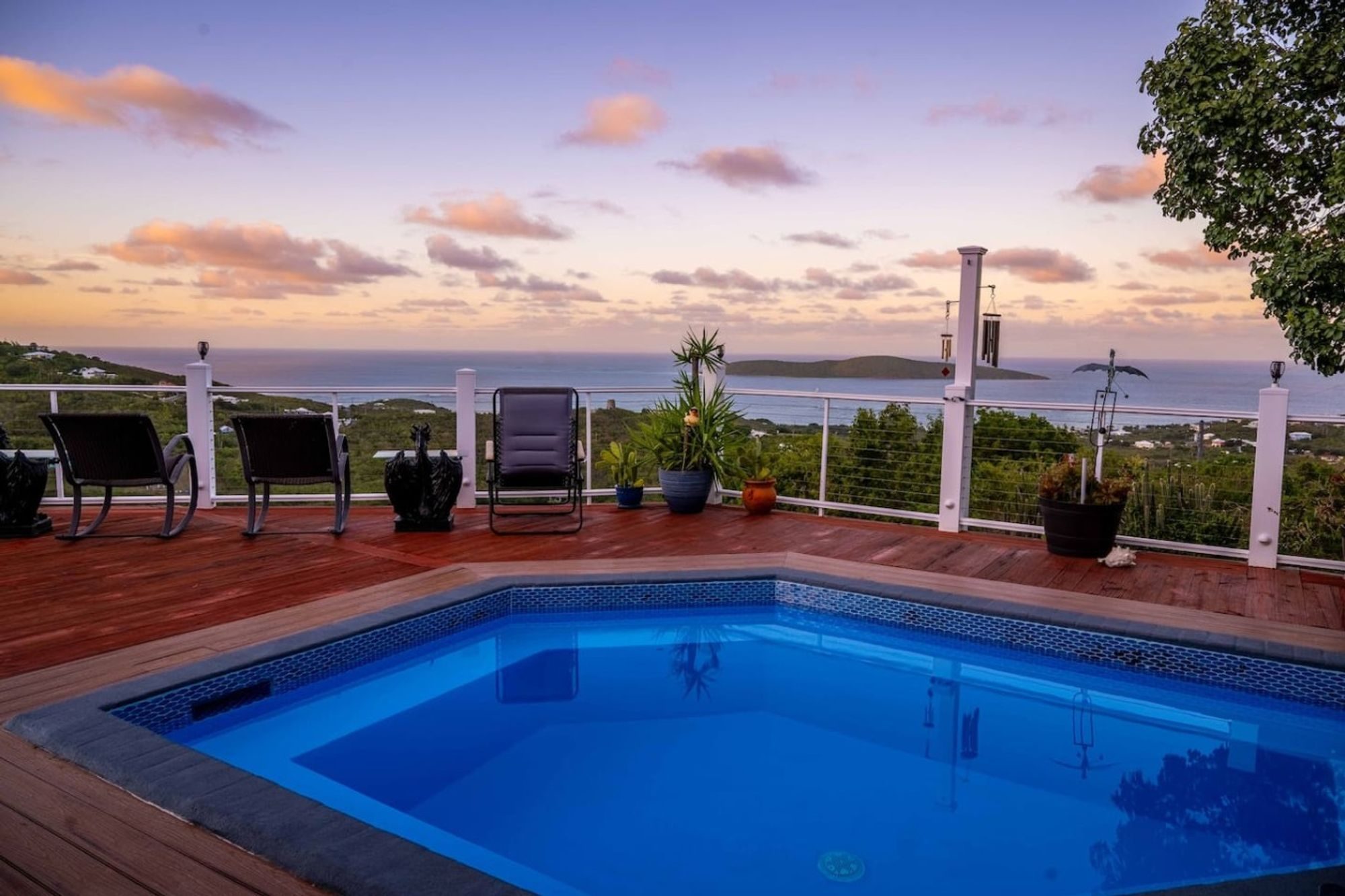
For a family with small children, the pool is the part of the house that needs the most thought. More children aged one to four die from drowning than from any other cause, according to CDC, and drowning “happens in seconds and is often silent.” CPSC’s report published in June 2026 counts an average of 376 children under 15 who drowned in pool- or spa-related incidents each year from 2021 to 2023. Nearly 80 percent were under five, and over 70 percent of the deaths happened in residential settings: a child’s own home, the house of family or friends, or a neighbour’s.
The answer, in CPSC’s words, is layers of protection. CDC recommends a fence at least four feet (about 1.2 metres) high that encloses the pool on all four sides and separates it from the house, with gates that close and latch by themselves. CPSC adds alarms on the doors that lead to the pool, pool covers, and self-closing, self-latching hardware on those doors and gates. After every swim the barrier goes back: CDC’s advice is to shut and lock the doors that give access to the water, and to take the toys out of the pool area so that they do not draw a child back to it.
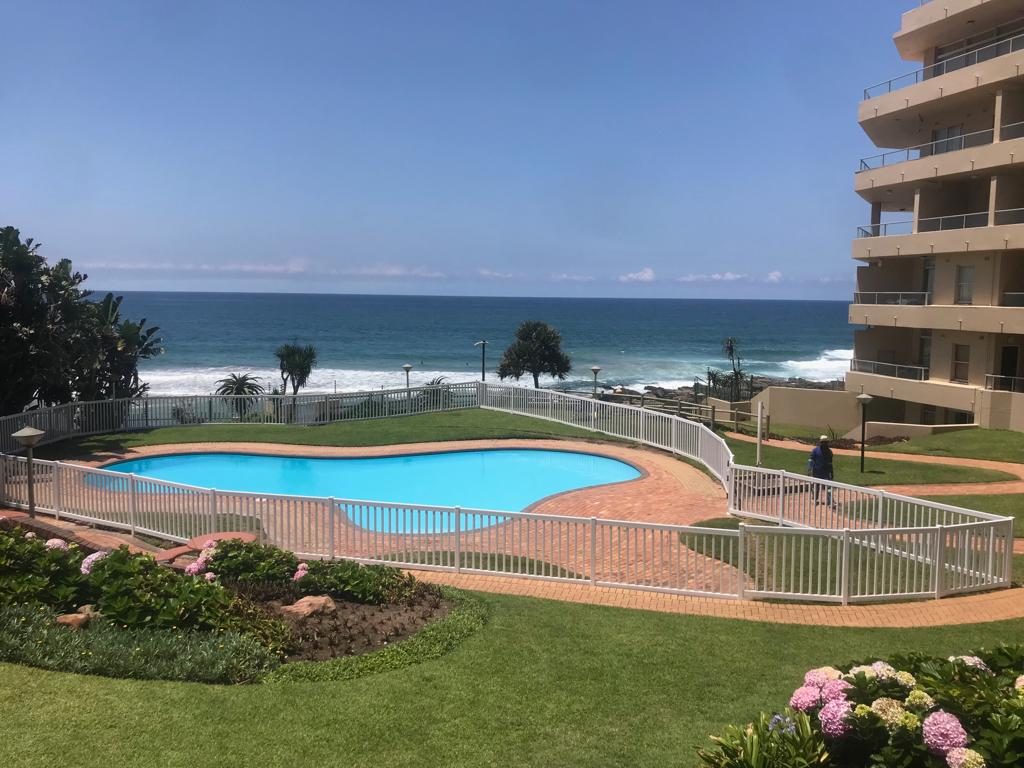
PVC Pool fencing - Vinyl swimming pool fence · Valuefencing · CC BY-SA 4.0 · cropped
The last layer is a person. CPSC asks families to name a Water Watcher, an adult whose only job is to watch the children in the water, without a book or a phone, and, CDC says, without a drink. CPSC’s warning reaches beyond the pool to bathtubs, buckets, decorative ponds and fountains. CDC adds that air-filled and foam toys are not safety devices, and that children who have had swimming lessons still need close and constant supervision.
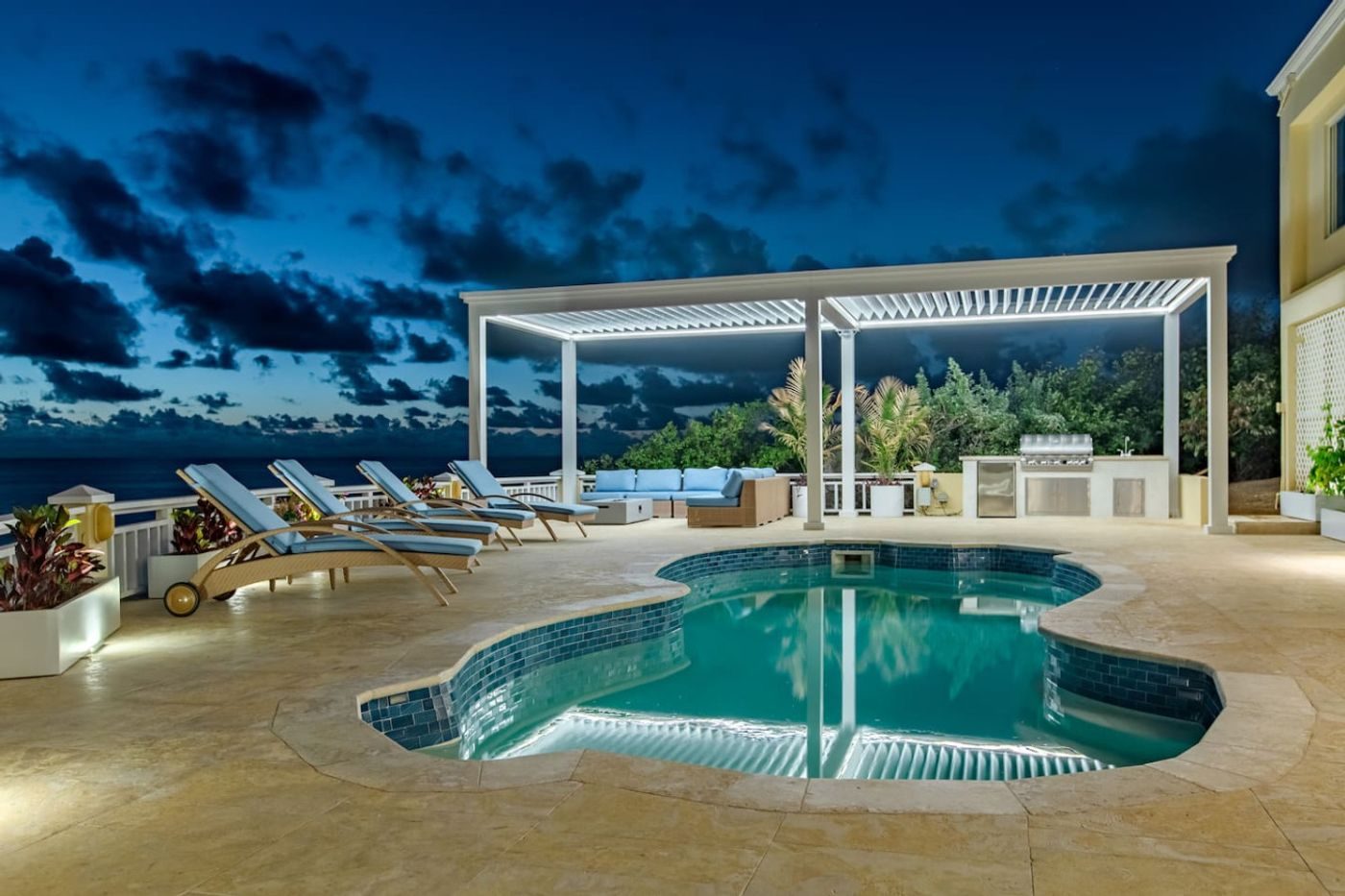
An owner cannot supervise for a family, but can make it easier. Say plainly in the listing what the pool has: a fence or none, a cover, alarms on the doors. If there is no fence, say so, and tell families to plan on an adult at the pool whenever small children are near it. Put the pool rules and the emergency numbers by the door to the deck, and keep pool toys in a closed box away from the edge.
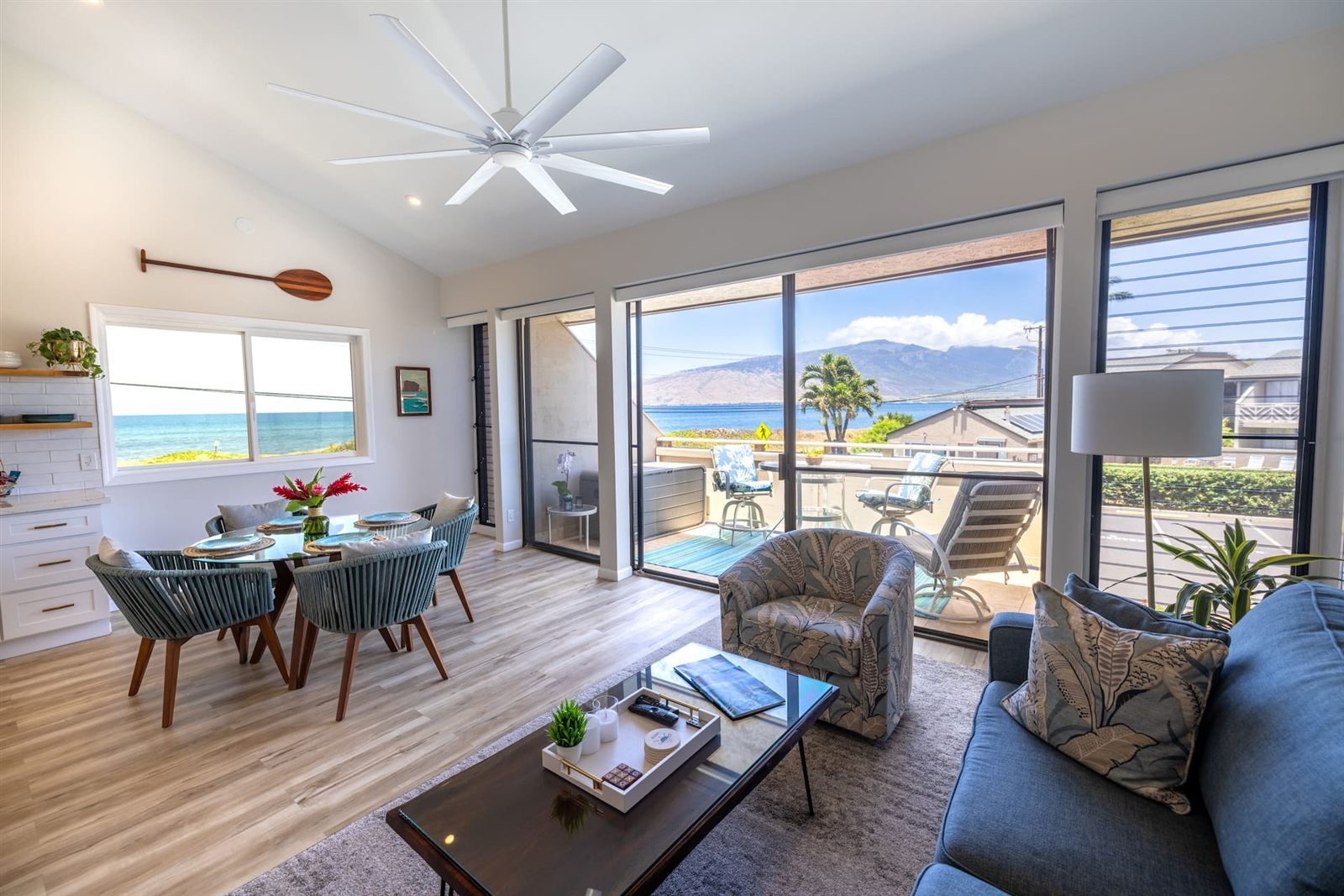
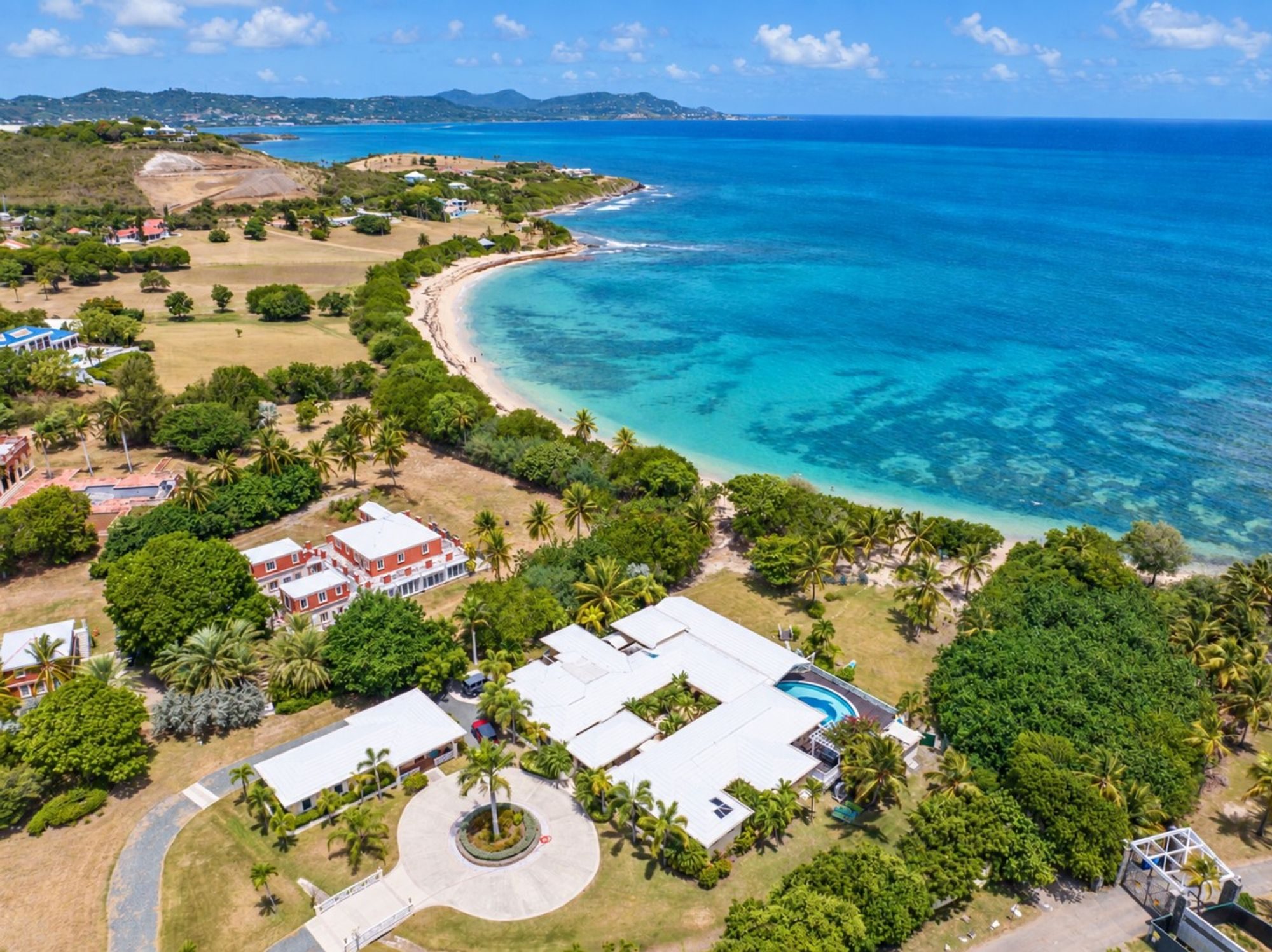
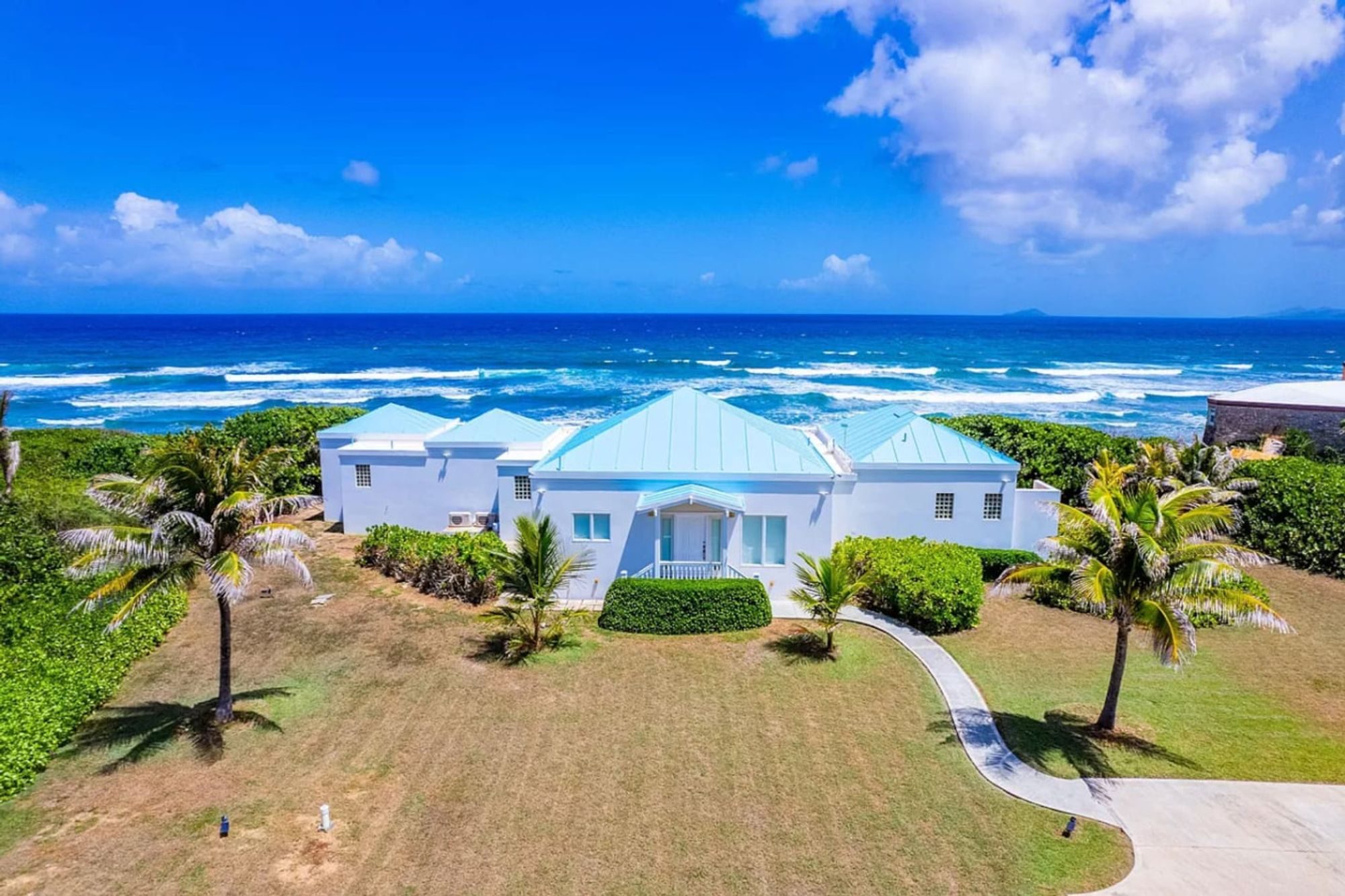
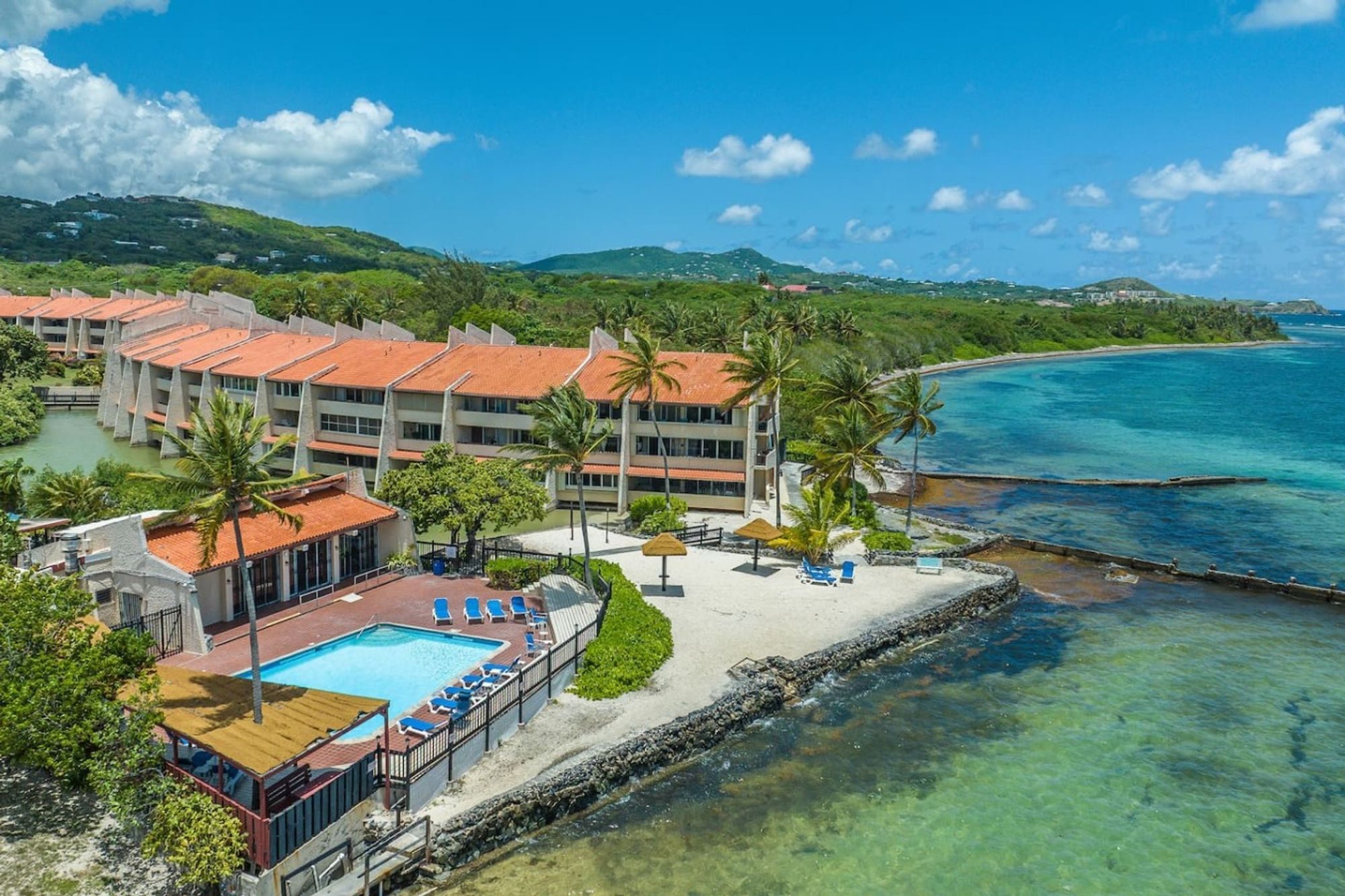
The sea needs the same plain words. Toes in the Sand Beach House, on St. Croix’s north shore, faces a beach that guests describe as rocky, with strong waves. Chris, a guest in June 2026, wrote that for families with small children “this beach is not really swimmable due to rockiness and intense waves.” A family that knows this plans its days around the pool and a calmer beach a short drive away. CDC advises life jackets for children in and around natural water, and a house on the sea can keep children’s sizes with the beach towels. At Sea Sun Maui, Robin, a guest in December 2024, found the owners had left “boogie boards, beach chairs and towels, even a cooler!”
Bathrooms and hot water
The hot water is the bathroom hazard an owner controls from the utility room. CPSC’s safety alert on tap water scalds says the majority of injuries and deaths involve older people and children under five, and asks for water heaters to be set at 120°F (49°C). It gives the arithmetic: most adults suffer third-degree burns from water at 150°F in two seconds, at 140°F in six seconds and at 130°F in thirty. Set the heater, then check it with a candy or meat thermometer under the hot tap, first thing in the morning. Anti-scald devices for taps and shower heads add another layer.
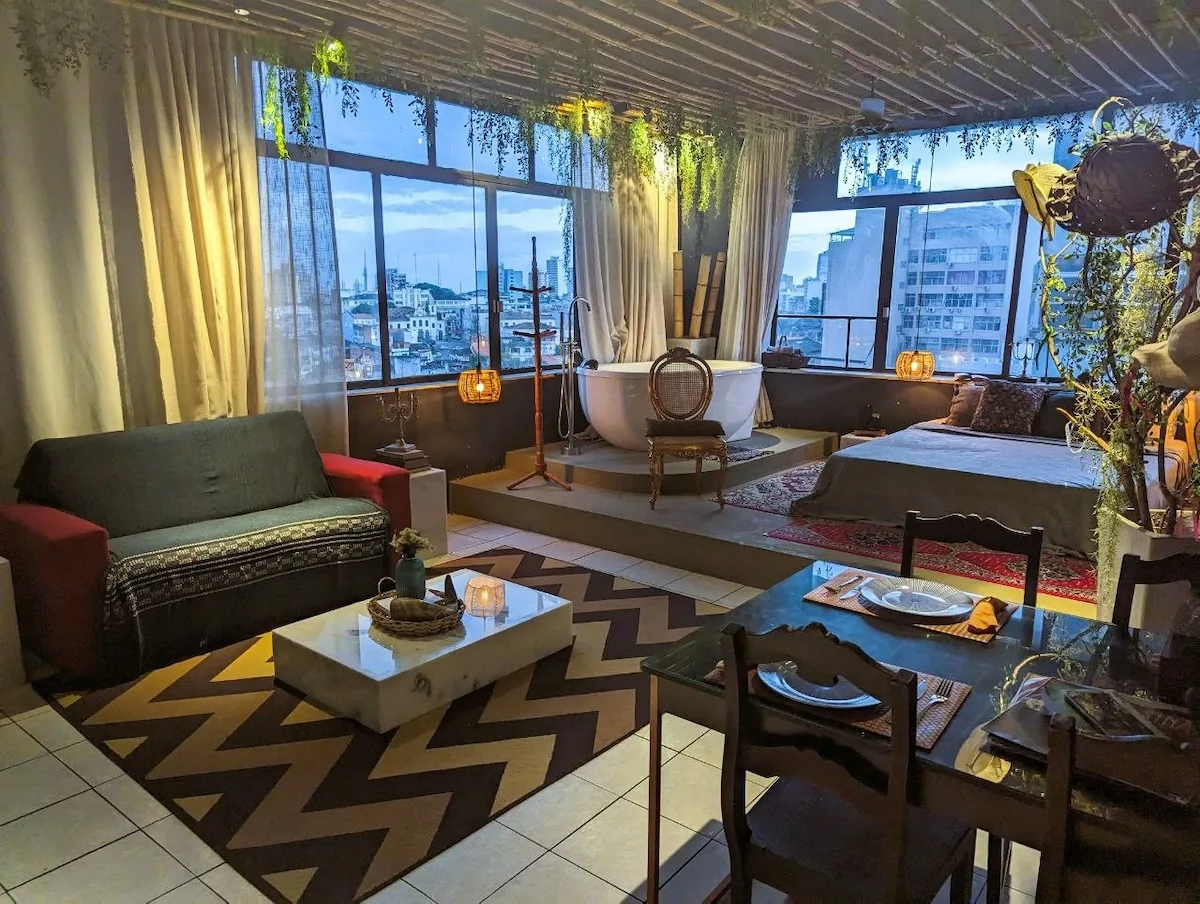
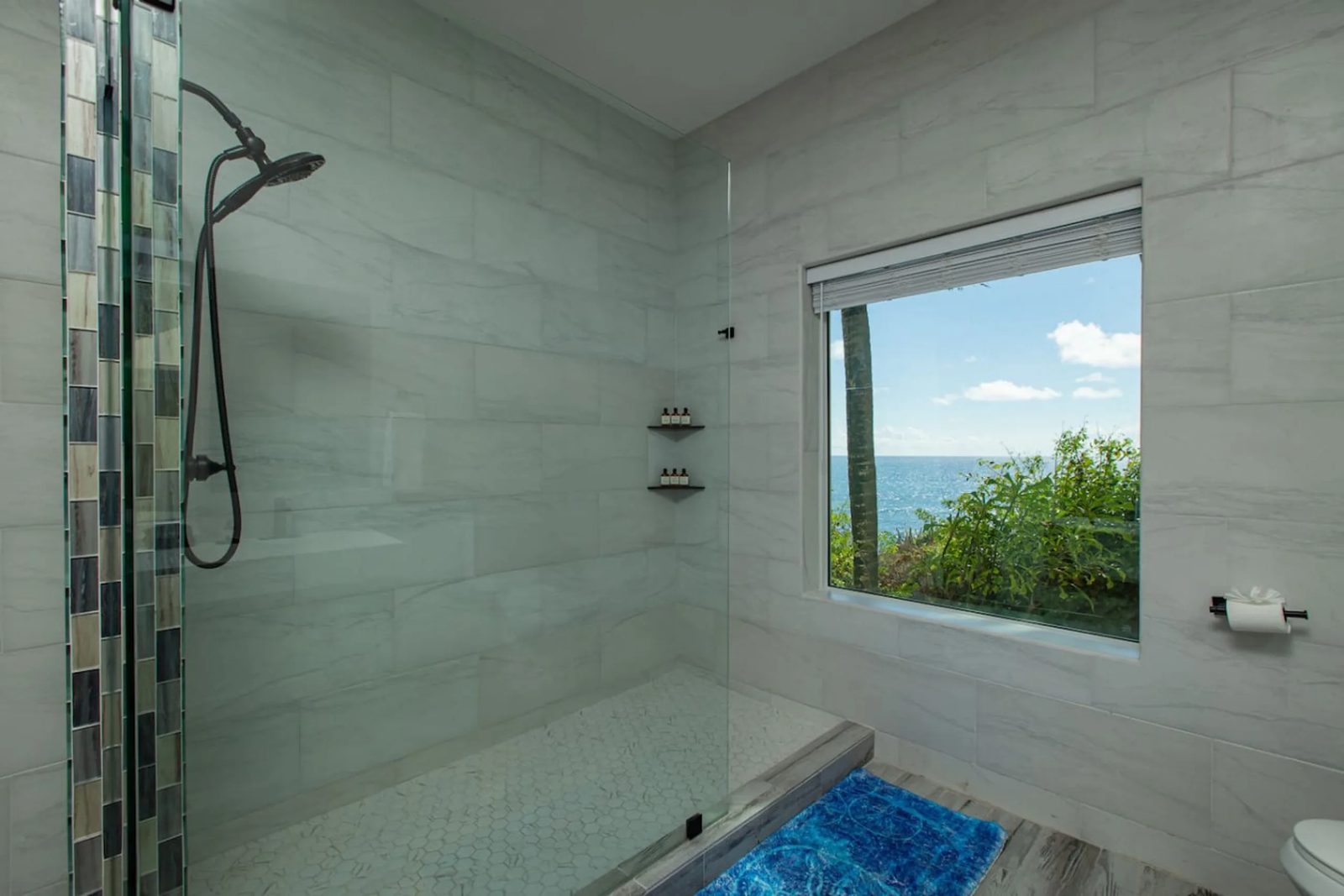
Bath time needs an adult within reach. CPSC’s advice is constant supervision, because “Children can drown in moments,” and it asks parents to hand-test the water before bathing infants and young children. Owners can help with a non-slip mat, a step stool for the basin, and a clear note on which bathroom has a tub, which matters to anyone bathing a baby. At The Cerulean every bathroom has a walk-in shower, and the master suite also has a clawfoot tub. In Salvador, Via Avantgarde’s Suite Colonial is the one suite of its four without a tub.
Bedrooms for brothers and sisters
Families sleep in more combinations than couples do, and the houses that suit them have rooms that can be shared out in different ways. Bunk beds are the obvious answer, with one rule: the warning label required on bunk beds sold in the United States says not to put children under six on the upper bunk, and an upper bunk more than 30 inches off the floor must have guardrails on both sides.
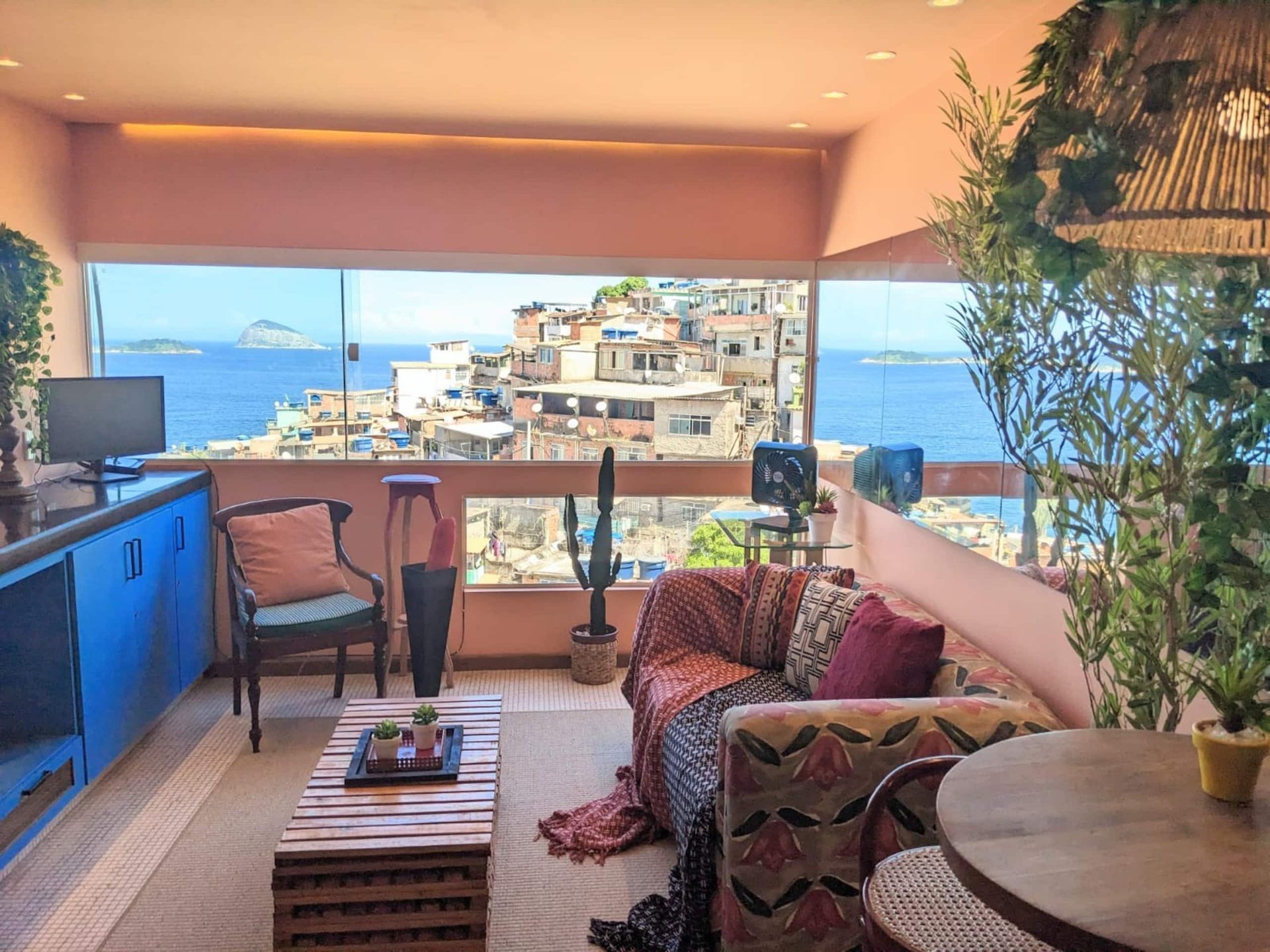
Layout does the rest. Shoy’s Beach House puts five en-suite bedrooms around a courtyard, and Lloyd, who came with a family of ten in January 2026, wrote: “The kids enjoyed the pool, kayaks and playing cornhole, while the adults enjoyed relaxing on the large porch with an ocean view.” At Buck Island Views, two of the three bedrooms are detached suites, each with its own bathroom, linked to the main house by covered walkways, which suits parents with older children. At Toes in the Sand, Matt, a guest in July 2025, wrote that the room with its own outside entry suited the teenagers in his party. Art de Vivre’s São Conrado Beach View Villa in Rio has a suite with three extra single beds, which can give three children a room together.
Small things make a week with children easier. Room-darkening shades help with naps; the Beach-Access Condo on St. Croix has them in its bedrooms, along with board games. A shelf of children’s books and a box of toys for different ages earn their place, as long as any toy with a button battery has a compartment that needs a screwdriver or a coin to open, which CPSC requires. Nick, who stayed at Sea Sun Maui with children aged four and six, gave the owners “a special bonus award” for a clothes drying rack, “a little thing that makes week-long stay manageable and nearly always gets forgotten at other places we’ve stayed.”
Stairs, slopes and what to tell families
Every house has features that suit some guests and not others, and a good listing names them. For families with small children they are usually stairs, slopes and water. The Cerulean’s own website does this well. It gives “a plain description of the building”: a multi-level villa on a sloped hillside, steps between some indoor and outdoor levels, a pool deck above the sea and a stepped path down to the water. It asks anyone with particular access needs to get in touch “before booking.” In its guest cottage, the loft bed is reached only by a spiral stair, which makes it a bed for an older child or a teenager.
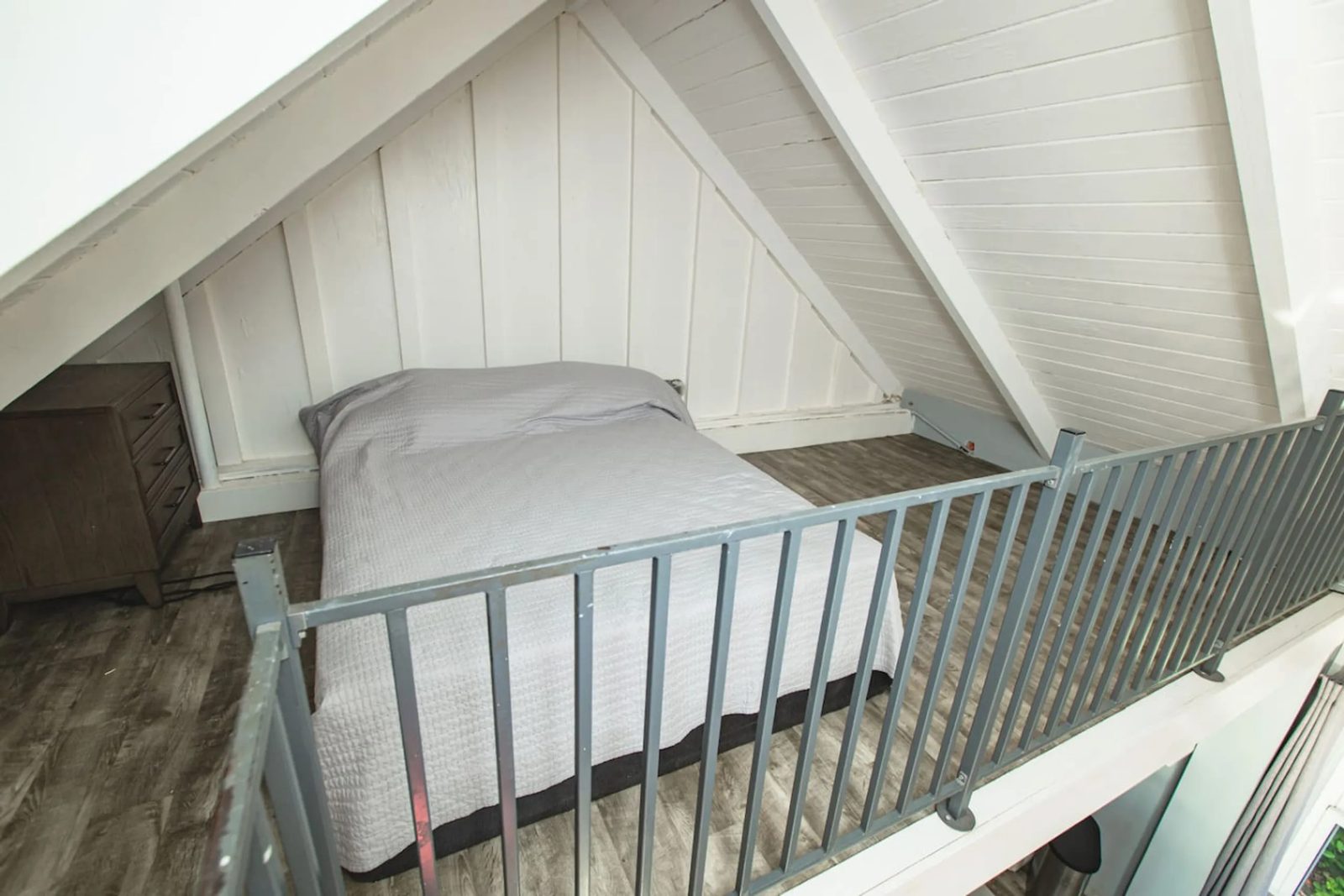
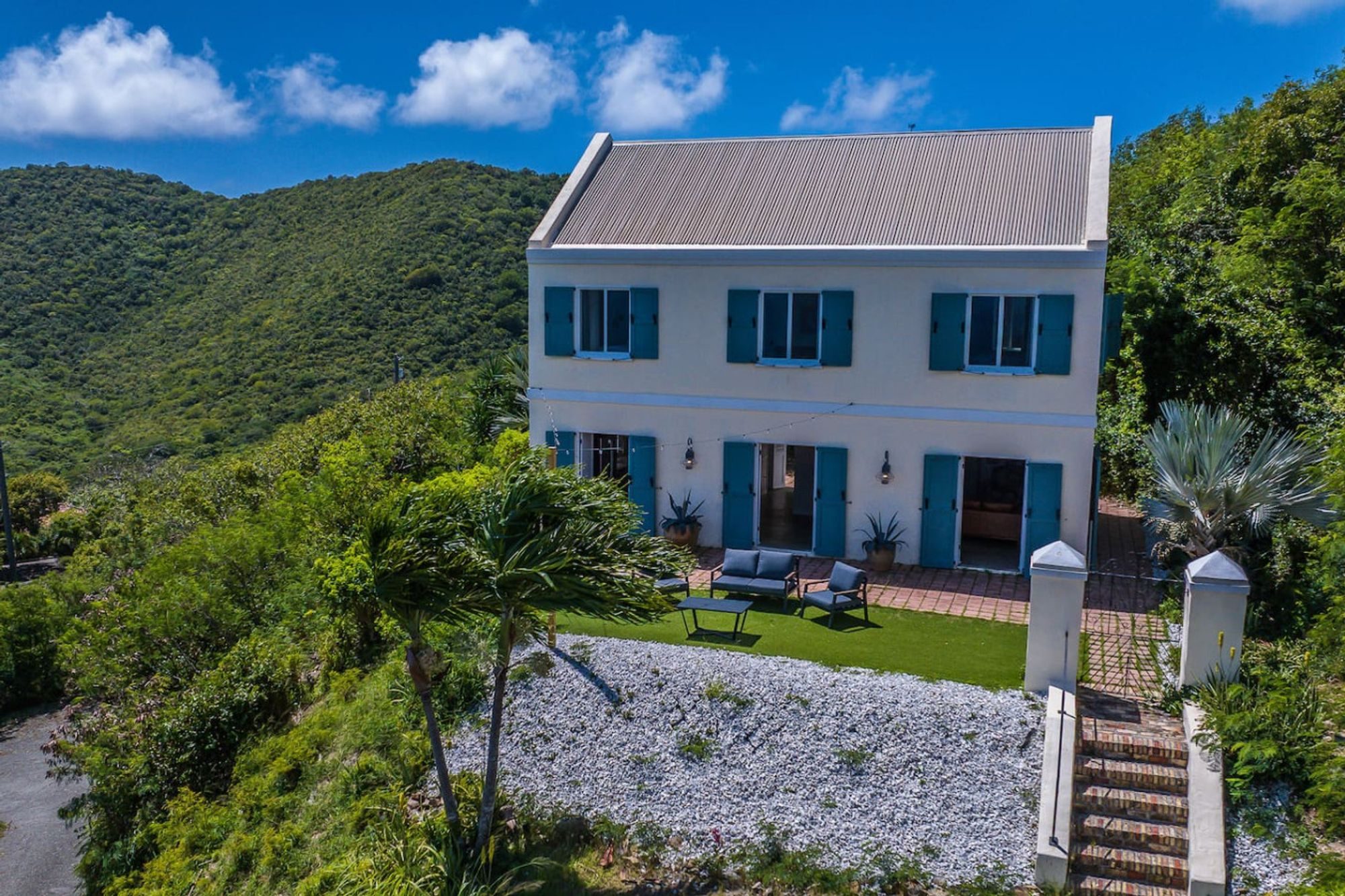
Roads and access count too. The listing for The Buck Island Overlook, high in St. Croix’s East End, says plainly that some roads are “narrow, winding, or steep” and asks guests to drive carefully, particularly after dark. Shawn, a guest at Moko Vista in March 2026, advised a Jeep for “the gnarly road, uphill and downhill.” In Salvador, Via Avantgarde’s Penthouse Jacuzzi and Suite Colonial are in buildings with a lift, which matters to anyone carrying a sleeping child and a buggy up from the steep, cobbled streets of the old town. Lux Vidigal in Rio is a third-floor walk-up with one queen bed, and its own website says it takes up to two guests.
Some rules belong at the top of a listing because they decide who can book. Art de Vivre’s Ipanema Beach Linear Penthouse is in a building whose rules admit only family parties, which is worth knowing before anyone books. A week before arrival, send families one short note with the gates, the pool, the stairs and the nearest calm beach in it, and the first afternoon goes to the holiday.
Before a family arrives
- A crib or play yard set up with its own mattress and a fitted sheet, and its instructions and hardware kept with it.
- A high chair made on or after June 19, 2019, with straps that work.
- Gates screwed to the wall at the top of the stairs, and a word to the family on where they are.
- TVs, dressers and bookcases anchored; blind cords cordless or cut short; window openings limited.
- Remotes and toys with button batteries checked for screw-closed compartments.
- Cleaners, detergent and medicines behind latches, and the poison control number in the manual.
- The water heater at 120°F (49°C), checked at the tap.
- The pool barrier closed, the doors to the pool alarmed or latched, and the Water Watcher rule by the door.
- A written note on stairs, slopes, the shore and the nearest calm beach.
Questions owners ask
What baby equipment should a holiday rental provide?
A crib, bassinet, portable crib or play yard that meets CPSC standards, set up with only its own mattress and a fitted sheet; a high chair made on or after June 19, 2019, with working straps; and gates that screw to the wall at the top of any stairs. Keep the instructions and every piece of hardware with the travel cot, and check CPSC's recall list before you buy.
Can I add an extra mattress or topper to a pack-and-play?
No. CPSC advises against supplemental mattresses in play yards because they can leave a gap that traps a baby, and the American Academy of Pediatrics lists mattress toppers among the soft bedding to keep out of a baby's sleep area. Use only the mattress that came with the play yard, with a fitted sheet made for it.
What temperature should the water heater be in a rental with children?
CPSC asks for water heaters to be set at 120°F (49°C). Its safety alert notes that most adults suffer third-degree burns in two seconds at 150°F, six seconds at 140°F and thirty seconds at 130°F, and that most scald injuries happen to older people and children under five. Check the hot tap with a candy or meat thermometer.
How should a holiday rental pool be made safe for young children?
In layers. CDC recommends a fence at least four feet high that encloses the pool on all four sides and separates it from the house, with self-closing, self-latching gates. CPSC adds alarms on doors to the pool, pool covers and self-latching hardware, and asks families to name an adult Water Watcher. Say clearly in the listing what the pool has.
Which baby gate should go at the top of the stairs?
A gate that screws to the wall. CPSC advises using only gates that screw to the wall at the top of stairs, never using a pet gate as a child gate, and replacing old gates with V-shaped openings that can trap a child's head. Tell families where the gates are, because a gate protects only when it is closed and latched.
Should furniture be anchored in a holiday rental?
Yes. CPSC asks people to anchor TVs and heavy furniture such as dressers and bookcases to the wall, including at a vacation rental. It estimates that U.S. emergency departments treated an average of 17,800 tip-over injuries a year from 2020 to 2022, and that 44 percent of those hurt were under 18.
Sources
- American Academy of Pediatrics, safe sleep recommendations (HealthyChildren.org, Rachel Y. Moon, MD, FAAP): healthychildren.org
- U.S. Consumer Product Safety Commission, safe sleep and play yards: cpsc.gov/SafeSleep, Play Yards
- CPSC, the federal high chair standard and safety tips (June 19, 2019): cpsc.gov
- CPSC, Childproofing Your Home (gates, windows, anchors, latches, bathing, water heaters, alarms, pools): cpsc.gov
- CPSC, window covering cords: cpsc.gov/gocordless
- CPSC, anchoring TVs and furniture, including at a vacation rental (February 5, 2026), and the Anchor It campaign: cpsc.gov, anchorit.gov
- CPSC, button cell and coin batteries: cpsc.gov
- CPSC, the federal bunk bed standard: cpsc.gov
- CPSC Safety Alert, Avoiding Tap Water Scalds (Publication 5098): cpsc.gov
- CDC, drowning facts (January 27, 2026) and preventing drowning (September 29, 2025): cdc.gov (facts), cdc.gov (prevention)
- CPSC, childhood drowning report and Water Watcher advice (June 24, 2026), and Pool Safely: cpsc.gov, poolsafely.gov
- The Cerulean, the owners’ amenity list and the villa’s own website, including its description of the building’s access: theceruleanstcroix.com
- SP Vacations, listings for Shoy’s Beach House, Toes in the Sand Beach House, Buck Island Views, Beach-Access Condo, The Buck Island Overlook and Moko Vista, and guest reviews quoted as written: spvacationsvi.com
- Sea Sun Maui, guest reviews quoted as written: mauibeachvacationrentals.com
- Via Avantgarde, the Salvador suites: viaavantgarde.com; Art de Vivre, the Rio homes: artdevivre.com.br; Lux Vidigal: luxvidigal.com