The short version
- The lens
- The ordinary lens where the room allows; the widest setting only for small rooms
- Light
- Daylight with every lamp on; the outside when the sun is on it
- The order
- The view, the living room, every bedroom, every bathroom, the kitchen, the outside
- Lines
- Keep the camera level so that walls and door frames stay vertical
- Captions
- What each room is, where it sits and which bathroom it uses
- The licence
- Agree in writing where the photographs may be used
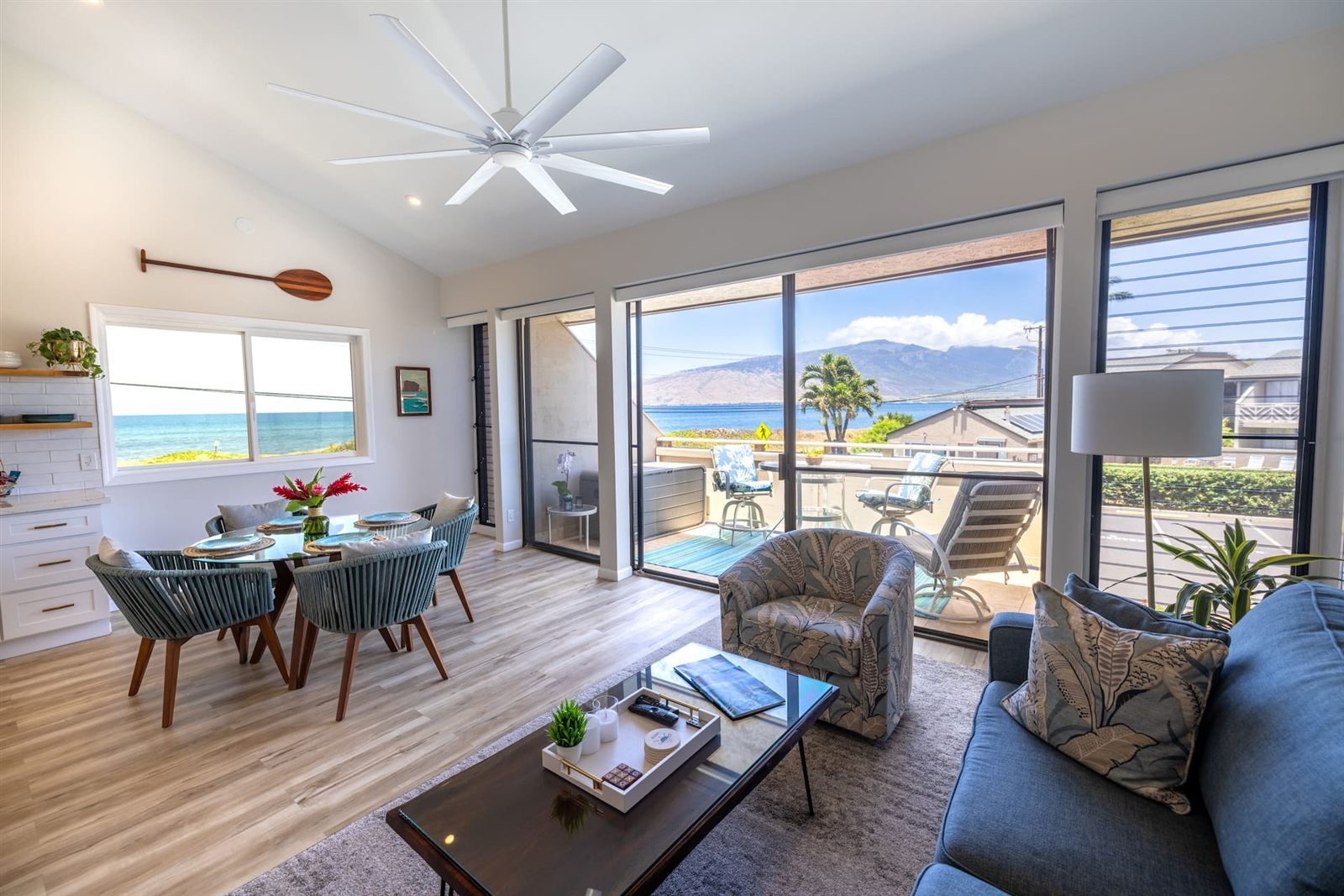
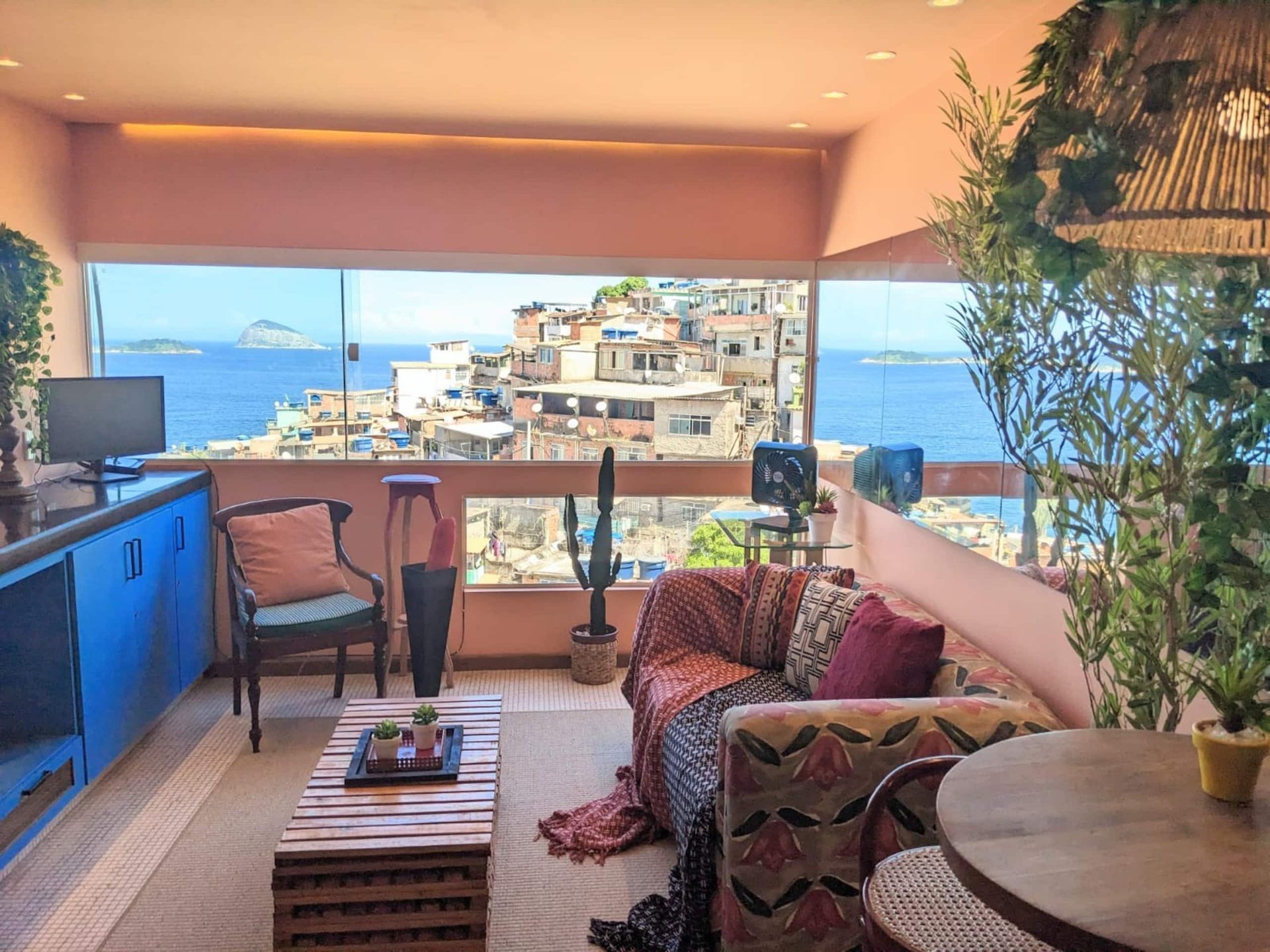
Guests choose a house from its photographs and then arrive expecting to walk into them. When the house matches, they say so. Brent, a guest at Sea Sun Maui in April 2026, wrote that “everything looks exactly like the photographs,” and Aj, who stayed at Lux Vidigal in Rio in January 2026, wrote: “The space looks exactly as the photos present.” When it does not, a good house starts the week with a disappointed guest.
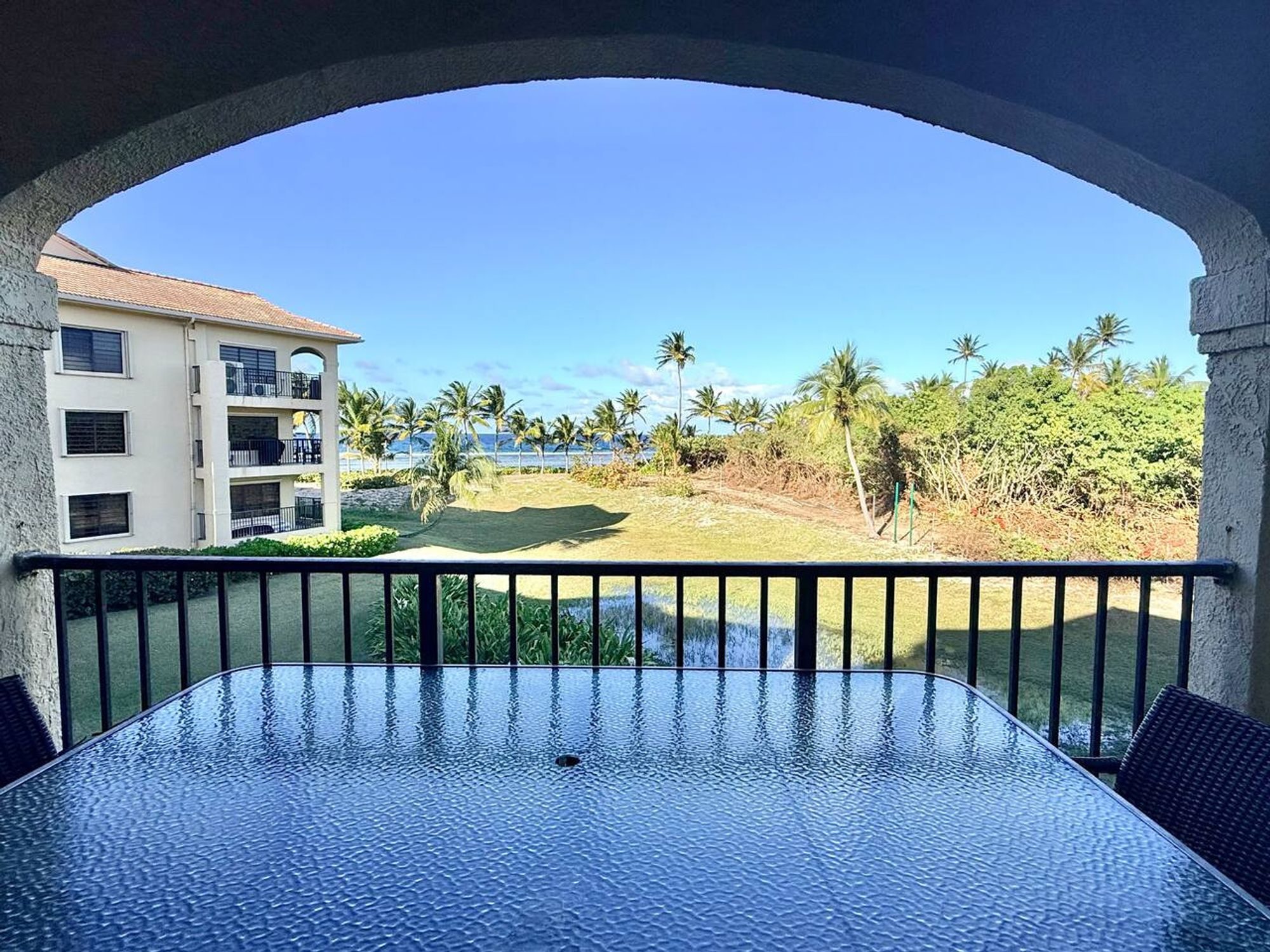
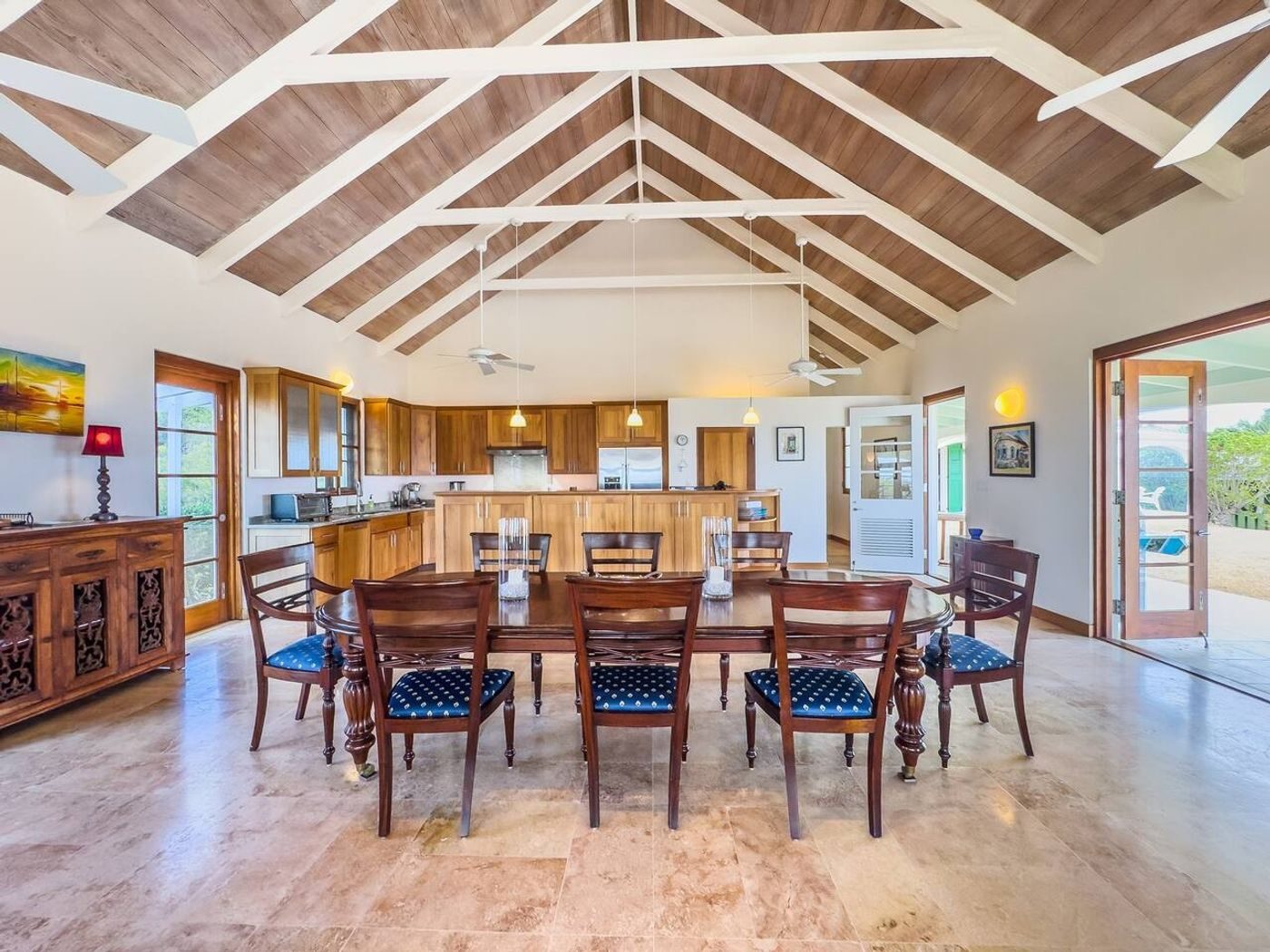
This guide covers how to photograph a remarkable home well and accurately, from the choice of lens to the licence you agree with a photographer. The examples are photographs that owners of houses in Amorielli’s Collection have published of their own homes, starting with the dining room of Buck Island Views on St. Croix at the top of this page.
Photograph what is there
Start with the lens. The shorter the focal length, the wider the view, which is why wide lenses are the usual choice for interiors and tight spaces. Used too wide, though, a lens stretches the floor in front of the camera, pushes the far wall away and makes a room read larger than it is. Use the ordinary lens wherever the room allows, stand in a corner or a doorway at about chest height, and keep the widest setting on a camera or phone for the small rooms that cannot be shown any other way. The test is simple: stand where the camera stood and compare the screen with what your eyes see.
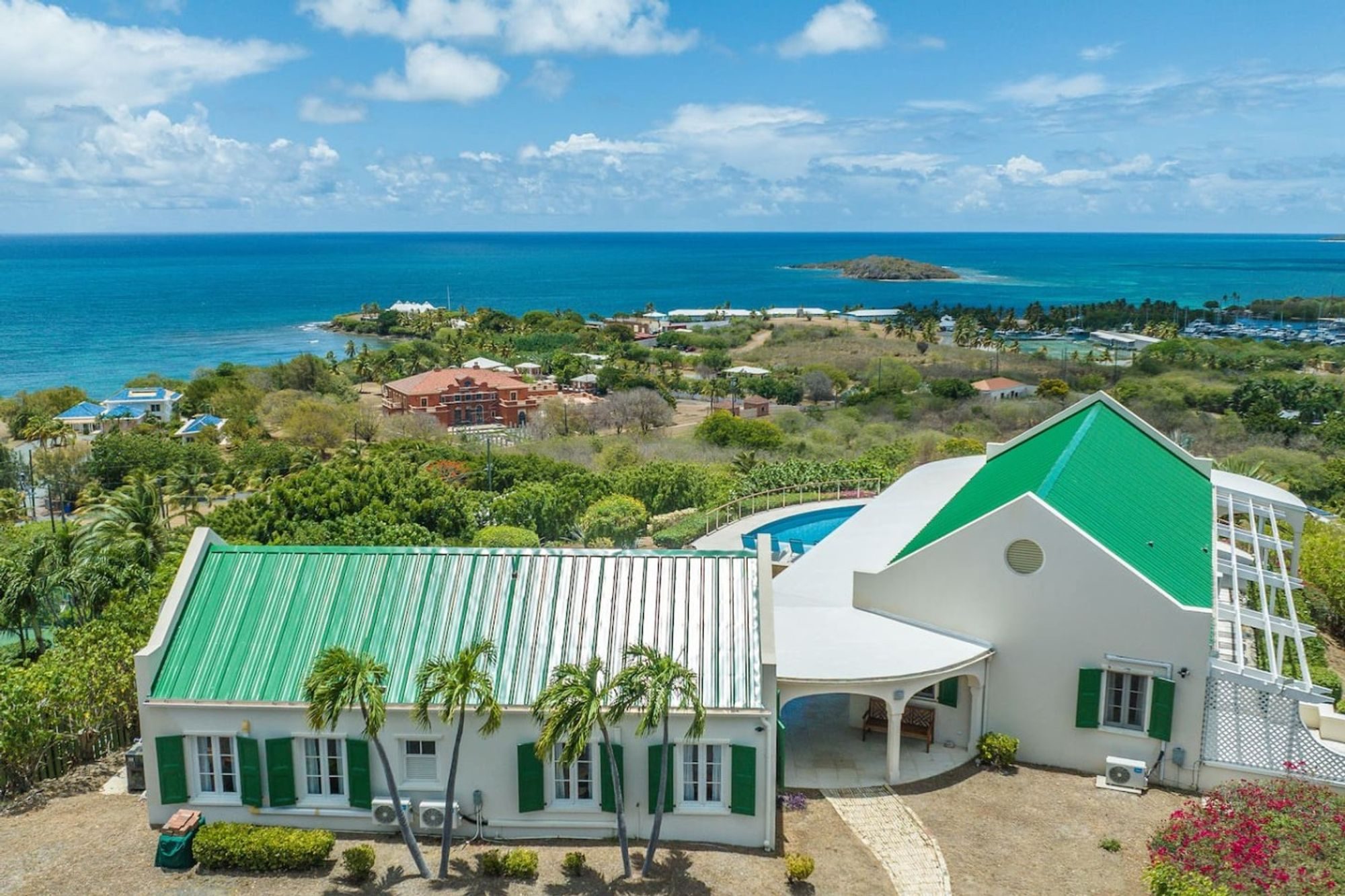
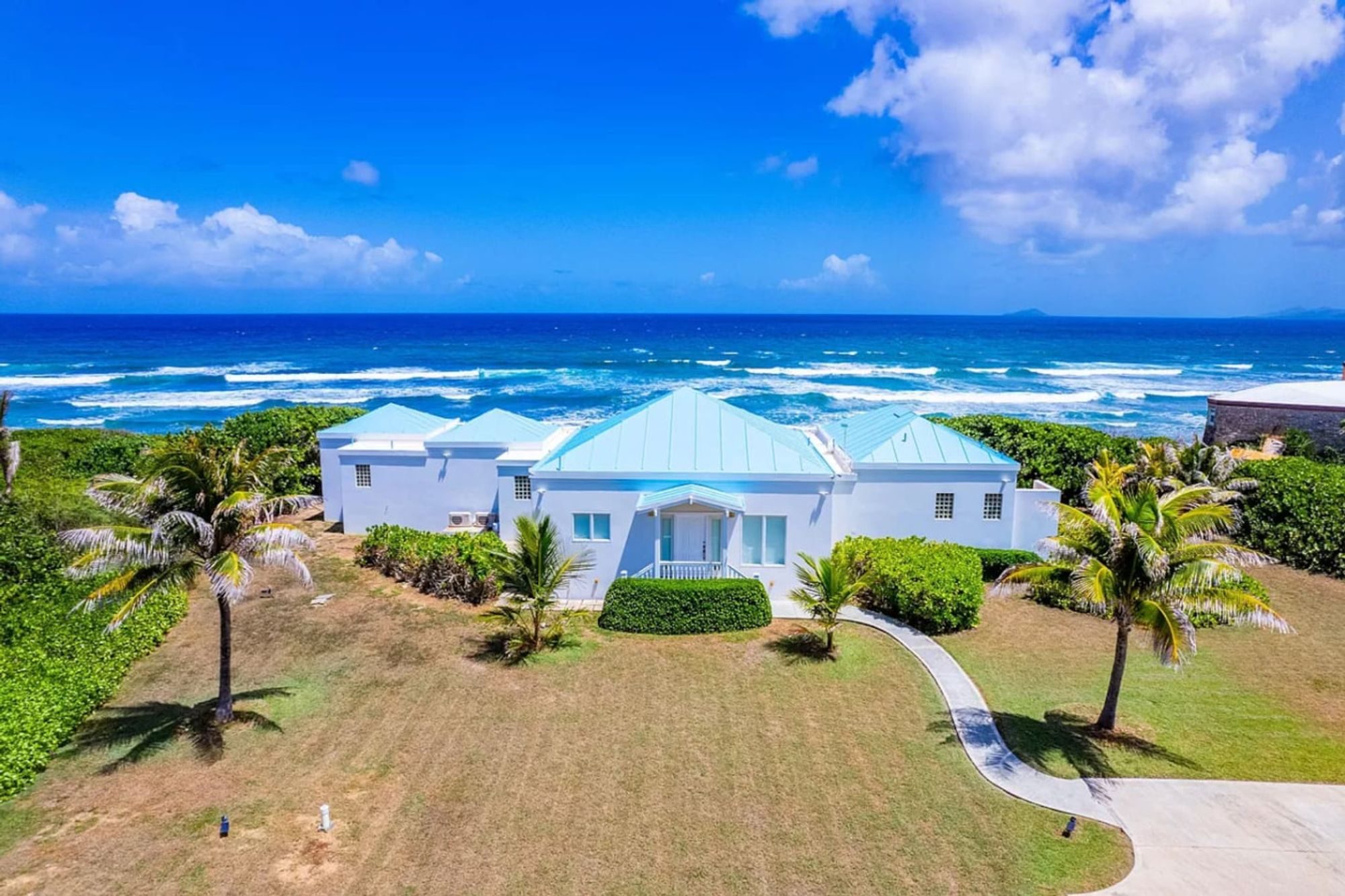
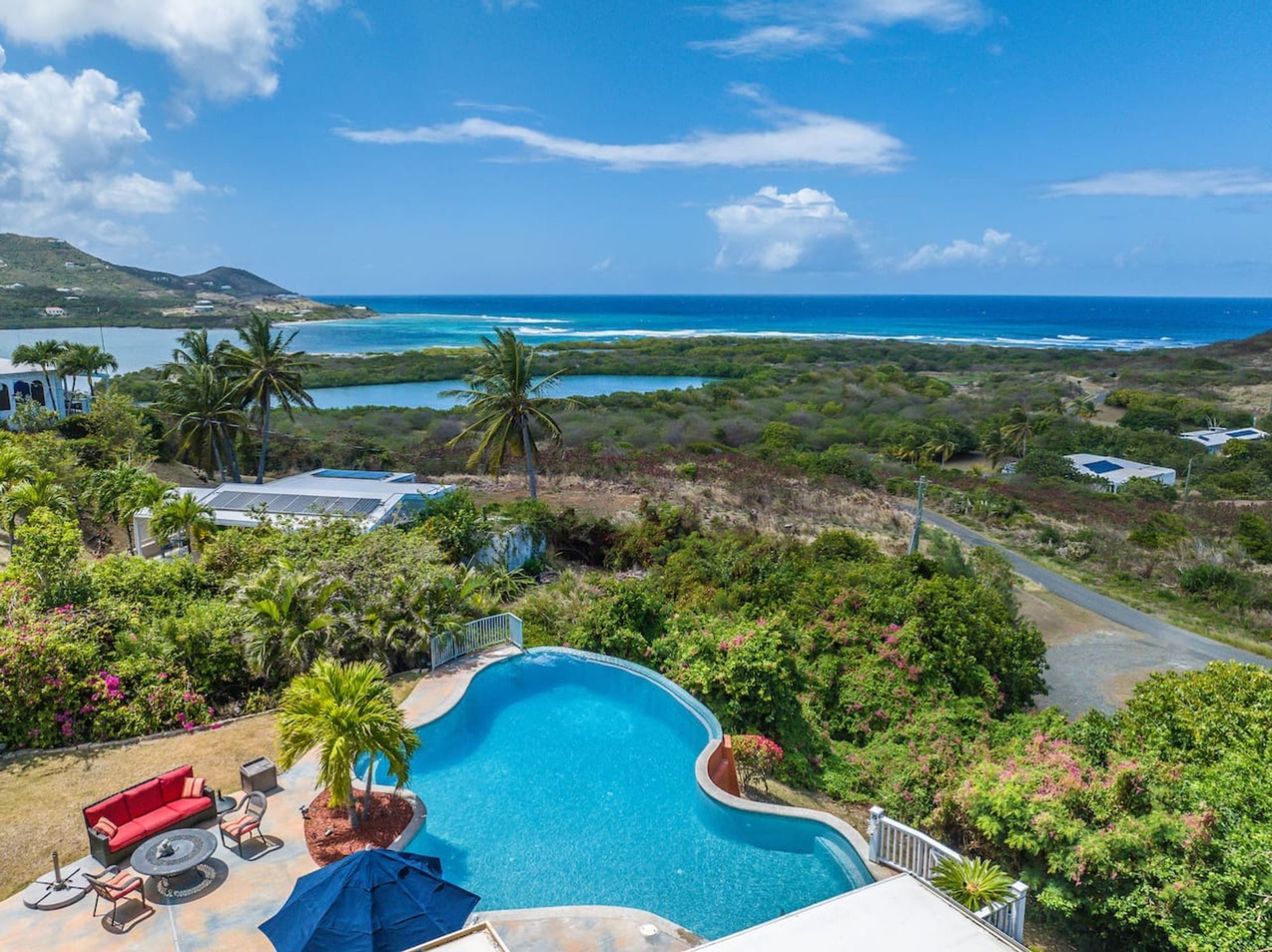
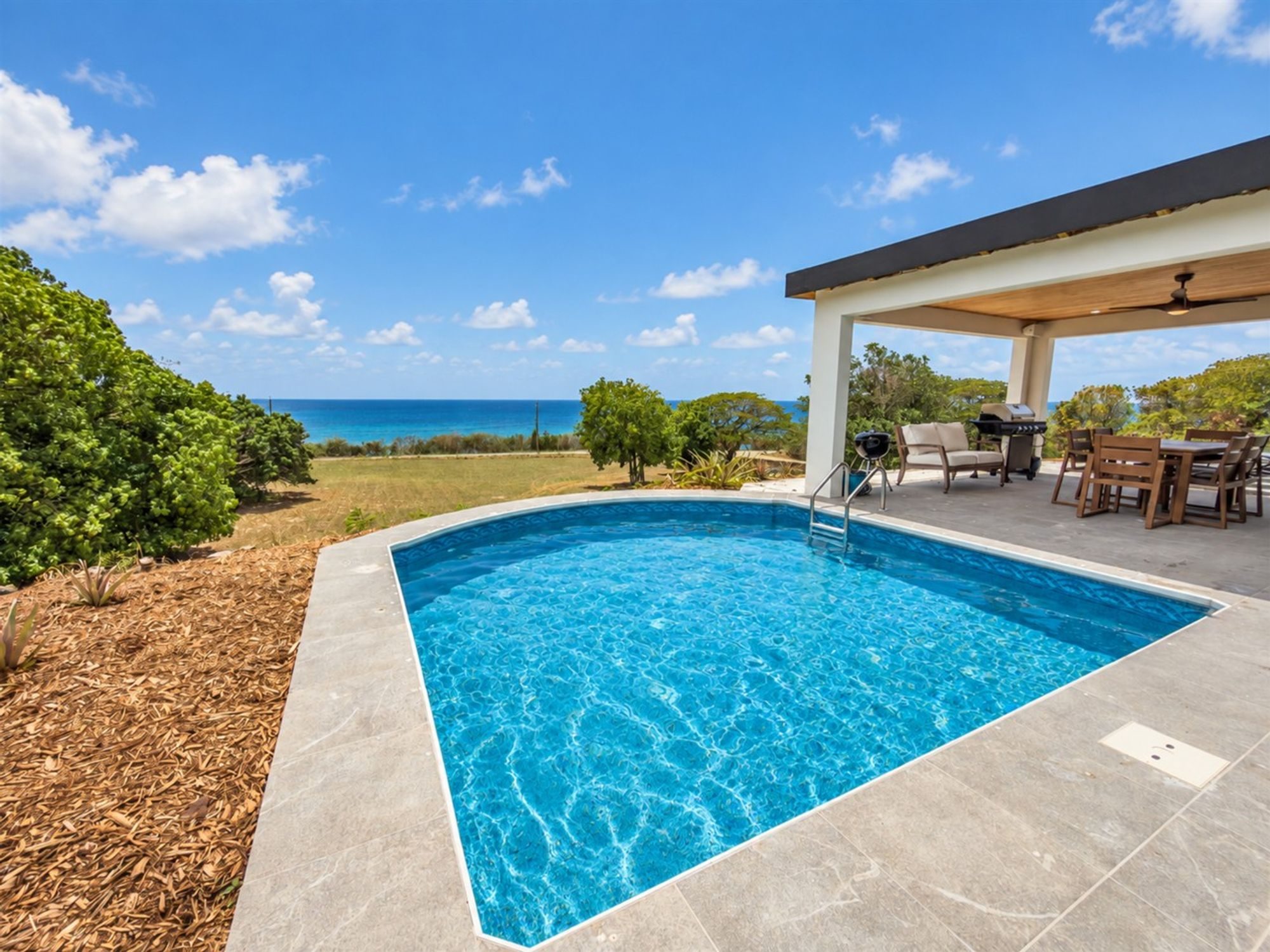
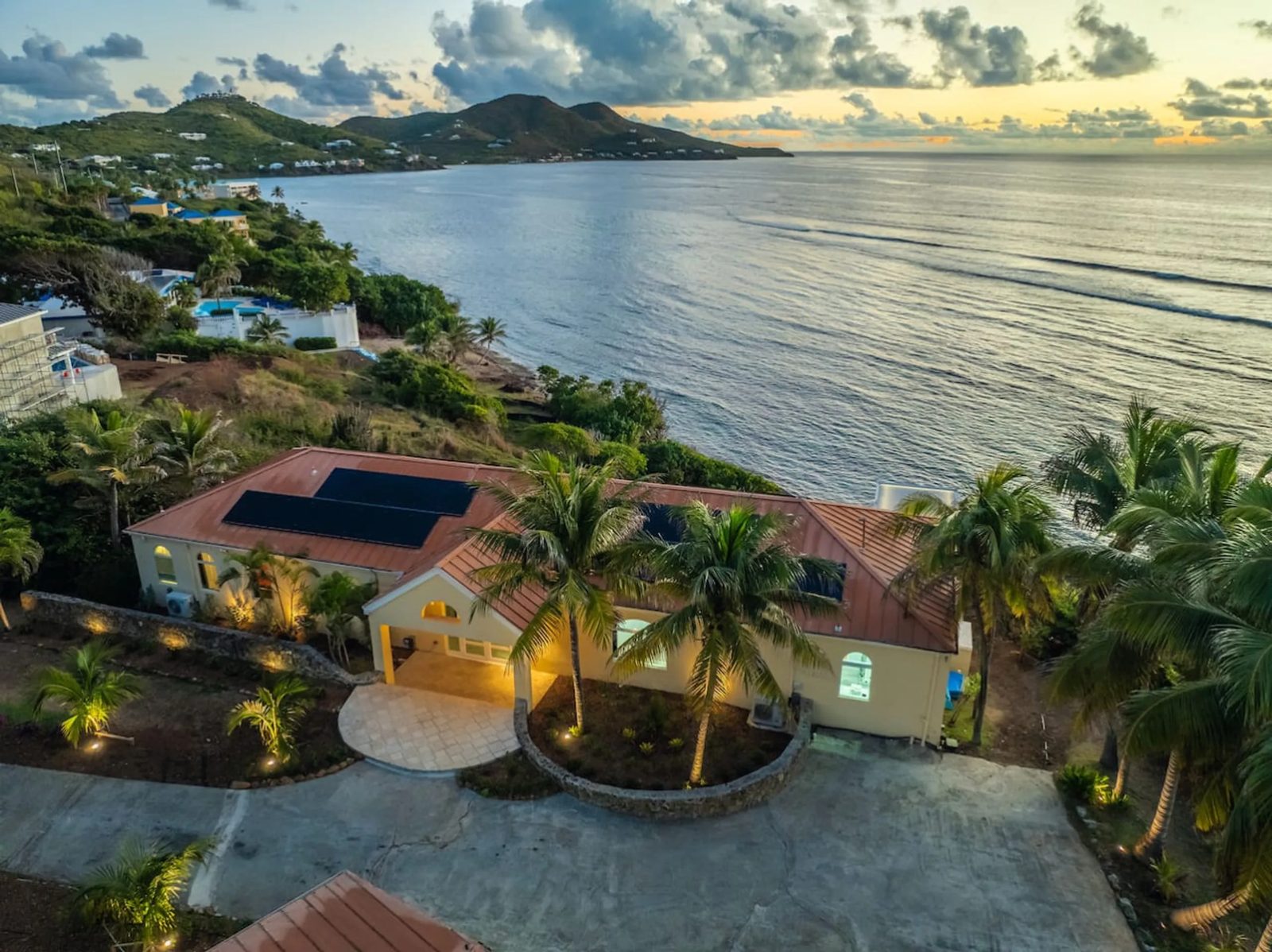
Then photograph the things guests will find, including the ones that would never go in a brochure. If a neighbour’s roof is in the view from the terrace, a guest will see it. If the water in front of the house is rock and reef, show it. Toes in the Sand Beach House on St. Croix includes a photograph of its own shoreline, with the reef shelf at the waterline and the surf beyond, which is what guests describe in their reviews. The aerial photograph of Hook ’em on Paradise, in the Judith’s Fancy neighbourhood of St. Croix, shows the villa with its parking area, its neighbours and the bay beyond.
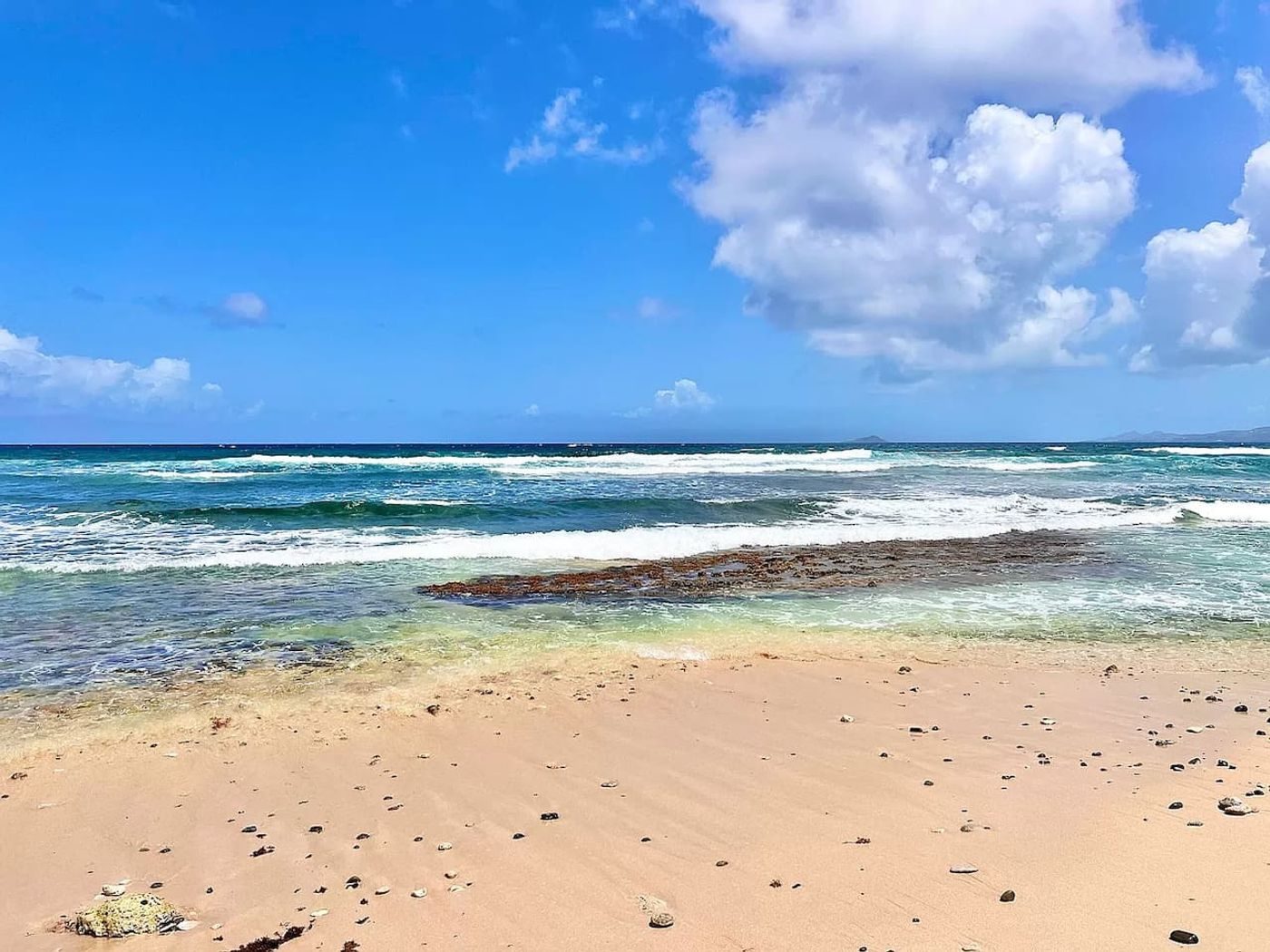
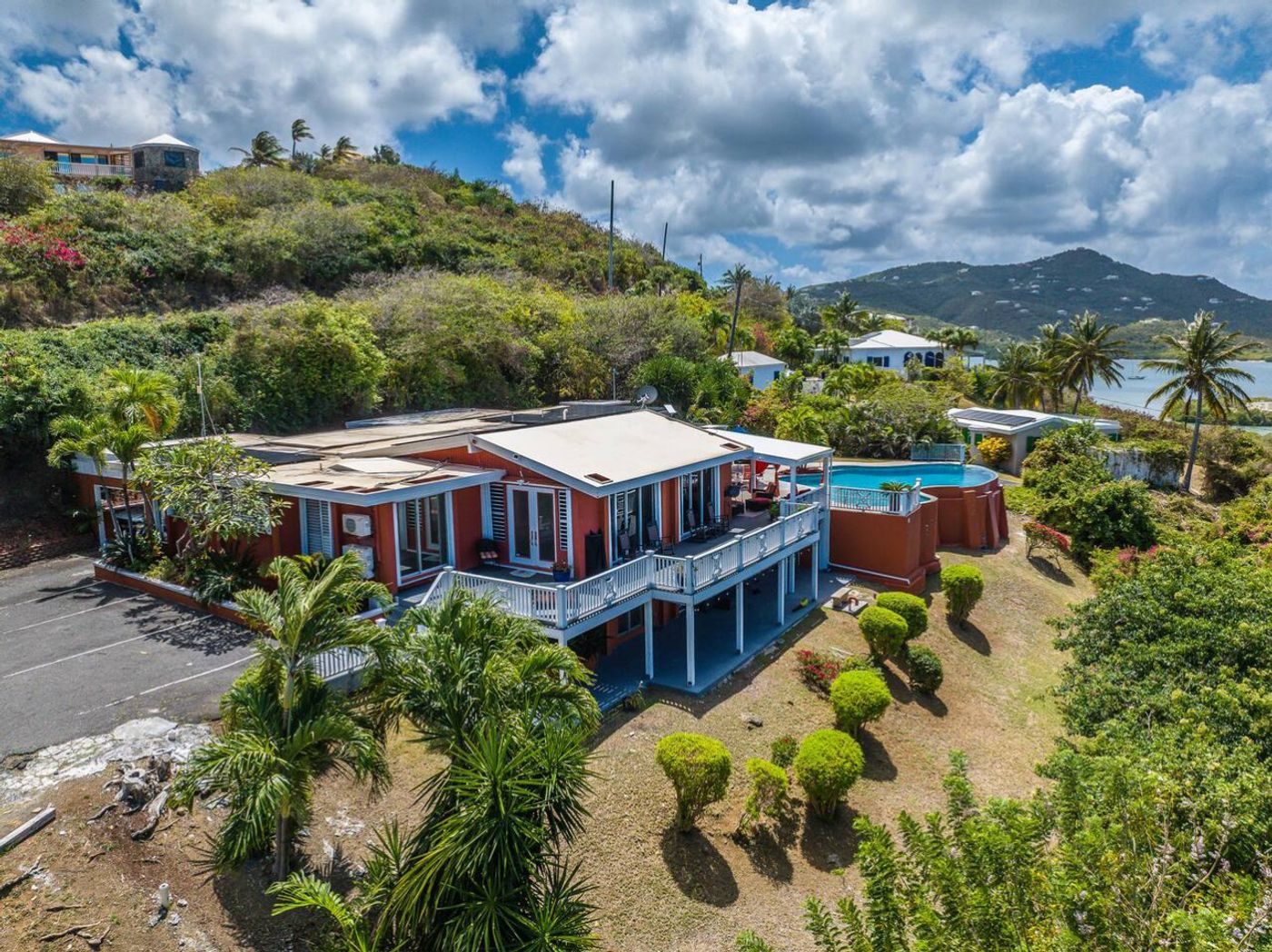
Guests who book after seeing pictures like those know what they are getting, and they write about it afterwards. Scott, a guest at Toes in the Sand in April 2026, wrote: “The home was beautiful and came as advertised. Everything was in working order with no unpleasant surprises.”
Edits should fix the light and the colour and leave the content alone. Brightening a room, straightening a horizon and correcting a colour cast are part of the craft. Removing a power line, replacing a grey sky with a blue one, adding furniture that is not in the house or improving the view is misleading, and so is a rendering presented as a photograph. Each one gives a guest a house that will not be there when they arrive.
Daylight and the time of day
Interiors photograph best in daylight with the lamps on: the windows bright, the room evenly lit, and the lamps adding warmth to the corners. Shoot on a clear day, open every curtain and shutter, turn on every lamp and switch off the ceiling fans so that their blades do not blur. A view seen through a window needs the room behind it to be bright enough to hold, which usually means photographing towards the windows when the sun is not shining straight into them.
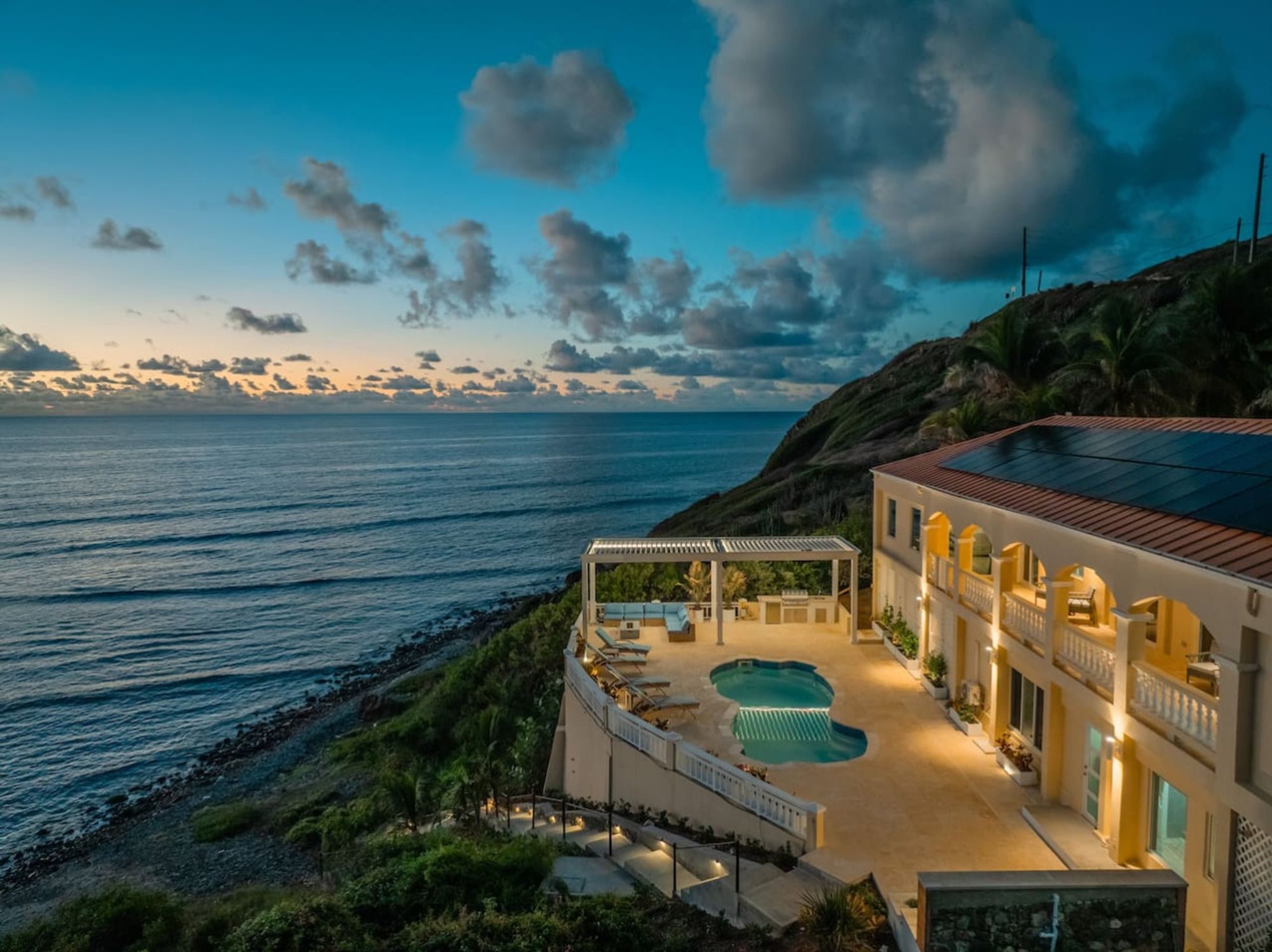
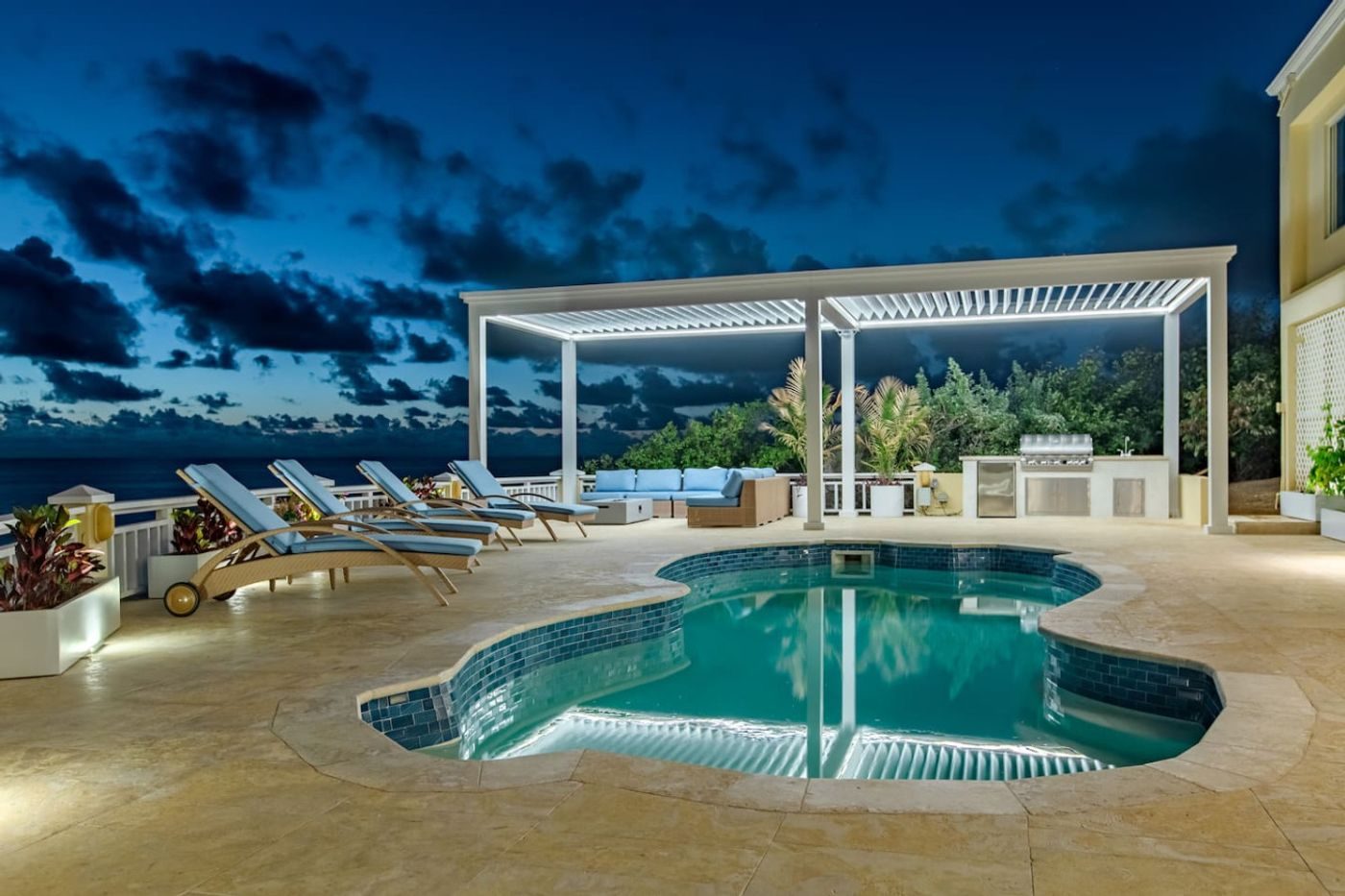
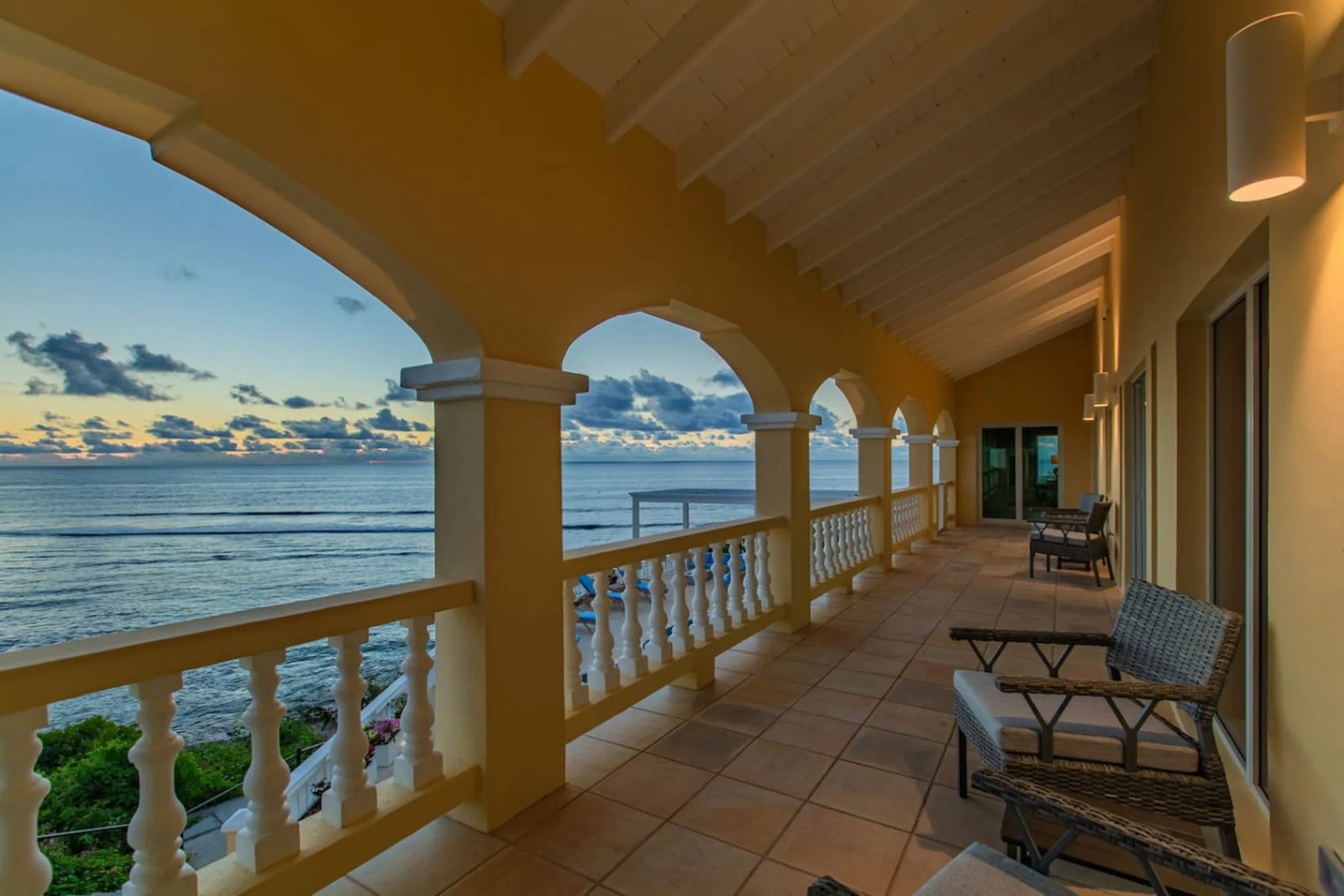
The outside has its own hours. Photograph each side of the house when the sun is on it. The Cerulean faces east over the sea, so its veranda is at its best at first light, and that is when its owners’ photographer caught it. A house on St. Croix’s West End, like Sunset Sea-Clusion, has the sunset in front of it instead. The end of the day, with the pool lit and the terrace lamps on, gives the picture most owners want of the pool deck. Keep it as one picture among several. The set should also show the house at midday, because that is the house guests will spend most of their time in.
The order of the set
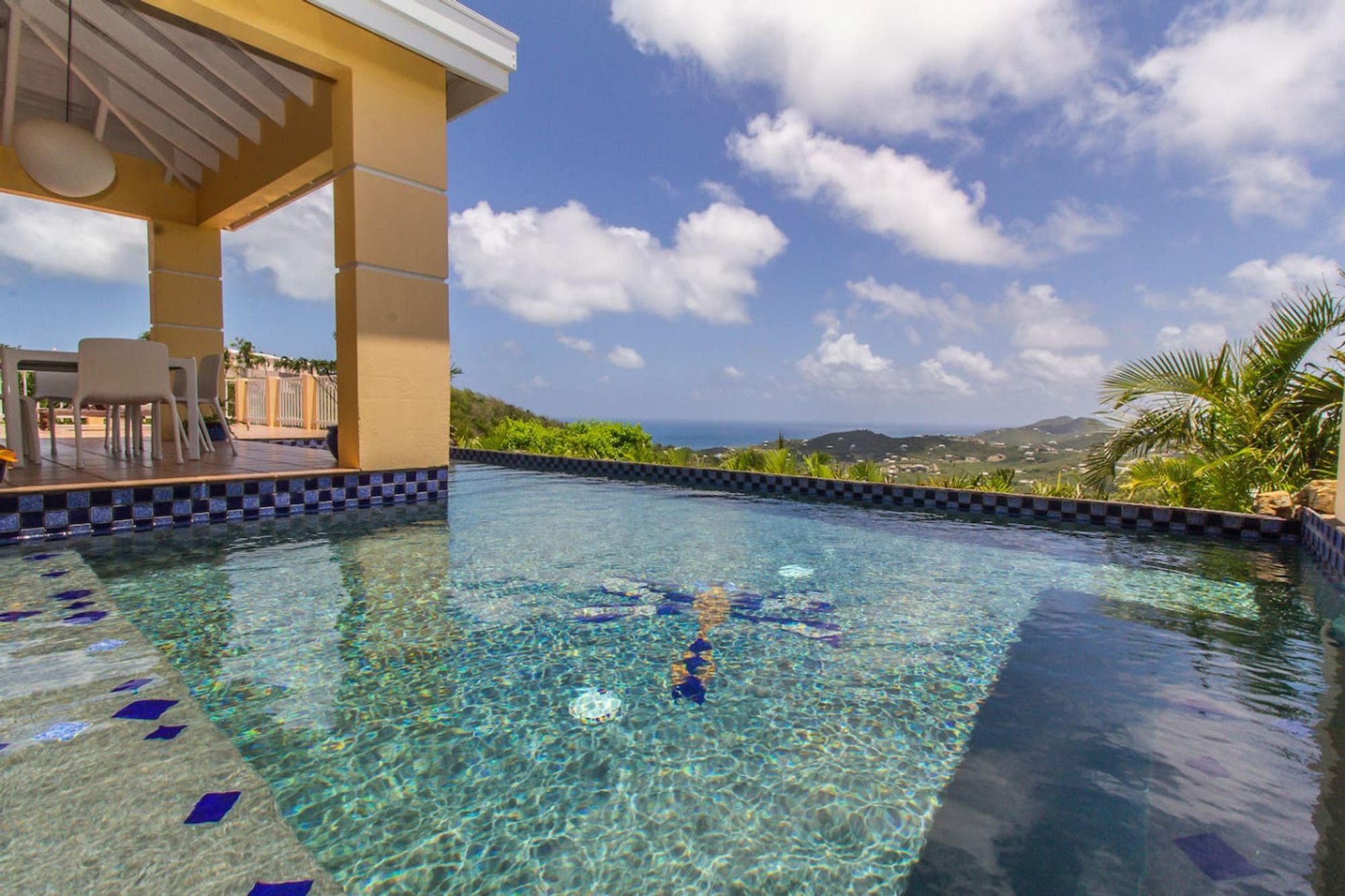
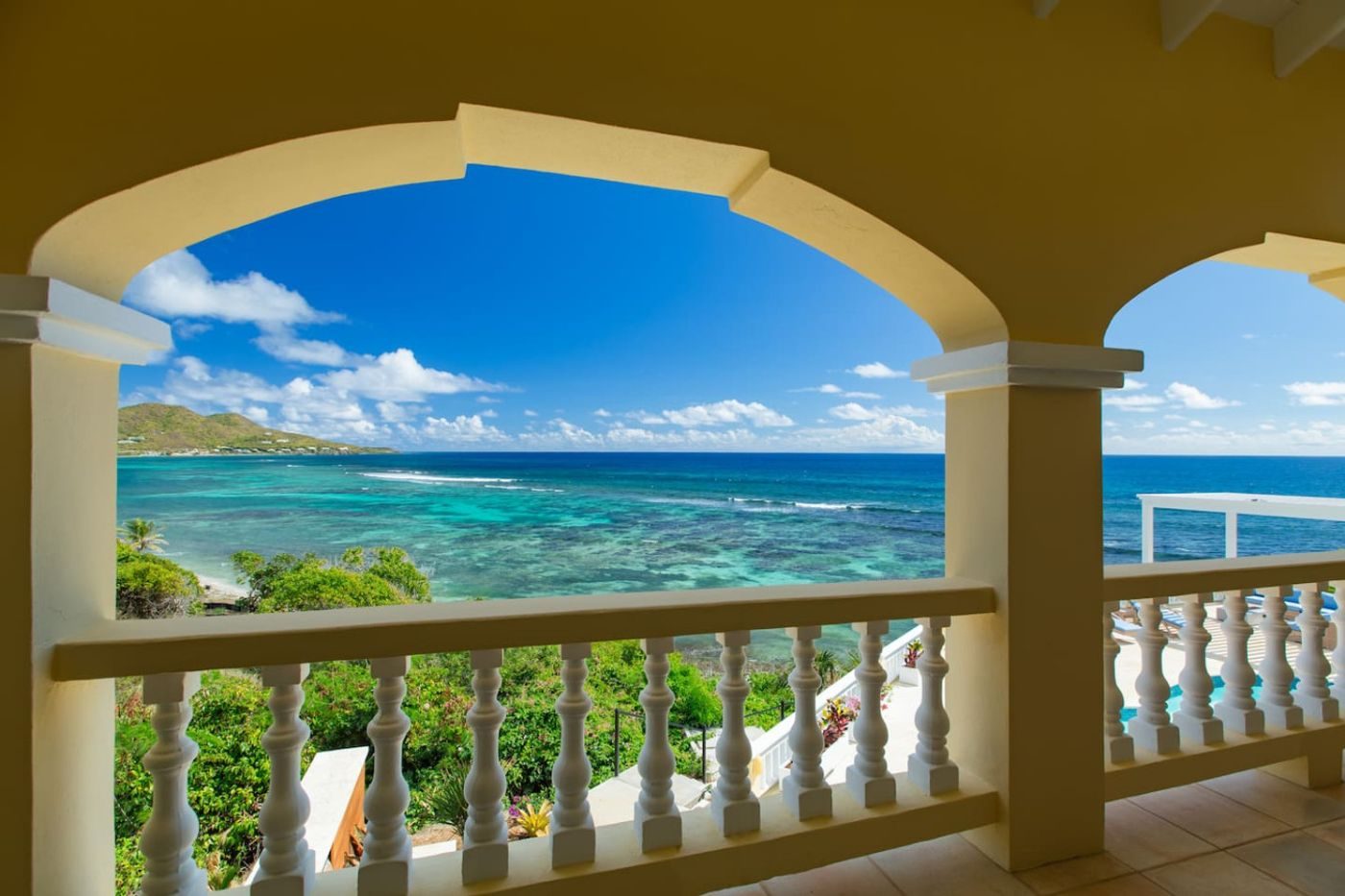
A guest reads a set of photographs the way they would walk through the house, so put the pictures in that order. Start with the view, because in a house on the sea or on a hill it is the reason to book, and take it from where a guest will stand. The Cerulean’s view is photographed through the arches of its veranda, balustrade and all.
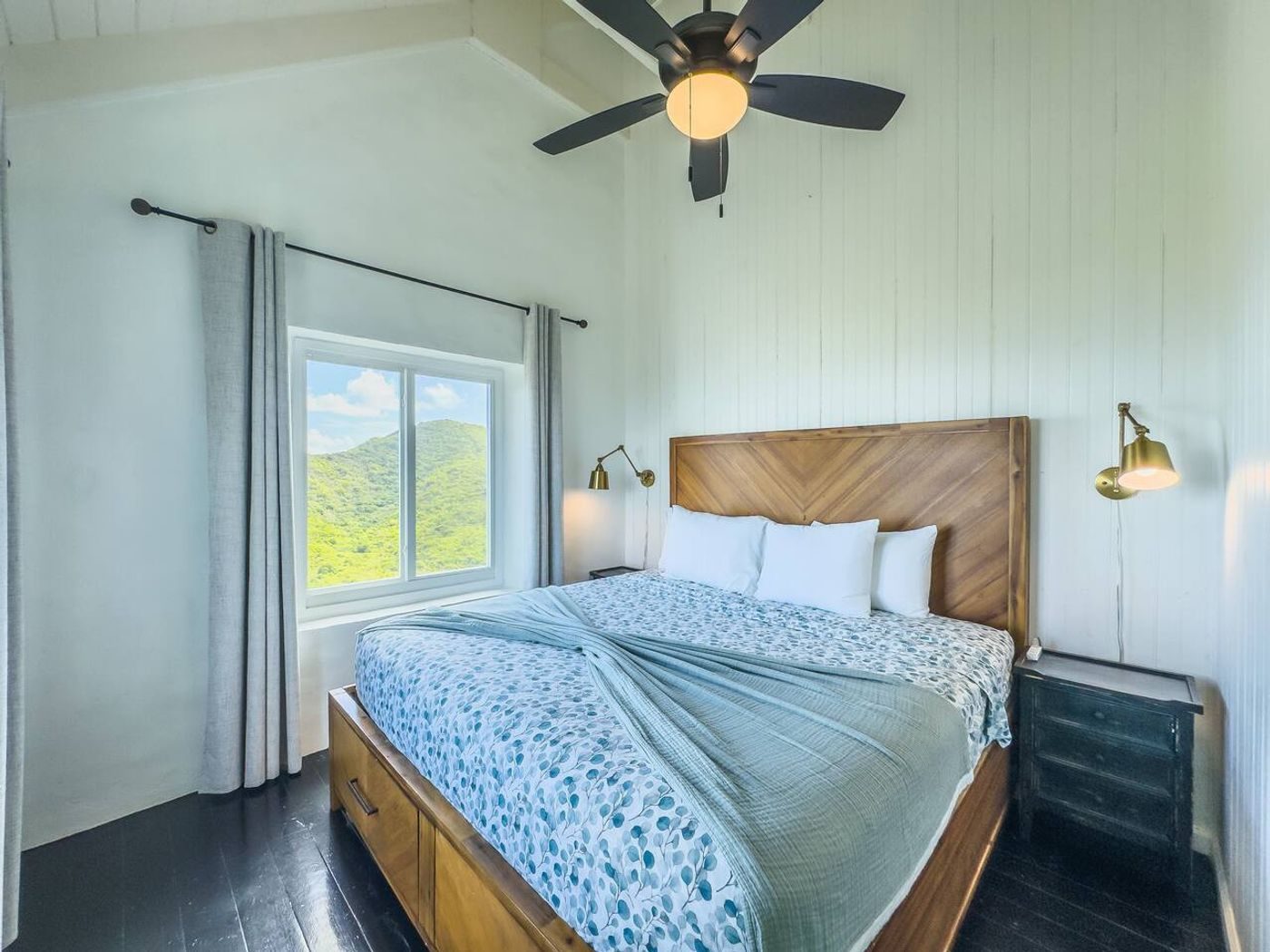
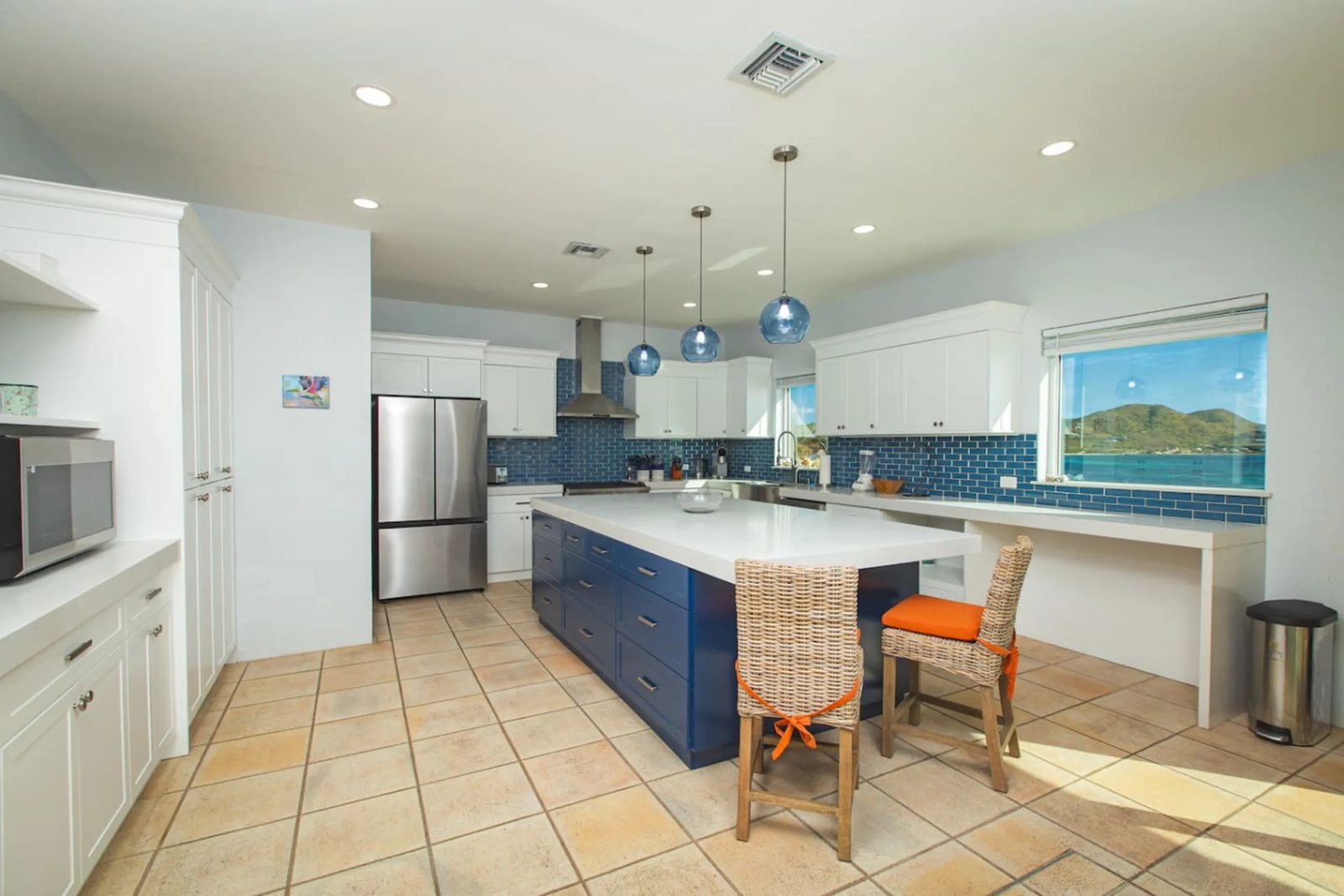
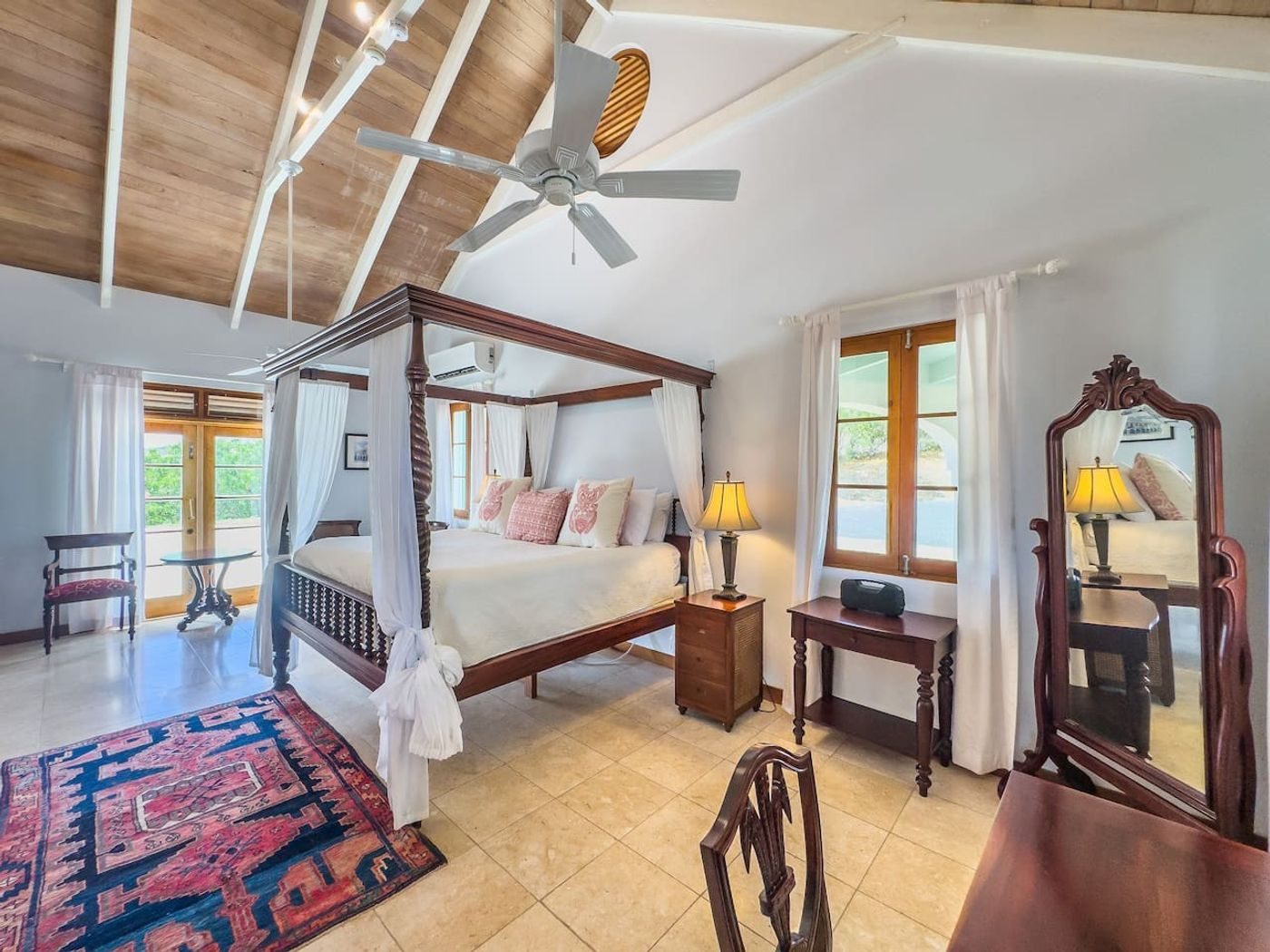
Then the living room, from its corners, so a guest can see how it joins the kitchen and the terrace. Then every bedroom, one by one, each with the whole bed in the frame and a caption that gives the size of the bed and the bathroom it uses. Then every bathroom, showing whether it has a tub, a walk-in shower or both, which matters to parents bathing a baby and to older guests. Then the kitchen and the dining table, then the outside: the pool, the terraces, the shore and the paths between them.
Between the rooms, a few close-ups earn their place: the coffee machine, the shower controls, the shelf of books, the beach gear, the travel cot set up and ready. Each one answers a practical question that a wide shot leaves open, and they take minutes to make on the day of the shoot.
End with the practical pictures that most sets leave out: the drive and the parking, the front door, the steps from the car, the stairs inside and the laundry. They answer the questions that families and older guests ask before they book, and they save a guest from arriving with the wrong car or too much luggage.
Straight walls and tidy rooms
Leaning walls make a well-kept room look careless. They come from tilting the camera: point it upwards to fit in a high ceiling and the vertical lines lean towards each other, the effect Nikon’s guide to perspective-control lenses calls keystoning. Professionals avoid it with lenses that shift instead of tilting, so that the camera stays level and, as Nikon puts it, parallel lines stay parallel. A phone can get most of the way there. On an iPhone, turning on Grid and Level in the camera settings puts guides on the screen, and the Photos app can adjust vertical and horizontal perspective afterwards. Keep the camera level at about chest height, and let the top of the ceiling leave the frame rather than tilting up for it. The dining room at Buck Island Views at the top of this page shows the result: taken level and straight on, with every door frame vertical.
A tidy room is one that is ready for a guest. Make the beds properly, clear the counters of everything except what a guest will use, hide the bins, cables, chargers, toiletries and family photographs, and move the cars out of the drive. Leave in the picture the things that are part of the stay: the coffee machine, the books, the board games, the high chair if there is one. The Cerulean’s photograph of its dining table shows it laid for a meal with a child’s high chair nearby, which tells a family more than a line in the amenities list.
Some things stay out of every frame. Door codes, keypads, alarm panels, keys, the house number and the inside of a lockbox do not belong in pictures that anyone can see. Nor do guests or staff, unless they have agreed to it; a house photographed empty also lets every guest picture their own party in it.
Captions that say what each room is
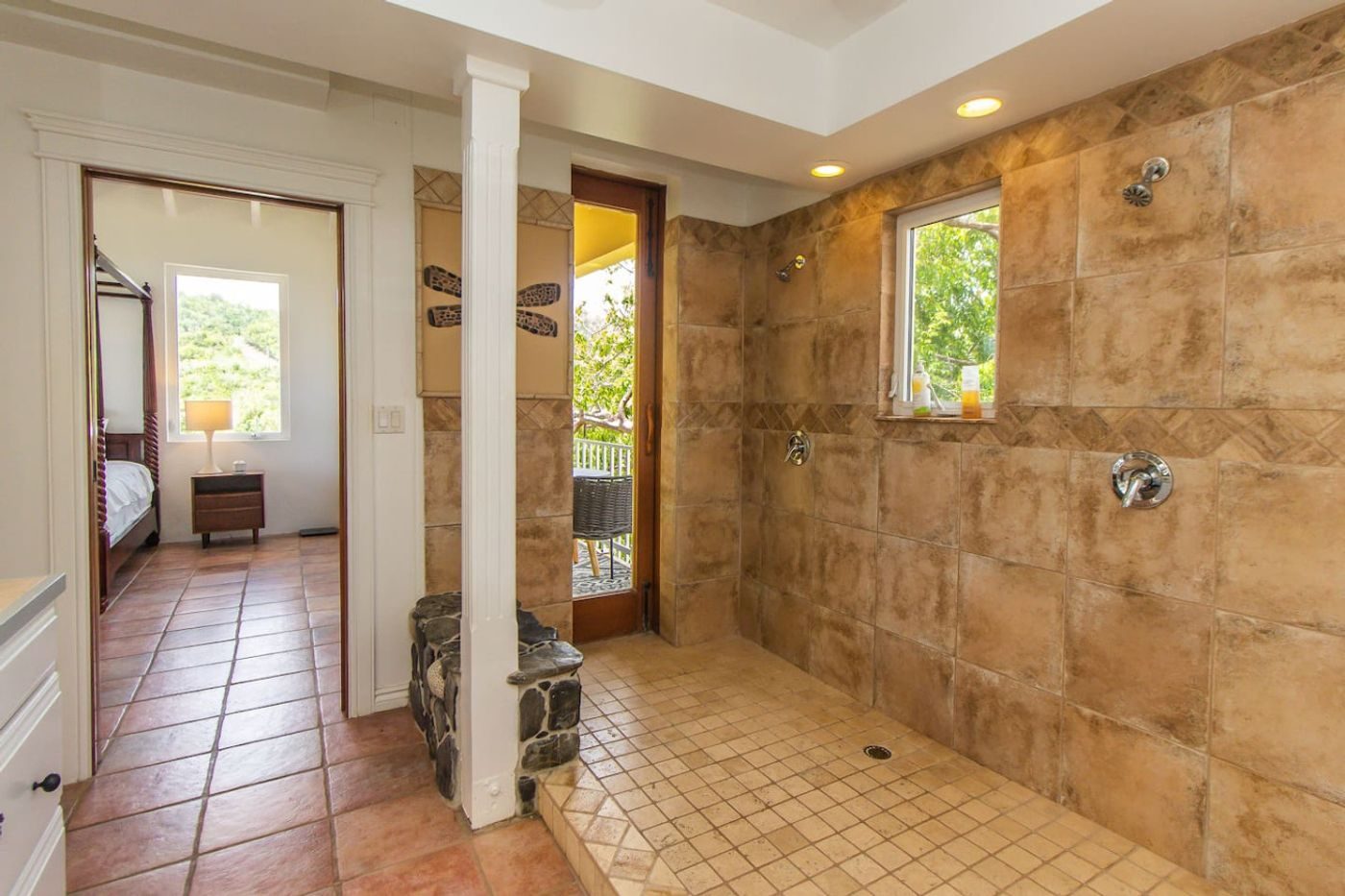
Captions turn a set of pictures into a plan a guest can follow. Say what the room is, where it is and what it connects to: bedroom three, upstairs, with a king bed and its own bathroom. Say what the picture cannot show. Buck Island Views explains in its listing that two of its three bedrooms are detached suites, linked to the main house by covered walkways, and a caption under each bedroom can say the same. A photograph of a bathroom at Dragonfly Villa, taken from the corner, shows the open shower and the doorway through to its bedroom in one frame; the caption only has to name the bedroom.
Captions also carry the warnings that a good photograph cannot. Amorielli’s own caption for the loft bed in The Cerulean’s guest cottage says it is for a child old enough for the spiral stair, or a teenager. On a website, write alt text for every photograph as well, describing what is in the frame, for guests who use screen readers.
Keeping the set current
Photographs go out of date quietly. A new sofa, a repainted wall, a remodelled bathroom, a tree that has grown across the view or been taken down, a new building next door: any change a guest would notice is a reason to reshoot that room. When a house has been renovated, show it renovated and say so. Sunset Sea-Clusion, on St. Croix’s West End, tells guests in its listing that the interior is newly remodelled and refurnished. The Cerulean’s owners spent six months with a landscape designer planning and building its outdoor spaces, and Timothy, a guest in February 2026, found the house “Completely renovated inside and out.” At Sea Sun Maui, Raul wrote in January 2024 that the condo “matches all photos, is tastefully renovated, clutter-free, and comfortable.”
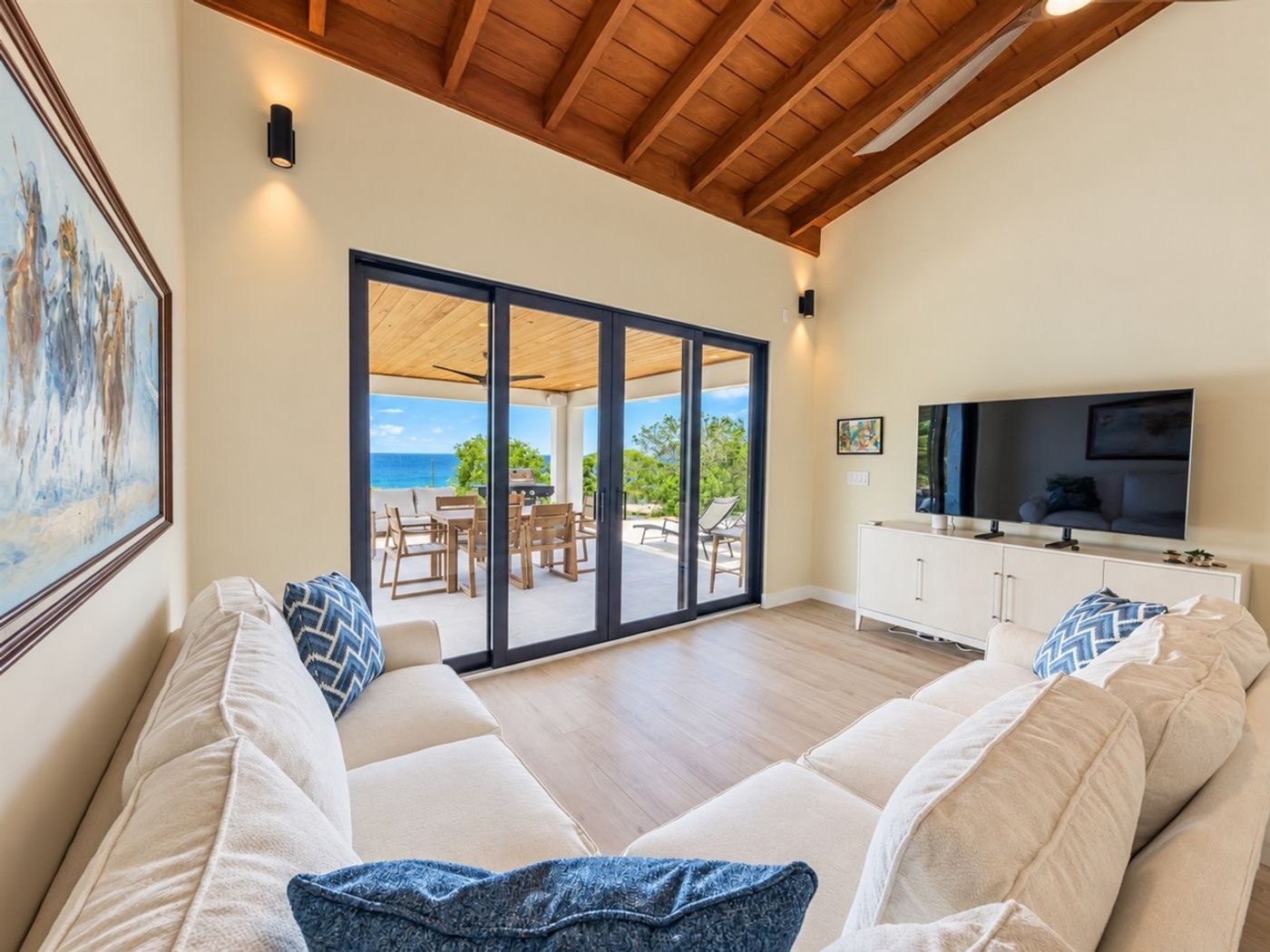
Take down the photographs of anything that has gone, and add the new things as they arrive. Keep the date of each shoot in your own records, and look at the whole set with fresh eyes once a year.
Working with a photographer
A professional interiors photographer brings what a phone cannot: lenses that keep the walls straight, lights that balance a bright window against a darker room, a drone for the aerial, and the patience to wait for the light. The Cerulean’s owners thank their photographer, Blake Floyd Gardner Photography, by name on the villa’s own website. Give the photographer the shot list and the order above, walk the house together first, and agree the times of day before the shoot.
Then agree the licence in writing. Under U.S. law, as the U.S. Copyright Office explains, the copyright in a photograph belongs at first to the person who made it, owning a copy of the file does not transfer it, and a transfer of ownership generally has to be in writing and signed. What an owner usually gets is a licence to use the pictures, so the agreement should say where: the house’s own website, its listings, social media, the press and print. Ask whether it covers drone footage and video, and how the photographer would like to be credited.
Some owners add a 3D walk-through as well. The Cerulean’s website carries two 3D scans of the property, and Sunset Oasis links a 3D walk-through of the condo from its listing. A family deciding whether the walk from the main house to a guest cottage suits a grandparent can then answer the question for themselves.
The reward for all this is a guest who arrives and recognises the house. Hayley, a guest at Sea Sun Maui in January 2025, wrote that it “looked even better than the pictures (somehow).” That is the review to aim for.
The shot list
- The view, from where a guest will stand.
- The living room from its corners, lamps on and fans off.
- Every bedroom, with the whole bed in the frame and a caption naming its bathroom.
- Every bathroom, showing the tub, the shower or both.
- The kitchen and the dining table.
- The pool, the terraces and the shore, as they are.
- The drive, the parking, the front door and the stairs.
- One set at midday, and a few frames at the end of the day.
- A caption and alt text for every photograph, and a date for every shoot.
Questions owners ask
Should I hire a professional photographer for my holiday home?
For the main set of a large or unusual house, yes. A professional brings lenses that keep walls straight, lighting that balances bright windows against darker rooms, and a drone for the aerial. Agree the licence in writing: under U.S. law the copyright belongs to the photographer unless the photographer is your employee or transfers it in a signed writing, so say where you will use the pictures.
What time of day is best for photographing a holiday home?
Interiors in daylight, with every lamp on and the curtains open. Outside, photograph each side of the house when the sun is on it: an east-facing terrace in the morning, a west-facing one in the afternoon. The end of the day, with the pool and terrace lit, makes a good picture, but keep it as one of several, because guests also need to see the house at midday.
How do I stop walls looking tilted in interior photos?
Keep the camera level instead of tilting it up to fit in the ceiling. Tilting makes vertical lines lean towards each other, the effect Nikon describes as keystoning. On an iPhone, turn on Grid and Level in the camera settings, and use the Photos app afterwards to adjust vertical and horizontal perspective. Professionals use shift lenses that keep the camera parallel to the walls.
Which photographs should a holiday rental set include?
The view, the living room, every bedroom, every bathroom, the kitchen and dining table, and the outside: pool, terraces and shore. Then the practical pictures most sets leave out, such as the drive, the parking, the front door and the stairs. Give every photograph a caption that says what the room is and where it sits.
Can I edit the photographs of my rental?
Edit the light and the colour and leave the content alone. Brightening a room, straightening a horizon and correcting a colour cast are normal. Removing a power line, replacing the sky, adding furniture or changing the view gives guests a house they will not find when they arrive.
How often should I update the photographs?
Whenever something changes that a guest would notice: new furniture, a remodelled room, a new building in the view, a tree grown or gone. Remove photographs of anything that has gone. Otherwise look at the whole set with fresh eyes once a year and reshoot whatever no longer matches the house.
Sources
- Apple, iPhone User Guide, using the grid and level and adjusting perspective in Photos: support.apple.com
- Nikon USA, perspective-control lenses and keystoning: The PC Lens Advantage; focal length and angle of view: Understanding Focal Length
- U.S. Copyright Office, Circular 1, Copyright Basics (revised September 2021): copyright.gov
- The Cerulean, the villa’s own website (acknowledgements, 3D tour): theceruleanstcroix.com
- SP Vacations, listings and listing photographs for Buck Island Views, Toes in the Sand Beach House, Hook ’em on Paradise, Dragonfly Villa, Sunset Sea-Clusion and Sunset Oasis, and guest reviews quoted as written: spvacationsvi.com
- Sea Sun Maui, guest reviews quoted as written: mauibeachvacationrentals.com
- Lux Vidigal, guest reviews quoted as written: luxvidigal.com