The short version
- By the door
- One page: the address and a landmark, the emergency number, who to call, the Wi-Fi, check-out and the way out
- The full manual
- Room by room, one task to a paragraph, using the names printed on the buttons
- Photographs
- The breaker panel, the water valve, the remotes, the pool and the outdoor controls
- Outside
- The pool gate, the grill, what may be picked and what must not be touched, and what the water is like
- Emergencies
- First in the manual: one instruction at the top of each page
- Upkeep
- Print and digital saying the same thing, dated, and changed the day the house changes
The questions guests ask at eleven at night are practical ones. Where is the breaker panel? Why has the shower gone cold? What is the Wi-Fi password? A house manual answers them before anyone has to ring the manager, and a good one comes in two parts: a single page by the front door with what guests need in the first hour and in an emergency, and a fuller manual, printed in the house and sent before arrival, for everything else.
Write both as if for a friend who has never been to the house and arrives tired. Use the names printed on the buttons, put the steps in the order a person does them, and keep each task to its own paragraph. Then test the manual on someone who has never stayed there, and rewrite whatever they get stuck on.
The page by the door
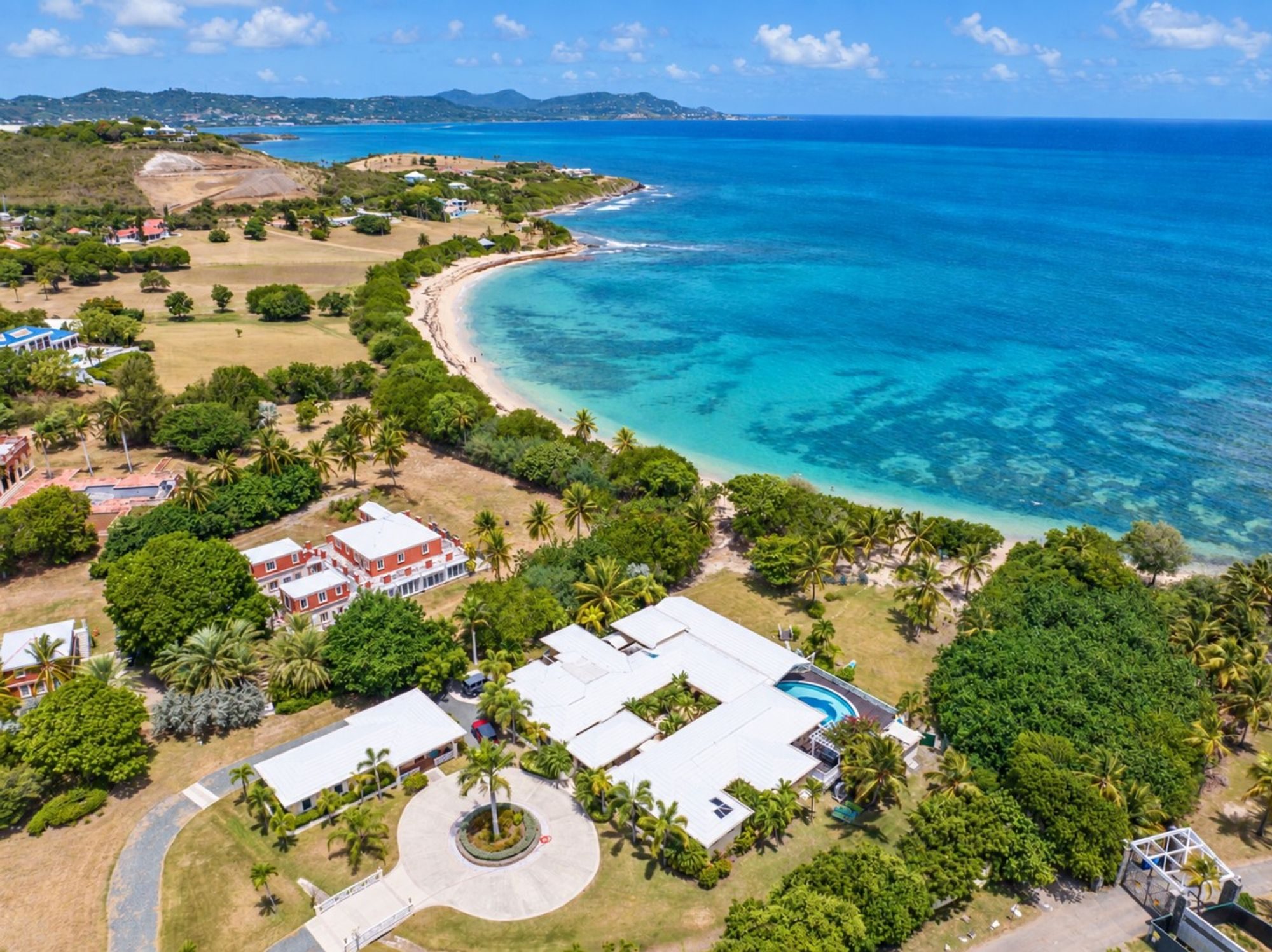
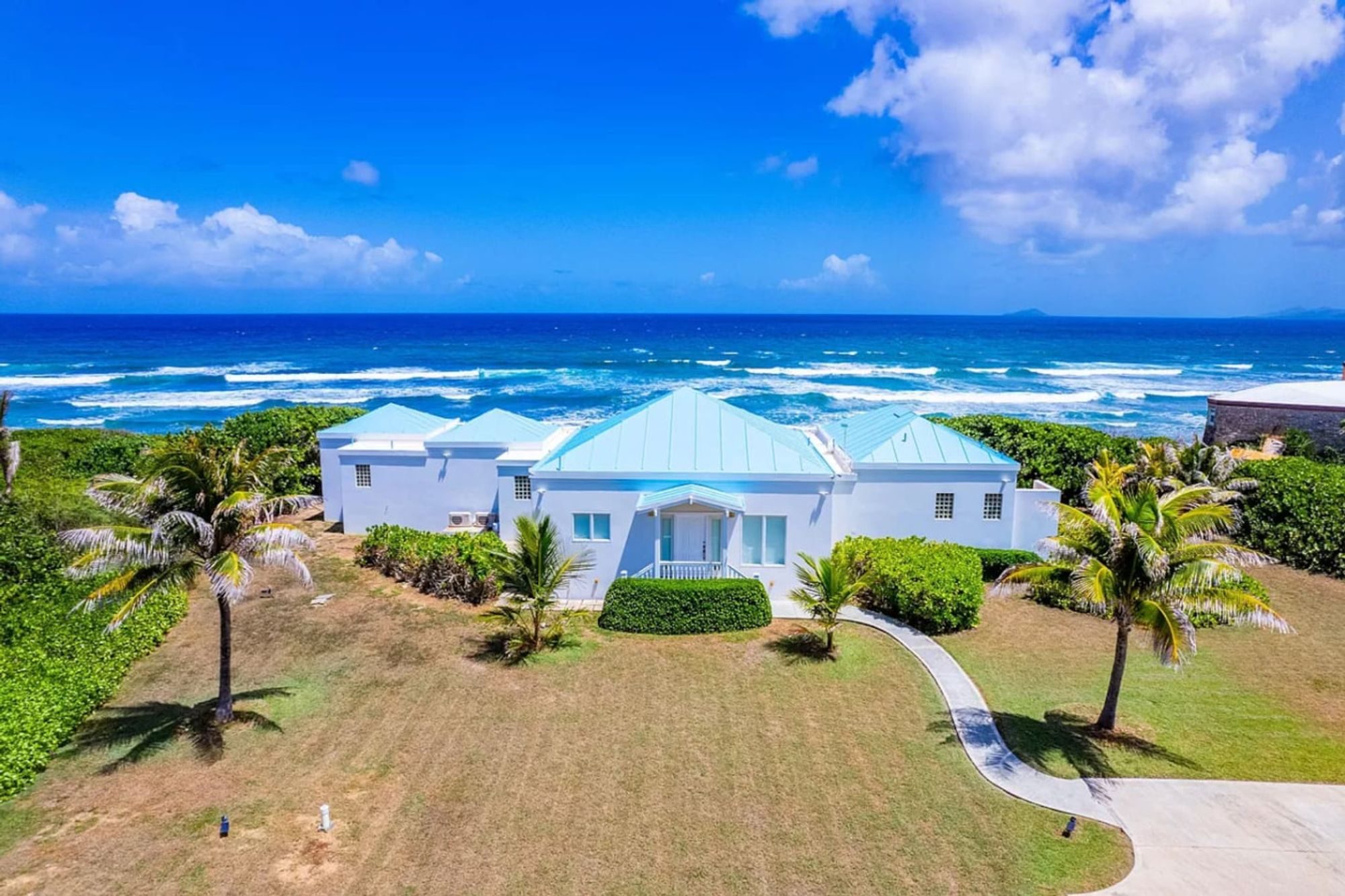
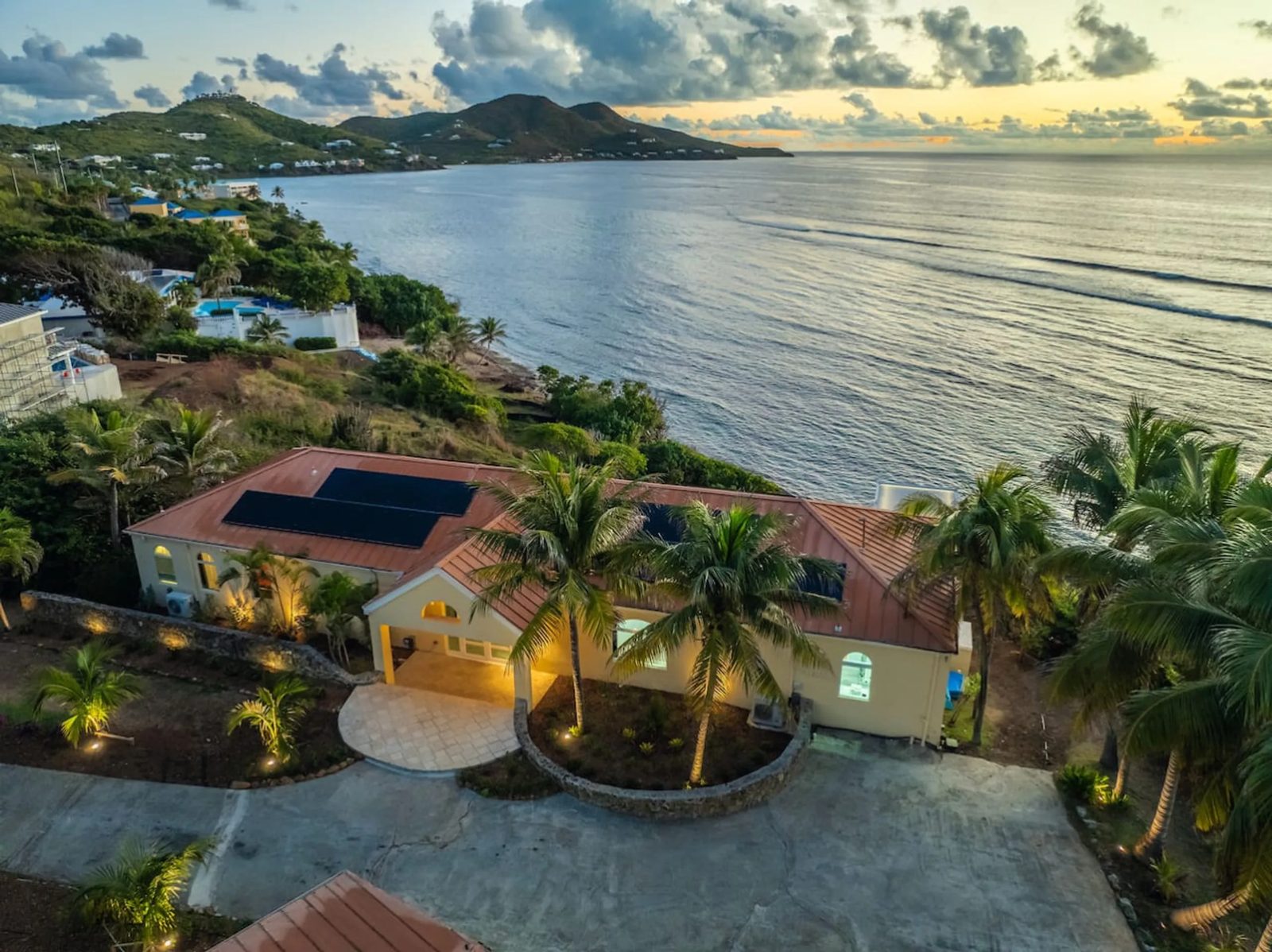
This is the page that gets read, so keep it to one side of paper, in large type, by the door or on the kitchen counter. Start with the address, written the way a stranger would find it at night, with the landmark. Shoy's Beach House, for instance, is reached through the Estate Shoys guard gate beside The Buccaneer, and that is what a taxi driver or an ambulance crew needs to hear. The U.S. Fire Administration’s advice is simpler still: make sure first responders can see your house number from the road.
Next, the emergency number, written large. In the U.S. Virgin Islands, the territory’s tourism department tells visitors plainly: “For emergencies in USVI, call 911.” In Brazil, the national codes are 190 for the military police, 192 for SAMU, the emergency medical service, and 193 for the fire brigade, according to Anatel, the country’s telecoms authority. Add the nearest hospital. On St. Croix that is Governor Juan F. Luis Hospital, which offers 24-hour emergency services. Then the name of the person to call and a number that answers at night, with a line on what counts as urgent.
Below that: the Wi-Fi name and password, the check-out time (10 am at The Cerulean, for example), and the way out. The U.S. Fire Administration advises finding two ways out of every room, drawing a map of the home with all its doors and windows, and choosing a meeting place outside, in front of the house. A small floor plan with the exits marked does all three.
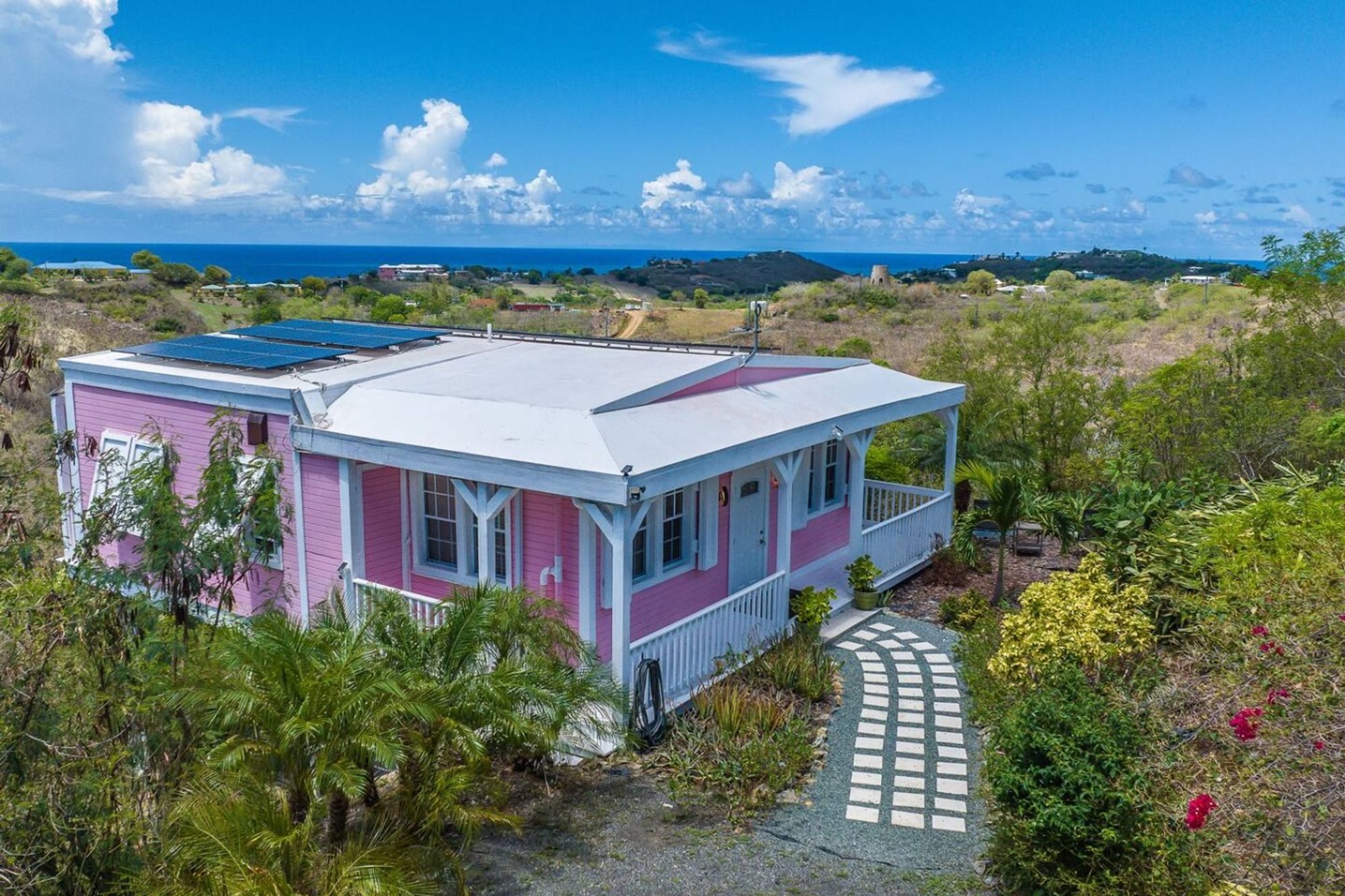
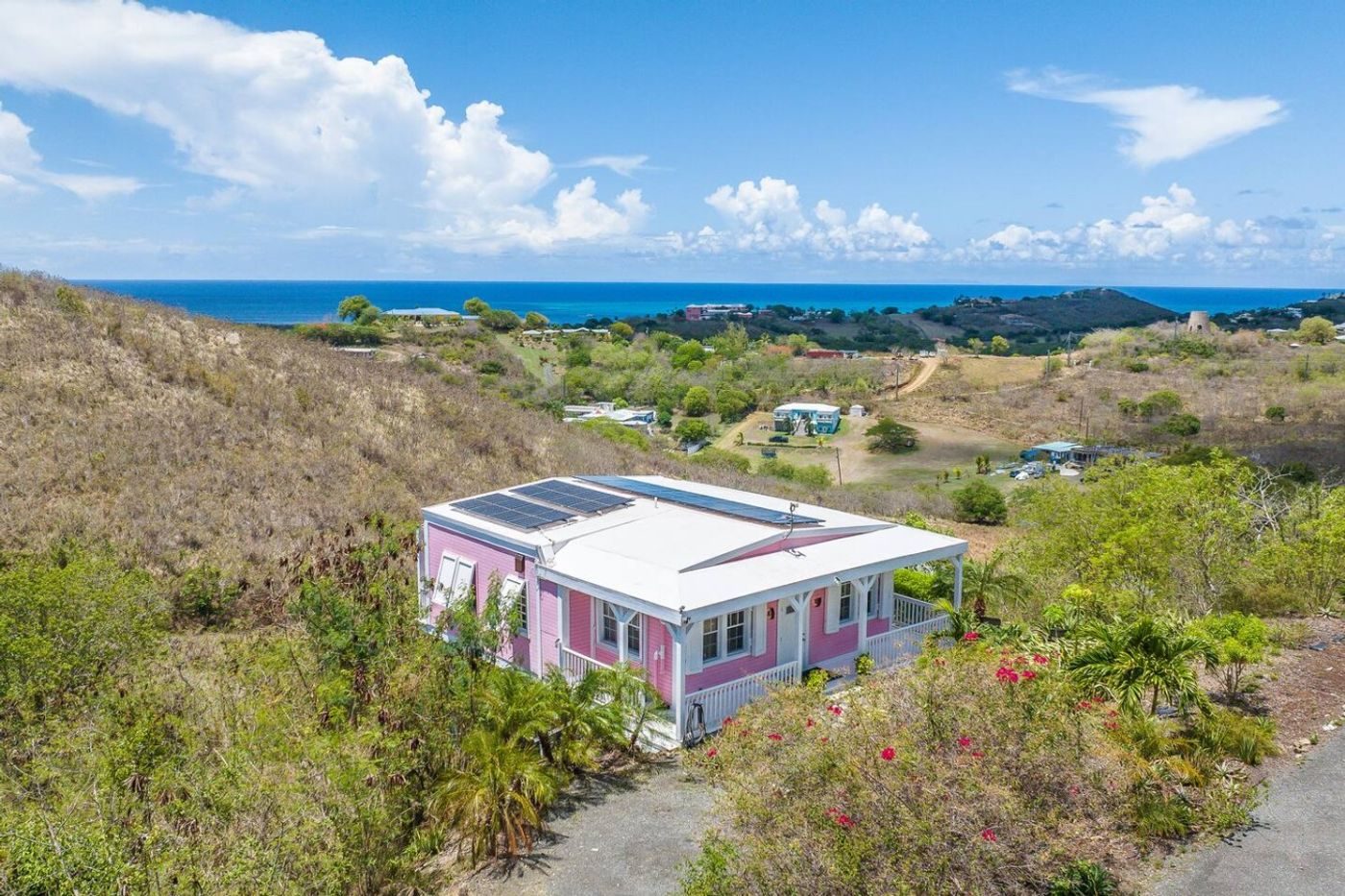
Finish with the one or two things that are different about this house, the ones a guest would not guess. At Bananaquit Bungalow, which runs on solar power, it is the request to go easy on power and water. At Toes in the Sand Beach House, it is that the beach is for walking, not swimming. At Shoy's, it is the manchineel trees along the beach. At The Cerulean, it is water shoes for the reef.
Rooms and appliances
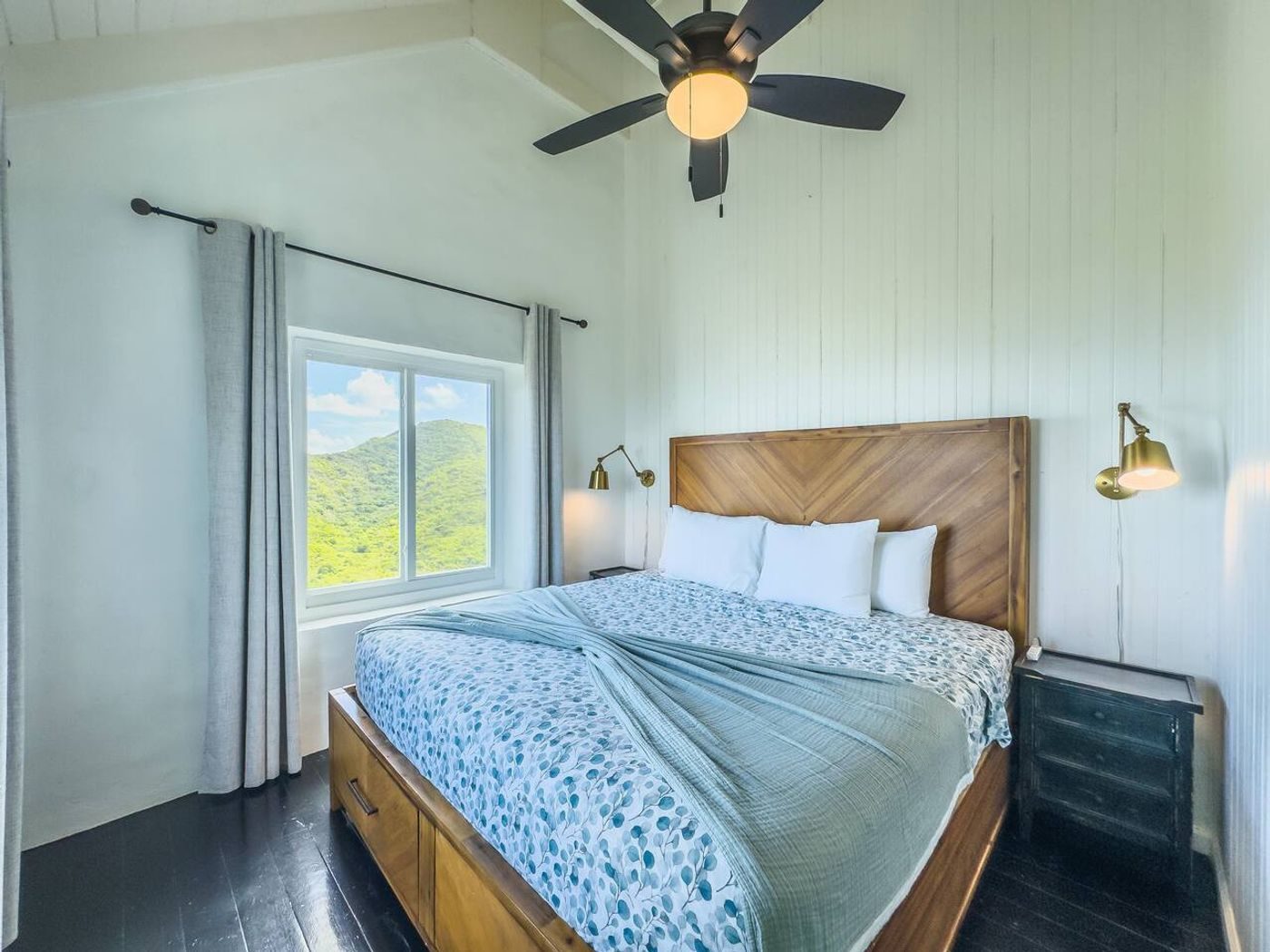
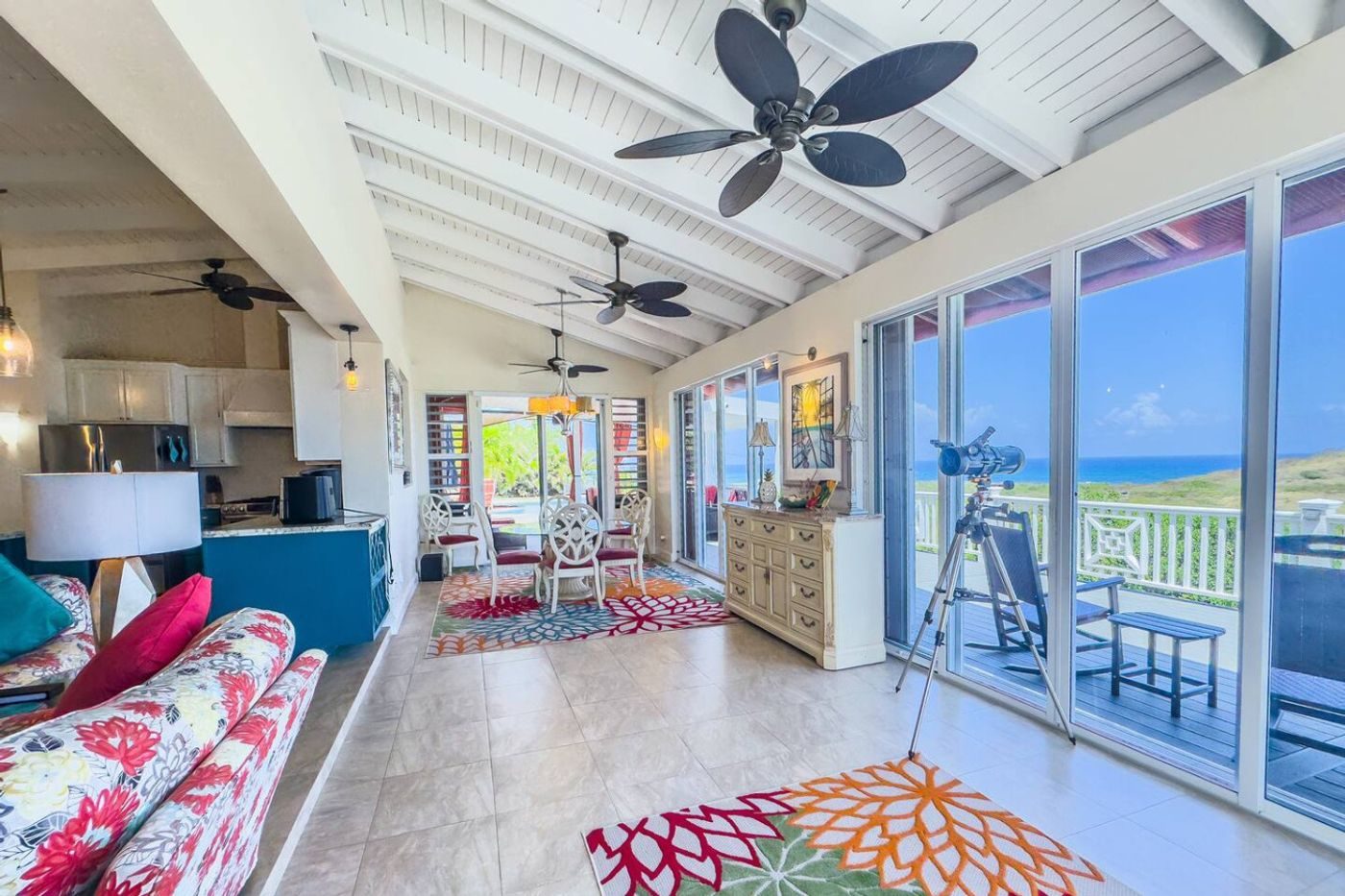
Go through the house in the order a guest walks it, and in each room cover only what someone could get wrong. At Hook 'em on Paradise, on St. Croix’s north shore, each bedroom has its own air conditioner and television, so the manual should say which remote belongs to which room, and how to set up the telescope that stands by the living-room glass.
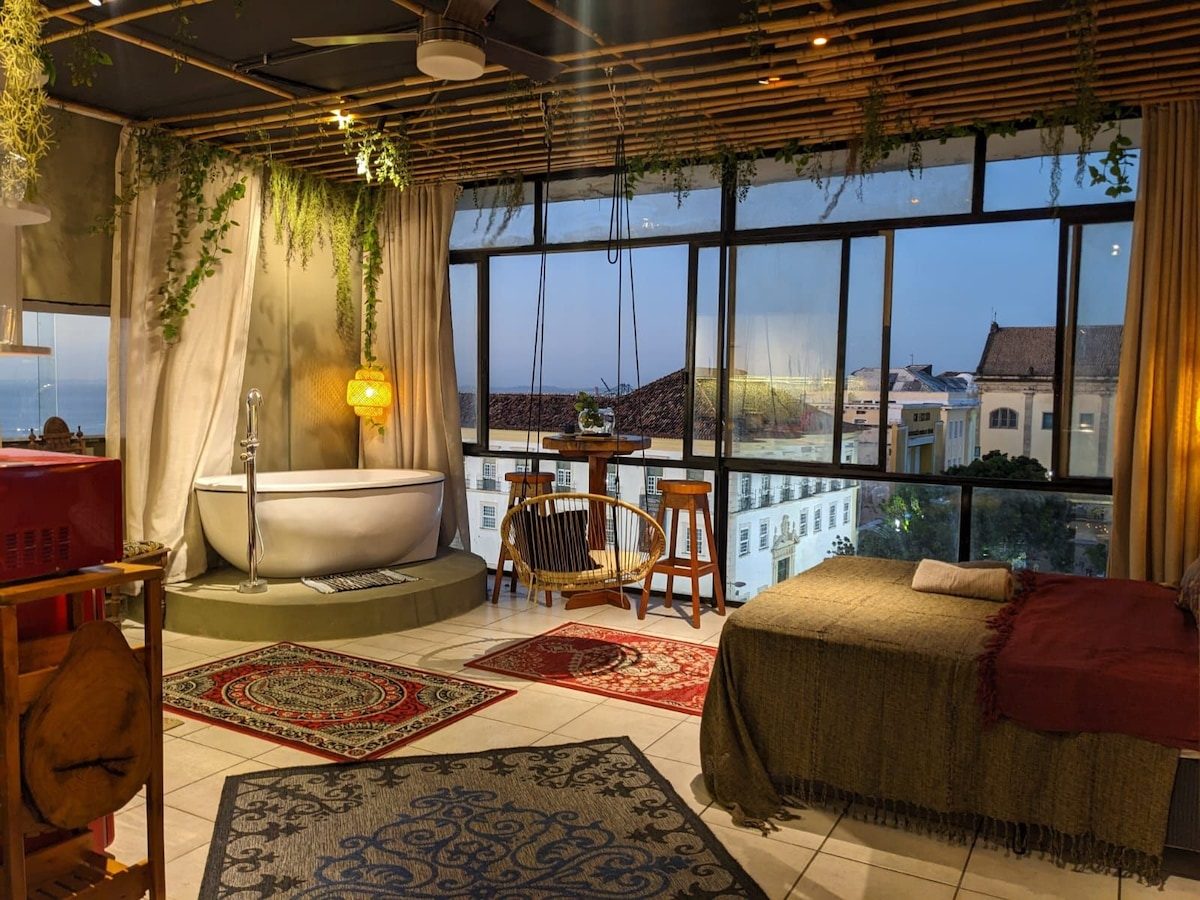
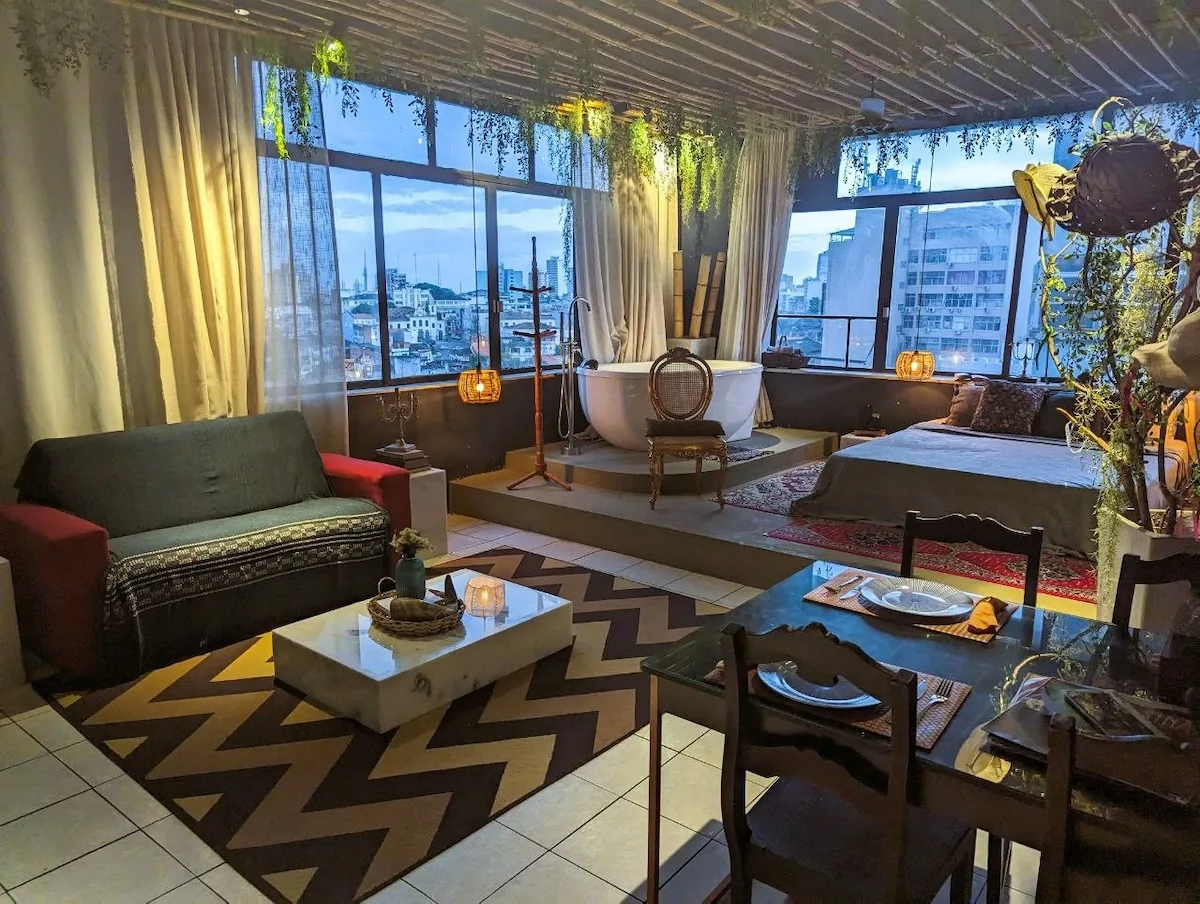
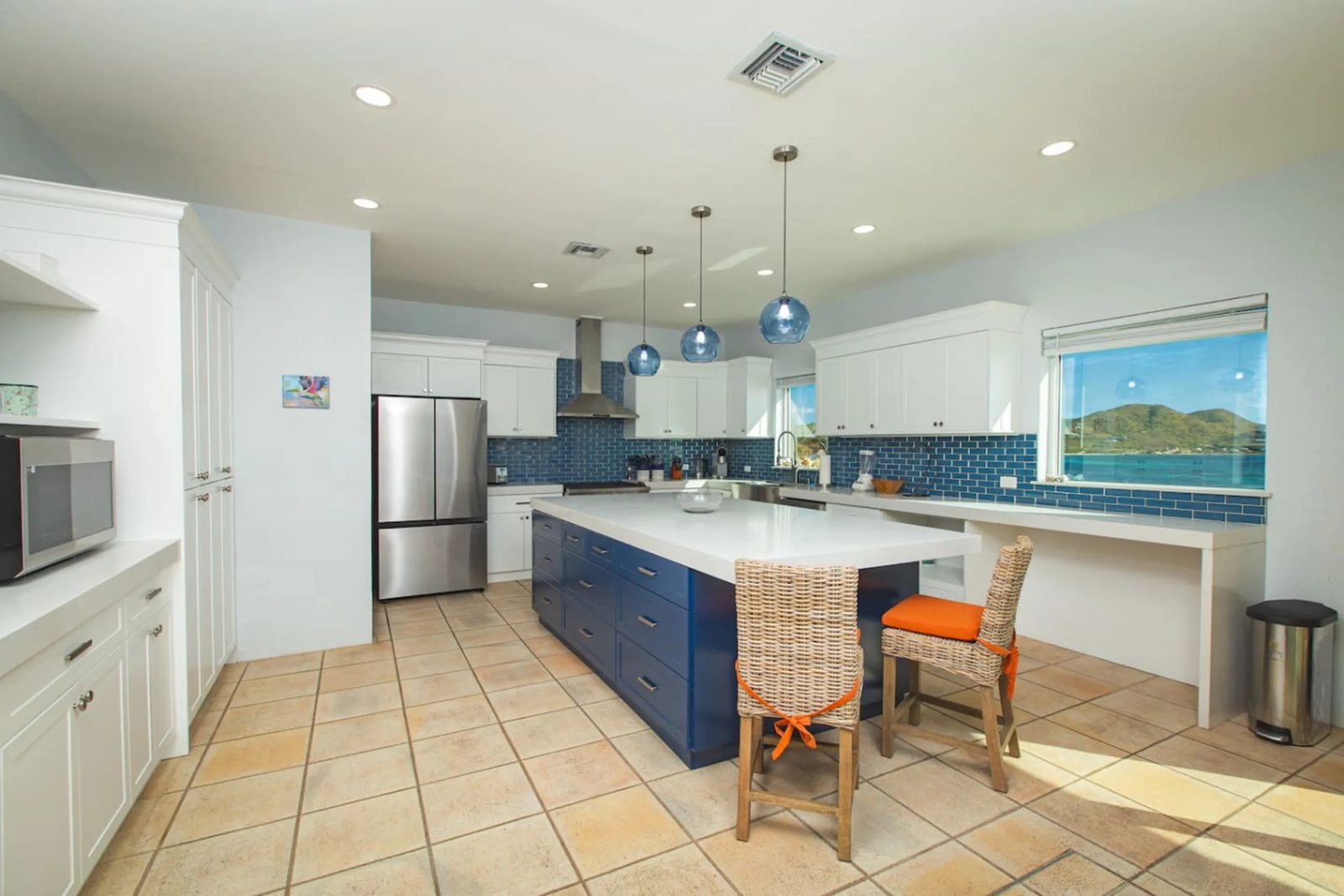
In a well-equipped kitchen, a list saves guests from opening every cupboard. Dragonfly Villa’s listing names its kit: All-Clad and cast-iron pans, a Vitamix blender, a Dutch oven, a pizza stone, an Instant Pot and a waffle maker. A manual can say where each one lives. At The Cerulean, the pages that matter are the Thor range, the ice maker, the dishwasher, and the washer and dryer in the main house and the cottage. At Vista Elevador & Mar in Salvador, it is the projector and the screen.
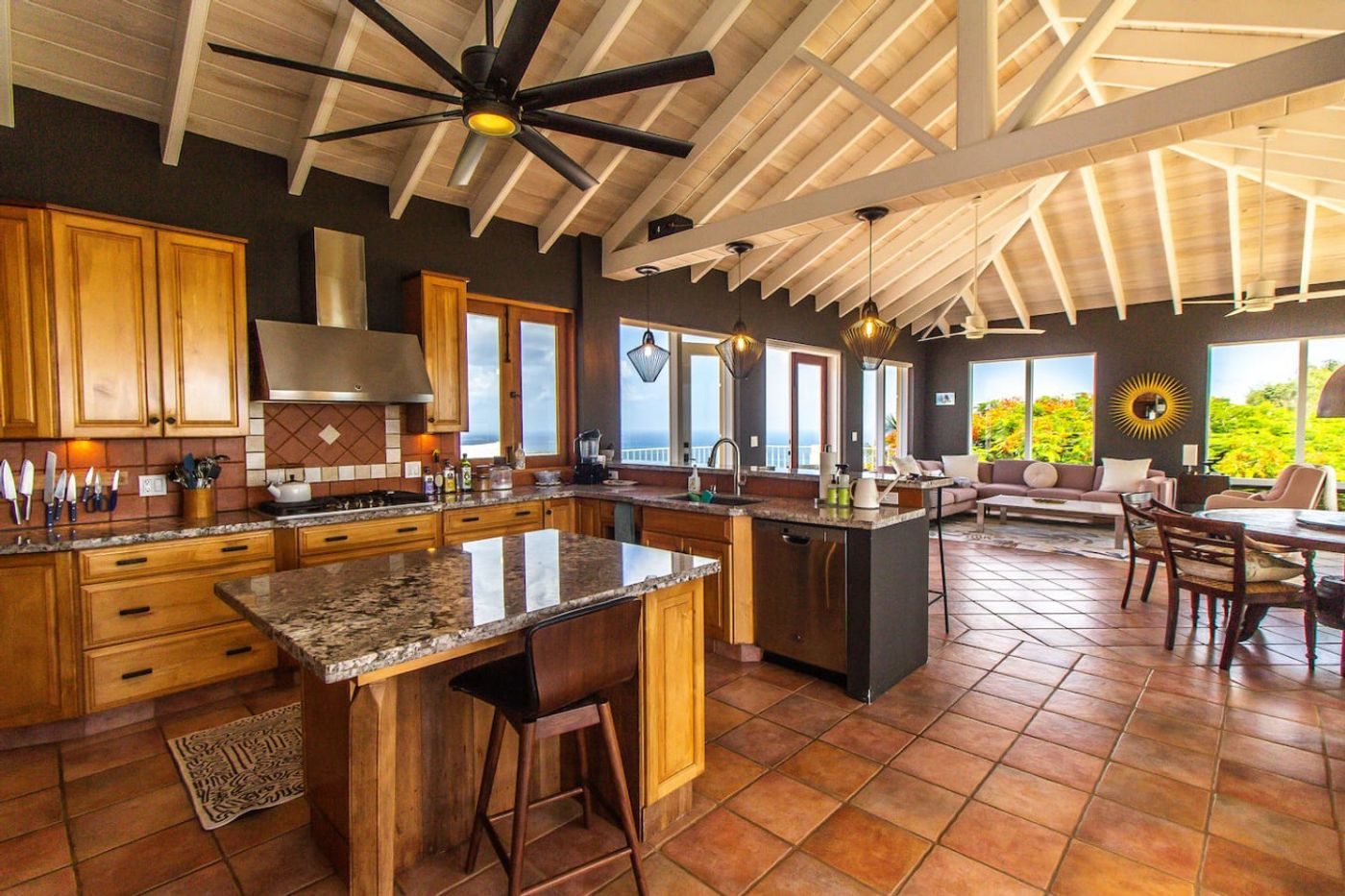
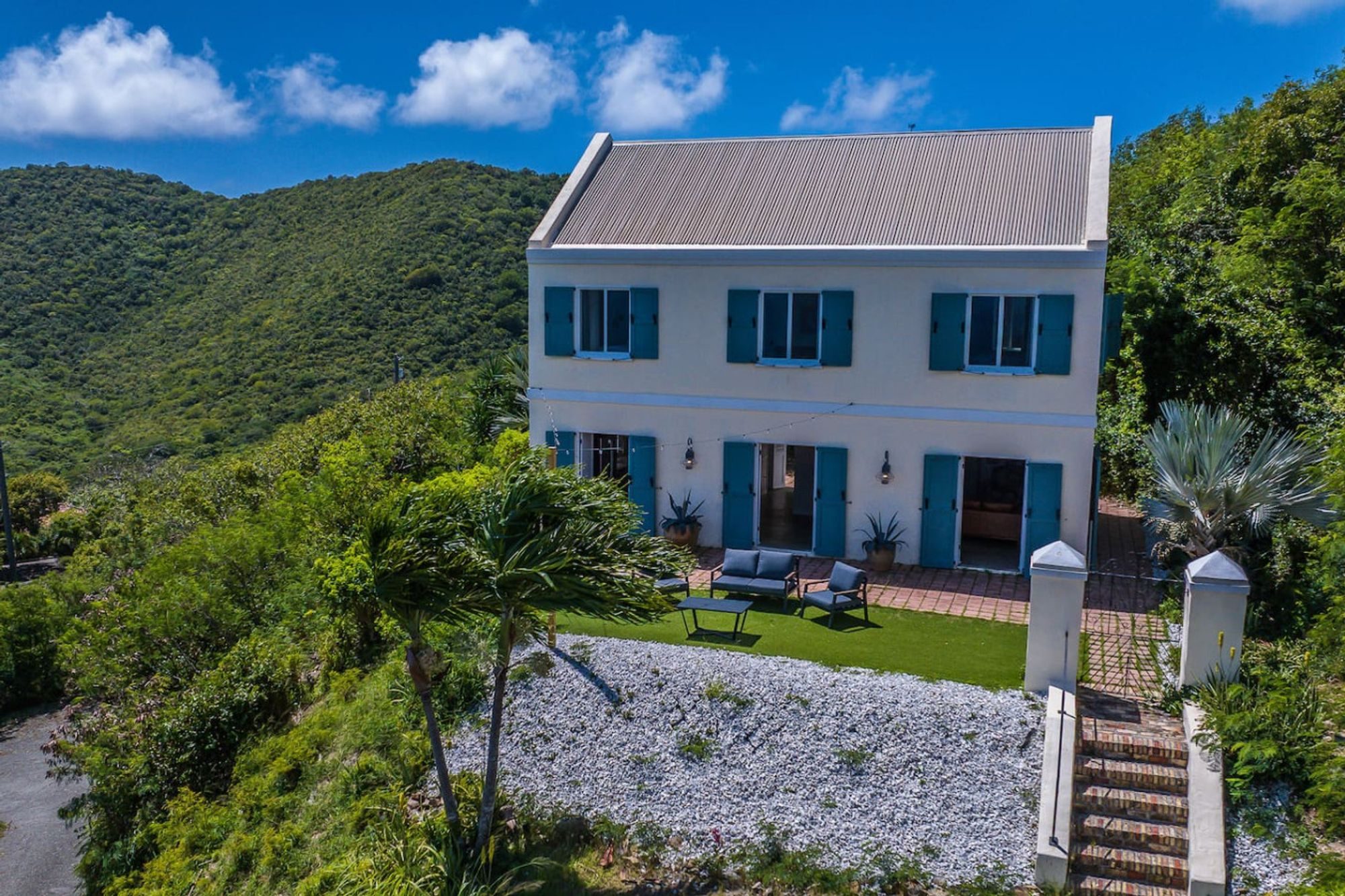
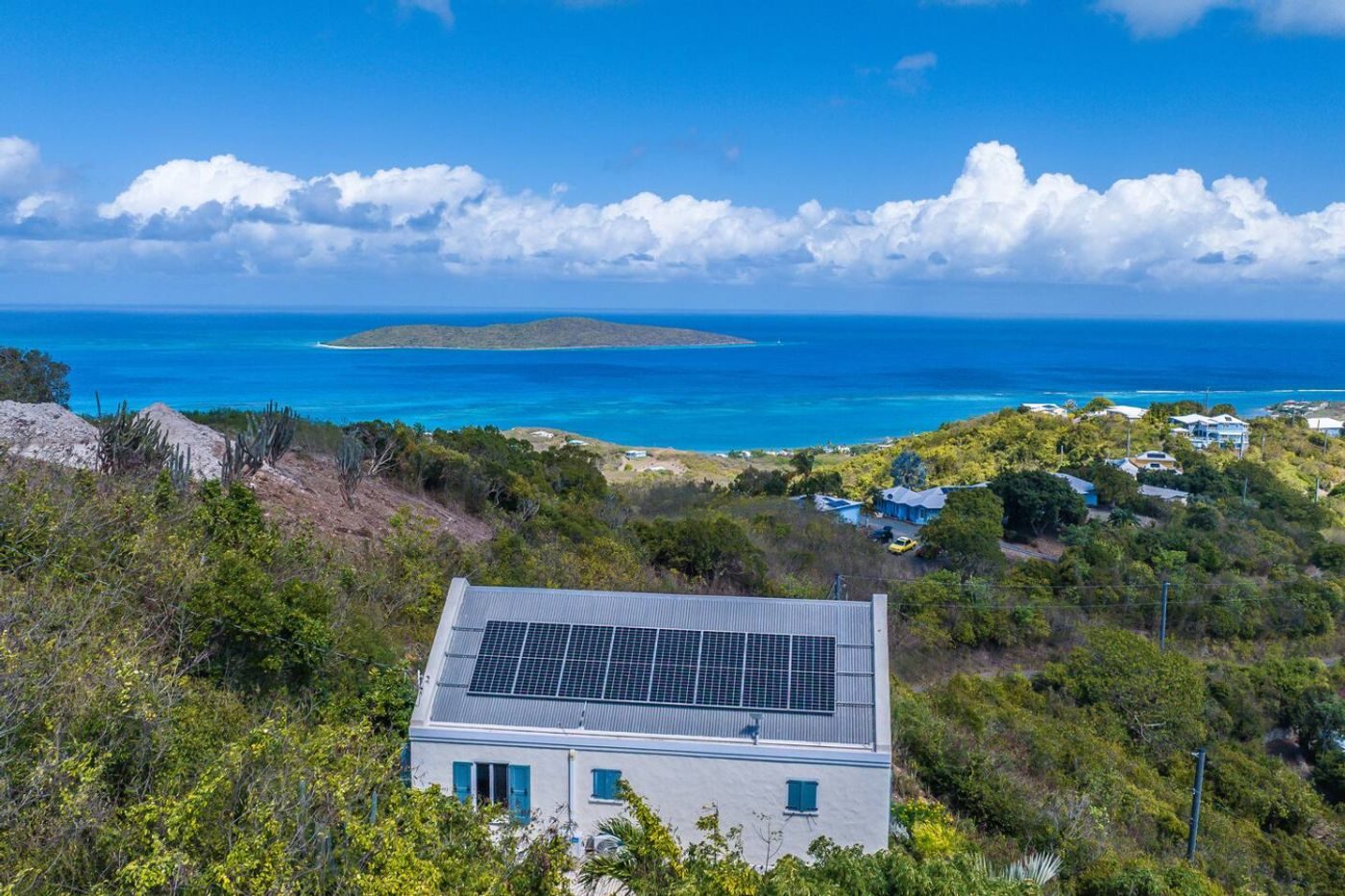
Instructions matter most where a house works differently from the guest’s own. Bananaquit Bungalow is fully off the grid, on solar panels, batteries and rainwater cisterns, and its listing explains what that means without fuss: “Excessive use of air conditioning, laundry appliances, or other high-energy equipment—especially after sunset or during cloudy weather—can drain the batteries and cause a temporary power outage.” If the batteries run down, the power may not return until the sun has recharged them, and in dry spells guests are asked to take shorter showers and turn the tap off while brushing their teeth. That is a model paragraph for any manual: what happens, why it happens, and what to do.
Water deserves the same treatment. At Toes in the Sand, a guest noted that “The house is on cistern water like many in St. Croix.” If your house is the same, say what that means for showers and laundry, and who to call if the pressure drops.
Photographs of switches and controls
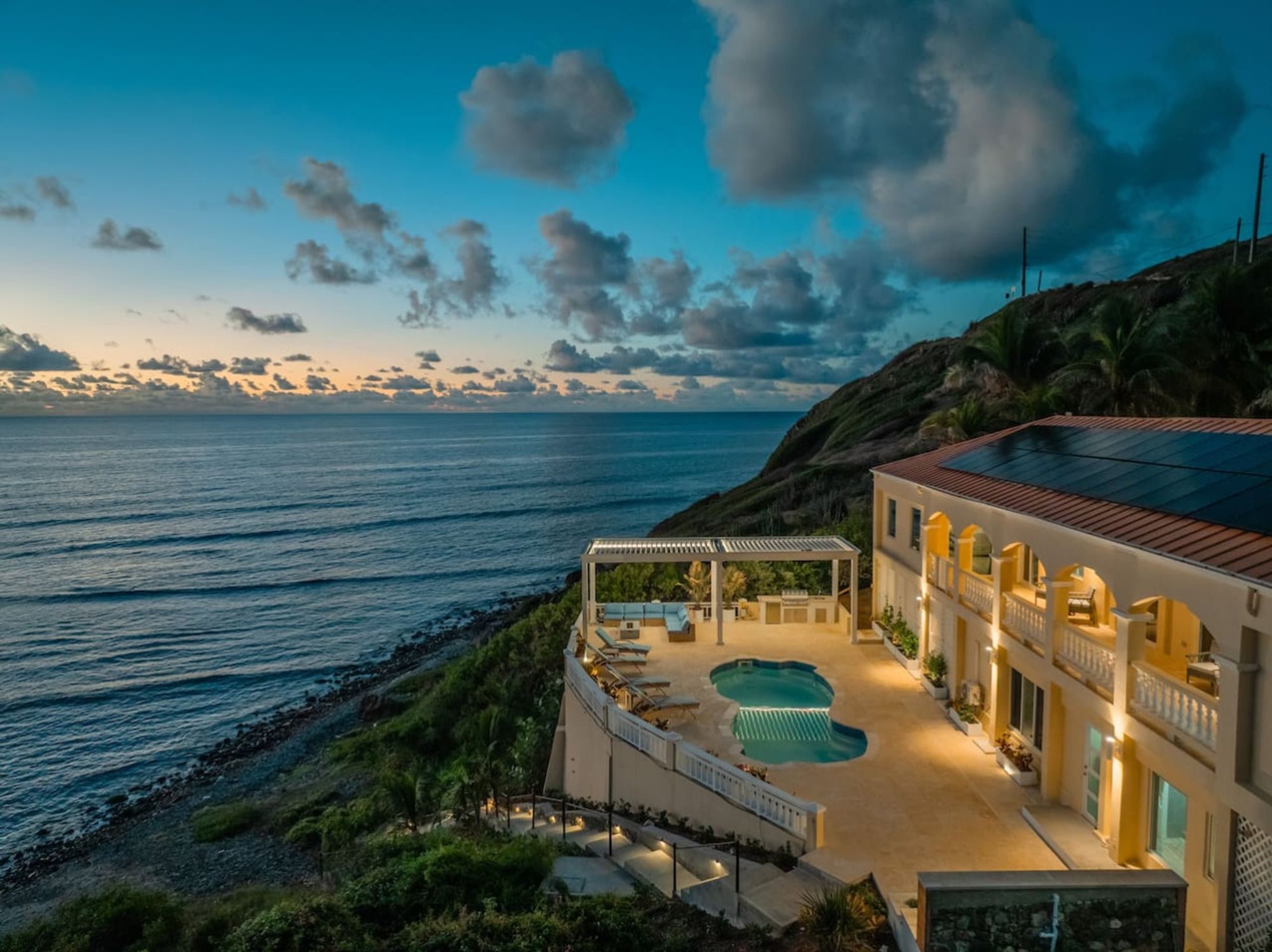
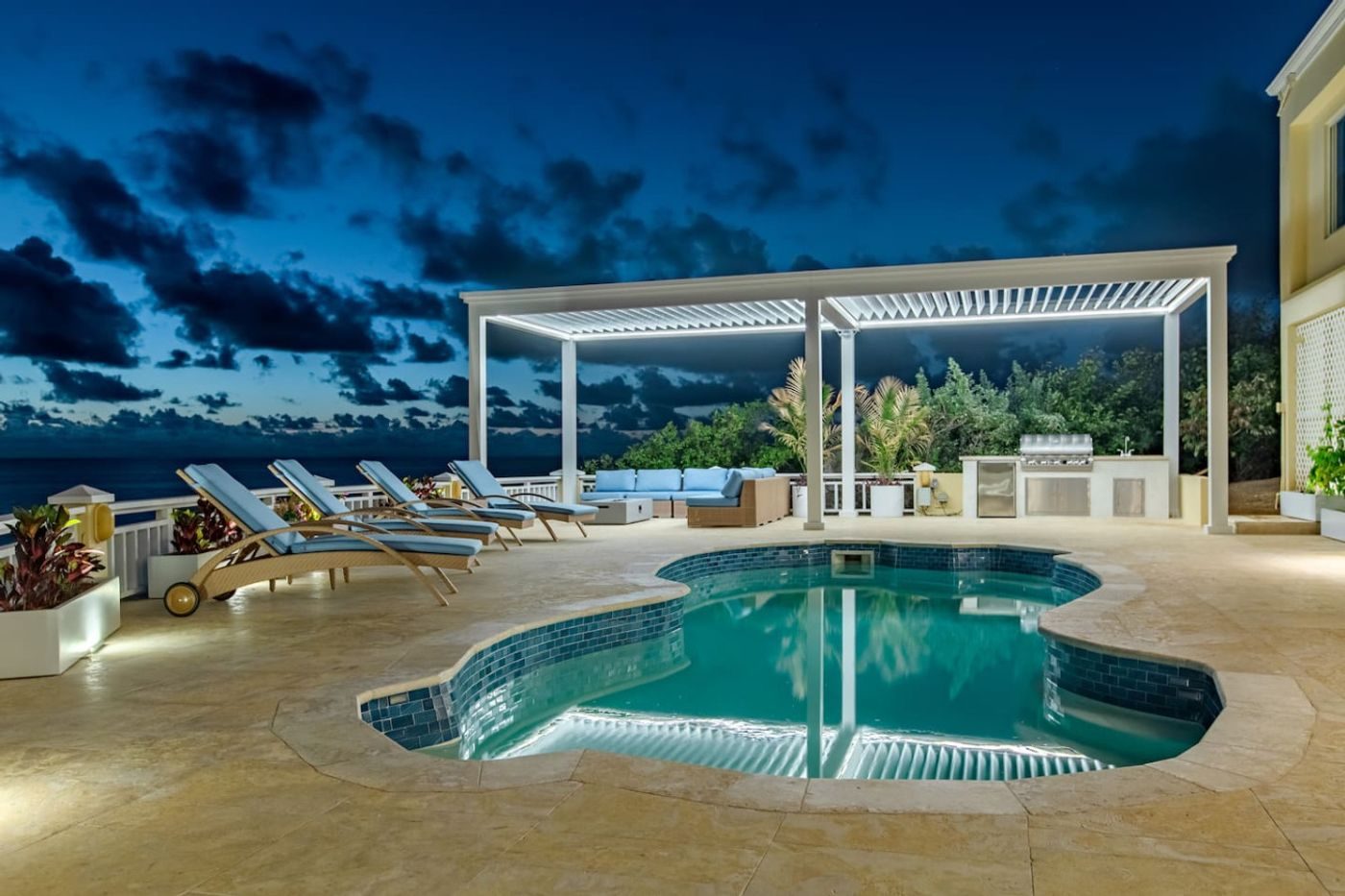
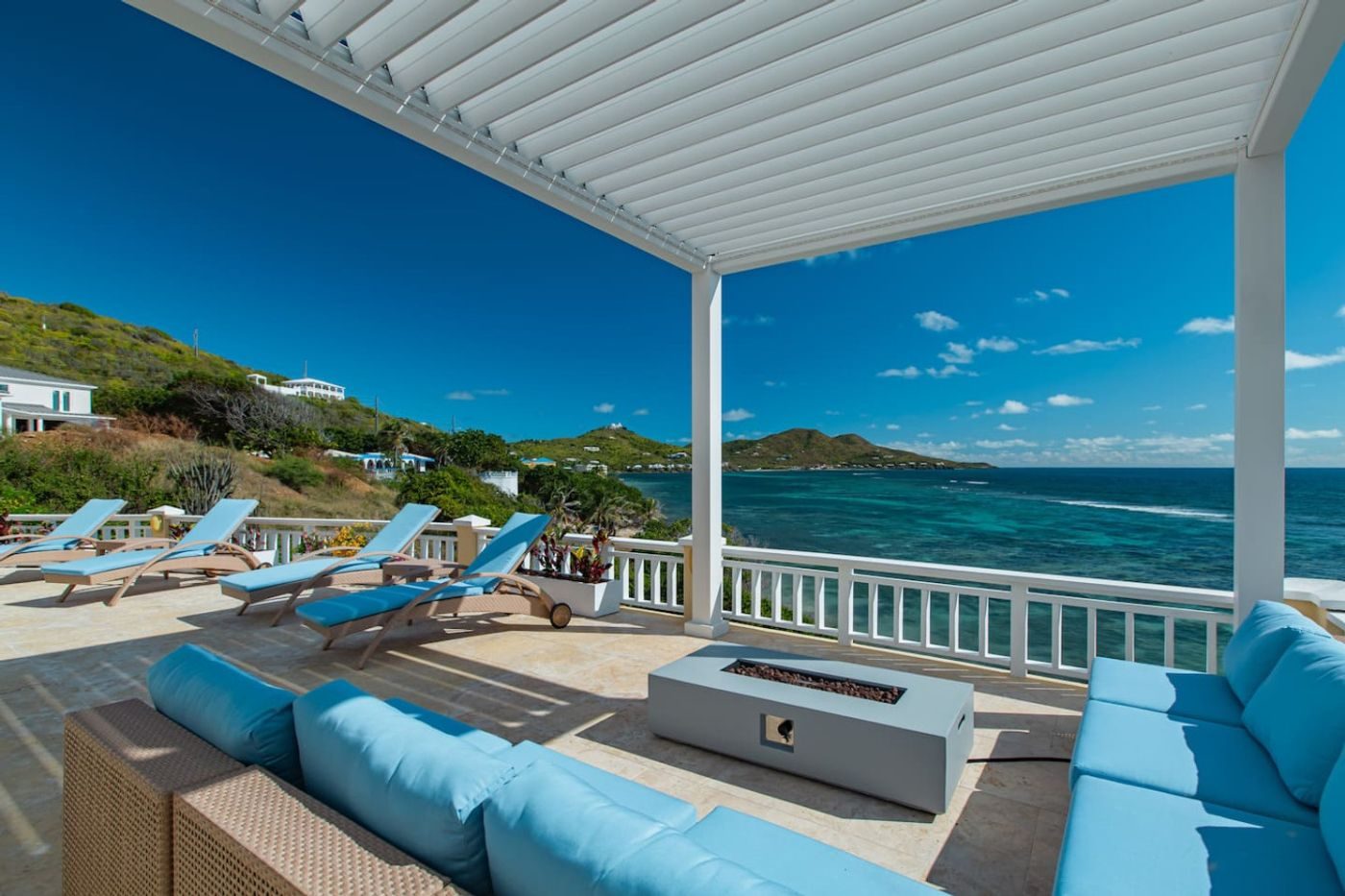
A photograph does what a paragraph cannot. Photograph the breaker panel with every circuit labelled, the main water valve, the gas shut-off if there is one, each air-conditioning remote, the pool and spa controls, the gate opener and anything outside that is switched on and off. At The Cerulean, that includes the pergola over the pool deck, whose louvres are motorised, and the fire table beneath it.
Take each picture close enough to read the labels, one control to a photograph, in daylight. Mark the switch with an arrow in the digital copy, and put the picture beside the words rather than in an appendix. Ready.gov’s advice for households applies to guests too: know where the main water valve is and tag it; to cut the electricity, switch off the individual circuits before the main one; and never practise by turning the gas off, and leave turning it back on to a qualified professional. Retake the photographs whenever something is replaced.
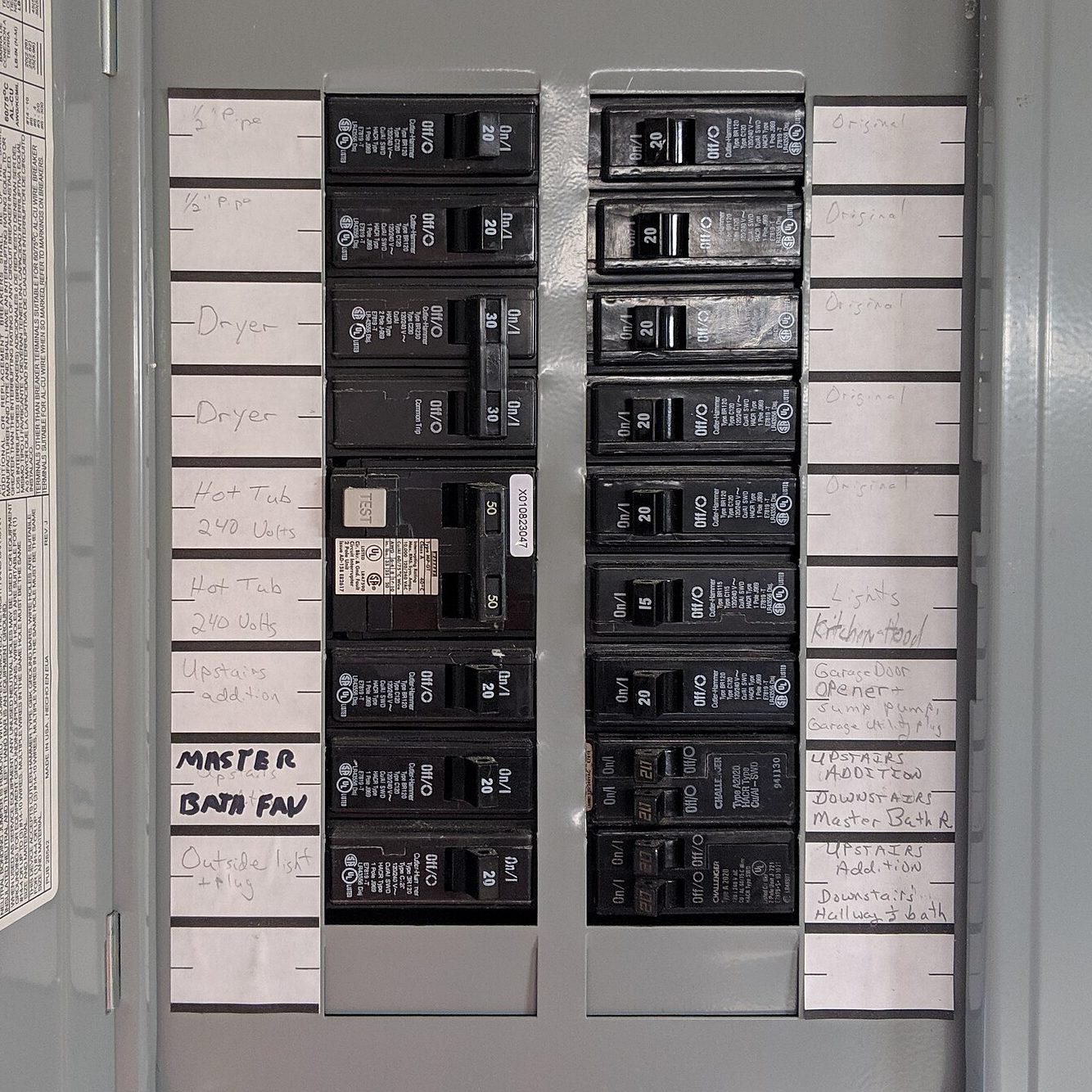
Electrical panel opened · FuriousYogi · CC BY-SA 4.0 · cropped
The pool, the garden and the shore
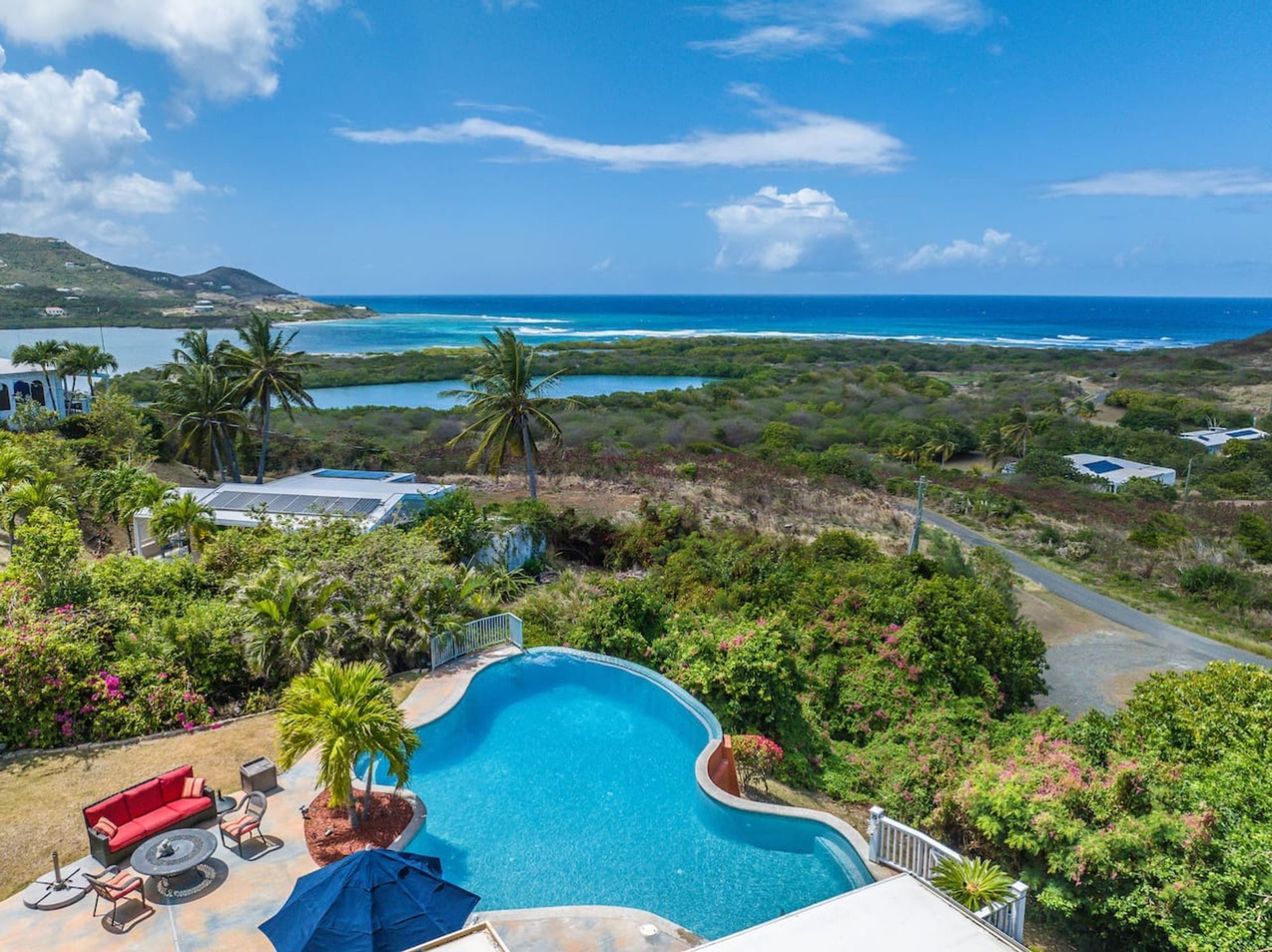
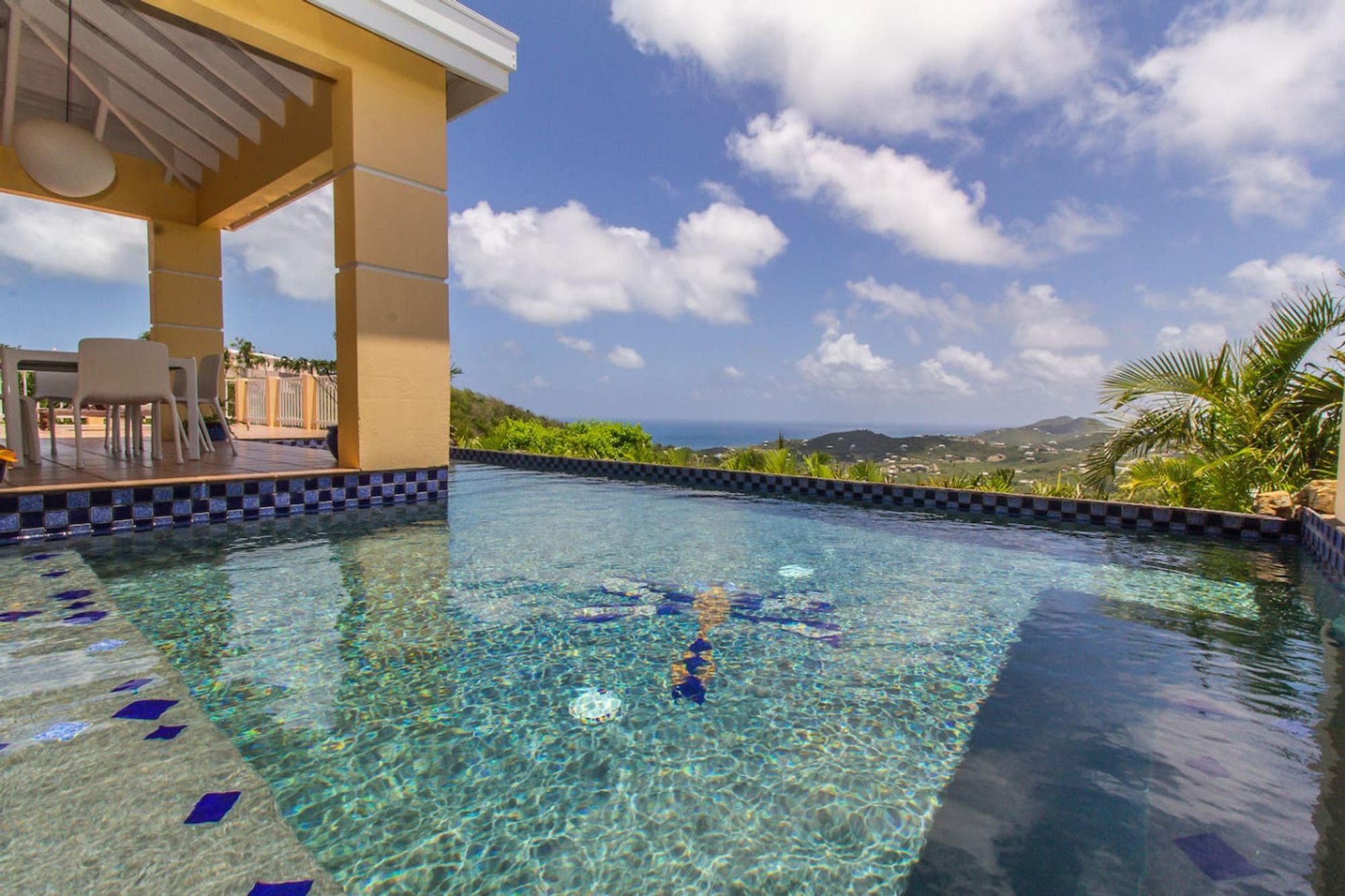
Outside, the manual should say how the pool gate closes and latches, where the switch for any pool or door alarm is, where the life ring hangs, and how to light and turn off the grill and any fire table. The Cerulean has a gas grill in its outdoor kitchen and a fire table in the covered lounge; Moko Vista has a propane grill on its patio; Shoy's has a flat-top grill. Each needs three lines: how to turn it on, how to turn it off, and where the gas is shut off.
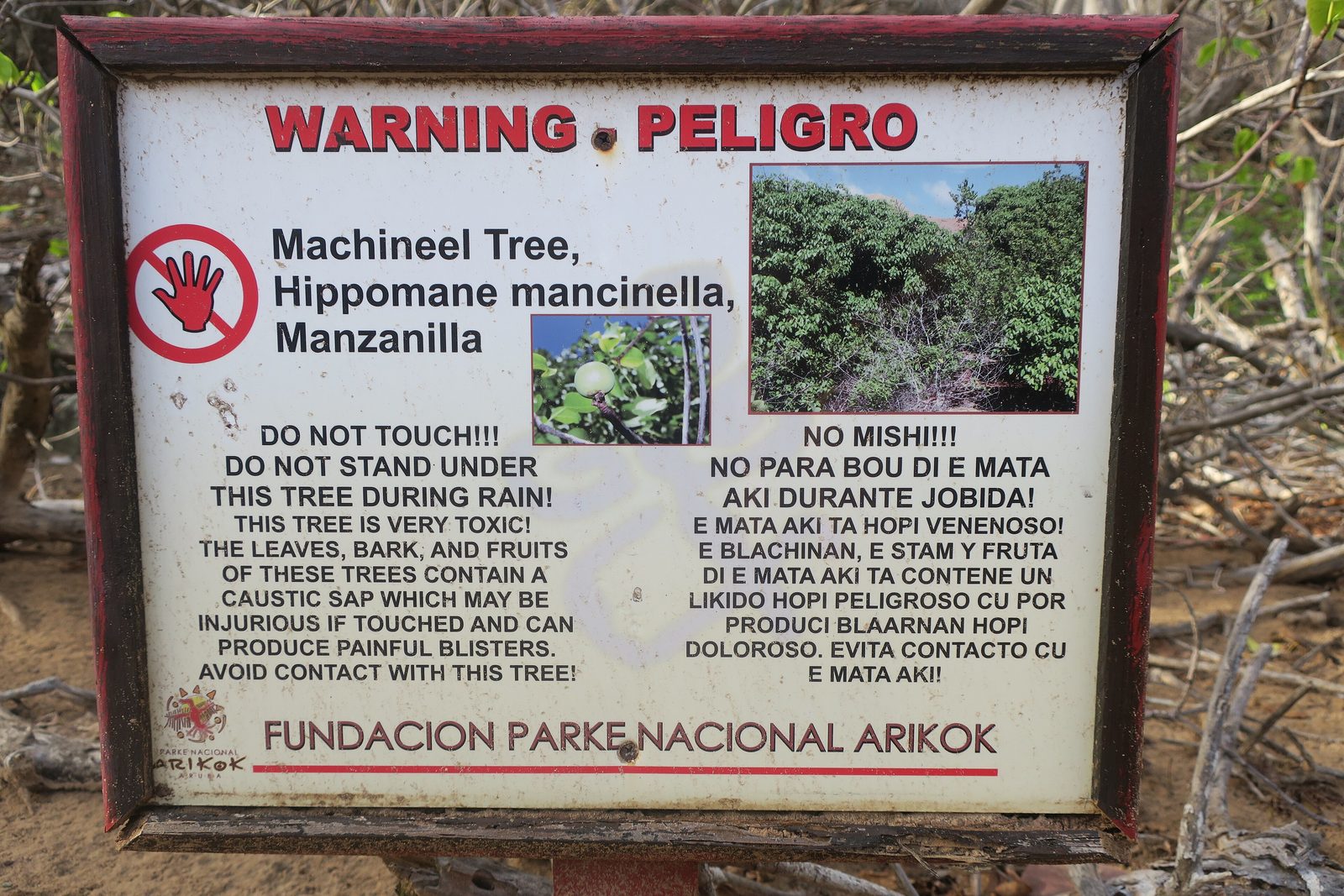
The garden needs a page if guests may pick from it or must avoid something in it. The Cerulean’s owners invite guests to pick from the fruit trees: guava, papaya, figs, bananas, lemon, lime and passion fruit. At Shoy's Beach House, a guest noted that “Many fruit trees and flowering plants are identified on the property”, and passed on a warning to stay clear of the manchineel trees along the beach and the east property line, whose sap and fruit are toxic. A warning like that belongs on the page by the door as well.
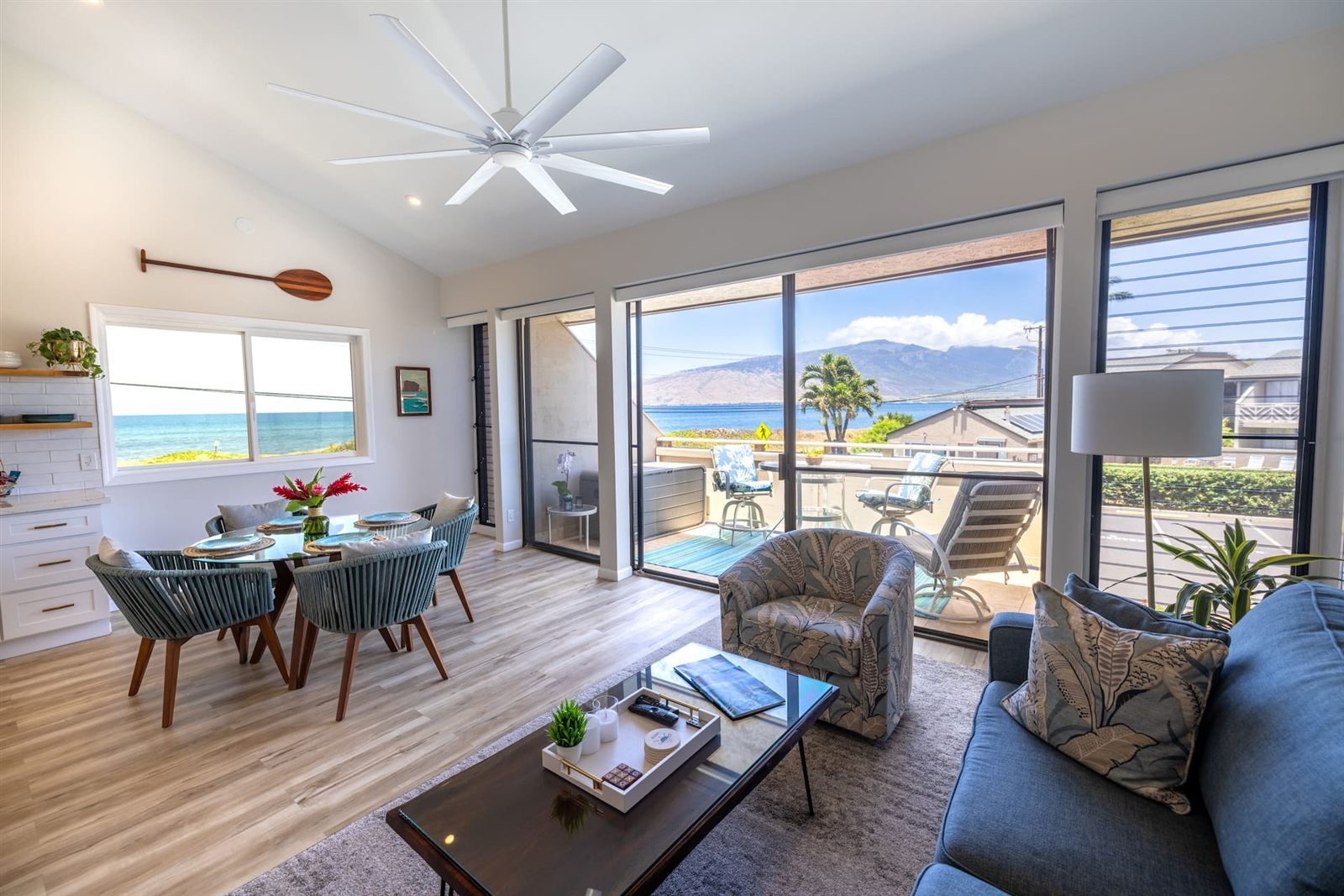
Describe the water as it is. At The Cerulean, the snorkelling starts at the shore in shallow water inside the reef, and the entry is rocky, so water shoes go on the list. At Toes in the Sand, a guest wrote that the “Beach is accessible but not swimmable due to rocks and coral formations”, and the pool is the place to swim. At Sea Sun Maui, the owners’ own guide says there is no lifeguard on Sugar Beach, across the road, and that the water is calmest from sunrise to about 10 am; the County of Maui’s Kamaʻole Beach Parks I and III, a short drive away, have lifeguards on duty. That is the kind of detail a manual exists for.
Wi-Fi, rubbish and check-out
Put the Wi-Fi name and password on the page by the door, on a card by the router and in the arrival message, and say where the router is and what to do if the connection drops. If the house has no mobile signal, say so. At Moko Vista, a guest found Wi-Fi in the house but no mobile network “unless you drive 2 mi away to the west”, which is worth knowing before anyone plans a call.
Rubbish needs a page of its own: where the bins are, which bin takes what, and when they are emptied or where to take them. A family at a St. Croix condo listed it among the things that made their week easy: “Easy to find trash and recycling bins for the condos.” Laundry needs the same treatment, with a photograph of the machine’s dial.
Keep the check-out page short. Give the time, then the few things you want done: dishes in the dishwasher, used towels in one place, the air-conditioning off, the windows shut, the doors locked and the keys back where they came from. A long list of chores reads like a charge sheet.
Emergencies and the neighbourhood
Put the emergency pages at the front of the full manual, each with one instruction at the top. If a smoke alarm sounds, get everyone out and call from outside; the U.S. Fire Administration warns that you may have less than two minutes to get everyone out. If a carbon monoxide alarm sounds, treat it the way the CPSC, the U.S. product-safety agency, treats suspected poisoning: get outside to fresh air immediately, then call for help. If guests smell gas, Ready.gov says to open a window and get everyone out quickly, and to call the gas company from a neighbour’s house.
Say what happens in a power cut, because houses differ. The Cerulean has grid power, solar panels, batteries and a whole-house backup generator. Dragonfly Villa and Moko Vista have solar power with battery backup. At Bananaquit Bungalow, the power comes back when the sun recharges the batteries. Say where the torches are. For storms, say what the manager will do and when; SP Vacations, which manages all the St. Croix houses in this guide, tells guests it watches forecasts with them in hurricane season. Ready.gov’s advice for high winds is a designated shelter or an interior room, and the manual should name the room.
The neighbourhood pages should cover the nearest supermarket and pharmacy, the hospital, what is within walking distance and how to get a taxi. On St. Croix there is no Uber or Lyft, as SP Vacations tells its guests, and a car does most of the work. At Toes in the Sand, Kenneth found a dinner within walking distance: “I highly recommend visiting Blues backyard BBQ which you walk to if you wish.” At Sea Sun Maui, Nick, who came with two young children, wrote that “you will need to drive to do anything (e.g. shopping, coffee, activities).” In Salvador’s upper town, around the Via Avantgarde suites such as the Penthouse Jacuzzi, everything nearby is reachable on foot, from the Pelourinho to the Lacerda Elevator. Write the page for the place you have.
Warning sign for the Manchineel tree in Arikok National Park,… · STOPPENB · CC BY-SA 4.0 · cropped
Print, digital and up to date
Keep two copies that say exactly the same thing: a printed manual in the house, in a binder where guests will find it, and a digital copy sent with the arrival details. Each fails in its own way. The digital copy fails when the signal does. One guest at a St. Croix condo found that the codes for the complex gate, the lockbox and the door came in an emailed guest book “which you either need to download or have strong enough internet access in order to find”. Put the codes in the arrival message itself, and on paper in the house.
The printed copy fails when it goes out of date. Another St. Croix guest, in a five-star review, mentioned “some variation in instructions in the book at the house and on line”. The cure is one master document with a date on every page, changed on the day anything in the house changes: a new router, a new lock code, a new coffee machine. Give one person the job, whether owner or manager, and ask the cleaners to report anything that has moved or broken.
Once a season, walk the house with the manual in hand and do exactly what it says, step by step. Where a step does not work, the manual is wrong, and the guest who finds that out will be standing in the dark.
What goes in the manual
- By the door: the address and a landmark, the emergency number, the nearest hospital, who to call, the Wi-Fi, check-out time, the way out.
- One or two lines on what is different about this house.
- Room by room: each appliance as it is labelled, with a photograph of its controls.
- Photographs: breaker panel, water valve, gas shut-off, remotes, pool and outdoor controls.
- Outside: pool gate and alarms, life ring, grill and fire table, what may be picked, what must not be touched, what the water is like.
- Rubbish, laundry and a short check-out list.
- Emergency pages first: smoke alarm, carbon monoxide alarm, gas, power cut, storms.
- The neighbourhood: shops, pharmacy, hospital, what is walkable, taxis.
- Print and digital identical, dated, changed the day the house changes.
A manual is finished when a stranger can run the house from it, at night, without ringing anyone.
Questions owners ask
What should a vacation rental house manual include?
Start with one page by the door: the address with a landmark, the local emergency number, the nearest hospital, who to call, the Wi-Fi details, the check-out time and the way out. Then a full manual, room by room: the appliances, the pool and grill, rubbish, laundry, check-out, the emergency pages and the neighbourhood, with photographs of the switches and controls.
Should a house manual be printed or digital?
Both, saying exactly the same thing. Keep a printed copy in the house and send a digital copy with the arrival details. Never put the door or gate codes only inside a download that needs a strong signal; repeat them in the arrival message and on paper.
Where should the Wi-Fi password go?
On the page by the door, on a card by the router and in the arrival message, with a line on where the router is and what to do if the connection drops. If the house has no mobile signal, say so in the same places.
How often should I update a house manual?
On the day anything in the house changes, whether a new router, a new lock code or a new appliance. Date every page, give one person the job, and once a season walk the house with the manual in hand, following it step by step.
What emergency information belongs in a house manual?
The local emergency number written large, the address with a landmark, the nearest hospital, two ways out of each room and a meeting place outside, and one-line instructions for a smoke alarm, a carbon monoxide alarm, a smell of gas, a power cut and a storm, with the places of the water valve, the breaker panel, the extinguisher and the first-aid kit.
Sources
- The listings for Hook 'em on Paradise, Dragonfly Villa, Bananaquit Bungalow, Moko Vista, Toes in the Sand Beach House and Shoy's Beach House with SP Vacations, read 8 October 2026: Bananaquit Bungalow, Dragonfly Villa, Shoy's Beach House
- Guest reviews of the St. Croix homes, four- and five-star, quoted as written: spvacationsvi.com/reviews; SP Vacations on getting around and hurricane season: spvacationsvi.com
- The Cerulean, the amenities list (kitchen, laundry, pergola, fire table, power and safety equipment) and the fruit trees: theceruleanstcroix.com
- Via Avantgarde, Vista Elevador & Mar and the Penthouse Jacuzzi: viaavantgarde.com
- Maui Beachside Bungalows (Sea Sun Maui), the owners’ Sugar Beach page and guest reviews: mauibeachvacationrentals.com; County of Maui, Kamaʻole Beach Parks I and III: mauicounty.gov, mauicounty.gov
- U.S. Virgin Islands Department of Tourism, hospitals and health (emergencies: 911): visitusvi.com; USVI Office of Disaster Recovery on Governor Juan F. Luis Hospital, March 2026: usviodr.com
- Anatel, Brazil’s national emergency and public-service codes: gov.br/anatel
- U.S. Fire Administration, home fire escape plans, smoke alarms and house numbers: escape plans, smoke alarms, house numbers
- U.S. Consumer Product Safety Commission, carbon monoxide: cpsc.gov
- Ready.gov, Safety Skills (water, gas and electricity shut-offs) and Hurricanes: ready.gov/safety-skills, ready.gov/hurricanes