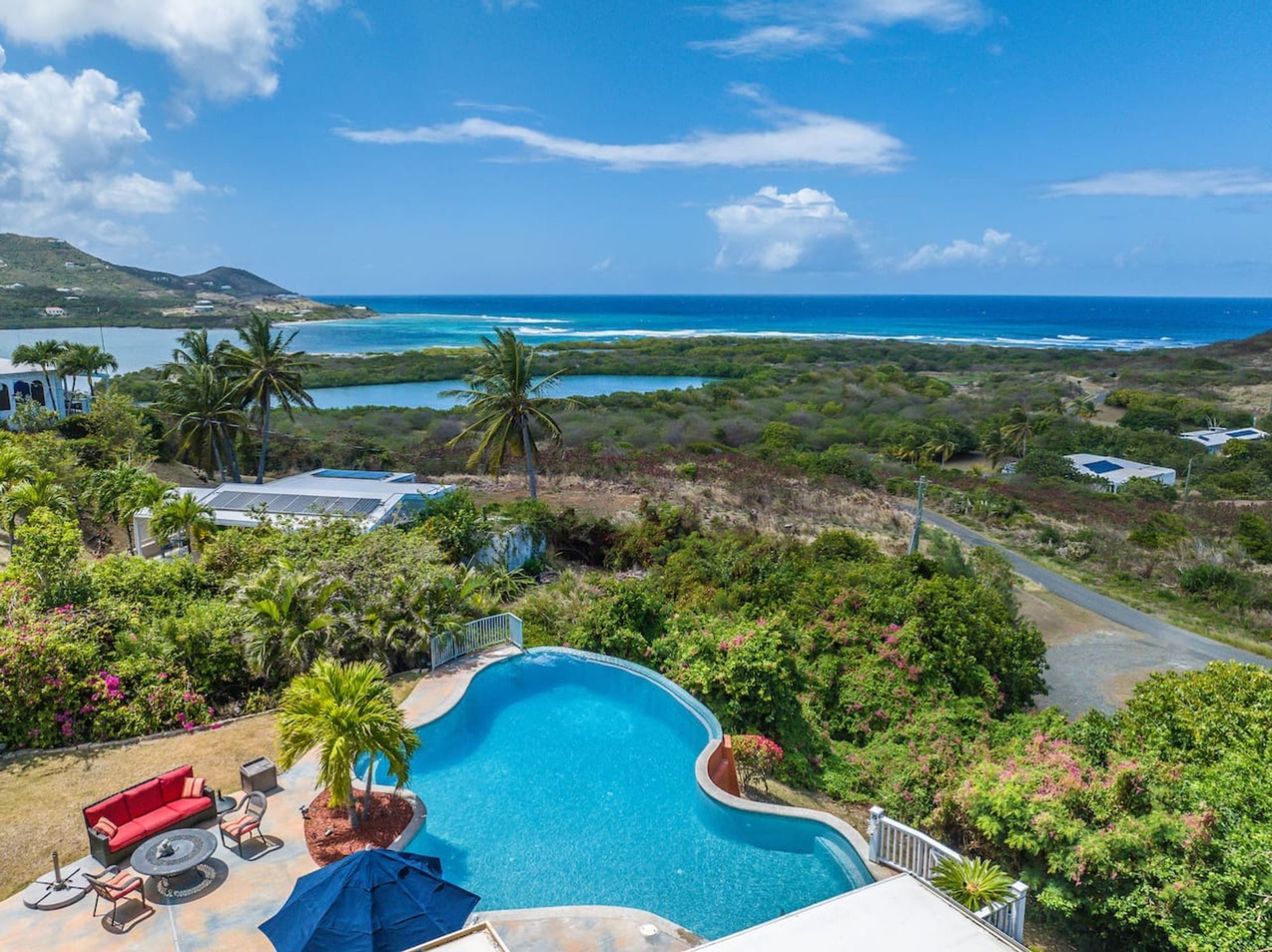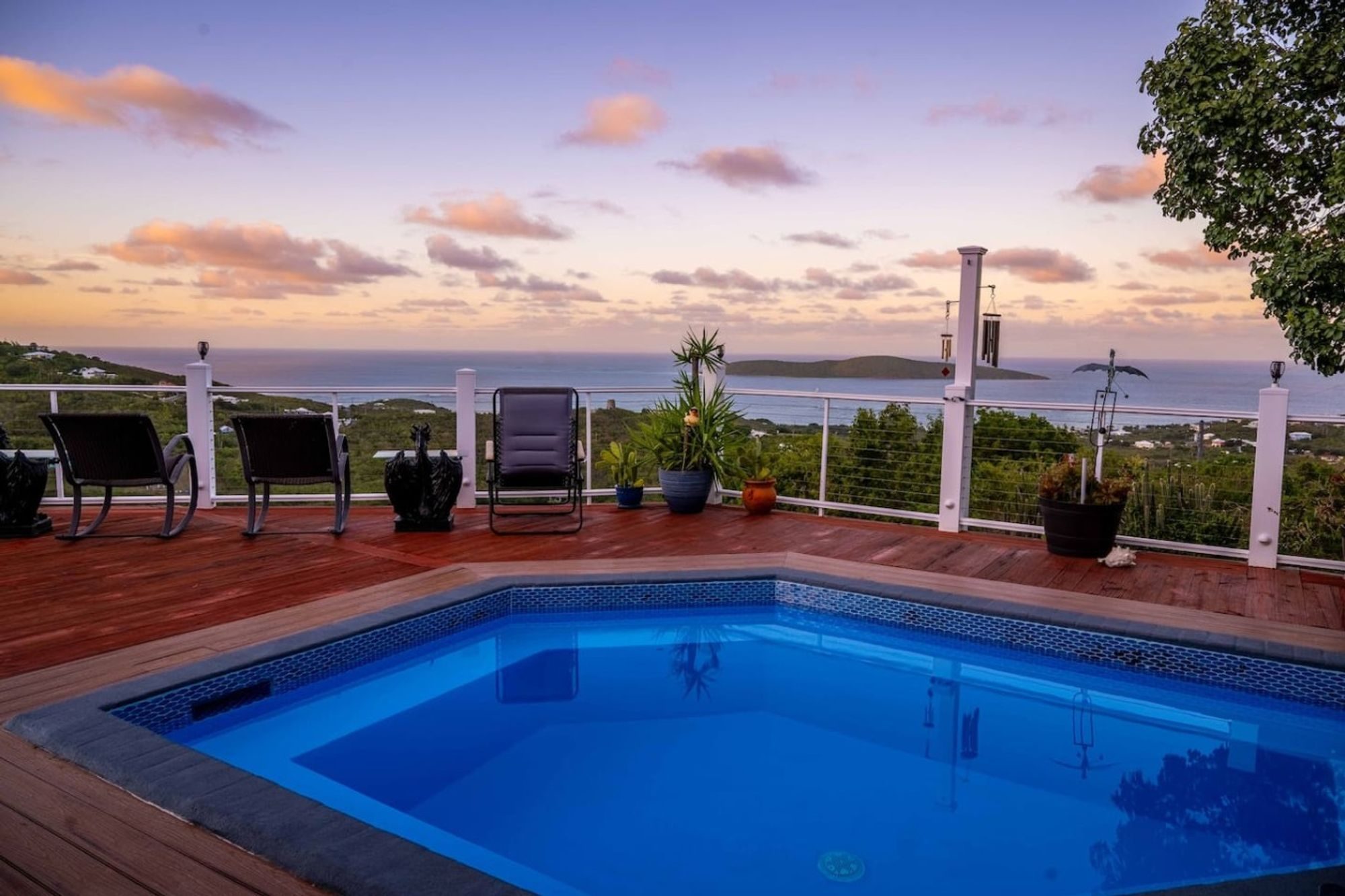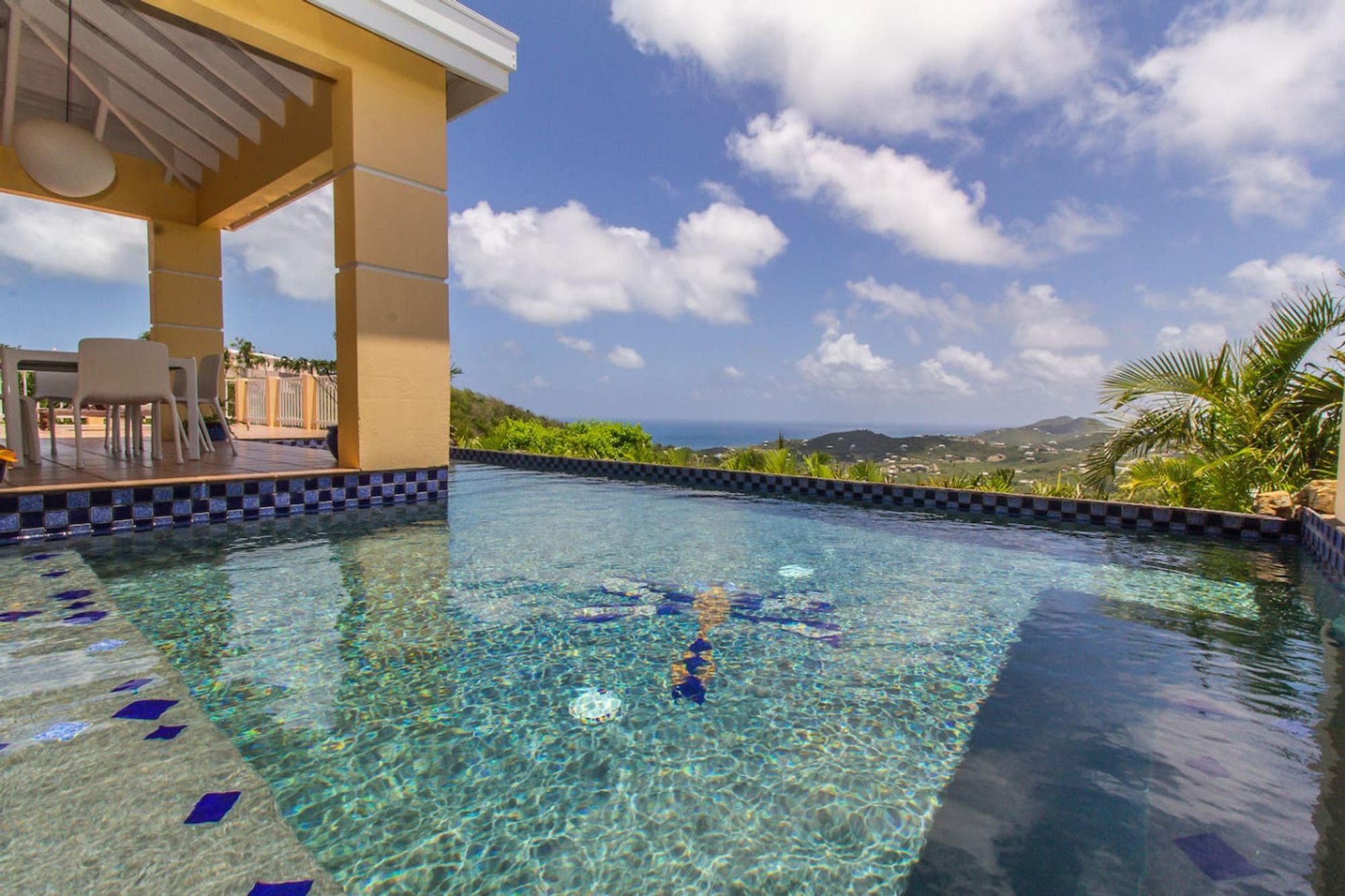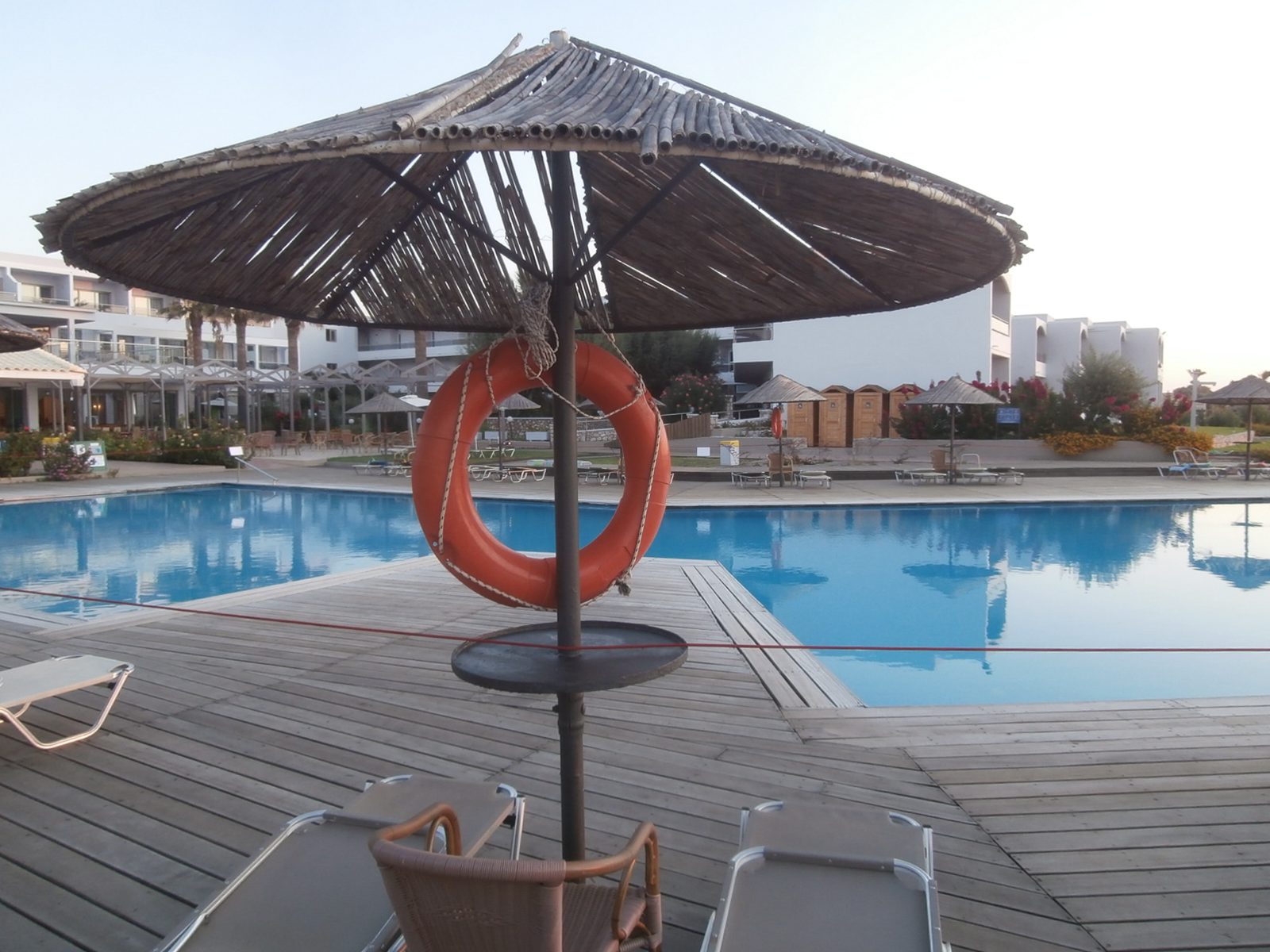
The short version
- Alarms
- Smoke alarms in and outside every bedroom and on every level; carbon monoxide alarms on every level, outside sleeping areas
- Fire
- A multipurpose extinguisher, a fire blanket away from the stove and a written way out
- First aid
- The Red Cross kit, checked between stays, and the emergency number by the door
- Hot water
- 120°F (49°C) at the heater, checked with a thermometer at a tap
- Falls and tip-overs
- Handrails, stair gates, window stops, anchored furniture and cordless blinds
- Pools and storms
- A fence, a self-latching gate, door alarms and a Water Watcher; a storm page and generators kept outdoors
In July 2021, as families began travelling again, the CPSC, the U.S. product-safety agency, published a warning aimed at vacation rental homes. Its list reads like a host’s checklist: smoke and carbon monoxide alarms, a fire extinguisher, two ways out of every room, furniture that cannot tip onto a child, window cords out of reach and, at the pool, a fence, a self-latching gate, an alarm on the door from the house and an adult watching.
A holiday house needs that list more than most homes, because it keeps filling with people who do not know it: which stair turns in the dark, which tap runs hot, which door opens onto the pool. What follows is the advice of public safety agencies, most of them American, and of the American Red Cross, and how it applies to a rental. It is guidance, not a summary of anyone’s law.
Smoke and carbon monoxide alarms
The U.S. Fire Administration (USFA) advises smoke alarms inside and outside each bedroom and sleeping area and on every level of the home, on the ceiling or high on a wall. Test them monthly; change replaceable batteries, including the backup batteries in hard-wired alarms, at least once a year; and replace every alarm ten years from its date of manufacture. When a smoke alarm sounds, the USFA says, you may have less than two minutes to get everyone outside.
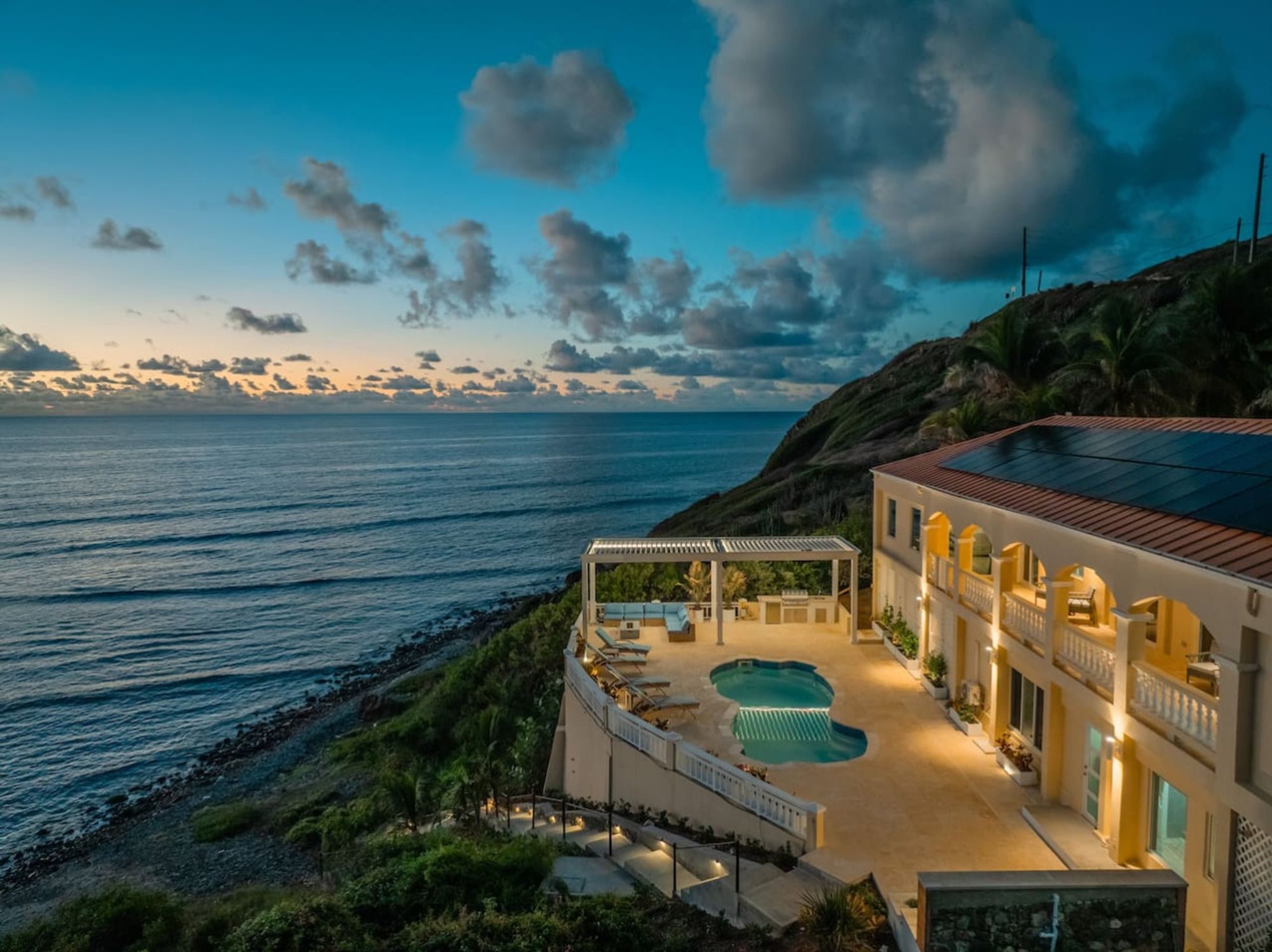
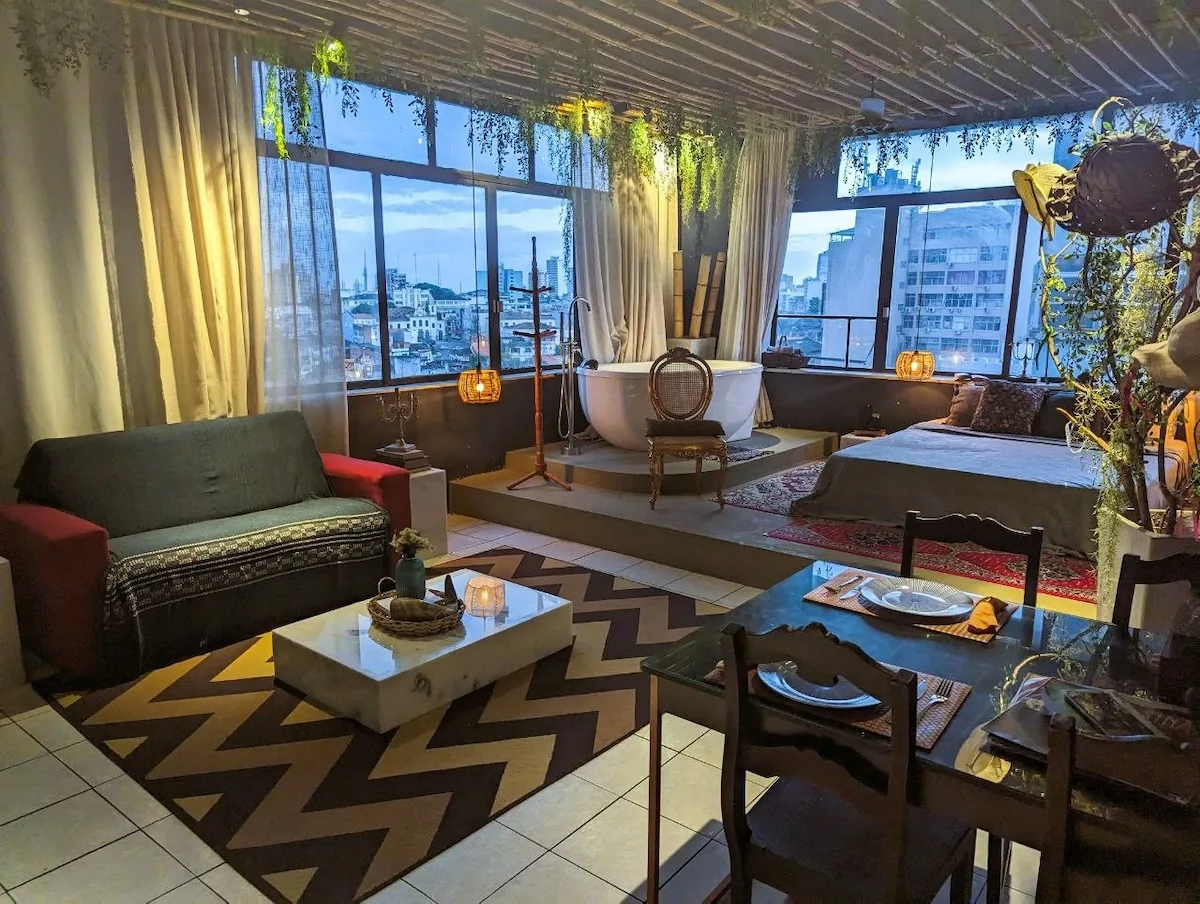
For carbon monoxide, the CPSC advises battery-operated alarms, or alarms with battery backup, on every level and outside sleeping areas, interconnected if possible, so that when one sounds, they all sound. It counts more than 200 deaths a year in the United States from accidental carbon monoxide poisoning unrelated to fire and linked to consumer products, more than 100 of them involving portable generators, and the USFA’s home checklist asks for carbon monoxide alarms less than seven years old. Fuel burns in plenty of places in the Collection: the five-burner gas ranges at Via Avantgarde’s Penthouse Jacuzzi and at Lux Vidigal, the gas grill at The Cerulean, the propane grill at Moko Vista.
In a rental, the monthly test fits into the changeover: press every test button while the cleaners are in, and note the date. The Cerulean lists its smoke and carbon monoxide detectors, its fire extinguisher and its first-aid kit among its amenities, which is the right instinct. Say what is there, and show guests where it is.
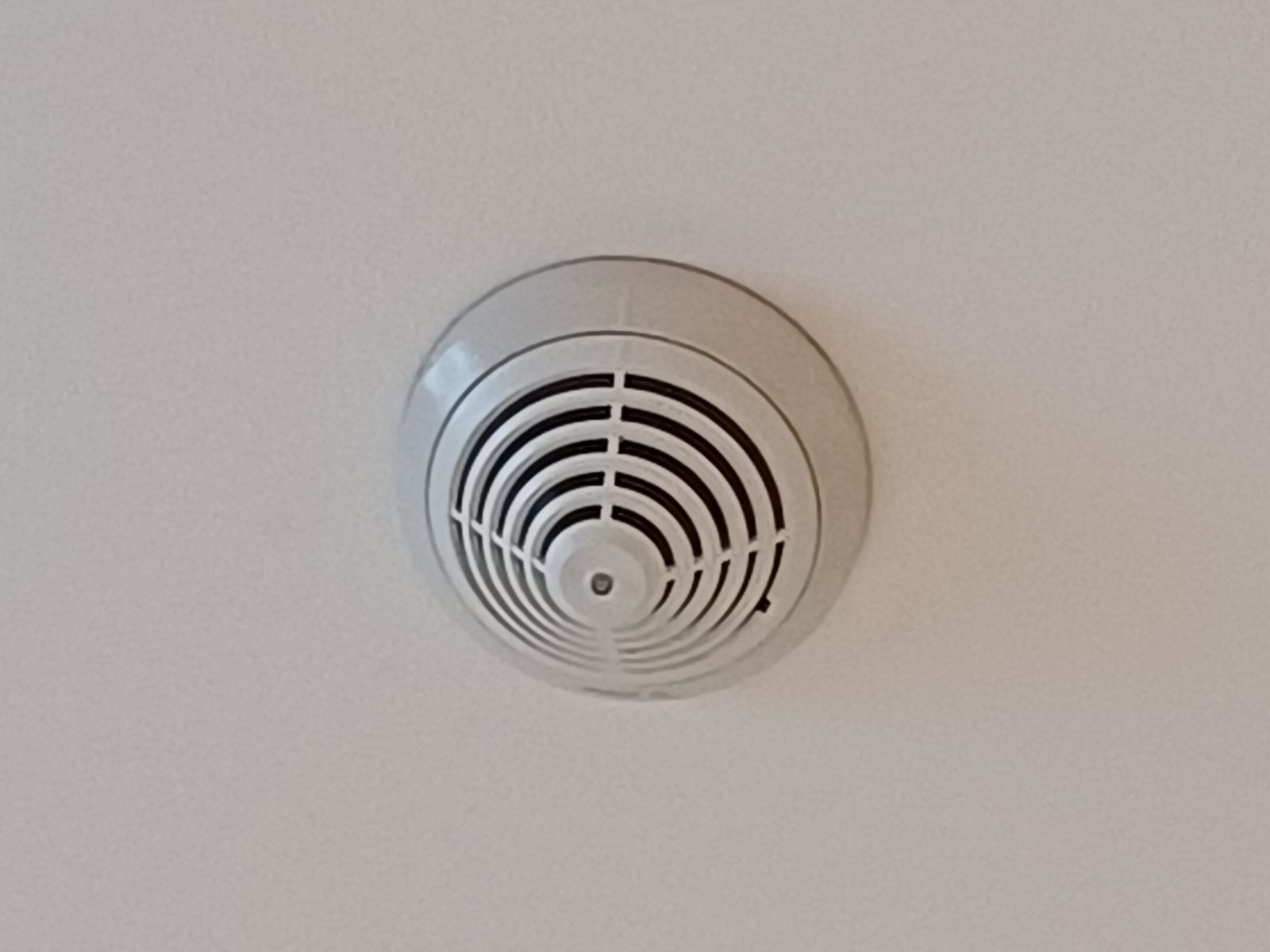
Smoke detector at Gateway Hotel · Curpharar · CC BY-SA 4.0 · cropped
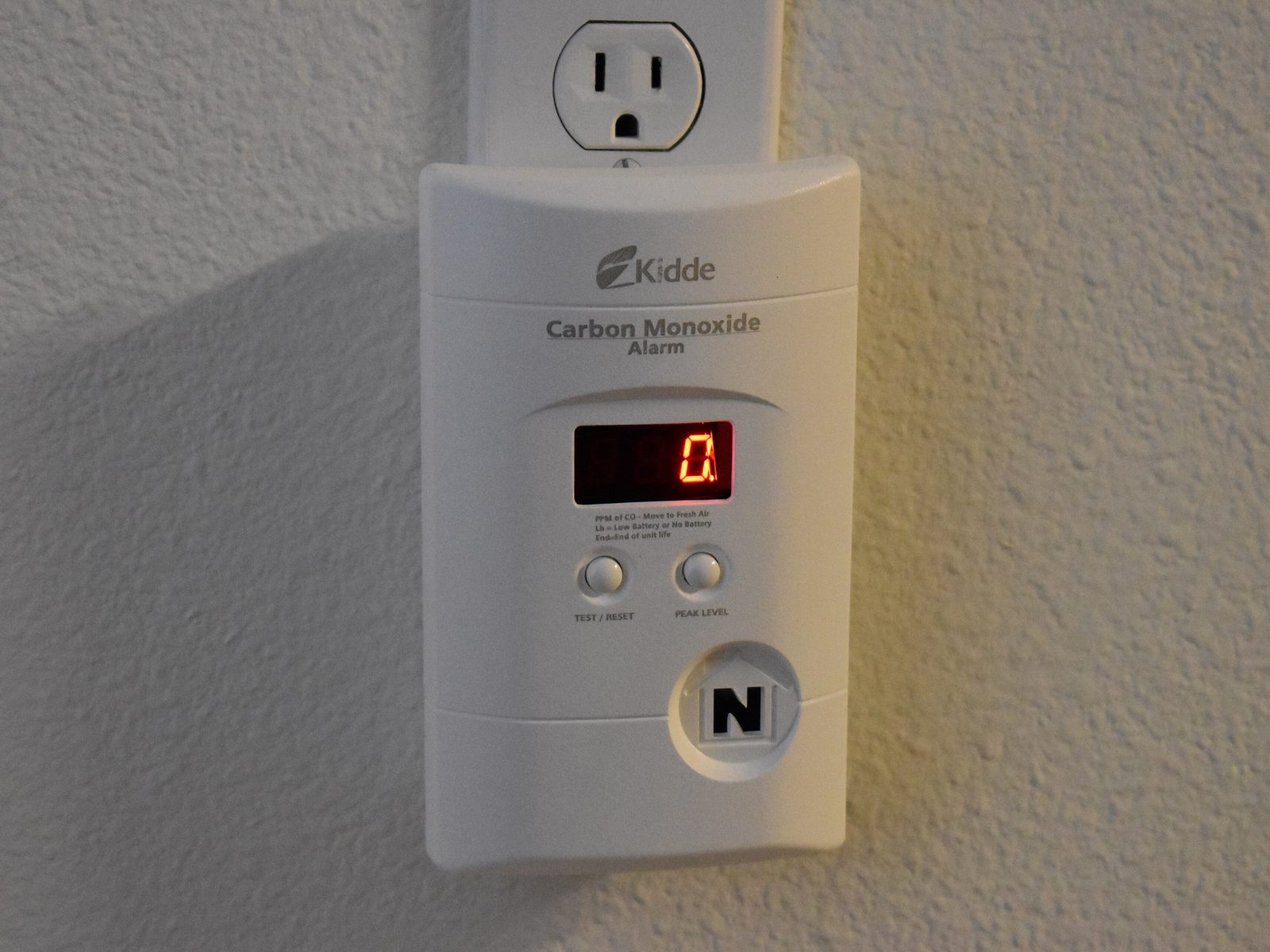
Carbon monoxide detector 1 2018-03-01 · FASTILY · CC BY-SA 4.0 · cropped
An extinguisher, a fire blanket and the way out
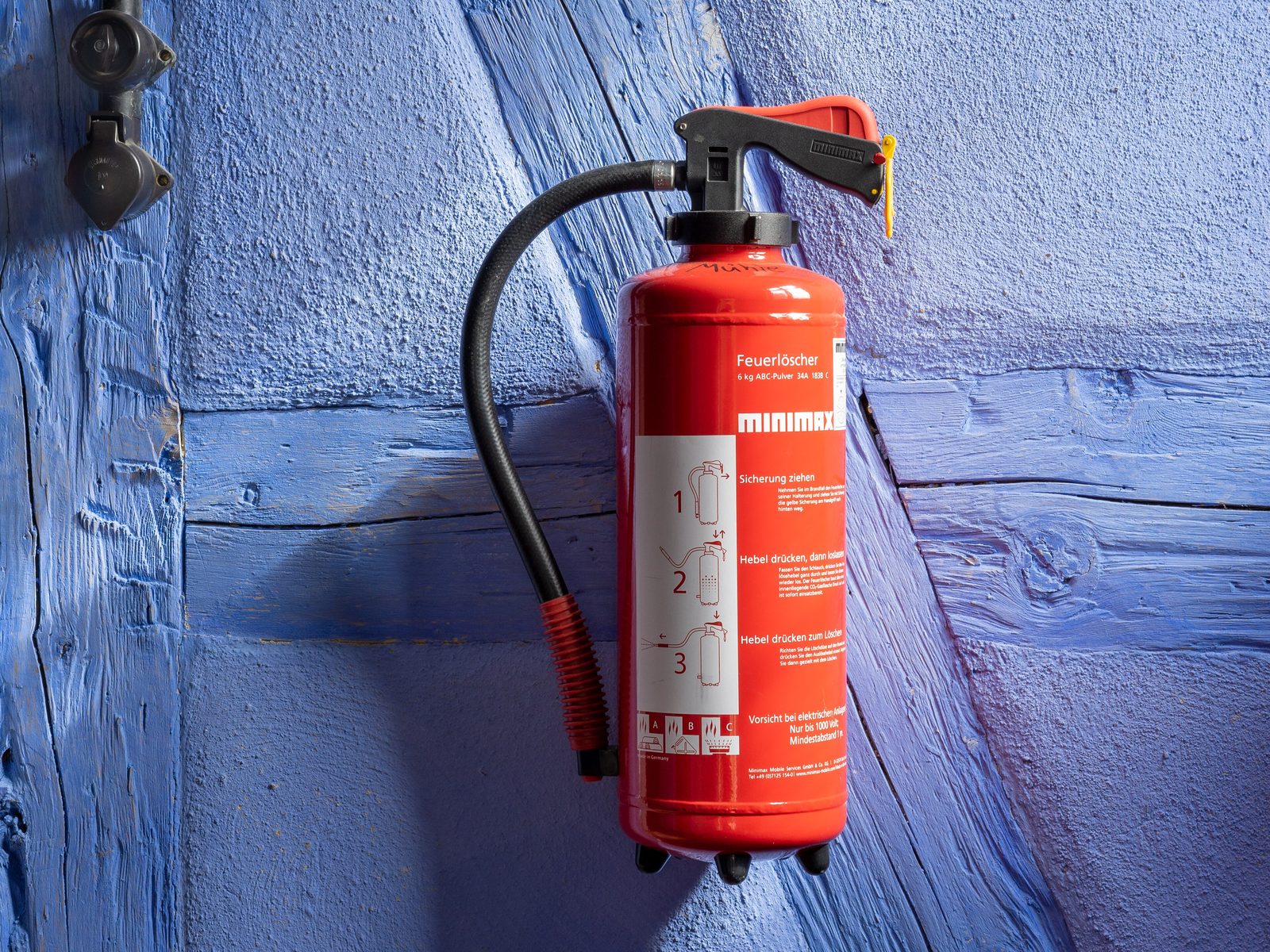
Cooking is the number one cause of home fires and home fire injuries, the USFA says, and in 2021 fire departments in the United States responded to an estimated 170,000 home cooking fires, which caused an estimated 135 deaths. Keep a multipurpose extinguisher, labelled B-C or A-B-C, where nothing blocks the way to it. The USFA’s rule is to use one only on a small, contained fire, after everyone has been alerted and the fire department called, and with a clear way out; otherwise, leave and call from outside. The method is PASS: pull the pin, aim low at the base of the fire, squeeze the lever slowly and evenly, and sweep from side to side. Young children and older adults should not use one, the USFA adds, so show the adults in each party where it is.
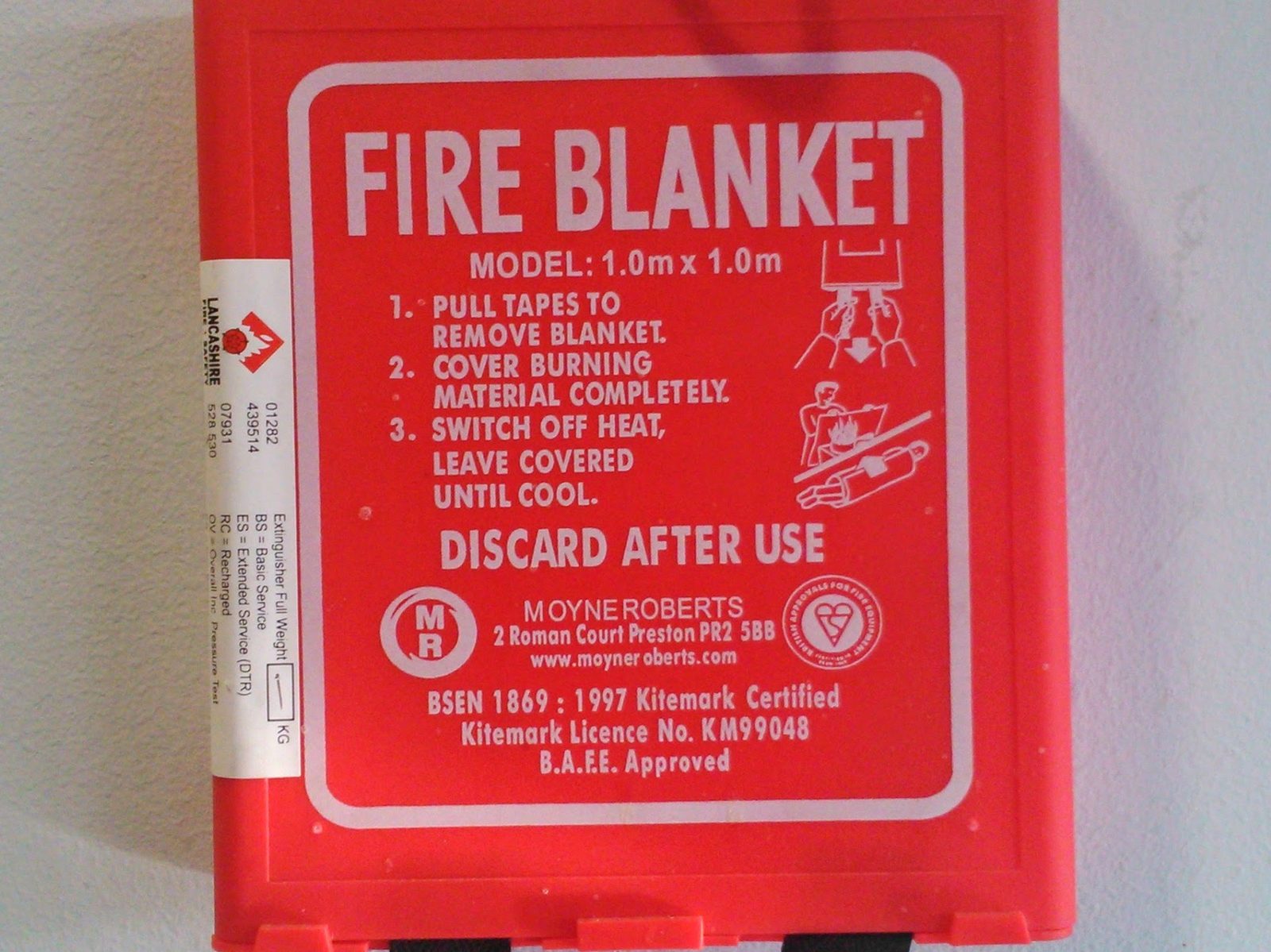
A fire blanket deals with a burning pan. Fire and Rescue NSW, the New South Wales fire service in Australia, advises keeping one in the kitchen but away from the stove, and using it only in the first few seconds and only if you feel confident: pull it out by the two tabs, lay it over the pan, turn off the heat if it is safe to do so, and leave it in place for at least thirty minutes. A blanket is used once, then replaced. A pan lid or a baking sheet, the USFA notes, does the same job.
Hohenloher Freilandmuseum - Baugruppe Mühlental - Mahlmühle a… · Roman Eisele · CC BY-SA 4.0 · cropped
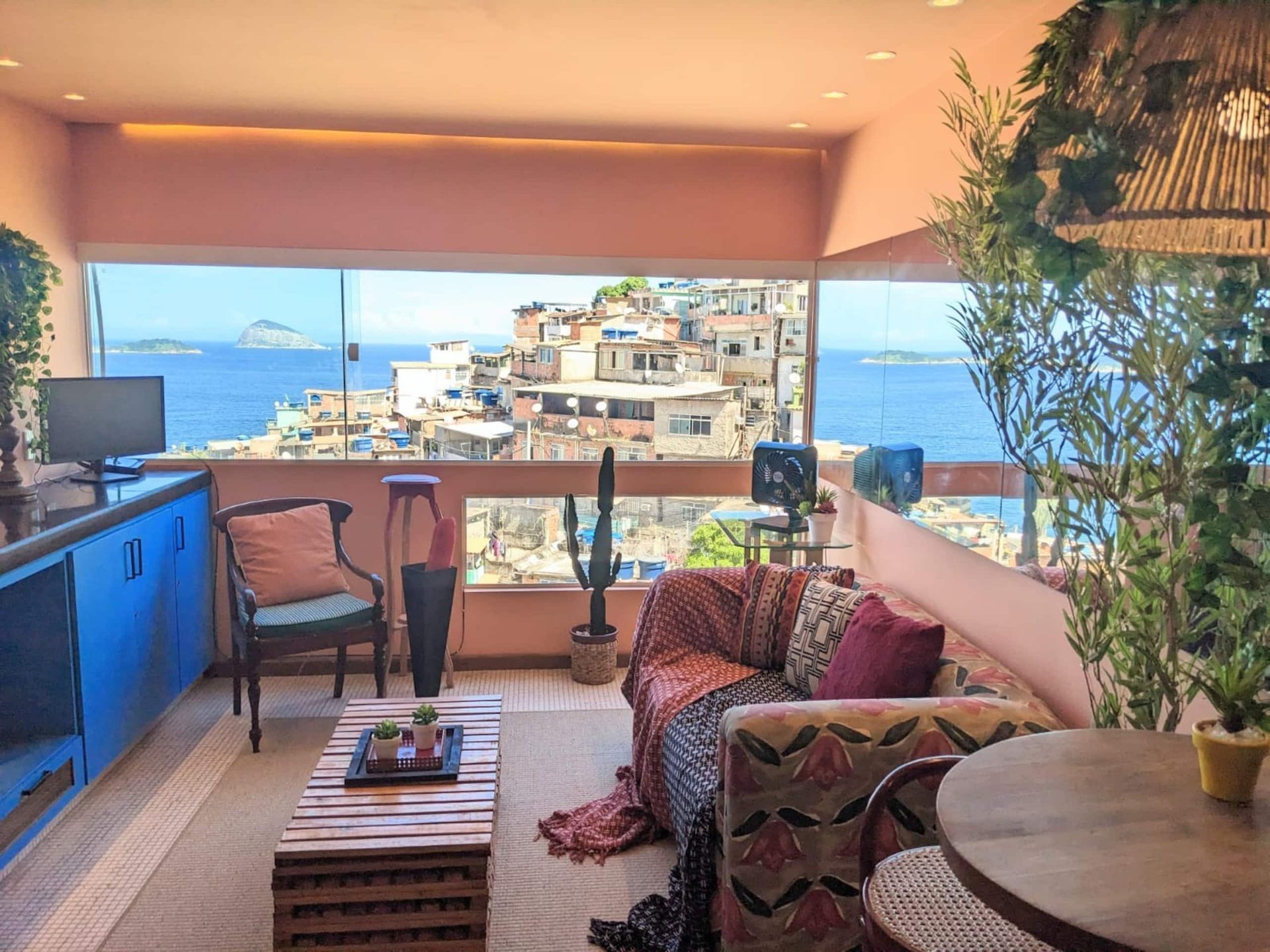
Then write down the way out. The USFA’s escape-plan advice fits on one page: two ways out of every room, doors and windows kept clear, a map with every door and window on it, and a meeting place outside, in front of the house. In a tall building, add its instruction to take the stairs rather than the lift unless the fire department says otherwise. That matters at Art de Vivre’s Copacabana Penthouse, on the thirteenth floor, where a private lift opens straight into the apartment.
First aid and emergency numbers
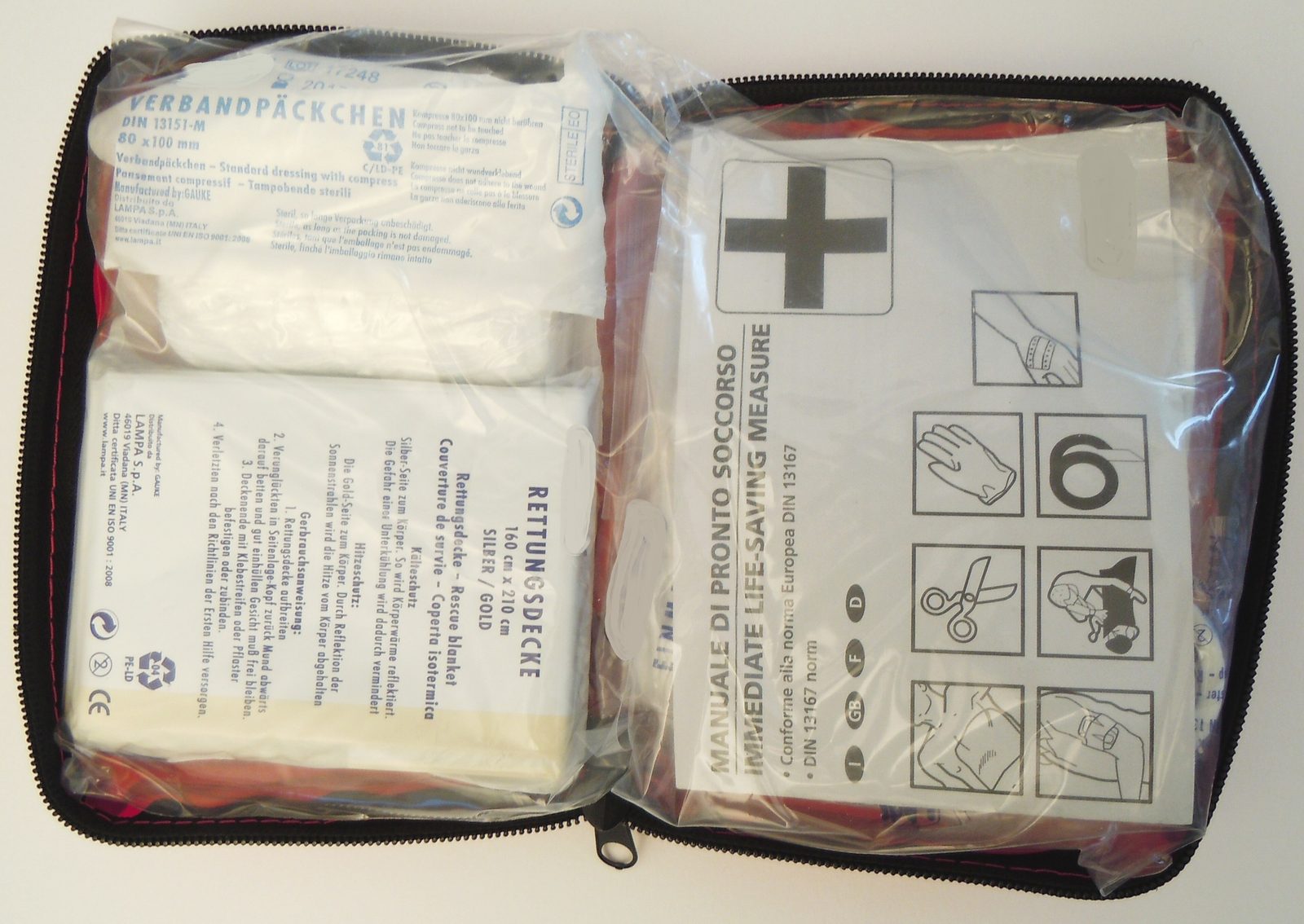
The American Red Cross list for a family of four makes a sound standard for a holiday house: two absorbent compress dressings, 25 adhesive bandages in assorted sizes, a roll of adhesive cloth tape, five antibiotic ointment packets, five antiseptic wipe packets, two packets of 81 mg aspirin, an emergency blanket, a breathing barrier with a one-way valve, an instant cold compress, two pairs of non-latex gloves, two hydrocortisone ointment packets, a 3-inch gauze roll and a 4-inch roller bandage, ten sterile gauze pads in two sizes, an oral thermometer that is neither mercury nor glass, two triangular bandages, tweezers and printed first-aid instructions. Check the kit regularly, the Red Cross says, and replace anything used or out of date. In a rental, that check belongs on the changeover list, next to the alarms.
Kit pronto soccorso moto (aperto) · Umberto NURS · CC BY-SA 4.0 · cropped
A kit is half the answer; the other half is a number to call. The territory’s tourism department tells visitors to the U.S. Virgin Islands: “For emergencies in USVI, call 911.” 911 is also the number on Maui. In Brazil, it is 190 for the military police, 192 for SAMU, the emergency medical service, and 193 for the fire brigade. Put the number, the address and the nearest hospital on the page by the door; on St. Croix, Governor Juan F. Luis Hospital has 24-hour emergency services. Ready.gov recommends a first-aid and CPR course, and the CDC notes that CPR could save someone’s life in the time it takes for paramedics to arrive. An owner who lives nearby, or a manager on call, is the person to train.
Hot water, stairs and windows
The CPSC says most tap-water scald injuries and deaths happen to older people and to children under five, and urges setting water heaters to 120°F (49°C). At 150°F, most adults suffer third-degree burns in two seconds; at 140°F, in six; at 130°F, in thirty. Check the temperature at a tap with a candy or meat thermometer, consider anti-scald devices for taps and shower heads, and show guests which way is hot on unfamiliar taps, such as The Cerulean’s clawfoot tub or the outdoor shower at Toes in the Sand Beach House, and remind parents to test bath water by hand, as the CPSC advises.
For falls, the CDC’s home checklist for older adults asks for handrails on both sides of every staircase and as long as the stairs, a light and a switch at the top and the bottom, steps kept clear, a night-light on the way to the bathroom, non-slip mats or strips in the tub and shower, and grab bars beside the tub and the toilet. For small children, the CPSC advises gates that screw to the wall at the top of stairs, and never a pet gate. The Cerulean, built on two levels into a hillside, keeps stair gates for families, and the loft bed in its guest cottage, reached by a spiral stair, sits behind a railing.
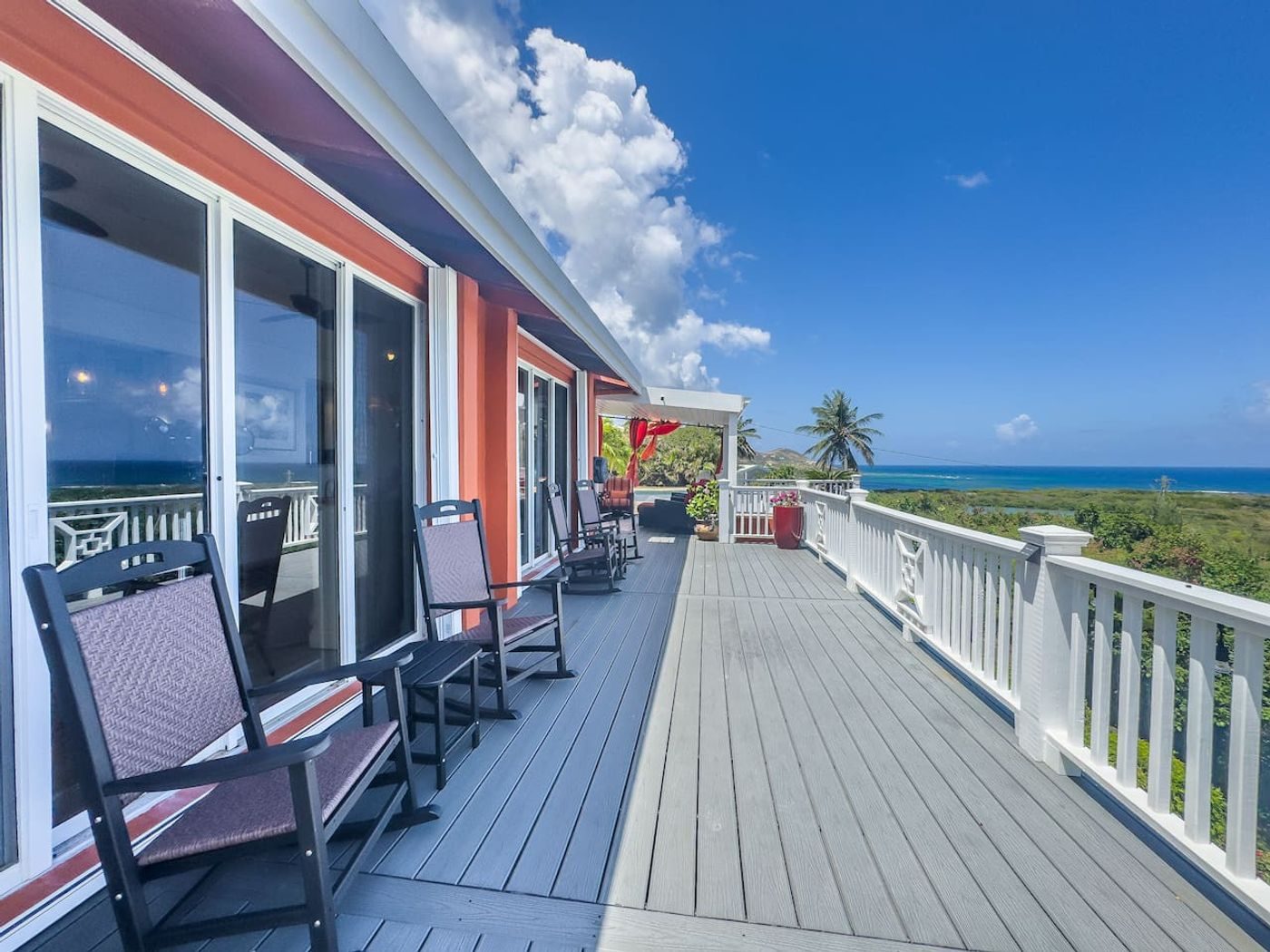
The CPSC also advises window guards and safety netting against falls from windows, balconies, decks and landings. In 2024, an estimated 5,600 children aged 12 and under were treated in emergency departments after falling from windows; about one in three needed hospital care, and at least 25 children died in such falls between 2021 and 2023. Fit window stops so that windows open no more than four inches, never rely on a screen to hold a child, and keep furniture away from windows so that children are not tempted to climb; the same thinking applies to chairs beside a balcony railing. Houses built around their outdoor space, such as Hook 'em on Paradise, with its long balcony, or The Buck Island Overlook, with decks stepped down the hillside, deserve a slow walk round before every family arrives.
Furniture, televisions and cords
When furniture, televisions and appliances tip over, an estimated 17,800 people a year are injured, the CPSC says; 44 percent are children, one treated in an emergency department every 53 minutes, and children account for 71 percent of the deaths. Anchor televisions, bookcases and dressers securely to the wall. Where that is not possible, put the television on a sturdy, low base, pushed well back, with the cables out of reach; keep toys and remotes off high surfaces, where children might climb for them; and fit freestanding ranges with anti-tip brackets. Nobody else will anchor the furniture in a rental, so the owner has to.
Window cords are the hidden hazard. The CPSC warns that strangulation on a window-covering cord “can happen in mere moments, even with an adult nearby”, and that the safest choice where young children stay is to go cordless. Until then, move cribs and beds away from windows and cords, shorten the pull cords, anchor looped cords to the floor or the wall, and replace any blinds sold before November 2000.
Several houses in the Collection keep a travel crib for families, The Cerulean and Dragonfly Villa among them. The CPSC’s vacation-rental warning advises checking such equipment for recalls at SaferProducts.gov, keeping a baby’s sleep space free of pillows and blankets, and locking cleaning products away or keeping them out of reach. A parent of two toddlers at a Kihei condo run by the owners of Sea Sun Maui wrote, in a five-star review, that they “Had to do light child proofing (lots of decor), but that's more reflective of our toddlers than the host.” A box for the breakable decorations, kept ready for family weeks, saves the parents the job.
Pools and the sea
More children aged one to four die from drowning than from any other cause, according to the CDC. The CPSC’s latest report counts an average of 376 children under 15 who died each year from 2021 to 2023 in drownings involving a pool or spa. Of those, 77 percent were under five, and 71 percent of the deaths were in residential settings: the child’s own home, the home of a relative or friend, or a neighbour’s. For children under five, the most common circumstance, in 59 percent of reports, was a gap in adult supervision. An adult lost track of the child, and in that time the child reached the water.
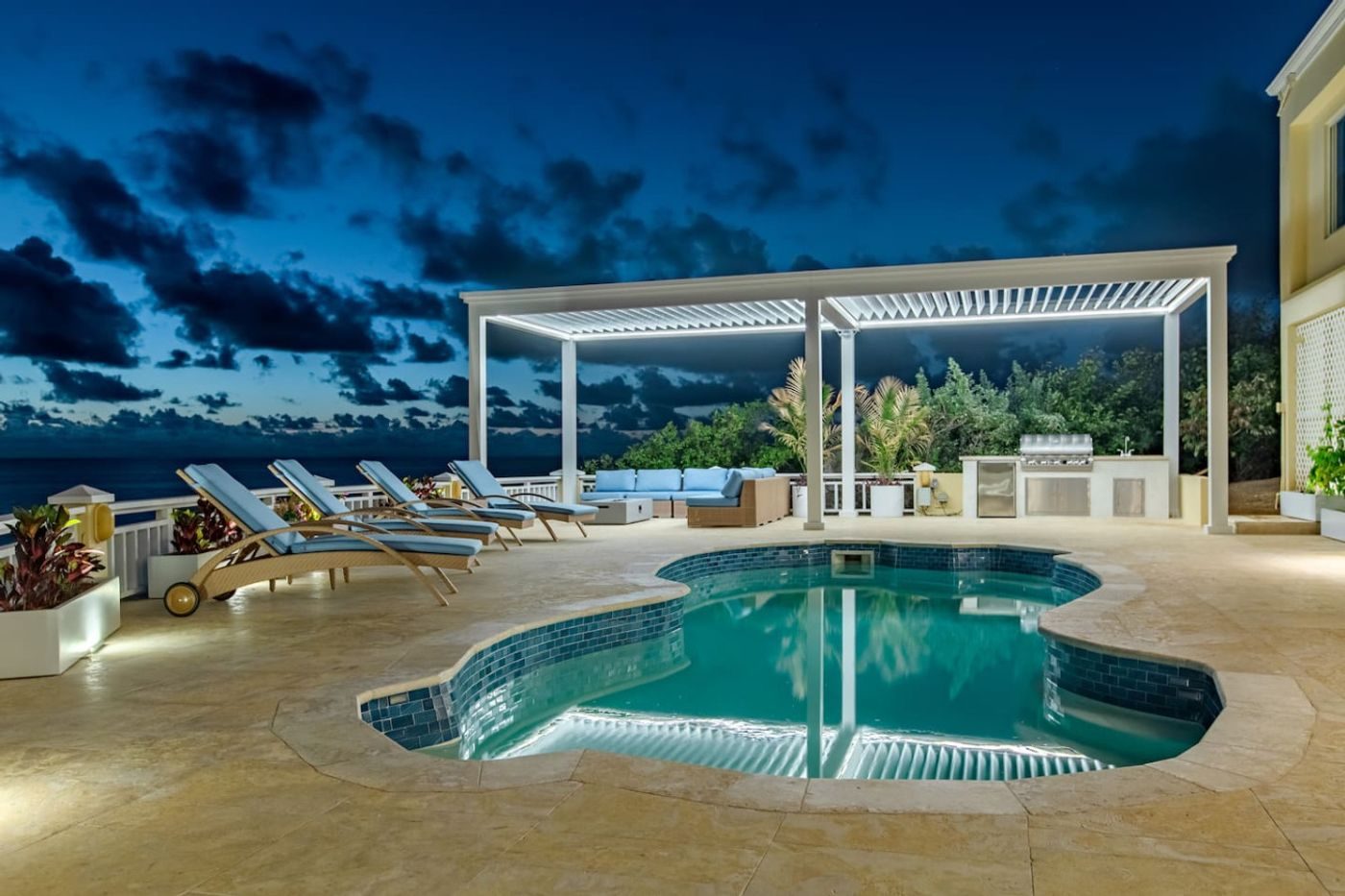
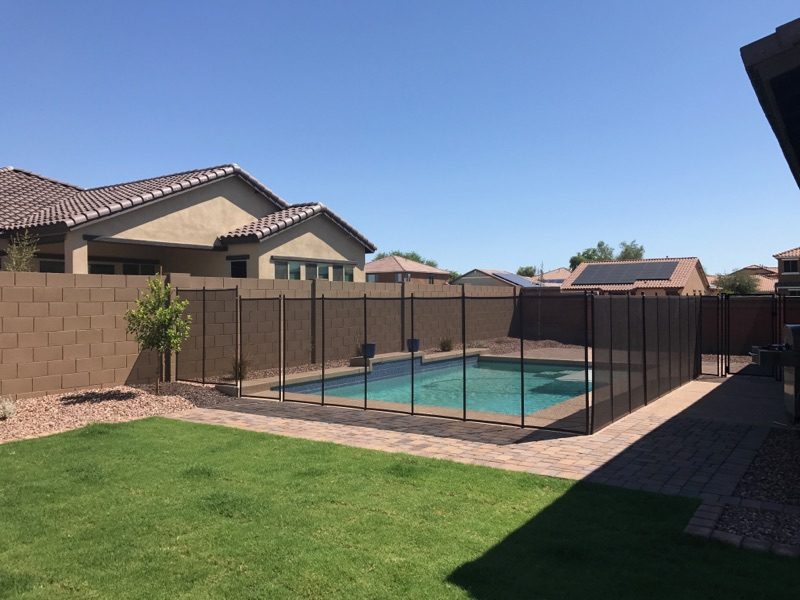
The CPSC’s barrier guidelines say barriers are not childproof but give layers of protection when supervision lapses. They recommend a fence at least four feet high on every side, with gates that open outward and close and latch by themselves. Where a wall of the house forms one side of the barrier, they recommend an alarm on every door to the pool area that sounds within seven seconds of the door opening, at least 85 decibels at ten feet, or else a power safety cover. The CPSC presents these as guidelines, and adds that barriers can never replace adult supervision. A removable mesh fence can enclose a pool for the weeks when families with small children stay.
Supervision comes first. Pool Safely, the CPSC’s campaign, asks families to name a Water Watcher, an adult whose only job is watching the children in the water, and the CDC adds no reading, no phone and no alcohol. The CPSC’s rental advice adds a life ring or reaching pole by the pool, anti-entrapment drain covers, which guests can ask the manager to confirm, swimming lessons and CPR. Put it all on the pool page of the house manual, and show the gate and the alarm on the walk-through.
Removable Mesh Pool Fence in Phoenix, AZ · Meb55 · CC BY-SA 4.0 · cropped
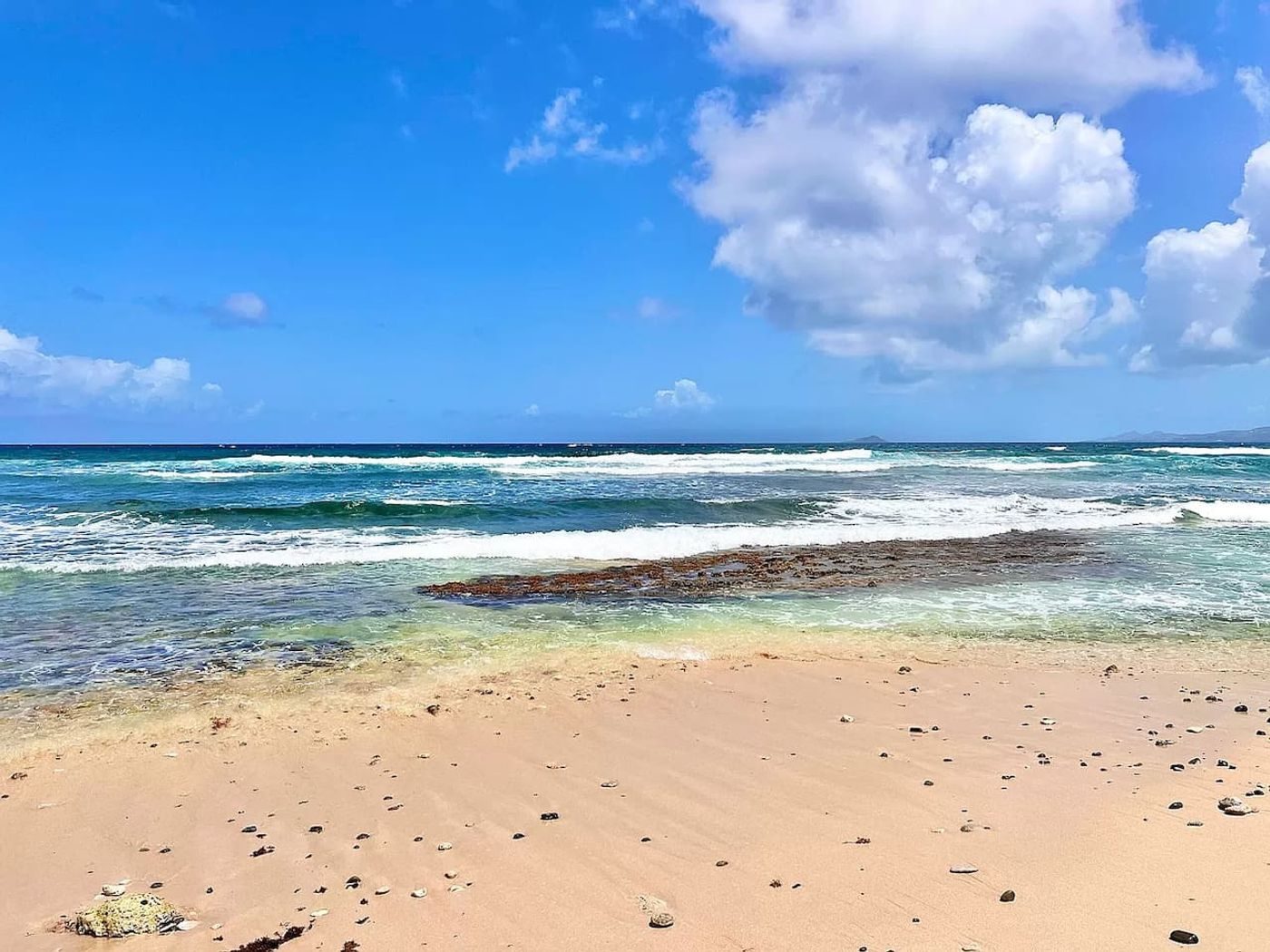
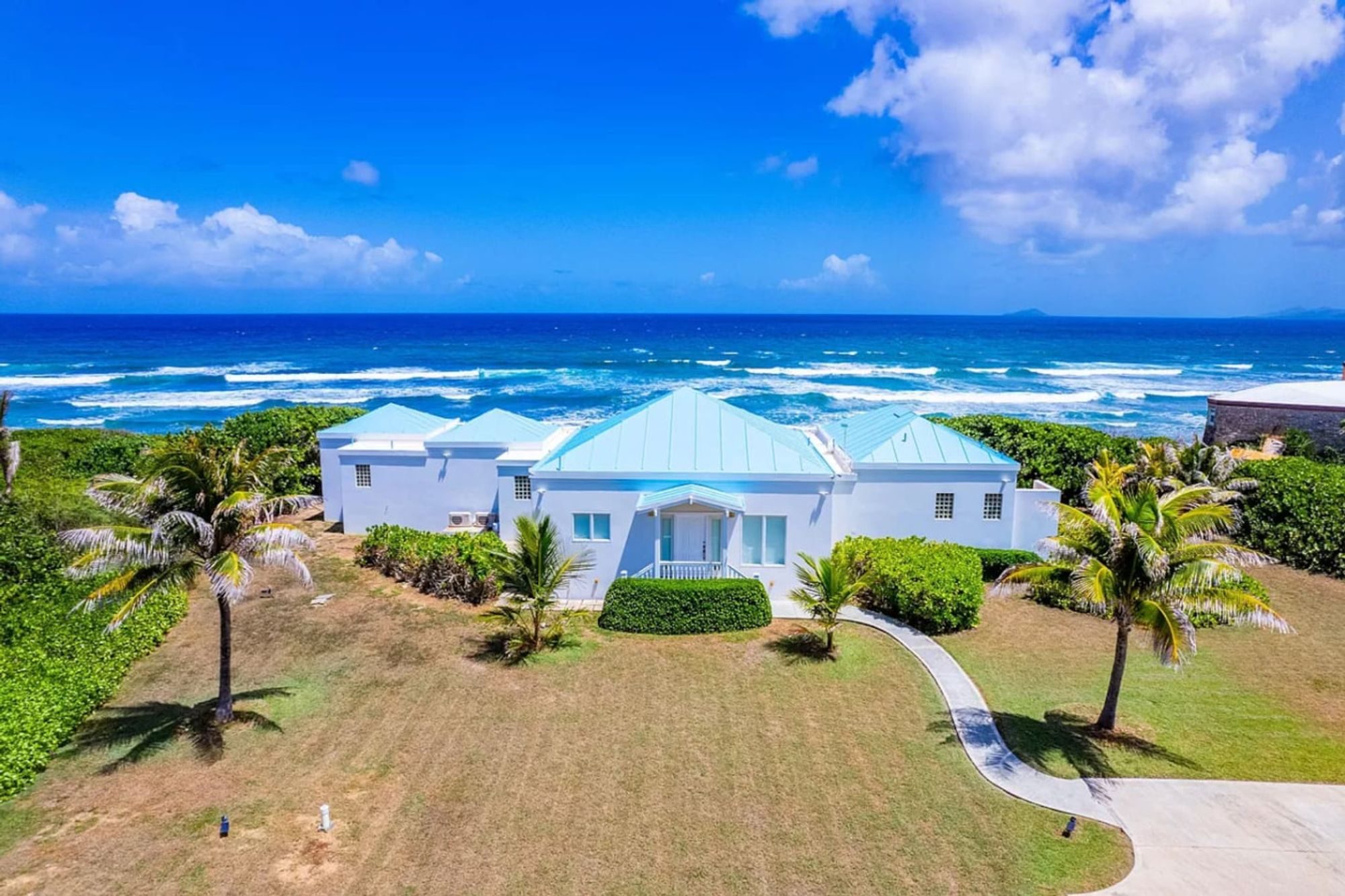
Describe the sea just as plainly. Hawaii’s Department of Health says more visitors to Hawaii drown while snorkelling than during any other activity, and advises snorkelling with a buddy and staying out of the water when conditions look dangerous; the state’s tourism authority sums it up: “If in doubt, don't go out.” Tell guests where the lifeguards are. At Sea Sun Maui, the owners note that there is none on Sugar Beach, across the road, while the County of Maui’s Kamaʻole Beach Parks I and III have lifeguards on duty. At The Cerulean the entry over the reef is rocky and calls for water shoes. At Toes in the Sand, a June guest wrote: “We didn’t have small children but for anyone who does, this beach is not really swimmable due to rockiness and intense waves”.
Storms and power cuts
NOAA’s National Hurricane Center gives the Atlantic hurricane season as June 1 to November 30, with most activity from mid-August to mid-October, and the central Pacific season around Hawaii has the same dates. Ready.gov advises knowing the evacuation zone and the route out, keeping supplies, clearing drains and gutters, bringing in the outdoor furniture and considering hurricane shutters; leaving at once if local officials order an evacuation; and sheltering in an interior room in high winds.
For a rental, that becomes a storm page in the house manual: who decides when guests should leave, who closes the shutters, which room to use in high winds, what the manager will do, and where every lounger and rocking chair goes. SP Vacations, which manages the St. Croix houses in this guide, includes hurricane preparation in its care of the homes and tells guests it watches forecasts with them.
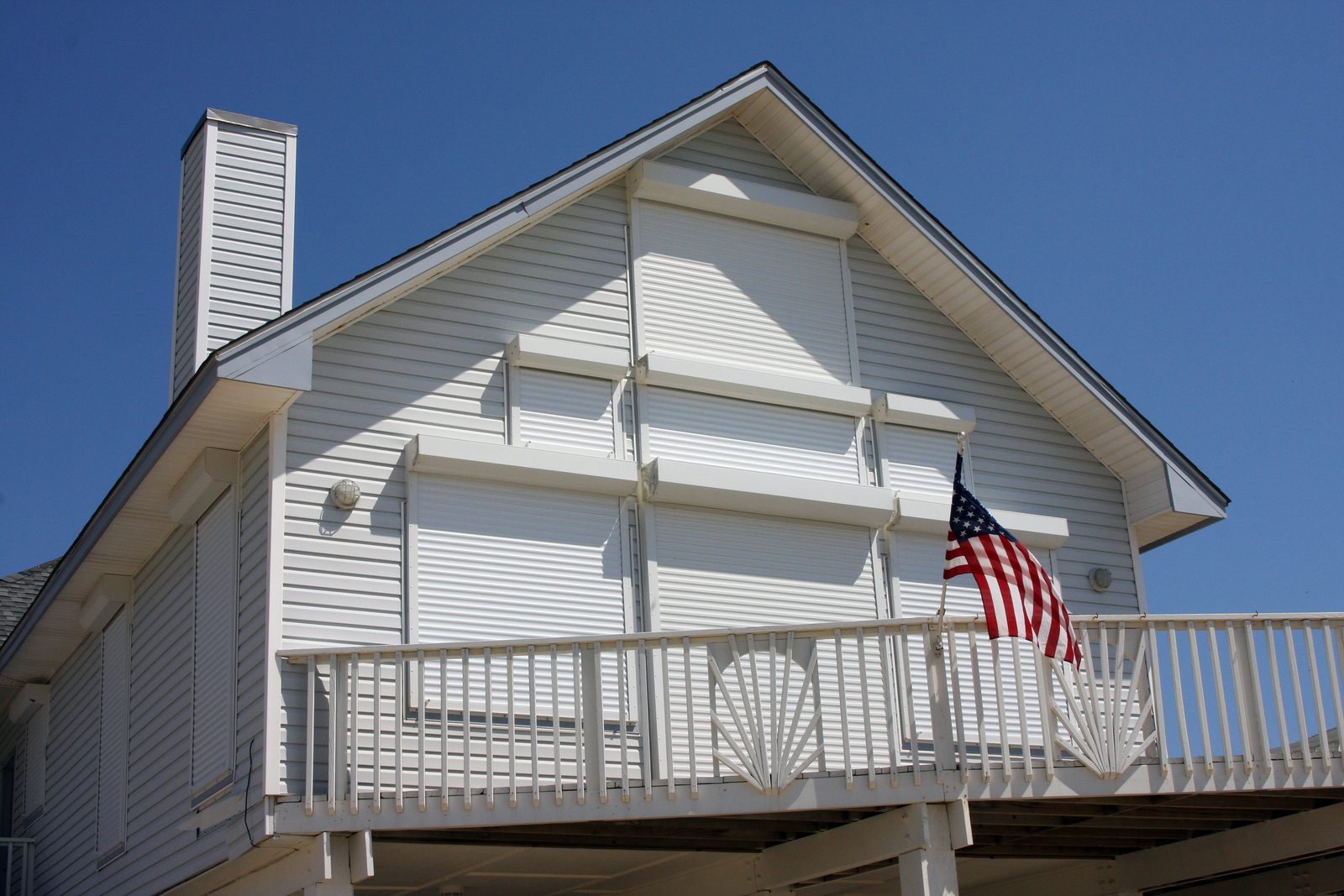
Storms often bring power cuts, so say in the manual what happens in yours. The Cerulean has solar batteries and a whole-house backup generator; Dragonfly Villa and Moko Vista have solar power with battery backup. If anyone might run a portable generator, the CPSC is unequivocal: never inside a home or garage, even with the doors and windows open, and outside only at least 20 feet from the house, with the exhaust pointing away. Keep torches and spare batteries in a drawer the manual names.
The safety round, between stays
- Press the test button on every smoke and carbon monoxide alarm, and note each one’s date of manufacture.
- Check the extinguisher’s gauge and the fire blanket; restock the first-aid kit against the Red Cross list.
- Once a season, check the hot water at a tap: 120°F (49°C).
- Before a family arrives: stair gates, window stops, railings, anchored furniture, cords and the travel crib.
- At the pool: the fence, the self-closing gate, the door alarms, the life ring and the drain covers.
- In hurricane season: the storm page, a place for the outdoor furniture, generators outdoors only.
Most of this takes an afternoon to set up. The rest is a habit: the same round at every changeover, written down.
Questions owners ask
Where should smoke alarms go in a holiday rental?
The U.S. Fire Administration advises smoke alarms inside and outside each bedroom and sleeping area and on every level of the home, on the ceiling or high on a wall. Test them monthly, which in a rental fits into the changeover, change replaceable batteries at least once a year, and replace every alarm ten years from its date of manufacture.
Should a holiday rental have carbon monoxide alarms?
Yes. The CPSC advises carbon monoxide alarms, battery-operated or with battery backup, on every level of the home and outside sleeping areas, and says interconnected alarms are best. The USFA’s home checklist asks for alarms less than seven years old. Gas ranges, gas grills and generators are all reasons to check them at every changeover.
What should a first-aid kit for a rental contain?
The American Red Cross list for a family of four makes a good standard: compress dressings, assorted adhesive bandages, tape, antibiotic and hydrocortisone ointment, antiseptic wipes, aspirin, an emergency blanket, a breathing barrier, an instant cold compress, gloves, gauze pads and rolls, a thermometer, triangular bandages, tweezers and printed instructions. Check the expiry dates and restock whatever was used.
What temperature should the water heater be set to?
The CPSC urges 120°F (49°C). At 150°F most adults suffer third-degree burns in two seconds, at 140°F in six and at 130°F in thirty. Check the temperature with a candy or meat thermometer under a tap, consider anti-scald devices for taps and shower heads, and remind guests with small children to test bath water by hand.
How can I make a pool safer for families with small children?
Follow the CPSC’s barrier guidelines: a fence at least four feet high on every side, gates that open outward and close and latch by themselves, and alarms on the doors from the house to the pool, or a power safety cover. Keep a life ring or reaching pole by the water, and ask families to name an adult Water Watcher with no phone in hand.
How should I prepare a rental for hurricane season?
Know the dates: June 1 to November 30 in the Atlantic and in the central Pacific. Write a storm page for the manual saying who decides when guests leave, who closes the shutters, which interior room to use and what the manager will do; plan where the outdoor furniture goes; and never run a portable generator indoors or within 20 feet of the house.
Sources
- U.S. Consumer Product Safety Commission, safety hazards in vacation rental homes, July 2021: cpsc.gov
- U.S. Fire Administration, smoke alarms, carbon monoxide, fire extinguishers, cooking fires, escape plans and the home fire safety checklist: smoke alarms, carbon monoxide, extinguishers, cooking, escape plans, checklist
- U.S. Consumer Product Safety Commission, carbon monoxide and generators: cpsc.gov
- Fire and Rescue NSW, fire blankets and extinguishers: fire.nsw.gov.au
- American Red Cross, Make a First Aid Kit: redcross.org; Ready.gov, Safety Skills: ready.gov
- U.S. Virgin Islands Department of Tourism, emergencies: visitusvi.com; Anatel, Brazil’s emergency codes: gov.br/anatel; USVI Office of Disaster Recovery on Governor Juan F. Luis Hospital: usviodr.com
- U.S. Consumer Product Safety Commission, Avoiding Tap Water Scalds and Childproofing Your Home: tap water scalds, childproofing
- CDC, Check for Safety, a home fall prevention checklist for older adults: cdc.gov
- U.S. Consumer Product Safety Commission, window falls (April 2026), furniture and television tip-overs (February 2024), Anchor It and window covering cords: window falls, tip-overs, anchorit.gov, cords
- CDC, Drowning Facts and Preventing Drowning: facts, prevention
- U.S. Consumer Product Safety Commission, Pool or Spa Submersion, 2026 Report, and Safety Barrier Guidelines for Residential Pools; Pool Safely: 2026 report, barrier guidelines, poolsafely.gov
- Hawaii State Department of Health, snorkelling safety, and the Hawaii Tourism Authority, ocean safety: oceansafety.hawaii.gov, gohawaii.com; County of Maui, Kamaʻole Beach Parks I and III: mauicounty.gov
- NOAA National Hurricane Center, tropical cyclone climatology, and National Weather Service Honolulu, 2026 central Pacific outlook: nhc.noaa.gov, weather.gov/hfo; Ready.gov, Hurricanes: ready.gov/hurricanes
- The houses: the listings and guest reviews with SP Vacations, spvacationsvi.com; The Cerulean’s amenities page, theceruleanstcroix.com; Maui Beachside Bungalows (Sea Sun Maui), mauibeachvacationrentals.com