Milan has long been a city where the lines between fashion, design, food, and hospitality are not merely blurred, but intricately interwoven. It is a place where style is not a superficial veneer but a considered, confident, and often understated way of life, expressed in everything from a bespoke suit to the precise curve of a cappuccino cup. It is against this backdrop that the story of The Carlton Milan, a property with a storied past, finds its compelling new chapter.
For decades, The Carlton, originally opened as the Baglioni Hotel Carlton in 1963, was a name synonymous with Milanese prestige, a fixture in the city’s post-war boom. But time, as it does for even the most glamorous of establishments, began to take its toll. Infrastructure aged, interiors grew tired, and the once-vibrant address began to fade, a quietly elegant relic in a city constantly reinventing itself. Then came 2020, and with it, a significant shift: Rocco Forte Hotels, a name synonymous with European luxury, took the reins, marking the beginning of an ambitious transformation.
What followed was a five-year, €60-million renovation, a commitment to revitalisation that spoke volumes about the property’s potential and Rocco Forte’s vision. The hotel officially reopened in November 2025, just in time for the Winter Olympics, poised once more to claim its place as a cornerstone of Milanese hospitality. This is not just a refurbishment; it is a profound reinvention, a deep dive into what it means to be a luxury hotel in one of Europe’s most dynamic cities, balancing heritage with a contemporary pulse.
A Grand Milanese Revival
The Carlton’s journey from a fading icon to a renewed grand dame is a testament to the enduring power of location and the strategic foresight of a seasoned operator. When it first opened its doors in the early 1960s, Italy was experiencing a period of immense economic growth and cultural effervescence. Milan, as a nexus of industry, fashion, and design, was at the heart of this boom, and a hotel like the Baglioni Hotel Carlton quickly became a symbol of the era’s newfound prosperity and sophisticated tastes. It was a place for dealmakers, designers, and the international jet set to converge, offering a standard of service and a sense of place that few others could match.
However, as the decades progressed, the hotel, like many of its peers, found itself increasingly out of step with evolving expectations. The infrastructure, once cutting-edge, began to lag, and the interiors, while perhaps charmingly retro to some, were increasingly in need of a comprehensive overhaul. The competitive landscape of Milanese luxury hospitality also intensified, with new properties arriving and established ones undergoing their own transformations. For a hotel to remain relevant, especially one in such a prime location, a significant investment was not just desirable, but essential.
Rocco Forte Hotels’ acquisition of the property in 2020 was a strategic move, adding a tenth Italian address to their growing portfolio. The group, known for its family-run ethos and a distinct focus on properties that embody the soul of their respective destinations, saw in The Carlton not just a building, but a canvas for a modern Milanese masterpiece. The subsequent €60-million investment over five years, culminating in its November 2025 reopening, signals a profound belief in Milan’s continued importance as a global hub and in The Carlton’s inherent value. The hotel’s entrance on Via della Spiga, one of Milan’s most famous luxury shopping streets, places it squarely at the heart of the city’s high-end retail and cultural life, with the Duomo, Teatro La Scala, and the artistic Brera neighbourhood all within easy walking distance. This unparalleled accessibility is a core part of its renewed appeal, ensuring it remains a central point for both leisure and business travellers seeking to immerse themselves in Milan’s vibrant energy.
The Rocco Forte Signature: Design and Pedigree
At the heart of any Rocco Forte property is a deeply personal approach to design, largely overseen by Olga Polizzi, the group’s Deputy Chair and Director of Design. Her influence is palpable throughout The Carlton Milan, where she collaborated with architects Philip Vergeylen and Paolo Moschino to guide the extensive renovation. The result, according to the Hotel Designs review, is a “serious glow-up” that respects the property’s original character while bringing it firmly into a contemporary setting, achieving a “quietly glamorous” aesthetic.
Rocco Forte Hotels has always prided itself on creating hotels that feel like they belong, that resonate with the spirit of their locations rather than imposing a generic luxury template. This philosophy is evident in the design choices at The Carlton. Throughout the hotel, there are subtle yet clear references to Art Deco, a nod to Milan’s own architectural heritage and its historical embrace of modernity. These stylistic cues are complemented by original artworks and antiques, many of which have been personally sourced by Polizzi from her travels. This approach, where “curated objects are dotted throughout,” adds a genuine sense of character and history, preventing the spaces from feeling sterile or overly prescriptive.
The public spaces, for instance, are described as feeling “relatively low key,” employing palettes of warm neutrals, ochre, cream, and natural stone. This choice is deliberate, creating an atmosphere that is sophisticated without being ostentatious, allowing the inherent elegance of the materials and the carefully chosen details to shine. It is a design language that speaks of understated confidence, a quality that aligns perfectly with Milanese style. The bespoke fragrance by Italian perfumery Campomarzio70, wafting pleasantly throughout the property, further enhances this sensory experience, creating an immediate and memorable sense of arrival and place. This attention to detail, from the visual to the olfactory, underscores Rocco Forte’s commitment to crafting immersive and authentic experiences, distinguishing their properties from the more homogenised offerings found in some other luxury chains. Olga Polizzi’s distinctive touch ensures that each hotel, while part of a family, maintains its unique personality, rooted in its specific geography and cultural context.
Rooms and Suites: A Masterclass in Milanese Comfort
The true measure of a luxury hotel often lies behind the private doors of its rooms and suites. At The Carlton Milan, this is where Rocco Forte’s vision of contemporary Italian comfort fully unfolds. The Hotel Designs reviewer, Nadia Walford, had the opportunity to experience one of the Deluxe Suites, describing it as feeling “both classic and current,” a delicate balance that is notoriously difficult to strike.
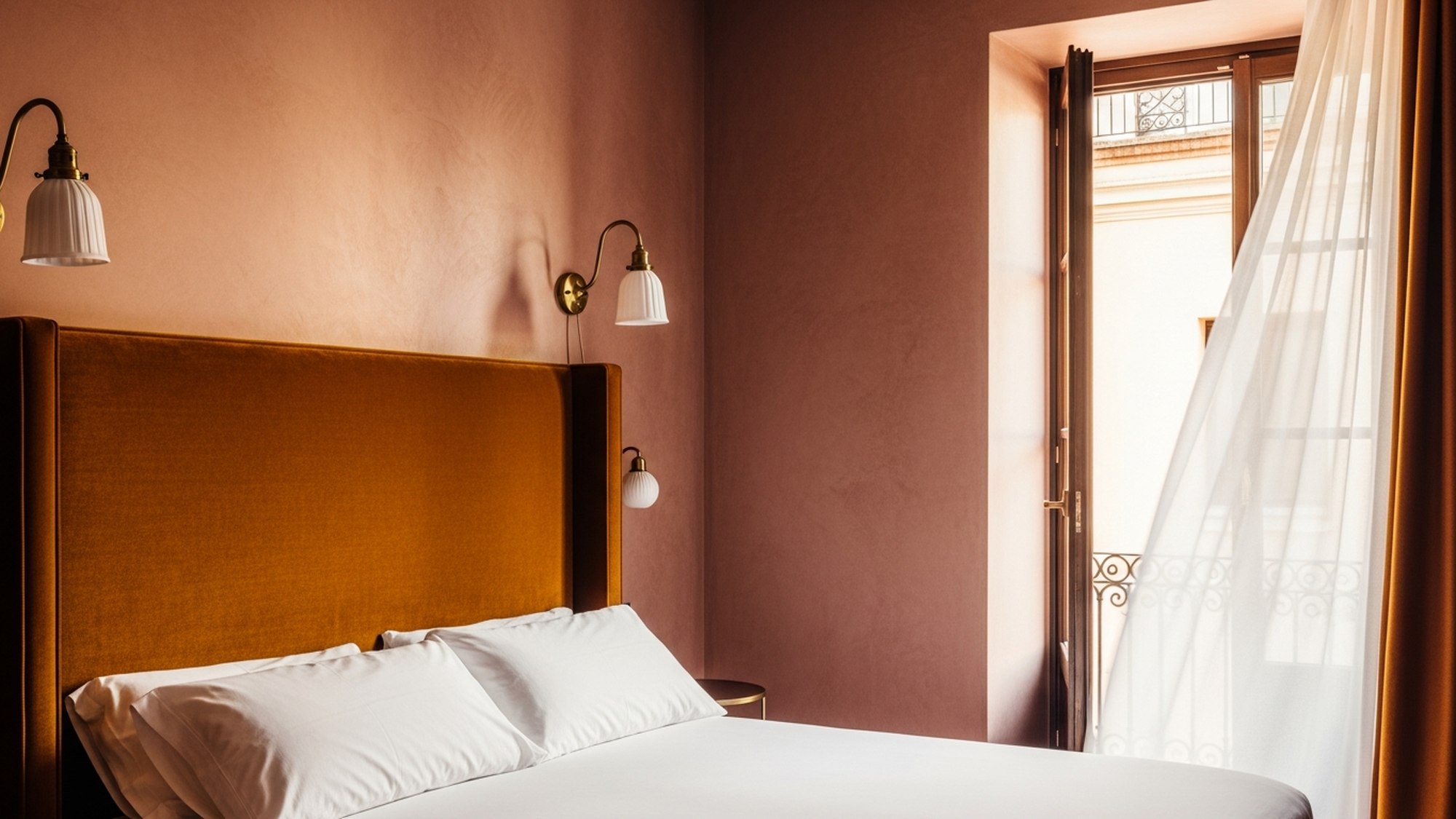
The suites are designed with a rich, inviting palette of burgundy, sage, and gold, tones that evoke a sense of warmth and tradition without feeling dated. These colours are expertly complemented by modern touches: graphic rugs add a contemporary edge, leather headboards introduce a tactile luxury, and geometric detailing provides visual interest. The furniture, bespoke and showcasing Italian craftsmanship, reinforces the hotel’s commitment to local artistry and quality. Soft beige walls serve as a neutral canvas, adorned with abstract canvases and distinctive photography that captures Milan’s iconic landmarks, further grounding the room in its city context. The view, overlooking the lively Via della Spiga, ensures guests remain connected to the pulse of Milan even from the quietude of their private space.
Space, a premium in any major city hotel, is generously allocated here. The Deluxe Suites offer a separate living area, providing ample room for guests to unwind, work, or entertain without feeling confined. The reviewer noted enjoying the comforts of a Pedersoli bathrobe and fluffy slippers, making use of a smart TV, Bose speakers, and a well-stocked minibar. The attention to detail extends to the glassware, Ginori mugs, and an Illy espresso machine, ensuring that every in-room amenity reflects a commitment to quality and convenience. Notably, the minibar comes complete with everything needed to make a Negroni, a subtle nod to Italian aperitivo culture and a thoughtful touch for guests seeking a moment of private indulgence.
The bedroom, centred around a king-size bed, prioritises rest. A comfortable mattress and soft bed linen are standard, but the reviewer specifically highlighted the “perfect” pillows, which passed a “very particular test” for a light sleeper – a detail that speaks volumes about the hotel’s dedication to guest comfort. The marble bathroom continues this theme of understated luxury, featuring a large bathtub and a separate walk-in shower. It is stocked with soothing Irene Forte products, a natural Italian beauty brand founded by Sir Rocco Forte’s daughter, Irene Forte. These products, made with ingredients from the Forte family’s property in Sicily, such as pistachio, almond, and prickly pear, not only offer a sensory delight but also reinforce the brand’s deep connection to Italian provenance and a burgeoning commitment to wellness and natural ingredients.
Culinary Arts: From Casual Charm to Refined Plates
The culinary offering at The Carlton Milan is a significant pillar of its reinvention, overseen by Fulvio Pierangelini, Rocco Forte Hotels’ creative director of food. His philosophy, rooted in “refined simplicity and seasonal ingredients,” informs every dining experience within the hotel, from casual breakfasts to celebratory dinners and sophisticated cocktails. This approach ensures that the food and drink not only meet the high standards expected of a luxury property but also genuinely reflect Italian culinary traditions.
Perhaps the most charming of the hotel’s dining spaces is Café Floretta. Described by the reviewer as a personal favourite, it radiates charm and serves as an ideal spot for all-day dining. The informal space is drenched in natural light, thanks to its design as a “greenhouse-inspired winter garden” set beneath a glass-domed ceiling. This creates an airy, bright atmosphere, perfect for starting the day or enjoying a relaxed meal. Breakfast at Café Floretta is particularly impressive, featuring a generous buffet of fresh pastries, breads, cereals, cold cuts, cheeses, fruits, and nuts. In addition to the extensive buffet, a substantial à la carte menu offers choices ranging from eggs prepared as desired to more signature dishes such as omelette carbonara or sausage with creamy polenta. The reviewer’s unequivocal endorsement – “this meal did not disappoint!” – speaks to the quality and breadth of the offering.
For more formal occasions, Spiga, the hotel’s main restaurant, provides a refined take on Italian cuisine. The interiors are inspired by the atmosphere of 1970s Milan, creating a distinct sense of nostalgia and elegance. This is achieved through elements such as panelled leather walls, plush emerald velvet banquettes, muted pink chairs, and crisp white tablecloths. Artwork by contemporary Milanese artist Pierantonio Verga further enhances the sophisticated ambience. The menu at Spiga is crafted for special celebrations, focusing on fresh, seasonal, and classic Italian flavours, all complemented by an excellent wine selection designed to elevate the dining experience. It is a space where the culinary arts meet a carefully considered design aesthetic, creating a cohesive and memorable environment for guests.
The Carlton Bar pays homage to Italy’s vibrant aperitivo culture, a ritual deeply ingrained in Milanese life. The bar is helmed by renowned mixologist Salvatore Calabrese, known affectionately as “The Maestro.” His signature creations and a cocktail menu that draws inspiration from different decades of Milanese life offer a journey through the city’s social history, alongside more creative, contemporary signatures. The bar snacks are equally sophisticated, moving beyond typical offerings to include delicate items like oysters with martini-inspired sorbet and crispy rice topped with red prawn tartare, ensuring the culinary experience extends to every corner of the hotel. Furthermore, the hotel’s outdoor spaces add another dimension to its F&B appeal. The Carlton Garden is designed to open onto the street, providing an inviting setting for alfresco dining, cocktails, and, importantly, people-watching – a quintessential Milanese pastime that connects the hotel directly to the city’s vibrant street life.
Wellness and Retreats: A City Sanctuary
In an era where wellness has transcended a mere trend to become a fundamental expectation of luxury travel, The Carlton Milan’s Irene Forte Spa stands as a testament to this shift. Situated beneath the hotel, it offers a compact yet beautifully designed sanctuary from the city’s bustle. The presence of a dedicated spa, named after Irene Forte, who also developed the skincare line used in the rooms, further underscores the Rocco Forte brand’s holistic approach to guest well-being.
The spa is equipped with three treatment rooms, providing an intimate setting for a range of therapies. For those seeking to maintain their fitness regimen, a gym outfitted with Technogym equipment ensures access to high-quality facilities. Complementing the active spaces are a Finnish sauna, a steam room, an experience shower, and dedicated relaxation areas, all designed to promote a sense of calm and rejuvenation. These facilities cater to guests looking for both invigorating workouts and moments of serene escape, a vital offering in a fast-paced urban environment like Milan.
The treatment menu at the Irene Forte Spa is comprehensive, blending traditional and contemporary approaches. Guests can choose from classic massages, body treatments, and facials, all utilising the Irene Forte Skincare products, which, as noted, are made with natural ingredients sourced from the family’s Sicilian property. This commitment to natural, high-quality ingredients aligns with a broader consumer demand for clean beauty and sustainable practices in the wellness sector. Beyond traditional therapies, the spa also offers more high-tech options, including LED, microcurrent, and radiofrequency therapies, catering to guests seeking advanced skincare solutions. The reviewer’s experience with a Peptide Power Smoothing Facial, which left her skin feeling “smoother, brighter and more revived than ever,” highlights the efficacy of these treatments and the skill of the spa’s therapists.
Adding to the convenience for time-poor guests, the spa also features a dedicated nail salon and the Forte Vita Bar, where express facials and beauty treatments can be booked. This thoughtful inclusion acknowledges the diverse needs of modern travellers, who may seek quick, effective beauty boosts alongside more extended periods of relaxation. The integration of the spa, the gym, and the beauty services under the Irene Forte brand creates a cohesive wellness ecosystem within the hotel, providing guests with a comprehensive suite of options for personal care and rejuvenation. It transforms the hotel from merely a place to stay into a destination for holistic well-being, enhancing its appeal to a health-conscious clientele.
The true measure of a luxury hotel often lies behind the private doors of its rooms and suites, where Rocco Forte’s vision of contemporary Italian comfort fully unfolds.
The Broader Canvas: Milan’s Luxury Landscape
Milan has long held an undisputed position as one of Europe’s premier luxury destinations, a magnet for fashionistas, designers, and discerning travellers. Its luxury hotel market is consequently one of the most competitive and dynamic, characterised by a blend of historic grand hotels, sleek design-led boutiques, and international chains. The reinvention of The Carlton Milan, with its substantial €60 million investment, signals not just a belief in the property itself, but a profound confidence in the continued growth and resilience of Milan’s high-end hospitality sector.
The city’s allure is multifaceted. Beyond its status as a global fashion capital, Milan is a powerhouse of design, home to the Salone del Mobile, and a vibrant cultural centre with institutions like La Scala and the Duomo. This rich tapestry attracts a diverse clientele, from high-net-worth individuals attending fashion weeks to art enthusiasts, business travellers, and leisure guests seeking an authentic Italian city experience. For a hotel to thrive in this environment, it must offer more than just a place to sleep; it must provide an immersive experience that resonates with the city’s unique spirit.
The Carlton’s location on Via della Spiga is a strategic asset, placing it directly amidst the Quadrilatero della Moda, Milan’s famous fashion district. This ensures a constant flow of high-spending visitors and positions the hotel as a natural extension of the luxury retail experience. However, this prime location also comes with intense competition. Major players like the Dorchester Collection, which also recently restored a Milan icon, and other international luxury brands are constantly vying for market share. New openings and extensive renovations are frequent, raising the bar for design, service, and amenities across the board. The challenge, then, is not just to be good, but to be distinctive.
Rocco Forte’s approach, with Olga Polizzi’s emphasis on a “distinctly Milanese sense of place” and the thoughtful integration of local art and craftsmanship, is designed to achieve this differentiation. By eschewing a generic luxury aesthetic in favour of a more understated, character-driven design, The Carlton aims to appeal to a clientele that values authenticity and cultural immersion over ostentation. The hotel’s comprehensive F&B offering, led by Fulvio Pierangelini and Salvatore Calabrese, and its Irene Forte Spa further enhance its competitive edge, transforming it into a self-contained destination within the city. This strategy aims to capture not only the transient luxury traveller but also the local Milanese “conoscenti and Milan’s most sophisticated clientele,” as Sir Rocco Forte himself remarked, positioning The Carlton as a vibrant social hub, not just a place to stay.
“Milan had become ‘one of the most vibrant centres in Europe’ and The Carlton was to be ‘a chic new watering hole for the conoscenti and Milan’s most sophisticated clientele’.”
The Amorielli read: What it signals
The reinvention of The Carlton Milan by Rocco Forte Hotels, particularly the scale of the €60 million investment over five years, signals a few critical dynamics within the luxury hospitality market. Firstly, it underscores the enduring value of prime real estate in established, culturally rich cities. In an era where new-builds often struggle to replicate the soul and history of older properties, the decision to invest so heavily in a “grand dame” demonstrates that heritage, when sensitively updated, remains a powerful draw. It’s a bet on legacy, meticulously polished for a modern audience.
Secondly, it highlights Rocco Forte’s confidence in its brand identity and its unique selling proposition: a family-run group that champions a deep sense of place. In a market increasingly dominated by large, often impersonal, corporate entities, this emphasis on personality, local sourcing (from the artwork to the Irene Forte skincare ingredients), and a refined, rather than ostentatious, luxury sets it apart. The success of The Carlton will serve as a bellwether for whether this bespoke, character-driven approach can truly compete with the sheer scale and marketing power of global conglomerates. It suggests a growing segment of luxury travellers who are actively seeking authenticity and a less commodified experience.
Finally, the timing of the reopening, just ahead of the Winter Olympics in 2025, is no accident. It’s a clear strategic move to capitalise on increased international attention and demand. This positions The Carlton not just as a hotel, but as a statement, a declaration that Milan is not only ready but eager to reclaim its position at the forefront of European luxury travel. The investment also speaks to the broader trend of hotels becoming more than just accommodation; they are evolving into social hubs, culinary destinations, and wellness retreats, designed to entice both international visitors and local residents. The challenge for The Carlton, and indeed for other properties undertaking similar transformations, will be to maintain this high standard of bespoke charm and service consistently, ensuring the investment translates into sustained guest loyalty and market leadership.
What it means for where you stay
For the discerning traveller and the astute owner or host, the story of The Carlton Milan’s reinvention offers valuable insights into the evolving landscape of luxury hospitality.
For the Traveller: If you are planning a trip to Milan, The Carlton represents a compelling option for a specific type of experience. This is not a hotel for those seeking minimalist, stark modernity or an overtly flamboyant display of wealth. Instead, it offers a “polished return to bustling city life,” as the reviewer noted, blending classic elegance with contemporary comfort. Its central location on Via della Spiga is unbeatable for high-end shopping, cultural exploration (Duomo, La Scala, Brera), and connecting with the city’s vibrant pulse. The design, with its warm neutrals, Art Deco nods, and curated artworks, creates an atmosphere that feels both sophisticated and genuinely Milanese. The generous room sizes, thoughtful amenities (Negroni minibar, Illy coffee, Pedersoli robes), and exceptionally comfortable beds cater to a desire for genuine comfort and in-room indulgence. The F&B options, from the charming Café Floretta to the refined Spiga and the expertly crafted cocktails at The Carlton Bar, mean you have plenty of reason to linger within the hotel’s walls, experiencing a microcosm of Italian culinary excellence. The Irene Forte Spa, with its natural products and high-tech treatments, adds a significant draw for those prioritising wellness, offering a serene escape after a day of city exploration. Choose The Carlton if you value understated luxury, a strong sense of place, impeccable service, and a prime location that connects you effortlessly to the best of Milan.
For the Owner or Host: The Carlton Milan’s €60-million transformation by Rocco Forte Hotels provides a powerful case study in strategic investment within the luxury market. It underscores several critical lessons. Firstly, the enduring value of location cannot be overstated; a prime address justifies significant capital expenditure. Secondly, the project demonstrates the importance of a clear, consistent design vision that respects a property’s heritage while bringing it into the contemporary era. Olga Polizzi’s approach, focusing on a “distinctly Milanese sense of place” through curated objects and local craftsmanship, creates genuine differentiation. This isn’t just about aesthetic updates; it’s about infusing a property with soul. Thirdly, the comprehensive nature of the renovation, encompassing not just rooms but also extensive F&B offerings and a high-quality spa, highlights the necessity of providing a complete luxury ecosystem. In today’s market, hotels are expected to be destinations in themselves, offering diverse experiences that entice both guests and local clientele. This includes investing in renowned culinary talent (Fulvio Pierangelini) and celebrated mixologists (Salvatore Calabrese). Finally, the project illustrates the power of a strong brand partnership. Rocco Forte’s reputation for bespoke luxury and family values adds significant weight, ensuring that the substantial investment is leveraged effectively to attract and retain a sophisticated clientele. For owners considering a major renovation or a new venture, The Carlton’s story is a blueprint for how a significant commitment, coupled with an authentic vision, can redefine a property’s legacy and market position.
Source
Hotel Designs — reported 29 September 2026. Read by the Amorielli news desk.