
The southernmost city on Earth, Puerto Williams in Chile, has long been a remote beacon for those venturing towards the Antarctic frontier. Now, it hosts a new landmark: The Cormorant at 55 South, a 150-room hotel that Silversea, the luxury expedition cruise brand, has officially opened. This venture marks a significant expansion of Silversea’s footprint, moving beyond its ships to establish a dedicated land-based gateway for its Antarctica Fly Cruise program.
On November 5, the hotel’s ribbon-cutting ceremony, attended by Silversea leadership, Chilean authorities, and local community members, underscored the brand’s commitment to integrating with the region. Developed in partnership with Chilean investors, The Cormorant is not merely a stopover; it is designed as an integral part of the Antarctic expedition, promising to extend the brand’s signature service and immerse guests in the destination before they even set sail.
This move by Silversea, a division of Royal Caribbean Group, represents a first-of-its-kind for the company, signalling a deeper vertical integration into the luxury expedition travel market. It aims to streamline the journey to the Last Continent, offering a controlled and curated experience from the moment guests arrive in Chile.
The Cormorant's Uncommon Debut
The opening of The Cormorant at 55 South is, by Silversea’s own account, a “historic moment” and a “first-of-its-kind venture” for both the brand and its parent, Royal Caribbean Group. Located in Puerto Williams, a Chilean port town positioned at 55 degrees south latitude, the 150-room hotel is positioned as the new, dedicated gateway for Silversea’s Antarctica Fly Cruise program. Every guest embarking on these expeditions will now arrive in Puerto Williams via a Silversea-branded charter flight and stay at The Cormorant, both before and after their voyage.
The ceremony on November 5 was not a quiet affair; it featured Silversea executive leadership, Chilean national and regional authorities, and members of the local community, including performances by local children and artists. This public display signals a deliberate effort to weave the hotel into the fabric of its remote home, rather than simply dropping an isolated outpost onto the landscape. Bert Hernandez, president of Silversea, emphasised this point, stating, “We opened The Cormorant at 55 South to make the journey to Antarctica easier and more comfortable for our guests. Now the expedition begins here, in a hotel designed around Puerto Williams, with the same service our guests expect while on board our ships.” This statement highlights a dual ambition: enhancing guest comfort and extending the brand’s service philosophy seamlessly from sea to land.
The partnership with a consortium of Chilean investors further grounds the project locally, suggesting a recognition of regional expertise and a shared stake in the hotel’s success. For a brand that has staked its reputation on “going further,” as Hernandez put it, establishing a dedicated land base in such a strategically vital and geographically extreme location represents a tangible, significant investment in the guest experience, effectively transforming the pre- and post-cruise logistics into an integrated part of the luxury expedition itself.
Silversea's Polar Playbook
Silversea has long positioned itself at the forefront of luxury expedition travel. The company claims it pioneered luxury expedition cruising back in 2008, a segment that has seen considerable growth as affluent travellers seek more immersive, off-the-beaten-path experiences without sacrificing comfort. Their fleet of intimate ocean and expedition ships covers all seven continents, from the Mediterranean to the Galápagos, and crucially, both Polar Regions. This extensive reach underscores a deep-seated commitment to destinations that often require specialised vessels and logistical expertise.
The opening of The Cormorant at 55 South is a logical, if ambitious, next step in this strategy. By developing its own hotel, Silversea gains an unprecedented level of control over the initial and final stages of its Antarctic Fly Cruise journeys. This extends the “Silversea Way” – the brand’s service culture – directly to the land-based experience. The hotel is staffed by a team trained in this ethos, ensuring that the personalised service guests expect on board is present from the moment they arrive in Puerto Williams.
This move is not just about comfort; it is about extending the brand’s narrative of exclusivity and seamlessness. In a market where expedition travel often involves complex transfers and varied accommodations, owning and operating a dedicated hotel allows Silversea to homogenise the experience, eliminating potential friction points. It solidifies their position as a brand that not only takes guests to remote corners of the world but manages every facet of that demanding journey with meticulous attention to detail. This investment, as Silversea states, is a long-term commitment to how it delivers the Antarctica experience, ensuring that its “To Finding More” promise resonates from Santiago to the icy shores of the Last Continent.
A Hotel Forged in the Wild
The construction of The Cormorant at 55 South is a testament to the logistical ambition inherent in such a remote project. Each of the 150 rooms was built using modular construction techniques in Mendoza, Argentina, a city hundreds of kilometres to the north, nestled at the foot of the Andes. From there, these prefabricated units undertook a considerable journey, transported across the formidable Andes mountain range and the vast expanse of Patagonia to their final resting place at 55 degrees south latitude. This method of construction speaks to the challenges of building in such an extreme environment, where traditional construction might be impractical or prohibitively expensive and time-consuming.
Once assembled, the hotel’s design ethos pivots firmly towards reflecting its unique location. Its architecture and interiors draw directly on the Patagonian landscape, local traditions, and regional materials, aiming to create a sense of place that is both authentic and deeply immersive. The aesthetic moves guests, according to Silversea, from water and darkness toward warmth, wood, and fire, evoking the elemental nature of the region. This focus on local connection is not merely superficial; it extends to the artwork that anchors the interiors.
Three large-scale works by Chilean artists are prominently featured, bringing the landscape, geology, and ecology of the far south directly into the hotel’s spaces. These include ‘Navarino,’ a steel sculpture by Paola Vezzani suspended in the main lobby; ‘Dientes de Navarino,’ a bar mural by Cata Flaño, likely referencing the rugged peaks of the local Dientes de Navarino mountain range; and ‘La Memoria de las Piedras,’ an installation of seventy handcrafted ceramic stones by Javier Canales. These pieces serve not just as decoration but as narrative elements, grounding the hotel in the artistic and natural heritage of Tierra del Fuego. This considered approach to design and art aims to ensure that the hotel itself becomes an extension of the destination, preparing guests for the wonders of the Antarctic frontier by first immersing them in its immediate surroundings.
The Antarctic Gateway Experience
The experience for guests on an Antarctica Fly Cruise expedition now begins far before they reach the ship. Silversea has established a seamless journey, starting with non-stop charter flights from its private terminal in Santiago directly to Puerto Williams. Upon arrival, guests are transferred to The Cormorant at 55 South, where their expedition truly commences. The design of the hotel, as noted, is crafted to resonate with the region, creating a continuous narrative from arrival to departure.
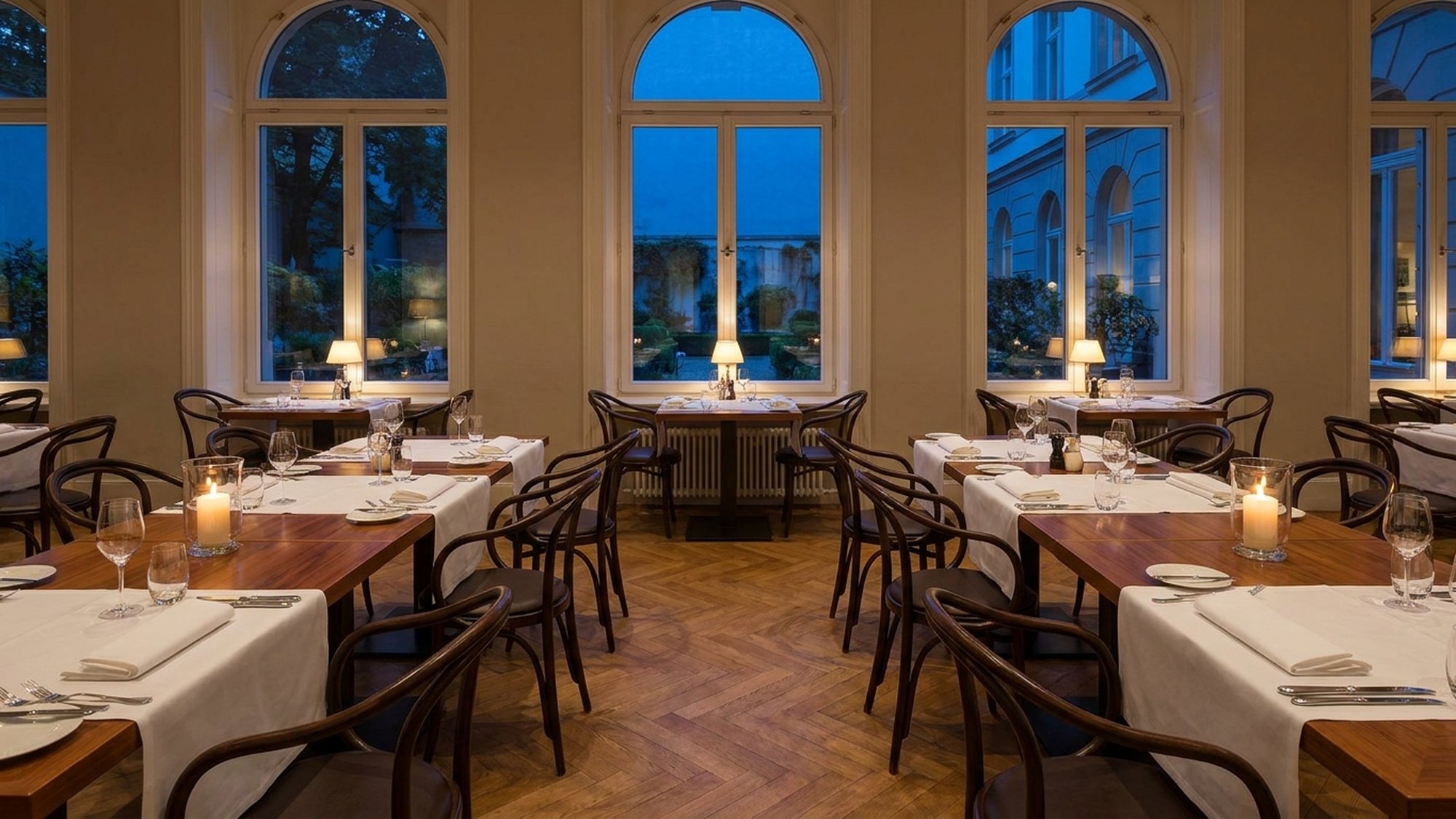
The culinary offerings at The Cormorant are central to this immersive approach. Latitude 55, the hotel’s main restaurant, is deeply “rooted in Chilean flavours, regional ingredients, and local culinary traditions.” It aims to bring Chilean Patagonia, Tierra del Fuego, and Puerto Williams to the table, with menus built around what “grows, grazes, and swims in the region.” Dinner is served family-style, featuring large platters at the centre of the table, echoing the social and communal aspects of traditional Patagonian asado. This emphasis on local provenance and shared dining fosters a sense of authenticity and connection to the destination.
Bar Sur, the hotel’s social hub, serves teas and small bites during the day, transforming into a vibrant space for Chilean wines and spirits in the evening. Its wine list spans Chile from north to south, offering a comprehensive tour of the country’s viticulture. Cocktails are anchored by calafate, a deep indigo native berry, often combined with Chilean Pisco, the national spirit. The flavour profile is described as tart, herbal, and warm, with a hint of smoke that deliberately echoes the asado fire. Guests can also participate in guided Pisco journeys led by the Bar Sur team or wine tastings with the hotel’s sommelier, deepening their understanding of Chilean culture through its beverages.
For relaxation and storytelling, the Fireplace offers plush seating and expansive windows that frame the Patagonian landscape, drawing inspiration from the regional tradition of fire as a focal point for hospitality. Beyond the hotel’s walls, a range of outdoor experiences are available, allowing guests to further connect with the environment. These include kayaking the sheltered waters of the Beagle Channel, hiking the shoreline trails of Seno Lauta, and exploring the landscape on horseback. These activities also provide ample opportunities for wildlife spotting, with chances to observe cormorants, dolphin gulls, and upland geese, reinforcing the expedition theme even before boarding the ship.
Community and Craft: The Opening Ceremony
The grand opening of The Cormorant at 55 South was designed to be more than a simple corporate unveiling; it was a celebration deeply rooted in the cultural fabric of Chile’s far south. The event drew on the music, history, and community spirit of the region, aiming to establish a genuine connection between the new hotel and its remote home in Puerto Williams. This emphasis on local engagement was evident in the choice of entertainment and ceremonial elements.
The folk ensemble Los Chamames de la Patagonia, founded in Punta Arenas in 2015, performed a Patagonian chamamé. This musical tradition, with its Guaraní roots in northeastern Argentina, travelled south with seasonal workers, shepherds, and families, becoming an integral part of the region’s cultural identity. Their performance was accompanied by children from the local Grupo Folklorico, highlighting the intergenerational transmission of cultural heritage. Further demonstrating community involvement, local schoolchildren sang the Chilean national anthem, supported by young musicians, adding a poignant and patriotic touch to the proceedings.
The ribbon-cutting itself was imbued with local craftsmanship and symbolism. The ribbon was not a generic piece of satin but featured natural junco fibers, handwoven by local artisans. Its design incorporated a chain of interconnected circles, a powerful visual metaphor intended to symbolise the connections between people, cultures, and territories. This design also represented a meeting point between Patagonia, its communities, and travellers from around the world. Specially designed links within the ribbon allowed the hotel’s leaders and Chilean authorities to cut it together, ensuring that the woven circles remained intact, a small but significant gesture of unity and enduring connection. This thoughtful approach to the opening ceremony suggests a conscious effort by Silversea to integrate with, and pay respect to, the rich cultural heritage of the region.
The Mechanics of Polar Access
The Cormorant at 55 South is not an isolated project but a cornerstone of Silversea’s long-term strategy for its Antarctica Fly Cruise program. This season, running through March 2027, the brand has scheduled a total of 40 voyages to Antarctica. Of these, a significant majority—29 voyages—are designated as Antarctica Fly Cruise expeditions, each featuring a mandatory stay at the newly opened hotel. This commitment underscores the strategic importance of The Cormorant in streamlining and enhancing the entire Antarctic journey for a substantial portion of Silversea’s guests.
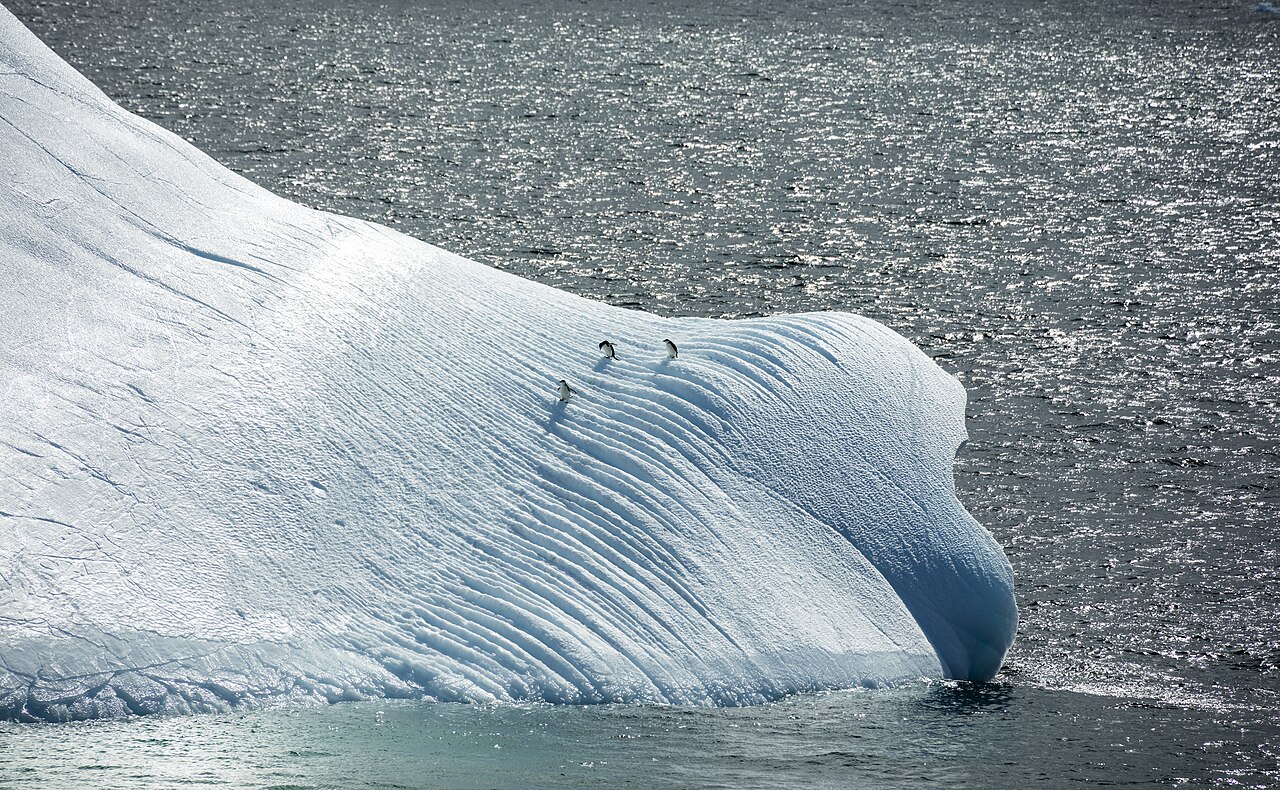
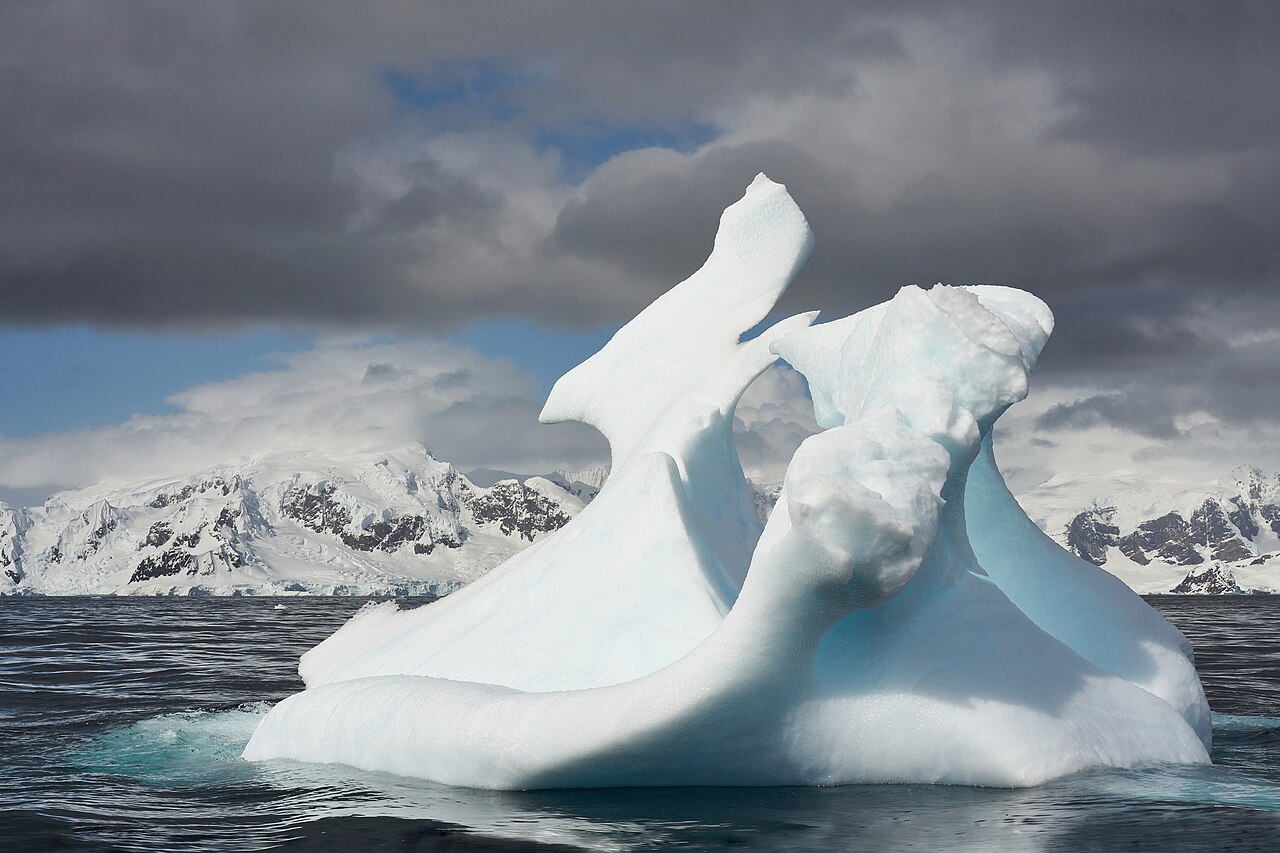
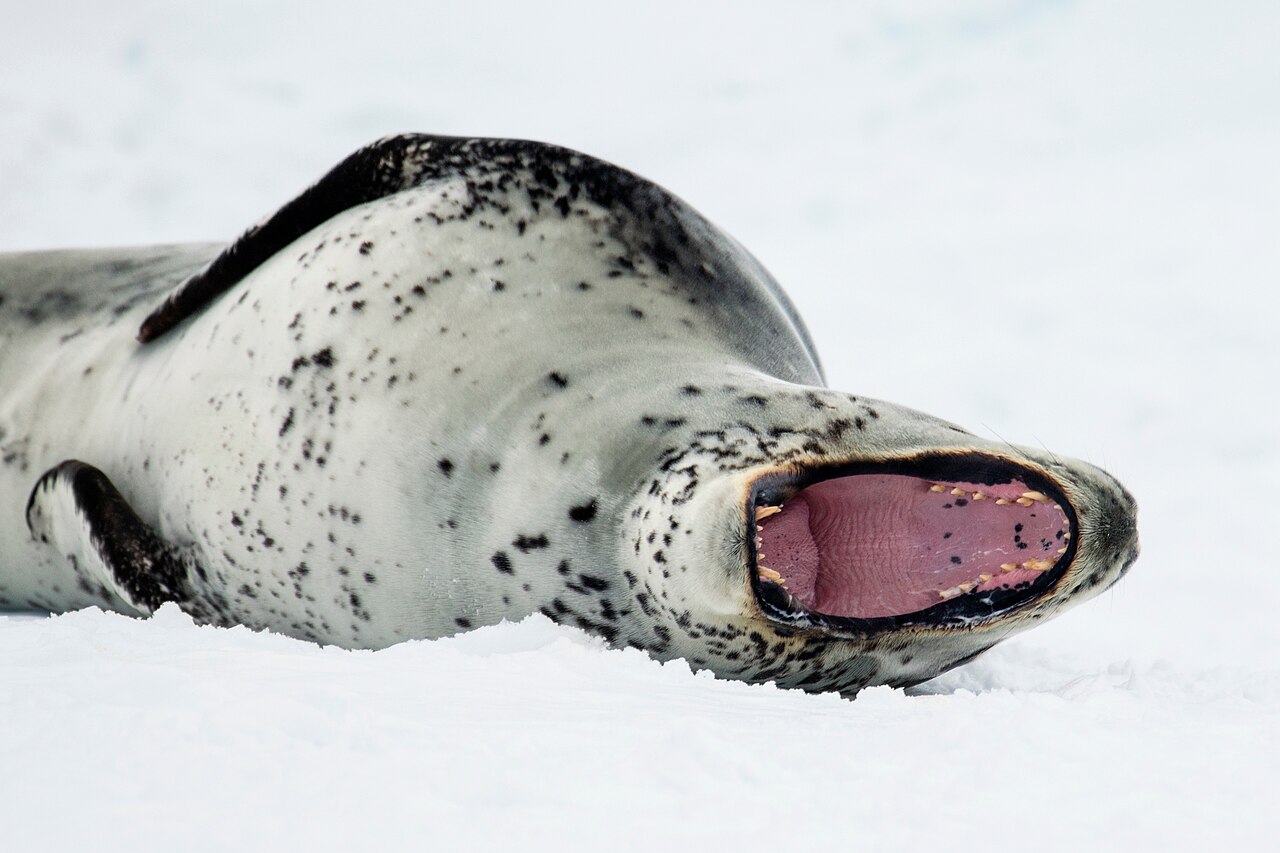
The voyages themselves are operated by three of Silversea’s expedition ships: the Silver Endeavour, the Silver Wind, and the Silver Cloud. These vessels are designed for polar exploration, equipped to navigate the challenging waters of the Southern Ocean while providing the luxury amenities that Silversea guests expect. The itineraries for these expeditions are varied, ranging in length from six to 21 nights, catering to different preferences for duration and depth of exploration. While many focus on the Antarctic Peninsula, the program also extends to more distant and equally captivating destinations such as South Georgia and the Falkland Islands, offering a comprehensive experience of the South Atlantic’s unique wildlife and dramatic landscapes.
The “Fly Cruise” model itself is a critical innovation for Antarctic travel. Traditionally, expeditions to Antarctica involve crossing the notoriously turbulent Drake Passage, a journey that can take two days each way and is often a source of apprehension for travellers prone to seasickness. By flying guests directly to Puerto Williams, south of the Drake Passage, Silversea effectively mitigates this challenge for its Fly Cruise participants, reducing the time spent at sea and maximising time in the Antarctic region. This approach not only enhances comfort but also broadens the appeal of Antarctic travel to a wider demographic of luxury travellers who might otherwise be deterred by the sea crossing, further solidifying Silversea’s market leadership in this specialised segment.
The Cormorant at 55 South is not merely a stopover; it is designed as an integral part of the Antarctic expedition, promising to extend the brand’s signature service and immerse guests in the destination before they even set sail.
Royal Caribbean Group’s Broader Ambition
Silversea’s venture into land-based hospitality, while significant for the brand itself, must also be viewed within the broader strategic framework of its parent company, Royal Caribbean Group. As a leading global vacation company, Royal Caribbean Group operates a vast fleet of 71 ships across three wholly owned brands – Royal Caribbean, Celebrity Cruises, and Silversea – and holds a 50% joint venture interest in TUI Cruises. This expansive portfolio already serves over 1,000 destinations across all seven continents, demonstrating a formidable global reach.
The opening of The Cormorant aligns with a wider trend within Royal Caribbean Group to diversify and deepen its control over the entire vacation experience. The company is actively expanding its portfolio of private destinations, exemplified by its ‘Perfect Day’ and ‘Royal Beach Club’ collections. These initiatives reflect a strategic shift towards creating fully integrated, branded experiences that extend beyond the cruise ship itself, offering guests a consistent level of service and quality from start to finish. Furthermore, the group is set to enter river cruising in 2027 with Celebrity River Cruises, indicating a continuous exploration of new market segments and modes of travel.
This holistic approach, powered by innovative brands, advanced technology, and a robust loyalty program, aims to build a comprehensive “connected vacation ecosystem.” The goal, as the company states, is to transform a single vacation into “a lifetime of vacations.” For Silversea, The Cormorant at 55 South is a crucial piece of this larger puzzle, enabling the brand to deliver a uniquely seamless journey to Antarctica, reinforcing its commitment to its “To Finding More” promise. By controlling the land-based gateway, Royal Caribbean Group is not just offering a trip; it is curating an entire, end-to-end travel narrative, ensuring that the brand’s influence and service quality permeate every stage of the luxury expedition.
The Southernmost City and Its Role
Puerto Williams, officially recognised as the southernmost city on Earth, holds a unique geographical and cultural significance that Silversea has clearly sought to integrate into The Cormorant at 55 South experience. Situated on Navarino Island, overlooking the Beagle Channel, this Chilean outpost is not merely a logistical hub; it is a place steeped in the history of exploration, indigenous culture, and dramatic Patagonian landscapes. Its position makes it a natural, albeit challenging, springboard for Antarctic voyages, offering a distinct sense of arrival at the very edge of the inhabited world.
The hotel’s design and offerings deliberately lean into this local context. Beyond the architecture and artwork, the food and beverage program at Latitude 55 and Bar Sur heavily features regional ingredients and culinary traditions from Chilean Patagonia and Tierra del Fuego. This commitment to local sourcing and cultural authenticity aims to provide guests with a genuine taste of their surroundings, fostering a deeper connection to the destination before they even depart for the ice. Activities such as kayaking the Beagle Channel, hiking shoreline trails, and horseback riding further immerse guests in the immediate natural environment, allowing them to experience the unique ecology and wildlife—including the cormorants that give the hotel its name—of this remote region.
By establishing The Cormorant in Puerto Williams, Silversea is not just leveraging the city’s strategic location but also contributing to its profile as a destination. The ribbon-cutting ceremony, with its participation of local artists and community members, reflects an effort to acknowledge and celebrate the cultural heritage of the area. This integration, while primarily serving the cruise line’s guests, positions Puerto Williams as more than just a transit point; it becomes an active participant in the luxury expedition narrative, offering a culturally enriched prelude to the Antarctic adventure.
What it means for where you stay
For the luxury traveller considering an Antarctic expedition, Silversea’s opening of The Cormorant at 55 South signals a significant shift towards an entirely seamless, branded experience. If you value absolute comfort, meticulous logistics, and a consistent service standard from the moment you land in Chile to your return, this integrated model is likely highly appealing. The convenience of charter flights, a dedicated hotel, and all transfers managed by a single operator removes much of the inherent stress of travel to such a remote region. It streamlines the journey, potentially reducing travel time and bypassing the often-turbuous Drake Passage, allowing more focus on the destination itself. However, it also means less opportunity for independent exploration of the gateway city and its local, non-branded offerings. Your expedition begins and ends within Silversea’s carefully constructed world, which is a trade-off some will embrace and others might find too restrictive.
For owners and operators of hotels, guesthouses, and tour companies in traditional Antarctic gateway cities like Ushuaia or Punta Arenas, this development from Silversea is a potent signal of increased vertical integration within the luxury expedition market. When a major cruise line builds its own hotel and charters its own flights, it effectively creates a closed loop for its clientele, diverting business that might otherwise flow to local, independent providers. This intensifies competition and underscores the need for unique value propositions, niche offerings, or partnerships with other operators who are not pursuing such an aggressive integration strategy. It highlights a market trend where the large players are increasingly controlling the entire customer journey, from booking to departure, making it harder for smaller, independent businesses to capture a share of this high-value segment. Adapting to these shifts will require innovation, collaboration, and a keen understanding of what differentiates an independent, locally-rooted experience from a fully branded, global one.
Sources
PR Newswire — reported 6 November 2026. Read by the Amorielli news desk.
- antarcticatravels.com - Falklands South Georgia & Antarctica - Antarctica Travels.
The Amorielli standards desk read this piece against its sources: 67 points of fact examined; 62 found in the material and in the sources listed below; 4 left as general background; 1 brought into line with the public record; nothing taken out.


The conversation