Lisbon has, in recent years, become a magnet for travelers seeking a certain kind of European charm – a city of faded grandeur, sun-drenched hills, and a burgeoning culinary scene. Yet, as the city's popularity has soared, so too has the proliferation of hotels, many of which, for all their gloss, risk feeling interchangeable. It takes a particular vision, then, to cut through the noise, to offer something genuinely distinct that resonates beyond the usual promises of comfort and convenience.
Enter Villa Dorothéa, a project that, according to its operators, aims to be less a hotel and more a living house. Tucked away discreetly between the historic Lapa district, the vibrant Santos neighbourhood, and the shimmering Tagus River, this new 20-room residence has now opened its doors. It occupies a beautifully restored 19th-century hamlet, a collection of five interconnected houses that once belonged to Lisbon's fishing families, now reimagined as an intimate haven by Tradition Signature, the boutique hospitality group founded by Jacob Perez Toledano.
The ambition here is clear: to craft an experience centred on human connection, slow living, and an authentic immersion into local life. This is not another grand hotel with a bustling lobby and an extensive list of corporate protocols. Instead, Villa Dorothéa proposes an altogether more personal approach, one where the boundaries between guest and local, hotel and home, are deliberately blurred, promising a stay that feels both refined and deeply rooted in its historic Lisbon setting.
A Hamlet Reborn in Lapa's Quiet Heart
The genesis of Villa Dorothéa is, in many ways, a story of reclamation and respectful reimagining. The property, dating back to 1878, is comprised of five distinct houses, originally home to the families of fishermen who plied their trade on the Tagus. This historical lineage is not merely a footnote in the marketing material; it is, according to the developers, integral to the property's very identity. The pathways that crisscross the estate are said to remain officially registered within Lisbon’s city cadastre, reinforcing its intrinsic connection to the Lapa setting and its residential character. The hotel itself is named after Dorothéa, the daughter of the building’s original landlord, a detail that speaks to a deliberate effort to honour the site's past rather than simply erase it.
Lapa, the neighbourhood where Villa Dorothéa has chosen to establish itself, is not the Lisbon of postcard-perfect tourist throngs, though it is certainly within easy reach of many of the city's cultural landmarks. Instead, Lapa is one of Lisbon’s most distinguished residential areas, known for its graceful architecture and colourful streets. From the 16th century onwards, the district became synonymous with the palaces and estates of noble families and prosperous merchants. Later, it attracted the Portuguese aristocracy and bourgeoisie, and by the early 20th century, the arrival of embassies and diplomatic residences solidified Lapa's reputation for a discreet, cosmopolitan character, a sensibility it largely retains today. This background provides a crucial context for Villa Dorothéa, positioning it within a locale that inherently understands and values privacy, heritage, and a certain understated elegance.
The physical manifestation of this philosophy begins with the arrival experience, or rather, the deliberate lack thereof. Villa Dorothéa, as the source material notes, has no formal lobby. This is a significant departure from conventional hotel design, where the lobby often serves as the grand statement, the first impression meant to awe. Here, the invitation is instead to follow footpaths paved with traditional Portuguese stonework, meandering through quiet courtyards and terraces scented with jasmine and bougainvillea. Ceramic tributes to the area’s fishing heritage and historic tiled plaques are integrated into these semi-public passageways, designed to gently connect the house, the hotel, and the surrounding city. This approach aims to make guests feel immediately at home, settling naturally into the pace and rituals of local life.
The Art of Unstaging: Design for a Lived-In Feel
The design narrative for Villa Dorothéa was conceived by LACASTA Interior Design Studio in partnership with stylist Carla Kottmann. Their brief, it seems, was not to impose a monolithic brand aesthetic but to respond to the inherent character of the five original houses. The aim was to preserve the individual identity of each, allowing the architecture, structure, and natural light to shape each space. This commitment to individuality is a cornerstone of the residential-style luxury trend, moving away from standardised room layouts and finishes in favour of unique experiences.
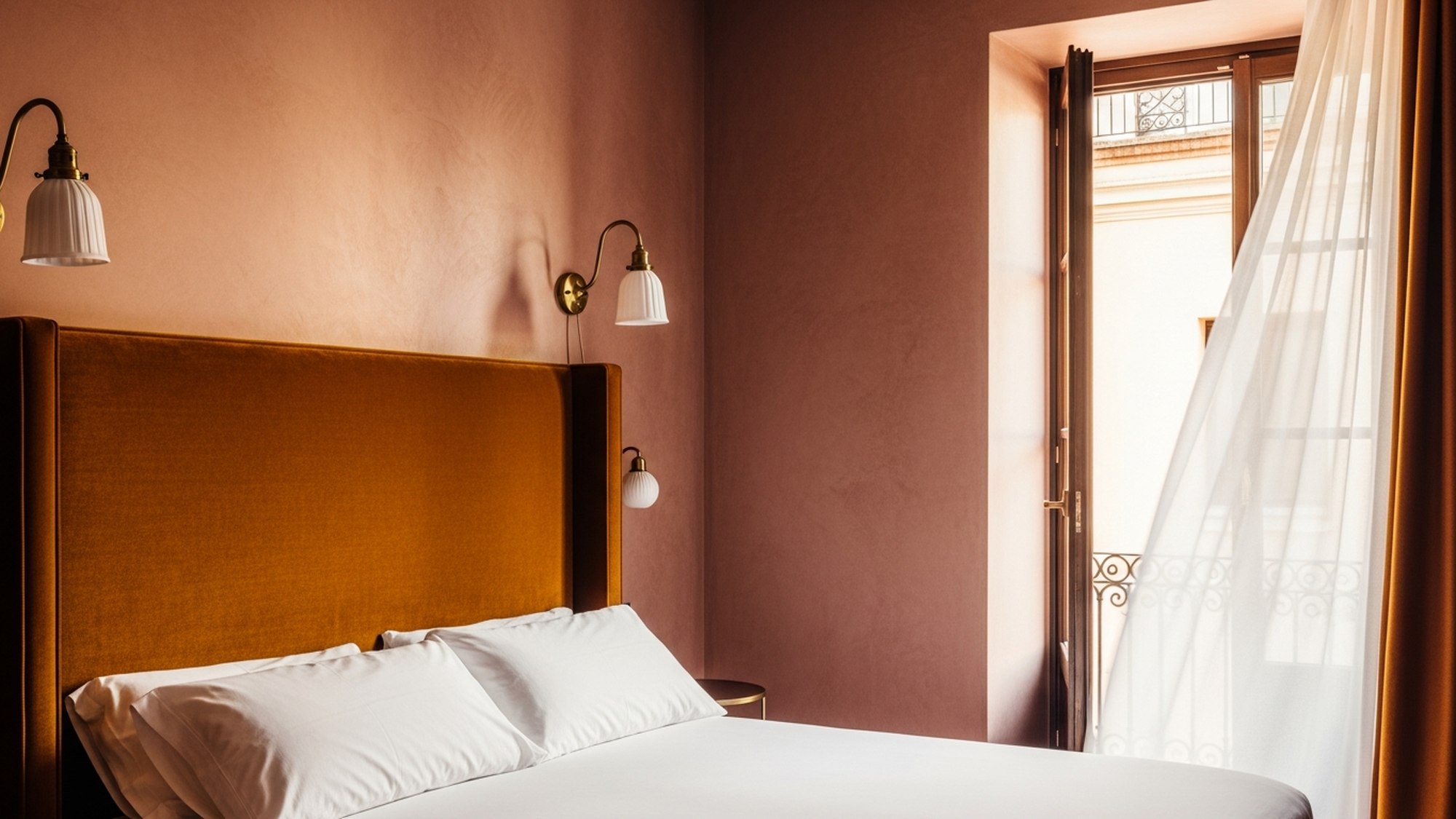
The material palette chosen for the interiors reflects this desire for refined informality. Soft tones and tactile finishes dominate: stone, linen, velvet, wood, and marble. These natural materials are often associated with comfort and longevity, creating an environment that feels both grounded and sophisticated. Contemporary furnishings are interspersed with collected objects, books, and decorative pieces, a deliberate strategy to evoke the familiarity and character of a private residence rather than a transient hotel room. The idea is that these items, rather than being mere decor, contribute to a sense of history and personal curation, as if the space has evolved over time, inhabited and loved.
The challenge in such a design approach lies in achieving a genuine sense of ‘lived-in’ without resorting to pastiche or an overly staged aesthetic. Many properties attempt this, often falling short, resulting in spaces that feel like a designer’s interpretation of a home rather than an actual home. The success of Villa Dorothéa, if the descriptions hold true, will hinge on the subtlety of this execution – the way shadow and texture interact with Lisbon’s golden evening light, the unhurried mornings in the courtyard, the candlelit evenings. These are sensory details that, when masterfully woven together, create an atmosphere rather than just a visual statement. It’s a delicate balance, requiring an understanding of both design principles and the psychology of comfort.
The Secret Garden and Lisbon's Culinary Soul
At the heart of Villa Dorothéa, both physically and conceptually, sits 'The Secret,' the property’s intimate 25-seat gastrobar. This culinary hub extends between a hidden patio and a rooftop terrace, a feature described as rare in this part of Lisbon. The choice of a small, focused dining venue, rather than a sprawling restaurant, aligns perfectly with the hotel's intimate vision. It is conceived as both a gathering place for guests and a discreet address for Lisbon insiders, aiming to foster a cosmopolitan, all-day dining destination that draws modern inspiration from the city’s culture of long evenings, shared plates, and conversation.
The culinary programme at 'The Secret' is described as combining Portuguese products with chic brasserie influences and highly curated sourcing. The intention is to deliver an innovative and 'elevated' (a word Amorielli typically avoids, but here attributed to the source's intent) take on Lisbon’s convivial dining traditions. The menu is locally led, centred on the integrity of produce, seasonality, and technical precision, reinterpreting Portuguese sharing traditions through a refined, contemporary lens. This 'bistronomy' style, focusing on small plates, alongside a sophisticated drinks programme, is a popular and effective way to engage both hotel guests and local patrons, offering flexibility and encouraging social interaction.
The beverage offering similarly anchors itself in Portuguese culture. Signature creative cocktails are inspired by Luís de Camões’ epic poem, Os Lusíadas, reinterpreting its maritime narratives and mythological figures through smoky, citrus, and floral notes. This is a clever way to infuse local culture not just into the food, but into the entire sensory experience, giving guests a taste of Portuguese heritage even in their evening drink. The rooftop element, with its promise of sunset views across Lisbon’s skyline, adds another layer of appeal, transforming a meal into a memorable occasion, particularly during the city’s long, balmy evenings.
Beyond the Room: Crafting Community and Connection
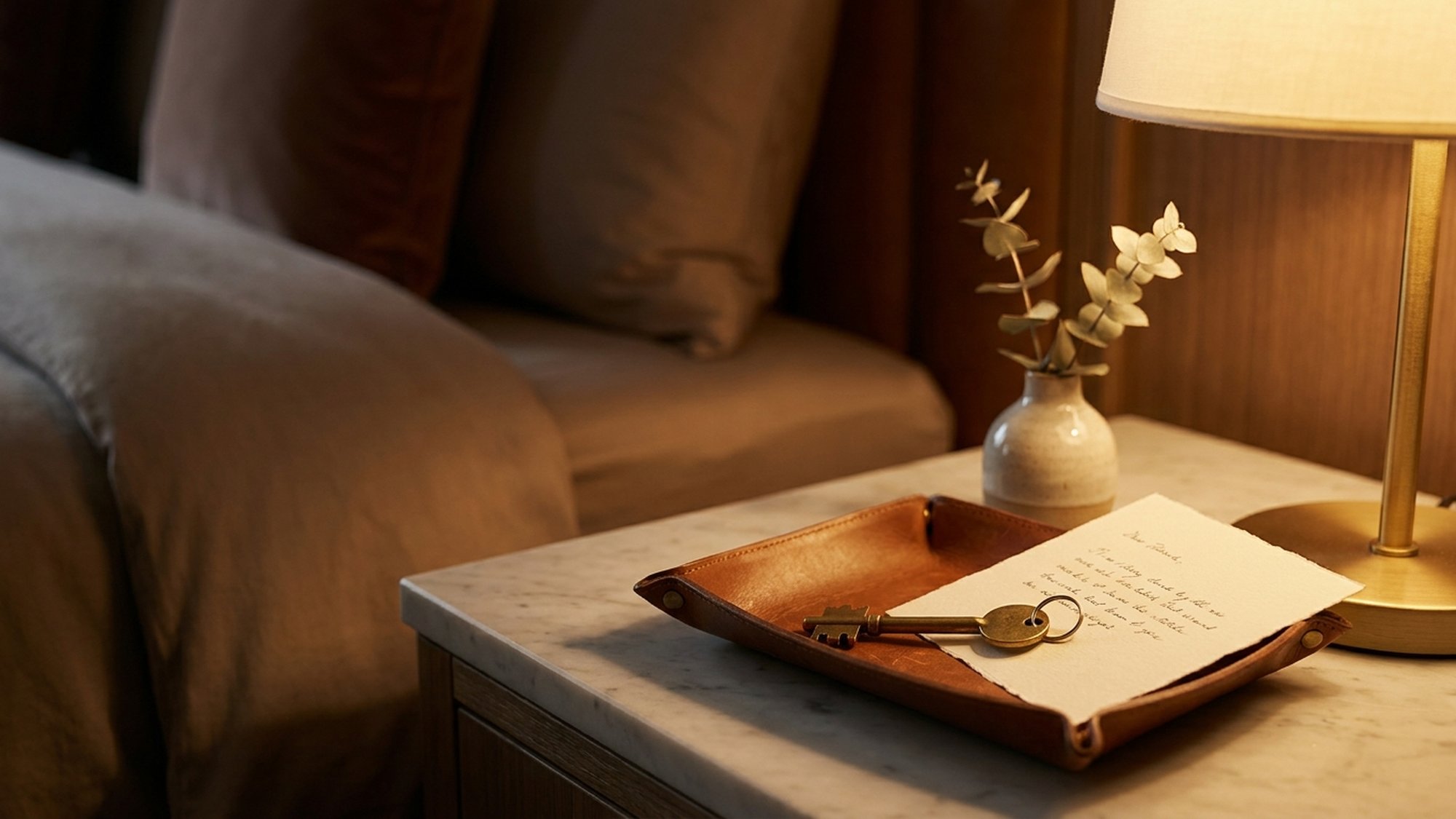
Villa Dorothéa’s commitment to fostering human connection and a sense of belonging extends well beyond its design and dining. The property integrates several features aimed at encouraging guests to slow down and engage, both with each other and with the local culture. At the centre of the house, a library curated in partnership with the Lisbon bookshop Salted Books invites guests to linger. This isn't just a collection of books; it's designed as a space for discovery, featuring literary classics, many with surprise notes tucked between their pages, alongside chessboards, backgammon sets, and objects collected over time. This creates a tactile, interactive experience, inviting quiet contemplation or shared moments of play.
A significant element of the hotel's social programming is the planned launch of 'Villa Suppers.' These events are designed to bring guests and Lisbon locals together around long communal tables, drawing inspiration from the tradition of Portuguese family lunches. This initiative directly addresses the hotel's stated philosophy of 'lasting encounters' and 'intimate gatherings,' actively facilitating interaction rather than merely providing a space for it. The ongoing social calendar will also include a series of events throughout the year, such as sunset DJ sessions on the roof terrace, Champagne rituals, and wine tastings with local producers, alongside other cultural programming. Such events are crucial for transforming a hotel from a place to sleep into a vibrant community hub.
Wellness features are also woven naturally throughout the stay. Each room is equipped with its own yoga mat and accessories, allowing for private practice. Group classes are available at a preferred rate in partnership with LX Portal Yoga Studio, conveniently located across the street. For those seeking a more bespoke experience, in-room signature Swedish massages by wellness pioneer Cristina Lobo can be arranged on request. This integrated approach to wellness, offering both self-guided and guided options, caters to the modern traveler's desire for holistic well-being, even when away from home.
Beyond the property itself, Villa Dorothéa actively encourages guests to experience Lisbon through independent addresses and local partnerships. Its dedicated team can offer exclusive access to activities such as private ceramic workshops with local artisans, tastings with boutique Portuguese wine producers, personal shopping accompanied by Lisbon fashion curators, and bespoke fragrance sessions with master perfumers. A 'foodie concierge' is available to secure guests the best tables across the city, and romantic itineraries can be designed for couples. This deep engagement with local businesses and cultural experiences is a powerful differentiator, moving beyond generic recommendations to offer truly bespoke and authentic encounters, reinforcing the idea of the hotel as a gateway to the city's genuine pulse.
Lapa: A Neighbourhood, Not Just a Location
The choice of Lapa for Villa Dorothéa is not incidental; it is central to its identity. Unlike the bustling, tourist-heavy districts of Baixa or Alfama, Lapa offers a more subdued, residential rhythm. It is a neighbourhood that has historically valued discretion and quality of life, characteristics that align perfectly with the hotel's philosophy. The source material highlights Lapa's proximity to Santos, Estrela, and the Tagus River, giving guests a chance to immerse themselves in a local creative scene and explore many of Lisbon’s cultural landmarks on foot, before retreating to the calm of their 'home away from home.'
Lapa's history as a district of noble palaces and diplomatic residences has imbued it with a distinct atmosphere. The graceful architecture, often featuring grand, pastel-hued facades and intricate azulejo tiles, speaks to centuries of refined living. This is not a place that screams for attention; rather, it quietly commands respect. The streets are less crowded, the pace more leisurely, allowing for a deeper appreciation of Lisbon's everyday beauty. For a hotel striving for a sense of 'inhabited' rather than 'staged,' Lapa provides an ideal canvas.
The neighbourhood is not, however, devoid of contemporary life. It houses some of the city’s most talked-about restaurants, including Skizzo, Danoi, and Familjen, alongside a host of independent design shops, artists’ studios, and artisanal coffee spots. This blend of historic charm and modern vibrancy is key to Lapa’s appeal for a certain type of traveller – one who seeks authenticity and local engagement without sacrificing comfort or access to high-quality amenities. Villa Dorothéa's integration into this scene, with its local partnerships and concierge services, positions it not as an isolated enclave, but as an active participant in the neighbourhood's daily rituals.
For guests, this means an opportunity to experience Lisbon through a local lens. Mornings might begin with a quiet coffee at an artisanal spot, followed by a stroll through the Jardim da Estrela, before exploring the design studios or art galleries. Evenings could involve a casual dinner at one of Lapa’s acclaimed restaurants, or a more intimate experience back at 'The Secret.' The emphasis is on a seamless transition between the hotel and its surroundings, fostering a sense of belonging that is rare in conventional hospitality. This is the promise of Lapa for Villa Dorothéa: a setting that amplifies its philosophy of slow, connected, and authentically local living.
The Shifting Sands of Luxury Hospitality
Villa Dorothéa's emergence in Lisbon is emblematic of a broader, fundamental shift occurring within the luxury hospitality sector. For decades, luxury was largely defined by opulence, grand scale, and impeccable, often formal, service. The emphasis was on exclusivity, often achieved through a degree of separation from the local environment. However, the post-pandemic era, coupled with evolving consumer preferences, has accelerated a move towards what is often termed 'experiential luxury' or 'understated luxury.'
Today's discerning traveler, particularly in the high-end segment, is increasingly seeking authenticity, genuine connection, and a sense of place. They are less interested in gilded lobbies and more in meaningful interactions, local immersion, and properties that reflect a deep understanding of their destination. The focus has shifted from ostentation to subtlety, from being 'served' to being 'welcomed,' and from anonymity to a personalised experience. This is where independent boutique groups like Tradition Signature, with their agility and focused vision, can truly thrive, often outmanoeuvring larger chains constrained by brand standards and operational scale.
The concept of the 'micro-neighbourhood' or 'residential hotel' is a direct response to this demand. By eschewing a formal lobby and embracing interconnected houses, Villa Dorothéa blurs the lines between a private residence, a vacation rental, and a hotel. This approach positions it in a fascinating space, competing not just with other boutique hotels but also, indirectly, with high-end Airbnb or Vrbo properties. While a private rental might offer privacy and a sense of 'home,' it often lacks the professional service, curated experiences, and social programming that a well-executed boutique hotel can provide. Villa Dorothéa attempts to offer the best of both worlds: the intimacy and local feel of a private home, combined with the convenience and curated experiences of a hospitality establishment.
The economic incentives behind such developments are also worth noting. While larger hotels require significant capital and often operate on thinner margins due to their scale, smaller, high-yield boutique properties can be highly profitable. They can command premium rates for their unique proposition, attract a loyal clientele seeking bespoke experiences, and benefit from lower operational overheads compared to a full-service resort. The investment in restoring historic properties also aligns with a growing desire for sustainable development, giving new life to existing structures rather than building anew. This model of thoughtful, context-specific development is likely to become more prevalent as cities continue to grapple with overtourism and the need for more integrated, respectful forms of hospitality.
The commitment to individuality is a cornerstone of the residential-style luxury trend, moving away from standardised room layouts and finishes in favour of unique experiences.
Understated Grandeur: A New Blueprint?
Villa Dorothéa, through its thoughtful design and operational philosophy, offers a compelling blueprint for the future of luxury hospitality, particularly in historic urban settings. Its approach demonstrates a deep understanding that true luxury today is often found not in ostentatious displays of wealth, but in the quality of experience, the authenticity of connection, and the seamless integration into a destination's unique fabric. By consciously moving away from the traditional hotel paradigm, it creates a space that feels both personal and deeply rooted, offering a form of 'understated grandeur' that resonates with contemporary sensibilities.
The emphasis on preserving the heritage of the 19th-century hamlet, coupled with a sensitive contemporary design, showcases a model of development that respects the past while embracing the present. The 'no formal lobby' concept, the winding pathways, and the integration of local artisans and culinary traditions are not mere aesthetic choices; they are deliberate strategic decisions aimed at crafting a specific emotional response in the guest. This is about creating a sense of discovery, intimacy, and belonging, elements that are increasingly valued above sheer amenity count or square footage.
Furthermore, the property's engagement with its Lapa neighbourhood is a powerful example of how hospitality can contribute positively to a local ecosystem. By partnering with local businesses, from yoga studios and ceramicists to wine producers and fashion curators, Villa Dorothéa acts as a conduit, enriching the guest experience while supporting the community. This symbiotic relationship is crucial for sustainable tourism and represents a more responsible approach to development, especially in culturally sensitive areas like historic Lisbon.
In a market often criticised for its homogeneity, Villa Dorothéa stands out as a property that has dared to be different, to articulate a vision of luxury that is quiet, considered, and deeply personal. It signals a future where the most coveted stays are those that offer not just a room, but a story, a connection, and a genuine invitation to participate in the life of a place. This is a model that other developers and operators would do well to study, for it speaks to a fundamental shift in what luxury means for the modern traveller.
What it means for where you stay
For the discerning traveller, Villa Dorothéa represents a compelling option if your preference leans towards an immersive, intimate, and culturally rich experience rather than a conventional, full-service hotel. If you value privacy, a sense of quietude, and a genuine connection to a neighbourhood's rhythm, this property in Lapa appears to be designed precisely for you. Expect a seamless, almost invisible service that anticipates needs rather than following rigid protocols. Be prepared for a stay that feels more like visiting a well-appointed private home than checking into a hotel. Engage with the local partnerships offered, explore Lapa on foot, and embrace the communal dining experiences like the Villa Suppers if you truly wish to unlock the property's full potential for connection. This is not the place for those who seek grand anonymity or a bustling resort atmosphere; it is for those who crave subtlety, authenticity, and a slower pace.
For owners and hosts navigating the competitive landscape of luxury accommodation, Villa Dorothéa offers several critical lessons. Firstly, the power of a strong, authentic narrative, deeply rooted in the property's history and location, cannot be overstated. Simply restoring an old building is not enough; the story of its past and its connection to the community must be woven into every aspect of the guest experience. Secondly, the 'residential' approach, complete with curated objects, thoughtful design, and a lack of formal barriers, resonates deeply with modern luxury consumers. This means investing in interior design that feels genuinely 'lived-in' and unique, avoiding generic hotel aesthetics.
Furthermore, the focus on intimate, locally-driven food and beverage, combined with a robust calendar of social and cultural programming, transforms a property from a place to sleep into a vibrant destination. Strategic local partnerships are also key: they not only enrich the guest experience but also establish the property as a respected member of the community, offering unique access that a solo Airbnb host might struggle to replicate. Finally, the emphasis on 'slow living' and 'human connection' points to a market where genuine experiences and emotional resonance are becoming more valuable than sheer material opulence. For any owner looking to differentiate in a crowded market, understanding and implementing these principles will be crucial for long-term success and premium positioning.
Source
Hotel Designs — reported 7 August 2026. Read by the Amorielli news desk.