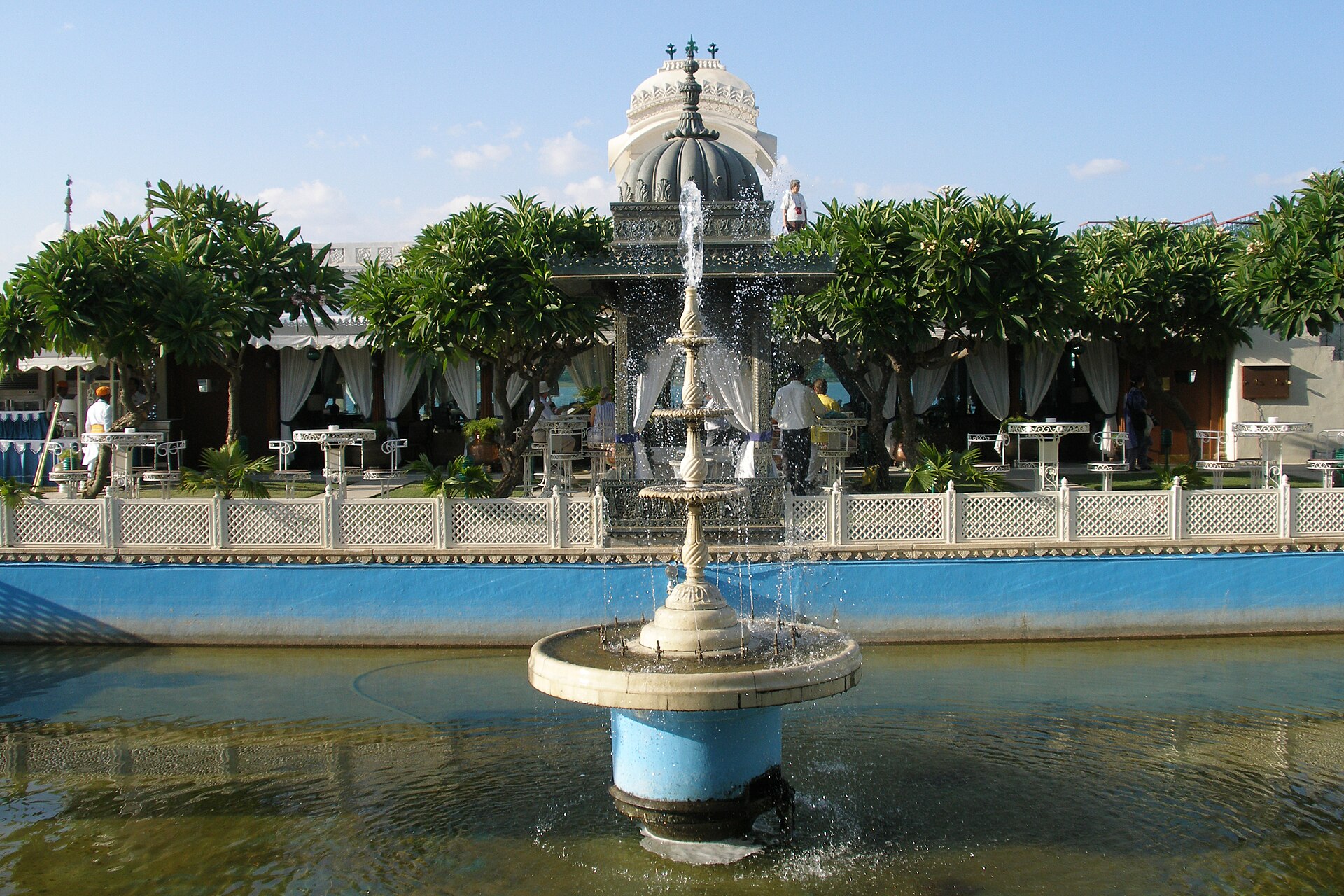
Kumbhalgarh Fort, Rajasthan 02 · Varada Phadkay · CC BY-SA 4.0 · cropped
Kumbhalgarh and Ranakpur Day Trip
A long day's drive from Udaipur takes in a vast hill fort and one of India’s most intricate marble temples, offering a sharp contrast to the city's lakes.
Udaipur’s lakes and palaces hold much of the city’s appeal, but a day spent beyond the water offers a different perspective on Rajasthan. West of the city, the Aravalli hills rise, holding two sites that make a long but rewarding day trip: the formidable hill fort of Kumbhalgarh and the intricate marble temple at Ranakpur. This is a journey into the region’s past, a counterweight to the city’s aquatic charm, and a good way to understand the scale of Mewar’s former reach.
The first stop is Kumbhalgarh, about two hours from Udaipur by road. This fifteenth-century hill fort, built by Rana Kumbha, is a UNESCO World Heritage Site, listed among the Hill Forts of Rajasthan. Its defining feature is the perimeter wall, often called the Great Wall of India, which runs for around 36 km along the ridges. It is one of the longest continuous walls in the world, a formidable defence that wraps the entire mountain. Kumbhalgarh is also remembered as the birthplace of Maharana Pratap, a significant figure in Mewar history. Walking parts of the wall or simply taking in its scale from below gives a sense of the power once held here.
From Kumbhalgarh, the road continues for roughly 33 km to Ranakpur. Here stands a fifteenth-century Jain temple of white marble, dedicated to Adinath. The temple is known for its remarkable forest of carved columns, 1,444 of them, with no two said to be alike. It remains an active place of worship, so visitors should be aware of the set visiting hours for non-worshippers, the rules on dress, and the restriction on leather items. The sheer detail of the carving, executed in marble that seems to glow, is a testament to the skill and devotion of its builders, a stark contrast to the rugged military architecture of Kumbhalgarh.
Doing both sites in a single day means a fair amount of driving, and it requires an early start from Udaipur. The most practical approach is a hired car and driver, which can be arranged through your hotel. This handles the logistics, allowing you to focus on the sites. While a long day, the pairing of Kumbhalgarh’s vast walls and Ranakpur’s delicate carvings provides a comprehensive look at the region’s historical and architectural depth. Some travellers choose to break the trip with a night near Kumbhalgarh rather than return to Udaipur the same evening, allowing for a more relaxed pace.
March, the tail of the cool season, offers warm, clear days and mild nights, making it one of the better windows for such an outing. The deep-winter crowds begin to thin, though it warms up noticeably by the end of the month. Pack water and a hat, as the midday sun can be strong even in these months. Confirm visiting hours for Ranakpur before setting out, particularly for non-worshippers, to ensure you make the most of your time.
From Vol. 1 · No. 03 · March 2025, The Palace Issue. The cover story is Where to Stay in Udaipur. Details change; confirm specifics with the property before you travel.
More from the column
-
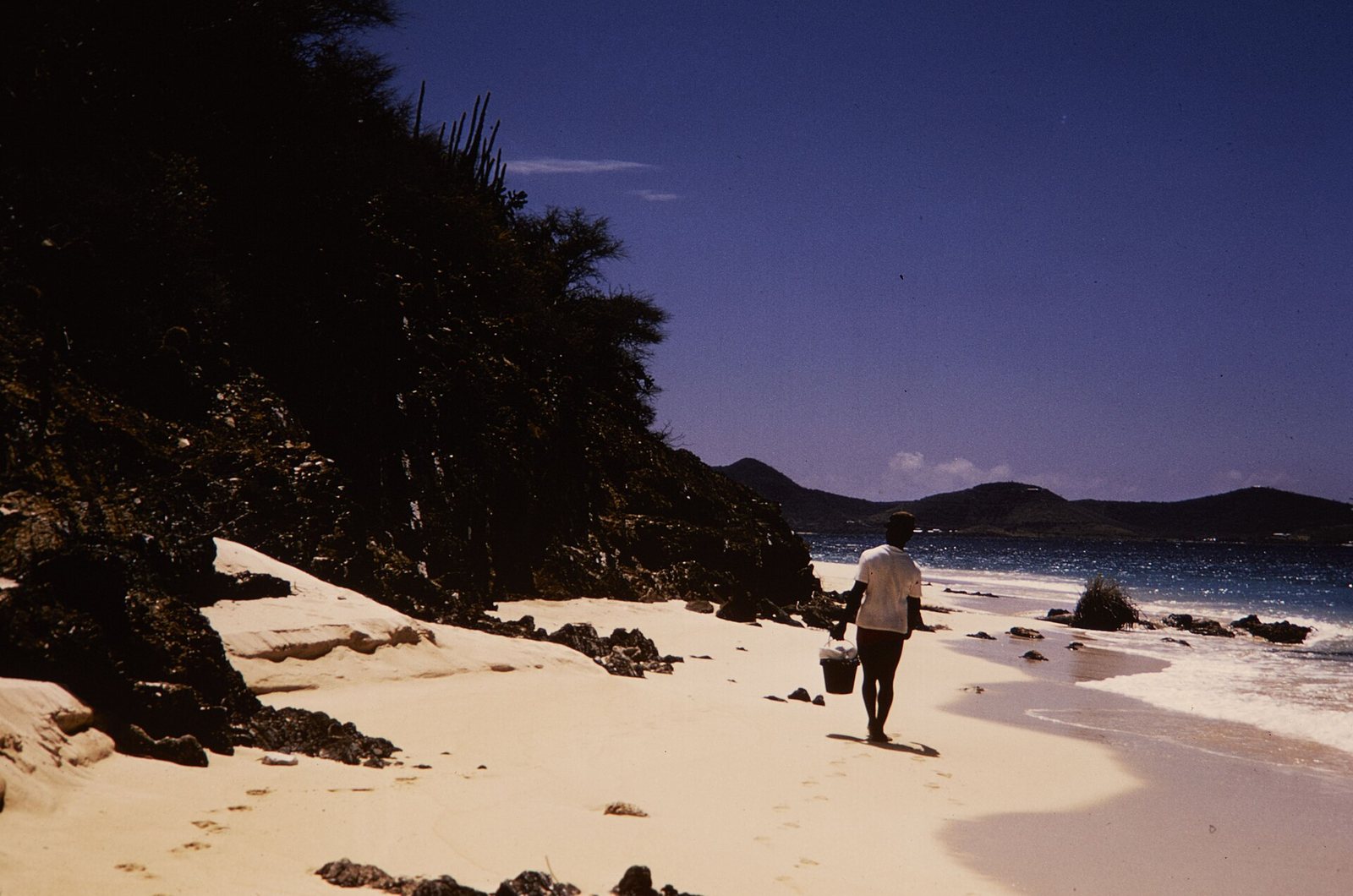 St. Croix · Vol. 2 · No. 10 · October 2026
Buck Island: St. Croix’s Reef Monument
A boat trip to Buck Island Reef National Monument offers an underwater snorkel trail and a stop at Turtle Beach.
St. Croix · Vol. 2 · No. 10 · October 2026
Buck Island: St. Croix’s Reef Monument
A boat trip to Buck Island Reef National Monument offers an underwater snorkel trail and a stop at Turtle Beach.
-
 1 cristor redentor 2014 · Chensiyuan · CC BY-SA 4.0 · cropped
Rio de Janeiro · Vol. 2 · No. 09 · September 2026
Rio's Clear-Day Ascents
Plan two essential Rio climbs around the weather for views of the city and coast.
1 cristor redentor 2014 · Chensiyuan · CC BY-SA 4.0 · cropped
Rio de Janeiro · Vol. 2 · No. 09 · September 2026
Rio's Clear-Day Ascents
Plan two essential Rio climbs around the weather for views of the city and coast.
-
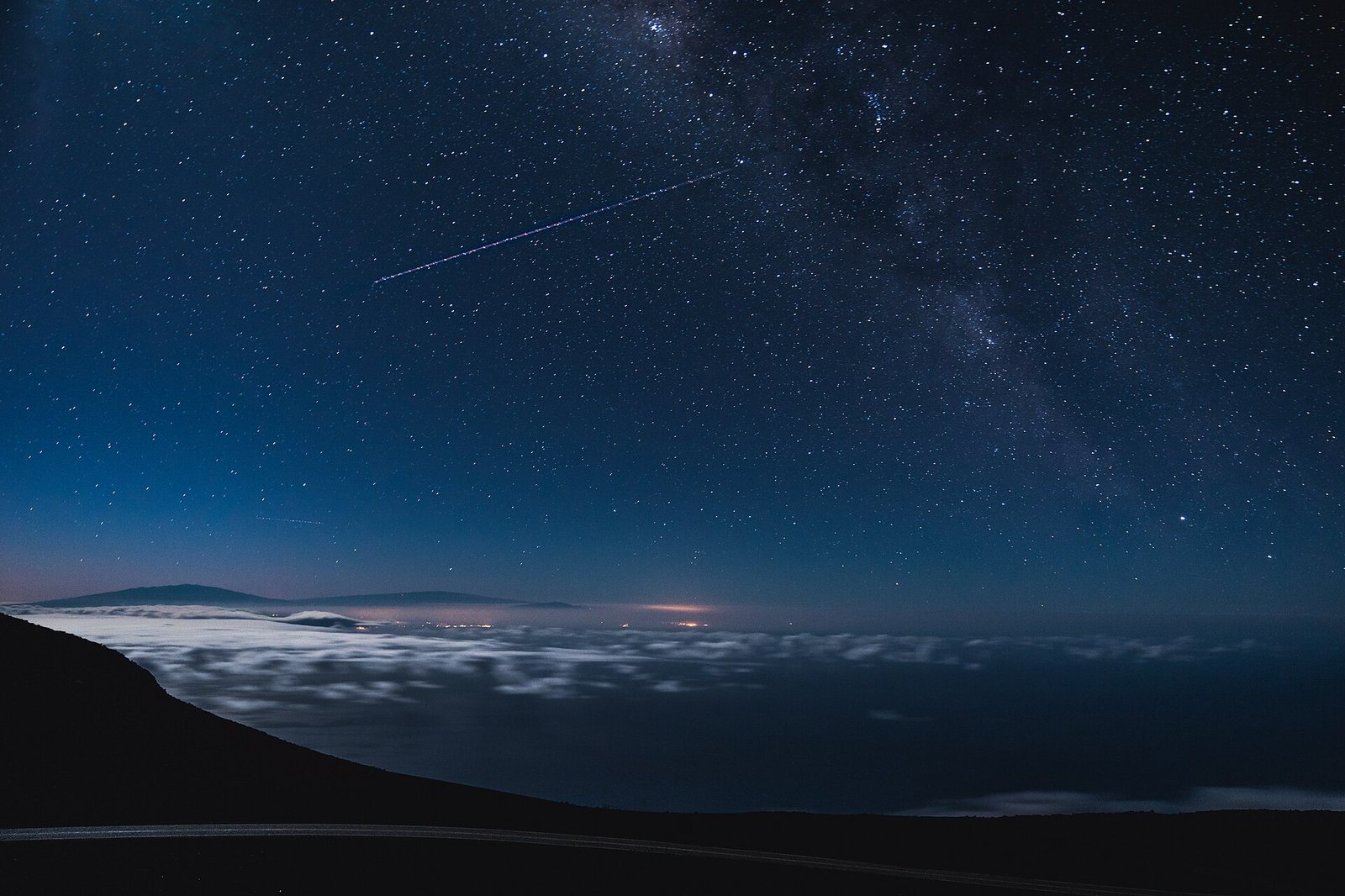 Maui · Vol. 2 · No. 08 · August 2026
Maui's Two Big Drives
Maui's two signature drives, Haleakalā's summit and the Road to Hāna, are full days out, each requiring early starts and a full tank.
Maui · Vol. 2 · No. 08 · August 2026
Maui's Two Big Drives
Maui's two signature drives, Haleakalā's summit and the Road to Hāna, are full days out, each requiring early starts and a full tank.
-
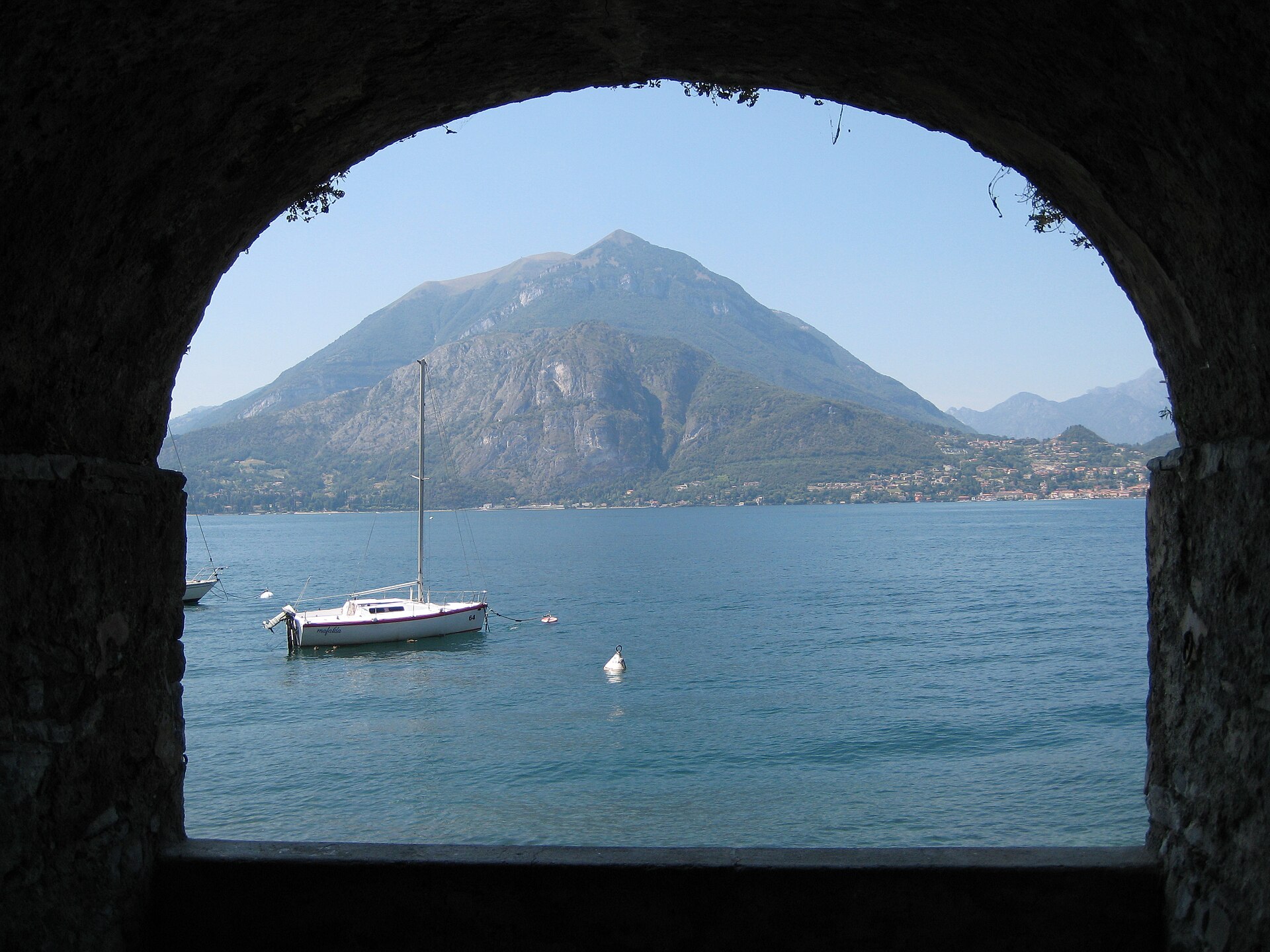 Lake Como from Varenna 01 · Aconcagua · CC BY-SA 3.0 · cropped
Lake Como · Vol. 2 · No. 07 · July 2026
Western Shore Gardens
Leaving your base for a boat day to Villa del Balbianello and Villa Carlotta reveals the cultivated beauty of Lake Como's western shore.
Lake Como from Varenna 01 · Aconcagua · CC BY-SA 3.0 · cropped
Lake Como · Vol. 2 · No. 07 · July 2026
Western Shore Gardens
Leaving your base for a boat day to Villa del Balbianello and Villa Carlotta reveals the cultivated beauty of Lake Como's western shore.
The columns, every month.
One considered letter when a new issue lands: the cover story, the four columns, and the month's news.
Comments