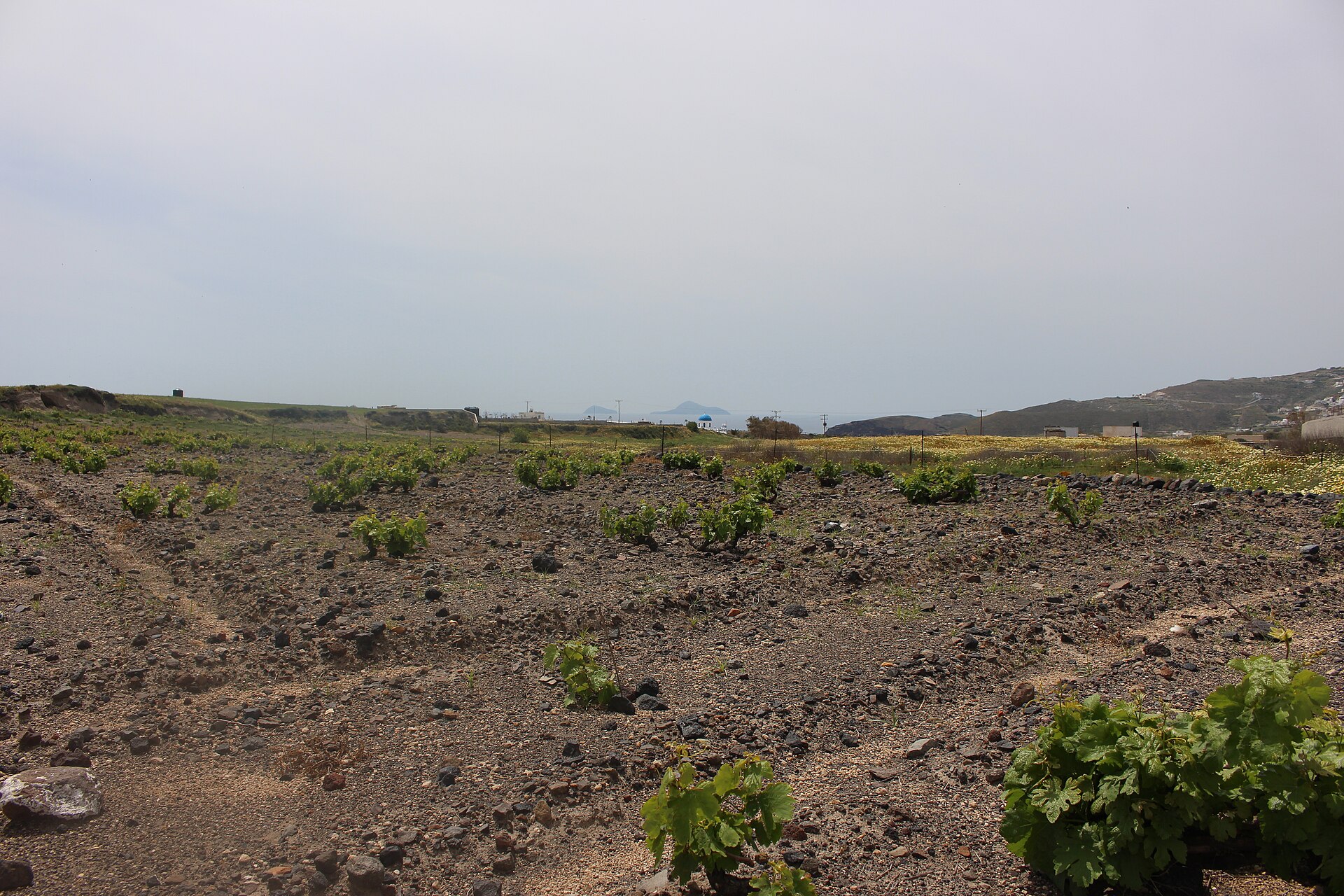
Vineyard in Santorini 2 · ArticCynda · CC BY-SA 4.0 · cropped
Santorini's East, Vines, and Quiet Beaches
Discover Santorini's other side: volcanic wines and black-sand beaches, offering a calmer pace away from the caldera crowds.
The famous caldera is one Santorini, but another lies on the flat eastern and southern side. This area is planted with vines, edged with black-sand beaches, and much quieter. It offers a distinct rhythm and a welcome half-day of relief from the island’s more photographed views. This is where a different kind of local life persists, away from the cliff-top scramble and the evening crowds.
Santorini’s wine is genuinely distinctive and worth exploring. The grape is Assyrtiko, grown in volcanic soil with almost no rain, on ungrafted vines that growers train into low basket shapes, called kouloura, to trap moisture and hide from the wind. The resulting dry white is crisp and mineral. The sweet Vinsanto, made from sun-dried grapes, is also notable. Several wineries offer tastings; Santo Wines, the island cooperative, has a large terrace over the caldera, while Venetsanos is built into the cliff above Athinios port. For those focused purely on the viticulture, Estate Argyros is known for old vines and a long pedigree, and Domaine Sigalas near Oia is a benchmark for Assyrtiko.
Beyond the vines, the east and south coasts hold the island’s beaches. The sand here is black or dark red volcanic grit, not soft pale stuff. Kamari is the organised option, with a long promenade of tavernas, cafes, water sports, and sun beds, holding a Blue Flag rating. On the other side of the Mesa Vouno headland, Perissa is more low-key and popular with a younger crowd. Perivolos runs south from Perissa and is where the beach clubs and loungers are. Near Akrotiri, Red Beach is the dramatic one, backed by rust-red iron cliffs; it is small, gets busy, and rockfall warnings have been issued on the approach, so checking current conditions before a visit is sensible.
The inland villages also belong to this quieter Santorini. Pyrgos climbs a hill near the middle of the island around a Venetian-era fortress, the Kasteli. It is one of the highest points on Santorini, so the views run in every direction, and the lanes stay quiet even when Oia is packed. Megalochori is a small village with a square that still feels lived in, offering cave houses and an old arched bell tower. It made its money on Vinsanto, and the wine culture is still close by. Emporio, the largest of the traditional villages, features a medieval Kasteli of tight, maze-like alleys built to slow down pirates. These villages see few tourists relative to the caldera, providing a genuine sense of the island’s older life.
For exploring these parts – the beaches, wineries, and inland villages – a rental car or an ATV provides the most flexibility, allowing movement at your own pace. This approach lets one experience a different aspect of Santorini, one that is calmer and more rooted in its land, a welcome contrast to the famous cliff-top views."
From Vol. 1 · No. 07 · July 2025, The Caldera Issue. The cover story is Where to Stay in Santorini. Details change; confirm specifics with the property before you travel.
More from the column
-
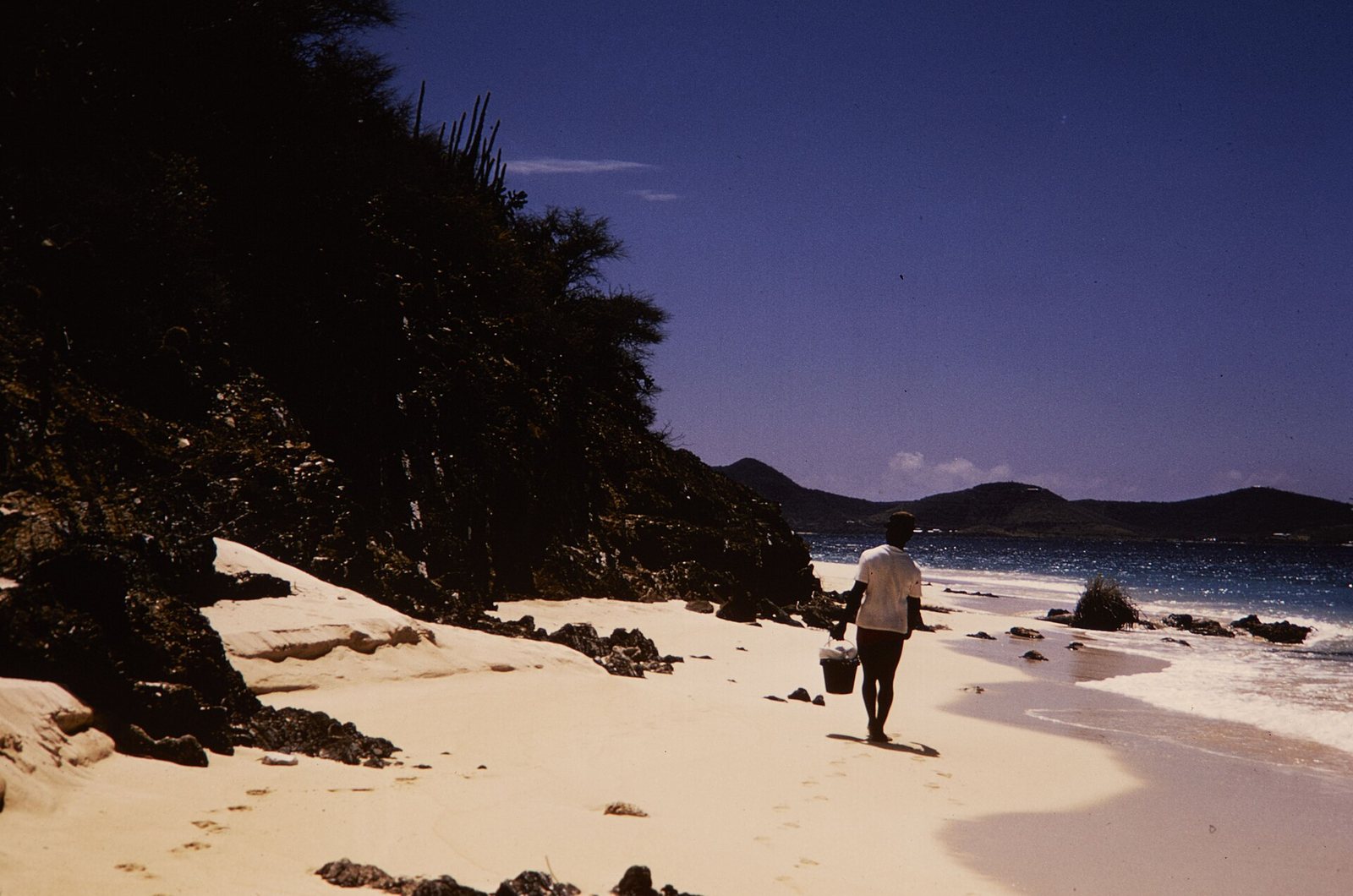 St. Croix · Vol. 2 · No. 10 · October 2026
Buck Island: St. Croix’s Reef Monument
A boat trip to Buck Island Reef National Monument offers an underwater snorkel trail and a stop at Turtle Beach.
St. Croix · Vol. 2 · No. 10 · October 2026
Buck Island: St. Croix’s Reef Monument
A boat trip to Buck Island Reef National Monument offers an underwater snorkel trail and a stop at Turtle Beach.
-
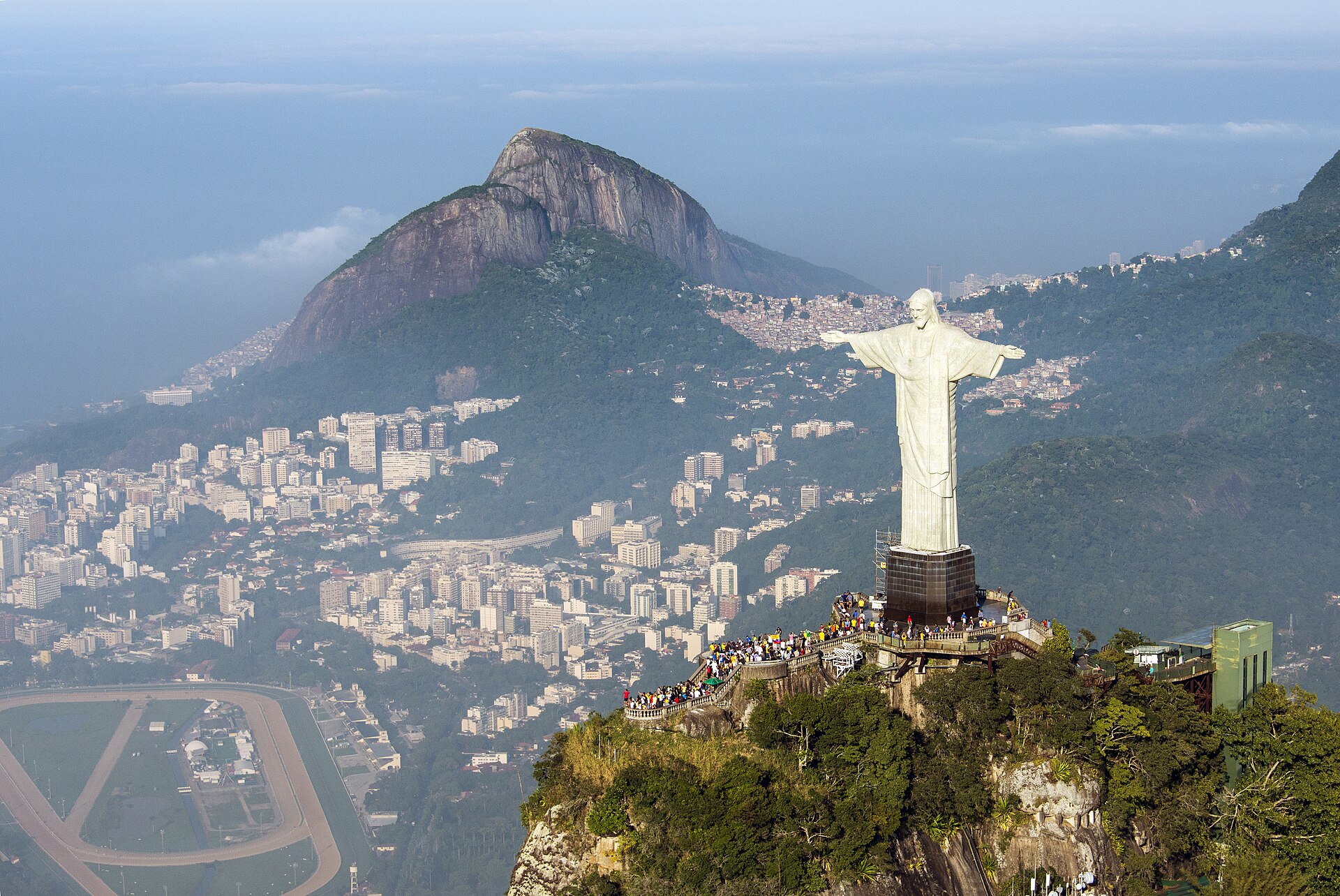 1 cristor redentor 2014 · Chensiyuan · CC BY-SA 4.0 · cropped
Rio de Janeiro · Vol. 2 · No. 09 · September 2026
Rio's Clear-Day Ascents
Plan two essential Rio climbs around the weather for views of the city and coast.
1 cristor redentor 2014 · Chensiyuan · CC BY-SA 4.0 · cropped
Rio de Janeiro · Vol. 2 · No. 09 · September 2026
Rio's Clear-Day Ascents
Plan two essential Rio climbs around the weather for views of the city and coast.
-
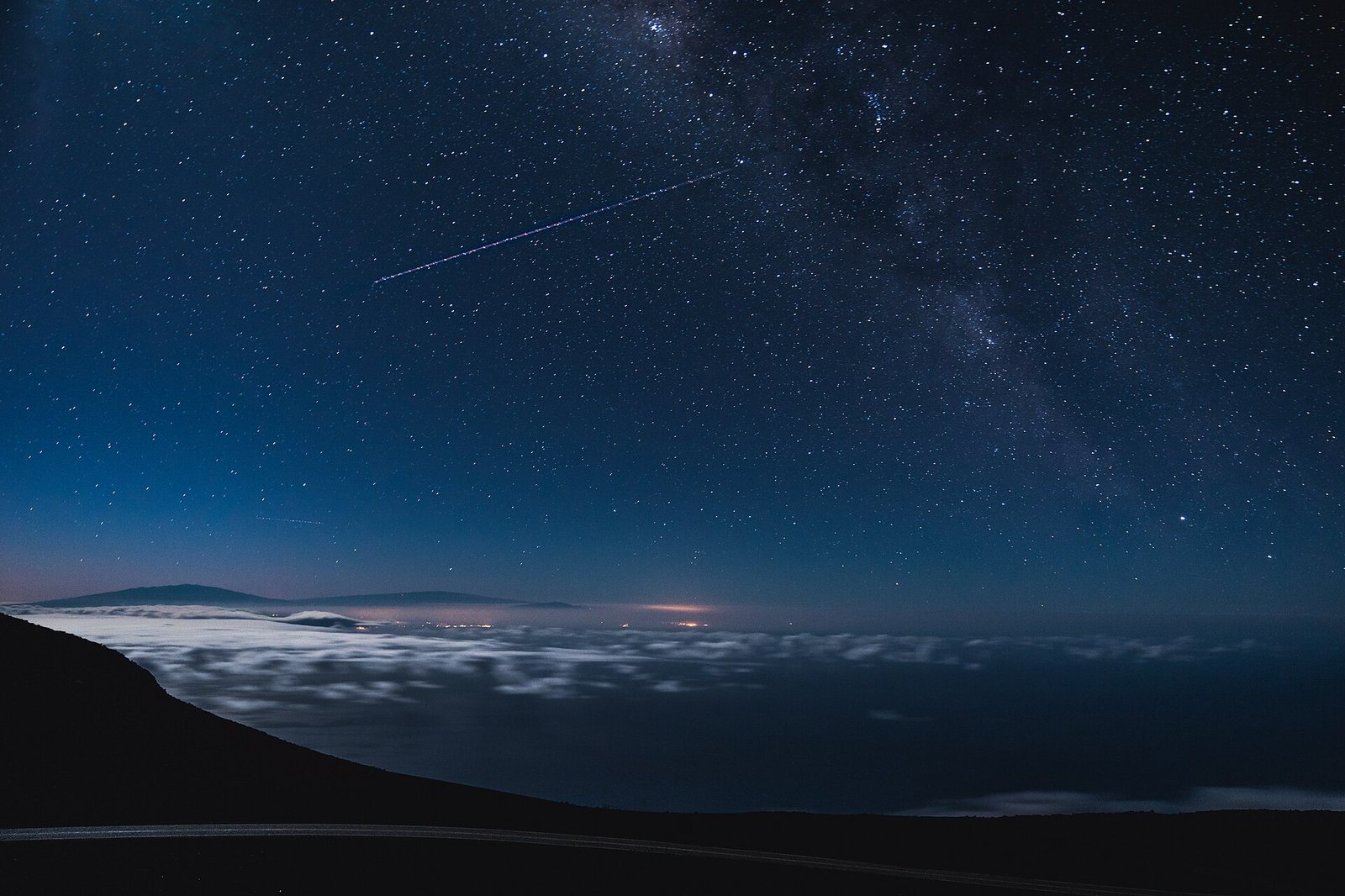 Maui · Vol. 2 · No. 08 · August 2026
Maui's Two Big Drives
Maui's two signature drives, Haleakalā's summit and the Road to Hāna, are full days out, each requiring early starts and a full tank.
Maui · Vol. 2 · No. 08 · August 2026
Maui's Two Big Drives
Maui's two signature drives, Haleakalā's summit and the Road to Hāna, are full days out, each requiring early starts and a full tank.
-
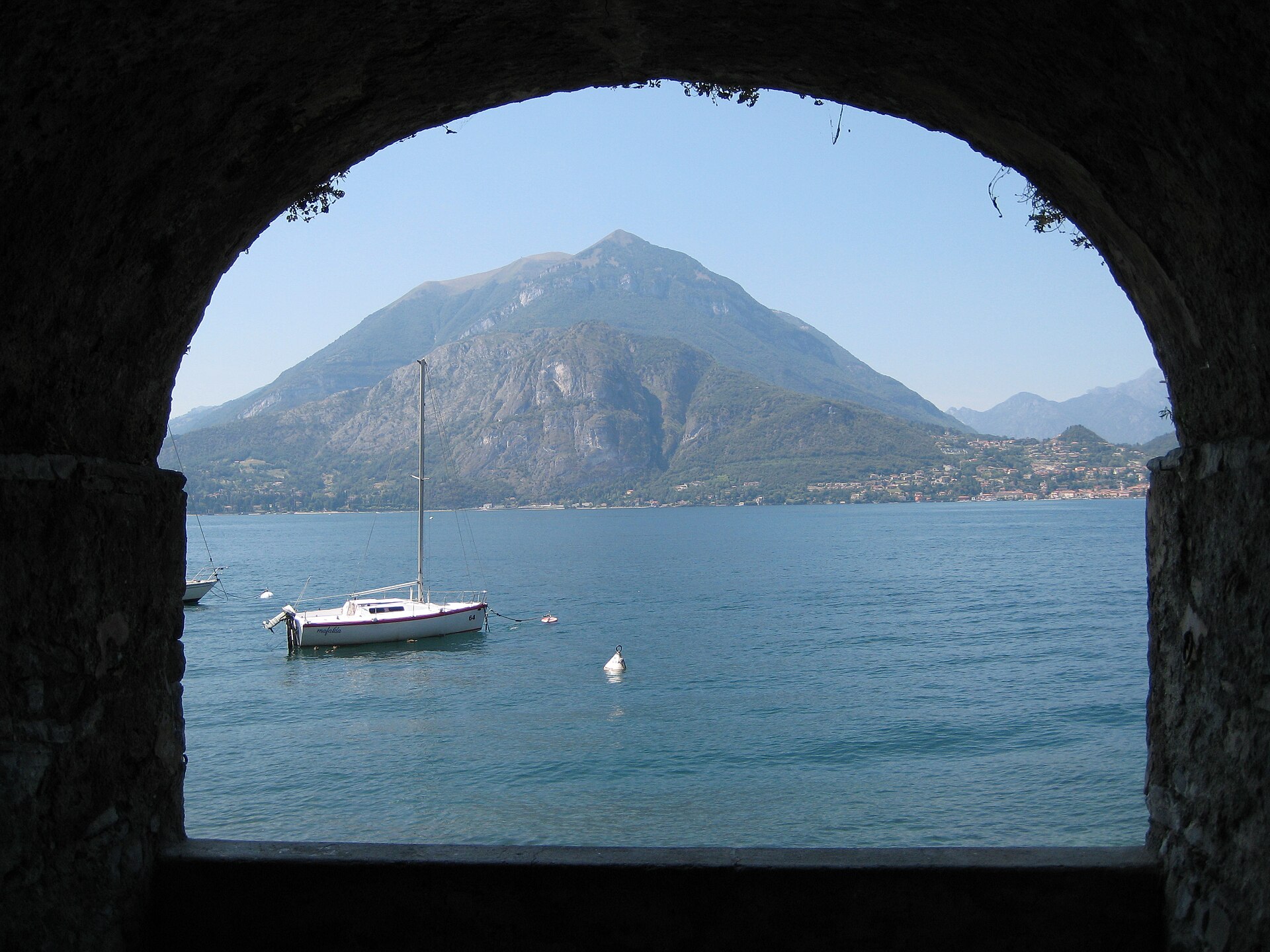 Lake Como from Varenna 01 · Aconcagua · CC BY-SA 3.0 · cropped
Lake Como · Vol. 2 · No. 07 · July 2026
Western Shore Gardens
Leaving your base for a boat day to Villa del Balbianello and Villa Carlotta reveals the cultivated beauty of Lake Como's western shore.
Lake Como from Varenna 01 · Aconcagua · CC BY-SA 3.0 · cropped
Lake Como · Vol. 2 · No. 07 · July 2026
Western Shore Gardens
Leaving your base for a boat day to Villa del Balbianello and Villa Carlotta reveals the cultivated beauty of Lake Como's western shore.
The columns, every month.
One considered letter when a new issue lands: the cover story, the four columns, and the month's news.
Comments