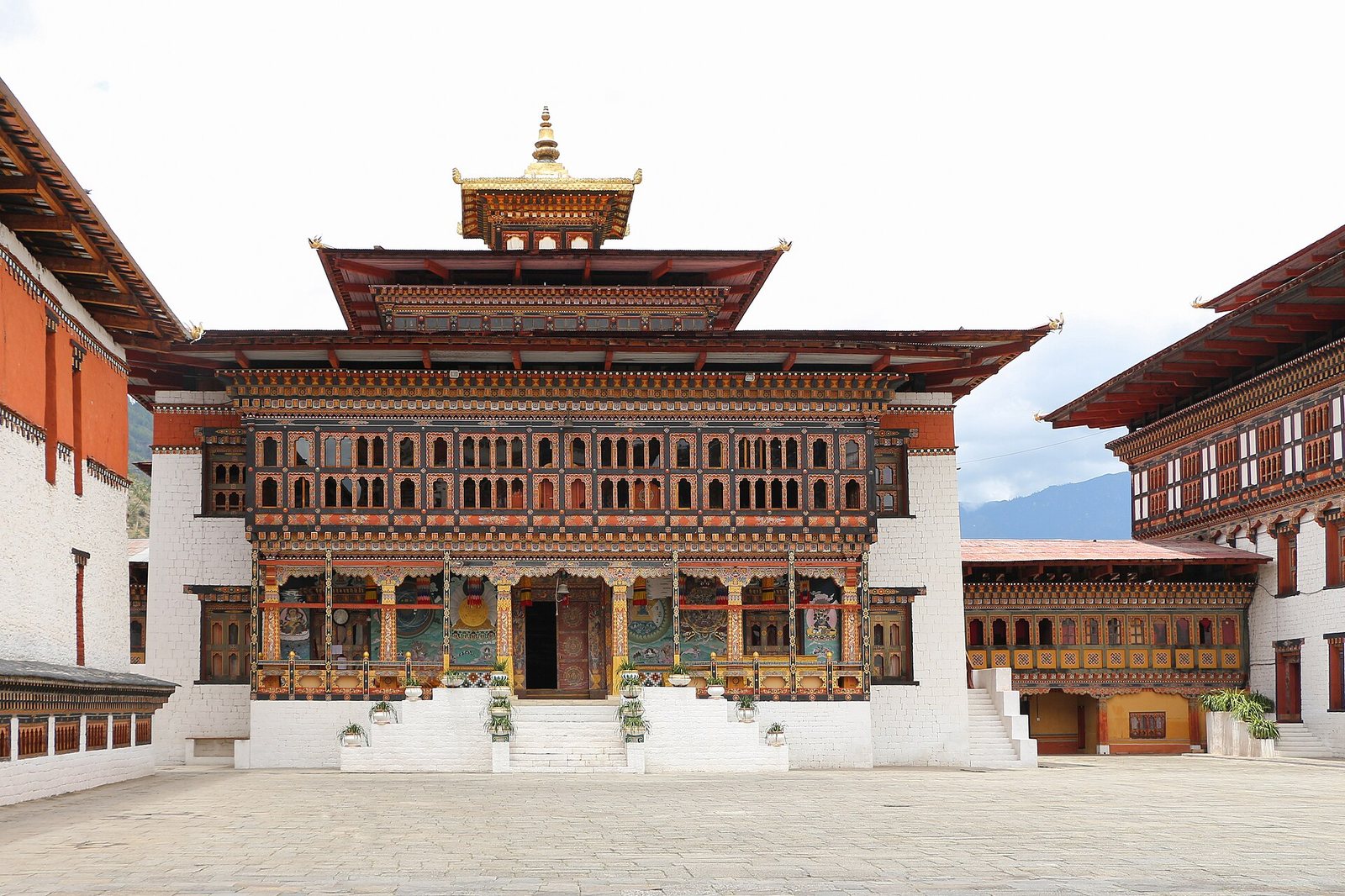
Tashichho Dzong, Bhutan 06 · Bernard Gagnon · CC BY-SA 4.0 · cropped
Bhutan Lodges, Hotels, Farmhouses
Choosing accommodation in Bhutan involves three distinct types, each with its own character and price, all impacted by the country's daily Sustainable Development Fee.
A trip to Bhutan means choosing between three distinct bands of accommodation, each offering a different way to experience the country. This choice is framed by the Sustainable Development Fee, set at around US$100 a night, which applies equally across all options and shapes the overall cost more than any single hotel. For October, the clearest and busiest month, nights at altitude are cold once the sun drops behind the ridges, particularly in Paro and Phobjikha. Confirming heating and hot water before booking is not a preference, but a practical necessity.
At the top of the spectrum are the international lodge brands: Amankora, Six Senses, and COMO. Amankora runs a circuit of lodges in Paro, Thimphu, Punakha, Gangtey, and Bumthang, designed for travellers moving east through the valleys. Six Senses Bhutan operates a similar spread across the same valleys, with COMO having properties in Paro and Punakha. These are expensive places. The cost buys position and service, not marble: architecture that sits quietly in the landscape, service pitched to a handful of rooms, and the convenience of a single operator moving guests from valley to valley. If a budget stretches to them and the point of the trip is the lodges themselves, they deliver what they promise.
The middle band is where most visitors actually sleep, and it is better than the price suggests. These are Bhutanese-owned and -run hotels, often family businesses, comfortable and clean. They offer heating that matters at altitude in October, reliable hot water, and kitchens that will cook the local ema datshi — chillies and cheese, the national dish — if asked. They will not have a spa or a view designed by a magazine, but they are warm, and staying in them puts money into local hands, which is rather the point of the whole tourism model.
The third option, and one worth planning around for a single night, is a farmhouse stay. A number of traditional Bhutanese farmhouses take guests. An evening in one — a wood-fired hot-stone bath, dinner with the family, a floor to sleep on under thick blankets — tells more about the country than any lodge can. It is not designed to be a hotel, nor is it meant to be. Ask an operator to build one into an itinerary; a single night is usually the right dose.
Regardless of the chosen band, book well ahead for October. This is the busiest and clearest month of the year, the festivals draw people, and the total number of beds in the country is small by design. Months, not weeks, is the right lead time. When booking, confirm both heating and reliable hot water. Rooms are heated by various means and not all of them are quiet or even; a good property manages this well, a poor one leaves guests in a beautiful cold box. It is a fair question to ask, and the answer tells a lot.
From Vol. 0 · No. 10 · October 2024, The Himalayan Issue. The cover story is Bhutan. Details change; confirm specifics with the property before you travel.
More from the column
-
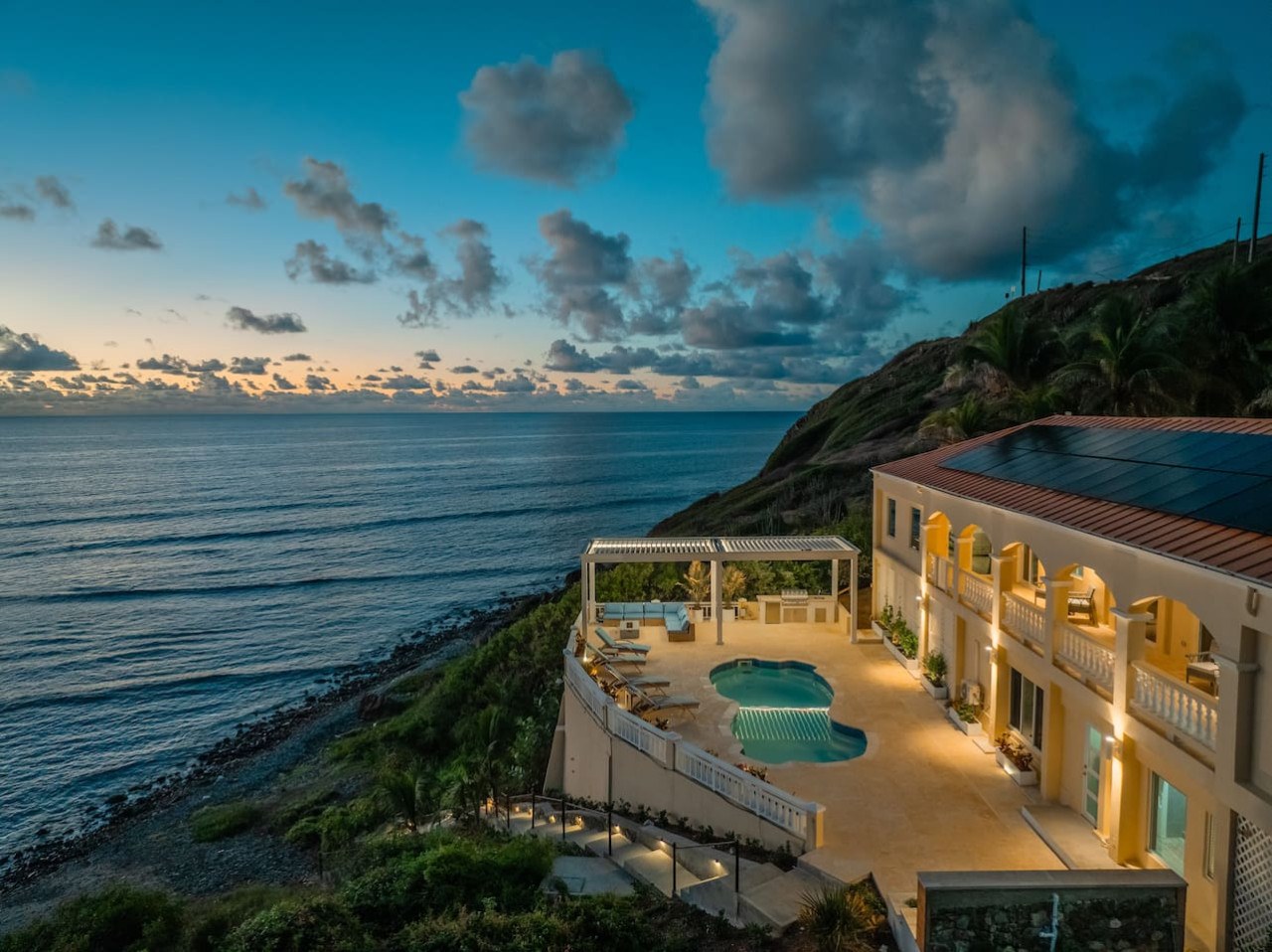 St. Croix · Vol. 2 · No. 10 · October 2026
St. Croix: Where To Sleep
On St. Croix, the place you stay shapes the days, whether it is a town, a condo resort, or a private villa.
St. Croix · Vol. 2 · No. 10 · October 2026
St. Croix: Where To Sleep
On St. Croix, the place you stay shapes the days, whether it is a town, a condo resort, or a private villa.
-
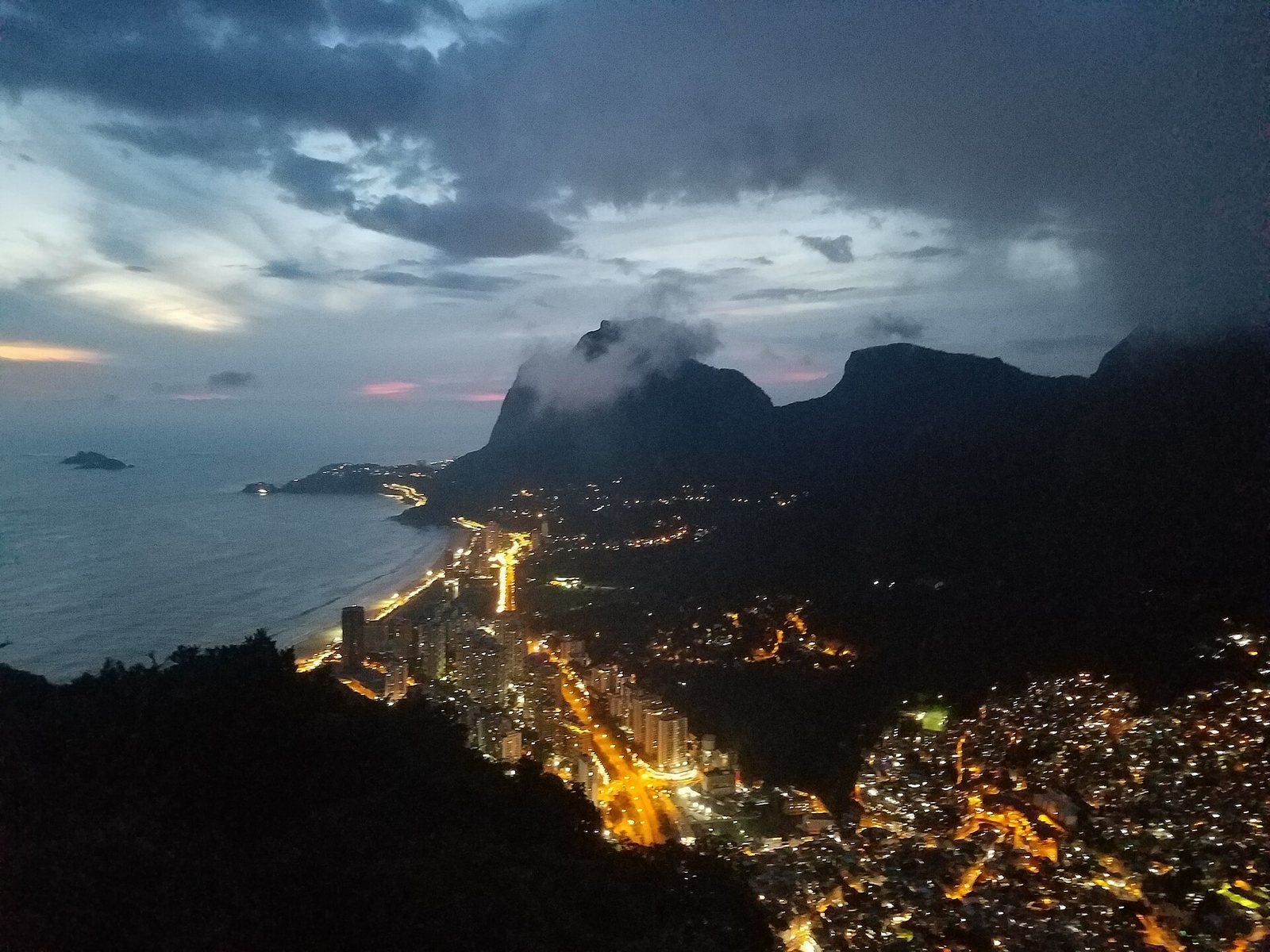 Morro dois irmaos hike view 1 · Sereia apaixonada · CC BY-SA 4.0 · cropped
Rio de Janeiro · Vol. 2 · No. 09 · September 2026
Rio: On the Sand or a Street Back
Choosing a neighbourhood in Rio de Janeiro shapes the entire trip, dictating beach access, quiet, views, and price.
Morro dois irmaos hike view 1 · Sereia apaixonada · CC BY-SA 4.0 · cropped
Rio de Janeiro · Vol. 2 · No. 09 · September 2026
Rio: On the Sand or a Street Back
Choosing a neighbourhood in Rio de Janeiro shapes the entire trip, dictating beach access, quiet, views, and price.
-
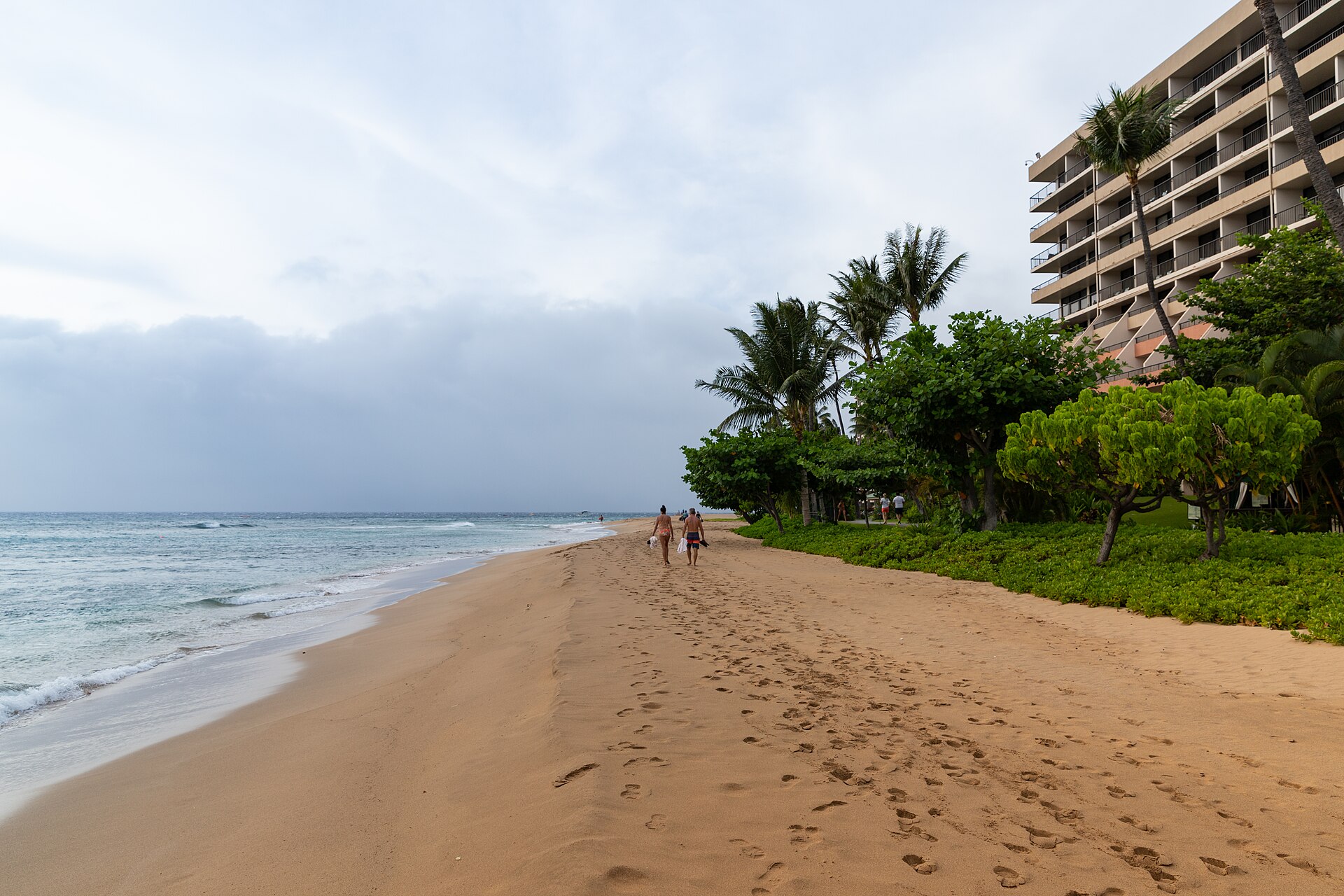 Ka'anapali Beach, Maui, Hawai'i · Rick Obst · CC BY 4.0 · cropped
Maui · Vol. 2 · No. 08 · August 2026
Maui Coasts: Where to Sleep
Deciding on South Maui or West Maui makes all the difference for a first trip, with options from value condos to full-service resorts.
Ka'anapali Beach, Maui, Hawai'i · Rick Obst · CC BY 4.0 · cropped
Maui · Vol. 2 · No. 08 · August 2026
Maui Coasts: Where to Sleep
Deciding on South Maui or West Maui makes all the difference for a first trip, with options from value condos to full-service resorts.
-
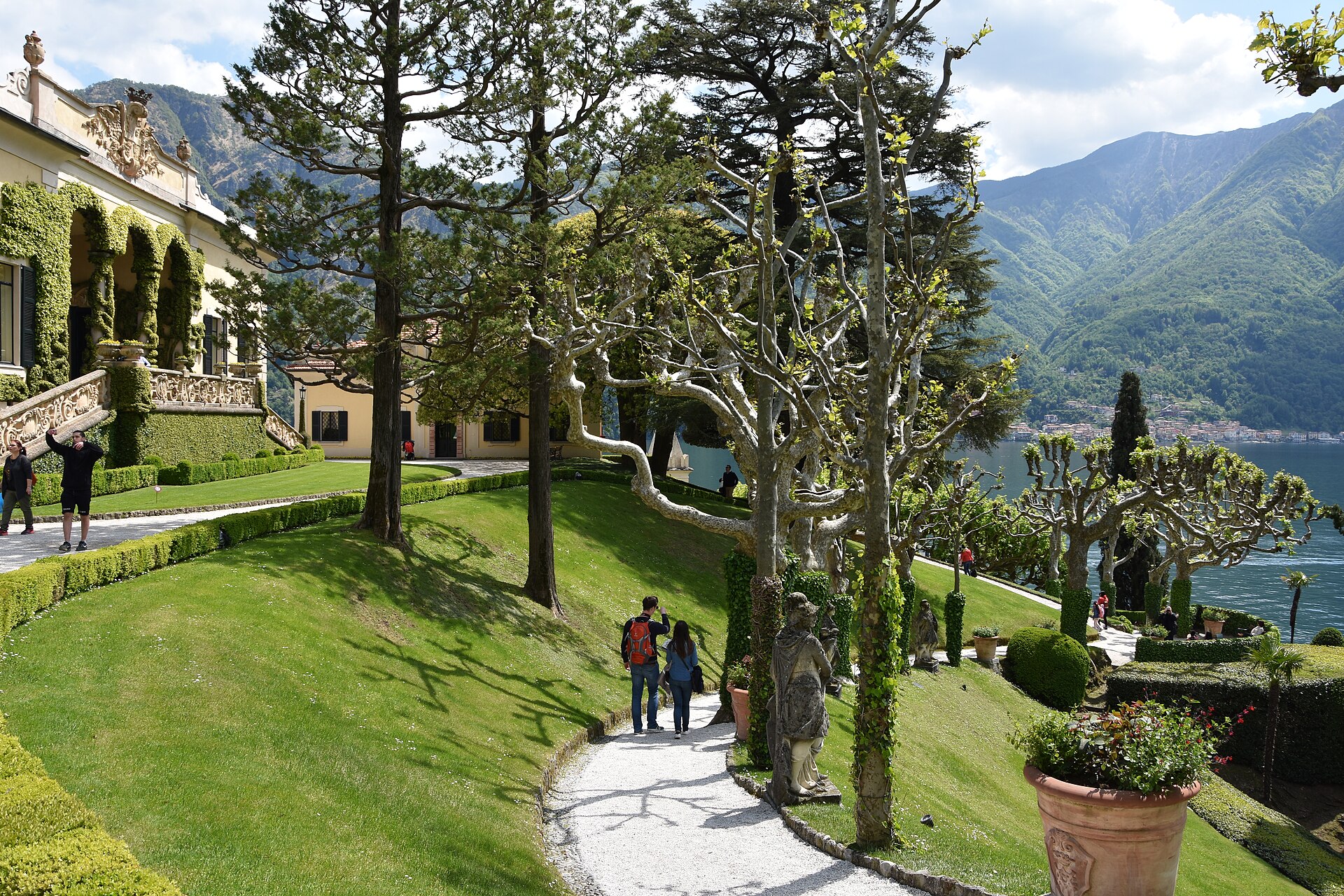 Lenno - Villa del Balbianello 0613 · Phyrexian · CC BY-SA 4.0 · cropped
Lake Como · Vol. 2 · No. 07 · July 2026
Lake Como: Which Town
The choice of your Lake Como base shapes your entire trip, from morning views to evening calm and how easily you move between villages.
Lenno - Villa del Balbianello 0613 · Phyrexian · CC BY-SA 4.0 · cropped
Lake Como · Vol. 2 · No. 07 · July 2026
Lake Como: Which Town
The choice of your Lake Como base shapes your entire trip, from morning views to evening calm and how easily you move between villages.
The columns, every month.
One considered letter when a new issue lands: the cover story, the four columns, and the month's news.
Comments