This issue's two covers
Amorielli
- 1The RoomLodge, hotel, farmhouse
- 2The TableChillies as a vegetable
- 3The ArrivalThe landing into Paro
- 4The DetourCranes in the Phobjikha valley
$100
The nightly fee that keeps Bhutan rare.
Amorielli
- 1The RoomLodge, hotel, farmhouse
- 2The TableChillies as a vegetable
- 3The ArrivalThe landing into Paro
- 4The DetourCranes in the Phobjikha valley
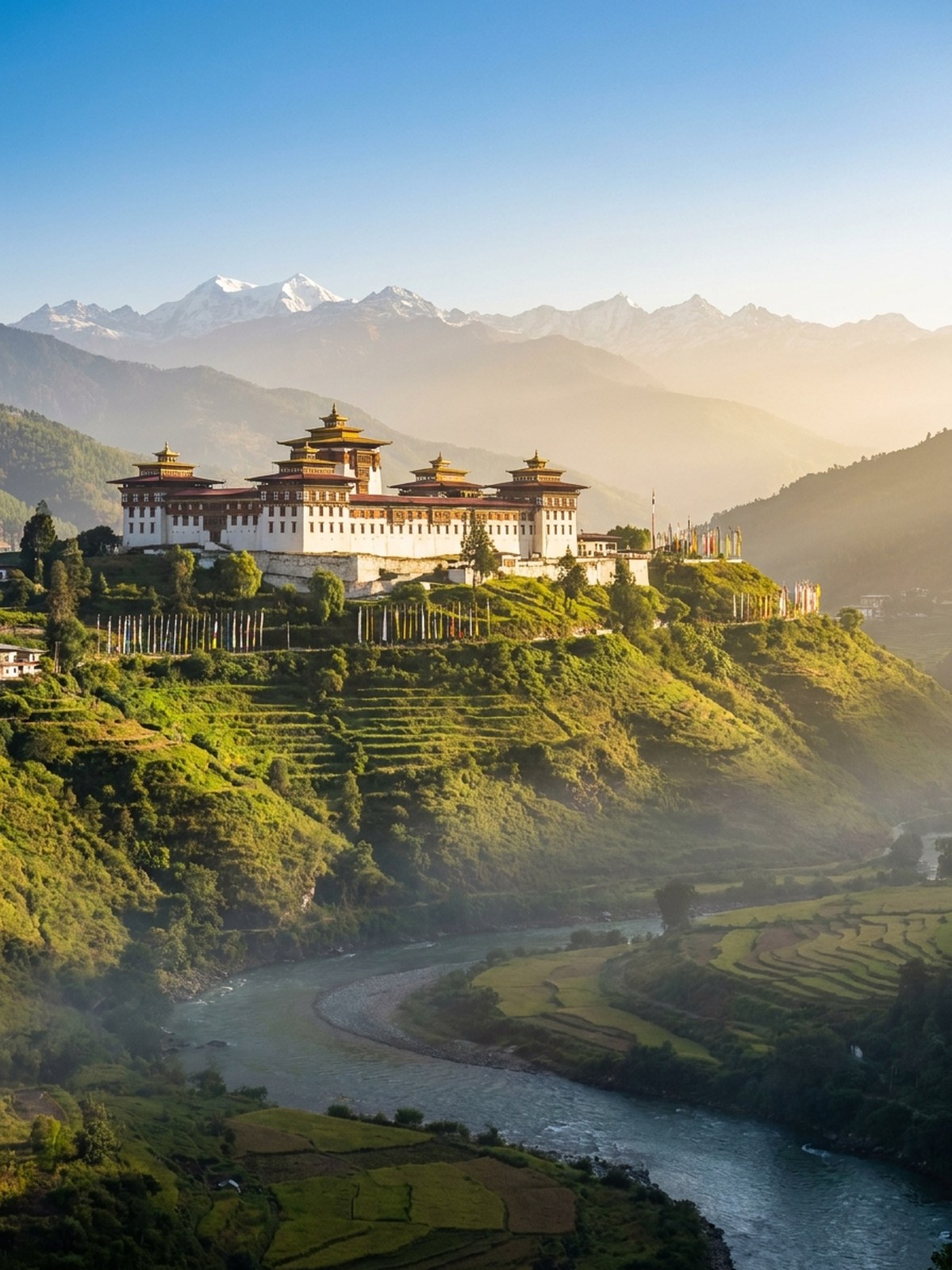
We begin the Himalayan Issue in the one country that has decided fewer visitors is the point. Bhutan reopened its post-monsoon skies this month, and October is when it shows itself: the peaks return over the Dochula pass, the valleys dry out, and the masked festivals fill the dzongs. It is also the month the arithmetic bites hardest, because the Sustainable Development Fee — around a hundred US dollars a night for most of us — is charged every day you are there. We wanted to look at both the country and its price plainly.
This issue is built around a single, unhurried week in the west. We land at Paro, the only international airport, and work east through Thimphu, over the pass to Punakha's great river-fortress, and out to the high, open bowl of Phobjikha. That is four valleys, two or three beds, and a pace set by mountain roads that measure distance in hours. We have left the central valleys, Bumthang above all, for a second trip. Trying to fold them in is the commonest way to turn a good week into a long drive.
We are firm about a few things. The famous views are a seasonal privilege, absent for much of the summer, and October buys them. The Tiger's Nest is a real climb, best saved for the end when your lungs have caught up. The top lodges — Amankora, Six Senses, COMO among them — are expensive, and the family-run hotels most travellers actually use are warmer than their price suggests. And the fee is what keeps the valleys from filling up.
A word on how we travel here. Bhutan has loosened its old rules, but for a first visit a licensed guide and driver remain the sensible way through, and the country repays the deference — a festival watched as a guest, the temple etiquette kept without fuss. Settle into the place for seven days, count each one because you are paying for it, and you come away having seen a country that chose to stay rare. That is the whole issue, really.
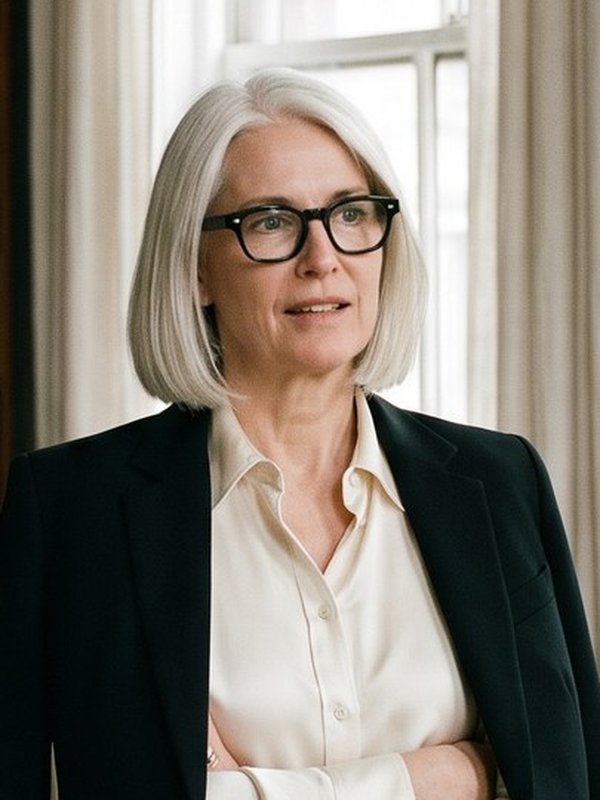
Vivienne Hartwell, Editor-in-Chief
The contents
- Front of bookp.
-
The Room
6
Bhutan Lodges, Hotels, Farmhouses
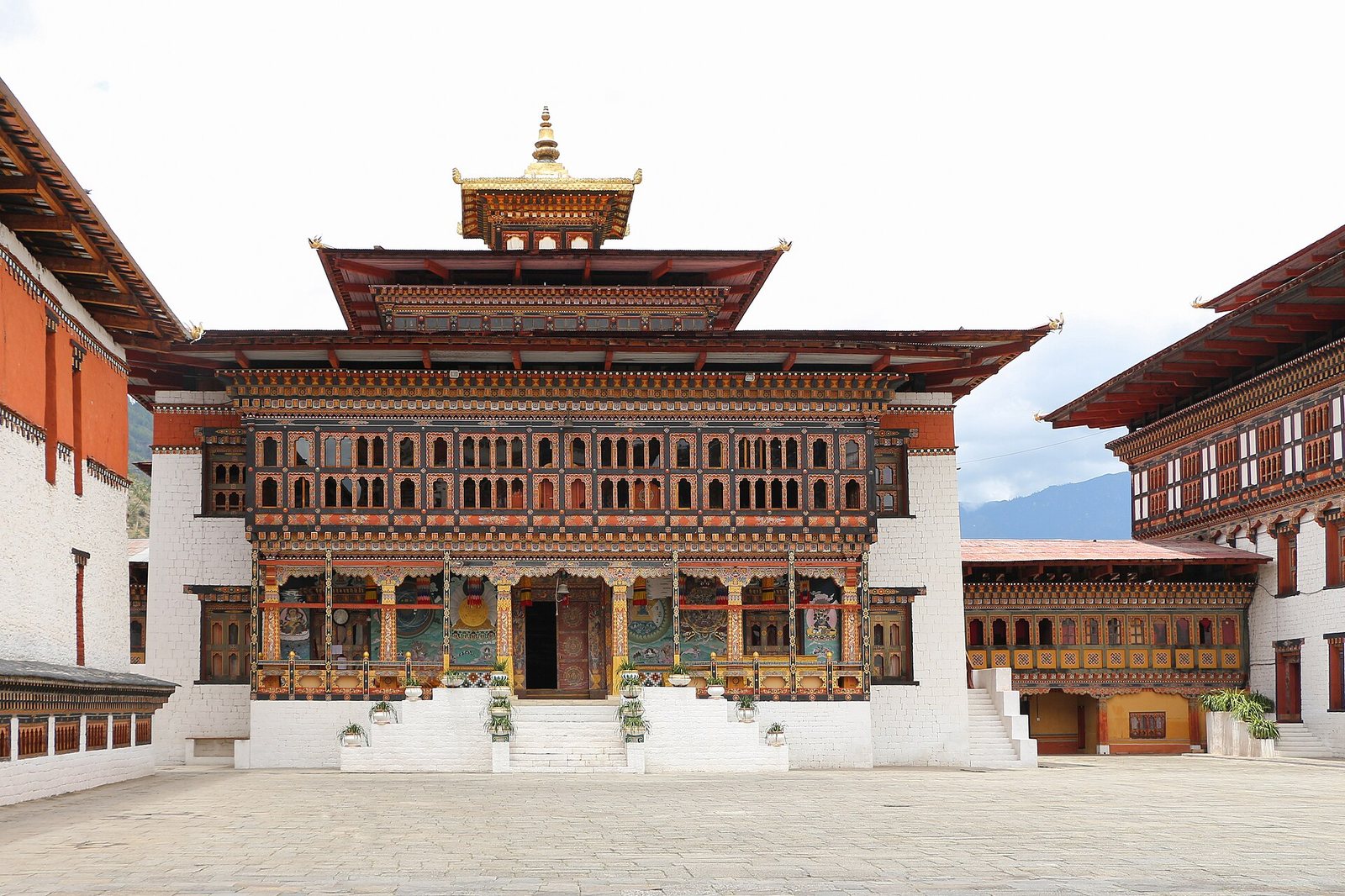
Choosing accommodation in Bhutan involves three distinct types, each with its own character and price, all impacted by the country's daily Sustainable Development Fee.
-
The Table
9
Bhutanese Chillies and Mountain Meals
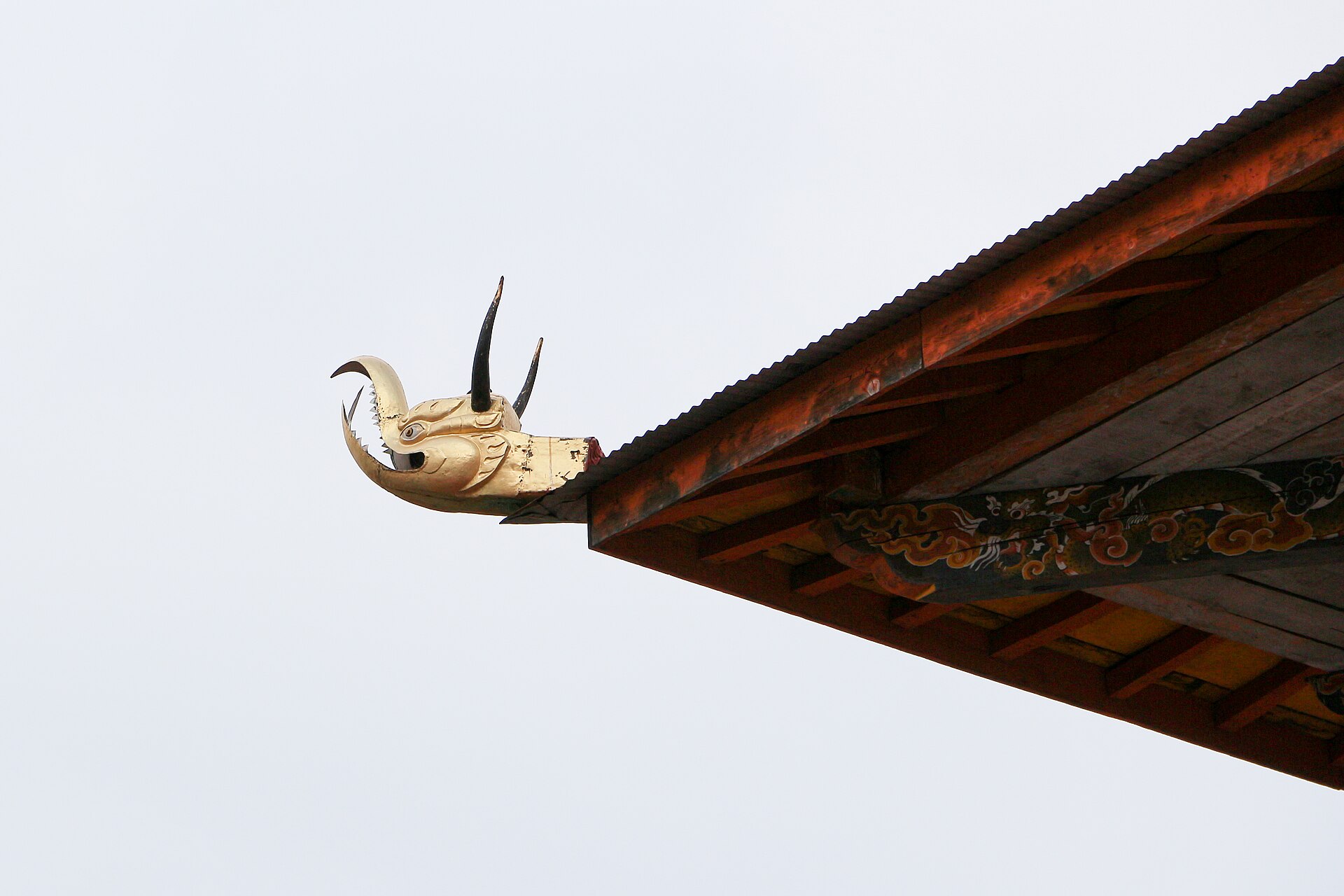
Eating in Bhutan means understanding the chilli as a dish, and asking kitchens to prepare it the way locals do.
-
The Arrival
11
Paro Airport Approach
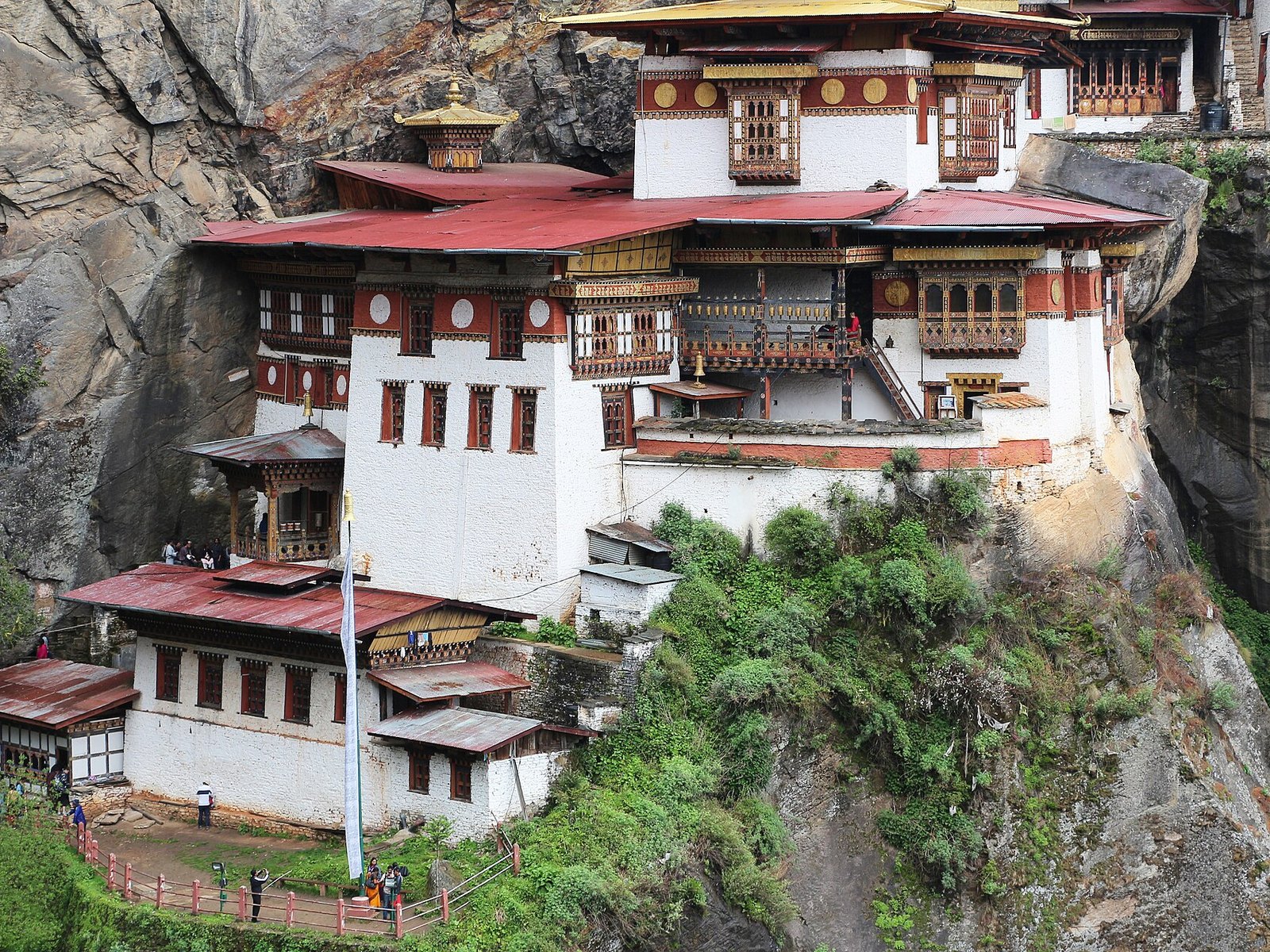
Flying into Bhutan means landing at Paro, a unique mountain approach that demands careful flight planning and a buffer for your connections.
-
The Detour
13
Phobjikha Valley Cranes
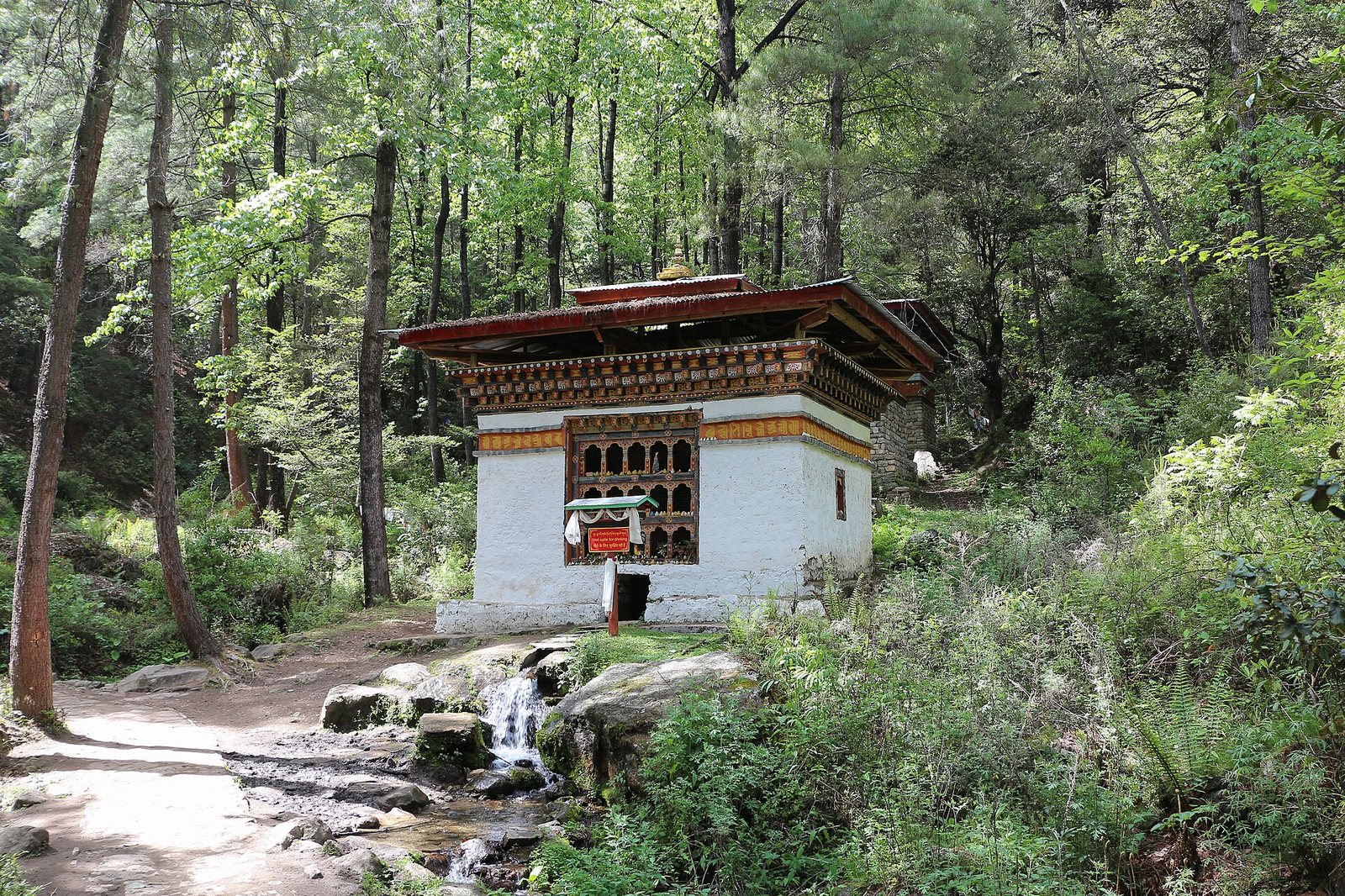
A half-day beyond Punakha, the high, open Phobjikha valley offers a quiet respite, especially when black-necked cranes arrive for winter.
- Features
-
On the cover
15
Bhutan
A week in the western valleys after the monsoon, when the skies clear, the dzongs fill for festival season, and the cranes come back to Phobjikha.
Photo Taktsang Monastery, Bhutan 01 · Bernard Gagnon · CC BY-SA 4.0 · cropped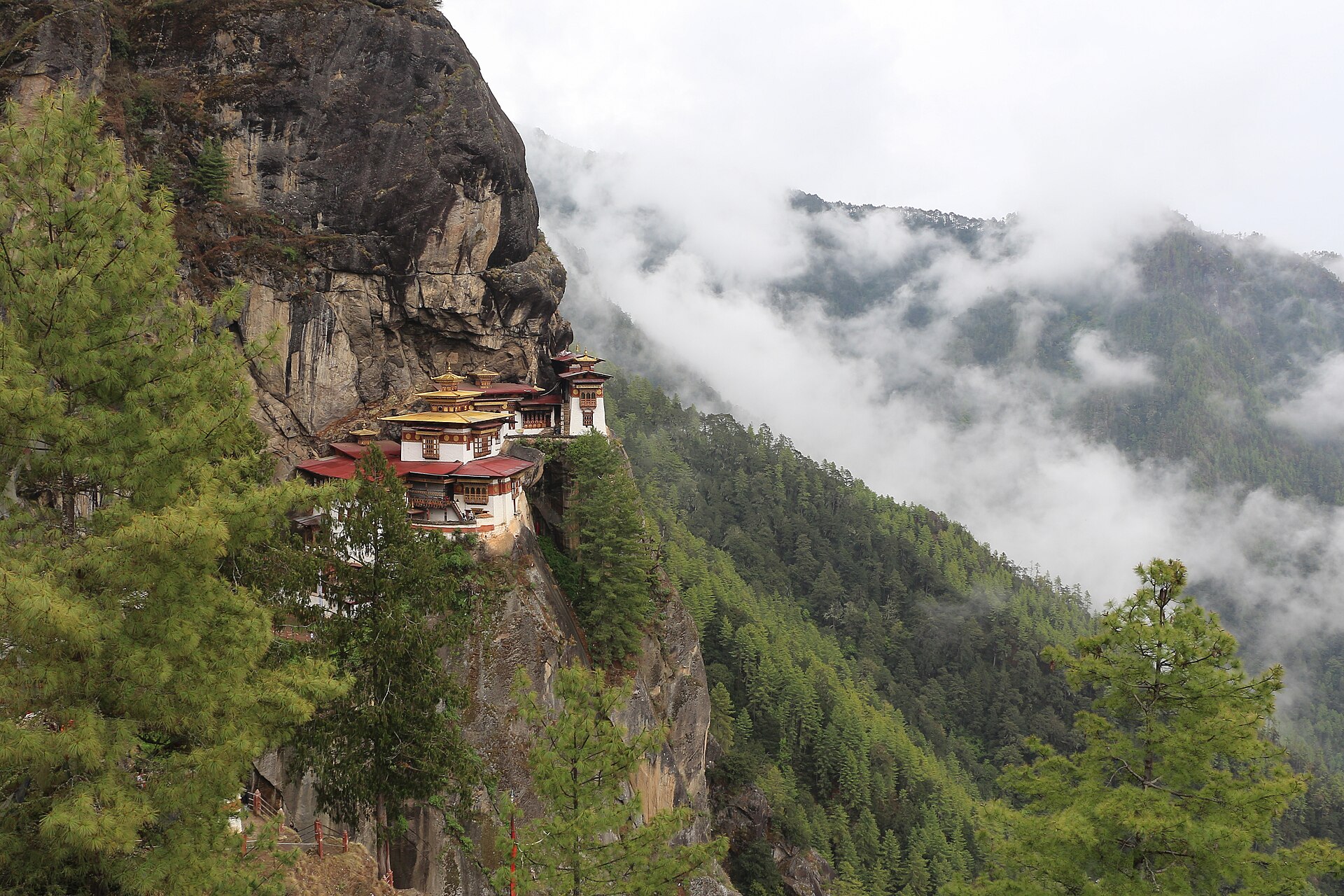
- Portfolio
-
In pictures
25
Bhutan in pictures
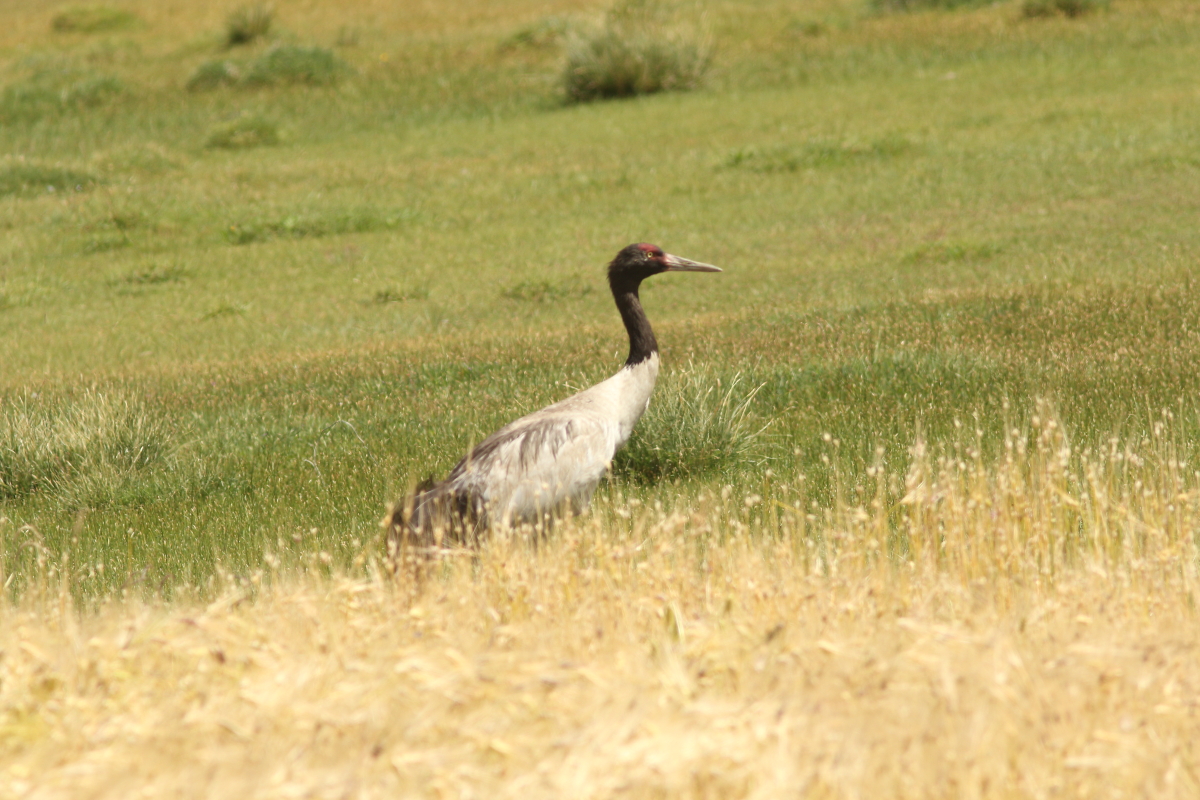
7 photographs from the cover story, printed large, with their captions.
- The Wirefrom p. 30
- The desk
No stories were filed to this issue; The Wire began in July 2026.
Never miss an issue.
One considered letter when a new issue lands: the cover story, the columns, and the month's news.