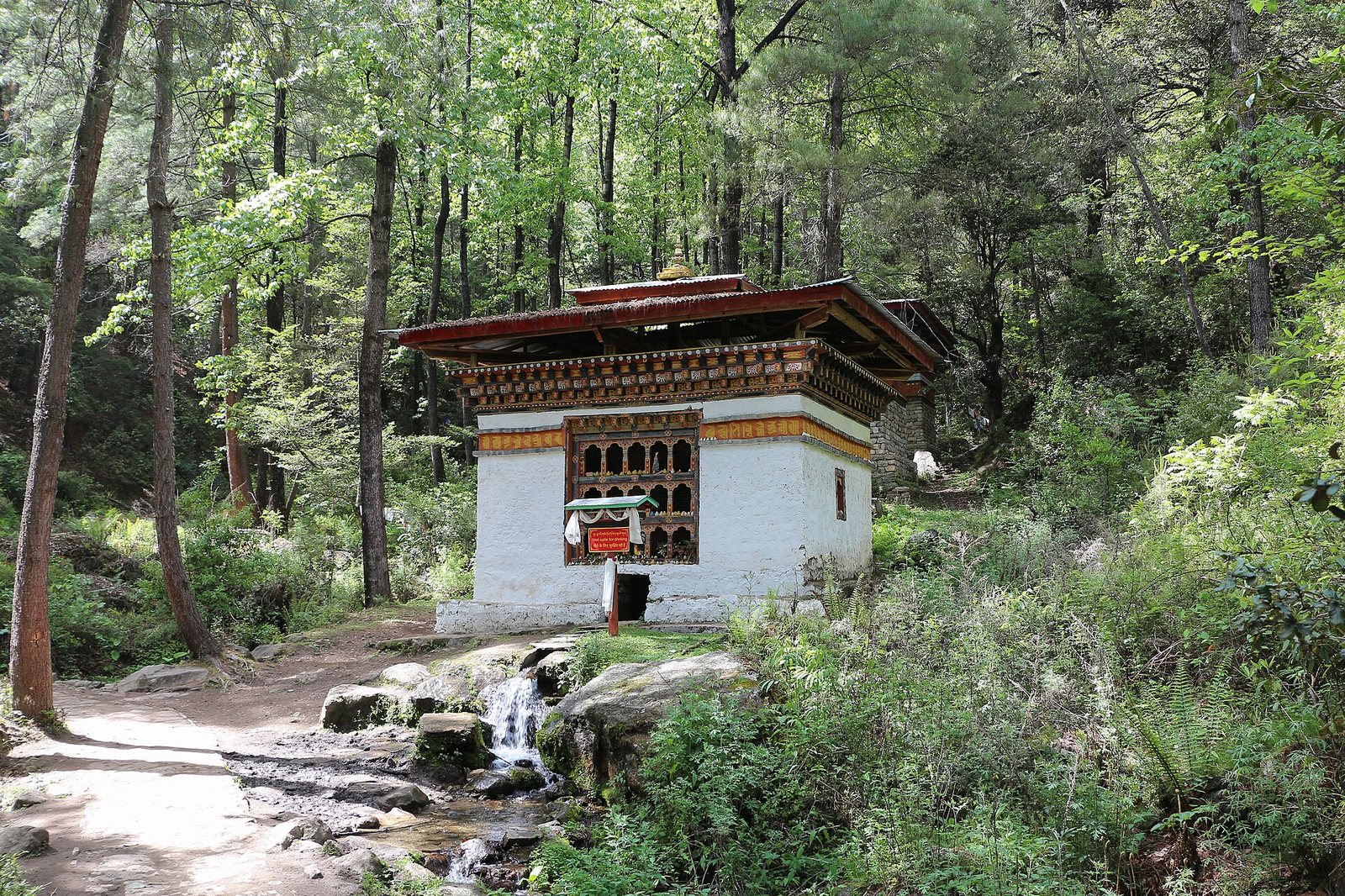
Paro Taktsang trail 08 · Bernard Gagnon · CC BY-SA 4.0 · cropped
Phobjikha Valley Cranes
A half-day beyond Punakha, the high, open Phobjikha valley offers a quiet respite, especially when black-necked cranes arrive for winter.
A half-day drive east from Punakha takes you to a different kind of valley. Punakha sits low and warm, but the road climbs, opening onto the high, wide bowl of Phobjikha. This is one of the four key valleys in Bhutan’s west, and for good reason: it is the winter home of the black-necked cranes. These birds make their annual migration from the Tibetan plateau, beginning their descent into Phobjikha from late October and continuing into November. Their arrival marks a quiet shift in the landscape, a natural event that draws a particular kind of visitor.
The Phobjikha valley, also known as Gangtey, is a distinct change of register from the fortress-monasteries and river valleys found further west. It is a glacial, marshy bowl at altitude, treeless and open, with the Gangtey monastery perched on a low hill at one end. The emptiness here is its own reward, a vast expanse of sky and land that encourages a slower breath. A small nature centre in the valley serves as an observational point for the cranes, providing information on their movements and ensuring they are undisturbed.
When the cranes begin to arrive in numbers, usually in November, a low crane festival is held at Gangtey monastery to mark their return. While the birds are the draw for many, the valley's character holds its appeal even out of season. The Gangtey Nature Trail, for instance, offers a gentle and short walk through this unique landscape, allowing for quiet contemplation of its scale. It is a place that feels remote, yet is easily accessible as an extension of a western Bhutan itinerary.
Adding Phobjikha to your journey beyond Punakha pays back in full, especially in late autumn. Bhutan’s distances are measured in hours, not kilometres, and this half-day drive is a testament to that. The valley’s quiet, open nature provides a counterpoint to the more structured experiences of the dzongs and towns. It offers a chance to settle into the country’s natural rhythms, to see a different facet of its landscape and its commitment to conservation. This kind of deliberate itinerary, moving from valley to valley in stages, is how the country is best travelled.
The decision to include Phobjikha is a sensible one for those building a relaxed week in the west. It ensures that the pace remains unhurried, allowing time to absorb the distinct character of each region. The journey there, over mountain roads, is part of the experience, leading to a valley whose very emptiness makes the drive worthwhile.
From Vol. 0 · No. 10 · October 2024, The Himalayan Issue. The cover story is Bhutan. Details change; confirm specifics with the property before you travel.
More from the column
-
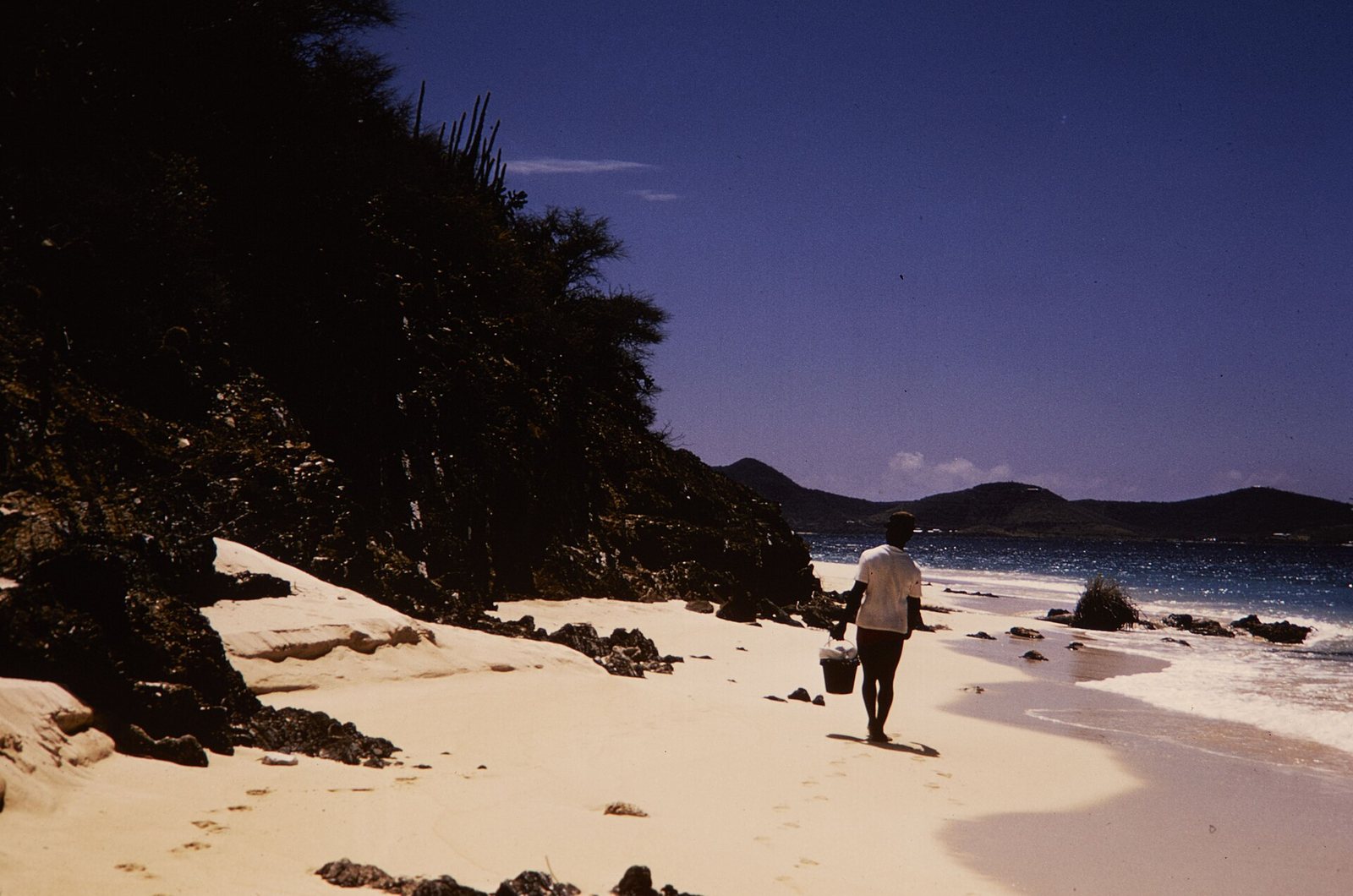 St. Croix · Vol. 2 · No. 10 · October 2026
Buck Island: St. Croix’s Reef Monument
A boat trip to Buck Island Reef National Monument offers an underwater snorkel trail and a stop at Turtle Beach.
St. Croix · Vol. 2 · No. 10 · October 2026
Buck Island: St. Croix’s Reef Monument
A boat trip to Buck Island Reef National Monument offers an underwater snorkel trail and a stop at Turtle Beach.
-
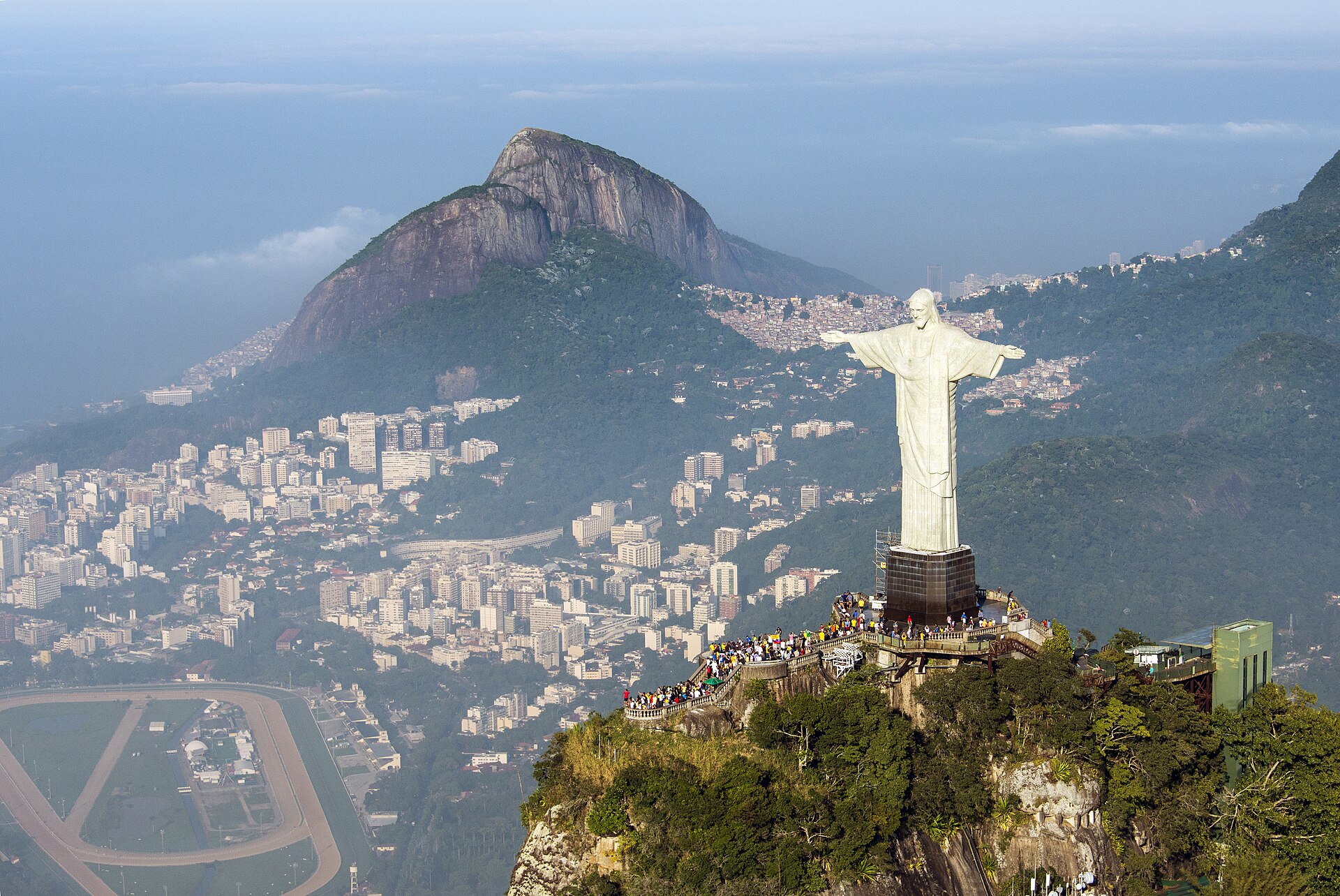 1 cristor redentor 2014 · Chensiyuan · CC BY-SA 4.0 · cropped
Rio de Janeiro · Vol. 2 · No. 09 · September 2026
Rio's Clear-Day Ascents
Plan two essential Rio climbs around the weather for views of the city and coast.
1 cristor redentor 2014 · Chensiyuan · CC BY-SA 4.0 · cropped
Rio de Janeiro · Vol. 2 · No. 09 · September 2026
Rio's Clear-Day Ascents
Plan two essential Rio climbs around the weather for views of the city and coast.
-
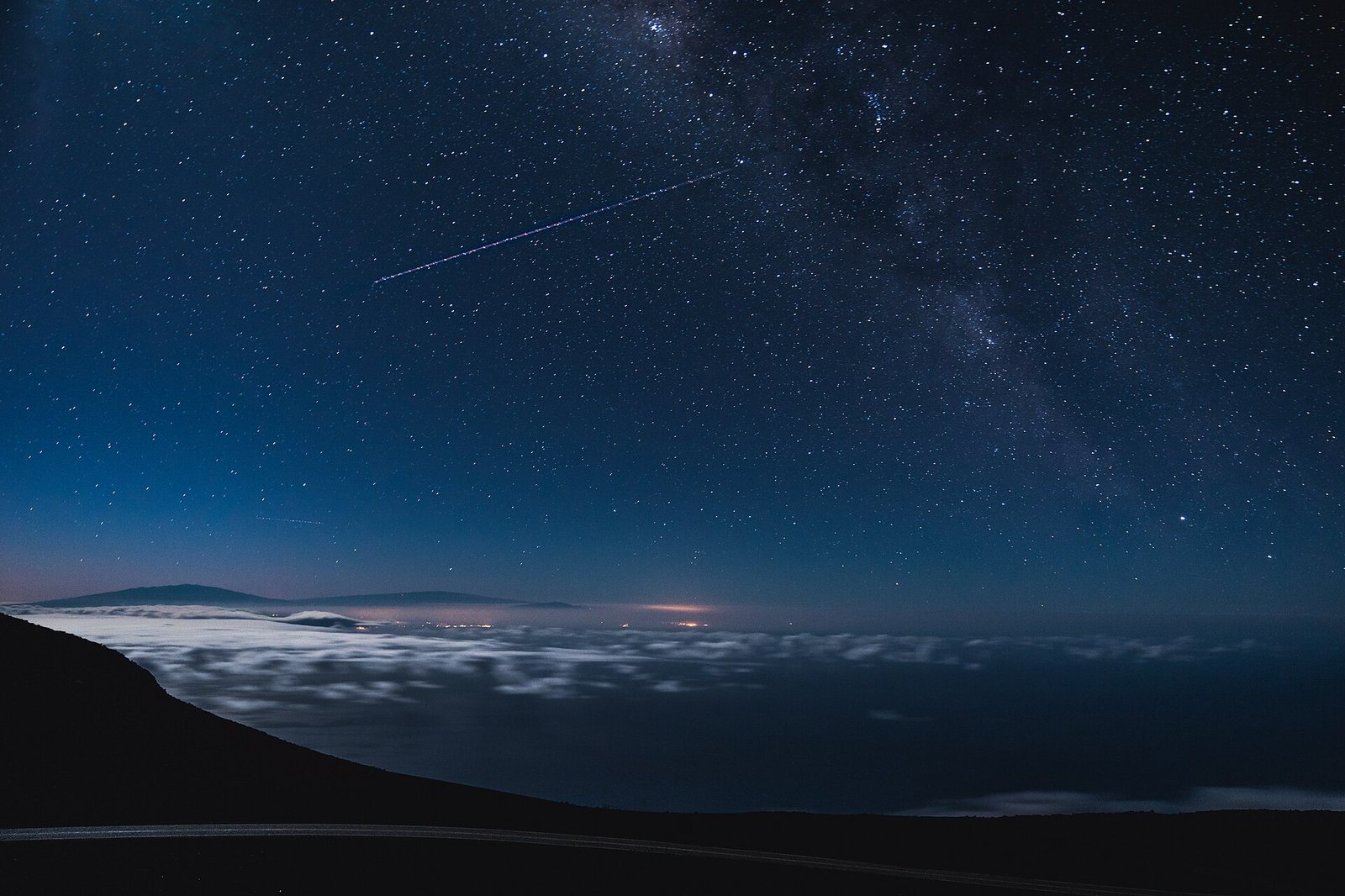 Maui · Vol. 2 · No. 08 · August 2026
Maui's Two Big Drives
Maui's two signature drives, Haleakalā's summit and the Road to Hāna, are full days out, each requiring early starts and a full tank.
Maui · Vol. 2 · No. 08 · August 2026
Maui's Two Big Drives
Maui's two signature drives, Haleakalā's summit and the Road to Hāna, are full days out, each requiring early starts and a full tank.
-
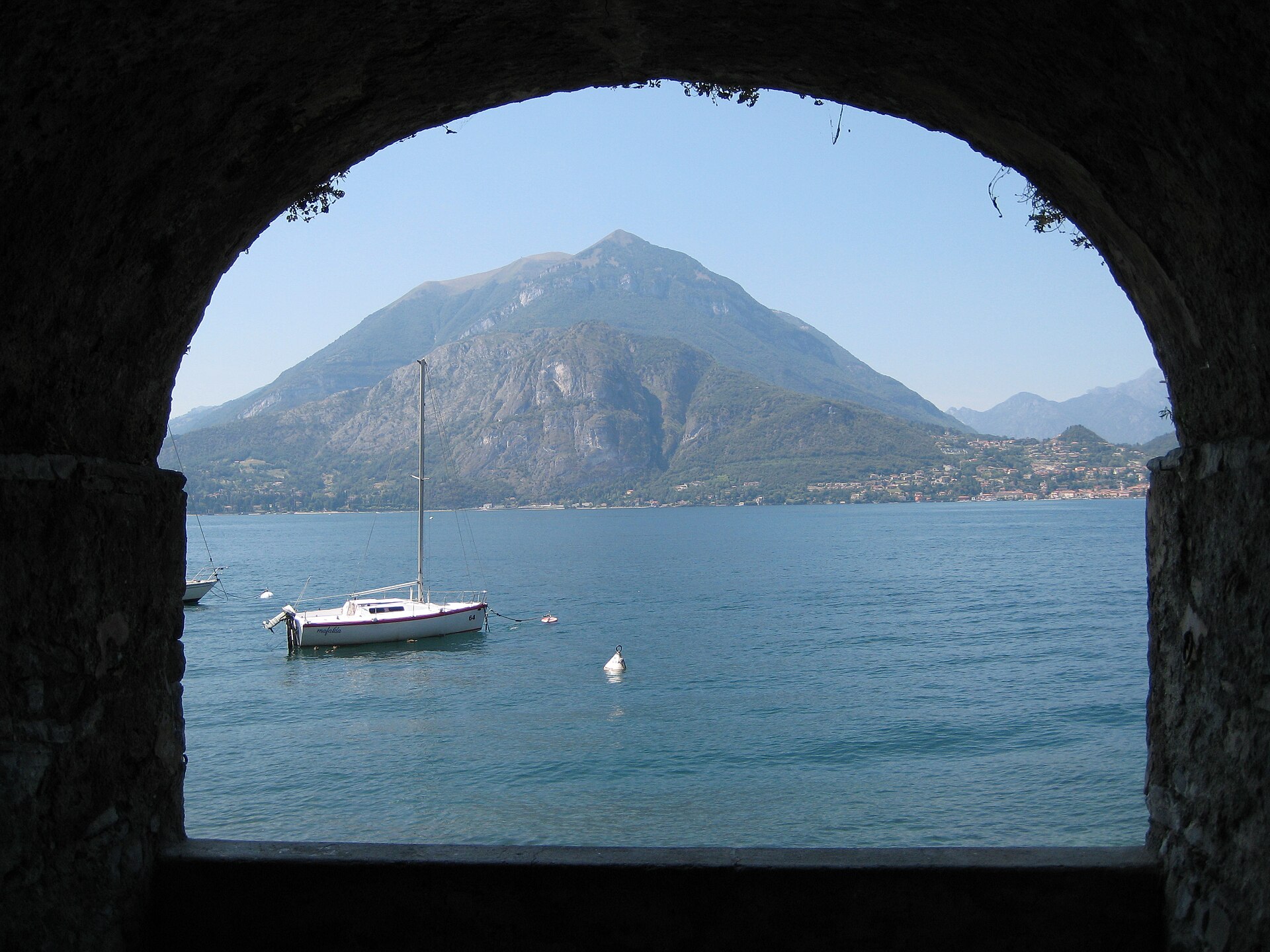 Lake Como from Varenna 01 · Aconcagua · CC BY-SA 3.0 · cropped
Lake Como · Vol. 2 · No. 07 · July 2026
Western Shore Gardens
Leaving your base for a boat day to Villa del Balbianello and Villa Carlotta reveals the cultivated beauty of Lake Como's western shore.
Lake Como from Varenna 01 · Aconcagua · CC BY-SA 3.0 · cropped
Lake Como · Vol. 2 · No. 07 · July 2026
Western Shore Gardens
Leaving your base for a boat day to Villa del Balbianello and Villa Carlotta reveals the cultivated beauty of Lake Como's western shore.
The columns, every month.
One considered letter when a new issue lands: the cover story, the four columns, and the month's news.
Comments