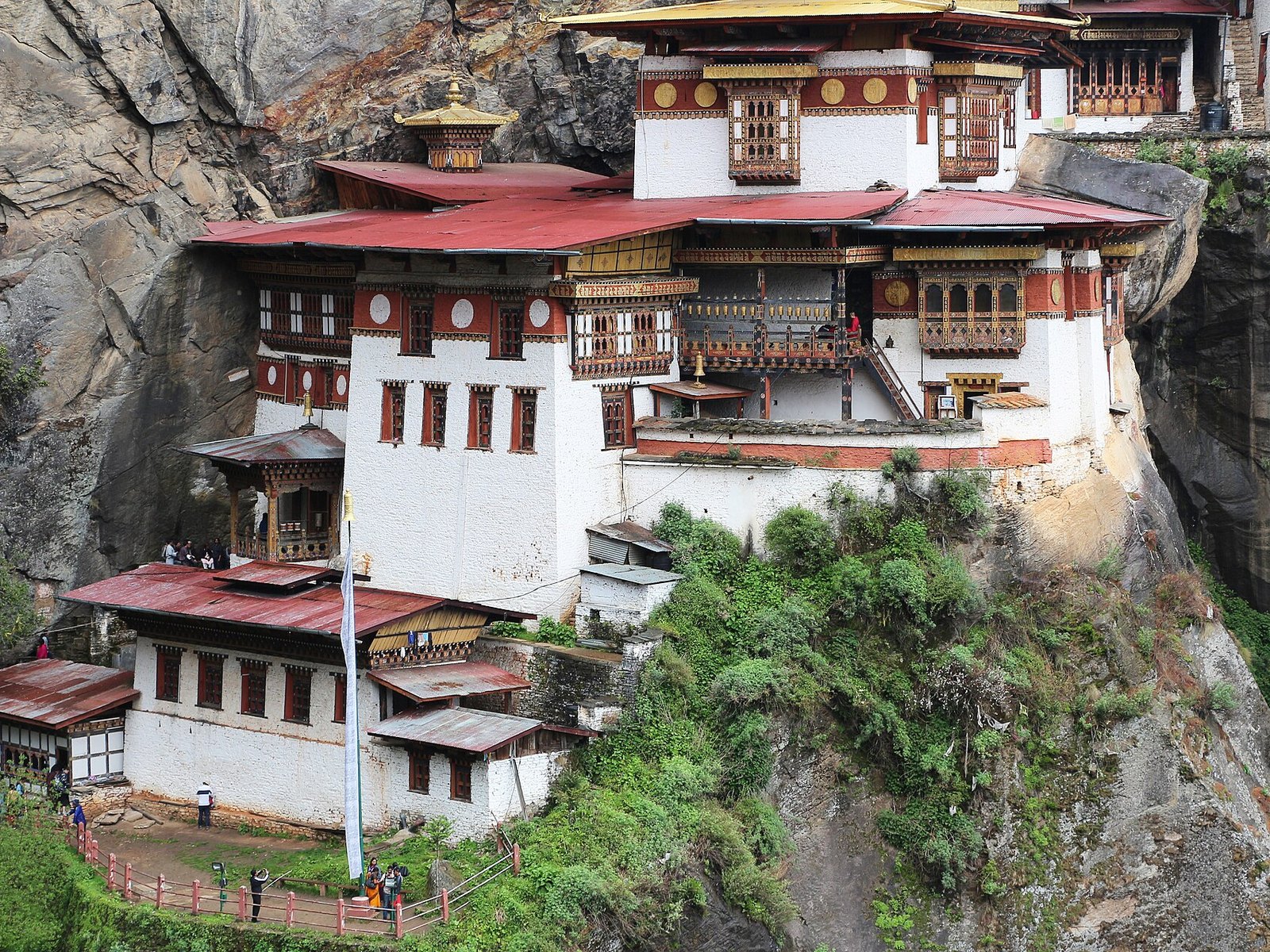
Taktsang Monastery, Bhutan 05 · Bernard Gagnon · CC BY-SA 4.0 · cropped
Paro Airport Approach
Flying into Bhutan means landing at Paro, a unique mountain approach that demands careful flight planning and a buffer for your connections.
The landing into Paro is unlike almost any other international arrival. Bhutan’s single international airport sits in a valley at around 2,200 metres, ringed by peaks. Only two airlines, Drukair and Bhutan Airlines, fly into it, connecting Paro to a short list of regional cities such as Delhi, Kolkata, Kathmandu, Bangkok, and Singapore. The approach itself is flown manually, in daylight, by specially certified crews who thread between the mountains. It is a routine for those who do it, and it is safe, but it is also a dramatic entry to the country.
That flight path means the landing is weather-dependent. Flights can be delayed or shuffled when cloud closes the valley. This is not a country for last-minute travel. The network of flights is thin, and seats in October, the clearest and busiest month, are tight. Sort your international flights early, months ahead, and treat the Paro leg as the fixed point everything else bends around. This applies to your outbound journey as well. Building a buffer into your plans is not a suggestion; it is a practical necessity.
Never schedule a tight onward connection out of Paro on the same day you need to catch an intercontinental flight home. Give yourself a night’s slack at each end of the trip. The mountains demand this flexibility. The country’s tourism policy, which it calls ‘high-value, low-volume’, means that even in its busiest month, the total number of beds is small by design. This is also why a week in Bhutan is best approached as a slow, deliberate itinerary, not a checklist to rush through.
Once you are in the country, you move by road, almost certainly with a driver and a licensed guide. Distances here are measured in hours, not kilometres, and the roads are mountain roads: winding, slow, and prone to the occasional landslip. For a first visit, the sensible route is to work with a licensed Bhutanese tour operator who handles the logistics. This ensures a relaxed pace through the western valleys, from Paro to Thimphu, over the Dochula pass to Punakha, and perhaps out to Phobjikha. Hurrying is the mistake.
From Vol. 0 · No. 10 · October 2024, The Himalayan Issue. The cover story is Bhutan. Details change; confirm specifics with the property before you travel.
More from the column
-
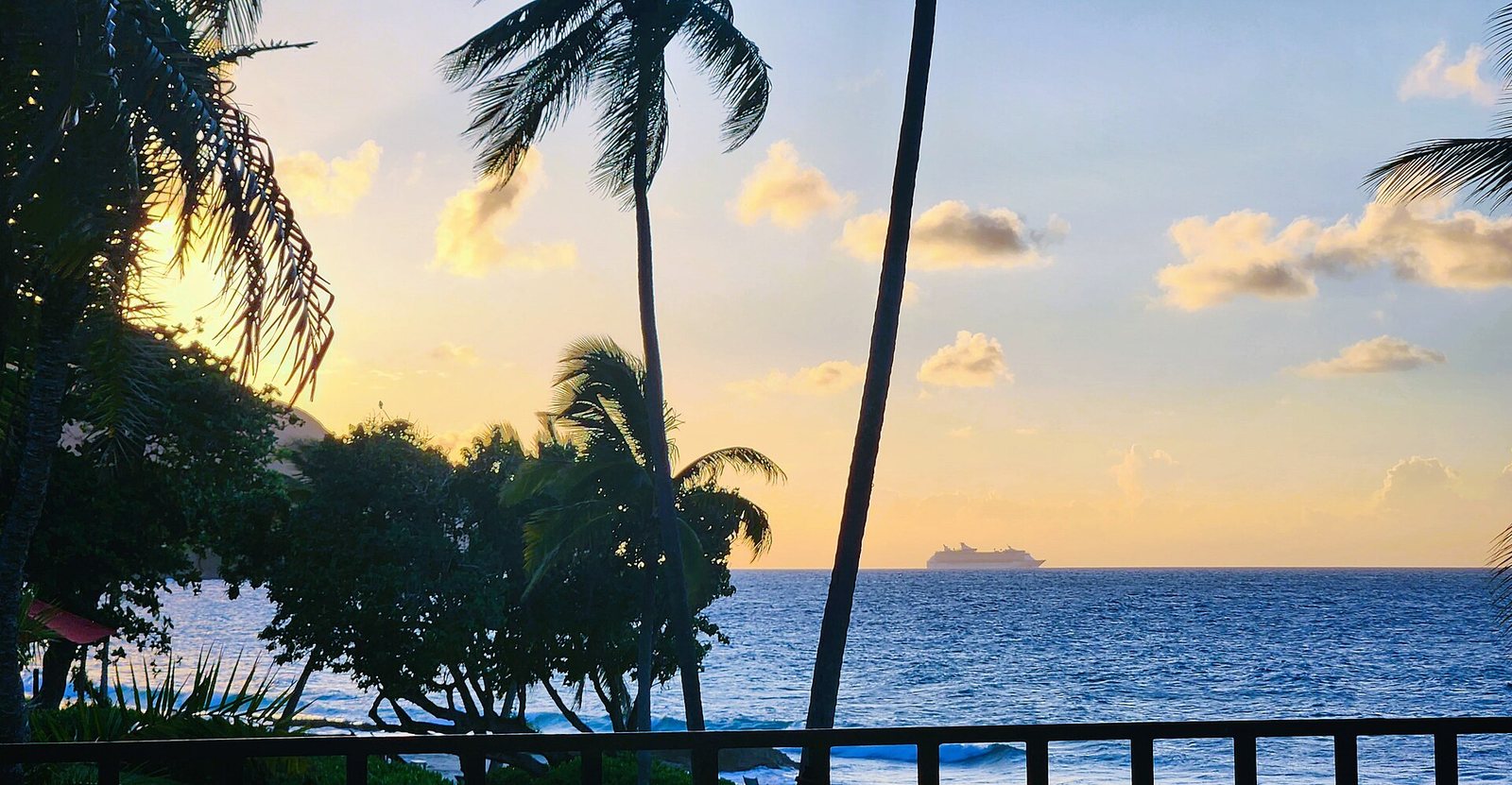 CruiseDeparts20230926 175523 · CaptJayRuffins · CC BY-SA 4.0 · cropped
St. Croix · Vol. 2 · No. 10 · October 2026
St. Croix Arrivals and Roads
Getting to St. Croix is simple for U.S. citizens, but navigating the island requires a rental car and an understanding of its unique driving rules.
CruiseDeparts20230926 175523 · CaptJayRuffins · CC BY-SA 4.0 · cropped
St. Croix · Vol. 2 · No. 10 · October 2026
St. Croix Arrivals and Roads
Getting to St. Croix is simple for U.S. citizens, but navigating the island requires a rental car and an understanding of its unique driving rules.
-
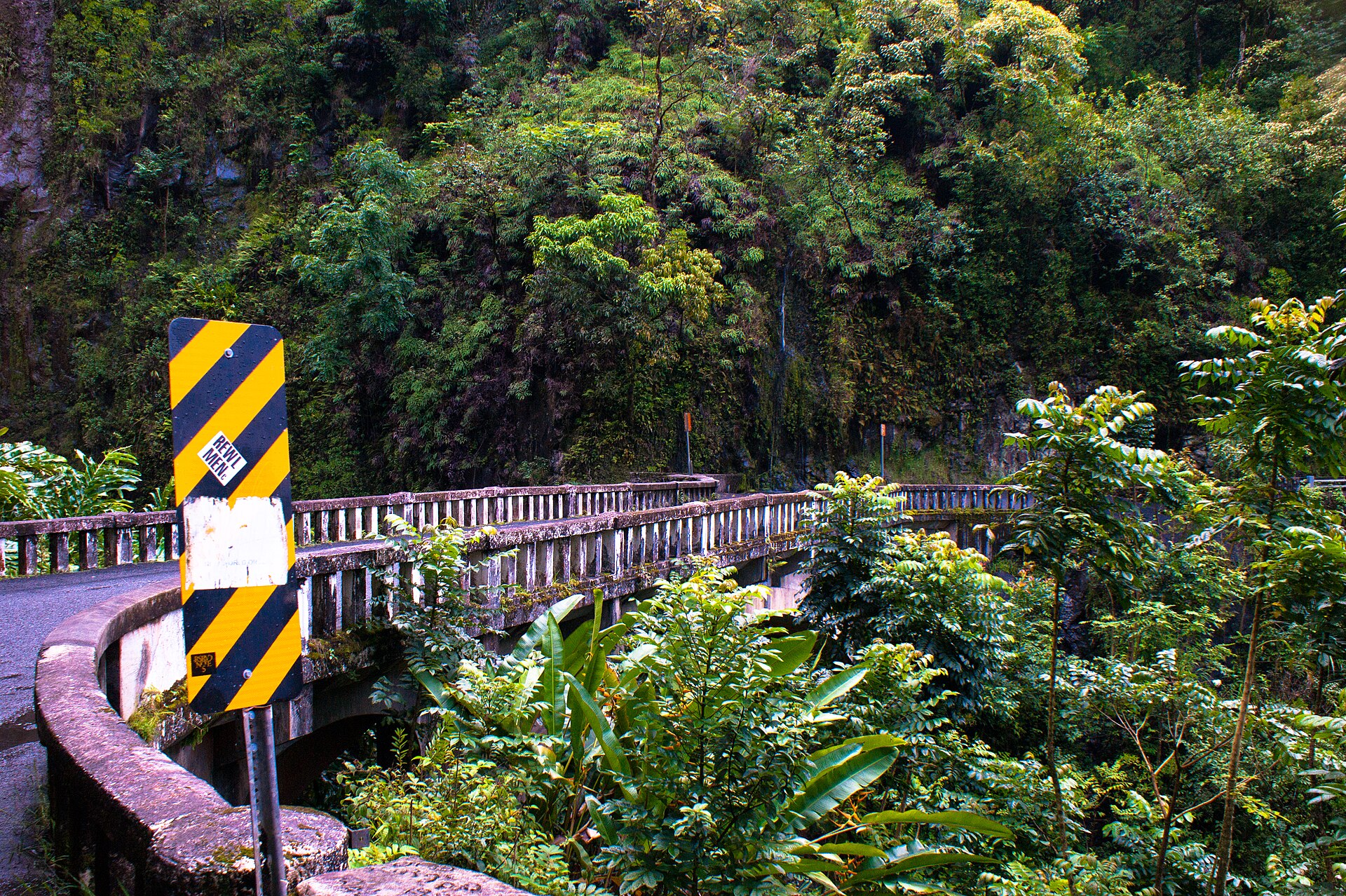 Bridge on Hana Highway · Jonathanking · CC BY-SA 3.0 · cropped
Maui · Vol. 2 · No. 08 · August 2026
Maui: Kahului, Then a Car
Arriving on Maui means a flight to Kahului, followed by an essential rental car for getting around the island.
Bridge on Hana Highway · Jonathanking · CC BY-SA 3.0 · cropped
Maui · Vol. 2 · No. 08 · August 2026
Maui: Kahului, Then a Car
Arriving on Maui means a flight to Kahului, followed by an essential rental car for getting around the island.
-
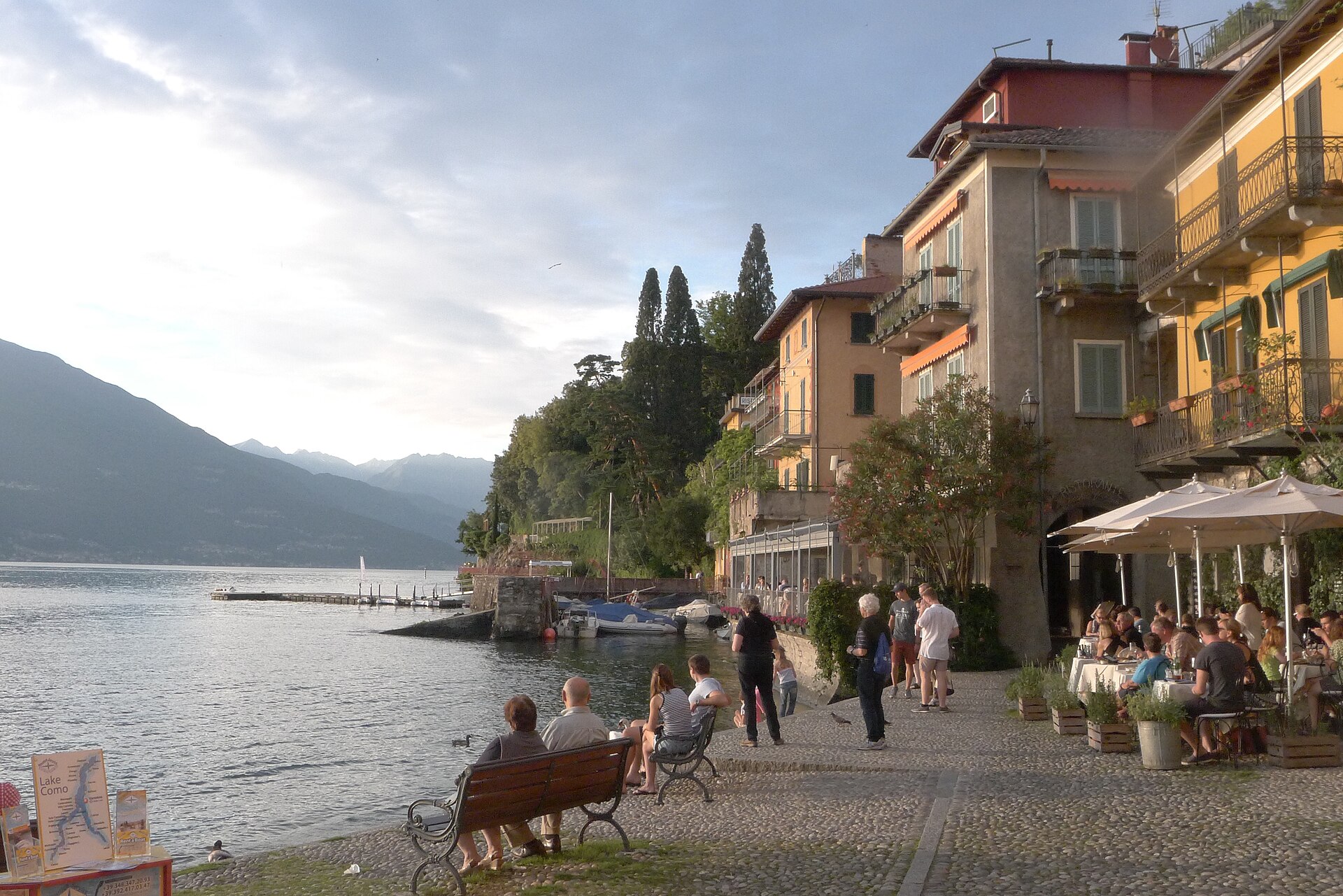 Varenna Italy, waterfront at sunset · Jmatazzoni · CC BY-SA 4.0 · cropped
Lake Como · Vol. 2 · No. 07 · July 2026
Getting Around Lake Como by Boat
Forget the narrow roads; basing in the mid-lake and using the frequent car and passenger ferries turns travel into pleasure.
Varenna Italy, waterfront at sunset · Jmatazzoni · CC BY-SA 4.0 · cropped
Lake Como · Vol. 2 · No. 07 · July 2026
Getting Around Lake Como by Boat
Forget the narrow roads; basing in the mid-lake and using the frequent car and passenger ferries turns travel into pleasure.
-
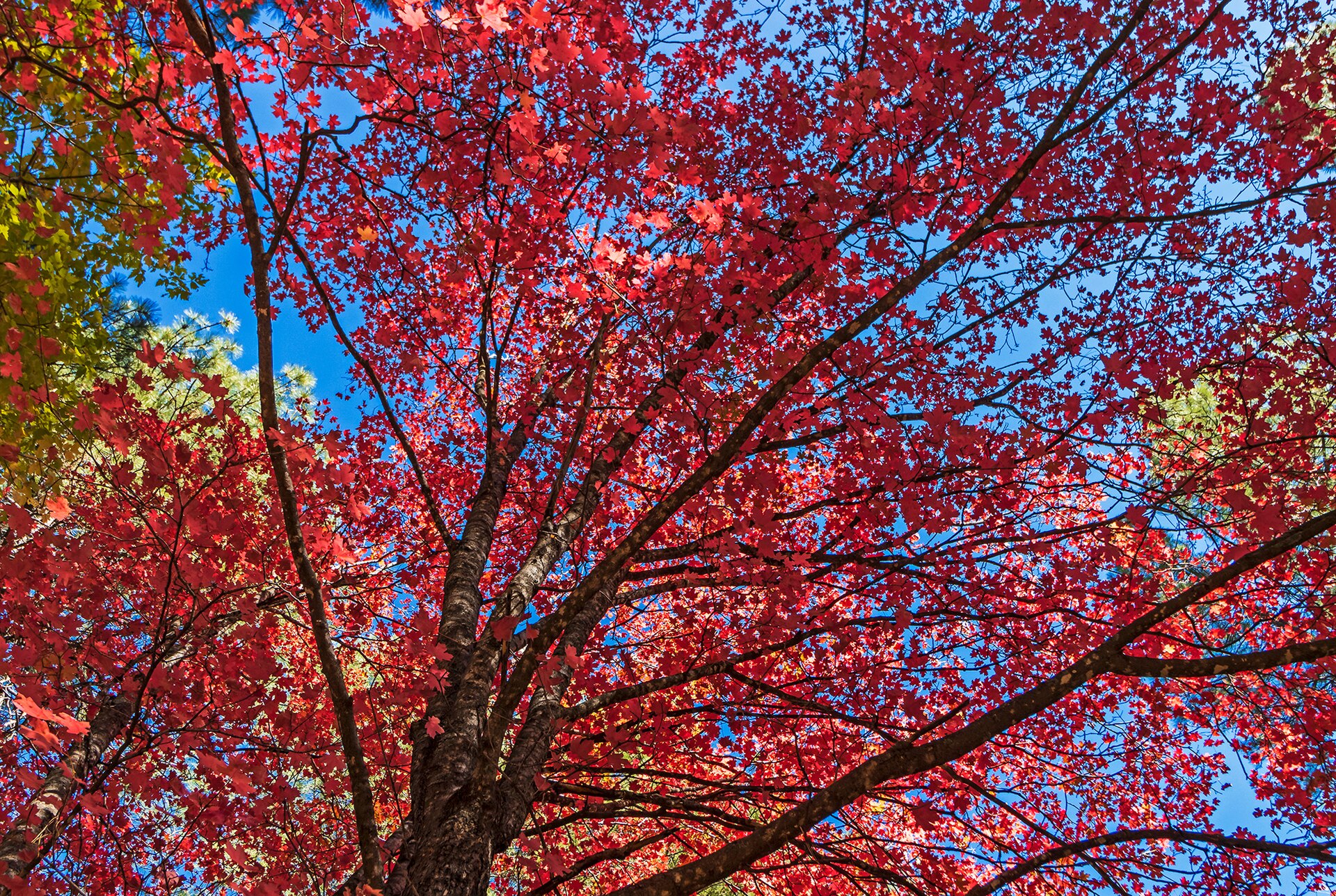 Vibrant Fall Colors In Oak Creek Canyon · Ray Redstone · CC BY-SA 4.0 · cropped
Sedona · Vol. 2 · No. 04 · April 2026
Phoenix, Car, Shuttle to Sedona
Most visitors fly into Phoenix Sky Harbor, rent a car, and then navigate Sedona's trailheads with a mix of driving and the free city shuttle.
Vibrant Fall Colors In Oak Creek Canyon · Ray Redstone · CC BY-SA 4.0 · cropped
Sedona · Vol. 2 · No. 04 · April 2026
Phoenix, Car, Shuttle to Sedona
Most visitors fly into Phoenix Sky Harbor, rent a car, and then navigate Sedona's trailheads with a mix of driving and the free city shuttle.
The columns, every month.
One considered letter when a new issue lands: the cover story, the four columns, and the month's news.
Comments