
Punakha Dzong, Bhutan 26 · Bernard Gagnon · CC BY-SA 4.0 · cropped
Bhutanese Chillies and Mountain Meals
Eating in Bhutan means understanding the chilli as a dish, and asking kitchens to prepare it the way locals do.
To understand eating in Bhutan, one starts with the chilli. Ema datshi, the national dish, treats chillies as the main ingredient, cooked simply with local cheese. This is not a condiment; it is the dish itself, and it is hotter than the versions often found on hotel menus designed for visitors. Alongside this staple, meals frequently include red rice, a nutty, reddish grain. In the central valleys, buckwheat dishes are common. Dried yak and pork are also important protein sources, reflecting a diet shaped by the high-altitude environment. Butter tea, a warming, salty drink, often accompanies these meals.
For the authentic experience, asking the kitchen to prepare food ‘the way they eat it’ is key. The Bhutanese-owned and -run hotels, often family businesses, are the places to make this request. These establishments, which the guide describes as the middle band of accommodation, offer comfortable and clean stays with reliable heating and hot water, both crucial at altitude, especially in October. While they may not feature a spa or views designed for a magazine, their kitchens provide warm and direct cooking. Staying in these hotels channels money directly into local hands, aligning with the country’s “high-value, low-volume” tourism model.
The country’s “high-value, low-volume” tourism policy shapes more than just the cost of a trip; it also influences the experience of its everyday life, including its food. Distances are measured in hours, not kilometres, and the unhurried pace between valleys like Paro, Thimphu, Punakha, and Phobjikha means settling in rather than rushing. This allows for a focus on the practical and nourishing aspects of the local diet, which is designed for life at altitude. The food is part of a broader system that prioritises local resources and traditions, much like the fee supports health, education, and forest conservation.
October is the busiest and clearest month, so booking accommodation well ahead is advised. Confirm heating and hot water, particularly in colder valleys such as Paro and Phobjikha, where nights are cold once the sun sets. A warming meal is a real comfort after a day of travel or walking. Do not hesitate to specify that food, especially ema datshi, should be prepared with the local palate in mind. This directness is generally met with a willingness to share. Consider a single night in a traditional Bhutanese farmhouse, which offers a direct insight into the country’s everyday life with dinner shared with the family and a floor to sleep on under thick blankets.
From Vol. 0 · No. 10 · October 2024, The Himalayan Issue. The cover story is Bhutan. Details change; confirm specifics with the property before you travel.
More from the column
-
 St. Croix · Vol. 2 · No. 10 · October 2026
Crucian Cooking, Johnnycakes and Chicken
On St. Croix, the local rhythm of meals features fried bread, savoury pâtés, and the island's celebrated spit-roast chicken.
St. Croix · Vol. 2 · No. 10 · October 2026
Crucian Cooking, Johnnycakes and Chicken
On St. Croix, the local rhythm of meals features fried bread, savoury pâtés, and the island's celebrated spit-roast chicken.
-
 Rio de Janeiro · Vol. 2 · No. 09 · September 2026
Rio Eating: Boteco, Feijoada, Beach
Learn Rio's rhythm of meals, from corner bars and Saturday stews to beach vendors and late dinners in Botafogo.
Rio de Janeiro · Vol. 2 · No. 09 · September 2026
Rio Eating: Boteco, Feijoada, Beach
Learn Rio's rhythm of meals, from corner bars and Saturday stews to beach vendors and late dinners in Botafogo.
-
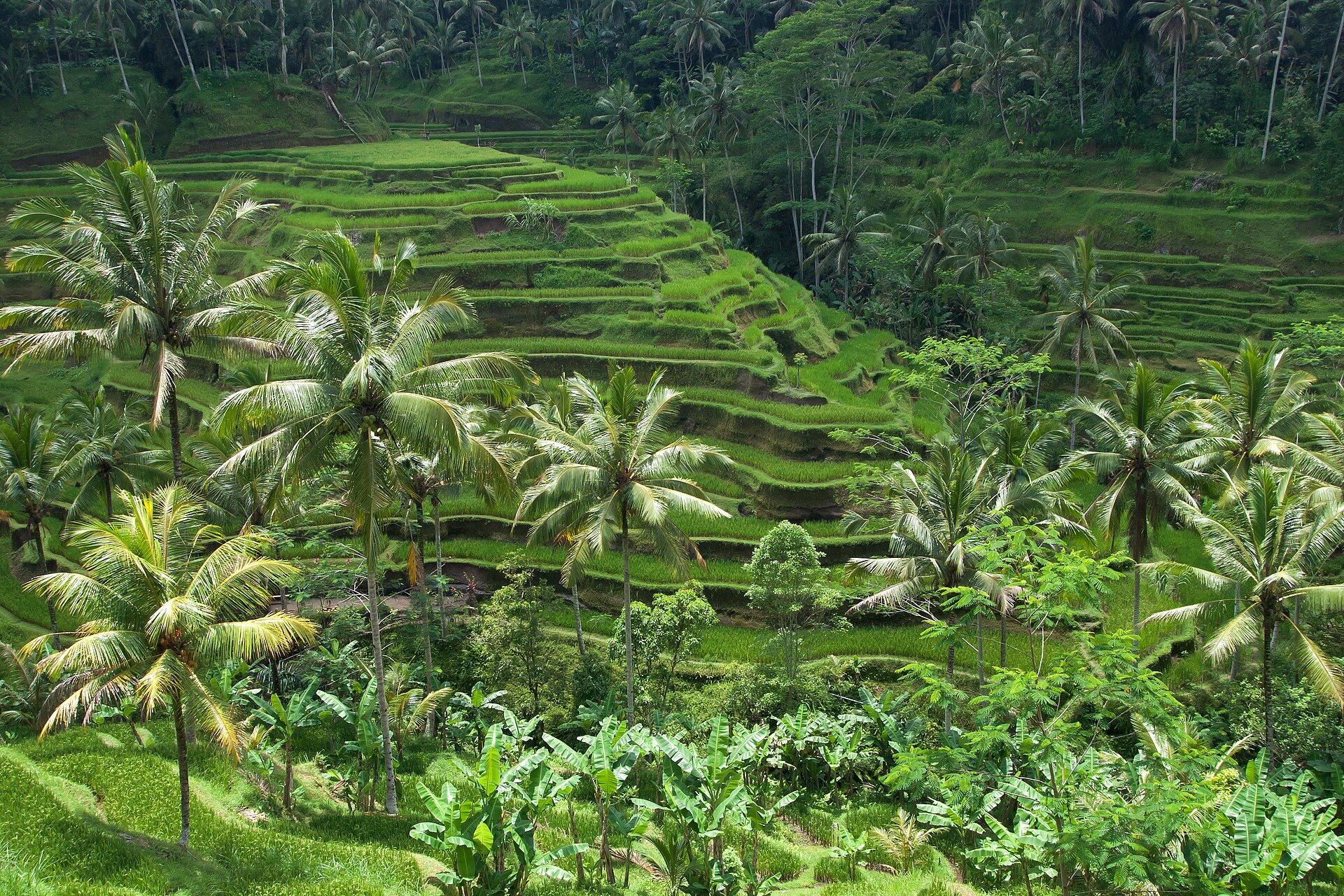 Rice terraces, Bali · Vyacheslav Argenberg · CC BY 4.0 · cropped
Bali · Vol. 2 · No. 06 · June 2026
Eating Bali: Warung to Cliff
Experience the island's diverse dining, from affordable family-run warungs to dramatic cliff-edge restaurants on the Bukit Peninsula.
Rice terraces, Bali · Vyacheslav Argenberg · CC BY 4.0 · cropped
Bali · Vol. 2 · No. 06 · June 2026
Eating Bali: Warung to Cliff
Experience the island's diverse dining, from affordable family-run warungs to dramatic cliff-edge restaurants on the Bukit Peninsula.
-
 Playa de Comporta, Portugal, 2021-09-12, DD 15-26 PAN · Diego Delso · CC BY-SA 4.0 · cropped
Comporta · Vol. 2 · No. 05 · May 2026
Comporta Meals Shack and Pine
The Comporta coast offers two distinct dining experiences: barefoot beach lunches and quiet, lantern-lit dinners among the pines.
Playa de Comporta, Portugal, 2021-09-12, DD 15-26 PAN · Diego Delso · CC BY-SA 4.0 · cropped
Comporta · Vol. 2 · No. 05 · May 2026
Comporta Meals Shack and Pine
The Comporta coast offers two distinct dining experiences: barefoot beach lunches and quiet, lantern-lit dinners among the pines.

The columns, every month.
One considered letter when a new issue lands: the cover story, the four columns, and the month's news.
Comments