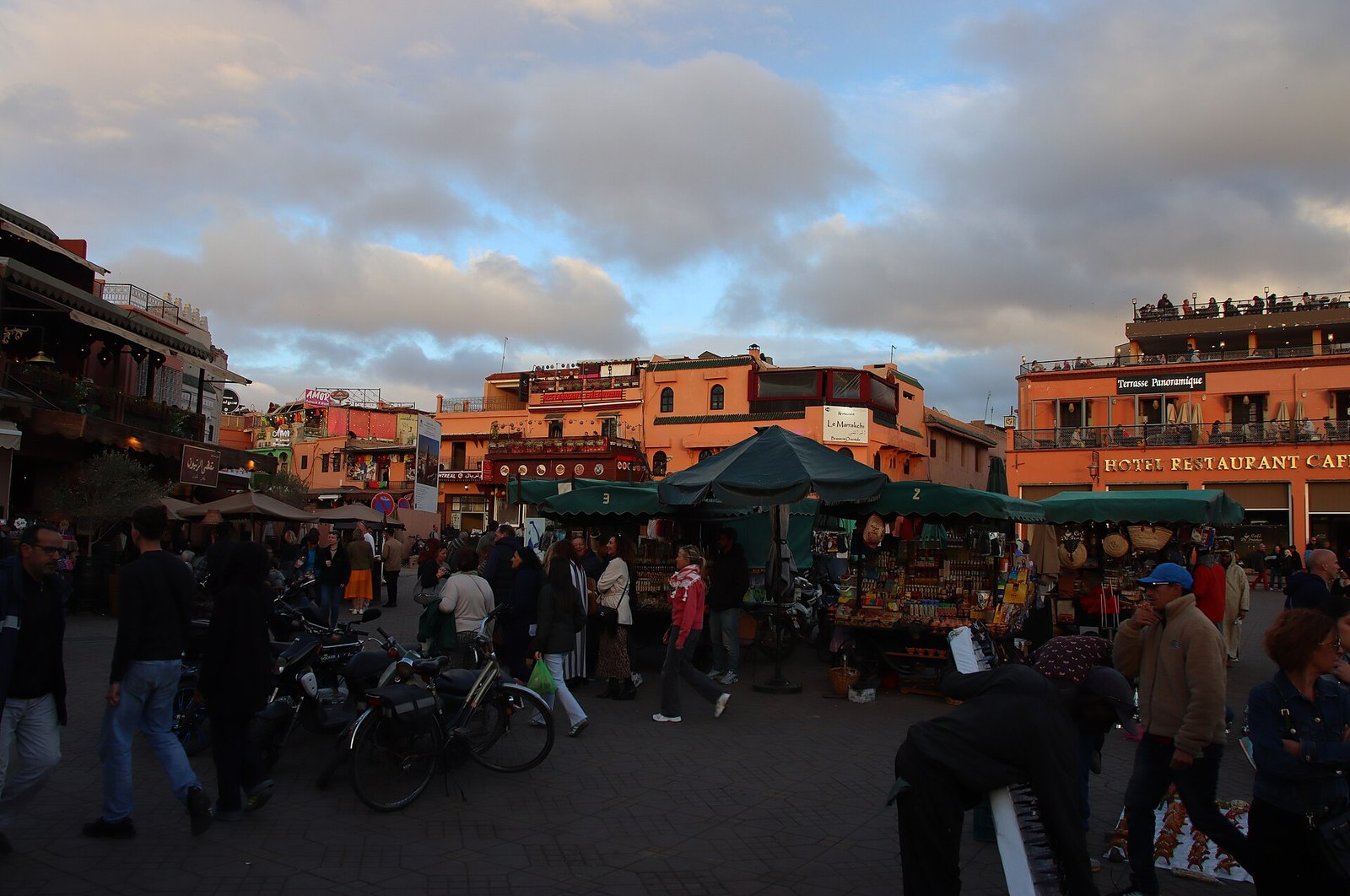
Džma el Fna, Marrákeš, 2025 (01) · Draceane · CC BY-SA 4.0 · cropped
Marrakech Meals: Medina, then Guéliz
Traditional dishes thrive inside the medina walls, but the modern avenues of Guéliz offer a different pace and licensed restaurants.
A decision about where to eat in Marrakech often follows the choice of where to sleep. The city presents several distinct areas, and each dictates a rhythm for meals. Inside the old walled city, the medina, one is immersed in traditional Moroccan cooking. The tagine, a slow-cooked stew, is the dish you will meet most, with variations like lamb with prunes or chicken with preserved lemon and olives. A local specialty worth seeking out is tanjia, beef or lamb sealed in an urn-shaped pot with garlic, cumin, and preserved lemon, then cooked for hours in bathhouse embers. For mechoui, whole lamb roasted until it falls apart, look for it sold by weight near Jemaa el-Fnaa. After sunset, the food stalls that fill the square are an experience, offering grilled meats, soups, and skewers at communal benches. Rooftop restaurants around the medina offer a view for a calmer meal, a quiet counterpoint to the lively lanes below. The medina’s rhythm is one of old traditions, its life turned inward.
This traditional pattern of meals defines much of the medina. However, when the density of the old town feels like too much, or when a glass of wine becomes part of the plan, the modern city offers a clear alternative. Guéliz, just west of the walls, is the new town the French built a century ago. It features wide avenues, sidewalk cafes, galleries, and shops with fixed prices. This is where you find modern Moroccan cooking, international food, and licensed restaurants if you want wine or a cocktail. These options are scarce inside the old town. Guéliz provides a change of pace, a different kind of evening, and a distinct culinary landscape from the medina’s intimate courtyards.
The offerings in Guéliz reflect its character. It is a place for a meal that might offer a contemporary take on local ingredients, or for a cuisine from elsewhere. The shift from the medina’s inward-facing design to Guéliz’s open avenues is evident in the eating scene. The Jardin Majorelle, the cobalt-blue garden, sits toward Guéliz, and a visit there can be paired easily with a meal in this part of town. This division in eating options underscores the broader choice of where to base oneself in Marrakech: the medina for atmosphere and tradition, or Guéliz for comfort, modern conveniences, and a different kind of evening.
Wherever one chooses to eat, the meal in Marrakech tends to conclude with sweet mint tea, poured from a height. When eating in the medina, particularly at popular rooftop spots, it is wise to book ahead, especially during the busier months from March through May and September through November. For the food stalls in Jemaa el-Fnaa, pick a busy stall with high turnover for the freshest options. If staying in a riad deep in the medina, confirm how you will reach your restaurant. Cars cannot navigate the narrowest lanes, so a taxi to the nearest vehicle point and a short walk might be necessary. Knowing these rhythms ensures a smooth transition between the city’s distinct eating experiences, from the ancient heart to the modern avenues.
From Vol. 1 · No. 02 · February 2025, The Warm-Winter Issue. The cover story is Where to Stay in Marrakech. Details change; confirm specifics with the property before you travel.
More from the column
-
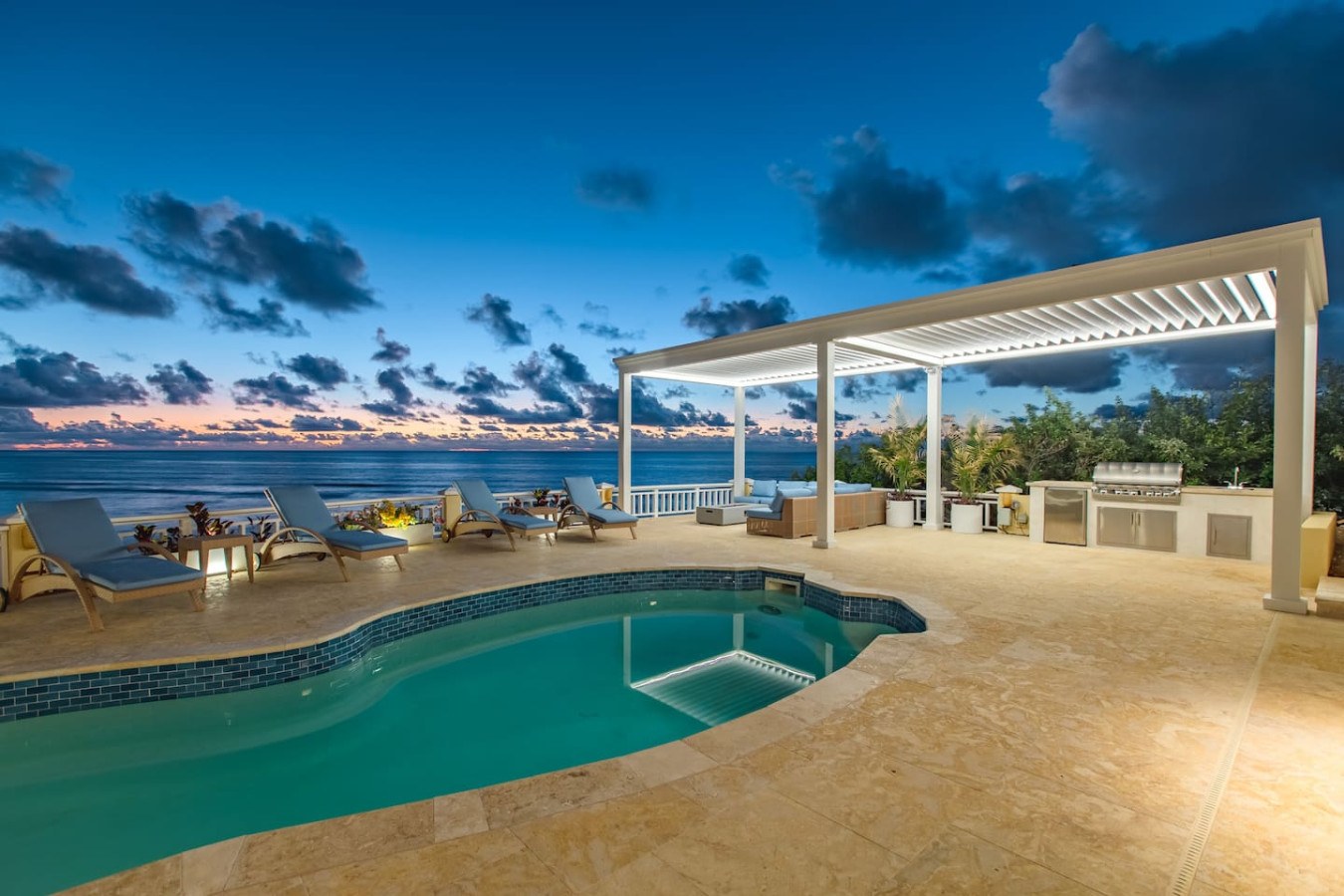 St. Croix · Vol. 2 · No. 10 · October 2026
Crucian Cooking, Johnnycakes and Chicken
On St. Croix, the local rhythm of meals features fried bread, savoury pâtés, and the island's celebrated spit-roast chicken.
St. Croix · Vol. 2 · No. 10 · October 2026
Crucian Cooking, Johnnycakes and Chicken
On St. Croix, the local rhythm of meals features fried bread, savoury pâtés, and the island's celebrated spit-roast chicken.
-
 Rio de Janeiro · Vol. 2 · No. 09 · September 2026
Rio Eating: Boteco, Feijoada, Beach
Learn Rio's rhythm of meals, from corner bars and Saturday stews to beach vendors and late dinners in Botafogo.
Rio de Janeiro · Vol. 2 · No. 09 · September 2026
Rio Eating: Boteco, Feijoada, Beach
Learn Rio's rhythm of meals, from corner bars and Saturday stews to beach vendors and late dinners in Botafogo.
-
 Rice terraces, Bali · Vyacheslav Argenberg · CC BY 4.0 · cropped
Bali · Vol. 2 · No. 06 · June 2026
Eating Bali: Warung to Cliff
Experience the island's diverse dining, from affordable family-run warungs to dramatic cliff-edge restaurants on the Bukit Peninsula.
Rice terraces, Bali · Vyacheslav Argenberg · CC BY 4.0 · cropped
Bali · Vol. 2 · No. 06 · June 2026
Eating Bali: Warung to Cliff
Experience the island's diverse dining, from affordable family-run warungs to dramatic cliff-edge restaurants on the Bukit Peninsula.
-
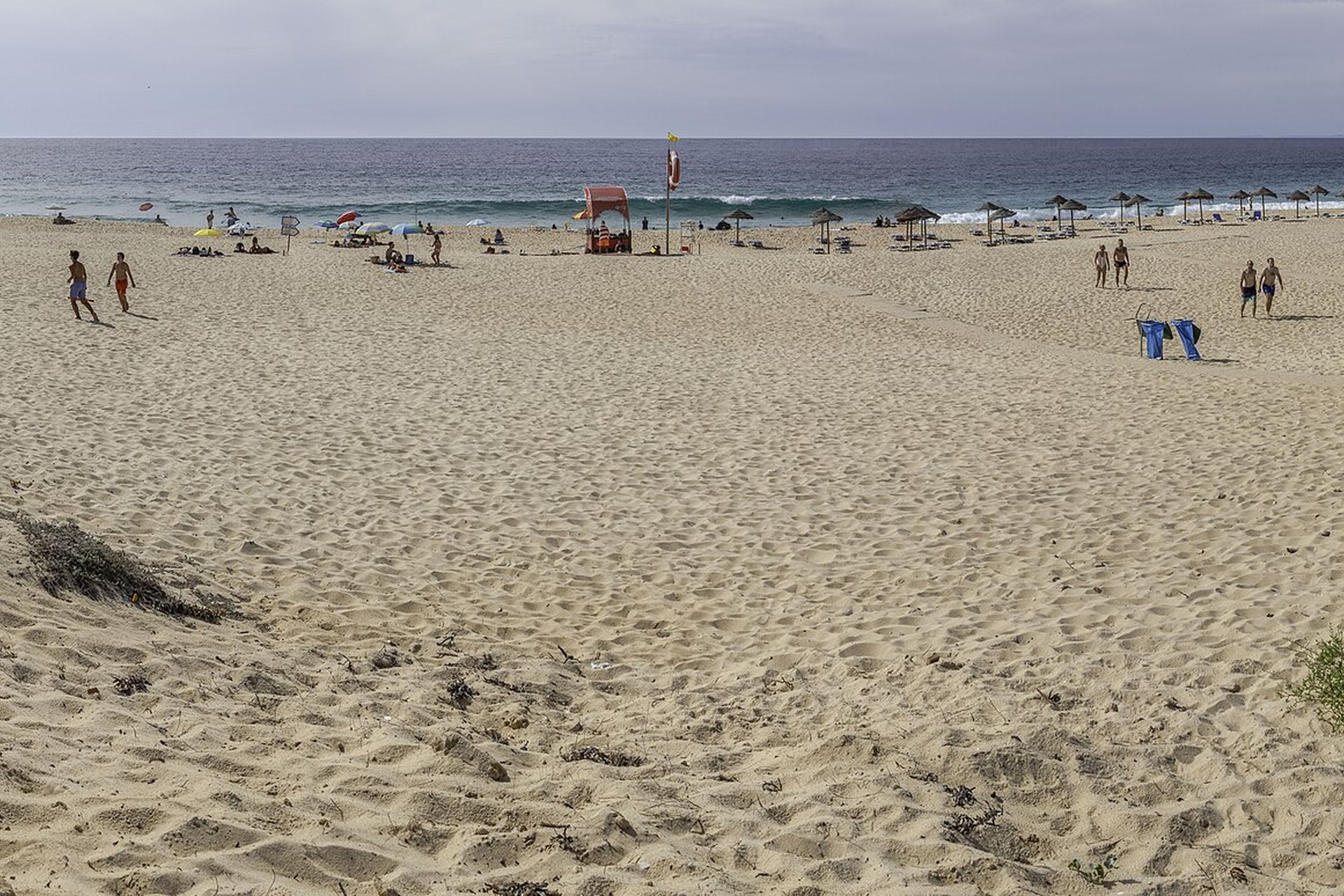 Playa de Comporta, Portugal, 2021-09-12, DD 15-26 PAN · Diego Delso · CC BY-SA 4.0 · cropped
Comporta · Vol. 2 · No. 05 · May 2026
Comporta Meals Shack and Pine
The Comporta coast offers two distinct dining experiences: barefoot beach lunches and quiet, lantern-lit dinners among the pines.
Playa de Comporta, Portugal, 2021-09-12, DD 15-26 PAN · Diego Delso · CC BY-SA 4.0 · cropped
Comporta · Vol. 2 · No. 05 · May 2026
Comporta Meals Shack and Pine
The Comporta coast offers two distinct dining experiences: barefoot beach lunches and quiet, lantern-lit dinners among the pines.
The columns, every month.
One considered letter when a new issue lands: the cover story, the four columns, and the month's news.
Comments