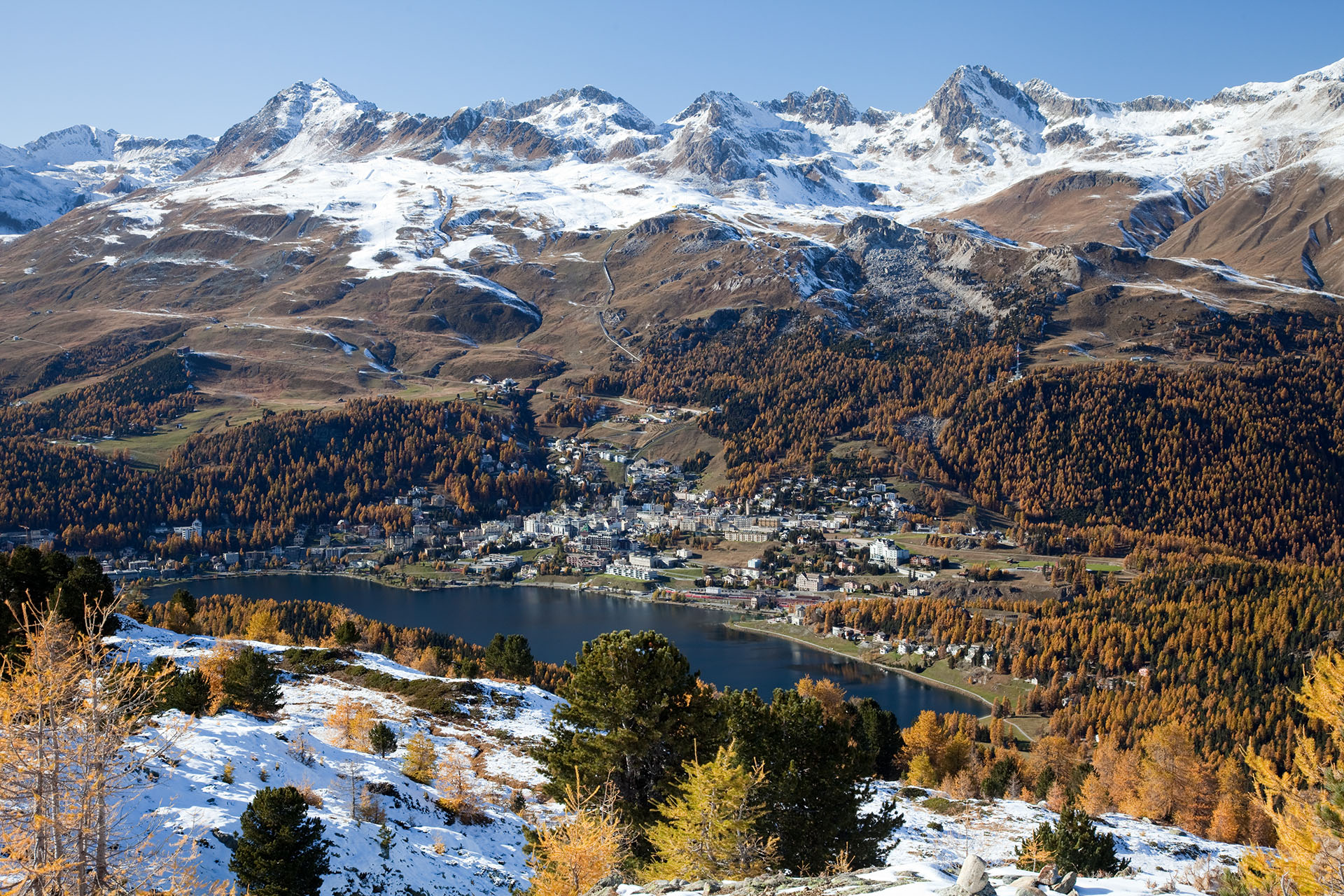
St Moritz Muottas · Murdockcrc · CC BY 3.0 · cropped
Lunch on Corviglia
Skiing above St. Moritz is as much about the long, sun-drenched lunch on Corviglia’s terraces as it is about the runs themselves.
Stopping for lunch on Corviglia is half the point of a day spent above St. Moritz. The funicular from the Dorf climbs directly to the mountain, which rises to Piz Nair at around 3,057 metres. This is the home mountain for St. Moritz, known for its broad, sunny terrain, with the town and its lake visible for much of the day. The mountain restaurants here are an institution, particularly their sun terraces. La Marmite, near the top of the Corviglia funicular, has fed the fur-coat crowd truffles and caviar for decades. These spots serve as much for those who have spent the morning on the pistes as for those who have simply come up for the clear air and the view. It is a scene that has played out for decades, a rhythm of the winter season.
The mountain above St. Moritz offers several options for a mid-day meal. Eating here runs from the simple mountain huts to places that offer serious cooking, as do the grand hotels down in the Dorf. While the specific kitchens holding Michelin stars change annually, the commitment to good food on the mountain remains. The atmosphere is generally lively, a mix of ski boots and winter finery, all enjoying the cold, dry, and unusually sunny climate that defines the Engadin winter. The view across the valley and down to the frozen lake is a constant backdrop, adding to the sense of occasion.
The approach to Corviglia from St. Moritz Dorf is straightforward. A funicular climbs from the Dorf up through Chantarella directly to the mountain. For those in St. Moritz Bad, the Signal cable car offers another route up. Once there, the choice of where to sit for lunch becomes part of the day's decision. Many of the mountain restaurants are set up to make the most of the sun. Booking ahead, particularly during peak weeks, is a sensible move if a specific place is in mind. The busiest times are late December to February, especially Christmas, New Year, and the middle of February.
For those who prefer the same snow and sun without the crowds, the middle of January offers a quieter experience. It falls between the holiday rush and the February events on the lake, making it a calmer time to visit the mountains. The days are still cold and bright, ensuring reliable snow cover from mid-December into spring. The valley floor is high, close to 1,800 metres, and the climate that comes with that altitude ensures a consistent winter and plenty of sun. This period allows for a more relaxed pace on the slopes and a less hurried lunch experience on the terraces.
The idea of a long, unhurried lunch above St. Moritz is deeply ingrained in the local rhythm. It is a tradition that predates much of the modern ski culture, a chance to absorb the particular quality of the light and the expanse of the valley. Whether one spends an hour or more, the experience is less about fuel and more about the pause, the company, and the setting. Consider the timing of a visit carefully; the middle of January provides the mountains without the busiest of the crowds. Many hotels, particularly the grand old houses, commonly run on half-board in winter, so check arrangements before planning meals out.
From Vol. 1 · No. 01 · January 2025, The Winter Issue. The cover story is Where to Stay in St. Moritz. Details change; confirm specifics with the property before you travel.
More from the column
-
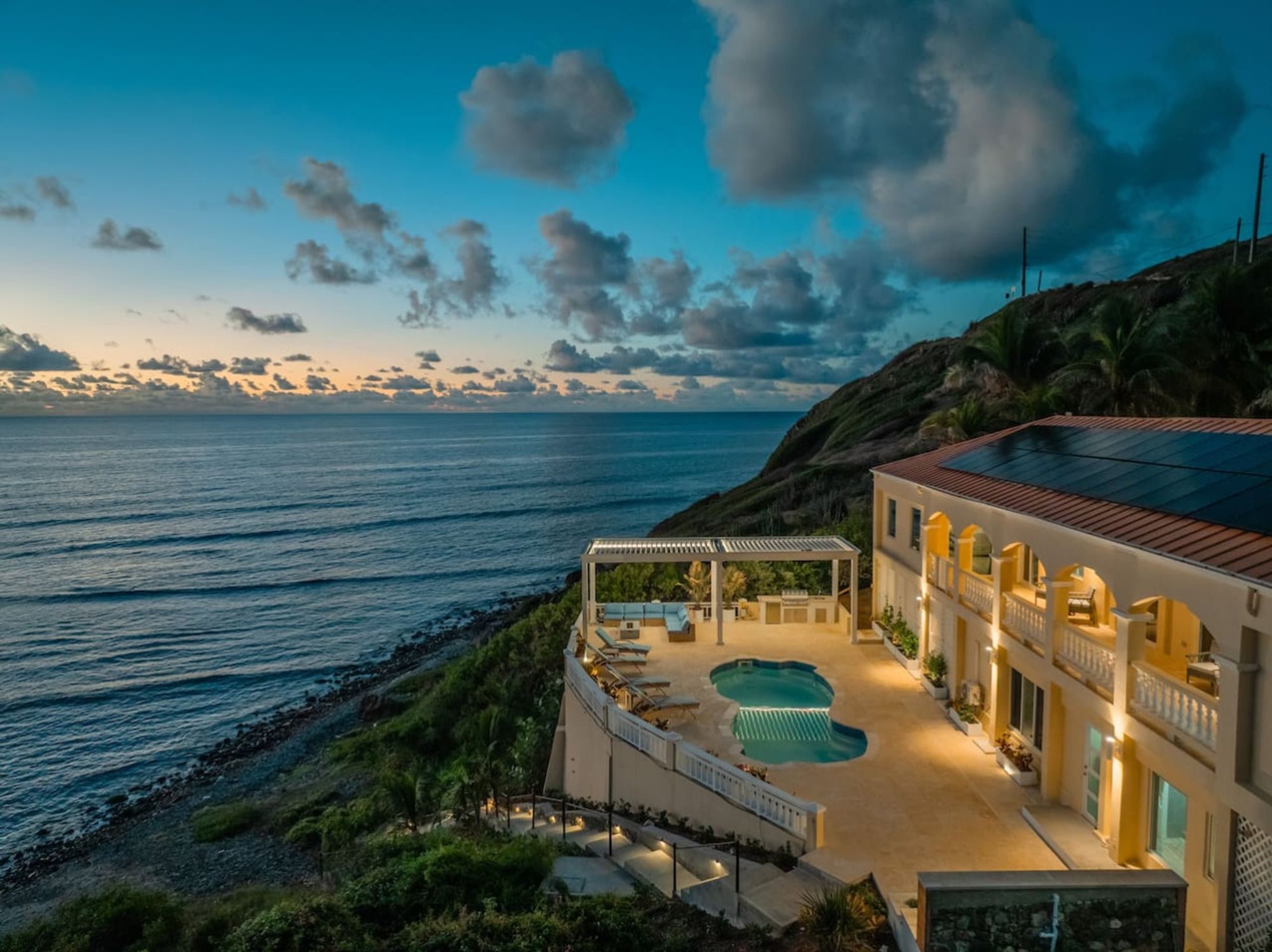
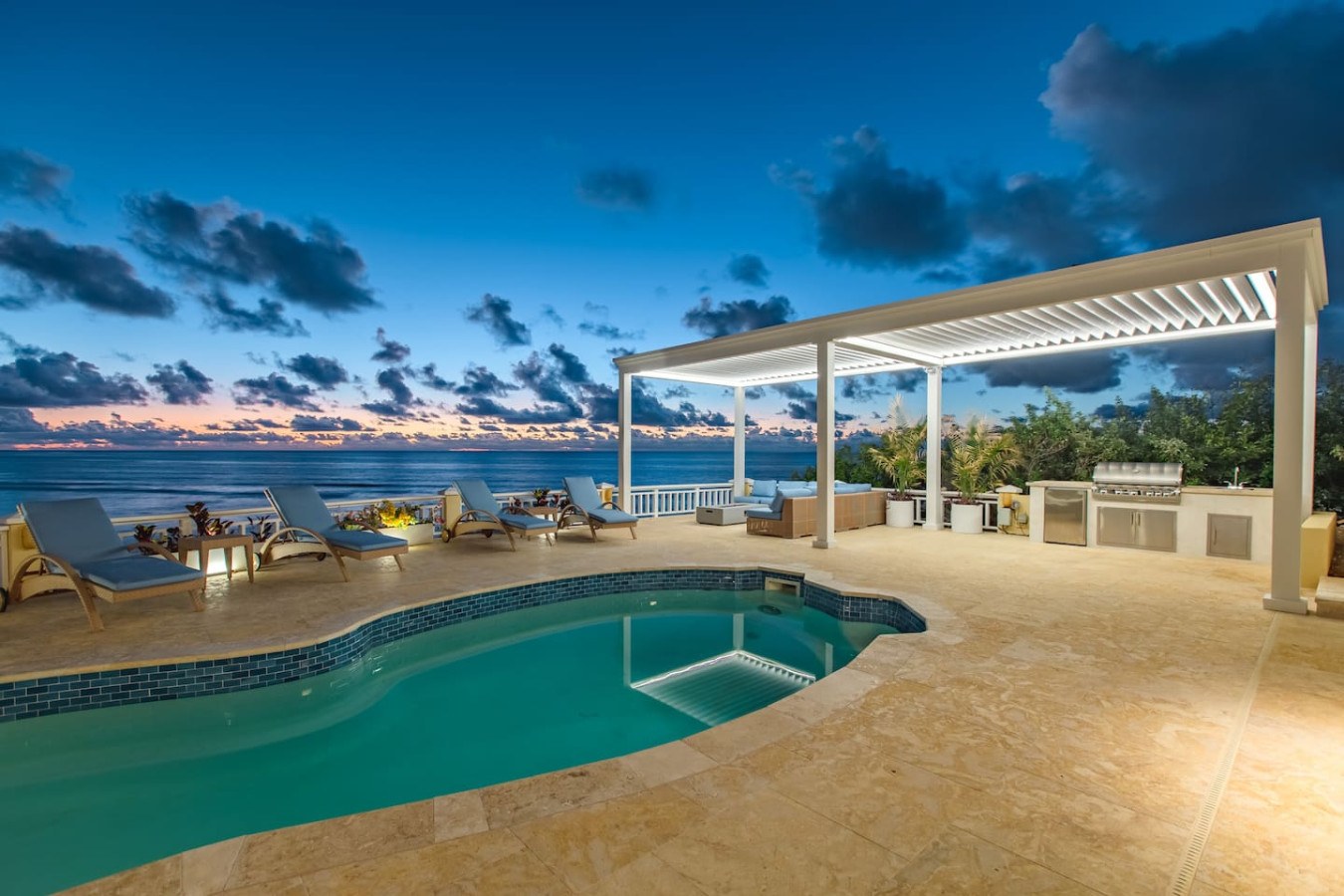 St. Croix · Vol. 2 · No. 10 · October 2026
Crucian Cooking, Johnnycakes and Chicken
On St. Croix, the local rhythm of meals features fried bread, savoury pâtés, and the island's celebrated spit-roast chicken.
St. Croix · Vol. 2 · No. 10 · October 2026
Crucian Cooking, Johnnycakes and Chicken
On St. Croix, the local rhythm of meals features fried bread, savoury pâtés, and the island's celebrated spit-roast chicken.
-
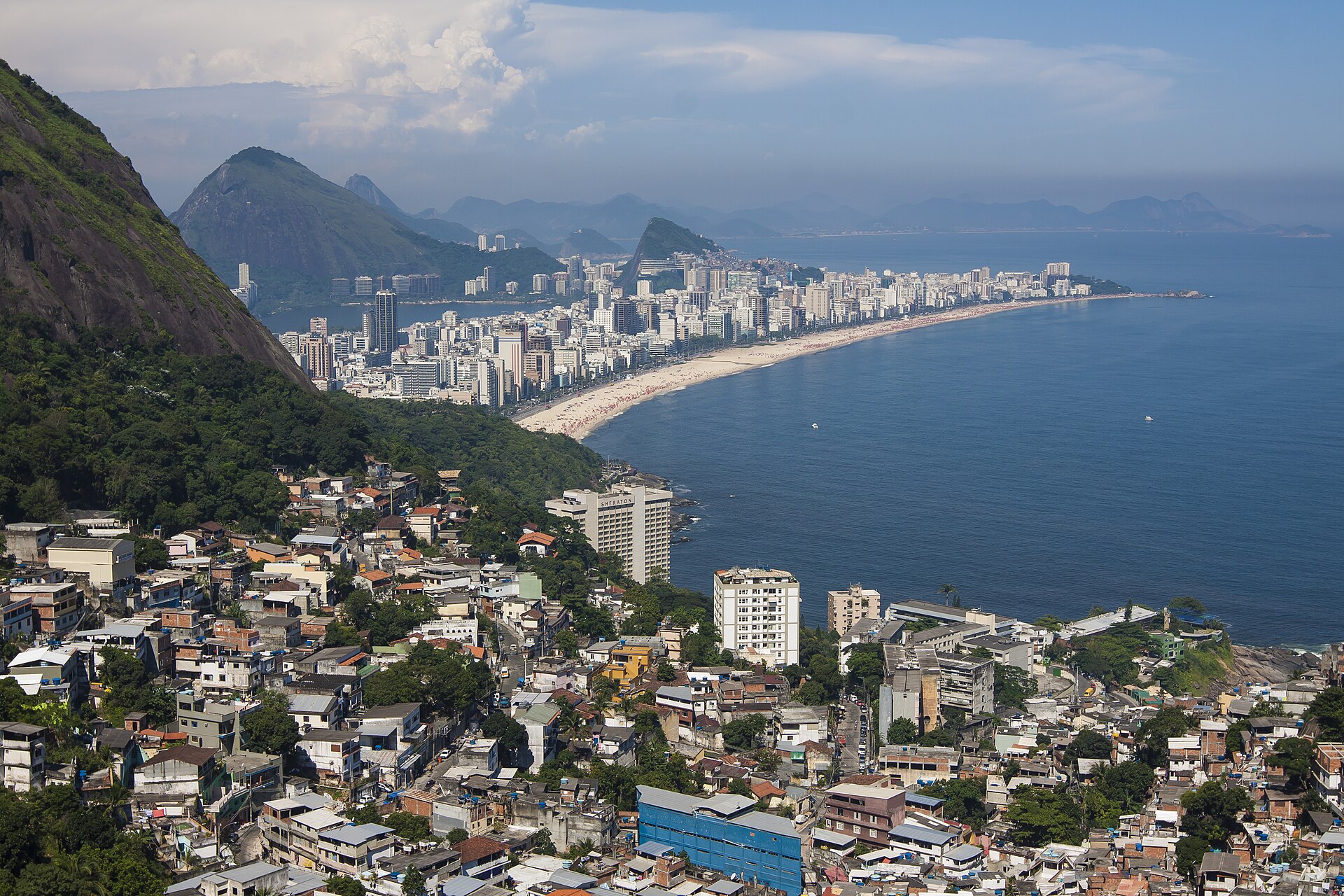 Rio de Janeiro · Vol. 2 · No. 09 · September 2026
Rio Eating: Boteco, Feijoada, Beach
Learn Rio's rhythm of meals, from corner bars and Saturday stews to beach vendors and late dinners in Botafogo.
Rio de Janeiro · Vol. 2 · No. 09 · September 2026
Rio Eating: Boteco, Feijoada, Beach
Learn Rio's rhythm of meals, from corner bars and Saturday stews to beach vendors and late dinners in Botafogo.
-
 Rice terraces, Bali · Vyacheslav Argenberg · CC BY 4.0 · cropped
Bali · Vol. 2 · No. 06 · June 2026
Eating Bali: Warung to Cliff
Experience the island's diverse dining, from affordable family-run warungs to dramatic cliff-edge restaurants on the Bukit Peninsula.
Rice terraces, Bali · Vyacheslav Argenberg · CC BY 4.0 · cropped
Bali · Vol. 2 · No. 06 · June 2026
Eating Bali: Warung to Cliff
Experience the island's diverse dining, from affordable family-run warungs to dramatic cliff-edge restaurants on the Bukit Peninsula.
-
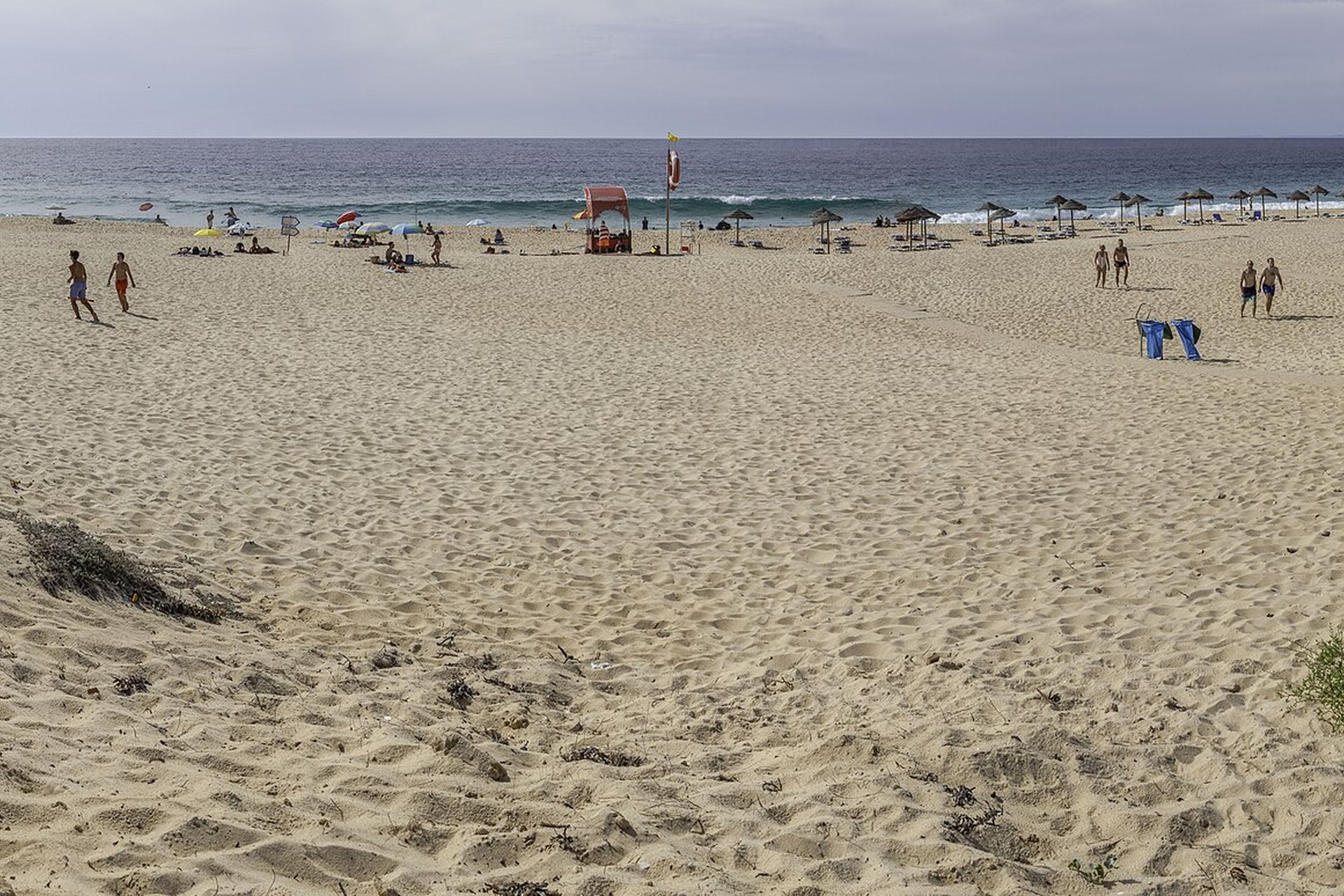 Playa de Comporta, Portugal, 2021-09-12, DD 15-26 PAN · Diego Delso · CC BY-SA 4.0 · cropped
Comporta · Vol. 2 · No. 05 · May 2026
Comporta Meals Shack and Pine
The Comporta coast offers two distinct dining experiences: barefoot beach lunches and quiet, lantern-lit dinners among the pines.
Playa de Comporta, Portugal, 2021-09-12, DD 15-26 PAN · Diego Delso · CC BY-SA 4.0 · cropped
Comporta · Vol. 2 · No. 05 · May 2026
Comporta Meals Shack and Pine
The Comporta coast offers two distinct dining experiences: barefoot beach lunches and quiet, lantern-lit dinners among the pines.
The columns, every month.
One considered letter when a new issue lands: the cover story, the four columns, and the month's news.
Comments