Sardinia has long held a particular allure for those with the means to seek out its rugged beauty and crystalline waters. The island’s northeast coast, especially around the Costa Smeralda, has cultivated a reputation as a playground for the affluent, a place where privacy and prestige converge against a backdrop of natural splendour. It is into this rarefied air that W Hotels has introduced its latest statement piece: a penthouse suite at the W Sardinia – Poltu Quatu, designed to capture the essence of high-end Mediterranean living while pushing the boundaries of what a hotel can offer.
This is not merely an incremental upgrade; it is a clear declaration of intent. The unveiling of this new accommodation, alongside a quartet of other premium suites, reflects a strategic move by the W brand to solidify its position at the apex of the luxury lifestyle segment. In a market increasingly saturated with options, from grand dame hotels to hyper-personalised private rentals, standing out requires more than just a good location or a recognizable name. It demands an experience that is both intensely private and effortlessly connected, a blend of residential comfort and hotel-grade service, all delivered with a distinct point of view.
The question for the savvy traveller and the market observer alike is whether this particular offering, with its substantial footprint and ambitious pricing, genuinely delivers on that promise. What does this development truly signify for the broader luxury travel landscape, and what can it tell us about the future of high-end hospitality in one of Europe’s most coveted destinations?
The New Apex of Poltu Quatu
The headline act at the W Sardinia – Poltu Quatu this season is undoubtedly Penthouse I, a substantial addition to the hotel’s premium accommodation roster. According to Robb Report, this particular suite spans 1,732 square feet, offering a generous footprint for guests seeking space and exclusivity. It is described as the largest new premium accommodation on offer, part of a quintet of new suites unveiled by the hotel for its first full season of operation this year. The reported starting rate for Penthouse I is $2,768 a night, a figure that immediately places it firmly within the upper echelons of Sardinia’s competitive luxury market.
Inside, the design narrative leans into a sophisticated, understated elegance. The report notes a palette of neutral hues and light woods, providing a calm and airy foundation. Pops of blue and red are introduced through accents like pillows and rugs, adding visual interest without overwhelming the serene atmosphere. The layout of Penthouse I includes a king bedroom and a queen bedroom, making it suitable for families or small groups. There are three bathrooms, one of which features a striking green sink, a detail that hints at the thoughtful, design-led approach taken by the New York City-based firm Meyer Davis for the interiors, working alongside Milan-based DE.TALES for the architecture.
The living spaces are configured for comfort and social interaction. A separate living room features a creamy white couch at its centre, complemented by wooden chairs with soft blue cushions, creating an inviting area for relaxation. A dining room is positioned behind this, and the kitchen is equipped with a striking island in a warm green hue, providing a contrast to the lighter cabinetry. These elements collectively suggest a design philosophy that balances contemporary aesthetics with practical functionality, ensuring that guests have all the amenities for an extended, self-sufficient stay, should they choose.
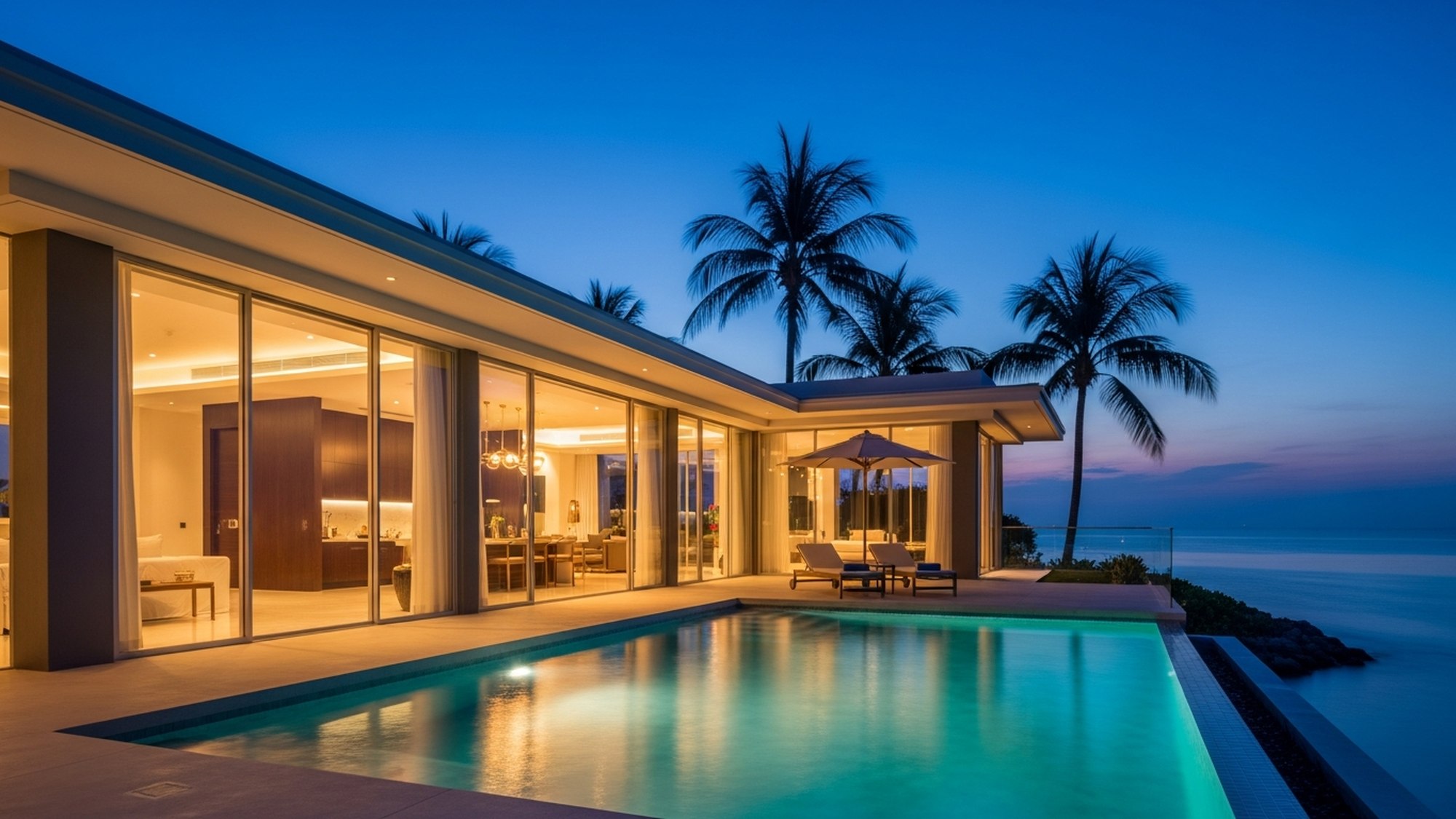
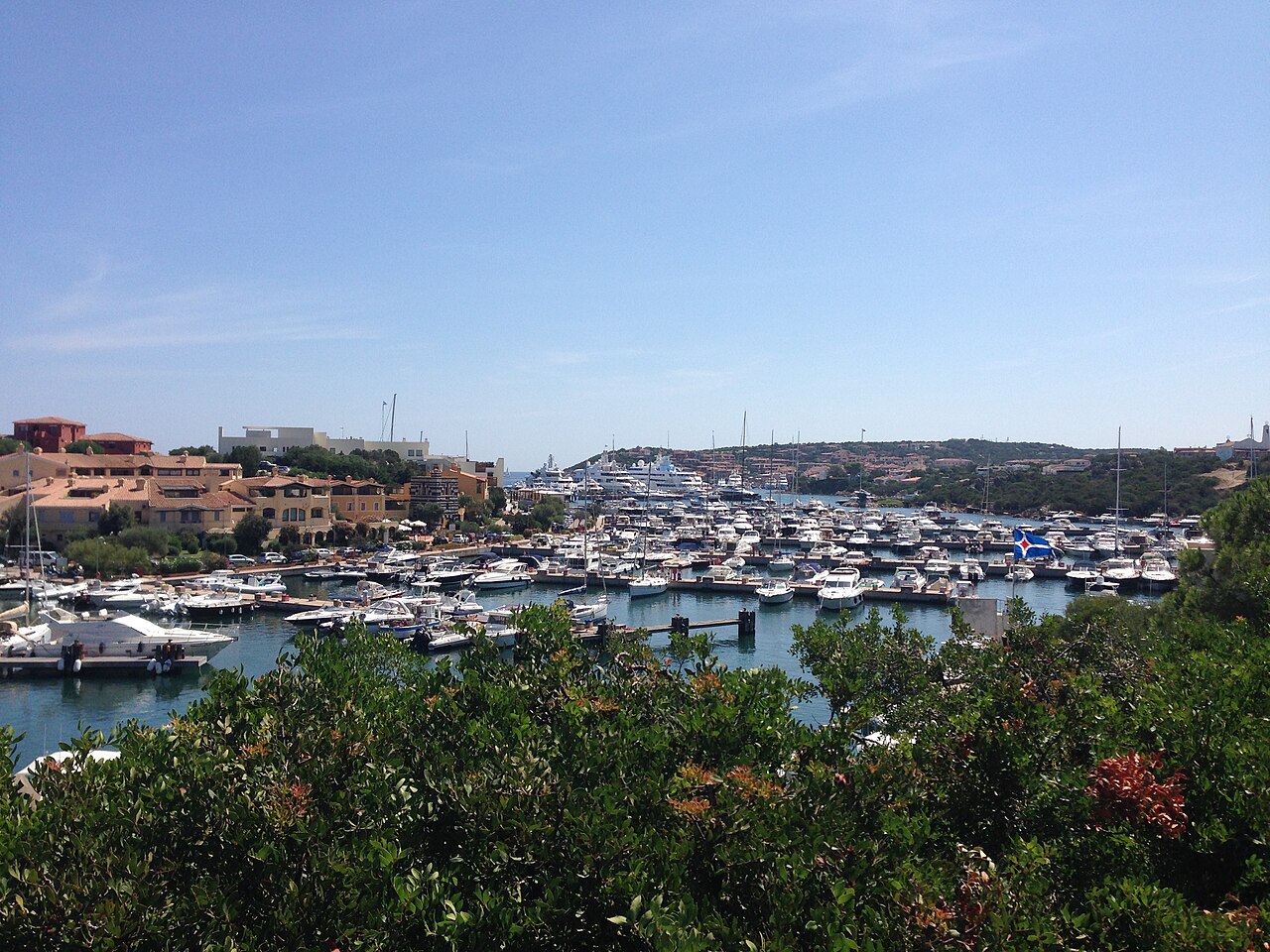
However, the true centrepiece of Penthouse I, and indeed its most compelling feature, is the expansive private terrace. This outdoor sanctuary, as reported, offers direct views over the marina, connecting guests directly to the vibrant maritime life of Poltu Quatu. The terrace is equipped with a private Jacuzzi and a private pool, allowing guests to swim and relax in complete seclusion throughout the day or as the sun dips below the horizon. Beyond the water features, there is ample outdoor lounge space, a bar, and an outdoor dining area, all designed to maximise time spent outdoors, embracing Sardinia’s temperate climate and picturesque scenery. This emphasis on private outdoor living spaces reflects a growing trend in luxury hospitality, where the boundaries between indoor and outdoor are increasingly blurred to enhance the overall guest experience.
W Hotels: A Brand's Evolution
The W Hotels brand, part of the Marriott Bonvoy portfolio, has a distinctive history, one that began with a disruptive vision. Launched in 1998 with the opening of the W New York, the brand aimed to redefine the traditional hotel experience by blending cutting-edge design, vibrant social scenes, and a focus on lifestyle. It moved away from the staid formality of conventional luxury hotels, opting instead for a more modern, energetic, and design-forward aesthetic. The original W Hotels were characterised by their 'Living Room' lobbies, intended as social hubs rather than mere reception areas, and their commitment to service through the 'Whatever/Whenever' concept, promising to deliver anything a guest desired, provided it was legal.
For many years, W positioned itself as the 'cool kid' of the hotel world, appealing to a younger, trend-conscious demographic that valued style, music, and an active social calendar. Its properties often featured innovative design, sometimes bordering on the avant-garde, with bold colours, sleek lines, and a palpable sense of urban chic. The brand expanded rapidly, establishing a presence in major cities and resort destinations worldwide, each property attempting to capture a localised sense of cool while maintaining the core W ethos. This expansion, however, also brought challenges. As W grew, maintaining a consistent, genuinely edgy identity across diverse markets proved difficult, and some critics argued that the brand’s initial disruptive spark had begun to dim.
In recent years, W Hotels has undergone something of a maturation, evolving its approach to luxury. While still retaining its emphasis on design and social spaces, there has been a noticeable shift towards a more refined, sophisticated interpretation of 'lifestyle luxury'. The brand has begun to shed some of its earlier party-centric image in favour of a more elevated experience that appeals to a broader, albeit still affluent, clientele. This evolution is evident in properties like the W Sardinia – Poltu Quatu, where the focus appears to be on integrating local culture and natural beauty with high-end amenities and residential-style comfort, rather than simply replicating a generic urban cool.
The decision to open in a destination like Sardinia, known for its understated wealth and natural beauty, signals this strategic pivot. It indicates a desire to compete not just within the lifestyle segment, but also directly with established luxury players in prime resort locations. By offering accommodations like Penthouse I, W Hotels is clearly aiming to capture a share of the market that demands ultimate privacy, expansive living spaces, and bespoke services, often associated with private villas or superyachts. This move allows the brand to command higher average daily rates and enhance its overall brand prestige, demonstrating its capability to deliver genuinely high-end, exclusive experiences beyond its traditional urban footprint.
Sardinia's Enduring Appeal
Sardinia, the second-largest island in the Mediterranean, has carved out a unique niche in the global luxury travel market. Its appeal is multi-faceted, drawing visitors with a combination of pristine natural landscapes, a rich cultural heritage, and a history of attracting an elite clientele. The island’s northeast coast, particularly the Costa Smeralda, developed in the 1960s by Prince Karim Aga Khan IV, became synonymous with exclusive yachting, designer boutiques, and a jet-set lifestyle. Poltu Quatu, located within this celebrated region, benefits from this legacy, offering direct access to a picturesque marina and proximity to some of the island’s most coveted beaches and coves.
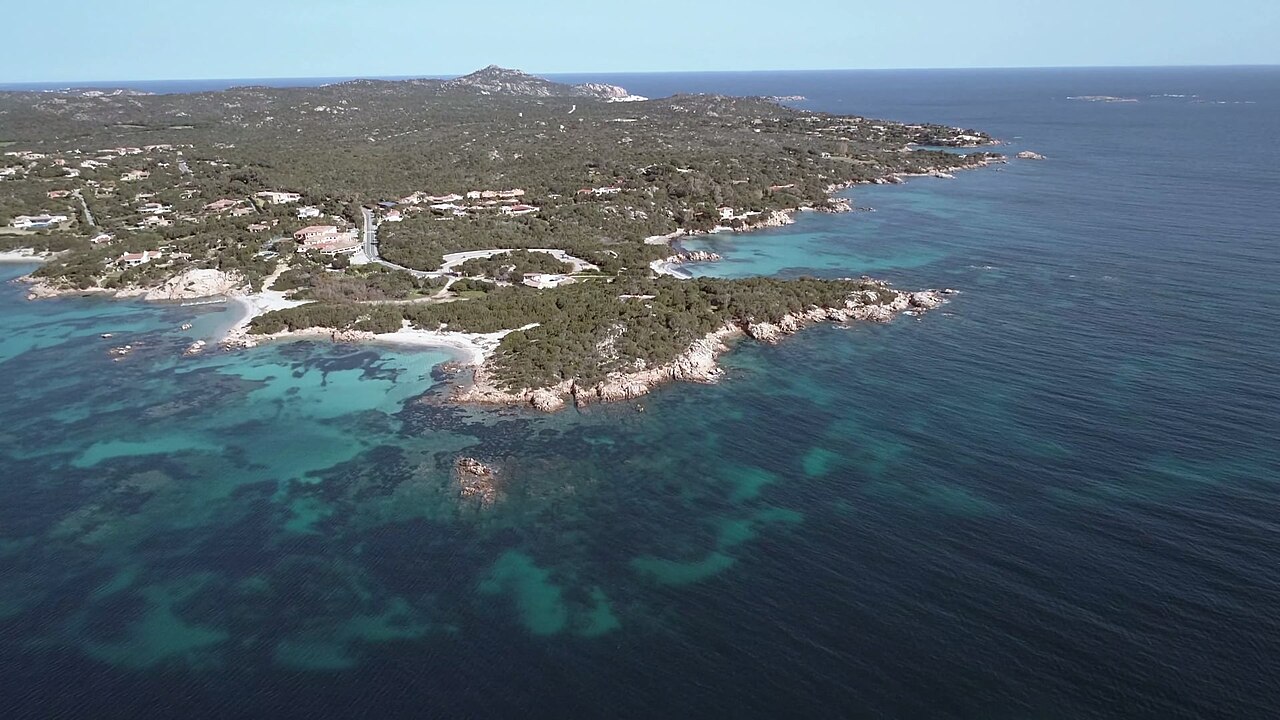
The destination’s natural attributes are undeniably its greatest asset. The report mentions the W Sardinia – Poltu Quatu is surrounded by cliffs, gorgeous turquoise waters, and hidden coves, situated in a tucked-away inlet. This description paints a vivid picture of the island’s rugged coastline and the clarity of its seas, which are a major draw for yachting enthusiasts, divers, and those simply seeking unspoiled natural beauty. The emphasis on water-based activities, such as private charters with Fjord and Pirelli speedboats to a partner beach club, directly leverages this geographical advantage, turning the sea into an extension of the hotel’s amenity offering.
Sardinia’s luxury market operates with a distinct seasonality, typically peaking during the European summer months from June to September. This period sees an influx of high-net-worth individuals, many arriving by private jet or superyacht, filling the island’s exclusive resorts, villas, and marinas. The W Sardinia – Poltu Quatu opening for its 'first full season this year' (referencing the July 2026 article) underscores this seasonal dynamic, highlighting the intense competition and demand for premium accommodations during this concentrated window. Hotels and private rental operators in Sardinia must maximise their yield during these peak months to offset the quieter periods, making high-value suites like Penthouse I critical components of their revenue strategy.
Compared to other Mediterranean luxury hotspots like the French Riviera, Mykonos, or Capri, Sardinia offers a slightly different flavour of exclusivity. While it shares the glamour and high-end services, there is often a greater emphasis on privacy and a more understated form of luxury, particularly away from the most bustling hubs. The island’s diverse landscape, from its mountainous interior to its endless coastline, also provides a wider range of experiences, from active pursuits like hiking and cycling to purely indulgent beach and yachting holidays. The W Sardinia’s strategy appears to be capitalising on this blend, offering both the vibrant social scene W is known for and the secluded, private luxury that Sardinia’s high-end clientele increasingly seeks, particularly in the post-pandemic era where personal space and controlled environments have become paramount.
Designing for Desire: The Interiors and Experience
The interior design of the W Sardinia – Poltu Quatu, particularly evident in the new Penthouse I, is a collaboration between New York City-based Meyer Davis and Milan-based DE.TALES for architecture. This transatlantic partnership brings together distinct design sensibilities, aiming to create spaces that are both globally sophisticated and locally attuned. The article highlights that the hotel 'pulls the outside in, with handcrafted wood and stone throughout,' a design philosophy that seeks to seamlessly integrate the building with its natural surroundings. This approach is crucial in a destination like Sardinia, where the landscape itself is a primary draw, and guests expect their accommodation to harmonise with, rather than detract from, the environment.
Meyer Davis, known for its work in hospitality, residential, and retail sectors, often employs a refined, contemporary aesthetic that prioritises comfort and functionality while incorporating thoughtful details and a sense of place. Their use of 'neutral hues and light woods' in Penthouse I, contrasted with 'pops of blue and red' in textiles, aligns with their signature style of creating inviting yet chic spaces. The specific mention of a 'striking green sink' in one of the bathrooms and a 'warm green hue' for the kitchen island suggests a playful yet sophisticated use of colour, perhaps echoing the blues of the sea and the greens of the Sardinian landscape. Such details are not merely decorative; they are integral to creating a memorable and branded experience, one that feels both luxurious and authentic to its location.
The emphasis on Frette linens in the bathrooms points to a commitment to high-quality materials and finishes, a standard expectation in true luxury accommodations. Frette, an Italian brand with a long history, is synonymous with premium bedding and bath products, adding another layer of tactile luxury to the guest experience. Beyond the aesthetics and materials, the hotel has clearly invested in experiential amenities that extend beyond the physical confines of the suite. The partnership with boating company Fjord for private charters is a significant offering. Fjord, a Norwegian brand known for its distinctive, high-performance powerboats, aligns with W’s contemporary and design-forward image. These charters, ranging from half-day coastal journeys to full extravaganzas around the La Maddalena Archipelago, transform the stay into an adventure, allowing guests to explore Sardinia’s hidden coves and islands with unparalleled ease and privacy.
Further enhancing the experience, the hotel also offers Pirelli speedboats for transfers to its partner beach club. This choice of partner, another iconic Italian brand, reinforces the sense of style and performance. These amenities move beyond simple accommodation, positioning the W Sardinia as a gateway to an entire lifestyle. For the modern luxury traveller, the value proposition often lies not just in where they sleep, but in what they can do, how easily they can access unique experiences, and the quality of the equipment and services provided. The inclusion of Technogym equipment in the gym also speaks to a holistic approach to guest well-being, catering to the active and health-conscious traveller who expects to maintain their routines even while on holiday.
The Economics of Exclusivity
The decision to invest in and unveil a significant penthouse suite like Penthouse I, along with four other new premium accommodations, is a calculated economic play for the W Sardinia – Poltu Quatu. In the highly competitive luxury hospitality sector, especially in a seasonal market like Sardinia, properties are constantly seeking ways to maximise their revenue per available room (RevPAR) and attract the highest-spending clientele. Penthouses and large, multi-bedroom suites serve as crucial tools in this strategy.
Firstly, these premium accommodations command significantly higher average daily rates (ADR) than standard rooms or even junior suites. The reported starting rate of $2,768 for Penthouse I illustrates this point clearly. Even if such a suite is only occupied for a portion of the season, its contribution to the overall revenue can be substantial. These high rates are justified by the expansive space, the exclusive amenities like private pools and Jacuzzis, the superior design, and the enhanced level of service typically associated with such offerings. For a hotel, selling one penthouse at nearly $3,000 a night can be equivalent to selling multiple standard rooms, but often with lower operational costs per square foot in terms of cleaning and turnover.
Secondly, penthouses act as a 'halo' for the entire property. Their presence elevates the perceived luxury and desirability of the hotel as a whole. They attract media attention, as evidenced by the Robb Report exclusive, and create aspirational appeal for other guests. A property known for having ultra-exclusive suites is often seen as a more prestigious destination, which can positively impact bookings across all room categories and encourage guests to spend more on ancillary services like dining, spa treatments, and the aforementioned private boat charters. The W Sardinia’s partnership with Fjord and Pirelli for bespoke experiences further monetises this high-end segment, ensuring that the penthouse guests not only pay for their accommodation but also for a suite of premium activities.
Moreover, the investment in such accommodations is a response to evolving market demands. Post-pandemic, there has been an increased emphasis on privacy, personal space, and self-contained luxury. Travellers are often willing to pay a premium for environments where they can control their interactions and enjoy amenities in solitude. A private pool and expansive terrace, overlooking a marina, ticks all these boxes, effectively offering a villa-like experience within a full-service hotel environment. This hybrid model appeals to a demographic that appreciates the privacy of a rental home but desires the convenience, security, and consistent service of a luxury hotel.
Finally, these top-tier suites are crucial for repeat business and cultivating loyalty among high-net-worth individuals. Guests who experience this level of luxury and service are more likely to return and recommend the property to their networks, creating a valuable pipeline of future bookings. For Marriott, as the parent company, the success of such properties in key luxury destinations strengthens the W brand's overall standing and contributes to the broader appeal of the Marriott Bonvoy loyalty programme for high-spending members.
The true centrepiece of Penthouse I, and indeed its most compelling feature, is the expansive private terrace, offering direct views over the marina and connecting guests directly to the vibrant maritime life of Poltu Quatu.
Beyond the Blueprint: Trends in Luxury Hospitality
The unveiling of Penthouse I at W Sardinia – Poltu Quatu is not an isolated event but rather a microcosm of several significant trends shaping the luxury hospitality landscape. One of the most prominent is the increasing demand for 'residentialisation' within hotels. Guests, particularly those at the top end of the market, are seeking accommodations that offer the space, privacy, and amenities of a high-end home, coupled with the services of a five-star hotel. This means larger living areas, fully equipped kitchens or kitchenettes, multiple bedrooms and bathrooms, and dedicated outdoor spaces. The 1,732-square-foot Penthouse I, with its separate living and dining rooms, two bedrooms, three bathrooms, and expansive private terrace with a pool, perfectly embodies this trend.
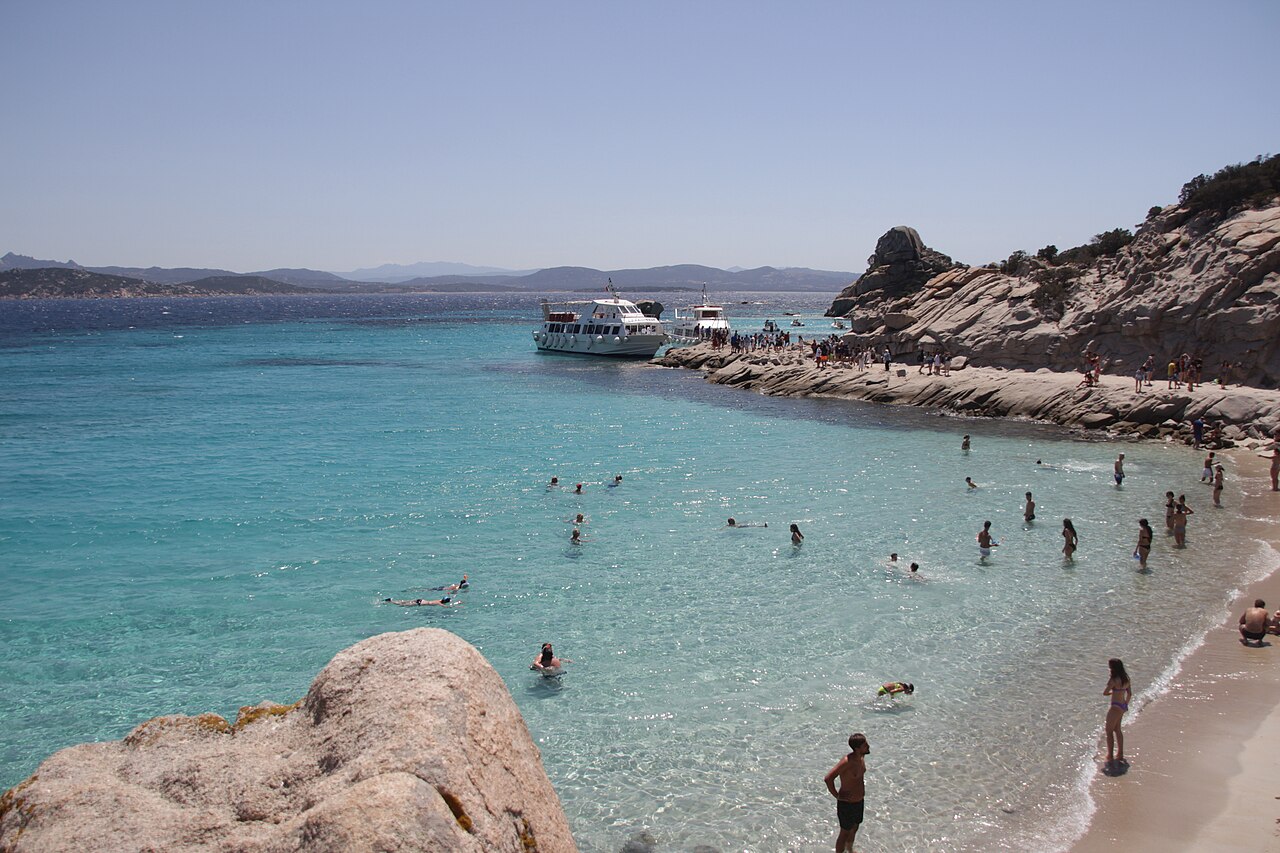
Another key trend is the elevation of experiential travel. Modern luxury is less about conspicuous consumption and more about unique, authentic, and often exclusive experiences. The W Sardinia’s partnerships with Fjord for private charters and Pirelli for speedboat transfers are prime examples of this. These offerings go beyond merely providing transport; they curate adventures that allow guests to interact with the destination in a profound and memorable way. Whether it’s exploring the La Maddalena Archipelago or reaching a secluded beach club, these experiences become integral to the stay, offering stories and memories that differentiate the property from its competitors.
The blurring lines between traditional hotels and private vacation rentals, including high-end Airbnb and Vrbo offerings, is also highly relevant. As platforms like Airbnb Luxe continue to grow, hotels are compelled to offer a comparable level of privacy and amenity, often with the added benefit of consistent, professional service, security, and a wider array of on-site facilities. Penthouses and multi-bedroom suites are hotels’ direct answer to the appeal of standalone villas. For hotel brands, this means not just competing on price or location, but on the totality of the experience, including bespoke services that private rentals might struggle to match.
Sustainability and a connection to nature are also increasingly important. While the Robb Report article doesn't delve deeply into the W Sardinia's sustainability practices, the design philosophy of 'pulling the outside in' and the use of natural materials like handcrafted wood and stone resonate with guests' desire for responsible and harmonious travel. In a place like Sardinia, preserving the natural environment is paramount, and luxury properties that can demonstrate a genuine commitment to this are likely to gain favour. The emphasis on water-based activities also implicitly highlights the beauty of the natural marine environment, encouraging appreciation and, hopefully, conservation.
What it means for where you stay
For the traveller contemplating a stay in Sardinia or any high-end destination, the unveiling of Penthouse I at the W Sardinia – Poltu Quatu offers several clear takeaways. Firstly, the market is increasingly segmented, and if privacy, expansive personal space, and exclusive amenities like a private pool are paramount to your travel experience, hotels are now directly competing with private villa rentals by offering accommodations specifically designed to meet these needs. Be prepared to pay a significant premium for this level of exclusivity, with rates well into the thousands per night for such suites. When evaluating these options, look beyond the square footage; consider the quality of the materials, the thoughtfulness of the design, and the seamless integration of services and experiences, such as the private boat charters offered by W Sardinia.
Secondly, the W brand, and indeed many other lifestyle hotel brands, are evolving. They are moving beyond their initial niche to offer a more refined and sophisticated version of luxury. This means that properties like the W Sardinia are likely to appeal to a broader demographic than perhaps earlier W hotels did, blending the brand’s signature energy with a more understated, design-led elegance appropriate for a destination like Sardinia. If you have previously dismissed W as too 'party-centric' or not 'luxurious enough,' it may be time to reconsider, particularly for their flagship resort properties that are making a conscious effort to elevate their offering.
For owners and hosts in the luxury vacation rental market, this development signals a continued raising of the bar. Hotels are increasingly encroaching on territory traditionally dominated by private rentals, offering the best of both worlds: the space and privacy of a home with the full suite of hotel services. To remain competitive, private rental owners, especially those at the high end, must focus on differentiating their offerings. This means investing in high-quality design, premium amenities (such as private pools, dedicated outdoor spaces, and high-end kitchen equipment), and, crucially, offering bespoke services and experiences. Think about what unique access or local expertise you can provide that a large hotel might struggle to replicate. Personalised concierge services, curated local experiences, and a truly authentic sense of place are becoming non-negotiable.
Finally, the emphasis on destinations like Sardinia, known for their natural beauty and opportunities for outdoor activities, underscores the enduring appeal of experiential travel. Whether you are a traveller seeking adventure or an owner looking to attract guests, consider how your offering connects to the local environment and provides opportunities for exploration and engagement. The W Sardinia’s focus on boating partnerships is a clear example of how to leverage a destination’s natural assets to create added value. Ultimately, the luxury travel market is shifting towards value beyond mere comfort, prioritising unique experiences, genuine privacy, and a seamless blend of sophisticated design and impeccable service.
Source
Robb Report — reported 17 July 2026. Read by the Amorielli news desk.
Report an error in this story · Corrections policy and log

Pictures marked “Amorielli studio image” are illustrative scenes made for this story, not photographs of any property, company or person named. Pictures credited to a photographer are real photographs from Wikimedia Commons, used under the licence named beside each one; each caption says what the photograph shows. Details can change after publication; confirm specifics with the property or source. Like this? Get the newsletter.