In an era where the gilded cage of luxury hospitality can sometimes feel less like a sanctuary and more like a template, a sameness settling over properties from Mayfair to Malibu, a certain weariness has begun to set in. We have seen the ‘international luxury’ aesthetic deployed with clinical precision, often leading to spaces that, while impeccably appointed, lack a distinct sense of place. They are comfortable, certainly, but rarely truly memorable. It is against this backdrop of pervasive, polished uniformity that the recent redesign at Coworth Park, a jewel in the Dorchester Collection’s crown, emerges as something genuinely noteworthy.
The property has unveiled its newly reimagined rooms, suites, and cottages, a project helmed by Martin Hulbert Design. This is not merely a cosmetic refresh, nor a superficial redecoration intended to chase the latest passing trend. Instead, what has been presented is a considered, deeply thoughtful evolution, described by the source as a ‘bold new design direction’ that seeks to integrate British landscapes and artisanal craftsmanship so thoroughly that the interiors become an extension of the natural world outside. It is a commitment to a particular philosophy of luxury: one that values authenticity, quiet immersion, and a profound connection to its immediate surroundings.
This initiative represents a significant statement in the high-stakes world of luxury stays. It’s a declaration that true distinction might not lie in the grandest gesture or the most exotic material, but rather in the quiet power of local resonance, meticulous detail, and a design narrative that tells a story unique to its location. Coworth Park is making a case for luxury that breathes deeply, that encourages a slower pace, and that finds its ultimate expression in the very earth beneath its feet.
The Quiet Radicalism of Rooting a Luxury Stay
The luxury hospitality landscape has, for some time, been wrestling with an identity crisis. The drive for operational efficiency and global brand consistency has often led to a homogenization of experience. A guest could, in theory, close their eyes in a five-star hotel in London and reopen them in New York or Dubai, struggling to discern any meaningful difference in the tactile experience of their room. The materials might be opulent, the service impeccable, but the soul of the place, its connection to the local culture or landscape, often feels diluted, if not entirely absent. This trend, a consequence of both design philosophies and economic imperatives, has created a void for travellers seeking something more profound than mere comfort and convenience. They crave narrative, a sense of belonging, and a genuine encounter with the spirit of a place.
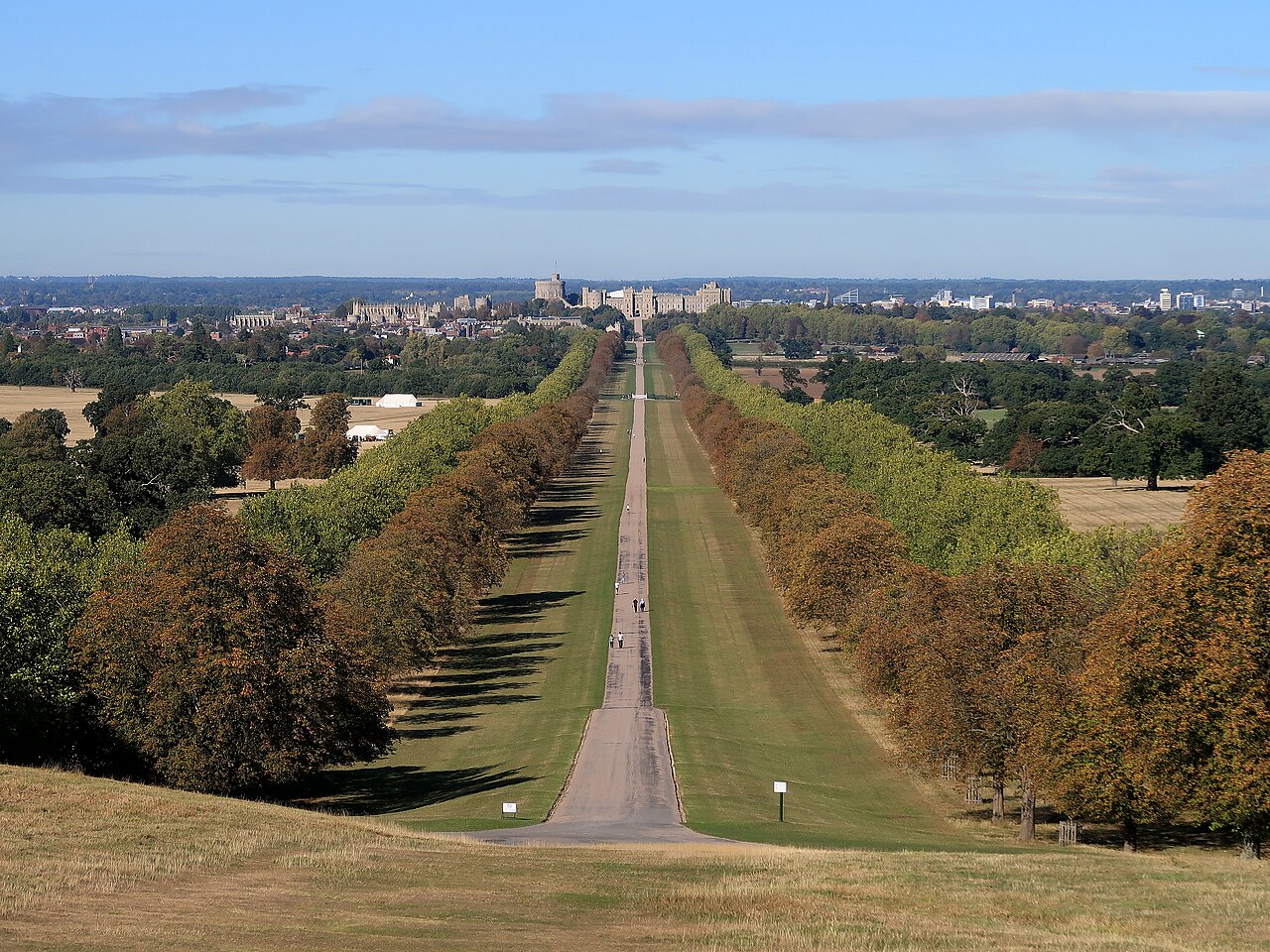
Coworth Park’s redesign, as articulated by Martin Hulbert Design, offers a compelling counter-narrative. The project is positioned as a ‘quietly radical counterpoint’ to this global and generic tendency. What exactly constitutes ‘quiet radicalism’ in this context? It is the deliberate turning away from universal aesthetics in favour of hyper-locality. It is the insistence on British landscapes and artisanal craftsmanship not as decorative accents, but as the foundational language of the entire design scheme. This approach signals a confidence in local identity, a belief that the intrinsic beauty and heritage of the English countryside can provide a richer, more enduring form of luxury than any imported marble or abstract art installation.
In choosing to deepen its connection to its Berkshire setting, Coworth Park is not just redecorating; it is recalibrating its very essence. The focus on nature as interior, on seasonal colours and indigenous flora, on equestrian heritage and meadow flowers, is a testament to a shift in understanding what constitutes true value in the upper echelons of hospitality. It suggests that the most compelling luxury experiences are not those that transport guests to an imagined, placeless ideal, but rather those that ground them firmly in the unique reality of their immediate surroundings. This is a subtle but powerful reframing, one that challenges the prevailing norms and invites a more thoughtful engagement with the environment, both within and beyond the property’s walls.
From Derelict Site to Refined Retreat: Coworth Park’s Journey
To fully appreciate the significance of this redesign, it helps to understand Coworth Park’s trajectory and its place within the broader Dorchester Collection portfolio. The Dorchester Collection is synonymous with some of the world’s most iconic and traditionally grand hotels, from The Dorchester in London to Hotel Plaza Athénée in Paris and the Beverly Hills Hotel in Los Angeles. These are properties steeped in history, often serving as cultural landmarks in their respective cities. Coworth Park, while sharing the Collection’s commitment to impeccable service and refined experiences, occupies a different niche: that of a quintessential English country estate.
Martin Hulbert, the British designer behind the original transformation and now this refresh, offers a crucial insight into the property’s genesis. He states, “More than 15 years ago we transformed a derelict site and abandoned house into a world of calm sophistication.” This origin story is vital. It tells us that Coworth Park was not always the polished countryside retreat we know today. Its very existence as a luxury destination is the result of a visionary transformation, a labour of love that breathed new life into a forgotten landscape. Hulbert’s long-standing relationship with the property, stretching back to its foundational overhaul, imbues this latest redesign with a continuity and depth that a newcomer could not possibly achieve. His understanding of its ‘legacy’ and the client’s trust in his vision are explicitly cited, suggesting a partnership built on mutual respect and a shared understanding of the property’s soul.
The estate itself is nestled in Ascot, Berkshire, a region famed for its equestrian connections, most notably Ascot Racecourse, and its rolling, verdant countryside. This geographical and cultural context is not incidental; it is central to Coworth Park’s identity. The initial transformation established it as a destination where the formal elegance of a grand hotel could coexist with the relaxed charm of country living. It quickly became known for its polo fields, its equestrian facilities, and its expansive grounds, offering a sophisticated escape from the city. This redesign, then, is not a departure from that established character, but rather a deepening of it, an intensification of its core values. It is about enhancing the ‘timeless blend where town and country blur with contemporary ease,’ a delicate balance that Hulbert and his team have clearly mastered over the years.
A Seamless Connection: Terraces and Gardens as Core Design
One of the most compelling aspects of Coworth Park’s redesign is the introduction of private terraces and landscaped gardens. This is described as a ‘major new addition’ to the property, and its significance cannot be overstated. In an era where indoor-outdoor living has become a highly sought-after amenity, particularly in luxury vacation rentals and high-end hotels, this move by Coworth Park is a decisive embrace of the trend, but with its own distinctive, deeply rooted interpretation. It’s not merely about adding a patio; it’s about crafting ‘private countryside sanctuaries’ that are integral to the guest experience.
The intention here is clear: to offer guests a ‘seamless connection to the outdoors.’ This phrase, often used in design parlance, takes on a tangible meaning when translated into spaces designed for ‘moments of quiet pause, from al fresco breakfasts beneath the trees to pre-dinner drinks surrounded by nature.’ This is a direct response to a growing desire among luxury travellers to reconnect with the natural world, to find moments of tranquility away from the relentless pace of modern life. The ability to step directly from one’s room into a private garden, to feel the grass underfoot or hear the rustle of leaves, transforms a stay from merely comfortable to profoundly restorative. It elevates the experience beyond the confines of four walls, extending the sense of private domain into the living landscape.
The meticulousness of this integration is further highlighted by the specific details of the planting. The cottage gardens, for instance, have been ‘thoughtfully planted with a delicate mix of wild and cultivated woodland species, with hidden layers of flowers that emerge through the seasons.’ This is not the standard, manicured hotel garden, but something more organic, more responsive to the rhythms of nature. The inclusion of ‘wild’ species alongside cultivated ones suggests a deliberate attempt to blur the lines between human design and natural growth, creating an environment that feels both curated and effortlessly authentic. The promise of ‘hidden layers of flowers that emerge through the seasons’ speaks to a dynamic, ever-changing landscape that rewards repeat visits and offers a unique experience depending on the time of year. It’s a subtle yet powerful invitation to observe, to appreciate the transient beauty of nature, and to engage with the environment in a more intentional way.
The Art of Immersion: Craftsmanship and Sensory Experience
Beyond the new outdoor spaces, the core of the redesign lies within the rooms, suites, and cottages themselves. The ambition, according to the source, is to usher in a ‘bold new design direction’ where ‘craftsmanship, nature and contemporary British luxury come together to create something truly immersive.’ This is a high bar, suggesting a sensory experience that goes beyond visual appeal, aiming to engage guests on a deeper, more visceral level. The goal is to create interiors that feel ‘both restorative and richly layered with character,’ spaces where every element contributes to a profound sense of place and wellbeing.
The strategy for achieving this immersion is rooted in a careful manipulation of colour, texture, and material. ‘New colour palettes draw inspiration from the changing seasons,’ moving from the ‘soft yellows of spring blooms to rich autumnal tones.’ This commitment to seasonal colour schemes ensures that the interiors remain in harmony with the outdoor environment throughout the year, reinforcing the seamless connection. It avoids the static, unchanging palettes often found in luxury properties, embracing instead the dynamic beauty of the British year. Complementing these colours is a focus on ‘natural materials, layered textures and artisan craftsmanship,’ all deployed to ‘bring depth and warmth throughout.’ This is about creating environments that are not just visually pleasing, but also tactile and inviting, encouraging interaction and a slower pace of appreciation.
The philosophy underpinning these choices is one of ‘a slower, more intentional approach, prioritising craftsmanship, authenticity and enduring quality.’ This is a direct challenge to the fast-fashion mentality that can sometimes infiltrate interior design, where trends are chased and materials chosen for their immediate impact rather than their lasting value. By championing enduring quality and authenticity, Coworth Park is making an investment in its own longevity and in the timeless appeal of its aesthetic. It’s a statement that true luxury lies not in fleeting novelty, but in substance, in the integrity of materials and the skill of the human hand.
Weaving the Landscape: Details and Distinctive Touches
The success of an immersive design lies in its details, in the deliberate choices that reinforce the overarching narrative. At Coworth Park, this meticulous attention is evident in several specific elements that weave the essence of the British landscape and its heritage directly into the fabric of the interiors. It is here that the interplay of ‘traditional techniques sit alongside contemporary artisan touches’ becomes most apparent, creating a dialogue between past and present, between timeless craft and modern sensibility.
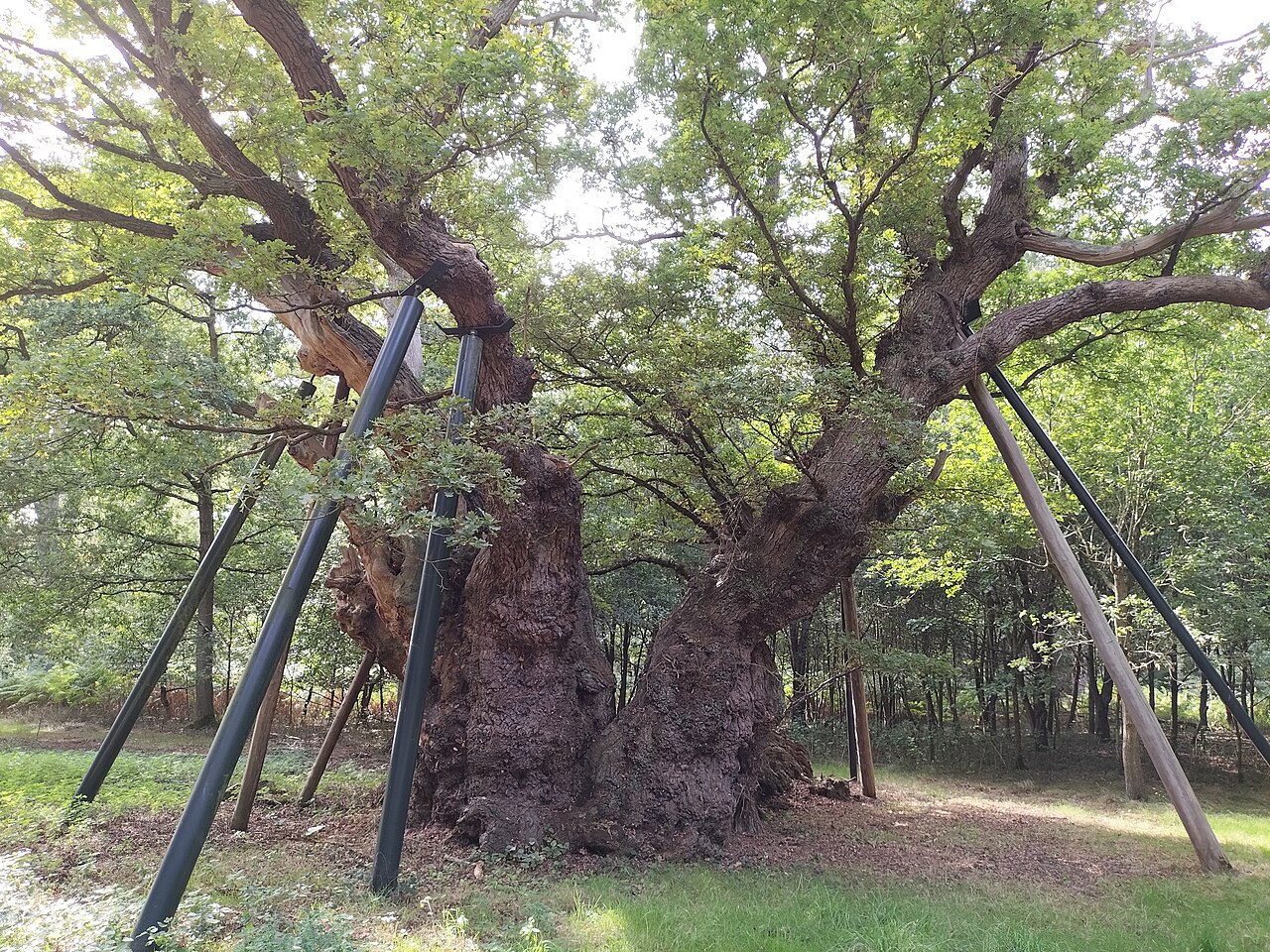
Perhaps the most evocative of these details are the ‘bespoke hand-drawn wall textiles inspired by British landscapes and meadow flowers, block printed onto Irish linen cloth.’ This is a sophisticated and deeply personal touch. Hand-drawn motifs, especially those depicting local flora and scenery, offer an intimacy that mass-produced patterns cannot. The choice of block printing, an ancient artisanal technique, further enhances this sense of craftsmanship and tradition. Printing these designs onto Irish linen cloth adds another layer of natural texture and quality, creating a ‘warmth synonymous with the English countryside.’ This isn’t merely wallpaper; it’s a narrative tapestry, subtly telling the story of the land within the comfort of the room. It speaks to a commitment to genuine artistry, where the imperfections of the human hand become part of the charm and character.
The property’s equestrian heritage, a defining characteristic of its Ascot location, is referenced through ‘leather upholstery.’ This material choice is both practical and symbolic. Leather evokes the saddles, bridles, and tack of the equestrian world, grounding the interiors in the traditions of the estate. Its natural patina and durability speak to enduring quality, aligning with the ‘slower, more intentional approach’ to design. This is a subtle nod, integrated into functional furnishings, ensuring that the thematic connection feels organic rather than overtly decorative.
Another striking detail is the use of ‘bespoke resin tables’ that ‘preserve dried flowers collected from the meadow.’ This is a truly inspired contemporary artisan touch. It takes a fleeting moment of natural beauty – a flower from the estate’s own meadows – and renders it permanent, transforming it into a functional art piece. Each table becomes a miniature diorama, a tangible piece of the Coworth Park landscape brought indoors. This not only ‘grounds each room within the estate itself’ but also serves as a constant, gentle reminder of the natural environment just beyond the window. It is a poetic gesture, merging nature, art, and function in a profoundly meaningful way.
Finally, the newly curated artwork collection reinforces the immersive narrative. Organised around four distinctive themes – ‘Equestrian, Rhythms of the Landscape, Seasonal Cycles, and Hedgerows and Meadows’ – the collection spans a ‘range of mediums from semi-impressionistic paintings to abstract sculpture.’ This thoughtful curation ensures that the visual art throughout the property is not merely decorative filler but actively contributes to the overall story. It deepens the connection to the land and its heritage, inviting guests to explore these themes through different artistic lenses. The artwork acts as a silent narrator, further immersing guests ‘in the story and spirit of Coworth Park,’ ensuring that every glance offers another layer of meaning.
This is a bold declaration that true distinction might not lie in the grandest gesture or the most exotic material, but rather in the quiet power of local resonance and meticulous detail.
The Architect of Calm Sophistication: Martin Hulbert’s Vision
Martin Hulbert’s role in the ongoing narrative of Coworth Park is not merely that of a hired designer, but rather an architect of its enduring character. His involvement spans more than 15 years, a tenure that speaks volumes about his deep understanding of the property’s soul and the client’s unwavering trust. When Hulbert speaks of building ‘on the legacy of Coworth Park’s past, while shaping it for the future,’ he is articulating a design philosophy that respects history while embracing evolution. This is not about erasing what came before, but about refining, enhancing, and reinterpreting it for a contemporary audience.
His previous work, transforming a ‘derelict site and abandoned house into a world of calm sophistication,’ established the foundational aesthetic that defined Coworth Park for over a decade. This latest refresh, therefore, is an evolution of that initial vision, a testament to the belief that even timeless design benefits from thoughtful re-evaluation. Hulbert’s specific mention of ‘retaining the essence of its timeless blend where town and country blur with contemporary ease’ is particularly insightful. This phrase encapsulates the delicate balance he seeks to maintain: the formal elegance of a country estate (town) combined with the relaxed, natural beauty of its rural setting (country), all rendered with an effortless modernity (‘contemporary ease’). It’s about creating spaces that feel both grand and approachable, sophisticated yet comfortable, rooted in tradition but forward-looking in their sensibility.
This ability to blend seemingly disparate elements – tradition and modernity, formal and informal, natural and crafted – is a hallmark of truly accomplished interior design. In the context of the UK’s luxury hospitality scene, where many properties either lean heavily into historical pastiche or overly minimalist modernity, Hulbert’s approach offers a refreshing middle ground. His work at Coworth Park demonstrates that contemporary luxury does not require a rejection of heritage, but rather an intelligent and sensitive reinterpretation of it. It’s about understanding the subtle cues of English country living and translating them into an aesthetic that resonates with today’s discerning traveller, without sacrificing authenticity or character.
The longevity of the designer-client relationship, as evidenced here, is itself a significant factor. It allows for a continuous refinement of vision, a deeper understanding of the property’s operational needs and its guest profile. This isn’t a one-off project but an ongoing commitment to excellence, ensuring that Coworth Park remains relevant and compelling in a highly competitive market. Hulbert’s vision ensures that the property continues to evolve, not through reactive trend-chasing, but through a considered, organic growth that reinforces its core identity.
The Market Speaks: A Shift Towards Intentional Stays
The redesign of Coworth Park arrives at a pivotal moment for the luxury hospitality market. The seismic shifts of recent years have reshaped traveller priorities, pushing concepts like wellness, sustainability, and authentic experiences from niche interests to mainstream expectations. After periods of confinement and a heightened awareness of environmental concerns, travellers are increasingly seeking out stays that offer more than just a bed for the night; they desire spaces that nourish the soul, connect them to nature, and provide a genuine sense of escape and rejuvenation.
This is where Coworth Park’s ‘nature as interior’ philosophy finds its most fertile ground. The emphasis on restorative spaces, on deepening connections to the landscape, and on a slower, more intentional approach directly addresses these contemporary desires. It positions Coworth Park not just as a luxury hotel, but as a sanctuary, a place where one can truly ‘breathe deeply.’ This resonates strongly with a demographic that is often overwhelmed by urban life and digital saturation, seeking antidote in the tranquility of the natural world.
In the competitive landscape of UK countryside luxury, this redesign sets Coworth Park apart. While there are many exceptional country house hotels, few articulate their connection to the land with such a detailed and integrated approach. It moves beyond generic country chic, offering something more profound and considered. This also impacts its positioning relative to the high-end vacation rental market, including platforms like Airbnb and Vrbo. While these platforms offer unique, often character-filled homes, they rarely provide the holistic, meticulously curated experience of a property like Coworth Park, which benefits from professional service, extensive facilities, and a cohesive design narrative.
From a commercial perspective, this deep investment in locally-rooted, artisanal design is a long-term play. It’s a bet that enduring quality and authenticity will yield greater returns than fleeting trends. While the initial costs of bespoke elements and extensive landscaping are significant, the resulting distinctiveness provides a powerful differentiator in a crowded market. It builds brand loyalty, attracts discerning guests willing to pay a premium for a truly unique experience, and contributes to a property’s lasting legacy. This approach suggests confidence in the sustained demand for meaningful, intentional stays, rather than a quick return on investment from a more superficial refresh. It is a signal to the market that true luxury is increasingly defined by depth, narrative, and an unwavering commitment to place.
What it means for where you stay
For the luxury traveller contemplating their next escape, Coworth Park’s redesign offers a clear invitation to a particular kind of experience. If your ideal stay involves more than just opulent surroundings – if you yearn for a genuine connection to the natural world, for spaces that feel both profoundly English and refreshingly contemporary, then this property should be high on your list. Expect an environment where the transition from indoors to out is seamless, where the colours and textures echo the changing seasons, and where every detail, from the wall textiles to the artwork, tells a story of its place. This is a destination for those who appreciate craftsmanship, who value authenticity over ostentation, and who seek a slower, more intentional pace. It’s a place for quiet reflection, for immersing oneself in the beauty of the British countryside, and for experiencing luxury in a way that feels deeply personal and restorative. It is worth the premium if you are seeking not just a hotel, but a sanctuary rooted in its environment.
For owners and hosts in the high-end vacation rental market, or indeed any hospitality operator, Coworth Park’s strategy offers invaluable lessons. The most significant takeaway is the immense power of a strong, coherent narrative tied intrinsically to location. Generic design, however polished, struggles to compete with a property that tells a compelling story through its architecture and interiors. The investment in artisanal craftsmanship, local materials, and a deep connection to the surrounding landscape, while potentially higher upfront, creates a unique selling proposition that fosters enduring appeal and justifies premium pricing. Consider how your property can reflect its immediate environment, its history, or its unique cultural context. How can you incorporate local artisans, materials, or flora to create a truly distinctive experience? The Coworth Park model demonstrates that genuine authenticity and a commitment to enduring quality are not just design choices, but powerful business strategies that resonate deeply with today’s sophisticated traveller. In a market awash with options, the properties that truly stand out will be those that offer not just a place to stay, but a story to inhabit.
Source
Hotel Designs — reported 17 July 2026. Read by the Amorielli news desk.
Report an error in this story · Corrections policy and log

Pictures marked “Amorielli studio image” are illustrative scenes made for this story, not photographs of any property, company or person named. Pictures credited to a photographer are real photographs from Wikimedia Commons, used under the licence named beside each one; each caption says what the photograph shows. Details can change after publication; confirm specifics with the property or source. Like this? Get the newsletter.