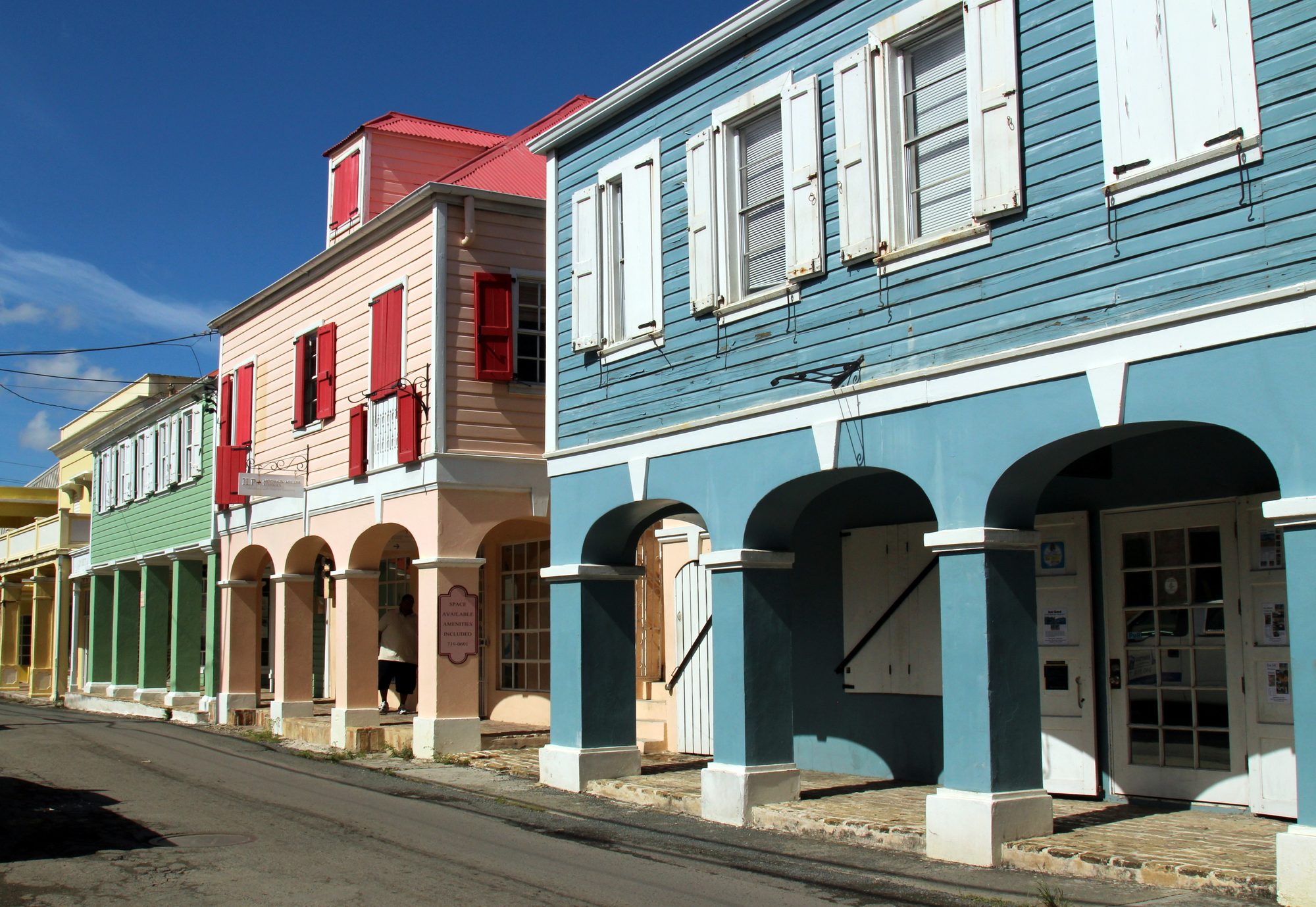
St. Croix
- People
- About 41,000 (2020 census)
- The towns
- Christiansted on the north-east coast; Frederiksted on the west
- The music
- Quelbe, the official traditional music of the Virgin Islands
- Christmas Festival
- Village opens December 26; parades January 1 and 2
- AgriFest
- Usually Presidents’ Day weekend, February
- From The Cerulean
- Christiansted 15 to 20 minutes by car
About 41,000 people lived on St. Croix at the 2020 census, and very few of them in its towns. Christiansted, the old Danish capital, counted 1,770 residents and Frederiksted, on the west coast, 528. Everyone else lives in the estates, villages and hillside neighbourhoods in between, and that tells a visitor something about the island before they land. St. Croix is a place where people farm, fish, go to church, run businesses and raise families, and a week here runs alongside their year: the farm market in the morning, the street party on King Street, the parades after Christmas.
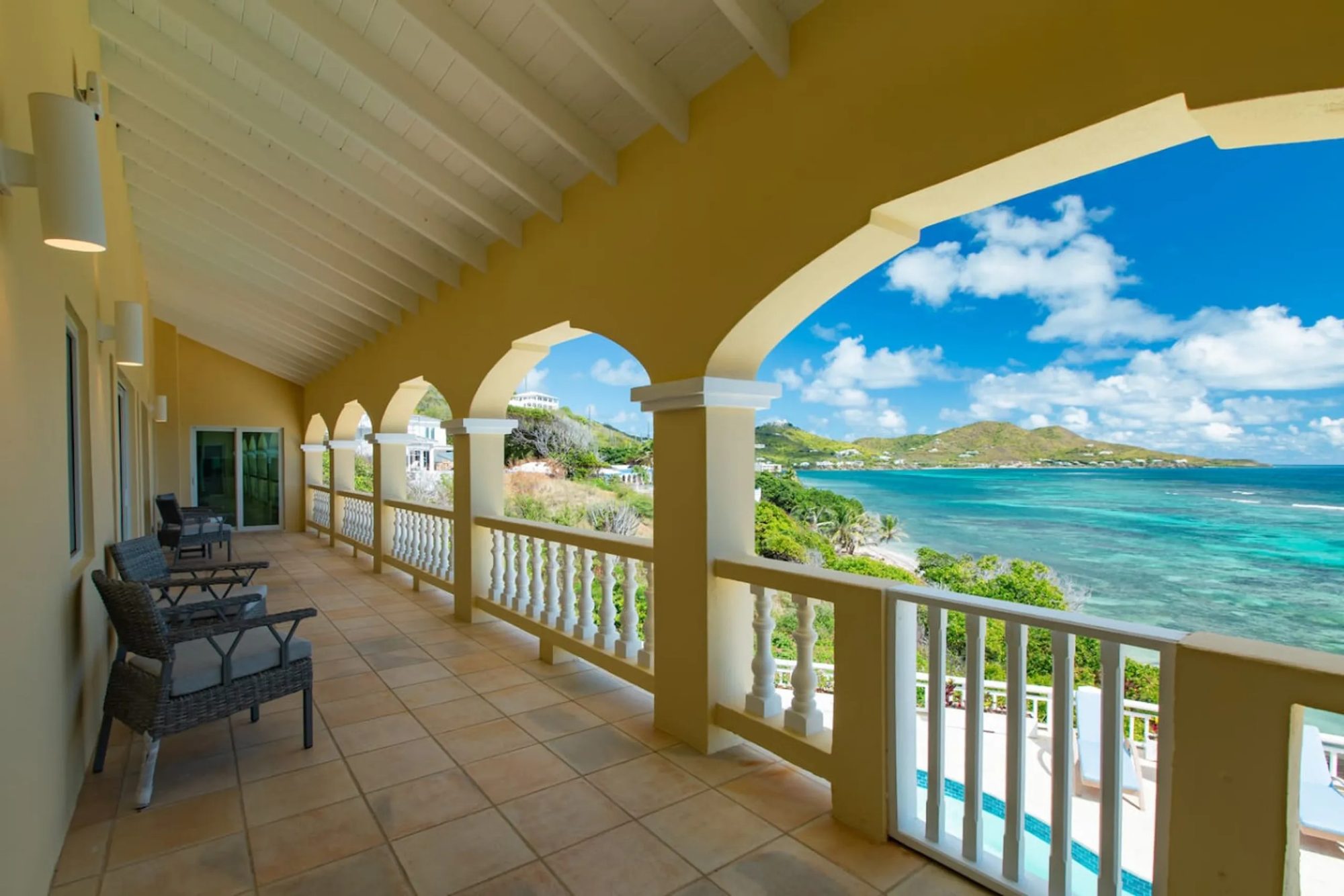
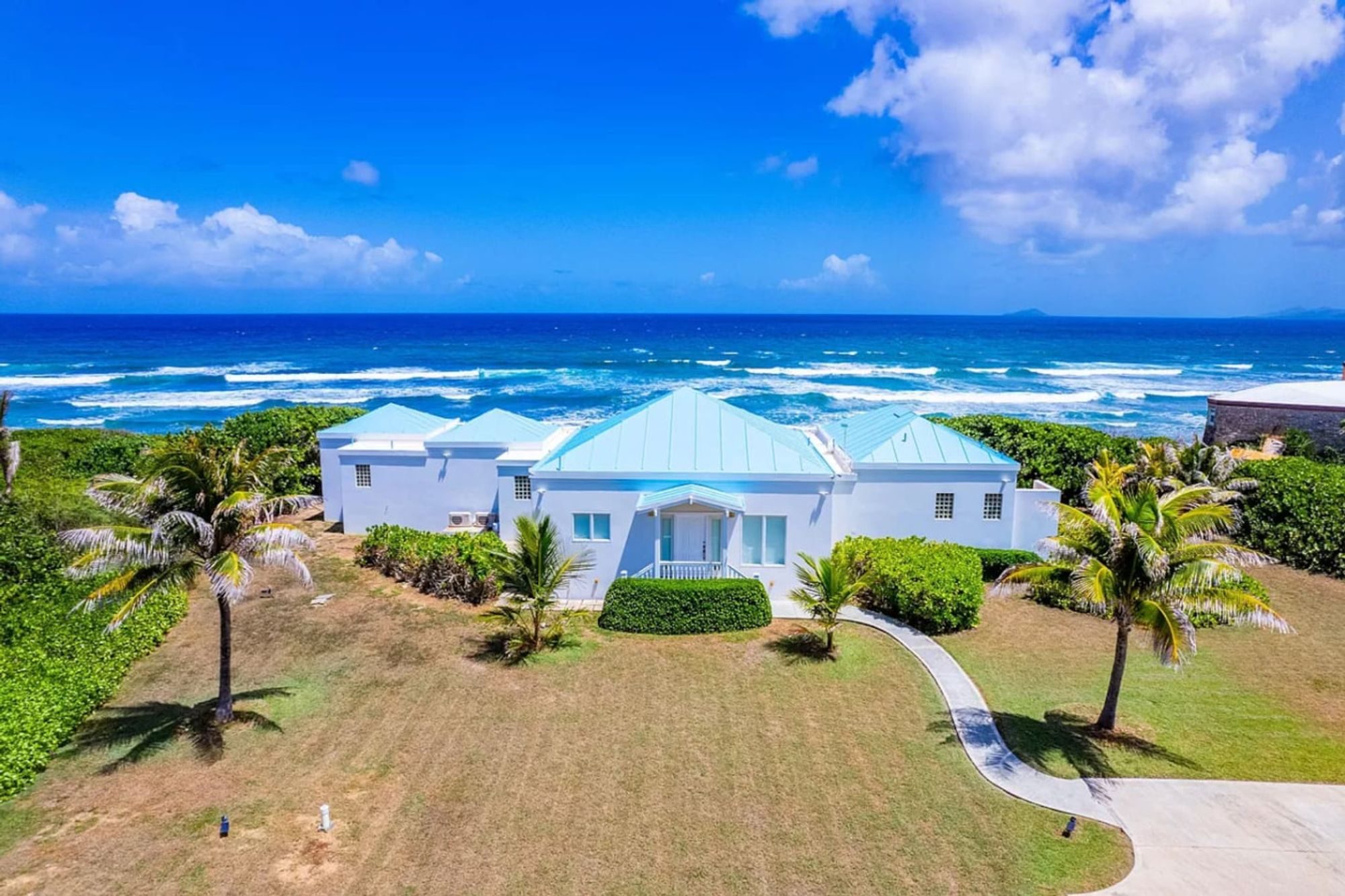
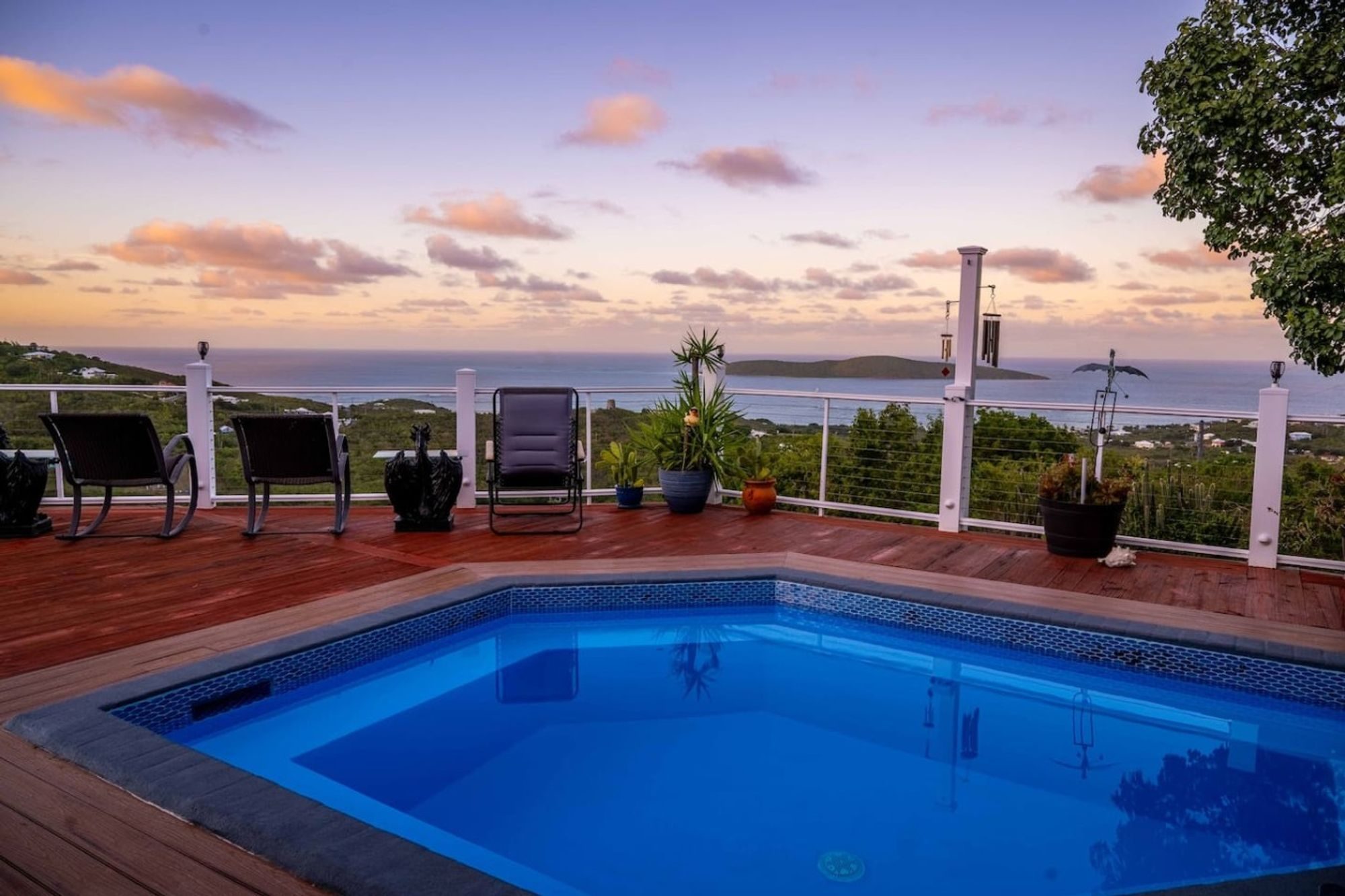
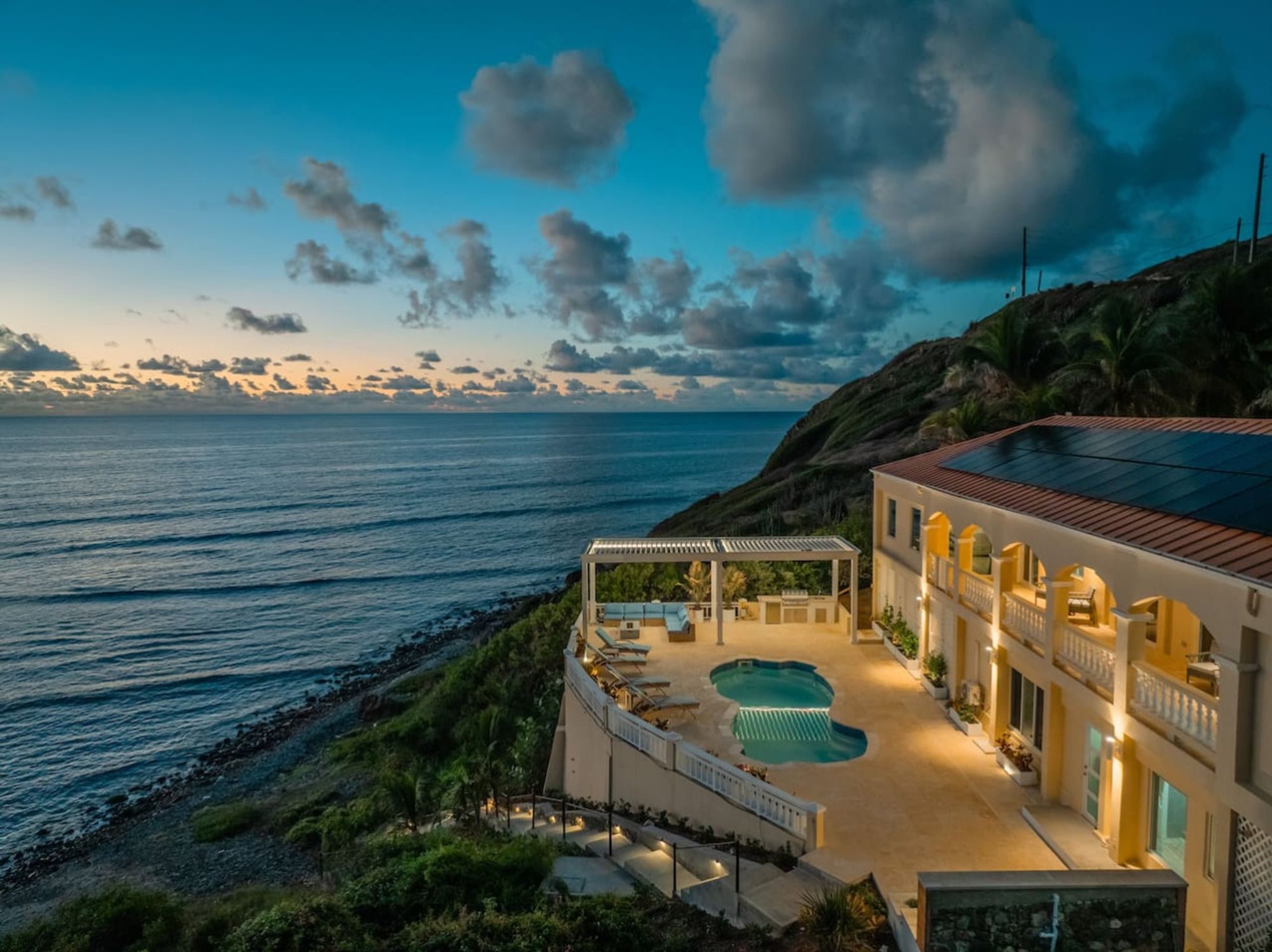
This is a guide to that island, written for families staying on the East End at The Cerulean, the villa on our cover, or anywhere else. Christiansted is fifteen to twenty minutes from the villa’s drive; Frederiksted, at the far end of an island about 22 miles long, is most of an hour. Both repay the trip.
Seven flags and a sale in gold
The National Park Service counts the claimants: Spanish, English, Dutch, French, the Knights of Malta and Danish settlers each claimed St. Croix at one time or another. The Danish West India and Guinea Company bought the island from France in 1733. Christiansted was settled the next year and named for King Christian VI; Frederiksted was approved in 1751 and named for King Frederik V. Denmark ruled for most of two centuries, and its towns, forts and estate names are still the map of the island.
The United States bought the Danish West Indies for $25 million in gold. The treaty was signed in New York in August 1916, and on March 31, 1917, the islands were formally handed over. March 31 is still kept as Transfer Day. Long before the Danes, the island had its first recorded meeting with Europe at Salt River Bay on the north shore, where members of Columbus’s second voyage landed on November 14, 1493. The bay and its mangroves are now a national historical park and ecological preserve, created in 1992.
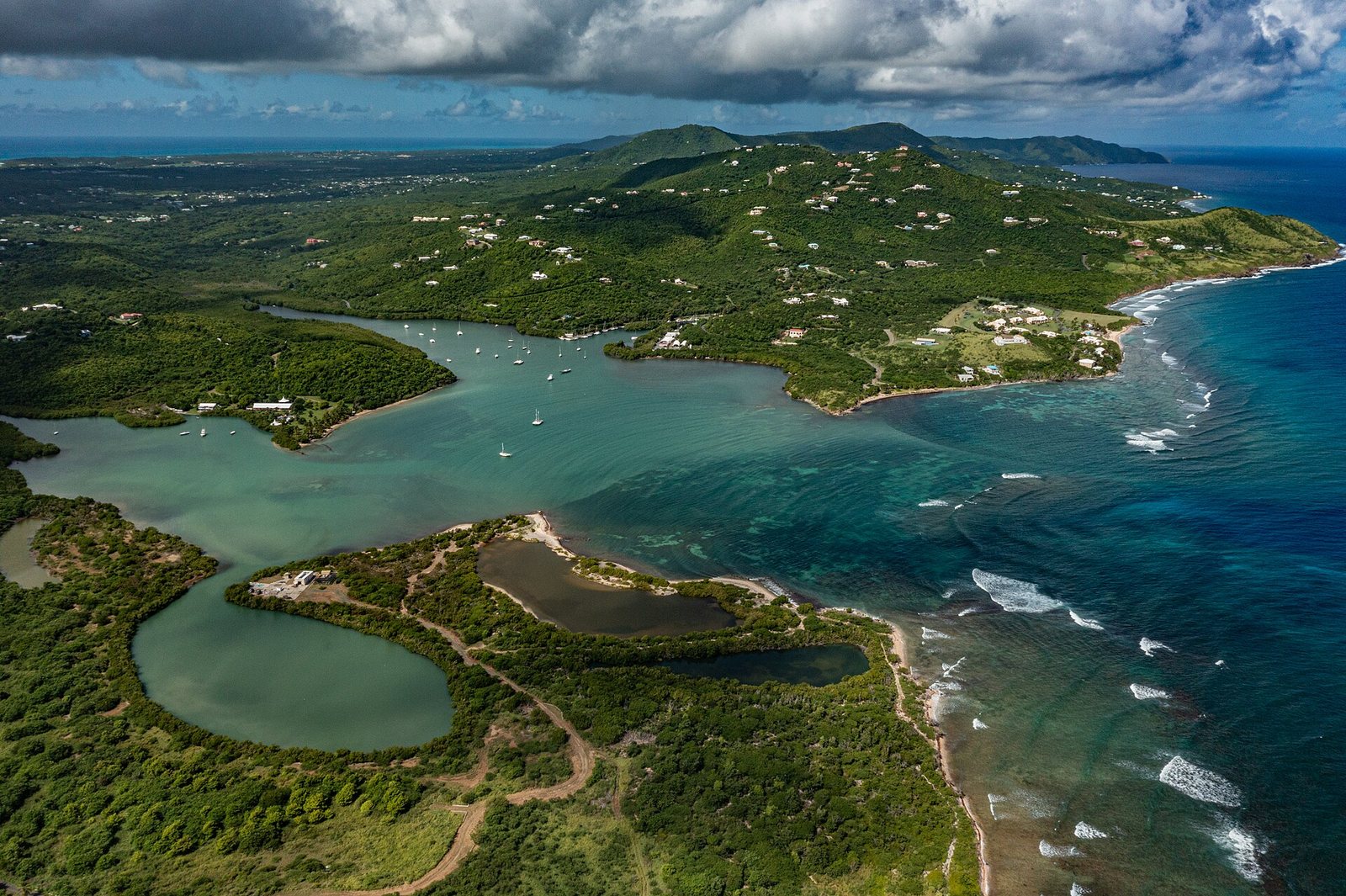
09.07.2024 - NPS Kayak DRONE 05 · Alchematics · CC BY-SA 4.0 · cropped
Christiansted
Christiansted sits on a sheltered harbour on the north-east coast, and its waterfront is a national park. Christiansted National Historic Site, established in 1952, takes in the buildings of the Danish town: Fort Christiansvaern, begun in 1738 on the site of an earlier French fort and finished in 1749; the Danish West India and Guinea Company warehouse of 1749; the Steeple Building, the Lutheran church completed in 1753; and the Scale House of 1856, where goods passing through the port were weighed. With grandparents, it makes an easy first morning: the fort is small enough to see in an hour or so, and the town’s arcaded streets give shade for the walk afterwards.
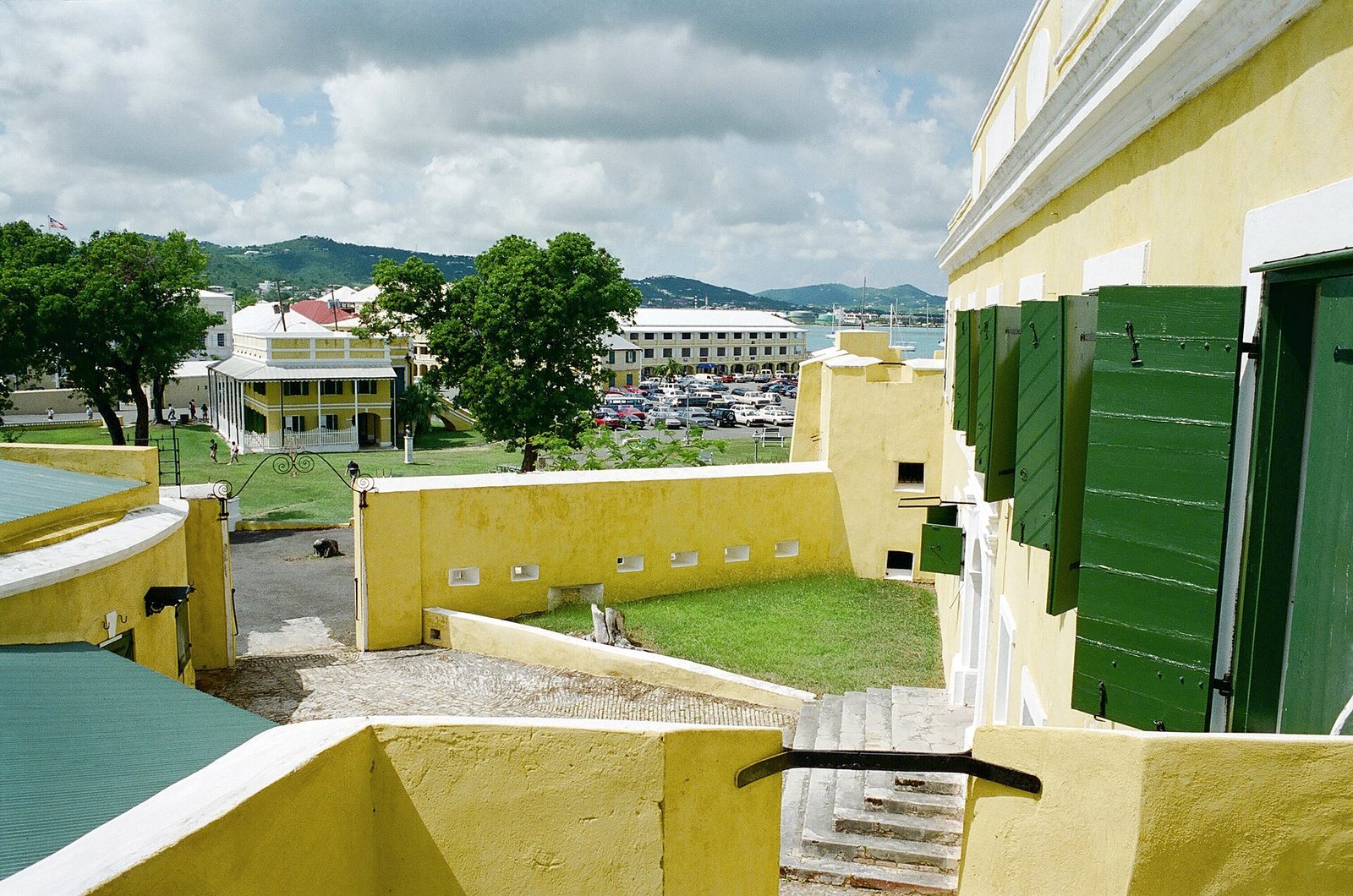
Fort Christiansvaern 96b · Gillfoto from Juneau, Alaska, United States · CC BY-SA 4.0 · cropped
One of the town’s clerks became a founder of the United States. Alexander Hamilton came to St. Croix with his mother in May 1765. After she died in 1768, he went to work for the trading firm of Beekman and Cruger on King Street, and in 1771 and 1772, while Nicholas Cruger was away for his health, the teenager ran the business. He left for North America in 1772 or 1773 and later called the work “the most useful part” of his education. A plaque marks the site at 7-8 King Street.
The boardwalk along the harbour holds restaurants, local jewellers and live music. Four times a year, in February, May, July and November, King Street closes for a jump-up, the town’s street party of music, dancing and food stalls, run by the Christiansted Restaurant and Retail Association; the February one, near Valentine’s Day, is the biggest. If your week overlaps one, go.
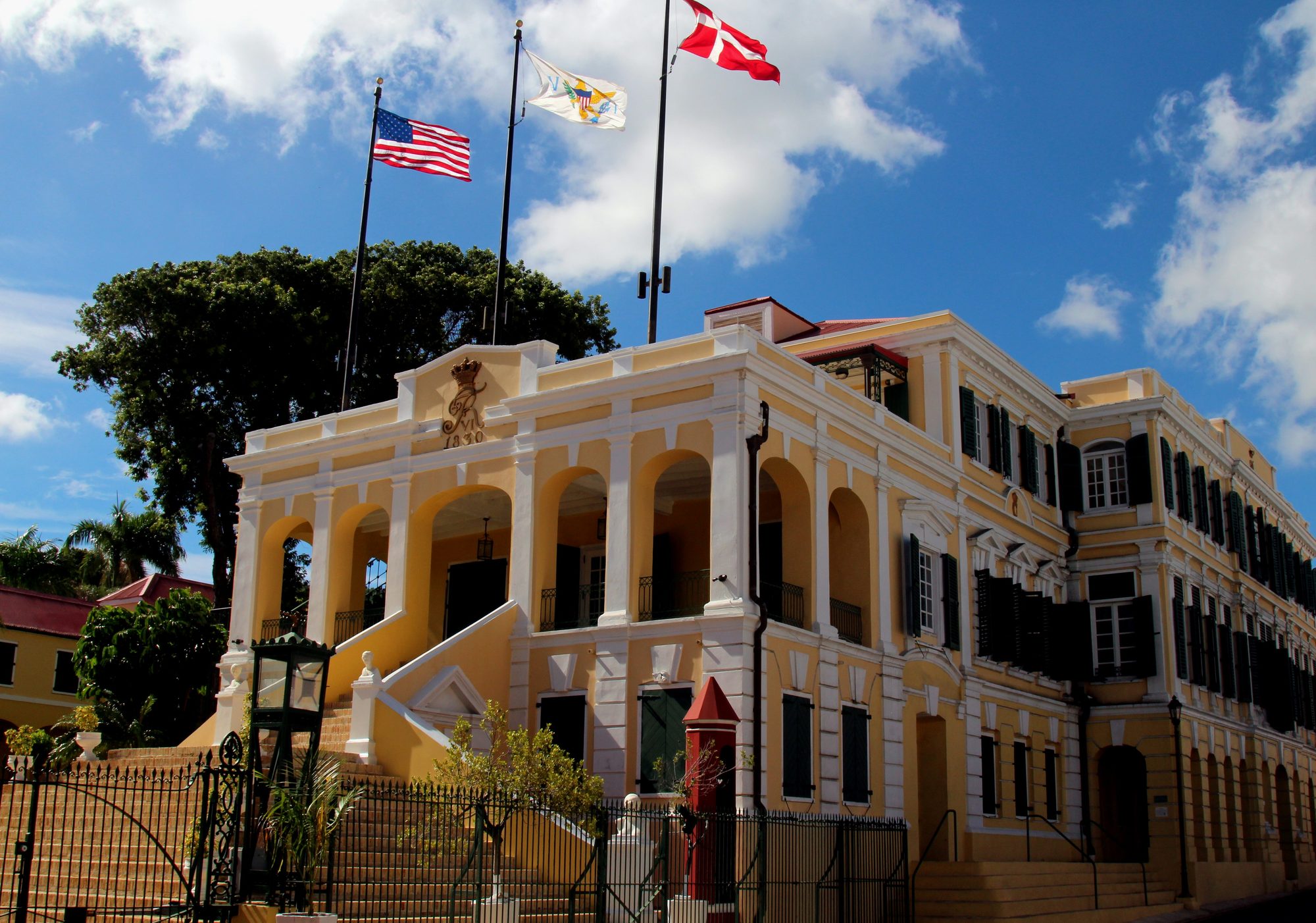
Governor Mansion (23329970591) · Prayitno · CC BY 2.0 · cropped
Frederiksted, on the sunset side
Frederiksted is smaller and slower, a waterfront town on the west coast where the sun goes down over the sea. Its landmark is Fort Frederik, the red fort built between 1752 and 1760, and the town saw two of the island’s turning points. On July 3, 1848, enslaved people led by a man remembered as General Buddhoe gathered at Frederiksted, and from the fort the Governor-General, Peter von Scholten, proclaimed emancipation. The proclamation was one line: “All unfree in the Danish West India Islands are from to-day free.” July 3 is Emancipation Day, a public holiday in the Virgin Islands, and a park in Frederiksted carries Buddhoe’s name.
Thirty years later Frederiksted was at the centre of the largest labour revolt in Danish history. Under the labour law that followed emancipation, workers were bound to yearly contracts that could change only on October 1, Contract Day. On October 1, 1878, the revolt known as the Fireburn began in Frederiksted, and around fifty plantations and most of the town were destroyed. Its leaders included three women remembered as Queen Mary, Queen Agnes and Queen Mathilda, who were later imprisoned in Copenhagen.
Strand Street, along the shore, has historic buildings with shops, restaurants and galleries near the pier and the fort. At 10 Strand Street the Caribbean Museum Center for the Arts shows Caribbean art from Tuesday to Saturday, and its exhibitions change through the year. The long pier is a well-known dive, and on an evening without a cruise ship in port the town is very quiet.
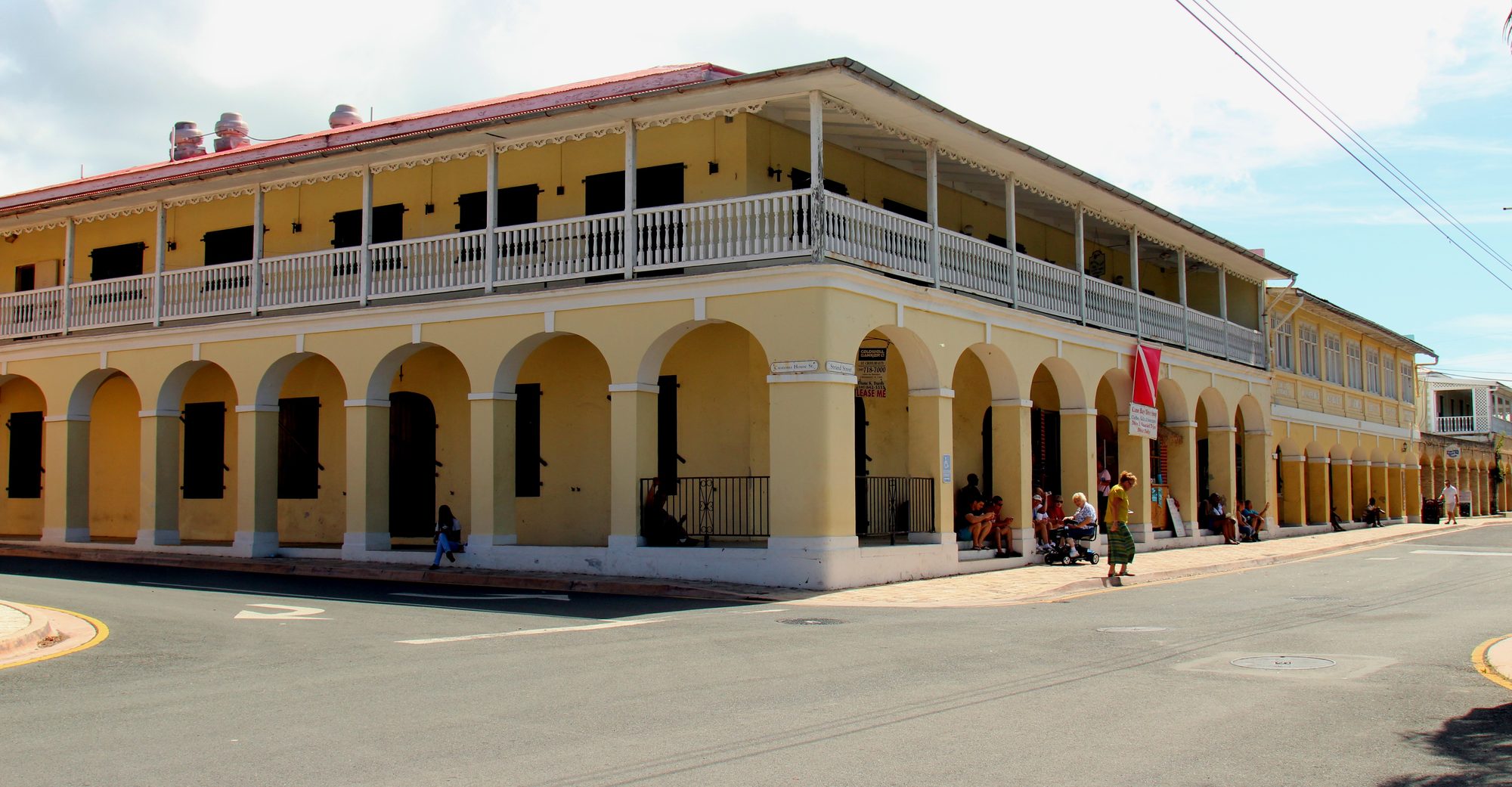
Frederiksted ~ St Croix (23494577505) · Prayitno · CC BY 2.0 · cropped
Quelbe and the moko jumbies
The Virgin Islands have an official traditional music. The Legislature passed a bill making quelbe the territory’s music in December 2003, and the governor signed it in January 2004. The bill also honoured Stanley Jacobs and the Ten Sleepless Knights, the band Jacobs, raised on St. Croix, founded in 1970. Quelbe is played by small bands on a set of instruments of its own: the squash, a gourd scraped in rhythm; the steel, a triangle once forged from car parts; a flute; a banjo-ukulele and a guitar; and, for the bass, sometimes a car exhaust pipe blown like a tuba, though that is rare now. It is still played in the streets. In May 2026 a quelbe tramp, a walking dance behind the band, went from Strand Street to Buddhoe Park in Frederiksted.
The moko jumbies are the island’s stilt dancers, masqueraders from a West African tradition who once had a part in religious ceremony and now dance at carnival and festivals, high above the crowd in bright costumes. Their survival on St. Croix is a recent story. When Willard John arrived in 1979, the island had no active moko jumbies; in 1993 he founded the Guardians of Culture Moko Jumbie academy at a public elementary school. Look for them at the Christmas Festival parades.
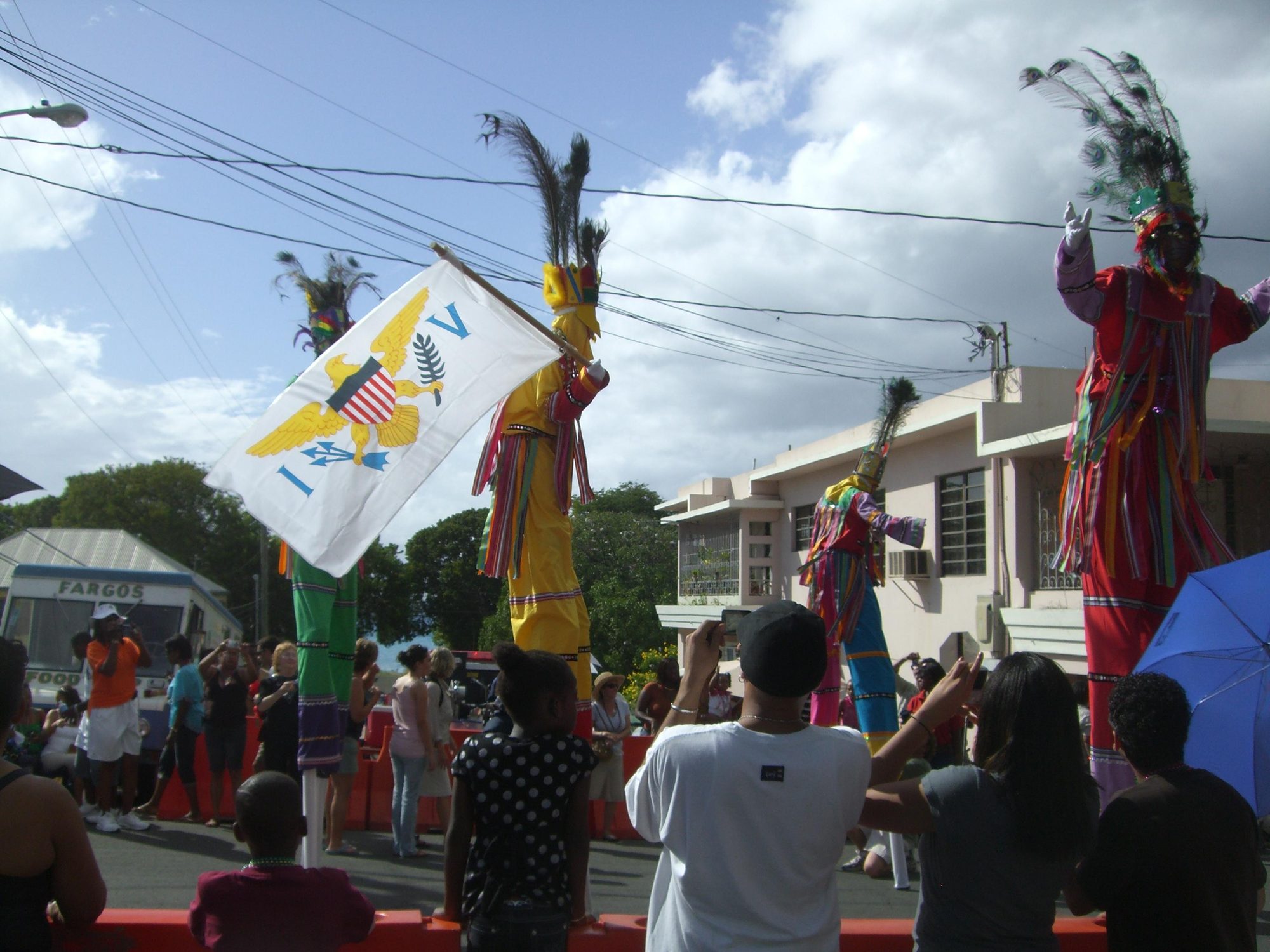
The Crucian table
Crucian cooking is home cooking, and the festival food fairs are the easiest place to try it. Start with pâtés, fried turnovers filled with ground meat or saltfish, and johnnycakes, which the Department of Tourism describes as fried dough. Fungi is cornmeal cooked smooth, often with okra, and comes with fish as “fish and fungi”. Kallaloo is a stew of local wild greens with salt meat, fish or crab and okra, traditionally eaten on Old Year’s Night, New Year’s Eve, for luck. Maubi is a lightly spiced drink made with tree bark. Red grout, a guava-and-tapioca pudding with spice and cream, belongs especially to Transfer Day.
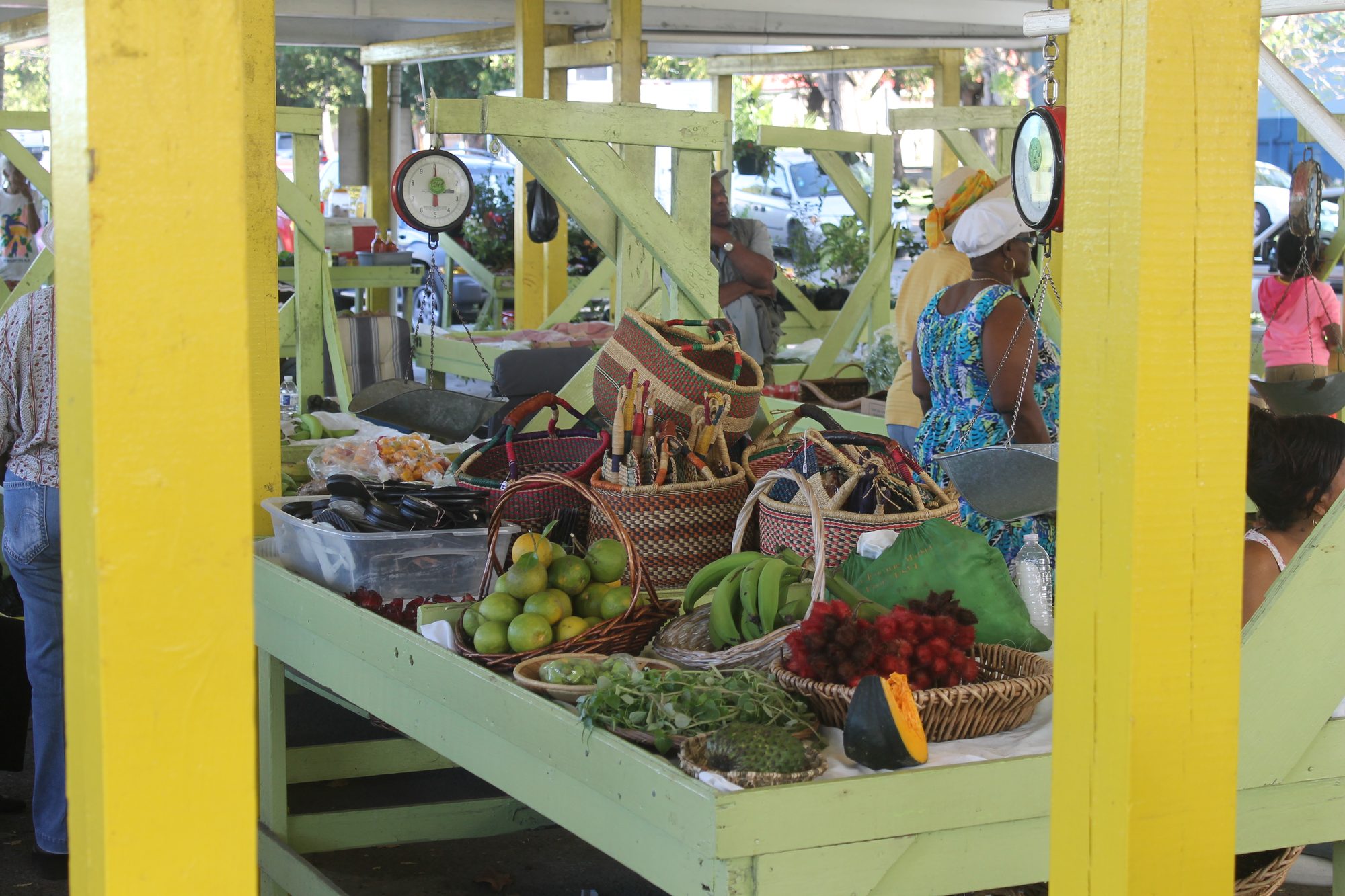
Farmersmarketstcroix · Connie Ma · CC BY-SA 2.0 · cropped
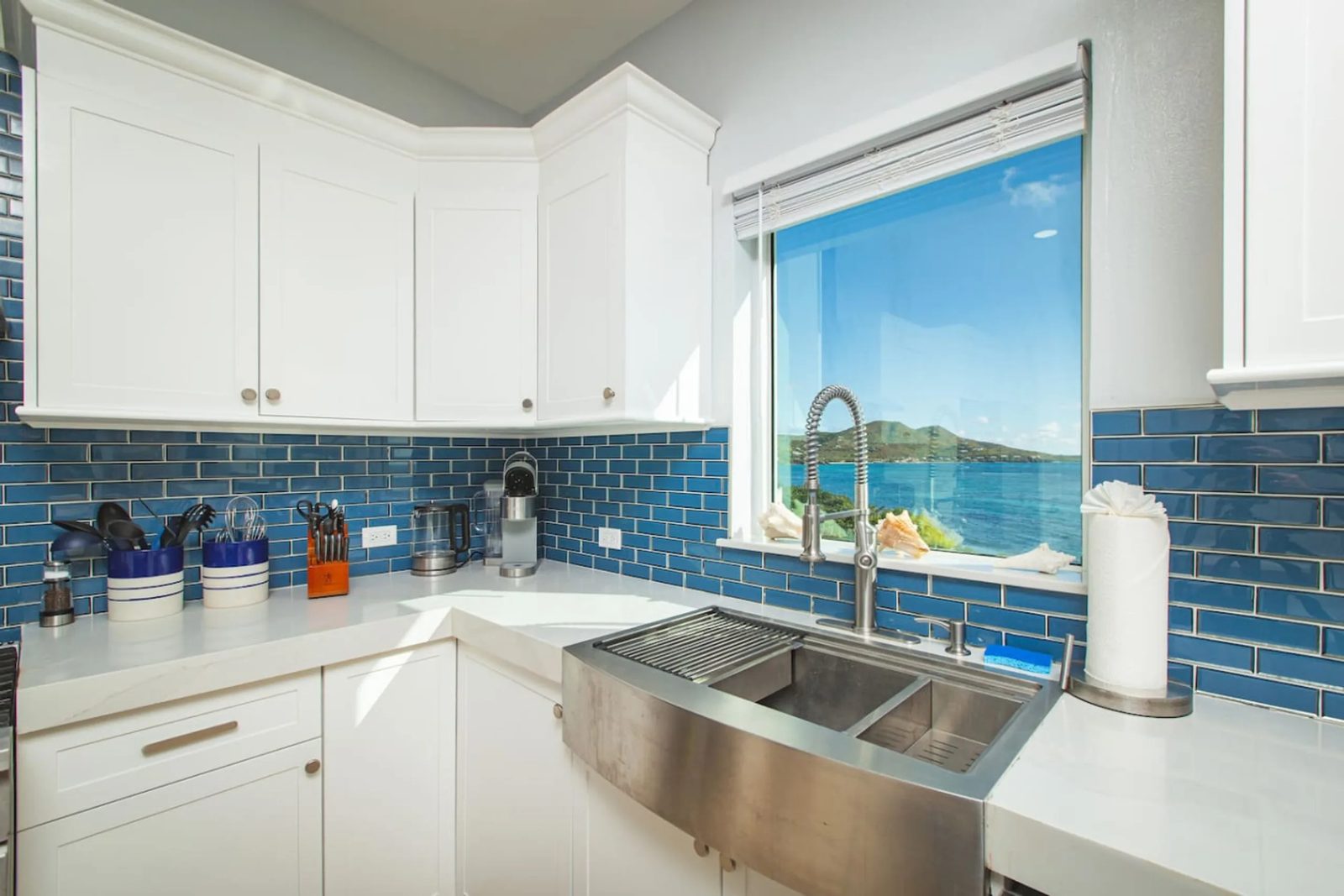
For produce, there is the farm market at La Reine, on Route 75 in the middle of the island, run by the Department of Agriculture, which says it has served the island’s farmers and fishermen for more than sixty years. Go early, and check the day’s hours locally before you set out. Back at The Cerulean, the kitchen is large enough to cook what you bring home, and SP Vacations can arrange a private chef for a night when nobody wants to.
Rum is the island’s other produce. The Cruzan distillery at Estate Diamond, near Frederiksted, stands on an estate whose sugar works date to 1760; the first rum sold as Cruzan was bottled in 1934, and the Nelthropp family has run the company for generations. Tours run on Monday, Tuesday and Thursday to Saturday; booking online is recommended, though walk-ins are welcome. Captain Morgan opened a visitor centre beside its St. Croix distillery in 2012. Bottles from the island help on the way home, too: within the $1,600 customs allowance, a traveller can bring back up to five litres of alcohol duty-free, as long as at least four were bought in the islands and at least one was made there.
The year in festivals
The biggest event of the year is the Crucian Christmas Festival, the island’s carnival, now in its 74th year. The 2026-27 season runs from December 5 to January 2, and its last week is the one to plan around. The festival village opens on the Frederiksted waterfront on December 26. Latin Night follows on December 29 and Reggae Night with the food fair on December 30. J’ouvert, the early-morning street procession, fills the streets of Frederiksted on December 31. The Children’s Parade is on New Year’s Day and the Adults’ Parade on January 2. For a three-generation family it is the week when much of the island is out together, and the Christmas weeks book first.
February brings AgriFest, the Agriculture and Food Fair, held for the 54th time in February 2026 at the Rudolph Shulterbrandt Agricultural Complex at Estate Lower Love. It is run by the Department of Agriculture, the University of the Virgin Islands’ School of Agriculture and the Virgin Islands Lottery, it usually falls on Presidents’ Day weekend, and it is a family fair: a farmers’ market, local food, crafts, donkey-cart rides and a petting zoo.
The rest of the calendar fills in around those two. The jump-ups come to King Street four times a year. Transfer Day falls on March 31 and Emancipation Day on July 3. Taste of St. Croix, the island’s food festival, moved from April to June in 2026, and in early December the St. Croix Foundation holds Wine in the Warehouse, a food and wine evening that raises money for community projects. Dates move from year to year, so check before you fix a trip around one.
The estates, the garden and the bays
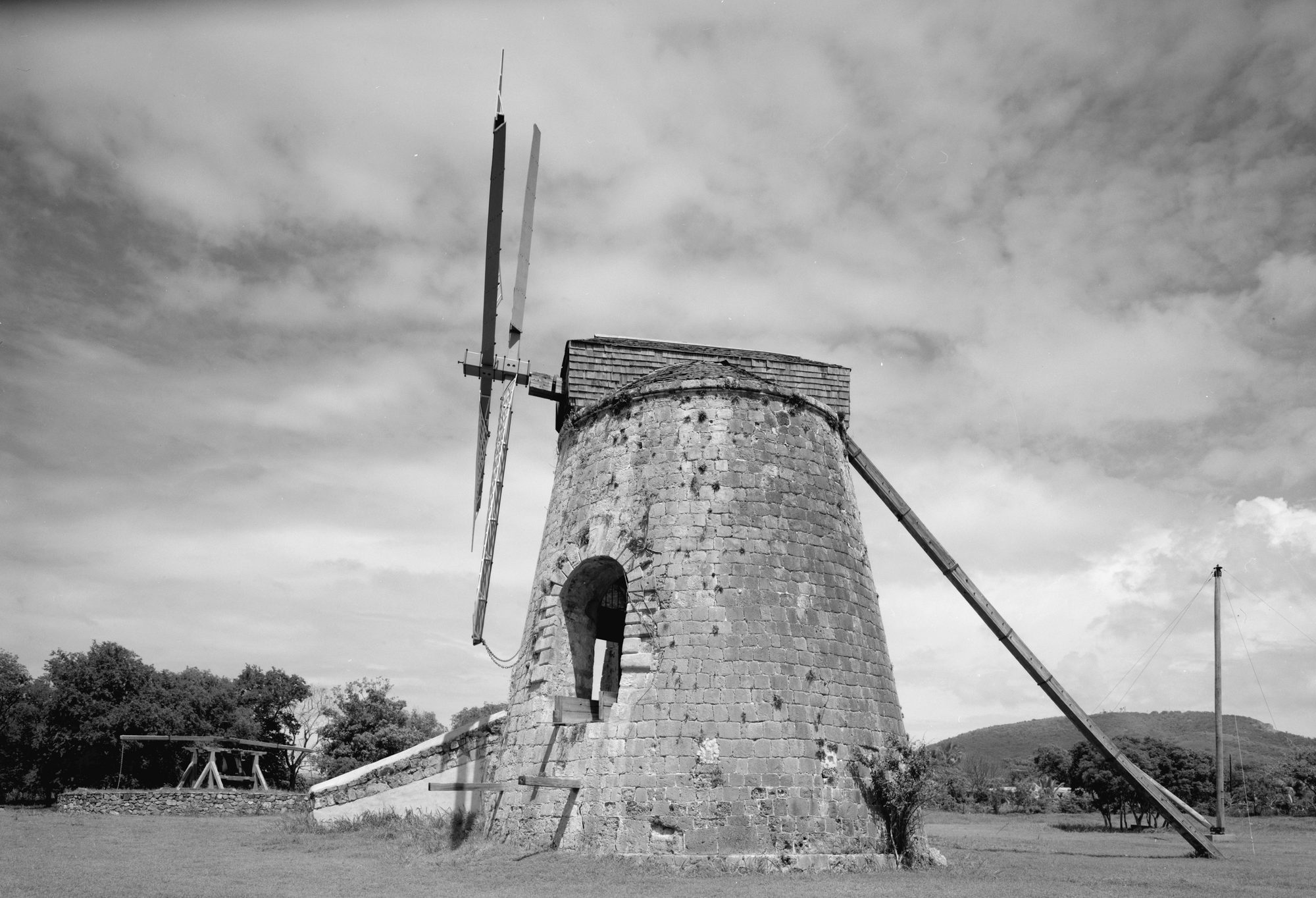
The island’s sugar history is easiest to understand at Estate Whim Museum, run by the St. Croix Landmarks Society on Centerline Road near Frederiksted: twelve acres of a former sugar plantation, with its Great House, workers’ quarters and mill. It was named in 2024 among America’s most endangered historic places, with damage from the 2017 storms still awaiting repair, so check the opening days before you go; the society lists Wednesday to Saturday, from 10 am to 3 pm.
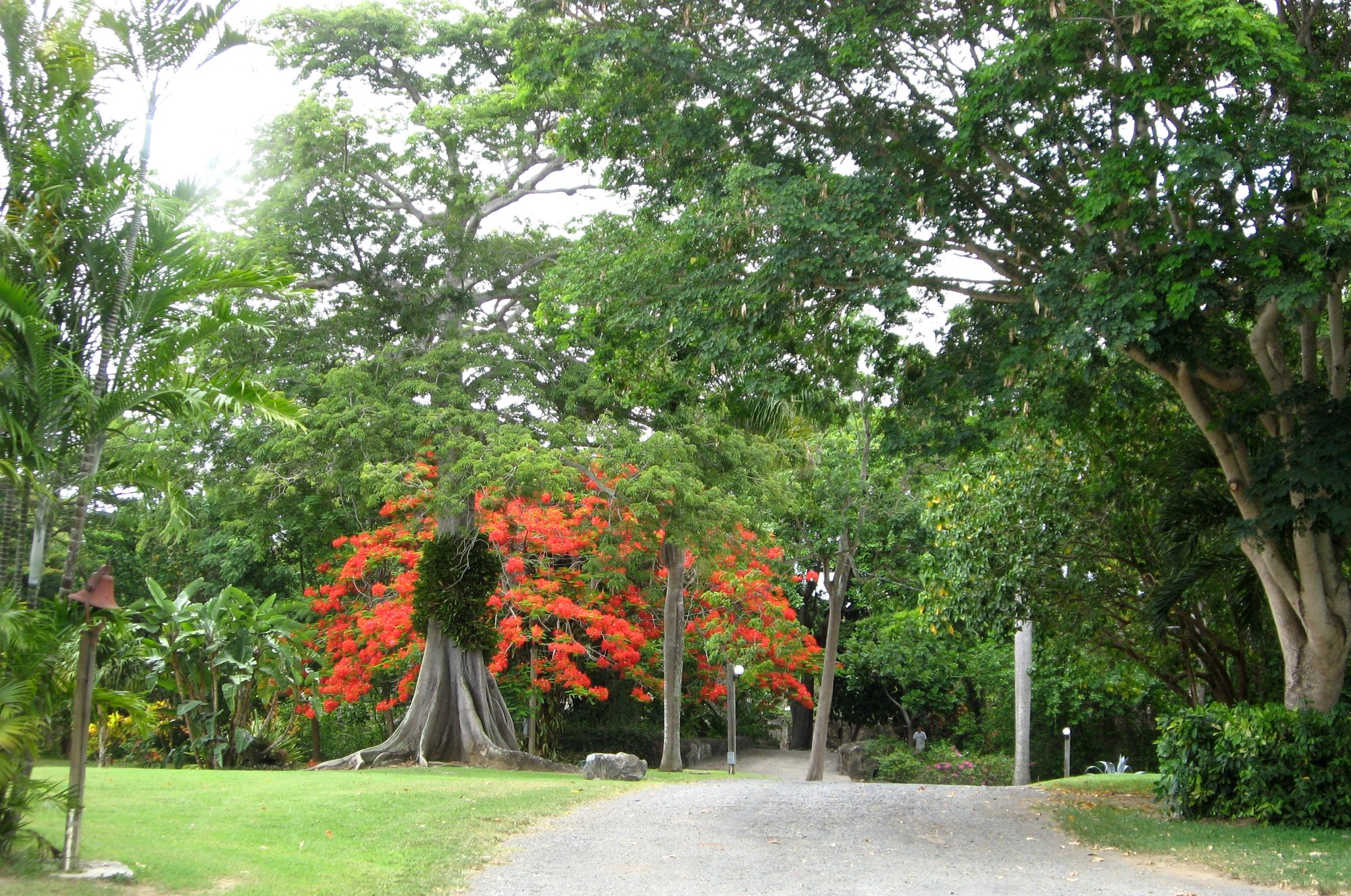
2008-07-17 St. George Village Botanical Gardens St. Croix USVI · Jpheym Jason P. Heym / Seascape Pool Center Inc. · CC BY-SA 3.0 · cropped
St. George Village Botanical Garden, in the middle of the island, covers sixteen acres of a Danish sugar estate of the 1750s, on a site that was an Amerindian settlement before that. The ruins and a restored cottage of the estate workers’ village stand among the plantings, and the garden is open every day except Christmas, from 9 am to 3 pm. It makes an easy morning with grandparents.
On the north shore, Salt River Bay’s mangrove lagoon is a bioluminescent bay, and the night kayak trip there suits older children. At the south-west tip, Sandy Point National Wildlife Refuge, set up in 1984, protects a beach where leatherback turtles nest; it closes to the public from about mid-April to August and opened again on September 5, 2026, at weekends.
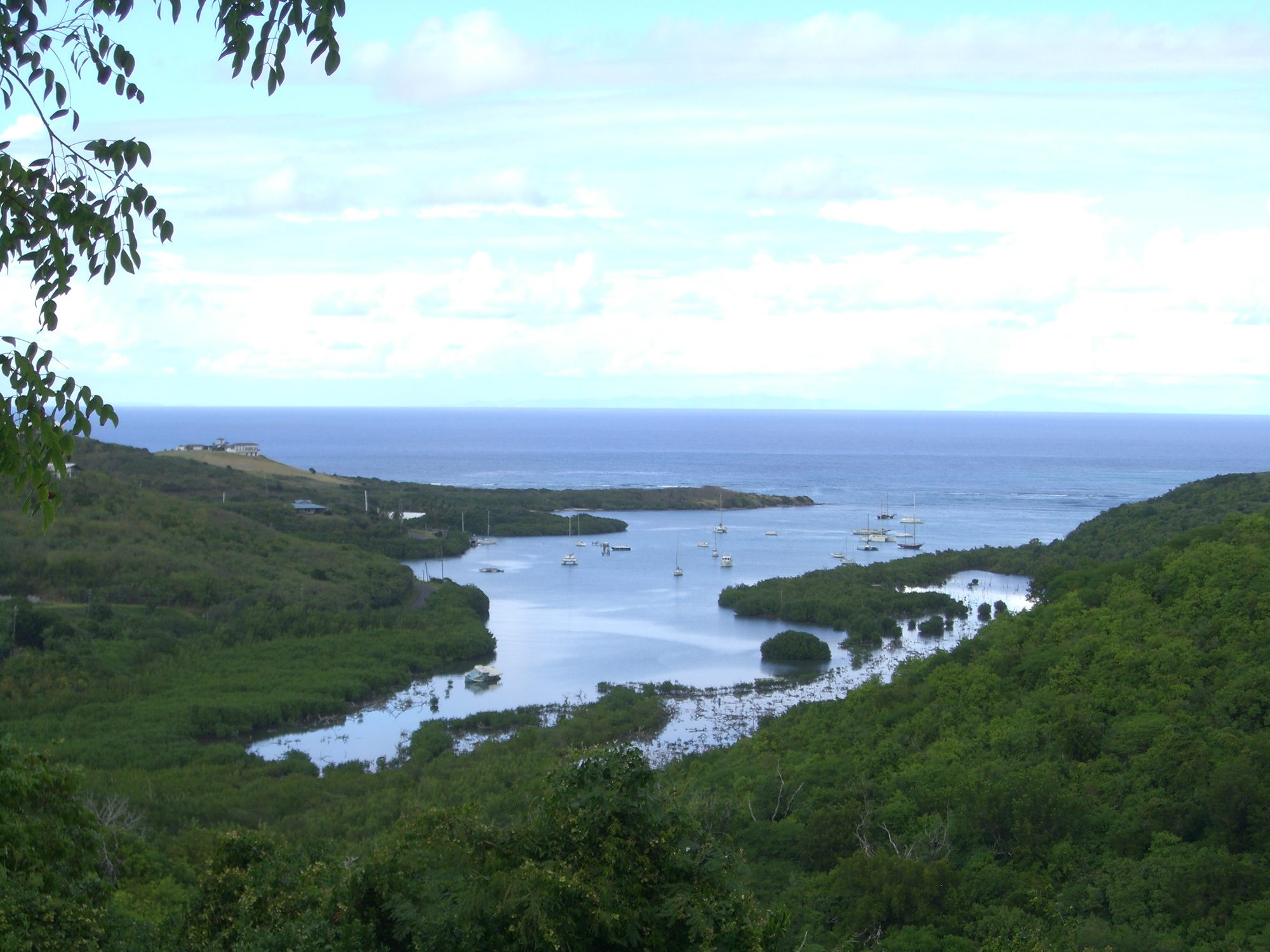
From the East End
The Cerulean is at the other end of the island from Frederiksted, on the quiet East End, which makes it a good base for the water and a longer drive for the west. Plan the island in halves. Give Christiansted a morning, with the fort, Hamilton’s King Street and lunch on the boardwalk, and come back for a jump-up if one falls in your week. Give the west a full day: the botanical garden on the way out, Fort Frederik and Strand Street in the afternoon, a rum tour if the timing works, and the sunset from Frederiksted before the drive home. The Melvin H. Evans Highway along the south side is the fast road; Centerline Road through the middle of the island passes the old estates.
A week of St. Croix, beyond the villa
- Christiansted National Historic Site: the fort, the warehouse, the Steeple Building and the Scale House, then lunch on the boardwalk.
- Hamilton’s plaque at 7-8 King Street, Christiansted.
- Fort Frederik, Strand Street and the Caribbean Museum Center for the Arts (Tuesday to Saturday), Frederiksted.
- St. George Village Botanical Garden, open daily except Christmas.
- Estate Whim Museum, Wednesday to Saturday; check before you go.
- The farm market at La Reine, early.
- Cruzan at Estate Diamond, Monday, Tuesday and Thursday to Saturday.
- Crucian Christmas Festival 2026-27: village from December 26, J’ouvert December 31, parades January 1 and 2.
- AgriFest: usually Presidents’ Day weekend in February.
St. Croix drives on the left, and the island is about 22 miles long, so no day out is far from the villa.
The Cerulean
Amorielli takes no bookings and no commissions. You book direct with the property. See The Cerulean in the Collection.
Sources
- U.S. Census Bureau, 2020 Census of the U.S. Virgin Islands, population by island and town: census.gov
- National Park Service, Christiansted National Historic Site, its buildings, Alexander Hamilton’s first career, the seven flags and Fort Frederik: nps.gov/chri, Hamilton, the seven flags, Fort Frederik
- National Park Service, Salt River Bay, the Columbus landing: nps.gov
- U.S. Department of State, Office of the Historian, the 1916 treaty and the 1917 transfer: history.state.gov
- National Museum of Denmark, the abolition of slavery and the Fireburn: natmus.dk
- Smithsonian Folkways, liner notes to “Quelbe!” (2016), and the Smithsonian folklife teaching kits on celebrations and food: folkways.si.edu
- ACTA Taproot, on Willard John and the Guardians of Culture Moko Jumbies: actaonline.org
- U.S. Virgin Islands Department of Tourism, the Crucian Christmas Festival 2026-27, AgriFest, the jump-ups, local cuisine and Taste of St. Croix: visitusvi.com
- University of the Virgin Islands, AgriFest 2026: uvi.edu
- Virgin Islands Department of Agriculture, the La Reine Farmers’ Market (letter of March 19, 2026): plaskett.house.gov
- St. Croix Landmarks Society, Estate Whim Museum: stcroixlandmarks.org; St. George Village Botanical Garden: thegardenstcroix.org; Caribbean Museum Center for the Arts: cmcarts.org
- Cruzan Rum, heritage and tours: cruzanrum.com; U.S. Customs and Border Protection, the $1,600 allowance and alcohol: cbp.gov
- U.S. Fish and Wildlife Service, Sandy Point National Wildlife Refuge: fws.gov
- VI Consortium reporting on Estate Whim (May 2, 2024) and Wine in the Warehouse (December 7, 2024).