Lumina Luxury Rentals at a glance
- Where
- Manhattan Beach, Laguna Beach, Temecula and Soda Springs, California; Edwards, Colorado; Scottsdale, Arizona; Beaverton, Oregon; Schaumburg, Illinois; Mooresville, North Carolina; San Juan, Puerto Rico
- Founder
- Shariann Carlo
- Hosting since
- 2021, according to two of its regional pages for homeowners
- Arrival and departure
- Check-in at 4 p.m. and checkout at 11 a.m. on the property pages read
- Refunds
- None within 60 days of arrival, by its FAQ; the terms shown at booking apply
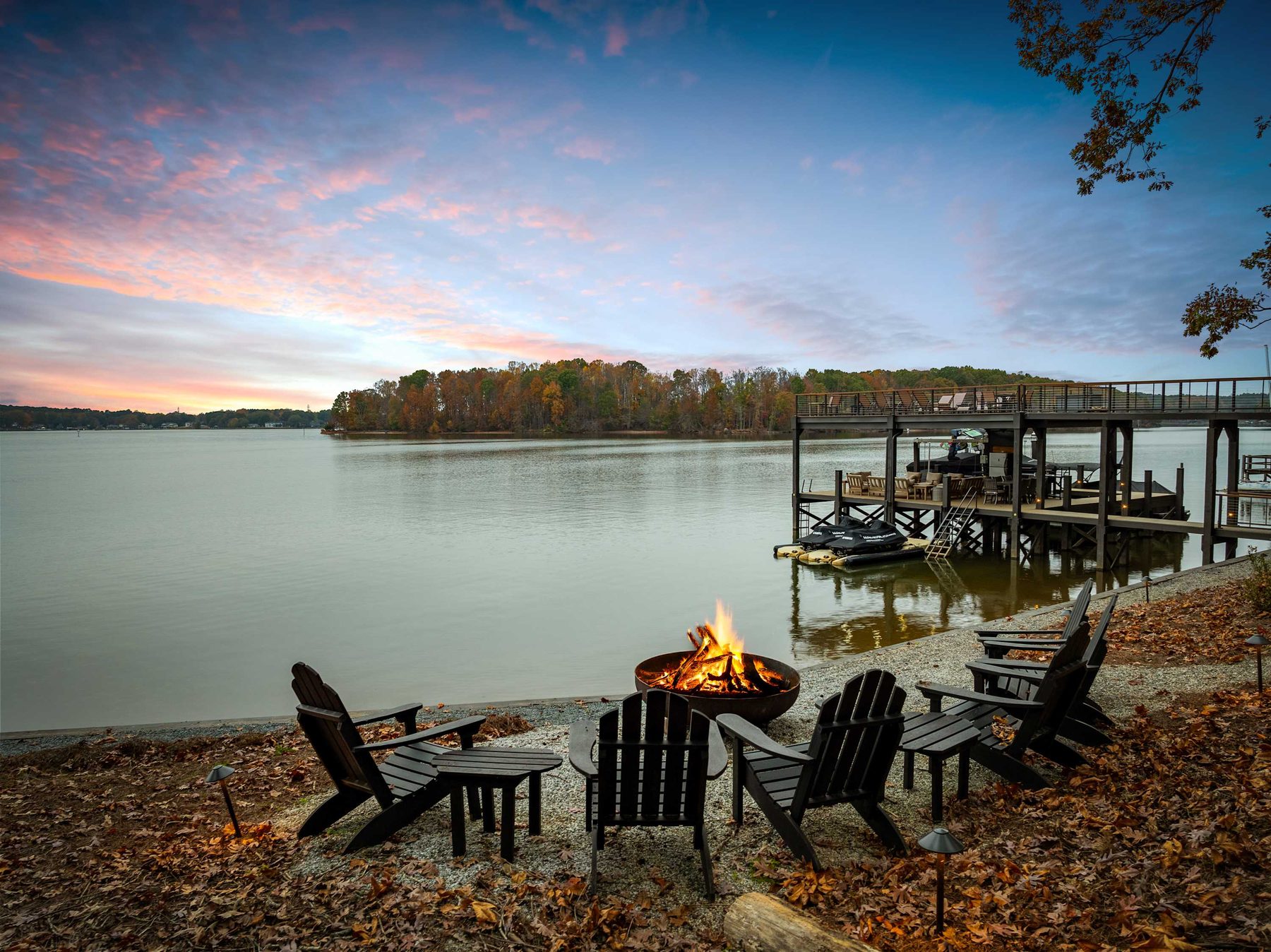
Five dark Adirondack chairs stand around a fire pit on the shore of Lake Norman, on ground covered with fallen leaves. A few steps away a two-level dock reaches over calm water, and the far bank is a line of trees. This is the first photograph on the listing for a four-bedroom house in Mooresville, North Carolina, and the page fills in what the picture leaves out: a hot tub, a griddle, a Peloton, and the plain advice that “A car is the easiest way to get around, as there is no public transit near the home.” The page marks the house as new, with no guest reviews yet.
The house is on the website of Lumina Luxury Rentals, a company that manages vacation rentals and takes reservations for them on its own site. Its homes are in Manhattan Beach, Laguna Beach, Temecula and Soda Springs in California; Edwards, Colorado; Scottsdale, Arizona; Beaverton, Oregon; Schaumburg, Illinois; Mooresville; and San Juan, Puerto Rico. The company's founder, Shariann Carlo, says on her own website that she was born and raised in San Juan, and she told an interviewer in 2024 that she got her start there as a film extra.
It is a wide spread. The list takes in a beach city, a wine valley, a ski summit in the Sierra Nevada, a Colorado mountainside, a desert city, a lake made by a power company's dam and an island city with old forts. Each has its own seasons and its own published rules for short stays. This article reads the company the way a traveler choosing a house for a group can read it: from Lumina's own pages, from what cities, counties and tourism offices publish, and from a few dated surveys of how people now reserve and plan a trip. Nobody from this magazine stayed in the homes. Where a claim is the company's or its founder's, the text says so.
The homes and where they are
The Destinations page explains itself in two sentences. It invites visitors to explore “Lumina-managed homes in the places where we host guests” and adds: “Each destination page reflects our current public collection, whether that means one distinctive home or a growing group of stays.” Each place has a card with a photograph.
The homes differ a good deal in size. At one end is a two-bedroom house in Manhattan Beach's Sand Section. At the other is a six-bedroom, single-level estate on five acres in Temecula. Between them are three-bedroom homes in Manhattan Beach, Laguna Beach and Soda Springs; four-bedroom homes in Manhattan Beach, Edwards, Schaumburg and Mooresville; and five-bedroom homes in Manhattan Beach and Beaverton. The San Juan listing is an apartment with a pool that overlooks a lagoon, and the Scottsdale listing is a house the page calls a “modern, Tuscan style retreat” with a pool in its yard. For a group, bedrooms are a steadier measure than a headline capacity, because the bed lists on several pages include sofa beds and air mattresses.
The company takes more than one kind of guest. Its home page addresses vacationers and also, in its words, “a corporate business looking to stay for few months,” and the Schaumburg listing accepts stays of up to 1,125 nights. Two of its regional pages for homeowners, for Colorado and Greater Los Angeles, carry the line “Hosting since” with the year 2021. Those pages are written for owners, and some of the towns the Colorado page names, among them Aspen and Telluride, are places where the company addresses homeowners and where its Destinations page lists no home today. A page for referral partners says “Nationwide expansion underway.” The list of ten may not stay at ten.
Each property page prints a guest rating with the number of reviews behind it. On November 13 the rated homes showed scores from 4.8 to 5. The newest listings, in Mooresville and on a walk street in Manhattan Beach, were marked new.
Shariann Carlo, by her own account
Lumina's page for homeowners carries a statement under the heading “From our founder”, signed Shariann Carlo, Founder, Lumina Holdings. It begins: “I started Lumina because I was tired of watching beautiful homes underperform in the hands of managers who treated them like inventory.” The second sentence opens with the words “We do the opposite” and goes on: “we treat every home like our own, pair design-forward care with data-driven pricing, and obsess over the details that turn a good stay into a five-star one.”

Carlo has a second public profile, and it is her own website. Its home page introduces her as “actress | producer | director”, and its About page calls her “a multifaceted Puerto Rican actress, writer, director, and producer”. The same site says she was born and raised in San Juan, began modeling as a teenager in Puerto Rico and is fluent in English and Spanish. Her site presents the performer and Lumina's page for homeowners presents the founder.
A fuller account of her path, in her own words, is an interview she gave to the website CanvasRebel, published on February 12, 2024. There she said she got her start in San Juan as an extra on the film The Rum Diary, studied graphic design in college, worked on 22 Jump Street while she was a student and booked her first speaking role in the second season of Cleaners, filmed in Isla Verde, Puerto Rico. She also described the uneven income of the work: “Sometimes you won’t have work for months. Knowing how to manage finances, negotiate contracts, and diversify income streams becomes essential for financial stability.”
Rentals, she told the site, were one of those streams. She said she had held what she called a regular 9-5 job. “Just with one property, I was able to replace the income my 9-5 gave me,” she said. That is her own account, given in February 2024.
Guests meet her name as well. Several of the reviews reproduced on Lumina's property pages, among them reviews of the Soda Springs house, a Manhattan Beach house and the San Juan apartment, name “Shariann” as the person who dealt with them. One, from a guest at the Manhattan Beach house in October 2026, reads: “Shariann is a great communicator and kept us updated throughout.” No independent reporting on the company or its founder was found for this article. What is set down here about both is what they have published or said.
Reserving with the manager
Lumina's site is built to take the reservation itself. Each property page ends with the same invitation, to “book directly with our team.” The booking box promises a full price once dates are entered, under the line “All fees and taxes included. No surprises.” There are two buttons. One is “Book Now”. The other is “Request to Reserve”, with the note “No payment now. Our team will follow up to confirm.” Every property page read for this article gave check-in at 4 p.m. and checkout at 11 a.m., and most set a minimum of two nights.
The company's FAQ gives its reason for booking this way. “You’ll book with the team that manages your stay,” it says. “We’ll confirm your reservation details, share arrival information, and help if something needs attention before or during your visit.” That is the difference a direct reservation makes for a guest: the company that takes the booking is the company that runs the house. It is a difference of who answers. Nothing read for this article compares what a Lumina stay costs on its own site with the same stay on a platform, and no claim about cost is made here.
The homes are not sold in one place only. One property page tells guests that “we are always available during your stay via the Airbnb app”, several of the reviews Lumina reproduces call the homes Airbnbs, and the page for owners displays Superhost, Guest Favorite and Vrbo Premier Host badges. Selling on several channels is the norm among professional managers, and the figures show which way the balance has been moving. RedAwning, a rental distribution company, reported in September 2026 that, in Key Data's figures for professionally managed short-term rentals in the United States in the second quarter of 2026, Airbnb delivered 51% of reservations, up from 47% a year earlier. Direct bookings slipped to 21% of reservations from 25%, and to 29% of revenue from 36%. Vrbo held 20% of reservations.
So a traveler who reserves on a manager's own website is in a minority of about one booking in five, and by those figures the minority shrank over the year. RedAwning sells distribution, and its reading of the numbers is that of an interested party; the figures themselves are attributed to Key Data, whose own report was not found.
The terms deserve a careful read on any channel. Lumina's FAQ says: “No refunds are given for cancellations made within 60 days of arrival, no-shows, early departures, or late arrivals.” It also says: “The cancellation terms shown when you book apply to your reservation.” Sixty days is a long window for a group, since a stay reserved less than two months ahead is inside it from the first day, and the terms on the booking screen are the ones that count. The FAQ adds that pet rules and the rules for parties, gatherings and events vary by home, and that an early arrival or late departure depends on availability and cleaning.
Manhattan Beach
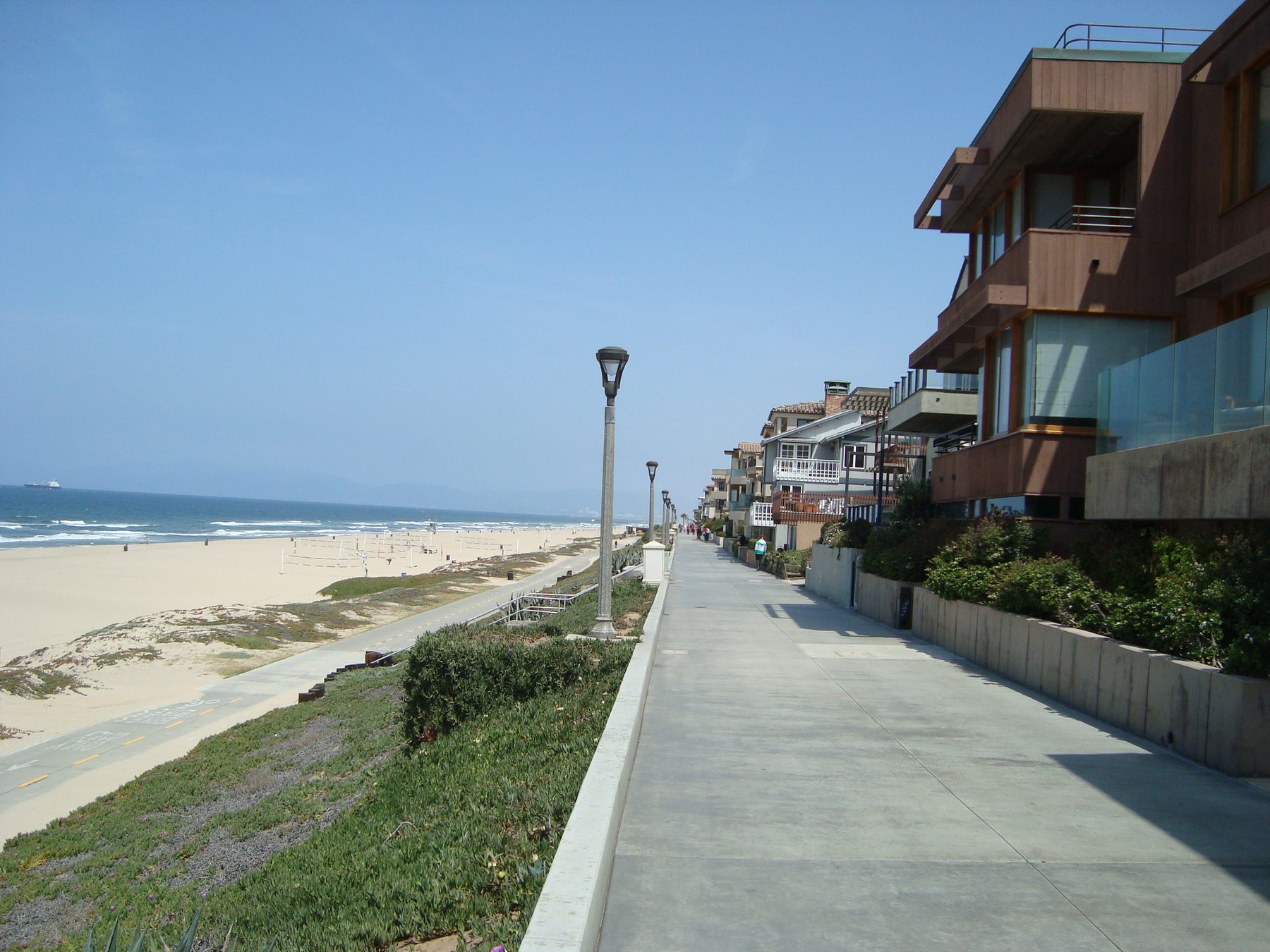
Manhattan Beach is where Lumina is densest, and the Los Angeles County Department of Beaches and Harbors describes the setting in a few figures. The city has “over 2 miles of ocean frontage and 115 acres of beautiful sandy beach.” A 900-foot pier at the end of Manhattan Beach Boulevard divides it, and fishing is permitted on the pier all year. The north end, known as El Porto, is in the county's words “an extremely popular surf spot where you can even take lessons.”
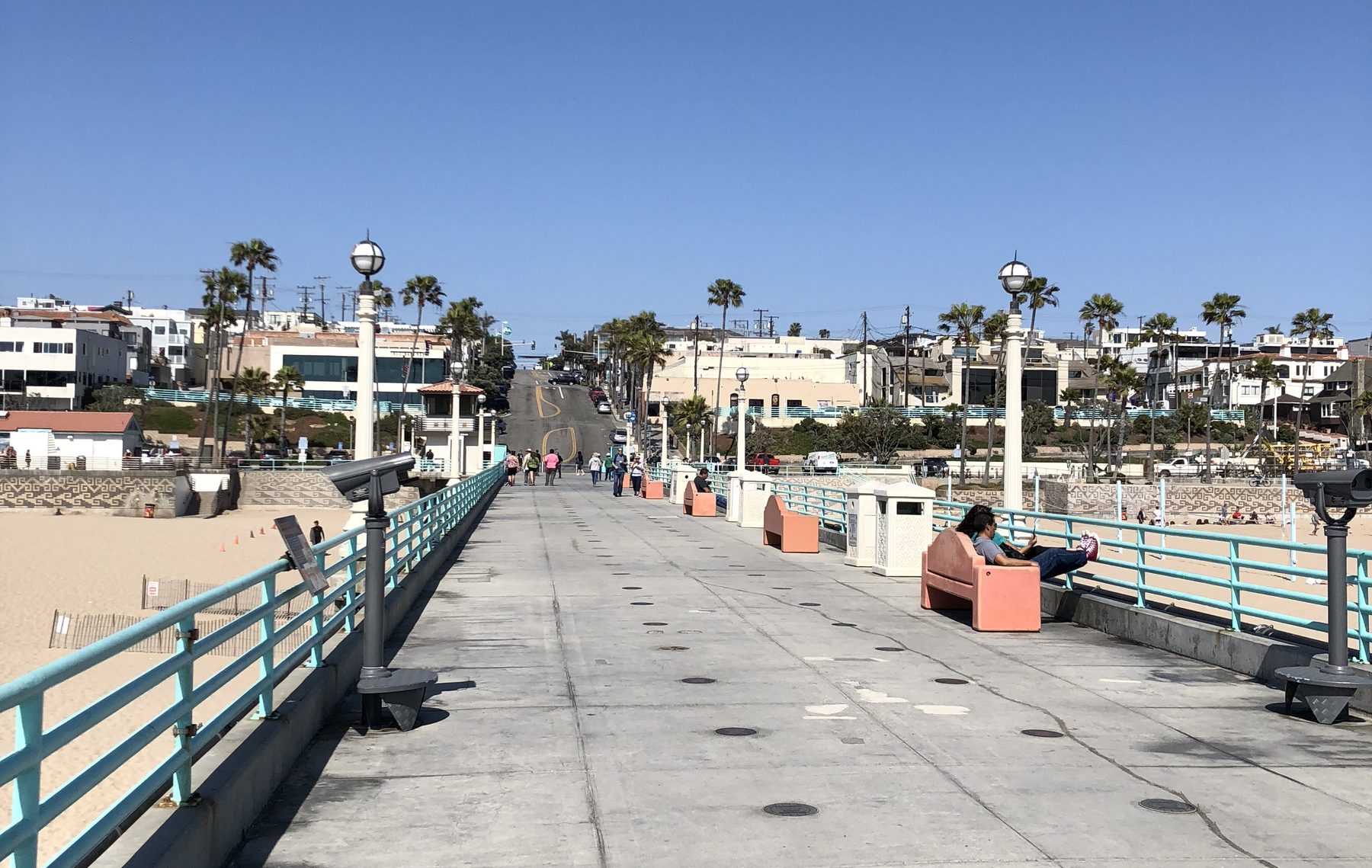
Manhattan Beach Pier 13 2018-05-21 (cropped) · Fastily · CC BY-SA 4.0 · cropped
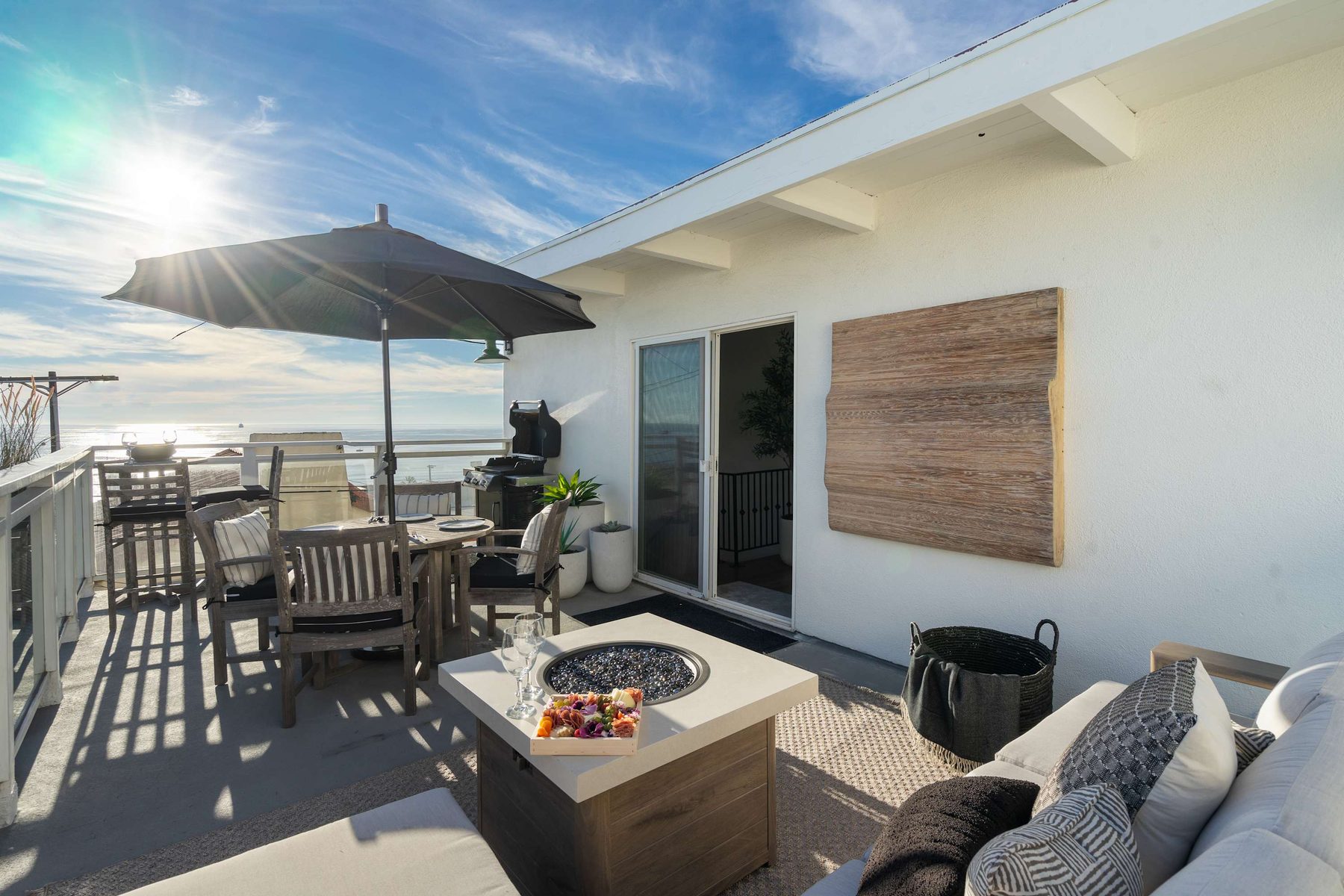
Lumina's homes here run from the two-bedroom Sand Section house, which its listing puts “just steps from the sand”, to two houses of five bedrooms. The listings measure everything from the water. One five-bedroom house is “Just an 8 min walk to the sand and pier”; the other tells guests to “Walk only 10 mins to the pier”. A four-bedroom house on a pedestrian walk street is “Just two blocks from the beach”. Two have a private elevator. Several supply the equipment of a beach week, which in the listings means bicycles, bodyboards, beach chairs and towels, and every page lists an electric-vehicle charger.
The pages are candid about the awkward corners. The listing for a four-bedroom townhome one block from the beach notes that its fourth bedroom is a lower-level suite “on the garage level and does not have an exterior window.” Parking, which matters in a beach town, is spelled out house by house; one of the five-bedroom houses lists a “2-car garage with EV Level 2 charger, plus 2 driveway spaces”. The house marked new takes stays of two to 29 nights. One listing also points guests to the Manhattan Beach Open volleyball tournament and the International Surf Festival, and several name the Roundhouse Aquarium on the pier.
Laguna Beach, Temecula and Donner Summit
Lumina's other California homes are in three different kinds of country. The Laguna Beach house has three bedrooms and two view decks, and its listing describes it as “Perched high above Laguna Beach”, minutes from downtown, Heisler Park and Main Beach. Its house rules set a minimum stay of 30 nights, the longest minimum on the site. Visit Laguna Beach, the tourism body, publishes what visitors to the town pay on top of a room. A 2% Tourism Marketing District fee is added to a hotel stay or vacation rental, and half of it supports the arts, including the Laguna Art Museum, the Laguna College of Art + Design and the Laguna Playhouse. A transient occupancy tax of 12% of the room fee goes to the city's general fund. The same body says “over six million annual visitors” choose the town; that is its own estimate, and the page gives no year for it.

Heisler Park - Laguna Beach - California - 05 · NorbertNagel · CC BY-SA 4.0 · cropped
Laguna's summer has a fixed point. The Festival of Arts has announced the Pageant of the Masters for June 30 to August 28, 2027, closed on July 4 and 5. A group planning around it has dates to work from more than seven months ahead.
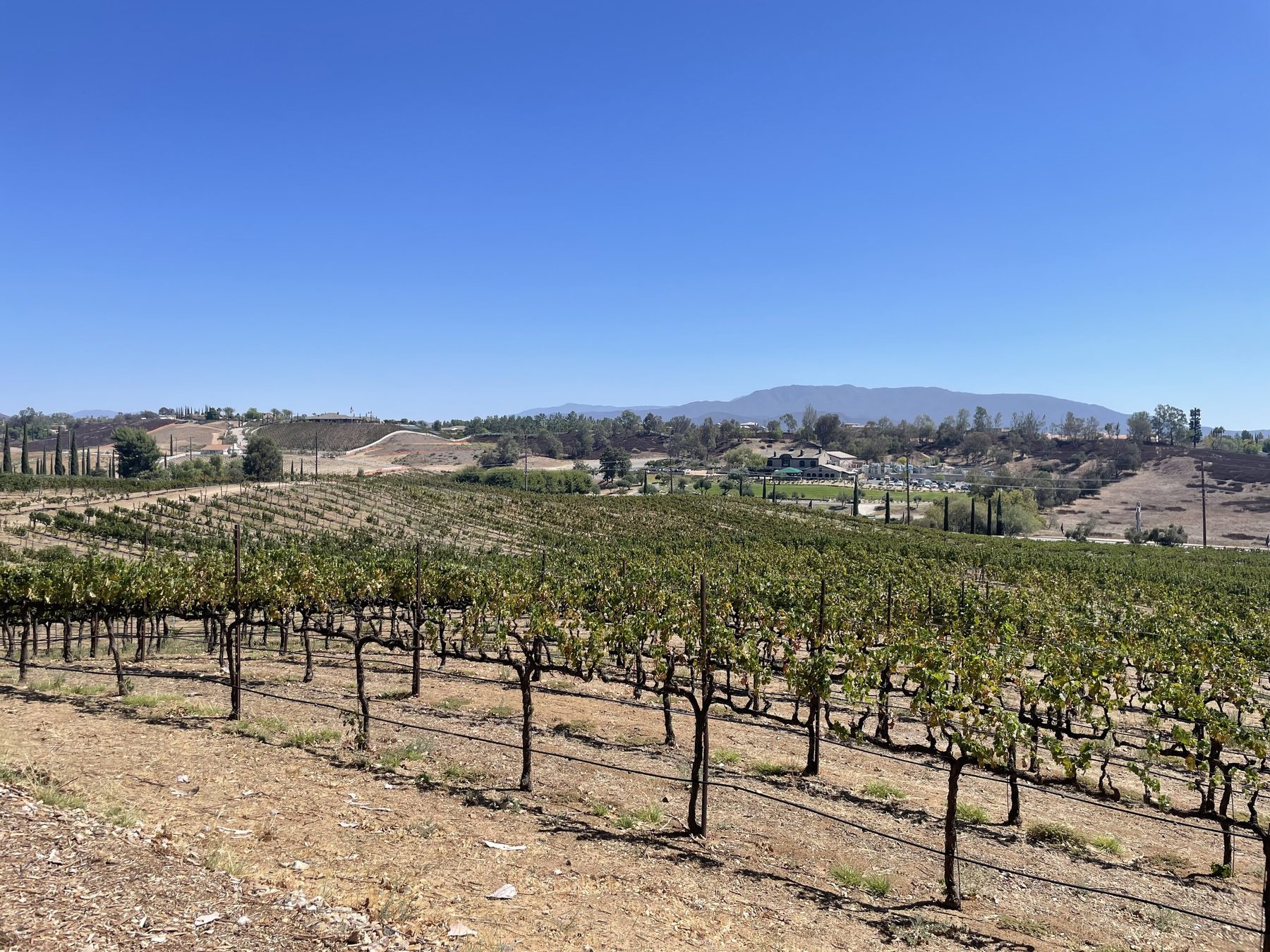
The Temecula home has six bedrooms on one level, on five acres, in what the listing calls a private gated retreat “along Temecula’s Rancho California Wine Trail”. The page lists a pool and spa, an outdoor kitchen, a putting green, a wine cellar, a theater and a billiards table, asks for a minimum of three nights and takes no pets. Guests, it says, “can literally walk to wineries”. The valley's visitor economy grew a little in 2025. Preliminary estimates prepared by Dean Runyan Associates for Visit Temecula Valley, released on August 12, 2026, put direct travel spending in the region at $1.2 billion in 2025, up 1.7% on the year before, with 9,650 jobs and $53.0 million in direct tax revenue.
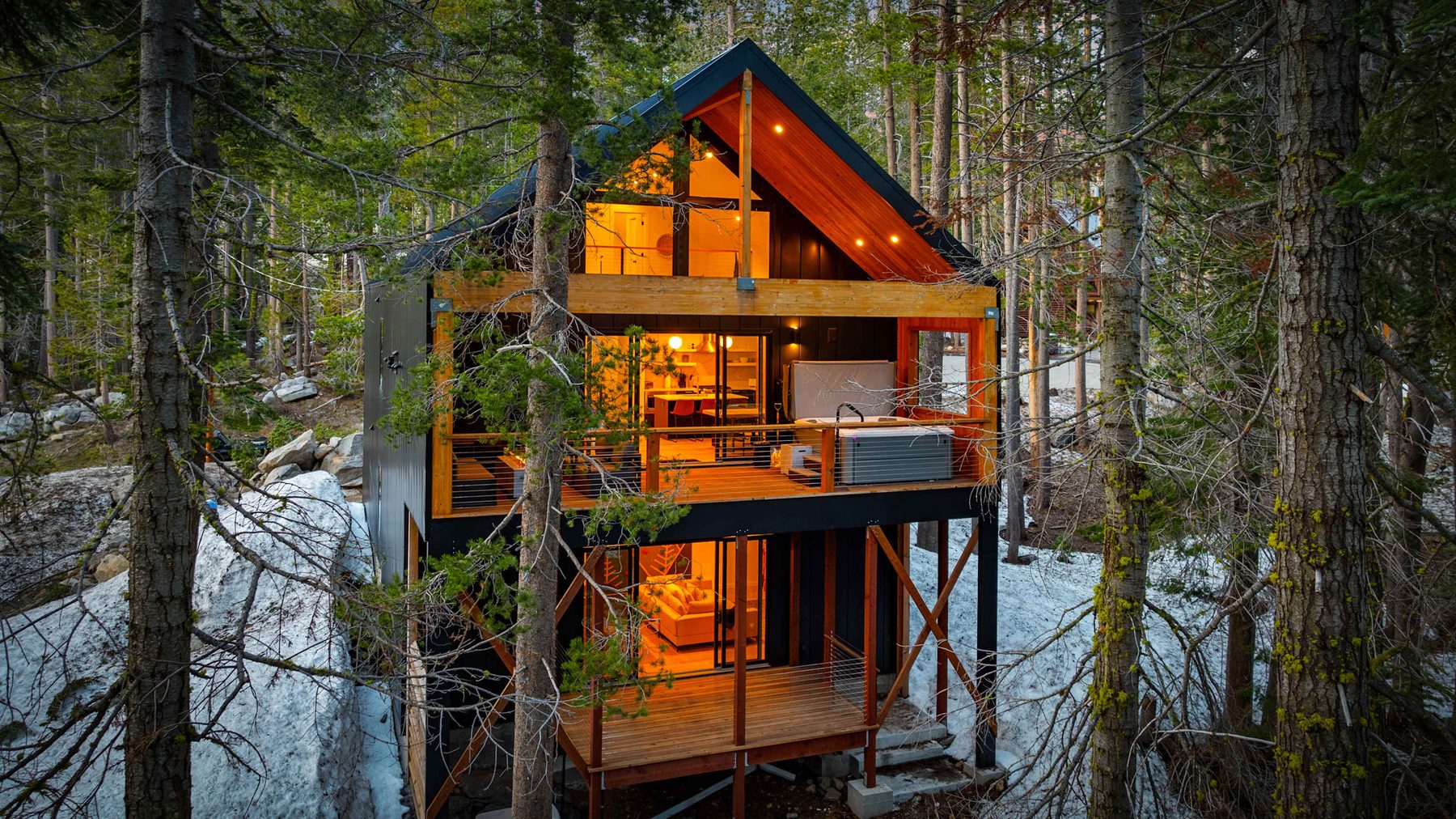
Soda Springs is on Donner Summit, and the three-bedroom house there is the mountain entry in the California list: a hot tub, a gas fire pit, ping-pong in a rec room and decks that face the forest. The listing calls Sugar Bowl Resort “the area's headline mountain” and names Boreal Mountain, Soda Springs Mountain Resort and Donner Ski Ranch as close by. For summer it suggests a stretch of the Pacific Crest Trail, a swim at Serene Lakes or a day at Donner Lake. Stays run from one night to 45.
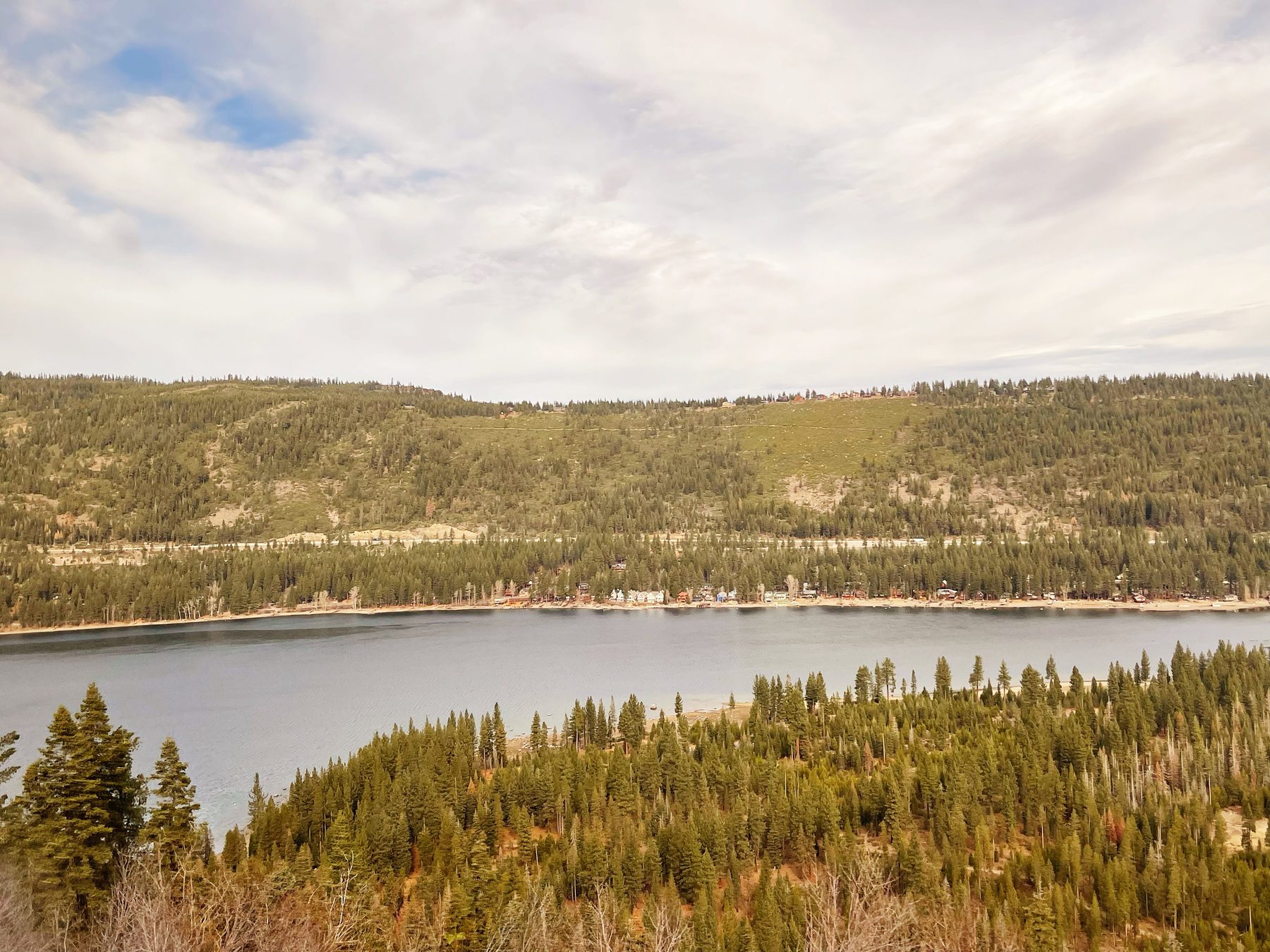
Views from California Zephyr - 2021-11-15 - Sarah Stierch 05 · Missvain · CC BY 4.0 · cropped
Sugar Bowl's own history page calls it “One of the oldest ski resorts in California” and dates its opening to 1939; it also claims the state's first chairlift and the West Coast's first ski gondola. On November 13, 2026, the resort's site said it remained closed ahead of a “targeted November 27th opening, conditions permitting”. Snow in this range is closely watched. The Central Sierra Snow Lab of the University of California, Berkeley, says it maintains “the longest snowfall and snow depth climatological records in the world from 1879 to present.” A five-star review of the house dated October 2026 carries two cautions worth passing on: “If you’re a light sleeper, it is close to the freeway and train tracks. It’s not loud but definitely can hear it.” The same guest noted that the house has many stairs.
Edwards and the Vail Valley
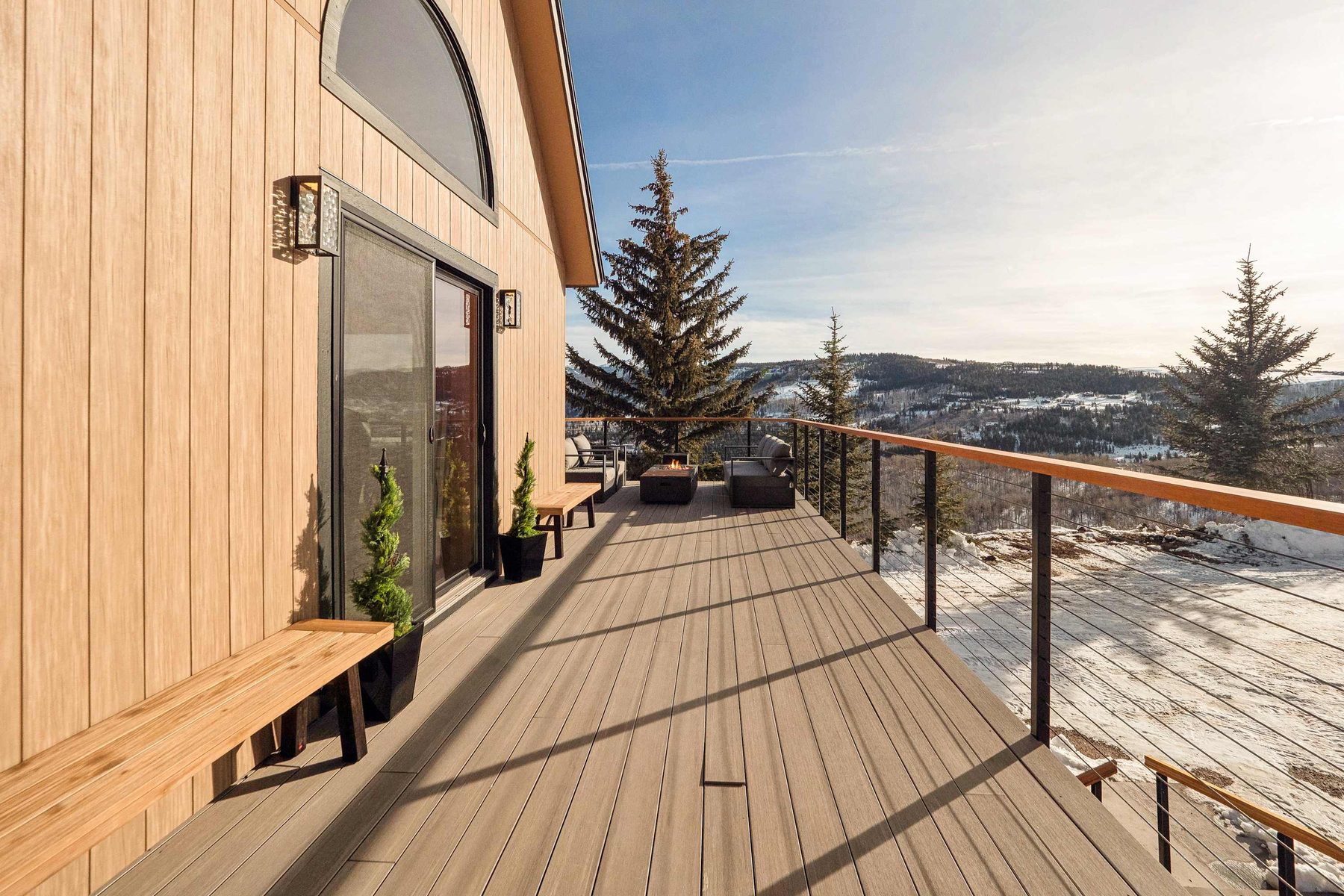
The Colorado listing describes a four-bedroom house on 35 acres, with views it names as the Vail Valley, Beaver Creek and Cordillera, and lists a hot tub, a barrel sauna, a game room and a fire pit. It also carries a house note that no group should miss: “all guests must have a 4x4 or AWD vehicle to navigate the dirt roads and handle any snow or mountain climate conditions.” The page shows a rating of 5 from 55 reviews. One, from October 2026, mentions “Elk bugling in the valley early mornings”.
The valley's winter calendar is the ski season. Vail Mountain's own statistics page lists 5,317 acres, 32 lifts, 278 trails and an average snowfall of 354 inches, with a base at 8,120 feet. Lumina's page for Colorado owners says: “Colorado has a calendar. We price to it.” The first item on that calendar is the ski season, from December to March.
Edwards is in Eagle County, and here the published rule is notable for what the county chose not to do. The county had been working on short-term rental regulations since 2022, the Vail Daily reported in March 2025. The county's own page describes the license it weighed, which could have required operators to register, meet uniform health and safety standards and pay annual fees. Then it stopped. The county's page on the draft ordinance says its commissioners met on May 13, 2025, and “determined to not create an STR ordinance at the county level.” It adds: “Regulations will continue to be left to metro districts and HOAs to implement their own ordinances.”
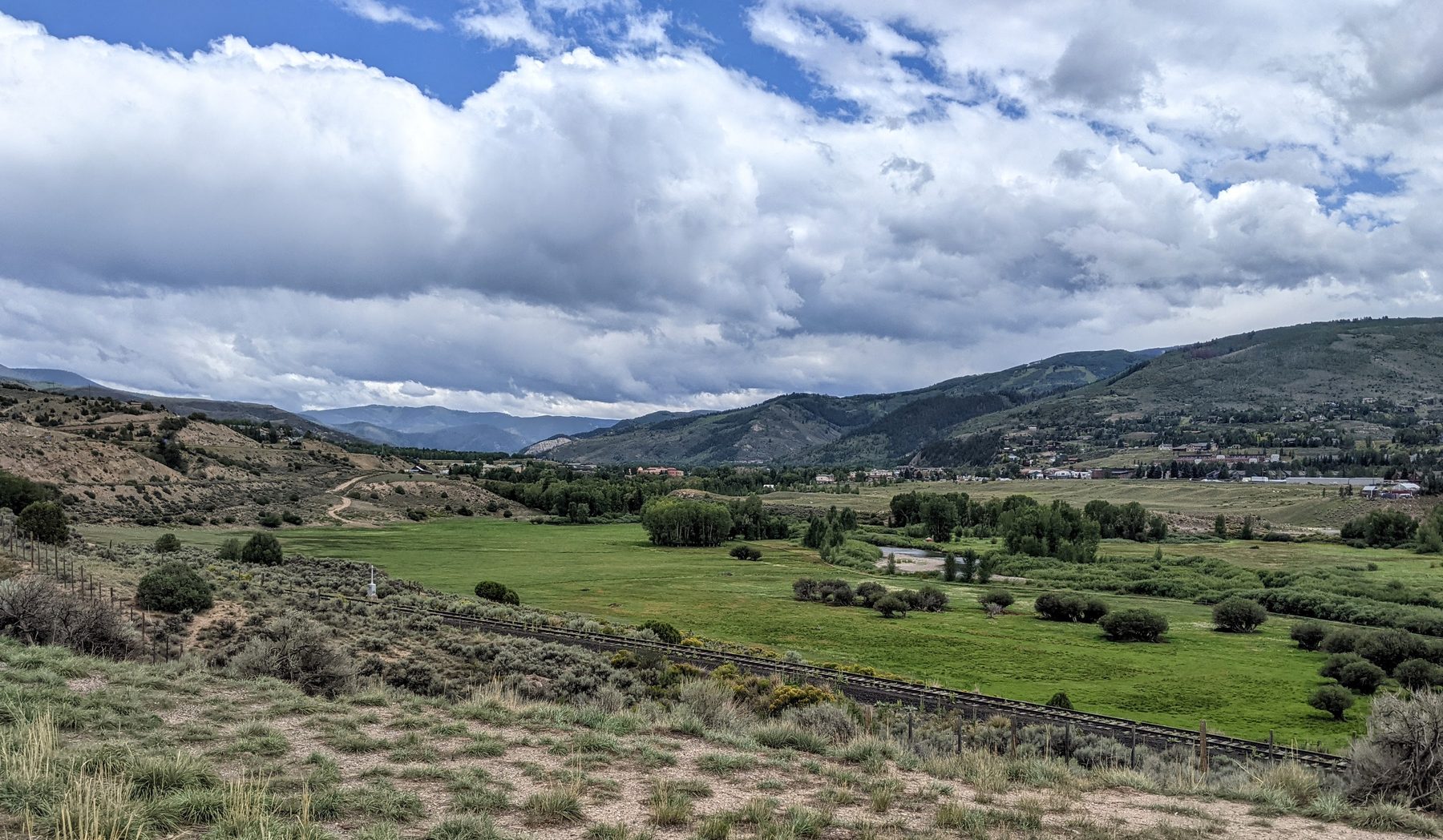
Eagle River from I-70 w Edwards CO · Dicklyon · CC BY-SA 4.0 · cropped
The towns are a different matter. The same county page notes that Vail, Avon, Eagle, Gypsum and Basalt already have policies of their own. And the Vail Daily's report carried a figure that shows how concentrated the question is: “Beaver Creek has 87% of all the short-term rental units in unincorporated Eagle County.” For a traveler the result is a valley where the rules change from one town or neighborhood association to the next, and where the house rules on a listing are the practical guide.
Scottsdale, Beaverton and Schaumburg
More than 11 million people traveled to Scottsdale in 2024, the city said in August 2025: 4.9 million domestic overnight travelers, 1.7 million international overnight visitors and 5.1 million day-trippers. The city put the economic impact at $3.7 billion and the jobs supported at more than 36,000. “Tourism is a fiercely competitive industry, and this growth in visitation speaks to the strength of Scottsdale’s brand,” said Rachel Sacco, the president and chief executive of Experience Scottsdale, in the same release.
The city's calendar explains its busy weeks. Its release names the WM Phoenix Open, the Barrett-Jackson Collector Car Auction, the Scottsdale Arabian Horse Show and San Francisco Giants spring training among Arizona's most attended events. Lumina's page for owners, listing the periods it prices for, begins with “Barrett-Jackson and Phoenix Open in Scottsdale”. Its Scottsdale listing is a house with a pool, a lounge, a barbecue, ping-pong, an outdoor theater and mini golf in the yard, which the page places minutes from TPC Scottsdale, the Mayo Clinic and the shops at Scottsdale Quarter, and within reach of Old Town. The page notes that “Pool heating can be included for an extra fee.” It shows a rating of 4.8 from 52 reviews.
Scottsdale publishes its rental rules plainly. The city's page for owners and operators says every short-term rental needs an annual city license for each property, at a fee of $250, and that the license applies only to rentals of less than 30 days. Each property must carry liability coverage of at least $500,000. Neighbors must receive a letter with the license number, the address and the name and 24-hour telephone number of an emergency contact. The page is frank about why: “One of the most common complaints the city receives is a lack of response from property managers or emergency contacts when issues arise.”

Scottsdale SW02 · Scotwriter21 · CC BY-SA 4.0 · cropped
The Beaverton and Schaumburg homes are a different kind of address. The Beaverton house has five bedrooms, a game room, a hot tub and a backyard, and its listing's first claim is about location: “Steps from Nike headquarters”. Nike says its Philip H. Knight Campus in Beaverton opened in 1990, covers 400 acres, has more than 75 buildings and hosts more than 11,000 employees. The listing shows a rating of 4.9 from 87 reviews.
The Schaumburg house, with four bedrooms, measures itself by the same kind of distance: “17 miles from O’Hare, 35 miles from Chicago & 6 miles from Schaumburg Convention Center”. Its listing mentions a work desk with an ergonomic chair as well as a fire pit and a game room, asks for a minimum of three nights, and shows a rating of 4.9 from 39 reviews. No local short-term rental rule for Beaverton, Schaumburg or Soda Springs could be read on an official page for this article, so none is described.
The technology Lumina describes
What Lumina says about its technology is brief, and it is reported here as the company's own description. On pricing, its page for homeowners says: “SmartRates prices your home at what it's worth, then distribution across hand-selected channels fills those nights with vetted, premium guests.” Its page for referral partners lists, among the reasons owners choose the company, “AI-powered dynamic pricing” and “24/7 AI guest communication”, beside maintenance teams and professional photography. The pages give no further description of either, and this article does not guess at how they work.
The company's blog sets out the principle at more length. A guide for owners dated October 6, 2026, says: “For a luxury home, the right system combines automated rate recommendations with cost floors, stay-length rules and human oversight.” It adds: “The lowest rate that produces a booking isn't necessarily a rate worth accepting.” A post of August 24, 2026, defines a booking engine as “the software that lets guests search dates, view real-time availability, see accurate pricing, reserve a property and pay online.” The terms of service say the company “may use third-party tools (e.g., Guesty, CRMs, payment processors) to operate messaging and booking services”, and give those as examples.
The rest is hardware and routine. The home page promises “smart locks for easy access” and electric-vehicle chargers. The owner page's list of what its fee covers includes dynamic pricing, a direct booking website, guest vetting, a strict no-parties policy, smart-home monitoring, mid-stay quality checks, and permit and compliance support, and the FAQ says smart-home technology is installed when a home is taken on. The pricing philosophy is stated without hedging: “Most managers fill every night and discount to do it. The result is lower rates, more turnover, and extra wear on your home. We start with rate.” The same page says its homes are “priced to each region's peak windows”, and counts “summer weekends in Manhattan Beach” among them.
Manhattan Beach 065 · Pimlico27 · CC BY-SA 4.0 · cropped
The other side of the AI story belongs to travelers. Phocuswright, a travel research firm, said in a release dated March 26, 2026, that 56% of U.S. leisure travelers had used AI for at least one trip in the past 12 months, up from 43% in late 2025. Generative platforms such as ChatGPT and Gemini had reached 33% usage for trip research, against 35% for general search engines. “AI has crossed the threshold from curiosity to utility,” said Pete Comeau, the firm's managing director.
The same release carried the limit. Only 8% of travelers said AI answers alone were sufficient, and 51% typically clicked through to source websites. By age, use ran from 74% among millennials to 27% among baby boomers, whose share had more than doubled in six months. During a trip, 51% used AI for real-time recommendations on what to do.
A separate survey asked a different question. Allianz Partners' Global Travel Confidence Index, with polling by Ipsos of 2,001 U.S. adults between March 20 and April 14, 2026, found that 37% of Americans planning to travel that summer were using AI to help plan their vacations, Hotel Dive reported in July 2026. The two surveys measure different things and their figures should not be set side by side. Lumina's pages do not say how travelers reach it through such assistants, and nothing is claimed about that here. The practical point is the click-through. An assistant can summarize a list of places in a minute, but the minimum stay, the refund rule and the road to the house are on the property page.
Groups, generations and occasions
Several of Lumina's listings address groups directly. One five-bedroom house in Manhattan Beach is described as “Ideal for families, retreats, or group getaways”, and the company's page for owners describes one of its homes, which it does not name, as “set up for larger groups and multi-generational families”, with stays of about five nights reserved about two months ahead. Another, it says, draws mostly families and groups of friends for stays of about three nights. The page attaches its own caution to these case studies: “Results reflect specific Lumina-managed homes over the periods shown. Every property is different, and past performance does not guarantee future results.”
The reviews Lumina reproduces show the same thing in small. The October 2026 review of the Soda Springs house, the one that mentioned the freeway, also says: “Our kids loved the climbing wall and ping pong table.”
Two surveys describe the demand behind houses of this kind. Hilton's 2026 Trends Report, published in October 2025, found that 48% of the Hilton team members it surveyed were seeing more families traveling with three or more generations. The base there is hotel staff, not travelers. Among travelers who vacation with children, the report said, 29% were sending the children off with just the grandparents, and 50% of parents were using travel for one-on-one time with individual children. It also said more travelers were encouraging their children to bring friends along.
American Express Travel's 2026 Global Travel Trends Report came at the subject through occasions. Two-thirds of its respondents, 66%, planned a trip in 2026 to celebrate a milestone for other people, and 82% planned to build in buffer days around the main celebration. Among millennial and Gen Z respondents extending such a trip, the top reasons included more time with family and friends (49%) and experiencing the location how they want (46%). Its figures come from a Morning Consult poll conducted between December 30, 2025, and January 14, 2026, among adults in seven countries, 2,025 of them in the United States, all with an income equivalent of at least $50,000 and a habit of traveling at least once a year. That is a sample of people with means, and it should be read as one.
The supply side has been steadier than forecast. AirDNA's midyear outlook, published on July 8, 2026, said of the United States that “the wave of new listings we expected never materialized”, and that slower supply growth had helped occupancy hold above pre-pandemic levels. It also said higher inflation and borrowing costs were nudging travelers toward “value-focused, drive-to destinations”. Its forecast for 2026, as Albany CEO reported it in December 2025, had been for available listings to grow by 4.6%, well below the 20% peak expansion of 2021 and 2022, and for occupancy to ease by 1%.
What none of these sources supplies is a count of professionally managed luxury homes. No public figure for that segment was found for this article, so its size is not stated here. What can be said is narrower: some of Lumina's own pages address the groups and the families of several generations that the surveys describe.
San Juan and Lake Norman
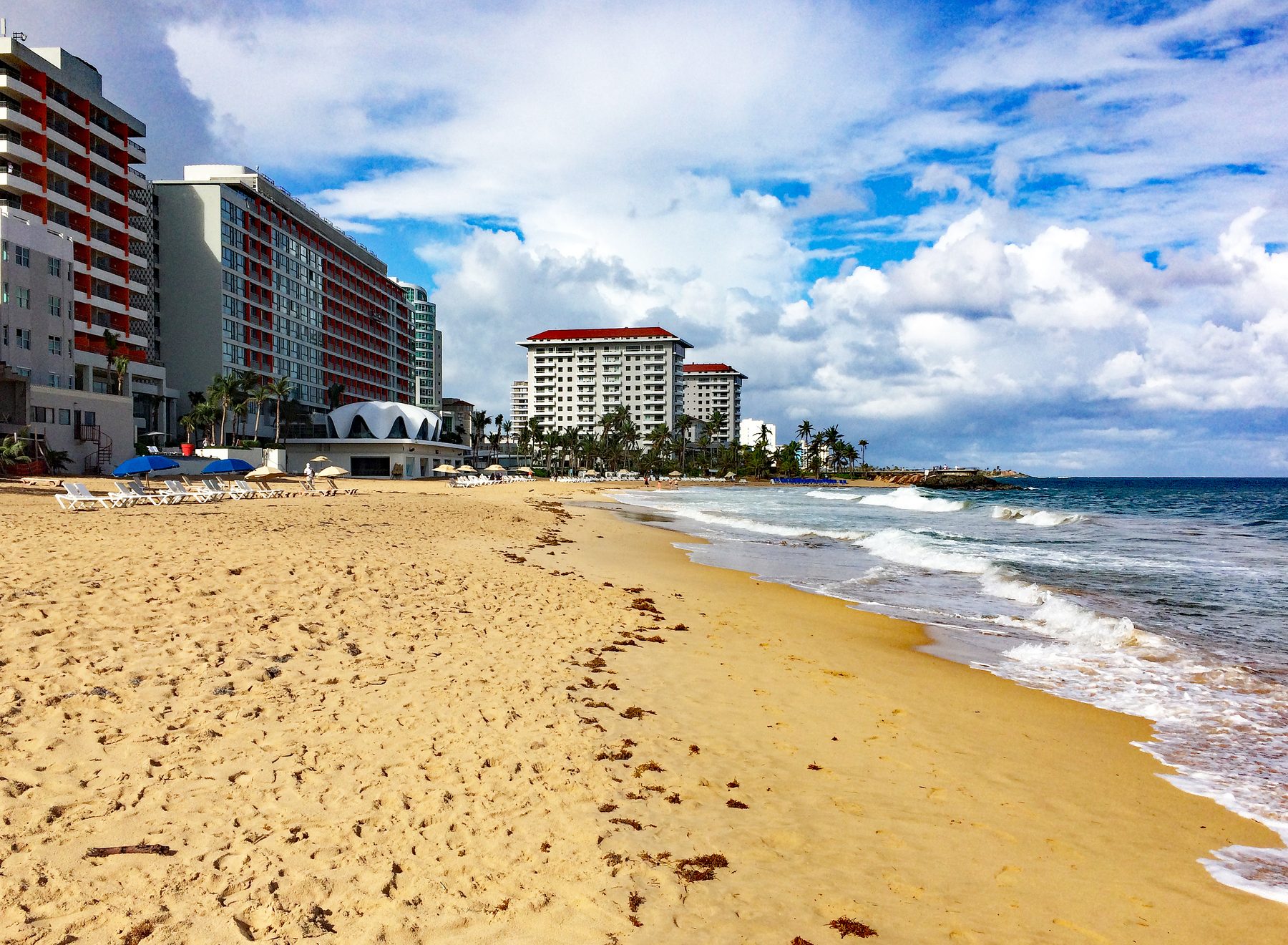
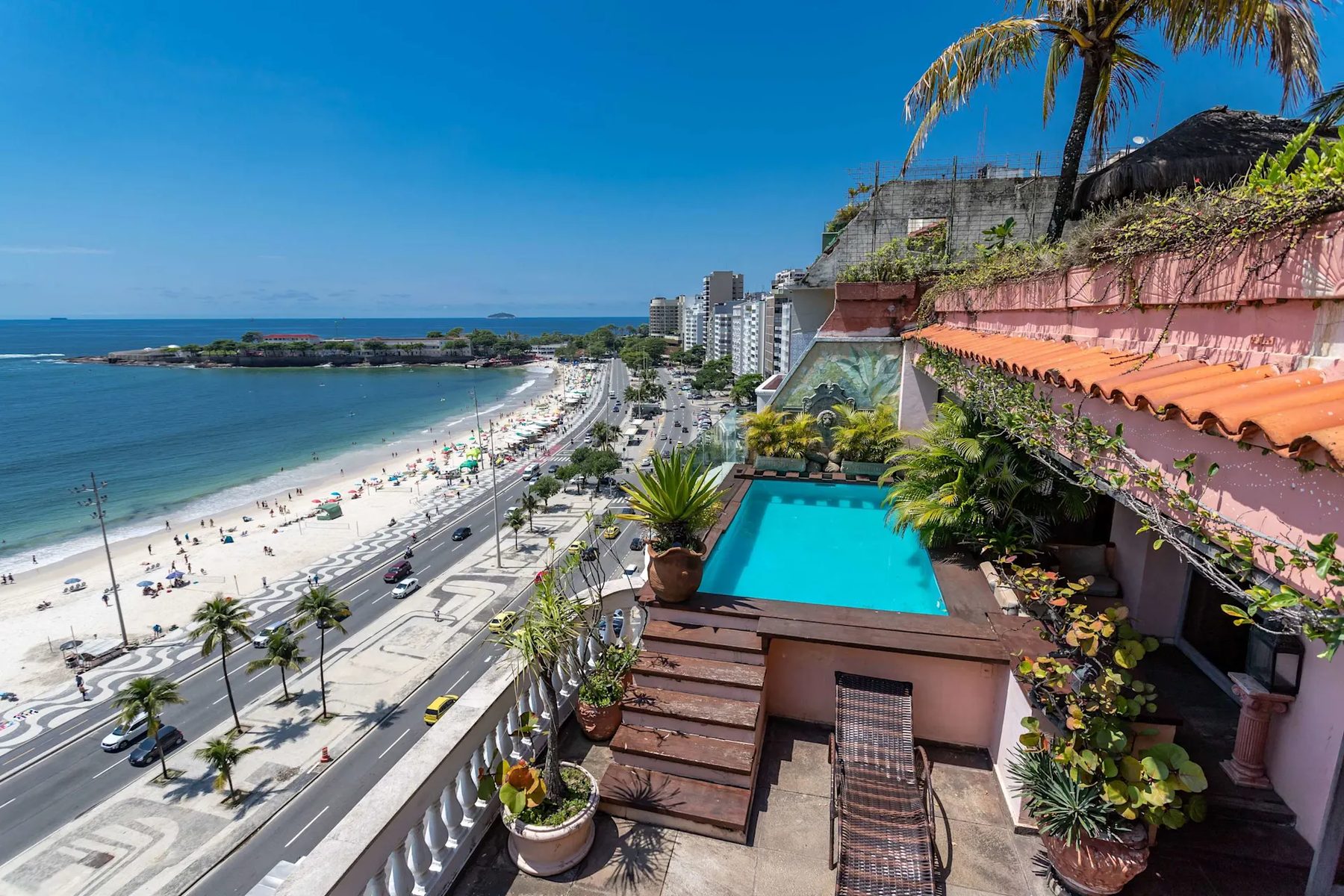
Two places remain: the city where the founder's website says she was born and raised, and the lake where this article began. San Juan is the one place on the list outside the mainland. Lumina's listing there is an apartment “right on Ashford Ave”, which the page places between the coast and a lagoon, with “the pool overlooking the lagoon” and Old San Juan, restaurants and shops minutes away. It has more reviews than any other home on the site, 112, with a rating of 4.9. The U.S. National Park Service keeps the city's forts as San Juan National Historic Site, which it describes as a World Heritage Site. “Countries fought for control of this tiny yet strategic island for centuries,” the service writes.
Condado Beach - San Juan · P. Hughes · CC BY-SA 4.0 · cropped
San Juan moved to regulate this kind of stay by municipal ordinance in 2023. El Nuevo Día reported on May 26, 2023, that the city had become the second municipality in Puerto Rico to regulate short-term rentals, with a regulation that established “an annual license of up to $500 per unit, among other requirements,” along with a registry and fines for failing to comply.
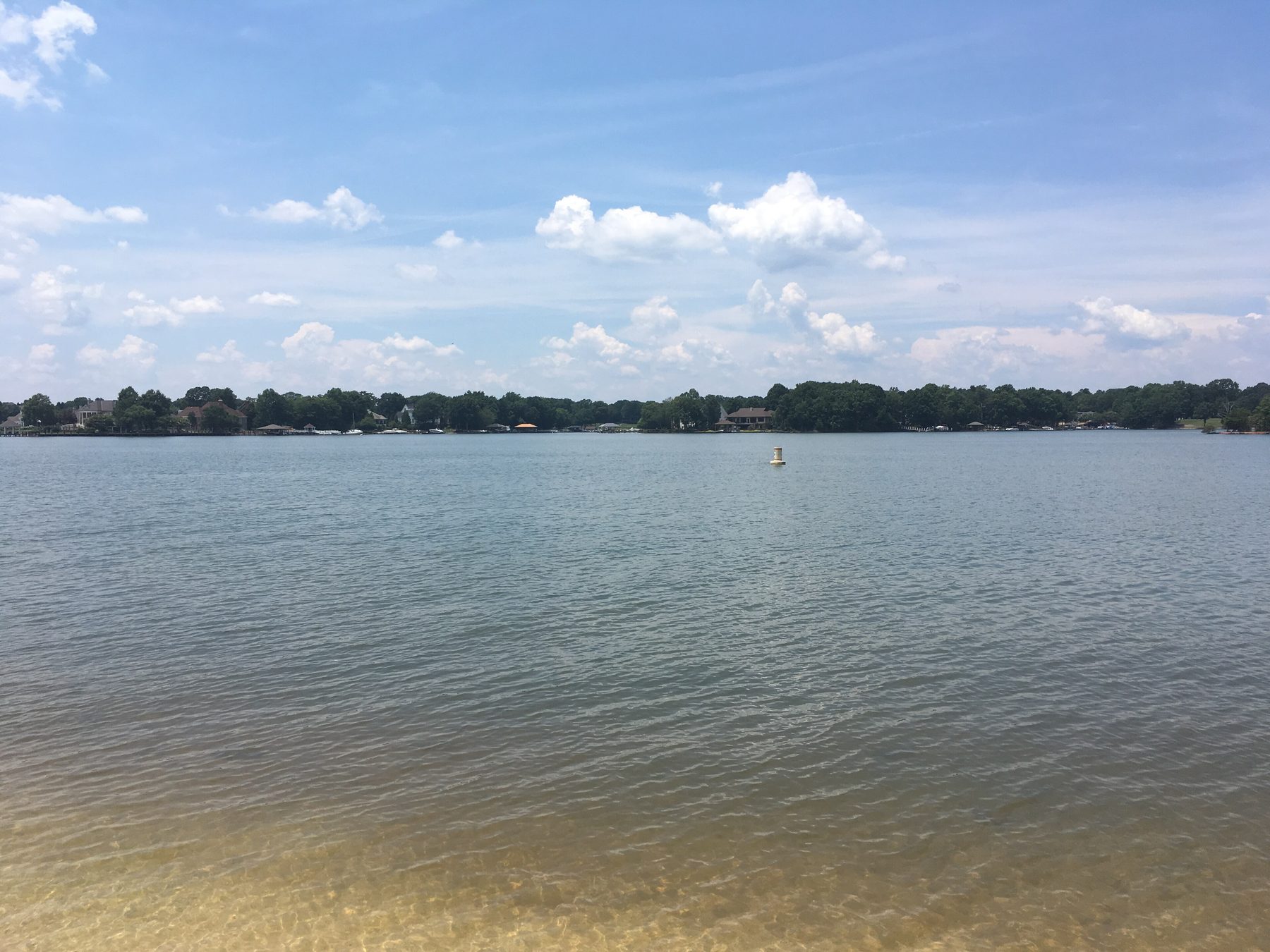
Lake Norman is a made lake and a fairly recent one. On September 28, 1959, Southern Power Company, now Duke Energy, broke ground on the Cowan's Ford Dam on the Catawba River, according to the North Carolina Department of Natural and Cultural Resources. The lake took more than a year to fill and now covers more than 32,000 acres across Catawba, Iredell, Lincoln and Mecklenburg counties, “the largest manmade body of water in North Carolina.” It is named for a former Duke Power chief executive, Norman Atwater Cocke.
On the northern shore, Lake Norman State Park covers about 17 miles of shoreline and has, by the state parks service's description, nearly 31 miles of single-track mountain biking on its Itusi Trail. Two islands in the park shelter more than 25 great blue heron nests. Lumina's listing puts the park's trails about 30 minutes from the house by car, downtown Mooresville about 20 minutes away and Uptown Charlotte about 45. Charlotte Douglas International Airport is about an hour's drive, 37 miles. Guests who bring a boat are asked to send a message before arrival so that dock space can be arranged.
Lake Norman in Ramsey Creek Park · Dough4872 · CC BY-SA 4.0 · cropped
North Carolina limits what a town may demand of short-term rentals. The UNC School of Government's summary of the law describes Schroeder v. City of Wilmington, in which the court held that a state statute, G.S. 160D-1207(c), preempted the registration requirements of the city's regulation but not its authority to require zoning permits. The court upheld provisions that restricted whole-house short-term rentals to specified zoning districts, along with parking requirements, limits on large gatherings and mandatory insurance. On that summary, a North Carolina town may zone these rentals and set operating rules, but may not make owners register them. Mooresville's own rule was not read for this article.
What it means for where you stay
Homes in this many places make for very different trips, and the first lesson is to read the place as closely as the house. The house rules, the road, the season and the local rules for rentals are different in each. In Scottsdale the city requires a license for each property and a 24-hour contact. In Eagle County the county has left the matter to districts and associations.
The second is to read the listing for its limits as well as its photographs. Lumina's pages state theirs plainly, and they are the useful kind: a road that needs four-wheel drive, a bedroom without a window, a lake house with no transit nearby, a pool that costs extra to heat. Count bedrooms before beds. Read the number of reviews beside the score.
The third concerns the reservation. Reserving with the manager settles who answers during the stay, and the published figures do not show that it changes the price. The refund terms matter more to a group than to a couple, because a group's plans have more ways to change. And a trip first sketched with an AI assistant should end where about half of Phocuswright's travelers ended theirs, on the source page.
Planning notes
- Arrival: check-in at 4 p.m. and checkout at 11 a.m. on the property pages read.
- Minimum stay: two nights at most homes, three at Temecula and Schaumburg, one at Soda Springs, 30 at Laguna Beach.
- Refunds: none within 60 days of arrival, by the company's FAQ. The cancellation terms shown at booking apply.
- Edwards: a four-wheel-drive or all-wheel-drive vehicle is required.
- Mooresville: no public transit near the home. Charlotte Douglas International Airport is about an hour's drive.
- Scottsdale: pool heating is an extra fee.
- Pets and gatherings: the rules vary by home. The Temecula estate takes no pets.
- Manhattan Beach townhome: the fourth bedroom is on the garage level and has no exterior window.
Lumina's own pages, with each home's photographs, house rules and calendar, start at staywithlumina.com/destinations.
Sources
- Lumina Luxury Rentals, Home page: what the company offers guests (read 13 November 2026)
- Lumina Luxury Rentals, Destinations page and the property pages linked from its destination pages (bedrooms, house notes, ratings and guest reviews as shown) (read 13 November 2026)
- Lumina Luxury Rentals, Page for homeowners: the founder's statement, pricing approach, services and case studies (read 13 November 2026)
- Lumina Luxury Rentals, Regional page for Colorado homeowners (read 13 November 2026)
- Lumina Luxury Rentals, Regional page for Greater Los Angeles homeowners (read 13 November 2026)
- Lumina Luxury Rentals, Page for referral partners (read 13 November 2026)
- Lumina Luxury Rentals, FAQs for guests and owners (read 13 November 2026)
- Lumina Luxury Rentals, Terms of Service (read 13 November 2026)
- Lumina Luxury Rentals, Sitemap (read 13 November 2026)
- Lumina Luxury Rentals, Dynamic Pricing for Short Term Rentals: A 2026 Owner Guide (6 October 2026)
- Lumina Luxury Rentals, Why a Vacation Rental Booking Engine Matters (24 August 2026)
- Shariann Carlo, Personal website, home page (read 13 November 2026)
- Shariann Carlo, Personal website, About page (read 13 November 2026)
- Shariann Carlo, Personal website, Work page (read 13 November 2026)
- CanvasRebel, Meet Shariann Carlo (12 February 2024)
- Los Angeles County Department of Beaches and Harbors, Manhattan Beach (read 13 November 2026)
- Visit Laguna Beach, About us: the Tourism Marketing District, visitor taxes and visitor figures (read 13 November 2026)
- Festival of Arts, Pageant of the Masters, 2027 dates (read 13 November 2026)
- Visit Temecula Valley, Temecula Valley Tourism Delivers $1.2 Billion in Economic Impact (12 August 2026)
- Sugar Bowl Resort, History (read 13 November 2026)
- UC Berkeley Central Sierra Snow Lab, Home page (read 13 November 2026)
- Eagle County, Colorado, Draft Short Term Rental Ordinance, with the update of October 2025 (October 2025)
- Vail Daily, Is Eagle County too complex for a one-size-fits-all approach to short-term rental regulations? (24 March 2025)
- Vail Mountain, Mountain information and statistics (read 13 November 2026)
- City of Scottsdale, Tourism in Scottsdale: More than 11 million visitors fueled a $3.7 billion economic impact in 2024 (14 August 2025)
- City of Scottsdale, Vacation and short-term rentals: information for owners and operators (read 13 November 2026)
- NIKE, Inc., Company page (read 13 November 2026)
- U.S. National Park Service, San Juan National Historic Site (read 13 November 2026)
- El Nuevo Día, San Juan regulates short-term rentals with a license of up to $500 per unit (26 May 2023)
- N.C. Department of Natural and Cultural Resources, Creation of Lake Norman Altered the Landscape (28 September 2016)
- N.C. State Parks, Lake Norman State Park (read 13 November 2026)
- UNC School of Government, Land Use Regulation of Short Term Rental of Residential Property (read 13 November 2026)
- RedAwning, Vacation Rental Channel Mix 2026: Airbnb Hits 51% as Direct Slips (8 September 2026)
- AirDNA, U.S. 2026 and 2027 Outlook Midyear Update: A Better Year to Own Than to Buy (8 July 2026)
- Albany CEO, Report: 2026 Will Be the Best Year to Invest in Short-Term Rentals Since 2021 (18 December 2025)
- Hilton, Expanded, Playful Family Vacations (2026 Hilton Trends Report) (6 October 2025)
- American Express Travel, 2026 Global Travel Trends Report (2026)
- Travel Professional News, Majority of U.S. Travelers Now Use AI for Trips, Marking Fastest Behavioral Shift in a Decade, New Phocuswright Study Finds (Phocuswright release of 26 March 2026, as republished) (27 March 2026)
- Hotel Dive, Artificial intelligence becoming a 'mainstream travel planning tool': survey, by Noor Adatia (23 July 2026)




The conversation